






Most people looking for more energy start by asking the wrong question. They ask what to add — a stimulant, a shot, a “hack” for the afternoon slump. The better question is what’s missing. Energy isn’t manufactured by a single ingredient. It’s produced, continuously, inside your cells — and that process depends on a specific set of nutritional inputs showing up, every day, in the right amounts.
This piece goes one level deeper than our other articles about the specific roles B vitamins, iron, and magnesium play in energy metabolism, and why gaps in any one of them can leave you running on empty no matter how much sleep you get or coffee you drink.
Energy Is Made, Not Found
Every cell in your body produces energy through a process that converts food into a usable form — a molecule called ATP. That process runs on a chain of chemical reactions, and chemical reactions need cofactors: vitamins and minerals that help enzymes do their job. Take enough of the right inputs off the table, and the chain slows down, regardless of how many calories you’re eating.
This is the foundational case for supplementation at all: not to manufacture energy from nothing, but to make sure the machinery that already produces it has what it needs.
B Vitamins: The Metabolic Engine
The B vitamins are the closest thing the body has to a dedicated energy-production team. Several of them work directly inside the pathways that turn carbohydrates, fats, and protein into ATP:
- B1 (thiamine) and B2 (riboflavin) help support the early steps of converting glucose into usable energy.
- B3 (niacin) is a building block for NAD+, a molecule the body’s energy-producing pathways depend on at nearly every step.
- B5 (pantothenic acid) helps support the formation of coenzyme A, a central player in breaking down fats and carbohydrates for fuel.
- B6 plays a role in how the body metabolizes protein and supports normal red blood cell formation.
- B12 and folate support normal red blood cell production and nervous system function — both of which affect how well oxygen and nutrients get where they need to go.
None of these vitamins are stored in large reserves. B12 is the exception with meaningful liver storage, but most B vitamins are water-soluble, meaning your body uses what it needs and clears the rest daily. That makes daily, consistent intake — not occasional dosing — the relevant variable.
Iron: Oxygen Is Non-Negotiable
Cellular energy production requires oxygen. Iron is the reason oxygen gets there. It’s a core component of hemoglobin, the protein in red blood cells that carries oxygen from your lungs to every tissue in your body, including the tissues doing the work of producing energy.
Low iron intake is common, particularly among people who menstruate, endurance athletes, and anyone eating a largely plant-based diet, since iron from plant sources is less readily absorbed than iron from animal sources. When iron intake doesn’t keep pace with what the body needs, oxygen delivery becomes less efficient, and energy metabolism has less to work with, cell by cell.
This is a nutrient gap worth understanding, not a reason to panic. Most people don’t need to test or supplement iron aggressively. They need to know it’s a foundational input worth paying attention to — particularly if diet alone isn’t reliably covering it.
Magnesium: A Closer Look
Magnesium is a cofactor in hundreds of enzymatic reactions in the body, and energy metabolism is one of the biggest. ATP — the energy molecule every cell relies on — is typically bound to magnesium in its usable form. Without adequate magnesium, the body’s ability to actually use the ATP it produces is affected, not just the production of it.
Magnesium intake is low across a lot of populations, which is why it shows up so often in conversations about energy, sleep, and stress. It’s a real nutrient with real science behind its role in metabolism. It’s also why we treat it as a situational add-on rather than a foundational member of the First5: it earns its place after the foundation is covered, not before. Layering magnesium onto a diet that’s still missing its baseline B vitamins and iron is optimization without a foundation underneath it — the exact pattern we built Woodstock Vitamins to help people avoid.
What This Means for Your Foundation
B vitamins and iron are foundational nutrient inputs for energy metabolism — which is why they’re part of what a well-formulated Multi is built to cover. A daily multivitamin, taken consistently, is one of the more direct ways to make sure these inputs aren’t the reason your energy metabolism is working with less than it needs.
Magnesium is worth understanding, and worth considering once your foundation — Omega, Collagen, and Multi, for Energy & Performance — is in place and taken consistently. First things first.
None of this is about finding one nutrient that unlocks more energy. It’s about making sure the inputs your cells already depend on are consistently available. That’s a foundation, not a hack — and it’s the difference between chasing energy and actually producing it.
Curious where your own foundation has gaps? Take the quiz to find out which of the First5 matter most for you.
Ask the internet how to improve your mood, and you’ll get a thousand answers. Most of them are contradictory, and the other half are selling something. Strip away the noise and the actual evidence points somewhere much less exciting: four unglamorous levers — sleep, movement, connection, and diet — do more for everyday mood and stress resilience than almost anything else available to you. No trend required.
This isn’t a substitute for professional care when it’s genuinely needed. It’s what’s true for the everyday stress and low mood most people carry around without ever addressing the root causes.
Sleep: The Lever Everything Else Depends On
Mood regulation is downstream of sleep, not the other way around. A single short night measurably shifts emotional reactivity — small frustrations register as bigger ones, and the mental bandwidth for handling stress shrinks along with the hours you got.
The fix isn’t complicated, but it is consistent: a stable wake time, a wind-down period free of screens, and treating sleep as non-negotiable rather than the first thing sacrificed when the schedule gets tight. If your mood has been off and your sleep has also been off, start there before you start anywhere else.
Movement: Not About the Workout You’re Skipping
Exercise doesn’t need to be intense to matter for mood. Regular, moderate movement — a daily walk, a bike ride, anything that gets the body working consistently — is associated with meaningfully better stress resilience and day-to-day mood stability. The mechanism isn’t mysterious: movement regulates the same stress-hormone systems that chronic sitting and chronic stress both push out of balance.
The threshold that matters most is consistency, not intensity. Fifteen minutes most days does more for mood than an hour once a week that you dread and eventually skip.
Connection: The Most Overlooked Lever of the Four
Isolation is a measurable stressor on the body, not just an emotional experience. Regular social contact — a standing coffee, a weekly call, showing up somewhere in person — supports the same nervous system regulation that sleep and movement do, and it’s the lever people neglect first when life gets busy, precisely because it feels optional. It isn’t. Treat a recurring connection point in your week with the same seriousness you’d give a workout or a bedtime.
Diet: Feeding the System That Runs Your Mood
Mood regulation runs on specific nutritional inputs — the same B vitamins, omega-3s, and gut-supportive nutrients that show up everywhere else in foundational health. A pattern heavy in ultra-processed food and light on whole foods doesn’t just affect energy and digestion; it removes raw material the nervous system depends on to regulate itself.
You don’t need a restrictive diet to fix this. You need consistent access to the nutrients that are already known to matter — protein, fiber, omega-3s, and a gut environment that’s actually functioning, since a meaningful share of the body’s mood-relevant neurotransmitter activity originates in the gut, not the brain.
Why None of These Work in Isolation
Here’s the part that gets lost in most “top tips” lists: these four levers reinforce each other. Poor sleep saps the motivation to move. Skipping movement makes sleep worse. Isolation removes the accountability that helps both. A diet leaning on convenience food is often what’s left when sleep and stress have already eaten into the time and energy for anything else.
That’s why chasing one lever in isolation — a single supplement, a single habit change — rarely moves the needle much on its own. The foundation has to be built, not patched.
Where Supplementation Fits — and Where It Doesn’t
Foundational nutrition supports this system; it doesn’t replace it. For everyday stress and mood, Omega is the Superstar — EPA specifically is among the more studied nutrients for supporting normal mood regulation. The complete foundation adds Probiotic, given the gut’s direct role in mood-relevant signaling, Calcium+D for the broader nutrient baseline tied to nervous system function, and Multi to close the B-vitamin and mineral gaps that feed into the same system.
None of these are a stand-in for sleep, movement, connection, or diet. They’re the nutritional floor that makes it easier for the other four levers to actually work — not a shortcut around them.
The Real Takeaway
If your mood has felt off and you’re looking for the one thing to fix it, the honest answer is that there isn’t one thing. There are four ordinary, unglamorous levers, and they compound. Start wherever feels most doable this week — sleep is usually the highest-leverage place to begin — and build from there.
Want to know where your foundation actually stands? Take our quiz to see what belongs in your foundation first, or check out the Stress & Mood Health foundation for the full picture.
When people think about bone health, calcium usually gets all the attention. Maybe Vitamin D gets a mention too, since it’s well known for helping the body absorb calcium. And while both are essential, they aren’t the entire story. One question often gets overlooked:
Once your body absorbs calcium, how does it know where to put it?
That’s where Vitamin K2 enters the conversation. K2 has become one of the most common nutrients people add to an established Calcium + Vitamin D routine. Not because it’s trendy, but because it supports an important step in the process that comes after absorption.
Here, we believe supplements work best when they’re built on the right foundation. Understanding where K2 fits—and where it doesn’t—is part of making informed decisions about your health.
Calcium Absorption Is Only Step One
Think of building a house. Delivering lumber to the job site doesn’t automatically build the walls. The materials still need to be put in the right place. Calcium works much the same way. Vitamin D helps your digestive system absorb calcium from the foods and supplements you consume. Without enough Vitamin D, your body simply can’t utilize calcium efficiently.
But after calcium enters your bloodstream, another process begins. Your body still needs to incorporate that calcium into healthy bone tissue while minimizing calcium deposition in places it isn’t intended to accumulate, such as soft tissues. Absorption and utilization are two different biological processes, and they rely on different nutrients.
The Important Role of Vitamin K2
Vitamin K2 doesn’t increase calcium absorption. Instead, it helps activate proteins that participate in calcium utilization throughout the body.
Researchers have identified two proteins that depend on Vitamin K2:
- Osteocalcin, a protein produced by bone-building cells that helps bind calcium within bone tissue after it has been activated.
- Matrix Gla Protein (MGP), which helps regulate calcium in soft tissues after activation.
Without sufficient Vitamin K2, these proteins remain undercarboxylated (inactive), meaning they cannot perform their intended functions efficiently. This is a well-studied biological mechanism that helps explain why K2 has become such a frequent topic in conversations about bone health.
Why Calcium, Vitamin D, and K2 Work Together
This trio contains the essential nutrients to provide truly rock-steady bone health. Each nutrient contributes something different:
- Calcium provides one of the primary minerals that support healthy bones.
- Vitamin D helps your body absorb calcium efficiently.
- Vitamin K2 helps activate proteins involved in directing calcium toward normal bone mineralization.
Rather than replacing one another, they perform complementary roles. It’s less about finding a “magic nutrient” and more about understanding that healthy physiology depends on multiple systems working together.
Not All Vitamin K2 Supplements Are the Same
One detail that often gets missed is that “Vitamin K2” isn’t a single ingredient.
The two most common supplemental forms are MK-4 and MK-7, and they behave differently in the body.
MK-4
MK-4 has a relatively short half-life, meaning blood levels decline fairly quickly after supplementation. Because of this, higher or more frequent dosing is often required to maintain consistent levels.
MK-7
MK-7 remains in circulation considerably longer. Its extended half-life allows it to provide more sustained activation of Vitamin K-dependent proteins between daily doses.
For many people looking to supplement with K2, this longer duration is one reason MK-7 is commonly chosen. While both forms have been studied, understanding the difference helps explain why supplement labels—and dosages—can vary significantly.
Who May Consider Adding Vitamin K2?
People often begin looking into K2 when they’ve already established consistent habits around bone health and want to take a more comprehensive approach.
That may include adults who:
- Already take Calcium and Vitamin D consistently.
- Want additional nutritional support for normal bone mineralization.
- Are becoming more proactive about maintaining bone health as they age.
- Prefer building a supplement routine step by step rather than taking everything at once.
Not everyone needs to begin with K2, and it isn’t intended to replace the basics. Instead, it fits naturally into a well-built routine after the nutritional foundation has already been established.
Food Sources of Vitamin K2
While supplements are one option, Vitamin K2 also occurs naturally in certain foods. Some of the richest dietary sources include:
- Natto (fermented soybeans)
- Certain aged cheeses
- Egg yolks
- Liver
- Some fermented dairy products
Because these foods aren’t staples in many Western diets, supplemental K2 has become increasingly popular among people looking to increase their intake.
Why K2 Isn’t Part of the First5 Foundation
This is where the Woodstock Vitamins philosophy becomes especially important. We don’t believe every beneficial supplement belongs in everyone’s routine from day one.
The First5 represents foundational nutrients that address common nutritional needs for a broad range of adults.
For bone health, Calcium + Vitamin D form that foundation because they address the basic requirements for calcium intake and absorption. Vitamin K2 is different.
It’s an excellent next-step nutrient, but only after the fundamentals are already in place.
Trying to optimize calcium utilization without first ensuring adequate calcium intake and Vitamin D status is a bit like installing premium tires on a car with an empty fuel tank. The upgrade may have value—but it isn’t the first priority. Order matters.
A Few Important Considerations
Although Vitamin K2 is appropriate for many adults, it isn’t right for everyone. Individuals taking anticoagulant medications such as warfarin should speak with their healthcare provider before taking Vitamin K supplements, since Vitamin K can affect how these medications work.
As with any supplement, it’s always a good idea to discuss changes to your routine with your healthcare professional, especially if you have an existing medical condition or take prescription medications.
The Woodstock Vitamins Takeaway
Bone health isn’t about finding one perfect nutrient. It’s about understanding how different nutrients work together. Calcium provides the building material. Vitamin D helps your body absorb it. Vitamin K2 helps activate the proteins involved in putting that calcium where it’s needed most.
That’s exactly why K2 has earned its reputation as one of the most common add-ons for people focused on bone health—but it’s also why we don’t put it ahead of the essentials. At Woodstock Vitamins, our philosophy is simple: build the foundation first, then layer in targeted support where it makes sense.
For most people, that means starting with Calcium + Vitamin D and considering Vitamin K2 as the next logical step once those basics are already part of a consistent daily routine.
We all want to feel more energized. Play with our kids, hike up a mountain, and have laser focus at work. The problem is, most of us are approaching it all wrong. Instead of doing the daily habits and consuming the foundational nutrients we need for natural energy, we find ourselves in the energy supplement aisle. There you’ll find hundreds of promises: more focus, more drive, more stamina — usually delivered by a bigger dose of caffeine than the last one. It works, for about an hour. Then you’re back where you started. That’s not an energy solution. It’s a trap. We’ll explain.
The Stimulant Trap
Caffeine and other stimulants don’t create energy. They block the signals that tell your brain you’re tired, which is a different thing entirely. Your body still did the work, used the resources, and built up the fatigue — you just stopped being able to feel it for a while.
Do that often enough and two things happen. First, tolerance builds, so the same dose stops doing much of anything, which is how a single afternoon coffee turns into a pre-workout, an energy drink, and a second coffee just to feel normal. Second, the crash that follows isn’t random — it’s the fatigue you postponed, arriving all at once with the stimulant’s exit.
This is the loop most “energy” products are built around: mask the symptom, sell the next dose. It’s a real category, and it has its place. It is not the same thing as addressing why you’re tired in the first place.
What Real Energy Actually Requires
Energy, in the physiological sense, isn’t a feeling you manufacture. It’s a process your body runs constantly, converting food into usable fuel at the cellular level. That process depends on a specific set of nutrients doing their jobs: B vitamins that support energy metabolism, iron that carries oxygen to the tissues that need it, magnesium involved in hundreds of the reactions that keep the process running.
When one of these inputs is running low — and for B vitamins, iron, and magnesium, that’s a common story, not a rare one — the whole system runs less efficiently. You feel it as low energy, poor focus, that “tired but wired” state that no amount of caffeine actually resolves, because caffeine was never addressing the input problem to begin with.
Why Stacking Stimulants Doesn’t Fix a Gap
Here’s what’s not said: if the fatigue is coming from a nutrient gap, a stimulant can’t close it. It can only override the signal telling you the gap exists. That’s why the pattern of “more caffeine, same tiredness” feels so familiar to so many people. The underlying cause was never addressed, just muted for a few hours at a time.
Foundational nutrition doesn’t work like a switch. It works by giving the system what it needs to run the way it’s supposed to, consistently, so the fatigue doesn’t build up, looking for an override in the first place.
The Foundation-First Approach
For Energy & Performance, Multi is the Superstar — it’s the most direct way to close the B vitamin, iron, and magnesium gaps that feed into normal energy metabolism. Built to our pharmacist-formulated standard, with activated forms and doses that reflect what the research actually supports, not what looks impressive on a label.
The complete foundation adds two more angles. Omega supports energy from a structural and cognitive-function standpoint — a different mechanism entirely from a B-vitamin gap. Collagen contributes amino acids that play a role in the body’s broader recovery and repair processes, which matters more to sustained energy than people usually assume.
None of these are a stimulant. None of them will make you feel “wired” in twenty minutes. That’s the point — they’re addressing the input, not overriding the signal.
What Else Actually Matters
No foundation fixes fatigue on its own if the basics aren’t in place. Sleep debt, dehydration, and a sedentary stretch of days will outweigh any supplement on the shelf. Foundational nutrition supports the energy system — it doesn’t replace the conditions that system needs to function.
If you’re consistently reaching for another cup of coffee just to feel normal, that’s worth paying attention to. It’s usually not a caffeine problem. It’s a foundation problem wearing a caffeine disguise.
Want to know where your foundation actually stands? Take the Woodstock Vitamins quiz to find out what belongs in your foundation first, or check out the Energy & Performance foundation for the full picture.
Everyone wants a sleep hack. The one supplement, gadget, or “secret” that finally delivers a full night’s sleep with little to no lifestyle changes. But here’s the uncomfortable truth: most sleep struggles aren’t caused by a lack of something. More often, they’re the result of habits that quietly work against your body’s natural sleep cycle every single day.
But there’s good news. This means improving your sleep doesn’t always require buying another product or completely overhauling your lifestyle. Sometimes, the biggest improvements come from removing the obstacles that are already standing in the way. Before you add anything to your nighttime routine, try subtracting these five habits first.
1. Stop Scrolling Right Up Until Lights Out
For many of us, checking our phones before bed has become automatic. A few emails turn into an hour of social media scrolling. Before you know it, it’s much later than you planned on going to bed, and your mind is completely wired.
The problem is the blue-enriched light from phones, tablets, and laptops tells your brain it’s still daytime. That signal can delay the natural release of melatonin, the hormone that helps regulate your sleep-wake cycle. When melatonin production is pushed back, falling asleep can become more difficult—even if you’re feeling tired.
There’s also the mental side of screen time. Reading work emails, scrolling through headlines, or engaging with stimulating content keeps your brain active at the exact moment you’re trying to wind it down.
Do this instead: Create a simple “screen sunset”. Put your phone away 30 to 60 minutes before bed, dim the lights, and give your brain permission to shift into nighttime mode. If you use your phone as an alarm clock, consider charging it across the room or outside the bedroom altogether.
2. Stop Pretending Your 3 p.m. Coffee Doesn’t Count
Coffee gets all the attention, but caffeine shows up in more places than you might expect—including tea, soda, energy drinks, chocolate, and even some pre-workout supplements.
What surprises many people is how long caffeine sticks around. While everyone metabolizes it a little differently, caffeine can remain in your system for several hours after you drink it. That afternoon pick-me-up may still be affecting your nervous system well into the evening, making it harder to fall asleep or stay asleep through the night. You may not even notice the connection because you’ve become accustomed to it.
Do this instead: Experiment with setting a caffeine cutoff in the early afternoon. Give it a week or two before deciding whether it makes a difference. Sleep improvements often happen gradually, and consistency is what allows your body to respond.
3. Stop Napping Like It’s a Second Job
Naps aren’t the enemy. In fact, a brief daytime nap can improve alertness, mood, and concentration when used intentionally. The challenge comes when naps become long, late, or unpredictable.
Your body naturally builds “sleep pressure” throughout the day—the biological drive that helps you feel ready for bed at night. A long afternoon nap can reduce that pressure, making bedtime feel less appealing and leaving you lying awake wondering why you’re suddenly wide awake. It’s an easy cycle to fall into: poor sleep leads to long naps, which lead to poorer sleep the next night.
Do this instead: If you need a nap, aim for about 20 to 30 minutes earlier in the day. Think of it as a quick recharge, not a substitute for a full night’s sleep.
4. Stop Treating the Weekend Like a Sleep Reset Button
After a busy week, sleeping in on Saturday feels earned. Unfortunately, your internal clock doesn’t always agree.
Our bodies thrive on consistency. Going to bed and waking up at dramatically different times from one day to the next can confuse your circadian rhythm, making Sunday night feel strangely restless and Monday morning especially difficult.
It’s sometimes called “social jet lag” because your body experiences a similar kind of disruption—even though you never left home. While one late night won’t undo your progress, regularly shifting your schedule by several hours can make it much harder to establish healthy sleep patterns.
Do this instead: Try to keep your wake-up time within about an hour of your usual schedule, even on weekends. If you need extra rest, consider going to bed a little earlier instead of sleeping far later.
5. Stop Reaching for the Supplement Aisle Before You’ve Handled the Basics
This may sound surprising coming from a supplement company, but it’s worth saying anyway. No supplement can consistently outwork habits that undermine sleep every night.
If you’re exposing yourself to bright light before bed, drinking caffeine late in the day, taking lengthy evening naps, and changing your sleep schedule every weekend, adding a capsule to your routine probably won’t address the root cause. That’s not to say supplements don’t have a place.
Once you’ve built a solid sleep routine, nutritional support may help fill genuine gaps or complement healthy habits. But supplements work best as part of a strong foundation—not as a replacement for one.
Do this instead: Focus on the fundamentals first. Create a consistent bedtime routine. Limit evening screen time. Watch your caffeine intake. Keep your schedule steady. Once those habits are in place, you’ll have a much clearer picture of whether additional nutritional support makes sense.
Small Changes Add Up
Better sleep rarely comes from one dramatic change. More often, it’s the result of small decisions repeated day after day. Turning off your phone a little earlier. Choosing water instead of another cup of coffee. Keeping your wake-up time consistent. Letting your body follow the rhythm it was designed to follow. None of these habits are flashy, but together they can have a meaningful impact on how rested you feel.
The best place to start isn’t by asking, “What should I add?”
It’s by asking, “What’s getting in the way?”
That’s the philosophy behind the First5 approach: build your health from the foundation up. Once the basics are in place, every other healthy choice has a better chance to work.
Curious about where your own foundation stands? Take our quiz to discover which foundational areas may deserve your attention first—and build from there.
Most people think about their gut only when something feels off. Maybe it’s occasional bloating after a meal, inconsistent digestion, or that heavy, sluggish feeling that seems to arrive every afternoon. But your digestive system does much more than process food.
Every day, your gut is engaged in a constant conversation with your brain. Through an intricate communication network known as the gut-brain axis, these two systems exchange millions of signals that influence digestion, immune function, energy, mood, and how your body responds to everyday stress.
This isn’t a wellness trend or the latest health buzzword—it’s well-established physiology. Scientists continue to uncover just how closely the gut microbiome, nervous system, and brain work together to help maintain overall health.
That’s one of the reasons we consider Probiotic the Superstar of our Digestive Resilience Pillar. Supporting a balanced microbiome isn’t just about digestive comfort—it’s about helping build a stronger foundation for your entire body.
Your Gut Has Its Own Nervous System
Inside the walls of your digestive tract lives an incredibly sophisticated network of approximately 100 million neurons, known as the enteric nervous system (ENS).
Often called the body’s “second brain,” the ENS can regulate many digestive functions independently, coordinating everything from muscle contractions that move food through the intestines to the release of digestive enzymes. While your gut isn’t literally thinking, it is constantly processing information.
Even more fascinating is how closely it’s connected to your brain through the vagus nerve—one of the body’s largest communication pathways. Rather than acting as a one-way street, the vagus nerve carries information in both directions. In fact, much of the traffic actually travels from the gut to the brain.
That means what’s happening inside your digestive system doesn’t stay there. Your gut microbiome is continually sending signals that help inform how your nervous system responds to the world around you.
Where Mood Chemistry Actually Starts
Your digestive tract is home to trillions of microorganisms, collectively called the gut microbiome. Far from being unwanted guests, many of these bacteria perform jobs your body can’t do alone.
A balanced microbiome helps:
- Break down certain fibers and nutrients
- Produce beneficial short-chain fatty acids that nourish cells lining the colon
- Support normal immune function
- Help maintain the integrity of the intestinal barrier
- Interact with the nervous system through chemical signaling
Scientists now recognize that many of these microbial activities have ripple effects throughout the body—including the brain.
Why Strain Matters More Than the Number on the Label
One of the most surprising discoveries in gut-brain research is that approximately 90–95% of the body’s serotonin is produced in the digestive tract. Serotonin is widely known for its role in supporting mood, but it also helps regulate normal digestion, appetite, and communication throughout the nervous system.
While serotonin produced in the gut doesn’t simply travel into the brain, the gut and its resident bacteria influence many of the building blocks and signaling pathways involved in healthy nervous system function.
Gut microbes also interact with compounds involved in the production of neurotransmitters like GABA and dopamine precursors, while producing metabolites that communicate with immune cells, endocrine cells, and nerve tissue. The result is an ongoing conversation between your microbiome and your nervous system that researchers are still working to fully understand.
This doesn’t mean probiotics replace therapy, medication, quality sleep, or other evidence-based approaches when those are needed. It does mean that maintaining a healthy gut is one meaningful piece of the larger puzzle that supports normal mood regulation and resilience to everyday stress.
The Stress Loop Runs Both Ways
The gut-brain axis works both ways. Just as your gut influences your nervous system, chronic everyday stress can change the environment inside your digestive tract.
Elevated stress hormones may affect digestion, alter intestinal motility, influence the balance of beneficial bacteria, and impact the intestinal barrier. Over time, those changes may influence the very signals traveling back to the brain.
It’s a feedback loop. Stress can affect the microbiome. The microbiome can influence nervous system signaling. That altered signaling may make it harder for the body to adapt to ongoing stress. Breaking that cycle isn’t about finding one miracle supplement. It’s about strengthening the foundation that supports both systems every day.
Why the Right Strains Matter More Than a Huge CFU Number
Walk down the supplement aisle, and you’ll see probiotics boasting 50 billion, 100 billion, or even 200 billion CFUs. It sounds impressive. But bigger numbers don’t automatically translate into better results. A probiotic is defined by its strains, not simply its bacterial count.
Different strains perform different functions. Some are better studied for digestive balance, others for immune support, and others for maintaining a healthy microbial ecosystem. That’s why our formula focuses on four well-researched strains instead of chasing the biggest number on the label:
- Bifidobacterium lactis
- Bifidobacterium longum
- Lactobacillus acidophilus
- Lactobacillus plantarum
Together, these strains provide 30 billion CFUs per serving in a formula designed for shelf stability and acid resistance, helping more beneficial bacteria survive the journey through the stomach and reach the intestines where they’re intended to work.
Because even the highest CFU count doesn’t matter if the bacteria don’t make it to the gut.
Building the Foundation, Not Chasing a Fix
While Probiotic is the Superstar of our Digestive Resilience Pillar, lasting wellness rarely comes from a single product.
The First5 philosophy is built around complementary systems that work together.
Probiotic supports a balanced microbiome—the foundation of healthy gut-brain communication.
Omega provides EPA and DHA, essential fatty acids that contribute to normal brain function and support healthy nervous system structure.
Collagen provides important amino acids that support connective tissues, including those that help maintain the integrity of the digestive tract.
Multi helps fill nutritional gaps with vitamins and minerals—including B vitamins that support normal energy metabolism and healthy nervous system function.
Each addresses a different piece of the same foundation.
Together, they create a more complete approach than any one supplement could deliver on its own.
What Else Actually Moves the Needle
Supplementation supports a practice — it doesn’t replace one. Sleep, movement, and what’s actually on your plate matter just as much for gut health and stress resilience as anything in a capsule. If those basics are missing, no formula fixes that gap. If they’re in place, the First5 foundation gives the gut-brain relationship what it needs to function the way it’s supposed to.
Not sure where your foundation is missing something? Take our quiz to find out which of the First5 belongs in your foundation first.
Most people who feel stretched thin reach for one thing: a supplement that promises to take the edge off. Something with “calm” or “destress” on the label. A single ingredient positioned as the fix.
That’s the wrong place to start. Not because those ingredients are worthless — some have real evidence behind them — but because stress doesn’t operate on a single pathway, and your body doesn’t run on a single nutrient. Chronic stress draws down resources across systems: the nutrients that support your brain, your gut, and your baseline mood regulation all take a hit, often at the same time. A single targeted supplement layered onto a depleted foundation is asking one ingredient to do a foundation’s job.
This article covers the nutritional foundation that everyday stress and mood support are actually built on before any single-ingredient stress supplement enters the conversation.
A little disclaimer: we’re talking about everyday stress and baseline mood — the kind that comes from a demanding week, a bad night’s sleep, or a season that’s asking more of you than usual. Chronic stress and mood disorders are diagnosed medical conditions that deserve real clinical attention, not supplement advice.
Why Stress Hits Harder Than It Should
Stress itself isn’t the enemy. Some stress is a normal, even useful, part of life. It sharpens focus, drives short-term performance, and resolves once the trigger passes. The problem is chronic stress: the kind that doesn’t resolve, that builds up day after day until you start feeling “off” every day.
A few things make modern stress harder to absorb than it should be:
- It rarely lets up. Work, caregiving, finances, and constant connectivity mean the stress response gets triggered more often, with less recovery time in between.
- Sleep and stress feed each other. Poor sleep makes stress harder to manage. Stress makes sleep harder to get. Most people are caught in that loop without realizing it’s a loop.
- The diet most people eat doesn’t help. Highly processed, nutrient-poor eating patterns are common, and they’re particularly bad timing, because chronic stress is also pulling on the body’s nutritional reserves.
Why Foundations Matter: What Chronic Stress Actually Draws Down
Your body doesn’t experience “stress” as an abstract feeling; it’s a physiological state with real nutritional costs. Sustained stress increases the demand on several systems that depend on consistent nutrient intake to function normally: energy metabolism, nervous system signaling, and the gut-brain communication loop, among others.
This is why foundation-first thinking is non-negotiable here, not optional. If those baseline nutrient needs are already running short — which is common even in people eating reasonably well — chronic stress adds pressure to a system that’s already behind. That’s the gap a single “stress supplement” can’t close on its own, no matter how good the ingredient is.
This is also where the First5 — the foundational nutrients most people are missing regardless of how stressed they are — becomes directly relevant to stress and mood, not just to general health. Three of the five play a specific, well-documented role here: Omega, Probiotic, and Calcium+D.
The Omega-Mood Connection
EPA, one of the two primary omega-3 fatty acids, is among the most studied nutrients in the mood-support space. It’s more studied, in fact, than most of the ingredients marketed specifically as “mood” or “stress” supplements. Omega-3s are structural components of brain tissue, and EPA in particular plays a role in normal mood regulation and the body’s stress-response signaling.
What that means in practice: omega-3 fatty acids help support brain health and normal mood regulation. That’s a foundational input, not a quick fix and not a treatment for anything. It’s one piece of why Omega sits at the top of the foundation for stress and mood content.

The Gut-Brain Axis
The gut and the brain are in constant two-way communication, and a meaningful share of that conversation runs through the gut microbiome. Probiotics help support the gut-brain connection, which is part of why Probiotic belongs in this foundation, not as an afterthought but as a structural piece of it.
This isn’t a fringe idea anymore; it’s one of the more active areas of nutritional research, and it’s a big part of why “just take this one ingredient for stress” misses the point. If the gut environment is out of balance, that has downstream effects on mood-related signaling that no single mood ingredient can fully compensate for.
Vitamin D and Mood
Vitamin D’s connection to mood is one of the better-documented, more seasonal stories in nutrition. Vitamin D status tends to dip in fall and winter for people who get less sun exposure, and that dip tracks with shifts many people notice in their baseline mood and energy. Calcium+D — which pairs Vitamin D with the calcium it helps the body use — is part of the foundation for this reason, not just for bone health.
The evidence here supports a foundational, baseline role: a strong nutritional foundation supports overall mental well-being. It is not a treatment, and the seasonal pattern doesn’t mean a higher dose fixes a worse mood faster; consistency over time is still the operating model.
Why Single Supplements Fail
Walk into the stress-and-mood aisle, and you’ll find ashwagandha, L-theanine, magnesium glycinate, GABA, and a dozen other ingredients, each positioned as the answer. Some of them have decent evidence behind specific uses. None of them works the way the bottle implies.
The “miracle supplement” trap is the same one the rest of the supplement industry runs on: isolate one ingredient, promise it’ll handle a complex, multi-system problem, and let the customer assume that taking it means they’ve covered their bases. They haven’t. A single ingredient layered onto a foundation that’s already missing EPA, probiotic support, or adequate vitamin D is solving for one variable in an equation with several.
This is also where situational add-ons like magnesium genuinely fit, but they fit after the foundation, not instead of it. Magnesium is a reasonable, evidence-backed add-on for some people dealing with stress and sleep disruption. It is not a substitute for the foundational nutrients most people are missing, regardless of stress level. Add it once the basics are in place — not before.

The First5 Approach to Stress & Mood
Put together, the foundation for stress and mood support looks like this:
- Omega — supports brain health and normal mood regulation through EPA and DHA, the most studied nutrients in this space
- Probiotic — supports the gut-brain connection that influences mood-related signaling
- Calcium+D — supports overall well-being through Vitamin D, particularly relevant given common, often-overlooked insufficiency
- Multi — fills the broader nutrient gaps (B vitamins among them) that diet alone often leaves, and that chronic stress places additional demand on
None of these works in isolation, and none of them works overnight. The point isn’t that any single nutrient here “fixes” stress. The point is that a body running short on foundational nutrients is less equipped to handle stress well and closing those gaps is the groundwork that has to happen before anything else has a fair chance to help.
What Else Helps
Supplements support a practice. They don’t replace one. If stress is a persistent part of your life right now, the foundation matters — but so does everything around it:
- Sleep is the single biggest lever most people underuse. Poor sleep amplifies stress; managing stress without addressing sleep is working against yourself.
- Movement — even modest, regular movement — supports the same systems that chronic stress puts under strain.
- Connection matters more than most wellness content gives it credit for. Isolation and unmanaged stress tend to compound each other.
- Diet is the baseline the First5 is built to support, not substitute for. No foundation closes a gap that a consistently poor diet keeps reopening.
This is supplementation as a wellness practice, not a workaround for the rest of your life.
Where to Start
You don’t need to overhaul everything at once. Start with the foundation — find out which of the First5 closes your specific gaps, and build from there. Take the quiz to find your starting point, or explore Your Practice to see what a sustained foundation looks like over time.
Low energy is one of the most common complaints people bring to a pharmacist, and one of the most consistently mishandled by the supplement industry. The default response is a stimulant — caffeine, taurine, some proprietary blend with a name that sounds vaguely like a sports car. Take it, feel a spike, crash, repeat.
That cycle isn’t a personal failure. It’s a predictable result of treating energy as a stimulant problem when, for most people, it’s a foundation problem.
The Real Reason Behind “Why Am I So Tired?”
Before reaching for something that revs the engine, it’s worth asking what the engine is actually running on. Energy isn’t manufactured by a supplement — it’s produced by your own cells, constantly, through metabolic processes that depend on specific nutritional inputs. B vitamins, iron, magnesium, healthy fats, and amino acids, to name a few. When those inputs are missing or insufficient, no amount of stimulation fixes the underlying gap. It just borrows energy you don’t have and charges interest later.
This is the lens Woodstock Vitamins applies to energy: not “what can perk me up right now,” but “what does my body actually need to produce energy consistently, day after day.”
Diet, quality, sleep quality, and stress all play a role here, too, and we’ll get to those. But the nutritional foundation is where most energy conversations should start, because it’s the piece most people overlook entirely.
What a Multivitamin Is Actually For
If one product in the First5 carries the most weight for energy, it’s the Multi. And the reason is almost embarrassingly simple. Energy metabolism runs on a cluster of micronutrients that a well-formulated multivitamin is built to cover: B vitamins involved in converting food into usable energy, iron that supports oxygen transport throughout the body, and magnesium, which plays a role in hundreds of enzymatic processes, several of them tied directly to how cells generate energy.
This isn’t a niche claim. It’s basic physiology. The B vitamins, iron, and magnesium are not “energy supplements” in the hype sense; they’re structural inputs to the process that makes energy happen at all. When intake of these is consistently low, the result often isn’t a dramatic deficiency disease. It’s something quieter and more familiar: feeling like you’re running at 70% more often than you’d like.
That’s why Multi is the Superstar for this health concern. Not because it’s flashy, but because it’s foundational. It’s doing the unglamorous work of making sure the inputs are there in the first place.
A well-formulated multivitamin isn’t trying to replace your diet or treat a medical condition. It’s there to do one job well: close the common nutrient gaps that most diets leave behind, so the systems that depend on those nutrients — including the ones that produce energy — have what they need to function normally.

Omega and Collagen: Supporting Energy From a Different Angle
Energy isn’t only a metabolic input problem. It’s also a systemic health problem, and that’s where Omega and Collagen come in. Not as direct “energy” ingredients, but as foundational support for the broader systems that determine how you feel day to day.
Omega-3s (EPA and DHA) help support cardiovascular health and brain health; two systems that have an outsized effect on how energized or sluggish a day feels. A body working harder than it needs to, at the cardiovascular or cognitive level, has less capacity left over for everything else. Omega’s role here is indirect but real: support the systems, and the felt experience of energy tends to follow.
Collagen peptides play a different but related role. Collagen is a structural protein, and structural integrity — joints, connective tissue, the physical infrastructure that lets you move through your day without friction — matters more to sustained energy than people expect. Most diets don’t deliver much collagen at all; modern eating patterns have largely phased out the foods (bone broth, organ meats, skin-on cuts) that used to provide it. That’s a distinct gap from a general protein shortfall, and it’s one that conventional protein sources don’t close.
Neither of these is a stimulant, and neither is being positioned as “the” energy fix. They’re part of the same foundation-first logic: support the systems that energy actually depends on, rather than chasing the feeling of energy directly.
The Stimulant Trap
Here’s the pattern worth naming plainly: most products marketed for energy are built around caffeine, and caffeine works — briefly. It blocks the signals your brain uses to register tiredness. It doesn’t add energy; it masks the request for it. That’s a meaningfully different thing, and the difference is exactly why the stimulant approach tends to fail people over time.
A few things consistently happen with stimulant-first energy products:
- Tolerance builds. What worked at one dose stops working, so the dose creeps up.
- The crash arrives on schedule. Borrowed energy gets paid back, usually right when you need to be functioning.
- The underlying gap never gets addressed. If low iron, low B vitamins, or low magnesium were part of the problem, a stimulant does nothing to close that gap — it just adds noise on top of it.
- Sleep gets worse. Which compounds the very problem the stimulant was supposed to solve.
None of this means caffeine is inherently a problem in moderate, intentional use. It means caffeine isn’t a foundation; it’s a short-term tool layered on top of one, and most energy products on the market skip the foundation entirely and lead with the tool.
The honest version of an energy product doesn’t promise a jolt. It asks a quieter, more useful question: what does your body actually need more of, consistently, so it can produce energy on its own?
What Sustainable Energy Actually Requires
Supplementation supports a foundation. It doesn’t replace one. If the goal is energy that holds up day after day — not just on the days you remember to take something — a few non-negotiables sit alongside the nutritional piece:
- Sleep. No nutrient can compensate for chronically poor sleep. This is the single biggest lever most people aren’t pulling.
- Movement. Counterintuitively, consistent physical activity tends to increase felt energy rather than deplete it.
- Nutrition beyond supplements. A multivitamin fills gaps; it doesn’t offset a diet that’s consistently low in real food.
- Stress management. Chronic stress has its own metabolic cost, and it’s one reason “why am I tired” rarely has a single-variable answer.
This is the same principle that runs through everything Woodstock Vitamins recommends: supplements are one input into a wellness practice, not a replacement for it. Get the foundation right, and the rest of the picture — sleep, movement, real food — has something to build on instead of working against a deficit.
Where Energy Fits Into Your Foundation
If chronic low energy is the concern, the starting point isn’t a stimulant. It’s an honest look at whether the basic inputs — the B vitamins, iron, and magnesium that energy metabolism runs on — are consistently there. For most people, they aren’t, not because of some rare condition, but because modern diets are inconsistent and modern life is demanding.
The First5 approach to energy starts with the Multi, because it’s the most direct way to close that foundational gap, and brings in Omega and Collagen to support the broader systems energy depends on. None of this works in isolation, and none of it works overnight. It works the way foundations always work: consistently, and over time.
Not sure which gaps apply to you? Take the WV quiz to find your starting point or explore the First5 system to see how the foundation fits together.
Our sleep supplements work both individually and as a system. Collagen peptides support gut health, which has downstream effects on sleep quality. Probiotic supports the gut-brain connection, which plays a role in sleep regulation. Calcium+D contributes vitamin D, which helps support normal sleep patterns when intake is adequate. Together, they help build the foundation for consistent, restorative sleep.
Our bone and joint supplements work both individually and as a system. Omega’s EPA and DHA help support the body’s natural inflammatory response and ease joint discomfort. Calcium+D works to support bone strength and density, with vitamin D3 improving calcium absorption. Multi provides supporting nutrients — including vitamin K — that help maintain bone mineral density. Together, they support bone quality and joint comfort over time.
This is it, friends!
2026 is the year that we all finally start getting enough sleep to truly thrive. That means treating ourselves to 8 hours (minimum) of deep, uninterrupted, dream-filled snoozing.
It’s not impossible, we promise! In fact, if you’ve been paying attention, then you know we’ve already shared the low-down on sleeping like a log. Like these wellness practices to reset your circadian rhythm and Dr. Neal’s s-tier approach to making new habits stick.
But even with all the natural, free tools available, we still need a boost sometimes. Or the opposite of a boost, actually — sometimes we need the help of supplements and herbs to wind down, turn off our brains, and get tf back to sleep.
And no, melatonin and valerian aren’t the only science-backed options for naturally upgrading your sleep! Read on, fellow sleepyhead, to learn about 5 super underrated supplements for snooze support that’ll have you sawing logs in no time.
In This Article:
- Our favorite kind of magnesium
- L-theanine for sleep support
- The role of B-12 on sleep
- Two underrated herbs for sleep
1. Magnesium Supplements for Deeper Sleep
Magnesium is first up on the list because, despite its growing popularity, most people still don’t seem to understand the importance of this mineral.
As a naturally occurring nutrient, magnesium plays a multifaceted role in sleep regulation and overall health. It not only influences the activity of the hypothalamic-pituitary-adrenal (HPA) axis, the centerpiece of the body’s stress response, but also the GABA receptors responsible for quieting the nervous system.
Magnesium is also a cofactor in the synthesis of melatonin. We all know how important melatonin (in the body, not in supplement form) is for sleep. And if that wasn’t enough, your body actually requires magnesium for muscle relaxation to occur.
Without it, calcium buildup in muscles can lead to mineral imbalance. This can, in turn, lead to chronic muscle contraction, AKA tension, aches, and cramps.
If constant aches aren’t enough to aggravate your symptoms of depression or anxiety, don’t worry. A magnesium deficiency will definitely do the trick. Thankfully, modern medical research is addressing this relationship between mental health and magnesium levels, with studies showing exciting results.
Magnesium deficiency goes hand-in-hand with poorer sleep quality, so it should come as no surprise that boosting your magnesium intake can improve sleep quality — when done right.
Chelated forms of magnesium have a higher absorption rate in the body, leaving less mineral residue in the gut and targeting deficiencies more efficiently. For sleep support, relaxation, and anxiety relief, look for magnesium chelates like magnesium malate, taurate, or glycinate. (Bonus points if you find a magnesium bisglycinate supplement, a form bound to not one but two amino acids.)


Learn More: Understanding The Different Types of Magnesium Supplements
2. L-Theanine Sleep Benefits
Now, l-theanine, on the other hand, is about as popular as neem oil. The diehards understand its importance, but most folks don’t pick it up off the shelf.
But this non-protein amino acid actually has a remarkable impact on sleep quality. This stems from its ability to cross the blood-brain barrier and modulate neurotransmitters. Like magnesium, l-theanine interacts with GABA but also serotonin and dopamine as well. By raising the levels of the neurochemicals, l-theanine can promote relaxation without a sedative effect.
And, as a result of l-theanine ingestion, we experience increased alpha brain waves, or the pattern of brain activity we associate with meditative states.
On top of its ability to shift the brain into a more relaxed space, l-theanine can also help sharpen focus and cognitive functions. Which isn’t as important for this sleep-centered blog… But it is nice to know your days will improve alongside your nights if you boost your l-theanine levels.
And it makes sense, then, that l-theanine also has observed anxiolytic properties. (That’s a fancy way of saying that it helps alleviate symptoms of anxiety.) Magnesium and l-theanine together make a TKO combo for people who suffer from anxious restlessness or anxiety-related sleep disturbances.
But it doesn’t stop there! Even for non-anxious humans (of which we assume there are still at least a few, somewhere out there), l-theanine can be used to improve sleep latency and efficiency. (AKA, how fast you fall asleep and how deep your sleep is.)
To boil it all down (pun intended): This humble amino acid, found naturally in the leaves of green, black, and white tea, has no right to be so dang helpful for sleep and brain function. And yet it is.


3. Sleep Better with B-12
Perhaps the most unlikely hero of all, B-12, makes number 3 on the list of underrated sleep supplements for a few key reasons.
While it’s typically known for its energy-boosting properties, B-12 can also support proper cycles of resting and wakefulness. After all, snoozing and cruising are two sides to the same energy production coin. B-12 is integral in maintaining the balance between both states.
Vitamin B-12 contributes to the synthesis of serotonin, therefore bettering sleep patterns, albeit indirectly. Because serotonin isn’t just the “happy hormone” we know it as — it also plays a crucial part in circadian rhythm maintenance by telling our brains when it’s time to be energetic and when it’s time to relax.
Plus, B-12 is necessary for melatonin production. So ensuring adequate levels of the vitamin is a foundational step toward deeper sleep.
Unfortunately, there’s a huge chunk of us soon-to-be snoozers who aren’t getting nearly enough Vitamin B-12 from our diets alone. Vegans and vegetarians are especially susceptible to B-12 deficiencies as the vitamin can only be synthesized by microorganisms.
So B-12 supplements are on the rise as more and more modern folks struggle with fatigue during the day and restlessness at night. The complex nutrient can help with both, according to recent studies on B-12 supplementation.
One clinical trial, in particular, showed high-dose Vitamin B-12 supplements to have a therapeutic effect on circadian rhythm sleep disorders, while another has linked B vitamins to fewer nocturnal leg cramps.
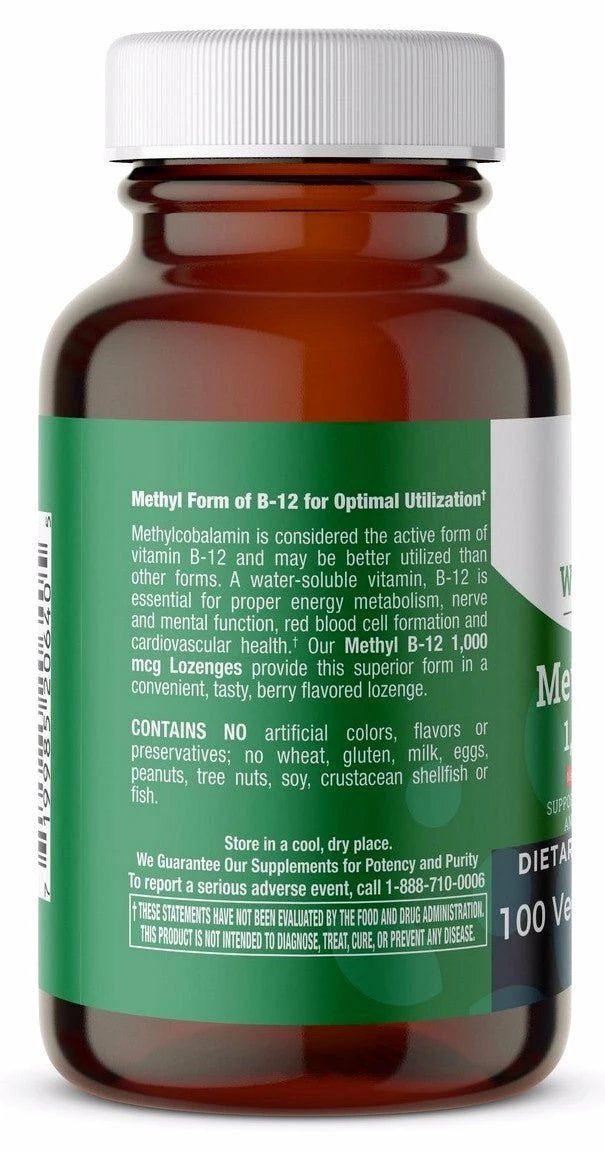

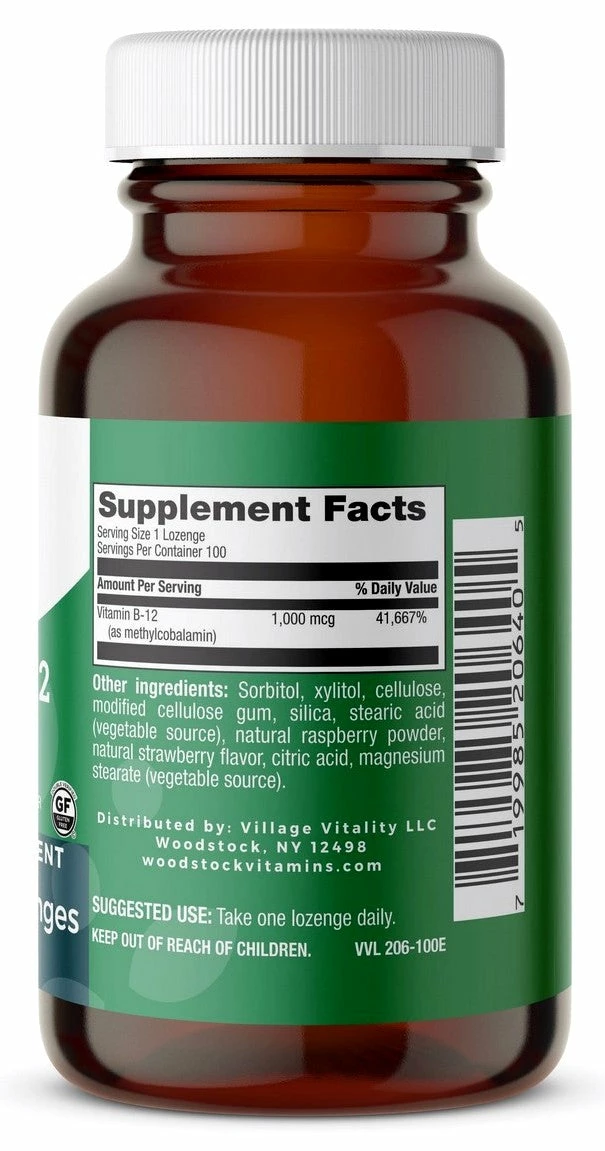
The field of research is continuing to expand and uncover the intricacies of how B-12 can impact sleep quality but its overall importance for whole-body wellness is a long-settled debate.
4. Ashwagandha for Herbal Sleep Support
For a long while, the conversation on sleep support herbs started and ended with CBD and valerian.
Which makes sense, because both plants have a demonstrated ability to knock us out. But there are scores — fields, even, if you will — of other medicinal herbs with potent relaxation properties.
And thank goodness for that! While the efficacy of both herbs has been proven, each has drawbacks that are important to consider. What CBD lacks in accessibility it makes up for in expense, and valerian’s powerful effects can be a little too powerful.
Valerian-induced sedation and sleepiness can last up to 12 hours after consuming, making for a groggy morning if not timed properly.
Ashwagandha, unlike its more popular counterparts, is pretty easy to get ahold of and even easier to enjoy. Plus, as a staple of traditional Ayurvedic herbal practices, this particular herb has been used by us humans for literally thousands of years.
Thankfully, modern medical research is finally catching up to what Ayurvedic practitioners have known for, like we said, literally thousands of years. Clinical trials have shown ashwagandha to have beneficial effects on everything from anxiety and energy levels to stress management and memory.
With anxiolytic, adaptogenic, antioxidant, and anti-inflammatory properties, ashwagandha is most commonly used as a nerve tonic to support overall well-being. In the sleep arena, this herb stands out for the additional neuroprotective and cardioprotective effects it provides while driving down cortisol levels.
Need more? Alongside the reduced cortisol levels associated with ashwagandha supplementation comes a greater resiliency to stress, fewer insomniac nights, and better sleep efficiency.


5. Passionflower: Our Favorite Sleep Tincture
If you think you have a passion for flowers then there’s no way you haven’t heard of passionflower, right?
As dorky as that joke was, we stand by the fact passionflower deserves more hype than it gets. A climbing vine native to the southeastern U.S., passionflower was used as a relaxant by indigenous people for centuries before being cultivated by European colonizers.
By the 16th century, passionflower gardens grew widely and with a passionate fury. And yet, its story is similar to ashwagandha’s in that contemporary research has only recently come full circle to confirm its potency as a sleep aid. Scientific studies on the herb have shown it to have a beneficial impact on trouble falling asleep, sleep quality, and anxiety with no adverse effects reported.
It’s even been explored — with positive results — as a treatment for headaches, depression, and epilepsy.
Additional research on passionflower is underway, but scientists currently believe that its relaxing and sedating effect is due in part to the plant’s ability to affect GABA levels in the brain, like magnesium and l-theanine.
Passionflower is one of the crowning jewels in our proprietary tincture known as Zzzzz. Working side by side with other herbal relaxation powerhouses like milky oats, hops, and skullcap, our Zzzzz tincture always flies off the shelf this time of year when sleep is more important than ever.
By providing a gentle, holistic alternative to OTC sedatives, passionflower can help target long-term, root causes of sleep issues while also helping you get back to sleep right now. What’s not to love? (Besides our soon-to-be-updated tincture labels, of course.)


Now Go Catch Some Data-Backed Zzzzz’s
Don’t get us wrong — the Zzzzz’s you catch don’t have to be from our particular tincture. As long as you’re trading your hard-earned cash for scientifically verified natural sleep aids from reputable sources, you’re clear in our book.
But if you need a personal Sandman, definitely give us a call.
Our Counterside Consults are open and our holistic supplement experts are standing by to help you through the sleepless nights. (Just make sure you wait to call us until the next morning because we’ll be out like lights thanks to our personal Zzzzz tincture stocks. Bet.)
Magnesium supplements have been trending for some time now — and for good reason. This simple mineral is critical for a lot (like over 300) of complicated processes in the body!
As long as you’re getting the right form of magnesium in your supplements, you can expect to experience benefits in your sleep and relaxation. And with sleep being so very important for the foundational wellness we’re curating in this new year, this little hack can pack a big punch.
But wait, aren’t there things we can do to improve our sleep aside from shelling out our hard-earned cash?
There are, and we’re so glad you asked.
If you know anything about our rebellious approach to improving whole-person wellness, then you know that we always start with the lifestyle domains. AKA, the free stuff.
Read on to learn the 5 things you should STOP doing right now to improve your sleep. Then, once you’ve cut the cord on these 5 habits, you can add a chelated magnesium supplement to your routine without wasting money.
In This Article:
Sleep Simplified: What You Actually Need for Better Sleep
If you’re looking for a TL;DR section, here it is.
Because, despite the myriad of gadgets, gizmos, and gorgeous branding in the wellness world, there are only three things you really need to fall asleep and stay asleep.
1. A Calm Mind.
This first one probably seems pretty obvious, but in our fast-paced world that’s addicted to productivity, a calm mind can be hard to come by. While not every soothing practice or meditation technique will work for your unique brain, it’s crucial to find the ones that do.
2. A Calm Body.
The next step is to make sure your body follows in suit. We know now that the distinctly-Western myth of the mind-body dichotomy has been debunked, so let’s let science lead the way. But it doesn’t have to be complicated. Calming your body starts with giving it the proper care it needs to naturally wind down in the evening.
3. A Comfortable Environment.
That 65-inch plasma TV in front of your bed? It might be totally negating all the hard work you’ve done to calm your mind and body. Hence why addressing environmental factors that can prevent you from winding down and getting deep sleep could just be the game-changer you’ve been looking for.
With this in mind, we’re willing to bet that you already know the changes you need to make in order to cultivate these three things. You’re smart, and we like that about you.
But, if you want the nitty-gritty strategy for creating a truly calm environment inside and outside, then don’t close this tab yet. Below are the 5 things Dr. Neal wants us all to stop doing so we can actually get better sleep.
Getting Strategic: 5 Things to Stop Doing if You Want Better Sleep
Before you throw the remote for your bedroom TV at us, let’s take a brief moment to remember why exactly our sleep matters. (And why these 5 habits need to be cut, despite our white-knuckled grip on them.)
We already know that sleep is foundational to our overall wellness. But when it comes to understanding the impact our sleep has on areas of life, has it really sunk in? Or are these concepts sitting on top of our brains like a wine glass on a Tempurpedic mattress?
Better sleep leads to better stress management and digestion, according to clinical research, and we all need help with that in our modern culture. Plus, getting better sleep can, in turn, help give us the energy we need to do the other important things in our lifestyle domains.
Like that consistent exercise routine we promised ourselves we’d start this year, or those incremental changes to our environment that we know will improve our experience of life.
It’s almost like it’s all connected, right?

So let’s focus on what’s within our control. That is, after all, the key to thriv-ival in 2025.
1. Stop Watching TV in Bed
Per Dr. Neal’s top-tier advice, we used to just encourage folks to take their TVs out of the bedroom. And don’t get us wrong, this is still a crucial step! As the old adage goes, the bedroom should be for sleep and sex only.
The problem is that, these days, many folks are watching TV on other, more portable devices like laptops. So just to make sure we’re abundantly clear, we’re reframing this advice. Stop, as soon as humanly possible, watching TV on any device before you fall asleep.
Sure, a little binge-watching in the evening is fine. Just make sure your eyeballs get some screen-free time before you lay your head down to rest. Otherwise, you’re creating the perfect conditions for racing thoughts and elevated brain activity.
2. Stop Doom-Scrolling in Bed, Too
You had to know this one was coming next! It’s true that even our smallest screens, à la our cellphones, are guilty of blasting our eyes with brain-stimulating blue light.
While the scientific evidence of this phenomenon was new and startling five years ago, it’s become old hat. Like, now even Buzzfeed writers are talking about how blue light from electronics can keep us up too late and disrupt our natural circadian rhythm. For goodness’ sake!
But that doesn’t mean that breaking the habit has become easier. In fact, with the normalization of screens, it might be even harder. So give yourself a little time and a whole lot of compassion as you adjust your bedtime routine to be screen-free.
3. Stop Eating Stimulating Foods At Night
Removing stimulating light from the evening hours is a great step toward a calm mind, but what of the calm body we mentioned above?
It works in much the same way. The sweet treats you can tolerate, in moderation, during the daylight hours might be having a different effect on your body at night. We asked Dr. Neal for the no-nonsense answer on this, and here’s what we got:
Stop eating and drinking stimulants — caffeine, alcohol, and heavy or sugary foods — at least 1-4 hours before bed.
4. Stop Sleeping With Lights On
Turns out, nighttime light exposure of any kind can seriously impact multiple bodily systems — from glucose management to hormonal health and beyond. (Is it any wonder then that night shift workers are typically at a higher risk for metabolic and cardiac disorders?)
The research on exactly why darkness is so crucial during our sleeping hours is still developing, but when it comes to how we’re impacted by it… The science is largely in agreement. In fact, even something as small as a singular night light has been shown to “acutely alter hormonal and metabolic responses in healthy participants.”
This isn’t meant to scare you, though, it’s meant to inspire you. By simply removing the light you’re exposed to while you’re sleeping, you can help calm your mind, body, and environment all at once.
Start with a great sleep mask. Take it further with black-out curtains. Go nuts putting duct tape over that little green light on your smoke detector. The world is your pitch-black oyster.
5. Stop Inhaling Allergens While You Sleep
Thankfully, this small environmental change is pretty easy, too. If you want to give your sinuses a break while you sleep, all you need is a good mattress cover.
(Assuming that you’re not sleeping with the windows open or trying to snooze next to a gaping hole in the wall.)
Hypoallergenic mattress covers (and pillow covers!) can do wonders for your sleep quality, especially during high pollen and allergen seasons. The reason being, of course, that our mattresses are like carpet that we sleep on: They trap a lot of junk under the surface.
And while we promised that this blog would be centered on things you can do for free, let us remind you that for the most part, it is! Sure, you might have to spend a small sum to get a good sleep mask and mattress cover. But these things, unlike most wellness trends, are worth the investment.
You do spend about a third of your life sleeping, after all.
Learn More: 5 Things to Do (Not Take) for Better Sleep
Recap: Better Sleep Starts Tonight
Narrowing down this list to just 5 things to stop doing for better sleep was no small feat.
In fact, there’s dozens — if not hundreds — of minor adjustments that you can make to your bedtime routine to improve sleep hygiene, duration, and quality. From mindfulness and breathwork exercises to non-toxic sheets and evening showers, there’s a lot that can be optimized.
So the next time you get a bad night’s sleep, don’t panic! And definitely don’t start buying sleep support supplements all willy-nilly like.
Instead, take a breath. Remember the 3 C’s and remember that we’re on your team. Click around on our blog for more holistic sleep tips, or schedule a Counterside Consult for free, personalized guidance.
(As long as it’s well before bedtime!)
If you’ve been paying attention to our content here, then you’re probably all revved up and ready to build a strong wellness framework — right?
Because this year is all about leaving the resolutions behind and starting a revolution instead. A revolution built on long-term, foundational wellness that actually makes a tangible difference in your well-being, that is.
And one of the key requirements for this kind of self-care revolution is, drum roll please, quality sleep! As you already know, sleep is a critical facet of the 5 lifestyle domains. Quality sleep is crucial for stress management, effective digestion, and energy cycles — because, big surprise, they all work together.
Right now, magnesium is sitting pretty at the top of the sleep supplements chart. So, in our typical rebellious fashion, we’d like to debunk a few myths. Because, if you listen to the hype, magnesium sounds a bit like magic — a panacea mineral that can help your sleep, relaxation, mental health and more. And it is!
BUT. There’s a catch.
Read on to learn which common magnesium pitfalls to avoid, how to get the most bang for your buck, our dosage recommendations, and more.
In This Article:
- What is Magnesium?
- Magnesium Forms & Why They Matter
- What’s the Best Form of Magnesium for Sleep & Stress, Then?
- Dr. Neal’s Top Recommendation: Easy Magnesium for Sleep
First: What is Magnesium?
Before we get into the nitty-gritty, what exactly is magnesium, and why is it so important?
Magnesium is what’s known as an ‘essential mineral,’ that your body needs it for a whole variety of critical processes. In fact, magnesium plays a role in over 300 enzymatic reactions in the body, and affects everything from energy production and DNA synthesis to nerve function and muscle health.
This humble mineral also impact blood glucose and blood pressure management, as well as contributing to the structural development of bones and bone density maintenance. So, while the dose may be small, magnesium is responsible for some really big things!
Learn More: Magnesium Deep Dive: Doses, Deficiencies, and Dupes
Magnesium for Sleep, Stress, and Mental Health
Recent research also points to a connection between magnesium levels and mental health symptoms. How so? Well, people with depression and anxiety are also, more often than not, suffering from a magnesium deficiency. Thankfully, though, the relationship between magnesium and mental health symptoms appears to be a two-way street!
While total magnesium levels can be driven down by things like chronic stress and other lifestyle factors, clinical trials show that supplementing the mineral can have promising (and significant!) effects on a range of mental health experiences, particularly depression and anxiety. These studies also show that magnesium supplementation can even help address treatment-resistant depression, which affects up to 60% of people with clinical depression.
All that to say, basically, that we’re glad this mineral is getting its time in the spotlight. It really is great for sleep, stress, and so much more. So trend away, magnesium!
BUT even with a supplement as great as magnesium, it’s still possible to get duped.
Because, spoiler: Not all magnesium is created equally. If you’re looking for magnesium for sleep in particular, you’ll want to be equipped with the right knowledge before you shell out your hard-earned cash. But that’s why we’re here — to make sure you’re buying the ‘help’ and not the ‘hype’.
Learn More: Science-Backed Supplements for Depression: 3 to Know
Magnesium for Sleep: Mineral Forms & Why They Matter
Mineral supplementation is a little bit trickier than some of the other micronutrients our bodies crave. For example, as a mineral, magnesium itself doesn’t exist freely in nature — it must be stuck to something else in order to be chemically stable. That’s why you can’t buy a bottle of pure magnesium, but you can get something like magnesium oxide, magnesium malate, or magnesium citrate.
When we talk about different ‘types’ of magnesium, then, we’re really referring to the ‘form’ of magnesium, such as ‘salt form’ or ‘chelate form’. So, while magnesium in its purest form is an undisputed powerhouse, how can you make sure you’re getting all the benefits?
What a mineral is stuck to affects a number of its properties, but there are two in particular that we should worry about:
- The amount of the mineral you get at one time (the amount per capsule, for example).
- How much of that dose gets into the blood, and how much stays in the gut.
But how do you find the answers to these questions when the whole marketing machine is in motion against you? Thankfully, we’ve got all the info you need right here.
Learn More: Understanding The Different Types of Magnesium Supplements
Why Does the Form of Magnesium Matter?
The most common forms of magnesium you’ll find include magnesium sulfate (like Epsom salts), magnesium citrate (another salt), and magnesium glycinate (a chelated version of the mineral).
First off, any wellness expert worth their salt (pun intended) will recommend a chelated form of magnesium. Chelates have much better solubility than salt forms, meaning chelated magnesium can better penetrate the cell membrane, where it lends its mineral magic to proteins, enzymes, hormones, and the cells themselves.
There’s lots of misinformation out there. Many sources will tell you that all forms of magnesium are “easily absorbed by the gut.” This is simply not true.
The truth is, salt forms of magnesium like magnesium oxide or magnesium citrate have very poor absorption. Only approximately 5% of magnesium from these sources make it into the blood, and 95% stays in the gut.
“But what’s wrong with that?” you might say. “My gut could use some relaxation too!”
Well, sure. But probably not like this! Magnesium in the gut causes water to rush to the colon, resulting in faster, more watery bowel movements. So if you’re constipated, magnesium salt may well help you out. But if you’re looking for any of the other much-touted benefits… You’ll need to reach for a chelated option.
When magnesium is bonded with a larger compound, like an amino acid, the absorption percentage skyrockets to 50% or more. (Which is about 10x more than magnesium oxide.) And not only does chelated magnesium offer way more absorption, but you get way more magnesium where you actually need it.
It is important to note, though, that even the highest-quality forms of magnesium can cause GI side effects if you consume too much!
What’s the Best Form of Magnesium for Sleep & Stress, Then?
After all that, we can get right to the heart of it.
Can magnesium actually help your sleep? Our answer is a resounding “Yes! But…”
Don’t get us wrong — if you’re sleepy, sleepless, or suffering from spasms, magnesium just might be the key to alleviating your symptoms naturally while also addressing root causes.
But, if you’re like most of us, and want the relaxing and restorative benefits of magnesium, rather than the GI side effects, you need to make sure to get the right form. That means chelated options like magnesium glycinate, taurate, malate, or — the best of the best — bisglycinate.
And with all that hype-busting background info out of the way, we can finally offer Dr. Neal’s top recommendation: Our heavy hitter, Easy Magnesium.


Why Easy Mag? Well, it’s a chelated form of magnesium that’s bound to two glycinate amino acid molecules. With 125mg of elemental magnesium per capsule and some of the best absorption of all magnesium options, you can’t go wrong with adding this to your shelf.
Especially if you’re fighting stress, soreness, and sleeplessness.
Magnesium for Sleep: When Done Right, It’s Worth the Hype
TLDR? Here’s a quick recap:
- Is magnesium awesome? Yes.
- Can it actually help with your sleep? Yes.
- Does it help with stress, fatigue, muscle spasms, and a whole host of other issues? Yes.
- Are all forms of magnesium created equal? NO!
You can help your sleep, your stress, your blood sugar, your bones, and much more with just magnesium, but you need to get the right form.
A chelated form like magnesium bisglycinate offers excellent absorption and ensures that the minerals get where they need to go, rather than just clogging up your gut.
So with the new year underway, magnesium is an easy option to add to your wellness foundation to improve your sleep and a whole host of other things. As long as you skip the salts and snake oil and reach for a high-quality, tested, and effective option like Easy Mag.
Wait — May isn’t over quite yet!
June is looming on the horizon and with it the promise of vacations and vitamin D boosts, but we’re still firmly in Women’s Health Month for another few days. While we’d need the whole year, at least, to really do the topic justice, we’re going to use the time we have to talk about herbs for women’s health.
Didn’t we already talk about a few popular plants for ladies this month? We sure did, but you might have noticed that two big ones were missing from that blog. If you didn’t, don’t worry, we’re not maca-ing you for forgetting about these two heavy hitters: Maca root and cranberry.
These particular herbs deserved their own post — there’s just too much pertinent information to share about them to cran it in somewhere else.
And before you close this tab: We’ll check the plant puns here so you can read on, fellow supporters of women’s health, and learn more about using these two herbs properly unencumbered by our bad jokes.
In This Article
Cranberry Supplements for Women: Are They Worth the Hype?
Fortunately for women all across the country, cranberry supplements and products have become widely accessible. Unfortunately for those same women… they now can’t buy an innocent bottle of cranberry juice without alerting all cashiers and passersby to the fact they might have a UTI.

Cranberry has found its way to the supplement aisles of every major health foods store in the last year, labeled and sold as an herb for urinary tract health. This is all fine and good, but it’s important to remember that cranberry is also a plant and a food, so the lines can get blurry.
Should you drink the juice? Every day? Or should you eat cranberries like they’re going out of style?
How do you compare and contrast the dozens of near-identical cranberry supplements lining the shelves? And what the heck is d-mannose?
There’s a lot of confusion around the role of the cranberry and how it can help stop a UTI in its tracts. (Sorry, we promised a pun-free experience, please disregard.)
So let’s break it down! There are two important ingredients in cranberry that you need to know: proanthocyanidins and d-mannose.
Understanding Proanthocyanidins (PACs) in Cranberry Supplements
We perceive cranberries as red. The chemical compounds that contribute to the red color we see in cranberries are called proanthocyanidins, or PACs for short.
PACs belong to the flavanol family and were first studied for their role as plant pigments. The PACs in cranberries are special, though, as they have a different structure than the ones we see in other colorful fruits. This difference in structure is likely what gives cranberry its anti-adhesion properties, which play a key role in its UTI support functions.
By preventing the adhesion of gross bacteria in the urinary tract, the PACs in cranberry can help keep things like E. Coli from taking root on cell walls.
Understanding D-Mannose in Cranberry Supplements
D-mannose, on the other hand, is a monosaccharide, or sugar, found in the cranberry plant. This cousin of glucose is found in many other fruits and even the human body, so there’s no need to be frightened by the S-word in this context.
While we typically associate sugar with detrimental health effects, d-mannose and its ability to support UTIs has been studied extensively in recent years. Turns out, it can not only help with acute infections, but also with recurrent or chronic UTIs, too.
How? D-mannose, like the PACs, prevents the adhesion of harmful bacteria to the surface of the urinary bladder.
Picking the Right Cranberry Supplements for UTIs
Knowing the names of these two compounds in cranberry makes choosing the right supplement, juice, fruit, or powder much more simple. It automatically eliminates most of the cranberry food, powder, and juice products available as these forms won’t have information on the PACs and d-mannose content in them.
So we turn to supplements, and more specifically, the cranberry supplements that clearly list the doses of these two things. Like our formulation!


Can you still eat cranberries and drink the juice to expand your palate and get more diverse nutrient sources? Absolutely!
But if you’re suffering from acute or chronic UTIs, a comprehensive supplement with PACs and d-mannose that can flush out the icky stuff is the way to go. For major infections that need major doses, Dr. Neal recommends pure d-mannose powder down the hatch.
Everything You Need to Know About Maca Root

Maca root, while relatively unheard of up until recent years, has now become the catch-all recommendation for everything women’s health (besides UTIs): hormones, menopause, fertility, etc.
Like cranberry supplements, the marketing of maca root products has lead to a lot of misinformation in the natural health industry. Which is particularly unfortunate, given what a helpful and potent herb maca root is.
Maca root is typically represented as a totally safe, totally natural option for uplifting everything from libido and fertility to heart and brain function. While the herb has been shown to act as a “toner of hormonal processes,” balancing hormones and relieving menopause symptoms, we have to be careful to not paint with broad strokes.
Why? Because much like how every body is different, every phenotype of maca root is different, too.
There are 10+ different phenotypes of the maca plant and the particular kind of phenotype you ingest will dictate the response your body has. Some phenotypes have strong male-hormone expression and some have stronger female-hormone expression.
But what all the maca supplements you can find these days will have in common is a complete lack of information on the particular phenotype used in each formulation.
Finding the Right Maca Root Supplement
It’s for that reason, and others, that herb-literate practitioners like Dr. Neal don’t recommend one particular maca root supplement for all people. (But for those who are dying to know, his favorite brand is Femmenessence.)
If you want to experience the benefits of this potent plant, you’ll have to play it safe. The dosage, phenotype, duration, and frequency of maca supplementation are all things that should be individualized for your specific needs with the help of a supplement expert or medical professional.
So if you supplement cabinet is overflowing with various types of maca-matcha powders and miracle pills, it might be time to do some spring cleaning.
Ready to Take the Next Step?
Whether you’re rushing to stock up on d-mannose powder or pondering the potential benefits of maca powder, our team of science-focused supplement strategists are here to help.
Because, though we do our best to condense complex ideas into scrollable blogs, women’s health is a complicated topic with no one-size-fits-all approach available. So let’s chat about what you — and your body, health, history, goals — need to thrive, from supplements to wellness practices and everything in between.
We firmly believe that men and women are equal in every arena. But is equal always a synonym for exactly the same?
No, it’s not!
There are many key differences between men and women, especially when we venture into the realm of health and wellness. One example that’s particularly pertinent during Bone Health Month: Modern women are at significantly higher risk for bone density loss and osteoporosis than men.
So, ladies, let’s give future archaeologists something to talk about! By bolstering skeletal health with wellness practices and data-backed supplements that slow the bone loss process, we can ensure our bones are studied by generations to come.
And, you know, enjoy the freedom of full, pain-free mobility while we’re still alive, too.
In This Article:
- A holistic approach to women’s bone health
- Wellness practices for women’s bone health
- Bone-building foods and exercises
- Supplements for women’s bone health
Why Does a Holistic Approach to Women’s Bone Health Matter?
We’ve said it before, and we’ll say it again: Wellness doesn’t work in a vacuum.
So why does a holistic, or whole-picture, approach to women’s bone health matter? Well, the human body is an incredibly complex organism, and to address any one part without acknowledging the whole is not only a disservice to the elegant machinery of our organs but an incredibly ineffective way to get to the root of the problem!
Thankfully, the wise-cracking wellness wunderkind, Dr. Neal, is always ready with a health-related truth-bomb. Like: Your bones are only as strong as the rest of your body, and vice-versa.
When everything is working in harmony, healthy bones can increase immunity, help avoid infection and injury, and reduce overall pain and inflammation. Sounds great! And it is, of course — but it’s easy to forget that the reverse is true.
A healthy skeleton in an unhealthy body can’t stay a healthy skeleton forever…
Of course, we would never imply your body is unhealthy — even the fact that you’re reading this blog means you’re a step or two ahead of most!
All we mean is that, as with all holistic health, it’s impossible to make real, meaningful steps toward wellness without looking at the whole picture.
So let’s set the skeletal scene: a beautiful, windswept vista filled with good nutritional choices, consistent weight-bearing exercise, wholesome lifestyle choices, and some science-backed supplements to fill the gaps.
Well, we might be stretching our metaphors a bit here, but you get the picture! It takes more than just a calcium supplement (although we do recommend one) to stave off bone density loss and skeletal aging, and for real, sustainable results, we’ll need to address some foundational factors.
Wellness Practices for Women’s Bone Health
Real Woodstock Vitamins fans will know where we’re going with this one — cue, the Wellness Pyramid!
We hope you’re not sick of hearing about Dr. Neal’s science-based framework for simplifying an incredibly complicated topic — personal health and wellness — because we’ll never get sick of talking about it. And not just because our immune systems are ultra strong from following the Wellness Pyramid path!
Dr. Neal’s Wellness Pyramid breaks down and prioritizes the factors you need to address for true holistic wellness. The biggest section of the pyramid, the foundation, is made up of the five lifestyle domains that majorly impact our wellness: diet, exercise, sleep, stress management, and lifestyle changes.
These mundane areas of life can make or break our overall sense of health and well-being, so ignoring them is not an option when it comes to bone health.
But while the Wellness Pyramid is straightforward and simple by design, there are a few things to keep in mind when using it as a compass:
- This holistic, or whole-picture, approach does not seek to replace modern medical care — it works in conjunction with it.
- Your health is built upon the dozens, or hundreds, of day-to-day decisions you make, which means there are countless opportunities for reflection and improvement.
- Even the most powerful supplements in the world can’t overcome debilitating lifestyle factors, hence why this section is smaller and comes after the lifestyle domains.
That said, let’s get into some specifics! Two of the lifestyle domains stand out for their ability to positively impact bone health when prioritized: diet and exercise.
Foods for Healthy Bones
While it’s increasingly difficult (okay, practically impossible) to fulfill your daily calcium requirement from diet only, that doesn’t mean you have carte blanche to skip the leafy greens.
Aside from the obvious — à la eating calcium-rich food is good for your bones — many of our recommended bone-building snacks also contain other nutrients that are beneficial not only for the bones but for other bodily systems as well.
- Dairy
- Leafy greens
- Fatty fish
- Beans and legumes
- Lean meats
- Citrus fruits
- Potassium-rich foods like tree fruits
Foods for Unhealthy Bones
- Excessive alcohol
- Excessive caffeine
- Sugary beverages
- High-sodium foods
Learn More: Mastering Holistic Nutrition: Dr. Neal’s Top 5 Diet Guidelines
Exercise Guidelines for Women’s Bone Health
Another truth bomb: There is no supplement in the world that can counteract a sedentary lifestyle. Exercise is absolutely essential for bone health and longevity, as it is for almost every other bodily system.
To maintain bone density and mobility throughout the aging process, women should focus on weight-bearing exercises that stress and strengthen skeletons and muscle-strengthening routines that support surrounding structures.
Before you run out to grab that new Peloton or Pilates membership, remember that all you really need for these bone-protecting exercises are just two things — your body and a little bit of time.
Weight-Bearing Exercises
- Walking
- Running and jogging
- Dancing
- Stair climbing
Muscle-Strengthening Exercises
- Yoga
- Bodyweight exercises like lunges, push-ups, squats
And no, you don’t need to go full bore on bodybuilding, either. Women should aim for at least 150 minutes of moderate-intensity aerobic activity per week — which is 30 minutes of activity per day, 5 days a week.
Learn More: The Truth About Exercise: Ditch the Myths
Supplements for Women’s Bone Health
It’s after — and only after! — you’ve restructured your life to prioritize these diet and exercise changes that you can buy supplements without wasting your hard-earned cash. Supplements, after all, are meant to supplement a healthy lifestyle, not save you single-handedly from unhealthy habits.
(Although we really wish they did that. Like, really, really.)
Aside from our top-dog bone-boosting supplement, calcium hydroxyapatite, there are 3 other key nutrients that can help preserve the integrity of your bones when these deficiencies are addressed. Let’s meet them!
Learn More: Bone Health: Why We Always Recommend Calcium Hydroxyapatite
1. Vitamin D | As D3, or Cholecalciferol
Did you know vitamin D isn’t really a vitamin?
This fat-soluble compound is actually a hormone that affects our health from head to toe. In particular, its impact on women’s bone health can’t be understated, primarily due to its ability to boost calcium absorption, prevent falls and fractures, help maintain bone density, and more.
And if that’s not enough reason to start taking a Vitamin D supplement, here’s another: 95% of Americans are deficient!
Learn More: Vitamin D: Sunshine Supplement for Bones, Blood, and The Blues
2. Magnesium | In Chelated Mineral Forms, Like Magnesium Glycinate

This humble mineral is only needed in small quantities but does some big things in the body. As a cofactor of vitamin D synthesis, which in turn affects calcium utilization, adding magnesium is critical for getting the most out of your other bone support supplements.
Wellness seekers with adequate magnesium levels typically have higher bone mineral density. Plus, supplement use has been shown to have a positive effect on bone turnover (as well as about a million other body processes, including mental health.)
Learn More: Magnesium Deep Dive: Doses, Deficiencies, and Dupes
3. Collagen Peptides | A Protein Source Rich in Amino Acids
Collagen is often referred to as the “glue” that holds our bones together but as we age, our bodies produce less and less.
Thankfully, collagen supplements aren’t hard to come by these days! And a high-quality collagen peptides powder, while a little harder to find, can help slow this natural decline and improve bone mineral density which, in turn, reduces the risk of weak bones and joint pain.
As a truly holistic, or whole-body, tool collagen can support skin, muscle, and gut health as well. What’s not to love?
Learn More: Why Our Collagen Peptides is Vital
Bone Up or Bug Off: Women’s Bone Health Matters
Maybe one day they’ll invent a single, magical pill that will make our bones invincible. Probably not, but maybe!
In the meantime, we’ll stick to the tried and true methods that are backed by both science and common sense — wellness practices and clinically verified supplements. And if your bones need a little more boost, give us a call!
Our supplement experts and holistic health advocates are only ever a (free!) Counterside Consult away.
Gender and wellness can be pretty divisive topics. But you should know by now that we’re not ones to shy away from controversy, especially not during Women’s Health Month!
Our whole jam is breaking down complicated topics accurately, equitably, and with your best interests in mind. And when it comes to being in the world, the workplace, and the space station — we believe women and men are entirely equal.
When it comes to wellness, however, it’s important to remember that equal doesn’t always mean exactly the same.
While the vast majority of Dr. Neal’s holistic health advice is pretty dang genderless — the Wellness Pyramid, for example, is the same for everyone — there are some symptoms and concerns that are unique to the female experience. Like PMS, menopause, uterine health, etc.
But of all the many cures and capsules being sold to women for these health factors, which ones work? And which ones are bunk? Read on to learn about three herbal allies for women’s health that actually have the data to back up their hype and can, in fact, spice up your life.
In This Article:
- Lifestyle changes for women’s health
- 3 heavy hitter herbs for women’s health
- Plus 2 more bonus herbs
But First: The Wellness Pyramid for Women
Wait, can’t you just scroll past this section to the science-supported herbs we have listed below? You can, and we won’t stop you!
But we’d be remiss not to mention that herbs, like supplements, work best when they’re supplementing and supporting a generally healthy lifestyle. So before we hand over our hard-earned cash… We should make sure we’re getting the most bang for our buck by creating a strong foundation for health first.
Where do we start? With wellness practices in the mundane areas of life: Diet, sleep, exercise, stress management, and environmental changes.
This section might look familiar to hardcore holistic health hotties! But it’s not by accident that the Wellness Pyramid shows up in so many of our blogs.
The foundational building blocks of long-term health just don’t change that often! Plus, sustainable wellness is about establishing supportive routines that organize our wellness efforts and push us out of ‘survive’ mode and into ‘thrive’ mode.
And we can’t do that without a simple framework for health that makes this messy topic manageable.
Learn More: Wellness Practices 101
3 Popular Herbs for Women’s Health
Speaking of making things manageable… We could rattle off a list of a dozen or more herbs we could recommend for women’s health.
But there’s already enough misinformation and marketing speak out there to keep you confused about which plants actually have an effect on women’s health.
So let’s keep it short, sweet, and to the point!
But remember: Not just any herb can make it onto our list.
These particular plants all have a long history of usage for holistic health and scientific backing via modern studies. Plus, they can help with multiple systems and symptoms, and they’re pretty accessible, too.
1. Chaste Tree Berry (AKA Vitex)

First up: Chaste tree! This shrub, known for its violet flowers and berries, has been used in traditional women’s wellness practices for hundreds and hundreds of years.
Many of our women-centered products contain extracts from this plant, and for good reason. Commonly used to support healthy and regular menstrual cycles, soothe PMS symptoms, and support and balance hormone production, this hardy fruit offers a wealth of health benefits.
Both the fruits and leaves of the chaste tree are medicinal and contain flavonoids, iridoids, progestins, and essential oils.
This blend of beneficial compounds can help balance menstrual cycles and ease menstrual pain. All while also supporting a healthy endocrine system. Plus, the chaste tree has been used in a variety of cultures to help treat common women’s health concerns like menstrual pain, PMS, menopause, and more.
Chaste tree berries can also stimulate progesterone production and help normalize estrogen and progesterone levels, believe it or not!
And, in European herbalism and medicine, chaste tree extracts are used both to treat uterine fibroid cysts and to help boost breast milk supply for new mothers.


Keep in Mind:
While chaste tree has no known serious side effects, it can cause mild nausea, stomach issues, or rash. Chaste tree is not recommended while pregnant, or for patients who may have some specific hormone-related issues.
Please talk with your healthcare provider before beginning any herbal supplementation routine! Or set up a free Counterside Consult to get the inside scoop.
2. Black Cohosh

Black cohosh, while less popular than vitex or chaste berry, has also been used for hundreds of years. More than one Native American tribe turned to the flowering plant to relieve menstrual cramps and menopausal symptoms. (Think: like hot flashes, mood swings, irritability, and even sleep difficulties.)
These days, it’s known in many European countries as a well-established herbal remedy for the same issues and has been for over 40 years now.
In fact, clinical research has shown black cohosh to be more effective at preventing hot flashes than Prozac! And some studies showed as much as a 20% reduction in hot flashes and sleep disturbance symptoms (also known as vasomotor symptoms) among menopausal women while taking the herbal supplement.
Some researchers have raised concerns about the phytoestrogens in black cohosh interacting with breast cancer treatment.
However, a recent study actually supported the opposite hypothesis. Their work demonstrated that black cohosh might actually help protect against the development of breast cancer.
Keep in Mind:


We do need to say, though, that more research is necessary to confirm these findings. Many researchers caution against using black cohosh for more than 6 months at a time due to the limited scope of the current studies.
And despite this seemingly overwhelmingly positive fanfare, it’s still important to discuss your herbal supplementation plans with your healthcare provider. Getting the right dose of black cohosh for your specific health needs is crucial for success with this herb. So talk with one of our experts via a free Counterside Consult before you buy!
3. Stinging Nettles

Nettles may seem an unlikely hero in this list since they’re not typically recommended for women’s health specifically, but they have a lot of benefits for women if you look a little closer.
Nettle has been used as a natural remedy for its healing properties for over 2000 years, and the chemical compounds in stinging nettle offer a wide variety of female-focused health benefits.
As one of the most nutrient-dense herbs available in America, stinging nettles contain micronutrients that many women are deficient in, like iron and folate.
Because of its astringent characteristics, nettle can also relieve unpleasant premenstrual symptoms such as cramping and bloating, as well as reduce blood flow during menstruation. And, at the same time, stinging nettles can ease the menopause transition, lowering the intensity of the hormonal shift in the body.
When acting as a coagulant, stinging nettle can also help prevent excessive bleeding, while increasing milk production and making breastfeeding more comfortable.


Want even more reason to love this prickly little plant?
Nettles is also particularly helpful for women getting flattened by seasonal allergies this time of year, due to its anti-inflammatory and antihistamine (and antioxidant, anti-proliferative, analgesic, anti-infectious, hypotensive, antiulcer — you get the picture, this herb is a powerhouse!) properties.
Bonus Plants: 2 More Herbs for Women’s Health
Make friends with these 3 herbs and you’ll be well on your way to hormonal wellness! But without these 2 honorable mention herbs, your plant-based holistic health toolkit will be a little boring, and definitely missing something.
So let’s give a little love to the aptly named cramp bark and the herb it’s often paired with, red raspberry leaf.
Cramp Bark
While cramp bark is widely used for all types of muscular discomfort, it is also often used for women’s health specifically due to its ability to support healthy inflammatory responses and soothe uterine cramping and discomfort.
Traditionally used by midwives for both pregnancy and postpartum support in addition to soothing PMS symptoms, this handy herb might just end up being a woman’s best friend.
Red Raspberry Leaf
Not to be confused with the plant’s delicious berries, red raspberry leaf has a long and storied track record of use in holistic treatment. Praised for its regulatory effect on hormones, particularly for women, red raspberry leaf is also known for its ability to support uterine health.
Other benefits: PMS symptom and nausea relief, boosted milk production in lactating patients, and induction of labor.
Essential Herbs for Women’s Health
As with all things wellness, women’s health can be a bit like the Wild West. That’s why we’re here, to help lead your wellness wagon to the promised land! Minus the pushy sales tactics or fabricated fakery that mask the murmurs of your internal compass.
Instead, we look to a small collection of powerful, long-established herbs and a handful of sustainable lifestyle adjustments (thanks, Wellness Pyramid) to guide our journeys. But if you want to skip straight to shopping, we don’t blame you!
Explore our collection of pharmacist-crafted, highly targeted herbal formulas for all-around menstrual support like Fem-Cycle and PMS Support. You’ll probably recognize the herbs from this list on the supplement facts panels, too.
And, as always, if you’ve got any questions, concerns, or ideas along the way, we’d love to hear from you — whether via a consult, review, comment, or chat. We do what we do for you, so let us know how we can do better!
It’s May! Which means it’s officially Women’s Health Month and we know the question on everyone’s minds.
That is: How can we encapsulate such a complex and complicated topic as women’s health into one short, albeit gloriously warm, month?
It gets even more intricate when we consider the fact that medical science is constantly evolving, as is the abundance of misinformation and marketing schemes that, unfortunately, come with the topic.
How can women live genuinely healthy lives in a world that’s always selling miracle cures and snake oil?
By going back to basics! Read on to learn about the most common nutritional deficiencies women are facing in America today. And how addressing them can unlock a new level of holistic health for all women.
In This Article:
- Viewing women’s health through nutrition
- 5 common nutritional deficiencies women face
- Benefits of addressing nutritional deficiencies for women’s health
Women’s Health: Why Take a Nutritient-Focused Approach?
Before we get into the nitty-gritty details of the nutrients missing from our modern diets, we’d be remiss not to mention why this kind of approach is crucial.
While the medical and health science field has expanded rapidly in recent years, it’s not without its faults. Even something as logic-oriented as science is mediated by ideology, and as a result, women’s health remains largely misunderstood.
Take the 2008 discovery on women’s sleep needs that’s only just now hitting the mainstream, for example.
For decades, the general recommendation for adults has been to get around 8 hours of sleep per night for optimal daily functioning. As researchers at Duke University revealed, it turns out that women need closer to 9-10 hours every night to feel their best.
Or the fact that we’ve only just realized that substances — like caffeine, nicotine, alcohol, and even some medications — affect women differently depending on where they are in their menstrual cycle.
The key takeaway: Many of our deeply ingrained ideas of what is healthy are based on men’s bodies, hormone cycles, and metabolic needs.
So instead of accepting what we hear at face value — be it about preemptive Botox, daily sleep guidelines, or a new diet trend — let’s do our own research. And let’s cut through the chaos by focusing on the things that every human needs to survive, let alone thrive.
Nutrients.
5 Nutrients for Women’s Health
There are five nutrients in particular that we’re all missing, men and women alike. And yes, that includes even the most self-righteous healthy eater you know!
Why? Because nutritional quality and consistency have taken a nosedive in recent years.
Dr. Neal categorized these nutrients into the First5 to make strategic supplementation simple despite the inundation of false information and clever marketing speak on the internet. Rather than working backward from sales-centered details to find out what’s true about supplements, we work forward from what we know to be true about the current nutritional status of Americans.
Besides the fact these five nutrients are missing from our diets, the First5 are vital because:
- They impact the health and functioning of more than one bodily system.
- They have mounds of clinical research to back up their benefits.
It might seem like pretty simple criteria, but of all the thousands of supplements available on the market, Dr. Neal only found five that meet these requirements.
1. Omega-3
Omega-3s are touted for their anti-inflammatory properties and the positive effects on brain, heart, joint, and mental health we see as a result. And… this is one nutrient-turned-supplement that does actually live up to the hype.
Without enough omega-3 from our diets, we’re risking everything from dry, scaly skin and joint pain to worsened symptoms of depression and increased risk for Alzheimer’s Disease. On the flip side, getting higher doses of omega-3s comes with a whole host of benefits: Reduced risk for depression and cardiovascular disease, improved neurocognitive functioning and symptoms of autoimmune diseases, etc.


For women, the benefits of omega-3 don’t stop there. Recent studies have shown the fatty acids to be beneficial for menstrual symptoms and menopause, as well as fertility and increased probability of conception.
Learn More: Omega-3 Supplement Buying Guide: 3 Things to Look For
2. Probiotics
Probiotics have found their way to the top tier of trending supplements in recent years, too. Is this because roughly two-thirds of Americans report having one or more digestive issues?
Probably! And because contemporary clinical research has revealed the gut microbiome to be crucial in overall health. It should come as no surprise, but the benefits of data-backed probiotic strains (reduced symptoms of IBS and anxiety, positive changes in skin health and neurocognition, etc.) far outweigh the consequences associated with gut imbalance:
- Alzheimer’s Disease
- Cardiovascular risk factors, like hypertension, heart failure, and chronic kidney disease
- Onset and progression of depression
- Increased risk for cognitive dysfunction
- Symptoms of anxiety and other mental disorders
- Increase in cancer-promoting bacteria
- Contributing factors to the development of obesity
- Skin disorders like acne, dandruff, and skin cancer
However, it might be surprising to learn that the vaginal microbiome is of critical importance for women’s health as well! Made up of bacteria, fungi, and other microscopic life forms, maintaining a balanced vaginal microbiome is key for reducing the risk of cervical cancer and even regulating the immune system.
Learn More: Be Proactive: How Can Probiotics Improve Your Health?
3. Bone Support
When we say bone support, what we’re talking about is three ultra-important compounds that contribute to the health and longevity of your bones.
Vitamin D, calcium, and magnesium.
Our bones naturally degrade as we age, but we can slow this process and maintain mobility by avoiding these three nutrient deficiencies that expedite the bone loss process. And there’s more good news: You’ll likely be addressing more than one symptom or potential risk factor by boning up on these bone-support nutrients.
- Risks of vitamin D deficiency: Increased symptoms of major depressive disorder and anxiety, osteopenia, osteomalacia, bone demineralization, muscle atrophy, and more.
- Risks of calcium deficiency: Reduced bone strength, several types of cancer, including in bone marrow, increased joint pain, pregnancy complications, and more.
- Risks of magnesium deficiency: Development and progression of osteoarthritis, chronic pain, depression, dementia, osteoporosis, increased risk of bone fracture, and more.

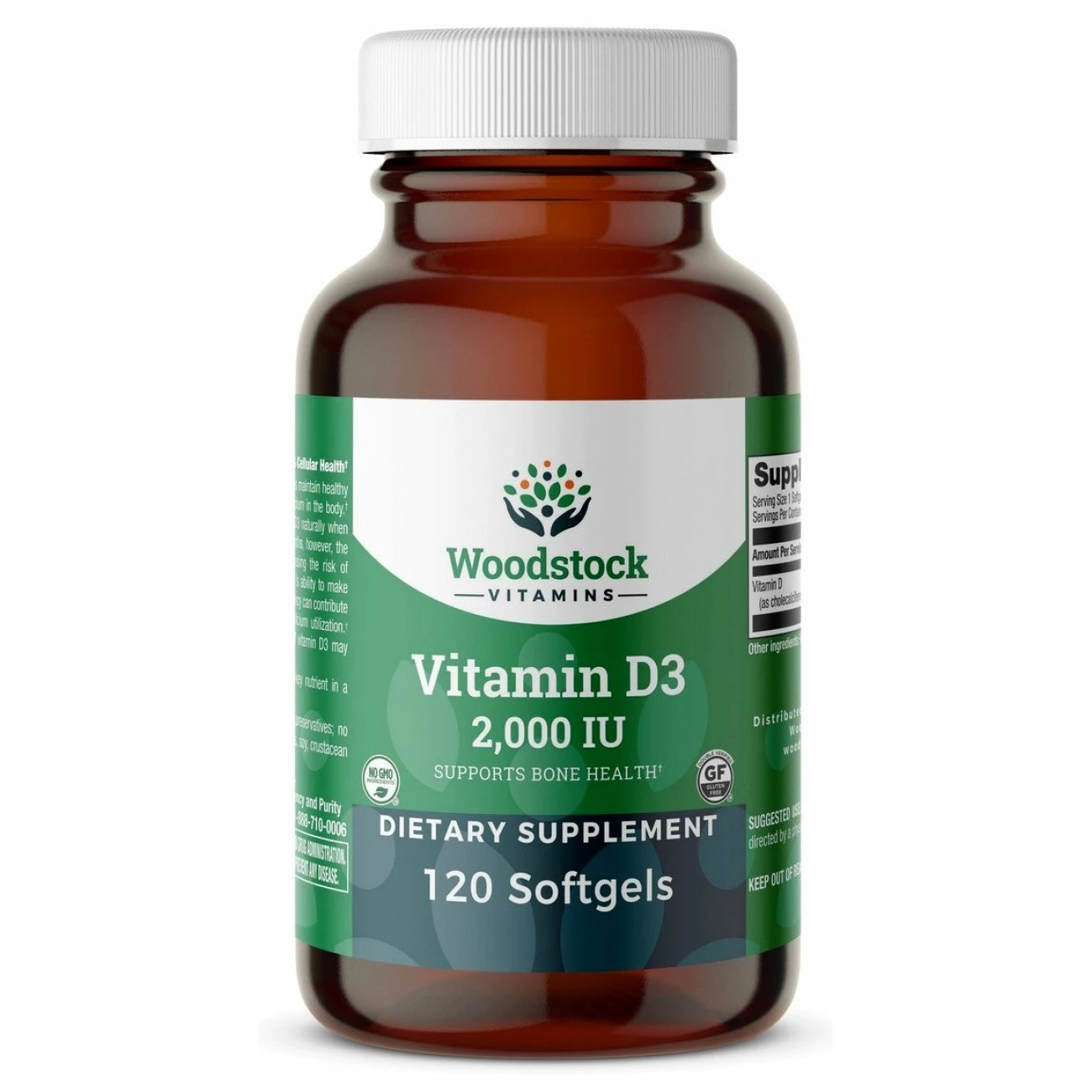

While everyone should care about their bone health, women should care twice as much. And twice as fast — women lose bone density at a faster rate and at an earlier age than their male counterparts.
Learn More: Bone-Afide Bone Building Wellness Practices
4. Protein
And then there’s protein. As one of the core macronutrients that make up a healthy diet, the importance of protein isn’t lost on most people.


Yet, even the 95th percentile of protein eaters aren’t hitting the upper limits of adequate intake. To translate: Most Americans are just barely getting enough protein day-to-day, and many of us aren’t even doing that.
The amino acids we get from high-quality protein sources, like collagen peptides, are responsible for breaking down food, growing and repairing body tissue, providing energy, and much more.
Without them, we’re playing dice with things like major depressive disorder, insomnia, cognitive impairment, increased susceptibility to infectious disease, and muscle wasting.
On the other hand, consistent protein intake is associated with lean mass and muscular endurance in women, as well as driving down the severity of menstrual pain. Sure, collagen is also linked to improved skin and hair health as well, but what matters most is that women are able to live active, fulfilling lives.
Right?
Learn More: Choosing the Right Protein Supplement: 5 Questions to Ask
5. Multivitamins
At the other end of the spectrum, we have micronutrients.
Small but mighty, the vitamins, minerals, and compounds that make up a multivitamin are imperative to overall health. But, despite what you may have heard, multivitamins aren’t magical one-a-day capsules that can replace food-based micronutrients.
What actually happens when you take a multivitamin is you reduce your risk for diseases of deficiencies. Multivitamins can, indeed, bolster brain, nervous system, and immune wellness by filling the gaps in our diets and preventing deficiencies. But it’s these deficiencies that, when left unchecked, can develop into chronic or long-term diseases.


Multivitamins are especially integral for women’s health as many have an increased risk of micronutrient deficiencies. Young women in particular have different bodily requirements for micronutrients, like iron and b12, during their childbearing years.
Learn More: Multivitamins for Brain Health: 3 Things to Know Before Buying
Women’s Health Month is Just Getting Started
It would take years to cover all the intricacies of women’s health — in fact, it has taken years! And the science continues to develop and improve as we learn more about women’s bodies and unique health needs.
So stay tuned, okay? We have more women-centered topics coming up this month, and we’ll be the first to let you know of any truly groundbreaking studies on women’s health.
But if you’re itching for more information and just can’t wait until the next blog comes out, give us a call. Our supplement strategists and holistic health experts are only a phone call away — schedule your Counterside Consult today.
The last time we came on this blog to shake up the conversation around stress and stress management, we made a grievous error.
In our rush to share holistic strategies for dealing with the stress of the modern world, we made a blanket statement about March being the most depressing month of the year.
That was before we hit April.
March has its maladies, what with the constant oscillations between spring and winter that make it impossible to dress appropriately, but that’s nothing compared to the stone-cold reality we’re smacked with as the calendar changes. Suddenly, summer is on the horizon, but our perfectly toned beach bods and sanguine states of mind are nowhere in sight.
And the gap between who we are and who we’d like to be is just one aspect of our contemporary human experience that causes stress. Should we even discuss the fact all our flops and flaws are immortalized on the internet for eternity?
We shouldn’t — you’re likely all too aware of this already. Instead, what we should talk about is how to overcome some of the most common barriers to stress management practices.
Because we can share Dr. Neal’s science-backed strategies for managing stress til we’re blue in the face, but it’s not very helpful if the troll in your brain keeps you from actually practicing them.
In This Article:
- Deprogramming over-productivity
- Finding community for stress management
- Self-insulation and why it’s crucial
Overcoming the Barriers to Stress Management Practices
Stress doesn’t get as much buzz as it used to now that things like depression and anxiety are top of mind. (Pun intended)
But the silent killer we call stress is still affecting every one of us — disrupting sleep, impacting nutrient intake, exacerbating inflammation, and generally making our lives worse. We can’t flip the “unprecedented times” switch to off or stop worldwide inequality overnight, so what can we do?
We can work with what is within our control: ourselves!
With the help of Dr. Neal’s clinical psychologist friend, Dr. Lawrence Dresdale, we can start to acknowledge and work with the mental barriers our human brains have erected to protect us from the scariest thing in the world.
Change.
(Psst — prefer to listen? Get the good word on stress management practices straight from Dr. Neal and Dr. Dresdale in this podcast episode.)
1. Finding, Nay, Making the Time
Our world moves fast — really fast.
Things are changing all the time and because change is one of the most difficult things to grapple with as a human, we’ve cultivated a few coping mechanisms to keep up with the pace of our culture. Like over-productivity.
We stay busy, busier than ever actually, and it gives us a sense of control. We’re not being pulled by the tides of constant, stress-inducing efficiency and profitability — we’re steering the ship!
But here’s the hardest pill to swallow when it comes to making time for stress management practices: Whether you’re working 80 hours a week or sleeping 18 hours a day, you’re avoiding the hard work of confronting stress.
Because our culture values work to a detrimental degree, it might be harder to see the toll it takes on your mental well-being. That’s why one of the most common things Dr. Neal hears about wellness practices is, “I don’t have time for that.”
While it might not be manageable for many to reduce their workload — we are living through an economic crisis after all — it is for some. What holds us back from taking more time for stress management practices and self-care, besides material reality, is the preconceived notion that resting is lazy and bad but working is admirable and good.
The first step to creating time for and prioritizing stress management practices like meditation and breath work isn’t telling your boss to go eat rocks, though.
It’s to notice how these patterns show up for you and respond to them with self-compassion.
You’re working against two very persuasive and pervasive things: The brain’s fear of change and our culture’s obsession with work.
It’s hard to go against the grain, but making time for joy and mindfulness is a rebellious act.
Start By:
Noticing, and then taking action. Even something small, like committing to a 15-minute walking meditation a few times a week, can make a big difference.
Learn More: Stress Management Part 1: A Holistic Framework for Living with Stress
2. Finding, Nay, Making Community
Being a mindfulness rebel in a stress-addicted world can be a lonely endeavor. That’s why many people, even those rare birds with loads of free time, quit before they start.
Not only is it difficult to find like-minded folks with regular stress management practices, but you might even get some weird looks if you suggest the importance of self-care at the next office party.
Because, what we lack in community care and external support, we make up for with a false sense of urgency about our endless hours of work. There’s always something more pressing, more vital to do than caring for your mental well-being.
That means making community should be the next step in your stress-reduction journey.
We’re social creatures by default — hence the age-old adage, “Monkey see, monkey do.” Plus, contemporary longitudinal research has shown that our social spheres impact our perception of the world in significant ways.
A scientific review from 2022 examined the clinical findings of recent studies on how social interconnectedness affects mental well-being. The researchers found that feelings of loneliness were related to “adverse outcomes” like higher risks for depression and generalized anxiety disorder as well as lower levels of physical activity.
Start by:
Acknowledging that the act of making community will be unique to you and your circumstances. It could look like getting your spouse on board with you reducing your working hours, or it could be as simple as finding a weekly vinyasa yoga class to take.
The important thing to remember is we’re stronger together than we are alone — metaphorically and literally, as science now agrees.
Learn More: Holistic Mental Health: Wellness Practices for Depression, Anxiety, and More
3. Finding, Nay, Making Time for Solitude
Here’s where it gets even trickier.
We must cultivate a sense of community to combat feelings of loneliness and encourage regular practice of stress management techniques. Yet we can’t run to any of our typical outlets — especially not social media. Because we have to, at the same time, carve out space for reflection and rejuvenation away from the buzz of the physical and digital world.
Why? Well, part of the reason we’re dealing with so much stress is because we are plugged TF in.
Since the advent of the 24-hour news cycle in the 80s, our daily lives have been colored by constant exposure and desensitization to the horrors happening around the globe. Couple that with dopamine-dumping social media and normalized device addiction, and we have a perfect recipe for unceasing stress.
And who benefits from this? Is it the companies that, quite literally, turn a profit off your unwavering dedication to all things screens?
We only know one thing: It surely isn’t you! Research from all across the world has pointed to a concerning correlation between increased social media usage and increased risk for depression and other mental health symptoms.
And it’s not just social media — blue light exposure, the hallmark of online experiences, has been shown to increase stress hormones after just one hour.
So here we have yet another cultural connotation to examine and unweave if we want to experience a tangible reduction in stress.
Start By:
Letting yourself get bored. It’s not a crime! And it’s not a punishment, either. Boredom can actually be conducive in the sense that it may motivate and catalyze a desire for change.
Spend quality time with yourself — away from others and away from screens — to reconnect and remember what it means to be human, regardless of how eye-wateringly boring it may feel at first.
Learn More: Meditation vs Mindfulness — Common Misconceptions
For Fast-Acting Relief, Try Slowing Down
Did we rip that silly stress-related joke title straight from the interweb? Yes, we sure did, but it still stands.
We all need to slow down, take a breath, and prioritize the stress management practices that keep us from losing our minds. But this work, while simple, is anything but easy.
So if you need a partner in your slow-speed chase after a less stressful life, give us a call. You might have 99 problems, but not one of them is having no one to talk to — our holistic health experts and wellness strategists are always available via our always-free Counterside Consults.
Take that, Seasonal Affective Disorder! Another winter of gloom and slush has come to pass and we survived.
So big were our mid-January promises to move, romp, and bask in the sunshine as soon as spring came, but if you’re anything like us, your nose is doing more running this season than anything else.
Seasonal allergies are in full swing and we’ve already shared our top supplements for the sniffles in 2026 — catch up here if you missed it. But is there anything we can do to abate the sneezes and snot besides taking a metric ton of stinging nettles every day?
We’re so glad you asked because the answer is a resounding yes. Read on to learn the whole-picture approach Dr. Neal takes to combatting seasonal allergies through lifestyle changes. AKA how you can fortify your home and body against the pollen-packed winds of spring for free. Or at least mostly free.
In This Article:
- Why a whole-picture approach is crucial
- Changes in the home to alleviate seasonal allergies
- Wellness practices for seasonal allergies
A Holistic, or Whole-Picture, Approach to Seasonal Allergies
When it comes to defending your immune system from the toxins of the wider world, things can get overwhelming — and fast. There are microplastics in our bloodstreams, hormone disruptors in our water, and now, there’s pollen in our air, too.
But don’t batten down the hatches and swear off smelling the roses just yet!
While we can’t change the world into a place that supports genuine health and well-being overnight, we can work with the environments that are within our control. Like our homes and our bodies — which you probably already know if you’ve read Dr. Neal’s industry-insider perspective on how our external environs impact our health.
We take a similar approach to seasonal allergies as we do the pollutants of our milieu:
- Stay Educated: And up-to-date on the toxic compounds you should avoid bringing into your home and putting in your body, but don’t get your information from TikTok alone.
- Do Your Best: To support internal wellness so your body is strong and capable of processing the things we are exposed to in the world.
- Try Not to Freak Out: Because we have to keep living our lives, and the stress of constantly monitoring your toxin exposure isn’t great for your health, either.
For seasonal allergies, understanding the role histamine plays is crucial for making educated decisions to alleviate allergy symptoms. Doing our best (and not freaking out!) looks like making intelligent choices in our homes and health routines that can drive down histamine levels and support a healthy immune response.
That’s how we avoid missing important parts of the whole picture and stop wasting money on band-aid-esque cures that only offer temporary relief from seasonal allergy symptoms. All in one fell swoop.
Learn More: Eyedrops for Seasonal Allergies: What to Know Before You Buy
Lifestyle Changes for Seasonal Allergies: Home is Where the Heart Is
Your home might protect you from social interactions and the rain, but its walls and windows aren’t impermeable. In fact, indoor air quality can sometimes be worse than that of the outdoors due to the amount of dust, debris, and dander that gets trapped in your darling abode.
The obvious answer to this conundrum is to clean, but be careful how you’re cleaning your home. Using harsh chemical sprays that may affect your cognition or dish soaps that cause ruptures in your gut lining might be satisfying in the moment, but they’ll do more harm than good in the long run.
Avoid any cleaning products that will add to the burden your body has to carry this spring if you want to experience true freedom from seasonal allergy symptoms.
1. Start in the Bedroom
One of the most annoying ways seasonal allergies affect our day-to-day lives is by ruining our sleep schedules. Coughing, sneezing, and having difficulty breathing can keep us up at night, which can, in turn, weaken our immune systems.
Reduce exposure to environmental allergens and toxins in your bedroom to reclaim your sleep and sense of well-being:
- Add a hypoallergenic cover to your mattress to avoid breathing in the dead skin and allergens that get trapped in it night after night.
- Sleep with your windows closed to minimize nighttime exposure to irritants.
- Change clothes and take a shower before you go to sleep to prevent daytime allergens from crawling into bed with you.
Learn More: Guide to Spring Ebook: Say Goodbye to Springtime Woes
2. Clean Up Your Act
Use non-toxic products to keep the surfaces in your home clean and dust-free during allergy season, but don’t start and stop at the counters.
Address the other surfaces in your home that could be contributing to your body’s overreaction to irritants. Think: nooks, crannies, carpets, hard-to-reach crevices, windowsills, doorframes, pets, and pet-dominated areas.
Think those last two are a joke? They’re not! Regularly brushing, bathing, and grooming your pet can help reduce the number of irritating airborne compounds in your home this spring. So put some spa days on the calendar for your furry friends, why don’t ya? They probably deserve it.
3. Improve Air Flow, It’s Lung Overdue
Getting the dog hair out of your air conditioner will make a world of difference when you’re stuck indoors on beautiful, high-pollen count days. You can also take it a step further, if your health and wellness budget allows it, by upgrading your in-home ventilation.
Try adding a reputable, third-party-tested air filter in the rooms you spend the most time in to improve both air flow and ventilation. But if you’re one of the 12.1 million Americans spending more than 50% of your income on rent, then let’s talk cheap houseplants.
A few, new leafy friends probably won’t reduce airborne allergens with the same efficiency and speed as a Bluetooth-compatible air-purifying space machine. However, some plants have a remarkable ability to filter out harmful compounds like mold spores. And if that pothos from the grocery store is good enough for NASA, it’s good enough for your apartment.
Wellness Practices for Seasonal Allergies: The Body Keeps the Score
Let’s recap: Improving air quality, brushing your cats regularly, and making your bedroom into an allergen-free sanctuary will work wonders on your sneezes and sniffles. But of course, there’s still more that can be done before you jump to science-backed supplements for seasonal allergies!
Before we get into the wellness practices you can do to keep your immune system in tip-top shape, we have to look at one of the areas of our daily lives where our homes and bodies converge: stress management.
1. De-Stress Your Mess
Don’t get us wrong, stress can wreak havoc on your quality of life all year long. It’s non-discriminatory in that way.
But particularly during peak allergy seasons, stress is like gasoline to your already burning fire of seasonal allergy symptoms and inflammation. And it’s not just because stress can disrupt your sleep, promote the growth of cancer cells, or impact your mental health.
Stress, according to recent clinical trials and research, has a direct influence on seasonal allergies. Like, literally: Perceived stress has been shown to be positively correlated with flare-ups of allergy symptoms.
If ever there was a time to limit stress-inducing media and beef up your mindfulness or meditation practices, it’s now.
Learn More: Stress Management Part 1: A Holistic Framework for Living with Stress
2. Drink Up, Baby
The relationship between moisture and seasonal allergies, however, isn’t so cut and dry.
While you want your home to be below 50% humidity during high-pollen seasons because allergens love to stick to moist surfaces, it’s the opposite for your body. Staying hydrated with high-quality, mineral-rich water can help keep your mucus membranes flushed, flourishing, and doing fine at their jobs.
Whereas a dehydrated respiratory system can be more susceptible to itching, irritation, and icky stuff. So resist the impulse to crack open a cold one this spring and, instead, go ham on the H2O.
Dr. Neal’s hydration equation goes like this: Take your body weight in pounds, cut it in half, and aim to drink that amount of water in ounces. Make sure to add an extra glass of water for every dehydrating activity you partake in too, like exercise or consuming caffeine.
3. Go Deeper
If you want to move stagnant mucus deep in the corners of your skull — and experience the bliss of relief that movement brings — you’ll have to kick your hydration up a notch. How?
With a netti pot.
This controversial device can cleanse and rehydrate the innermost passageways of our sinuses, clearing built-up junk and giving us a fresh start. When followed by yogic positions that also encourage the movement of trapped mucus, like downward dog, a regular neti pot routine could just save your life this spring.
But don’t forget: You need to have the proper temperature and salt-to-water ratio of the liquid you pour through your nose if you want to avoid agitating your sinuses further. There are like, a bazillion YouTube videos available on how to do a neti pot flush correctly, so don’t dive in blind!
Seasons Change, So Should You
To boil it all down: Seasonal allergies suck, but they don’t have to ruin all the fun this spring.
Once you’ve locked into your seasonally appropriate wellness practices and are living with the cycles of life rather than against them, you too can bloom.
Plus, you can circle back to our highly recommended supplements for seasonal allergies to help stop stubborn symptoms in their tracks. Or chat with one of our supplement strategists to find the formula that will work best for you and your sniffles specifically — our Counterside Consults are always open and always free.
We made it through yet another winter slog, but we’re not quite safely in summer yet… So you know what that means!
It’s allergy season.
If they haven’t already invaded your sinus canals, just know that the sniffles, sneezes, and slime are well on their way. With the longer days of spring comes an influx of pollen, allergens, and irritants in the air so there’s no better time to fortify your defenses than right now.
Except for yesterday, of course!
Get up to speed on 2026’s best supplements for seasonal allergies before the mucus takes over your brain, and learn a little about what seasonal allergies actually are below. All that and more awaits, fellow sniffles sufferer, straight from Dr. Neal‘s science-backed holistic toolbox.
In This Article:
- What are seasonal allergies?
- The First5 supplements for seasonal allergies
- Dr. Neal’s 2 favorite supplements for seasonal allergies
What are Seasonal Allergies?
Seasonal allergy symptoms come in a variety of flavors, each one uniquely uncomfortable and unappealing like:
- Sore throat
- Sneezing
- Itchy eyes
- Runny nose
- Coughing
These symptoms are the bane of many American’s existence — they threaten to ruin the spring season for around 60 million people in the U.S. alone.
Sometimes referred to as hay fever or allergic rhinitis, seasonal allergies are caused by pollen, mold, and other pollutants that get kicked up into the air by the spring winds. When these irritants enter our delicate sinuses, our bodies go haywire.
The symptoms we experience are, essentially, the body’s overreaction to foreign particles sneaking in. Histamine, a compound found in tissues and stored in mast cells, is the main character in this dramatic response.
Dr. Neal likens this relationship between histamine and allergies to that of a balloon filled with glitter and a needle. When a particle like pollen invades the body, it pops the mast cell like a balloon and poof! Histamine is released and spreads, sticking like glitter to every nook and cranny.
Avoiding histamine exposure can reduce the burden your body has to carry this spring and tamper your immune system’s reaction to allergens.
But you can’t live in a battered-up, pollen-free home forever — one of these glorious days, you’re going to want to open up the windows and bask in the sunshine.
That’s where supplements come in. We humans are far from perfect creatures and we can’t be expected to not roll around in the grass or admire a flower every once in a while.
So instead of living in a bubble, we turn to data-backed supplements that can drive down histamine levels and soothe seasonal allergy symptoms.
Learn More: The Comprehensive Guide to Holistic Seasonal Allergy Treatment
The First5 Supplements for Seasonal Allergies
You should know by now that we don’t throw supplement suggestions around willy-nilly in these parts. In fact, Dr. Neal is constantly trying to get wellness seekers to take fewer supplements — it’s what makes him a great holistic health advocate and a terrible supplement salesman.
Instead of recommending every nutrient and herb under the sun, Dr. Neal highlights just 5 crucial compounds needed for optimal wellness called the First5.
The 5 nutrients on this highly exclusive list got their spots by meeting three points of key criteria:
- They’re missing from our diets, even the healthiest ones
- They have a huge impact on not one, but multiple body functions
- They have loads of scientific data to back up their benefits
The most strategic route to whole-body health is getting adequate levels of these 5 things — omega-3, probiotics, bone support compounds, protein, and multivitamins. But, for seasonal allergies in particular, two of the First5 supplements stand out.
Learn More: 5 Crucial Nutrients (Almost) All of Us Are Lacking
Vitamin D Supplements for Seasonal Allergies
Do we talk about vitamin D and its importance all the time on this blog? Yes. Is it entirely warranted due to the fact vitamin D plays an integral role in overall health? Also yes.
Vitamin D affects multiple bodily systems — it wouldn’t be part of the First5 if it didn’t! — influencing everything from cognition and mental well-being to bone strength and heart health. So it should come as no surprise that this humble nutrient also impacts your immune system and its ability to cope with allergens.
Recent clinical research has shown a relationship between low vitamin D levels and allergic rhinitis, and that vitamin D may play a part in decreasing the severity of allergy symptoms by:
- Affecting immune cells
- Decreasing inflammation
- Improving lung function
- Supporting regulation of predisposing infections
While the field of research around vitamin D is still expanding, there’s a good chance you’re not getting enough via your diet and lifestyle. In fact, 95% of Americans aren’t meeting recommended levels of vitamin D, according to the National Health and Nutrition Examination Surveys.
So, if you’re struggling with seasonal allergy symptoms, odds are you need a little more of the sunshine supplement in your life.
Learn More: Vitamin D: Sunshine Supplement for Bones, Blood, and The Blues
Probiotics for Seasonal Allergies
Thanks to advancements in medical science, we now know that our gut health, like vitamin D, also affects our overall health in a major way. Does the phrase gut-brain axis ring a bell?
Leading-edge holistic wellness advocates are pushing to redub this complex bodily relationship as the gut-brain-immune axis as we learn more about the consequences of poor gut health on the immune system.


Contrary to popular belief, over 70% of your immune system is located in the canals and caverns of your gut. This means that most of the cells responsible for defending against illness and balancing inflammation are working to support your entire body from their station in your intestines.
Probiotics can help improve the health of your gut microbiome by flooding it with beneficial bacteria, which in turn helps to create a more viable space for these immune cells to function properly.
The beneficial effects of probiotics on diseases related to immune system issues, like IBS, infant colic, and some forms of cancer, has been demonstrated in clinical settings. And same goes for the role probiotics play in addressing seasonal allergy symptoms — a meta-analysis that investigated 22 different trials has shown that probiotics can both:
- Significantly reduce nasal symptoms during peak allergy seasons
- Significantly improve immunological and quality of life parameters
Excuse our outdated internet slang but it must be said: Probiotics FTW.
Learn More: Be Proactive: How Can Probiotics Improve Your Health?
2 More Supplements for Seasonal Allergies and Symptoms
Once you’ve adopted a strategic supplement routine — á la the First5 — and are paying special attention to your vitamin D levels and probiotic intake, it’s time to turn it up a notch with supplements like Allergy Support and Bronchial Syrup for stubborn allergy symptoms.
But before you dive in, remember that part of your strategy should focus on how you take your supplements, not just which supplements you take. So:
- Start Early: Ideally, you’ll start taking your seasonal allergy supplements before the pollen season begins.
- Stay Consistent: Exposure to allergens is near-constant during peak seasons, and your supplementation should be, too.
- Focus on Quality: Some natural antihistamines, like nettle and quercetin, can contain heavy metals or other contaminants that do more harm than good, so always buy from a reputable source with rigorous quality standards.
It’s not always easy, but you’ll get a lot further in your journey toward relief from seasonal allergy symptoms if you follow these guidelines. And really, who wants to feel like a stuffed-up zombie with a concrete brain all spring?
1. Allergy Support — Dr. Neal’s Formula for Seasonal Allergy Symptoms
When we’re looking for heavy-hitting, all-natural seasonal allergy support, we always turn to Allergy Support — for obvious reasons, and for some not-so-obvious ones, too.


Allergy Support is Dr. Neal’s science-based, clinically formulated blend for combatting seasonal allergies. By using meticulously tested and crafted natural ingredients, like nettle and bromelain, Allergy Support works to heal the root cause of symptoms while providing fast-acting relief, too.
Besides the fact it works as more than a band-aid, we love Allergy Support because it:
- Combines food-based nutrients and data-backed herbal ingredients
- Offers multifaceted support with bioflavonoids, antioxidants, and enzymes
- Supports recovery from seasonal and environmental allergies
But be warned — when the sun starts staying out longer, our Allergy Support bottles start flying off the shelves. As one of the supplements that sells out most quickly and most often, Allergy Support isn’t just our top choice, it’s everyone else’s too.
2. Bronchial Syrup — Cooling Blend for Coughs and Chest Congestion
While slightly less well-known than Allergy Support, Bronchial Syrup is far from being a sidekick.
Formulated specifically for the cough and chest symptoms that make seasonal allergies such a huge pain, the Woodstock Vitamins team often refers to this herbal blend as our kitchen sink tincture. As in, we throw everything and the kitchen sink at your chest congestion and throat tickles.
With a refined blend of both cooling and moisturizing herbs, Bronchial Syrup provides much-needed relief from lung and throat irritation due to seasonal and environmental allergies. Powerhouse compounds from plants like wild cherry bark, osha, and horehound do the heavy lifting while soothing herbs like slippery elm and licorice work to gently rehydrate your respiratory system.
On top of that, Bronchial Syrup stands out from the crowd of OTC cough medications by:
- Having 100% label transparency — what you see is what you get
- Delivering properly extracted herbs, free from solvents like hexane
- Providing the correct doses of all the herbs included
Because you deserve a natural option for kicking that cough to the curb that’s, you know, actually natural.
Easy, Peasy, Lemon-Sneezy
There’s a joke making the rounds on the internet that says seasonal allergies are just the Earth’s way of reminding us humans that we don’t really belong here.
We disagree.
Seasonal allergies are snot something to be taken lightly, what with the myriad of unpleasant symptoms they bring, but we can work with this aspect of being human instead of against it. How? By turning to scientifically verified supplements and wellness practices when the sniffles mucus want to give up entirely!
And if you need an expert to offer personalized guidance for surviving allergy season, well, you know where to find us. Our Counterside Consults are always open, always free, and always over the phone so there’s no risk of sneezing on a stranger.
March has become something of an unofficial Mental Health Month around these parts — have you noticed?
We’re well aware of the fact that May is supposed to be the month when we all spend some time thinking about mental illness and mental health difficulties, but let’s be real. May has wildflowers and sunshine, gentle rains and buzzing bees, and the promise of family vacations on the horizon.
The most important time to learn new coping strategies and self-care tools is, if you ask us, right now. In the final, gloomy dregs of winter, when the blackened snow slush in your boot or in the hood of your puffer coat threatens a full-blown meltdown in the middle of the street.
Now is when depression, anxiety, and stress reign supreme.
Stress, while less of a buzzword currently, plays a major role in overall wellness and quality of life. It can affect our perception of the world, our physical health, and our experience of reality.
We didn’t mention stress management in our recent blog on using the Wellness Pyramid to better your mental health… But not because it’s not important. It’s actually so important that it’s getting its own dang post, maybe even two.
So read on, stress survivors! You’ll learn how Dr. Neal and his clinical psychologist friends condense this massive, messy topic into manageable pieces for a mindful, meaningful life.
In This Article:
- Understanding the history and effects of stress
- How stress affects physical health
- Using the Wellness Pyramid to deal with stress
- Stress management practices that actually work
Understanding Stress: Why Do We Experience Stress?
If you’re able to read this blog, then we’re willing to bet you’ve experienced stress firsthand already. But in case you’ve lived in a vacuum-sealed bubble all your life, stress is a “state of worry or mental tension caused by a difficult situation,” according to the World Health Organization.
Our experience of stress, like depression and anxiety, happens on a spectrum.
It can show up as the constant, low-level stress of being overly productive. Or it can show up as acute points — with long-lasting ramifications — like the stress of losing a loved one or experiencing trauma. What unites these seemingly disparate units of stress is us humans. We all have stress and we all live through or with stress.
Stress is an inherent part of being human because, for much of our evolution, it was the reason our species survived. The stress of finding food and not becoming food were key concerns for early humans. Hence, the stress responses in our bodies, like elevated heart rate and shortened breaths, were useful in those situations.
While you can technically still get chased by a lion, tiger, or bear in our modern world, there aren’t many contemporary experiences that benefit from choppy breathing, digestive shutdown, or heightened blood pressure.
Hence why stress has become one of the most fierce adversaries of holistic, or whole-person, wellness.
How Stress Affects Our Physical Health
And no, it’s not all in your head.
Despite the prevailing stigmas surrounding mental health and long-held beliefs about how wellness works, your brain and your body are not separate. Nowhere else is this simple fact more apparent than in our body’s responses to what our brains perceive as stress.
When we enter into a stressful situation, or a situation suddenly becomes stressful, a number of things start to happen under the surface of our skin. Remember the elevated heart rate and shortened breaths we mentioned? Those consequences of stress are joined by a few others:
- Stimulated HPA (hypothalamus-pituitary-adrenal) axis
- Activation of the sympathetic nervous system (AKA the fight-or-flight response)
- Increased cortisol levels — up to 9x higher than the average
- Elevated blood pressure, which can cause hypertension over time
- High blood sugar levels, which can lead to insulin resistance and diabetes
- Disrupted sleep patterns
- Alterations of the gut-brain axis, which can lead to IBS and other GI diseases
- Impacted thyroid function and hormone signaling
- Promotion of cancer cells, cancer growth, and/or progression of cancer
- Changes in limbic brain structures, affecting cognitive abilities and mental health
Stress is, ultimately, not something to be trifled with.
Whether you’re actively conscious of it or not, stress affects your physical and mental health. That’s why it plays such a huge role in overall well-being and why it has a firm place at the base of the Wellness Pyramid.
Learn More: 4 Mental Health Myths Debunked: Understanding the American Mental Health Crisis
How Do We Deal with Stress? Like Actually Deal with It?
“We enter life very ill-prepared for its stressors and demands.”
-Dr. Lawrence Dresdale
But let’s get one thing clear: Stress isn’t actually the bad guy.
As seen in our brief review of the evolutionary function of stress, it’s actually quite important for our survival. It’s when stress becomes chronic that we experience its serious side effects in our bodies and lives.
Stress so often becomes a routine feature of everyday life because we aren’t taught, at any point, how to handle it. Our education systems are centered on creating effective workers, not well-rounded, fulfilled adults.
And so when we reach adulthood we’re equipped with only the Pythagorean theorem and a few nascent coping mechanisms that can bloom into full-blown disorders if left unattended.
We learn, on our own, to “deal” with stress through activities like drinking and doom-scrolling.
Or being overly productive, taking out our feelings on others, or withdrawing from social support — you take your pick based on which unhealed wounds are lingering from your childhood.
The first step to managing stress, then, is to acknowledge how woefully empty our mental health toolboxes are. After doing that and offering ourselves a little compassion, the next step is to look at the whole picture of health and how stress fits in.
Learn More: Stress Management Part 2: Overcoming Barriers to Regular Practice
Stress Management in the Wellness Pyramid
Wanna know the coolest part about the Wellness Pyramid?
It’s not that it breaks down something as complicated as genuine, long-term health into an accessible framework that can be easily integrated and adapted to fit any lifestyle. And it’s not that it’s backed by scientific research and clinical data.
These are all pretty cool things for us health nerds, but the absolute coolest part is that each area of the 5 lifestyle domains influences and supports the others — like how exercise can improve your sleep.
Or how removing endocrine disruptors from your home via environmental changes can improve gut health and therefore nutrient absorption from your dietary choices.
And when it comes to stress, the relationship is the same:
- Improved nutrient intake lowers stress scores
- Exercise drives down stress levels, bolsters brain resilience
- Daily sleep quality significantly affects mental health and mood
- 80% of endocrine-disrupting chemicals also disrupt the nervous system (so take them out of your home!)
But for some members of our stressed-out society, working with diet, exercise, sleep, and lifestyle changes might seem totally out of reach.
If that’s you, then starting with stress management techniques might be helpful. Driving down levels of overwhelm can free up mental space and physical energy, which could make it easier to create sustainable change in the lifestyle domains.
Learn More: Holistic Mental Health: Wellness Practices for Depression, Anxiety, and More
3 Stress Management Techniques We Stand By
Yep, we’re talking about the three dreaded M-words: Mindfulness, meditation, and mbreathwork.
But drop your preconceived notions about these popular terms at the door. Today, we’re looking at just the science behind these practices — if and how they can pull you out of a soul-sucking stress hole.
MEDITATION
In a 2014 meta-analysis that reviewed 47 trials with over 3,000 patients, findings showed that mindfulness meditation programs had moderate evidence to benefit anxiety, depression, and pain. There was also low evidence — but evidence still! — to improve stress and mental health.
And that was 10 years ago.
In 2020, another systematic review was conducted, comparing the results of several studies and chiming in to confirm that meditation reduced suicidal behavior — which is considered an abnormal response to stress.
Even further, another meta-analysis reviewed 19 trials to confirm that yoga and meditation both have positive results on Post-Traumatic Stress Disorder.
With the help of special tools created to measure brain electrical activity, we now know that meditation does create tangible differences in the physical brain. Specifically, the activation was seen in the left-sided anterior, an area associated with positive effects.
So it should come as no surprise that, in this modern trial, participants practiced meditation and reported improved mood symptoms — plus better sleep and focus, too.
Say what you will about the self-proclaimed shamans charging $777 for their meditation courses, master classes, and mindful “containers,” but they’re onto something.
Just remember that meditation only costs $000 and you can do it anywhere. You can even meditate while walking, stretching, or lying down if the traditional butt-on-a-mat method doesn’t work for you.
MINDFULNESS
Contrary to popular belief, mindfulness and meditation are not the same thing.
The two terms are often grouped together, which leads skeptical folks to throw the baby out with the bathwater. But mindfulness can be integrated through a moment-to-moment approach, which might work better for the meditation-averse or those convinced they have no time to sit down and meditate.
And there’s science to back up mindfulness too — best believe.
In this particularly fascinating review of empirical data, researchers found a direct correlation between mindfulness practices and a number of psychological benefits. To the tune of: reduced symptoms and emotional reactivity alongside improved well-being and behavioral regulation.
Another review from 2020, which aimed to update the current understanding of how mindfulness-based stress reduction practices (MBSR) benefit workers, showed that using MBSR effectively reduced the experiences of anxiety, depression, and stress in healthcare professionals.
And it helps younger folks too! This unique pilot study revealed that MBSR practices, when integrated into schools, benefit students by facilitating significant improvements in self-reported regulation, stress, and school-specific interpersonal problems.
So maybe it’s finally time to crack open that dust-covered copy of The Power of Now that your hippie aunt gave you years ago, yeah?
Learn More: Meditation vs Mindfulness — Common Misconceptions
BREATHWORK
As a staple of Ayurvedic health practices, breathwork has been used as a powerful tool for self-regulation for thousands of years. And, thankfully, modern science is finally catching up!
Called pranayama in the Ayurvedic tradition, integrated breathing patterns have been shown by contemporary clinical research to increase feelings of comfort, relaxation, and alertness while decreasing symptoms of anxiety, agitation, depression, and anger.
In this particular study, participants took less than 10 breaths per minute, a drastic reduction from our typical 20-a-minute average.
The effects weren’t limited to the psychological realm in this research either.
The deliberate, controlled breathing techniques resulted in measurable changes in autonomic and central nervous system activity, and other EEG studies have shown an increase in alpha brain waves as an outcome of the practice.
Which makes sense. Think back to the last time you got cut off in traffic and felt angry or agitated — what happened to your breath in that moment? We’d bet good money that, as a result of your emotional state, your breathing shortened and became more erratic.
With pranayama, we can reverse-engineer this relationship between the breath and our moods.
Need more proof? A 2023 meta-analysis of randomized controlled trials with 785 adult participants revealed, quite clearly, that breathwork practices are associated with lower levels of stress.
Breathwork might be the best option for you if the stillness or presence of meditation and mindfulness makes you feel like your skin is crawling. By focusing on a specific breathing pattern, you can both occupy your brain and feel tangible, physical results in one fell swoop.
Take a Breather
Our goal here is to share education and data-backed tools for living your best life, but if you need a moment to catch your breath after this stress management science symposium, we don’t blame you.
Take a beat to relax, reconnect with reality, and review your sources of stress. What can go? What practices will work for you, specifically?
And when you’re ready to move forward, give us a call. Our holistic health experts are on standby, ready to talk about your unique journey to a less stressful life via our Counterside Consults.
Did you miss the brain buzz of last week? We, in our typical, rebellious Woodstockian fashion, debunked some pretty controversial and deeply coveted myths about mental health.
To the tune of: No, it’s not all in your head; yes, our culture contributes to mental health issues. Oh, and, your physical health is inextricably linked to your mental health because your brain and body are not, in fact, separate.
That last one was an awfully difficult pill to swallow, even for us. If we accept the science behind the physical and mental health connection, then we have to take at least some responsibility for how we feel — depressive swings, anxiety spirals, and all.
Because that means what we put in our bodies and how we treat our physical health has a direct, tangible result on our emotional experiences. And who wants to admit that?
We didn’t mean to take away the nameless enigma you might, like us, have blamed for your mental health difficulties. Nor did we intend to negate the very real systematic factors that influence mental health. And we sure as heck don’t want to shame you for eating that McDouble for breakfast or staying up too late on TikTok.
Your brain is probably doing a good enough job of that already.
We’d rather take a different approach, one that doesn’t involve beating yourself up. And that is, of course, to empower you with science-based holistic health education so you can take control of your mental health once and for all.
This blog, if you scroll on, is filled with wellness practices that have been clinically proven to reduce symptoms of mental health issues (like depression and anxiety) and support mental well-being. So you, for exactly zero dollars and zero cents, can start improving your experience of life right here, right now.
In This Article:
- How nutritional deficiencies contribute to mental health issues
- Exercise as a holistic mental health tool
- Sleep and its role in mental health symptoms
A Holistic, or Whole-Person, Approach to Mental Health Care
After 20+ years of working with folks from all walks of life as a holistic pharmacist, Dr. Neal has learned a few things about how we view the relationship between physical and mental health.
Generally speaking, there are two groups of people with two very different schools of thought:
- There are those who believe mental health is all genetics — or else a lack of willpower — and that wellness practices in the realms of diet, sleep, exercise, etc., don’t affect our brains or emotions.
- And then there are those who already know that modern science has irrefutably proven the connection between physical/mental health and what to do about it, but they’re paralyzed by overwhelm.
There probably aren’t many folks from the first group here, reading this blog, but if there are — might we refer you to this blog on the gut-brain axis? Or this one, on mental health myths? Or perhaps just the scores of clinical research on how physical health affects mental health that are waiting for you below?
We’re not saying that your mental illness will magically vanish if you do a push-up or drink a matcha latte. We are, however, saying that the story you’ve been told and sold about how mental health works is not entirely true.
You can, in fact, do things to improve your emotional experience of life before or alongside pharmaceutical interventions.
For the wellness-seekers who more closely identify with the second school of thought: You already know what to do. But how do we make change that’s sustainable, backed by science, and not soul-sucking?
By breaking it down into the simplest possible categories so we can manage this massive, messy thing called mental health.
Thankfully, Dr. Neal has already done a lot of the legwork for us. His holistic — or whole-person — structure for understanding and approaching long-term health is called the Wellness Pyramid, and it makes this complicated endeavor stupid simple.
(Note we said stupid simple, not stupid easy. There’s a difference.)
The Wellness Pyramid for Holistic Mental Health Care
So let’s dive into the mundane — the places in our lives where we have agency to make change for the better. While decidedly not easy, these simple adjustments can, over time, transform your brain into a safe place to be.
As Dr. Dresdale, clinical psychologist and expert on the biological bases of psychological behavior, so sagely shared with Dr. Neal in this podcast episode: If you change the body, the mind will follow.
Learn More: The Wellness Pyramid: Your Roadmap to Holistic Health
1. Understanding Diet’s Role in Mental Health
We’re starting with diet, a big hulking mass of a topic, but don’t worry. We’re not going to call all your favorite foods bad, or tell you that your only option is to go full paleo.
And we’re not going to demonize fruit sugars or dive into the intricacies of FODMAP sensitives either. Instead, we’re just going to look at nutritional deficiencies and how they can affect mental health.
Malnourishment might seem like a rare thing in America, but it’s way, way, wayyyyyyyyy more common than most people know. The term malnourishment refers to deficiencies or imbalances in an individual’s intake of nutrients, and it can happen to even those of us who eat regularly and relatively well.
The numbers we see coming from national surveys, like this one by a facet of the CDC, are sobering:
- 95% of Americans are deficient in vitamin D
- 84% of Americans are deficient in vitamin E
- 48% of Americans are deficient in magnesium
- 46% of Americans are deficient in vitamin C
- 15% of Americans are deficient in zinc
And that’s just a few of the big ones.
How Nutritional Deficiencies Affect Mental Health
Vitamin D deficiency has been, by several modern studies, linked to worsened or increased symptoms of depression and anxiety, as has zinc deficiency. Inadequate levels of magnesium can cause actual, physical neuronal damage that can manifest emotionally as depression, and there’s an inverse relationship between magnesium levels and ADHD.
Plus, prenatal vitamin D deficiency directly increases the likelihood of the child having ADHD, as well as schizophrenia.
Need we go on?
The food and nutrients you eat — or don’t eat — affect your mental health and, unfortunately, there’s no way around that. So if you’ve been struggling with mental health symptoms, it’s time to take a look at what you’re putting on your plate. Dr. Neal’s advice? It’s pretty simple:
- Eat more nutrient-dense foods
- Eat less highly processed foods
Learn More: Mastering Holistic Nutrition: Dr. Neal’s Top 5 Diet Guidelines
2. Exercise and Holistic Mental Health
Here we go again saying a push-up will cure your depression! Except that’s not really the case.
What is true about the role exercise plays in maintaining balanced mental health is that regular, moderate movement is absolutely crucial. Lack of exercise is not only a contributing factor in the development of many physical health diseases but also mental ones, it turns out.
A meta-analysis from 2022 showed, after analyzing 15 studies of nearly 200,000 patients with depression (in total), that physical activity had beneficial outcomes on depressive symptoms. But here’s the kicker — the benefit of movement on depression shows up even at levels lower than the recommended amount.
So you can alleviate symptoms of depression through exercise without the side effects associated with other interventions, and without having to become a marathon-running bodybuilder. Who would have thought?
When it comes to other mental health difficulties, like anxiety, bipolar disorder, schizophrenia, OCD, PTSD, and more, they still are no match for the powers of consistent movement.
In this study on bipolar disorder and exercise in particular, 8 out of 10 patients reported a 50% decrease in depressive symptoms. With — get this — 45% of patients with bipolar disorder “presenting criteria for full remission.”
Why? What? How is this possible? Because exercise is, at its core, a neuroprotective practice that benefits the entire body — brain included. So start soon and stick to it. Dr. Neal recommends, for an accessible and sustainable movement routine, 30 minutes of aerobic or body-based exercise, 5 days a week.
Learn More: The Truth About Exercise: Ditch the Myths
3. Sleep and Its Role in Managing Mental Health
Sleep, if you ask us, should be the baseline treatment for all psychiatric disorders and uncomfortable mental health experiences.
Depressed? Go to sleep. Anxious? Sleep more. Got ADHD? Snoozetime. Clinical research has illuminated the fact that people with ADHD, schizophrenia, OCD, anorexia, or PTSD can see major benefits in their moods when sleep quality and duration are prioritized.
And by major benefits, we mean major benefits.
Recent studies have shown that while sleep deprivation can aggravate symptoms of depression, anxiety, bipolar disorder, and yes, even anorexia, we can Uno-reverse that two-way street. By treating insomnia in bipolar patients, for example, studies have shown that sleep improvements improve mood state and general functioning in turn.
Because sleep plays such a vital part in mental health, sleep deprivation can masquerade as common mental health disorders, like ADHD. To avoid getting mis- or overdiagnosed, it’s crucial to address any barriers to deep, restorative sleep you may have first.
But if you’re already struggling with racing thoughts, anxiety loops, insomnia, and other common symptoms of mental health difficulties, then getting good sleep can be difficult. To jumpstart your journey to better sleep, begin by:
- Taking the electronics and devices out of your bedroom
- Avoiding blue light from said electronics and devices at least 3 hours before bed
- Avoiding sugary, fatty, or caffeine-containing foods and drinks at least 3 hours before bed
Learn More: 5 Things to Do (Not Take) for Better Sleep
Where Do We Go From Here?
We wish we could tell you that eating more nutrient-dense food, exercising regularly, and sleeping well will have your brain in tip-top shape by tomorrow. We can’t, but we really wish we could.
While these natural, holistic wellness practices can and will improve mental health, they must be done consistently and correctly. There’s no one-size-fits-all timeline for this kind of work, and sometimes, quick answers are needed for individuals with mental health disorders to stay safe and stay alive.
If you’re in a position where slow, sustainable lifestyle changes aren’t enough to get you through 2024, speak with a licensed mental health professional to explore your additional options.
There’s not much we Americans agree on these days. Not politics, not healthcare, not even which sportball team is objectively the best. But if there’s one thing that seems to unite us all, besides our adoration of Dolly Parton, it’s mental health issues.
The American mental health crisis has been at the forefront of wellness conversations for a few years now — starting even before the pandemic that knocked us all flat — with things reaching a fever pitch now that 1 in 5 Americans report having mental health issues.
Why is this happening? Is it karma for the 2019 Cats remake? Are we so driven to be the top dogs of the wider world that it doesn’t matter if we’re #1 in depression, so long as we’re #1?
Or could it be something as simple as this: We don’t really understand mental health.
Dr. Neal, holistic pharmacist of 20+ years, talked about the messy, maddening topic that is mental health with practicing clinical psychologist, Dr. Lawrence Dresdale. What resulted from that conversation may shock your TV-programmed sensibilities, but it might also take a weight off your mind.
So, if you have half a mind to get to the root of your mind-boggling thoughts and roller coaster emotions, read on to learn what a truly holistic approach to mental health looks like.
In This Article:
- The spectrum of mental well-being
- Depersonalizing negative thoughts
- How the environment affects your mental health
- Debunking the mind-body dichotomy
Understanding Mental Illness and Mental Health Issues
Access to worldwide information has granted a lot of knowledge to modern humans. We know the average size of a baby moose and the weather on the other side of the globe; we know the minute intricacies of Reese Witherspoon’s breakfast.
We know that many of us are suffering from uncomfortable or else debilitating mental health issues and that these issues are not always tied to external stressors or pain. Even the well-off, wealthy wonders of our society are struggling with depression, anxiety, and other mental health crises at what seems like an unprecedented rate.
Emotional or mental health difficulties, despite what your boomer uncle may say, didn’t come out of the clear blue nowhere. It’s not a sign of the weakness of younger generations, and people of times past did struggle with depression.
(We just called it stress back then — or hysteria, for the women — and shipped those folks off to a psychiatric center.)
These days, there’s a giant community-care-shaped hole in our treatment plans for depression and anxiety. Without a container for and proper education on these difficulties, they spill out onto the only place where people can really share experiences: the internet.
But bear in mind, not everything you read on the internet is true! So let’s address three of the most common misunderstandings surrounding modern health right here, right now.
1. Mental Health Issues Affect Everyone
Mental health, like many nuanced things in our contemporary world, is not a black-and-white issue. While many people believe it’s an either-or situation (as in you either have a mental illness or you don’t), the spectrum of mental health experiences is just that.
A spectrum.
Sure, you might identify as a person with no mental health difficulties whatsoever, but we’re willing to bet good money that you have, at some point or another, experienced stress or anxiety. Why are we so confident in this wager?
Because these uncomfortable emotions are an inherent mechanism of the clump of cells we call the brain.
Your brain, like Dr. Neal’s and Dr. Dresdale’s, evolved to keep you alive. And survival, while important, is not the same thing as happiness.
Sometimes survival, according to that clump of cells, requires anticipating impending doom to feel some sense of preparedness, à la anxiety. Or self-isolating from the social group, which can be seen in some instances of depression.
Mental health struggles are kind in that they don’t discriminate. We all have brains, which means we can experience the full spectrum of emotions, even the unpleasant ones.
2. You Are Not Your Thoughts
If you, like all of us, have experienced some level of depression, anxiety, mania, trauma, or other mental health difficulties, then you might fall prey to another common misconception.
That is, the belief that your thoughts, because they come from your brain, are true. Or worse, that they’re you.
The aforementioned clump of cells that we call the brain gets a lot of attention because, as Dr. Dresdale so eloquently explains in this podcast episode, it translates our experiences into words. These words, or thoughts, seem very important because our brains think they’re very important.
So important, in fact, that we treat them as facts even when we know, logically, that they have no basis in reality. Thoughts like, “I’m a terrible person,” or “I’m the worst at X,” are good examples of this.
Having these thoughts does not mean you’re actually a terrible person, nor does it mean you have a bad brain or are mentally ill. It means you’re human. And sometimes the voice that emanates from your special clump of brain cells is not only unkind but just plain wrong.
3. It’s Not Your Fault
But where do these false truths we call thoughts come from, and why are they so rude sometimes?
The American mental health crisis has risen as an inevitable response to what is the perfect breeding ground for depression and anxiety — our modern culture. There, we said it! We have created, in our baseball-loving country, an incubation state for cultivating seeds of stress into a full-bloom flourish.
How?
By making every aspect of our day-to-day lives antithetical to mental and physical well-being. We eat nutritionally bankrupt food from the drive-thru on our way to work hours that benefit only the top of the food chain. We bury the stress of economic collapse under a mound of self-soothing behaviors like substance use and doom scrolling.
Then, we leave it to ferment during our sleepless nights, only to shoo it away once more with dehydrating beverages to survive and to celebrate our long days sitting stationary in front of a screen.
Pioneering and benefitting from this kind of culture are corporations that, in order to meet quarterly profit goals, require you to live this way regardless of the consequences.
And then there are the other corporations who, in response to the consequences of an unhealthy culture, line their pockets with your hard-earned cash by selling cure-alls. While some supplements and such can, indeed, support optimal health, in this case, it’s like putting a band-aid on a bullet wound.
4. The Mind and Body Work Together
Last, but certainly not least, is this doozy of a myth that has so thoroughly invaded our society it has become synonymous with American culture.
The mind-body dichotomy.
Here in the West, we believe that what happens in the body has no bearing on mental health. Despite the overwhelming amount of scientific evidence that says exactly the contrary, we’re firm in our conviction that the brain is vacuum-sealed off from the rest of our organs and cells.
That’s why the word holistic in the realm of mental health is often equated with hippie-dippie alternative medicine and anti-science rhetoric. What a holistic approach to mental well-being actually means, believe it or not, is that we look at the whole person.
It means rejecting the antiquated belief that the brain and the body are disconnected, and, instead, seeing each person as a collection of interrelated organs that work together — brains, guts, and all.
The false mind-body dichotomy is a pretty convenient belief to peddle if you’re one of the corporations profiting off the aforementioned processed food and productivity-centered culture!
So let us be, if not the first or last then the sassiest to say: It’s not all in your head. Your mental and physical health are inextricably connected. No ifs, ands, or buts.
Mental health issues can and do arise from physical health complications like nutritional deficiencies, chronic inflammation, poor sleep quality, endotoxins from our environment, or lack of exercise.
And, because all parts contribute to the health of the whole, we can see improvements in mental well-being and quality of life by working with the things within our control. Like our diet, sleep, exercise, stress management, and environment.
Looking at the Whole Picture of Mental Health
Whether we rocked your worlds with these debunked myths or just confirmed a sneaking suspicion you already had about the reality of mental health, there’s something else we want you to know.
You’re not alone.
Our team of holistic health experts is available to discuss your journey to wellness for free via our Counterside Consults — anytime, any day. (Except for the days team members take off to better their mental health, of course.)
Because we don’t want to just talk the talk of empowering individuals with science-based mental health education. We want to walk the walk of slow but sustainable, whole-being healing with you, too.
So click around to learn more about things like the gut-brain connection or meditation and mindfulness, and join our newsletter list to be the first to read our upcoming topic on wellness practices for mental health.
It wouldn’t be 7:30AM on a random Wednesday in February if we didn’t wake up with racing thoughts about traffic, work, sustenance, chores, past situations, family patterns, future anxieties, and everything in between, now would it?
An overly prolix sentiment, sure, but we stand by the fact that most of us contemporary humans suffer from what the experts call monkey brains.
Which refers to the fact our thoughts can be a chaotic, overwhelming, overlapping cacophony of voices, each ringing out to be heard or else whizzing past us at the speed of light.
Our thoughts, unlike our outward presentations of self, lack discipline — they careen around, creating complexes, thought loops, emotional spirals, and neural pathways so deeply entrenched we call them personality traits. What’s a modern thinker to do?
If you ask the internet, your options are medication or meditation. When it comes to the latter, though, something interesting happens: The internet and the professional medical community agree.
The meditation and mindfulness practices you hear excruciatingly self-righteous folks talk about do actually work for the woes of the modern human experience.
But before you dive in headfirst, it’s important to sift fact from fiction in the realm of mindfulness marketing. Not every approach to meditation is the mind-blowing miracle cure it claims to be. Read on to learn from both Dr. Neal and his colleague Dr. Lawrence Dresdale, a clinical psychologist, to find lasting peace of mind.
In This Article:
Meditation vs Mindfulness — What’s the Difference?
If you have access to the World Wide Web, there’s a 0% chance you haven’t heard of meditation and/or mindfulness.
The terms aren’t well understood though, which becomes apparent when you see them being used interchangeably. As Dr. Dresdale would say — and did, in this podcast episode — mindfulness and meditation are different but interrelated.
It might seem like semantics, but understanding the intricacies of these two practices is important if you want to actually benefit from one or both. Whether we admit to it or not, we all have preconceived notions about what meditation or mindfulness is; education combats these presumptions.
Dr. Dresdale draws from the work of Jon Kabat-Zinn — an American professor often regarded as the father of modern mindfulness — in his definition of what a mindful experience is.
It goes a little something like: Mindfulness is a quality of mind. This quality or state of mind arises through paying attention, on purpose, to the present moment, non-judgmentally. (We highly recommend you feast your ears on the ultra-calming resonance that is Dr. Dresdale’s voice in this podcast episode and hear it in his own words.)
Meditation, on the other hand, is a training practice.
In meditation, we are training or conditioning our brains to be able to hold attention on an object. That object can be a literal, physical object, or it can be your breath, a mantra, a sound, etc. Meditation counteracts the undisciplined nature of the brain by allowing us to develop the ability to concentrate.

But meditation and mindfulness play well together.
When we make time to develop our concentration skills in meditation, it becomes easier to reach the quality of mind in which we are fully concentrated on the present moment. Not that moment, not the next one, just this one.
Learn More: Raising Resilient Kids: 4 Holistic Wellness Practices for Children’s Health
Misconceptions About Meditation
Framing meditation as a kind of training program or neural workout plan relieves a little of the pressure to be perfect at it, right?
If you’ve been living in monkey brain mode, as most of us have for all our lives, then it makes sense that zen status feels difficult, strange, uncomfortable, or downright impossible at first. Which brings us to our first debunk of the two most widely-touted, wildly misplaced misconceptions about meditation:
1. It Is Not About Clearing Your Mind
For a long while, meditation has been portrayed in pop culture and profit-hungry wellness companies as a way of clearing your thoughts. Which sounds great — who wouldn’t want to be freed from the circus that is their internal monologue?
But that sets up unrealistic expectations, which can lead to frustration, and it’s not an accurate representation of the objective(s) of meditation. Meditation can, however, cultivate our focus and concentration capabilities. Then, with enough practice, our refined ability to concentrate can, eventually, lead us to that illustrious quiet place, the still mind.
The road to the still mind is long, albeit paved with a myriad of fringe benefits, and at some point on the journey, your nose is going to itch. The itch — or a thought, noise, emotion, interruption — will grab your attention and it’s not your job to clear your mind of it.
In fact, Dr. Dresdale recommends leaning into it. Focus on the itch, the numb leg, the discomfort, and draw that experience into your concentration training. When it passes, go back to your breath, mantra, or object.
2. There is No Being “Good” or “Bad” at Meditation
If you had never played tennis before, would you beat yourself up for holding the racquet wrong? If it were your first day as a newborn on Earth, would you blame yourself for crapping your pants?
All this is to say that it’s okay to suck at new things! Meditation is a training practice because it takes training and practice to cultivate the skill of concentration.
And that it can be really scary to confront our innermost thoughts. So scary, in fact, that many people perceive themselves as failing at meditation if they can’t clear their minds or find everlasting peace the first or even 50th time they try.
But here’s the good news: Trying, or putting in an active effort, is what makes someone good at meditation. The people who are “good” at meditation are the ones who create time for it, sit down (or stand, walk, lay!), and try their best.
Struggling to contain your thoughts, losing track of your breathing, getting overwhelmed by emotions that come up, falling asleep — these are all things that can, and likely will, happen in a “good” meditation practice. If they do come up for you, it’s no big deal! Come back to your breath, try again tomorrow, and treat yourself compassionately.
Misconceptions About Meditation
In essence, we can use meditation to train our brains to respond to external stimuli instead of reacting by cultivating our ability to concentrate despite discomfort. That’s a pretty neat feature of being human on its own, but when coupled with mindfulness, it takes on a new, even more potent nature.
But you don’t have to combine meditation and mindfulness if you don’t want to. And in fact, there are a couple more misconceptions about mindfulness that we’d also like to clear up:
1. Being Mindful ≠ Being Super Chill All the Time
We won’t pretend that you’re not already at least a little disillusioned by life — we respect you, reader, more than that.
You already know that not every moment is going to be pretty and peaceful, leaving you pleased as punch. So the next time you see someone claim that expressing emotions, having unchill thoughts, or being generally not zen isn’t mindful — don’t buy it.
Mindfulness, as stated, involves an awareness of the reality of the present moment and everything that entails. Nose itches, big feelings, sensory input, and all. And actually, papering over discomfort is a hallmark of what we could call mindless experiences.
Like substance use or doom scrolling.
Understanding this aspect of mindfulness is important, and not just because self-compassion is a huge component of being mindful. It’s crucial that, during your journey toward mindfulness, you remember that every moment is an opportunity to begin again.
The discomfort of that previous moment might not be present in this current one if we are willing to let go and try again here and now. So what if you were unchill a second ago, that moment is gone.
There’s a new one right here.
2. Mindfulness is Simple, Not Easy
Are the people who say, “Just be mindful,” as if it’s no big deal…kind of right? Yes and no.
Mindfulness is simple because all it requires from us is an awareness of all that there is. Which is, of course, only this present moment.
But simple and easy aren’t synonymous in this realm. Mindfulness is quite hard, especially in the digital age, because there’s a constant stream of wayward stimuli and willful thoughts pulling us out and away from the present moment.
Thankfully, getting a grasp on the difference between simple and easy in the case of mindfulness makes self-compassion more accessible. You’re doing a brave and difficult thing, after all! And, to make it simpler if not easier, it’s not actually your job to remove the obstacles to mindfulness in life.
Your only job, as Dr. Dresdale would wisely intone, is to train yourself to notice when your attention has wandered. That’s why meditation as training, while not required for mindfulness, can make the practice easier — yes, easier — with, well, practice.
TL;DR — It’s Mind Over Matter
Want more of the expert knowledge shared in this blog, straight from the horses — or, doctors’ — mouths? Spend a little time mindfully learning more about mindfulness with the original podcast episode featuring Dr. Neal and Dr. Lawrence Dresdale.
Or you know, click around a bit. It might not be the most meditative activity, but there are worse ways to spend your time than reading about the gut-brain connection or how to manage stress for better sleep. And if all else fails to satiate your appetite for meditation-related talk, give us a call via our free Counterside Consults for direct, personal guidance on your mindfulness journey.
Valentine’s 2024 has come and gone, folks! While we hope your heart didn’t take too much of a beating, we’re willing to bet it’s feeling a little blue.
After all, how can this regular old Wednesday live up to the holiday hullabaloo? Whether you spent it lavishing a lover or saving face in your mom’s basement, this year’s V-Day is finally where it belongs: in the rearview.
But you know what’s still here, ticking away ever-faithful to its ungrateful flesh sack overlord? That’s right — it’s your heart.
National Heart Month isn’t quite over yet, and neither is our tirade on cardiovascular health.
We covered the wellness practices that will keep your ticker in tip-top shape for Free.99. We lamented over the cerebral support supplements that have the keys to our hearts. What more could we possibly have to say about maintaining heart health holistically?
Well, friends and fellow wellness seekers, it’s time to talk plants. Scroll on to learn from integrative icon, Dr. Neal, about which heartthrob herbs have the science to back up their traditional use as heart medicines.
In This Article:
- Being smart about herbal medicines
- Red yeast rice as a natural statin
- Our favorite Ayurvedic herb for heart health
- An unlikely heart hero
Before Taking Herbs: Put Some Respect on Their Names
There are few things as controversial as herbal medicines in the wellness world. Growing wild and wily as the subjects themselves, herbal myths have taken over the interweb like an invasive species.
Without getting too deep in the weeds of Cartesian Dualism and the other sociocultural factors that have contributed to misinformation and misunderstandings about plant medicines, let’s take a look at the two most common misconceptions:
- Herbal medicines are pseudoscience quackery and they don’t do anything at all.
- All plants are safe, magical, and good for everyone.
Many herbal medicines have a subtle or else cumulative effect on the body and this is part of why they have a reputation for being both ineffective and totally safe.
Think of the cozy cup of chamomile tea your mother made you on sleepless nights as a child. It may not have knocked you flat like an Ambien will, but with the right conditions supporting its use, chamomile can gently push you out of the waking world.
The anti-science rhetoric that comes up in the former argument is enough to make any plant lover’s bloodroot boil, so let’s clear up this common misconception first.
Are Herbal Medicines Useless Bunk?
We’ll keep this bit short.
While plants may have been used by more primitive human cultures, their role in modern society is anything but. Scores of cutting-edge scientific research now exist to validate many — not all, but many — of the centuries-old herbal practices used for healing from illness and disease. In fact, some of the most common current-day medicines are derived from plant compounds.
Codeine, morphine, and other opioids, for example, come from the illustrious poppy flower.
So the next time you want to seem old-fashioned and ill-informed at a dinner party, try equating the use of plant-derived extracts and active compounds with something like homeopathy or astrology.
Are Herbal Medicines Magic Cure-Alls?
The other side of the coin, while perhaps less embarrassing around pro-science people, can be equally as damaging. Why? Well, there’s an old, cross-cultural saying in herbal traditions that goes something like: What can cure, can kill.
On the more extreme end of the spectrum, plants like hemlock can, via their alkaloid constituents, cause breathing muscles to fail resulting in death in as little as 15 minutes.
It’s also a near-identical twin to the wellness industry’s previously popular viral plant darling: Osha root.

Then there’s something as simple and seemingly harmless as chamomile, which can cause vomiting in excess and miscarriage in expecting parents. Ginseng, which often finds its way into energy drinks, can have adverse interactions with blood-thinning medication, as can other common herbal ingredients like ginger, green tea, aloe, and more.
If that wasn’t enough to make you do your research before taking a new herbal supplement, here’s another doozy. The industry regulations surrounding sourcing and manufacturing herbal products are even looser than those of the pharmaceutical industry.
So those lovely yellow turmeric capsules you bought for reducing inflammation? They could be glowing thanks to lead contamination.
To boil it all down (tea pun intended):
- Many herbs are backed by valid scientific data.
- Not all herbs are safe for all people.
- You should ALWAYS do your research before trying a new plant.
And if you really don’t want to f around and find out, talk to your doctor about potential interactions between your medications and herbal medicines first.
4 Herbs for Heart Health
Now that that anything-but-brief disclaimer is out of the way, let’s get to the heart of the matter.
1. Red Yeast Rice — A Natural Statin for Heart Health
- AKA: Red rice koji, anka, red fermented rice
- Common Uses: To lower blood cholesterol levels


If you’re nearing the age where heart health suddenly seems like the most important thing in the world, then you’ve likely heard talk of statins.
Statins are a group of lipid-lowering medications that can help support healthy cholesterol levels in those who are at risk of heart disease. They also come with a laundry list of potential side effects — like muscle, liver, and kidney damage — which often leads worried hearts in search of a natural alternative.
The leading option for natural statins is, believe it or not, a kind of fermented rice with a signature fuchsia tint: Red yeast rice.
The active compound in red yeast rice that makes it a potent cholesterol aid is called monacolin K, which is “structurally identical” to a commonly prescribed statin, Lovastatin.
This miracle of fermentation can, like its prescribed counterparts, lower blood cholesterol levels as demonstrated in clinical settings. But does that mean it’s a safer option for the pharmaceutical-averse?
Not quite. Red yeast rice might be a great option for you, but keep in mind that its potent nature means that it can have all the same side effects as a traditional statin.
Before Taking:
- Talk to your doctor about potential interactions with medications
- Find out if you have a personal or family history of liver, kidney, or muscle complications
- Choose a brand with verified quality markers to avoid additional contaminants
2. Hawthorne — A Common Herb for Cardiovascular Wellness
- AKA: Mayblossom, Maythorn
- Common Uses: Heart disease, digestion, kidney health
Known for their alluring red berries, Hawthorn bushes with their woody thorns are one plant that can definitely pierce your heart. Or at least your fingertips, if you aren’t careful.
Hawthorn has been used as an herbal heart remedy for centuries, as early as the first century actually, and modern clinical research is catching up to the cause. By identifying the key constituents of the hawthorn plant — bioflavonoids and proanthocyanidins — we now have a better idea of why hawthorn does, in fact, heal the heart.
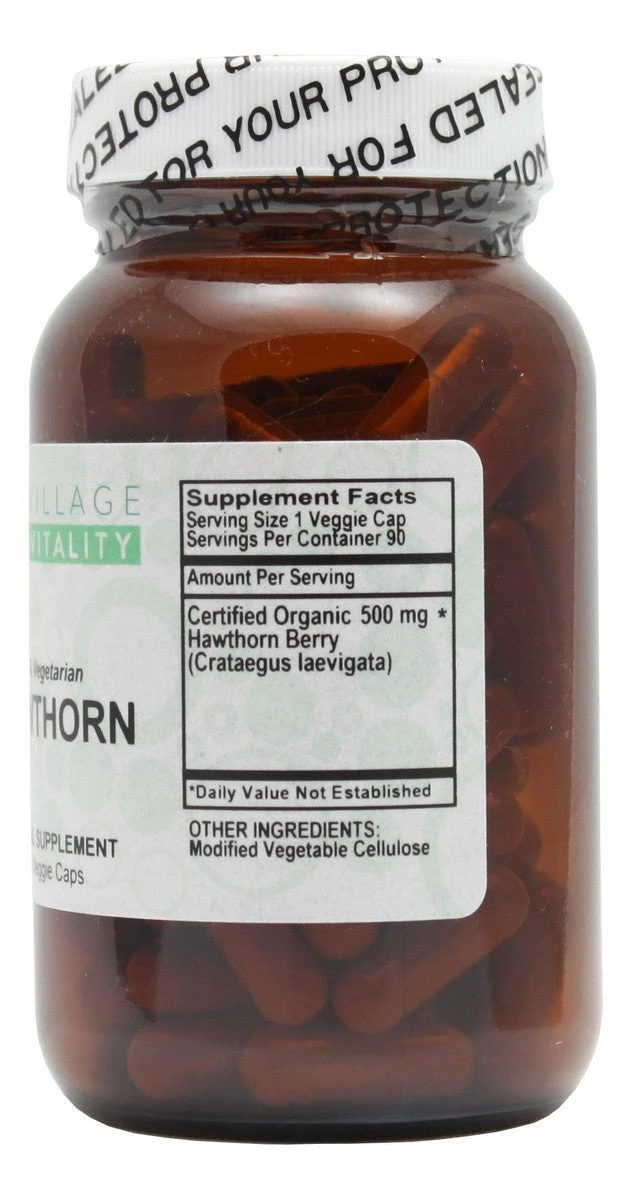
A recent scientific review of hawthorn extracts has unveiled its antioxidant and anti-inflammatory properties as well, which may be why the plant can lower serum lipids and offer cardioprotective benefits. As if that weren’t reason enough to run to the nearest hawthorn tree, there have also been promising results coming from trials using hawthorn for class II congestive heart failure.
Keep in mind, though, that high doses of hawthorn may cause headaches, sleepiness, digestive symptoms, and more. Because, like we done already said, what can cure can kill — or give you a killer headache.
Before Taking:
- Talk to your doctor about potential interactions with vasodilating and other heart-related medications
- Choose a brand with verified quality markers to avoid additional contaminants
3. Amla — An Ayurvedic Herb for Heart Health
- AKA: Indian gooseberry
- Common Uses: Liver tonic, digestion, inflammation
Native to Southern Asia, amla is a fibrous, nutrient-dense berry that’s especially rich in vitamin C and antioxidants, making it a well-rounded ally for supporting overall wellness.
As a staple in Ayurvedic practices, amla has a particular notoriety for healing the heart which is well-earned. In recent research, the plant has been shown to have a list of beneficial heart effects so long it’d make your eyes glaze over if we typed it all out. So here are just a few of those benefits, in bullet points, to make it easier for us all:
- Antioxidant: Something that inhibits oxidation
- Vasodilatory: Something that opens or dilates blood vessels
- Antiatherogenic: Something that helps prevent artery plaque build-up
- Hypolipidemic: Something that decreases lipids in the blood
- Anticoagulant: Something that thins the blood, reducing coagulation
- Antihypertensive: Something that lowers blood pressure


Need we say more?
Just don’t forget that amla can be harmful for some liver conditions and iffy for people with diabetes.
Before Taking:
- Talk to your doctor about potential interactions with medications
- Find out if you have a personal or family history of liver complications or diabetes
- Choose a brand with verified quality markers to avoid additional contaminants
4. Garlic — A Culinary Herb for Heart Health
Last but certainly not least is perhaps the most unlikely hero herb for heart health of all: the humble garlic plant.
When it’s not making your chili decadent and your breath fragrant, garlic is working overtime to protect your heart health in a number of ways. A recent epidemiological study, for example, has revealed a correlation between eating the pungent plant and having a reduced risk of cardiovascular disease progression.
The soothing effect of garlic on your heart is due in part to its ability to lower serum lipids (read: cholesterol) and blood pressure levels while also inhibiting platelet aggregation and increasing antioxidant activity.
Garlic, in all its unsung glory, doesn’t have a whole lot of adverse side effects to watch out for, but some people are allergic to it. It can also increase the risk of bleeding for those on anticoagulant medication, so even though it seems like a common spice, treat it and eat it with respect.


Before Taking:
- Talk to your doctor about potential interactions with medications
- Find out if you have a personal or family history of liver complications or diabetes
- Choose a brand with verified quality markers to avoid additional contaminants
And if this last suggestion left you with eye-watering breath and nowhere to turn, give us a call. Our heart herb experts are always available via our always-free Counterside Consults, and we can’t smell you through the phone!
If ever there was a day for indulging in sweets so sugary they’d stop your heart, it’s today. Another Valentine’s celebration is upon us, friends!
Whether you’re cursing Cupid or cozied up with a companion, what we have for you here is just what the love doctor ordered. That is, a blog on why you should swap those chocolates for some fresh fruit if you want to support the health of your original, A1 day 1 valentine: your heart.
But wait, don’t use those sticky fingers to scroll away! The heart-healthy wellness practices we’re sharing today aren’t really meant to persuade you into quitting sweets cold turkey.
They’re meant to bolster your holistic health toolbox so we, as Americans, can stop dying of preventable heart diseases. We took this smorgasbord of wellness practices straight from Dr. Neal’s industry-insider collection to share with you, in the hopes that together, we’ll share many more Valentine’s Days in the future.
So read on, fellow wellness seeker — they’re only a heartbeat away.
In This Article:
- Why lifestyle matters for heart health
- Wellness Pyramid for preventing heart disease
- How diet affects heart health
- The role of sleep, exercise, and stress management
Understanding Heart Disease: Can it be Prevented or Reversed?
Okay, let’s bypass the rest of those cardiovascular clichés and get right to the heart of the matter. What causes heart complications, like heart attacks, and is there anything we can do to prevent or reverse coronary complications?
If you ask the internet, you’ll get mixed answers.
Some so-called professionals claim that simple dietary changes can reverse heart disease, while other conservative sources warn that statin prescriptions are the only viable options. The truth, as per usual, lies somewhere in the middle.
Wellness practices, like tailoring your diet to include more nutritious foods, can indeed reduce the risk of disease and slow the progression of chronic conditions. But let’s be clear: You can’t just reverse heart disease with food.
So, How Does Lifestyle Play into Heart Disease Prevention Then?
Data-backed wellness practices, when done consistently and concertedly, can reverse heart disease in some unique cases, but only when used together and with great effort. Translation: Don’t focus so much on your diet that you forget the impact that other wellness practices, like stress management, have on your blood pressure.
It’s easier to understand the relationship between disease and lifestyle when we reverse the timeline. So let’s take Dr. Neal’s heart attack example from this in-depth podcast episode:
- End result: Heart attack. But what caused the heart attack?
- Heart attack: Cause by a blood clot that lodged into a vessel that feeds the heart. But what caused the clot?
- Blood clot: Caused by a hardening of the arteries that creates an inflammatory response. But what caused the hardening of the arteries?
- Harden arteries: Caused by elevated cholesterol and triglyceride fat content. But what causes the high levels of cholesterol and triglyceride deposits?
The last answer is, of course, nutritionally bankrupt food. But because the lifestyle domains in which we have wellness practices work in tandem with one another, there’s still part of the picture missing.
Learn More: Healing Hearts: Top 4 Herbs for Cardiovascular Wellness
Why Wellness Practices Matter for Heart Health
Things like moderate exercise, restorative sleep, and stress management can all drive down triglyceride content, which, as we now know, is one of the first dominos to fall on the path to heart attacks.
So wellness practices in all 5 lifestyle domains are not only the first thing you should focus on for improving heart health and preventing heart disease — they’re the most important thing, too. Even more important than supplements, these foundational practices can determine whether or not you experience a preventable heart event like a premature stroke.
The Wellness Pyramid for Heart Health
But we’re not here to rain on your V-Day parade!
Consistency is key when it comes to wellness practices, but don’t forget that sustainability is crucial for consistency.
So you don’t have to New-Year-New-You yourself into a perfect, heart-healthy lifestyle that doesn’t work for you in the long run. Slowly implementing small, strategic changes that enhance your life — not burden it — is a completely acceptable route.
In fact, let’s start at the most important facet of the lifestyle domains for heart health. If you can only make changes in one place right now, this is it:
Lifestyle Changes
When it comes to the stuff we put in our bodies, some of it is fun — like that glass of wine with dinner — and some of it is less fun, like leafy greens and omega-rich fish.
Preventing heart disease in our modern era, unfortunately, means having a lot less fun stuff. If you want to live a long, healthy life you’ll have to address any lifestyle factors that directly degrade your heart, like smoking, drinking, and doing drugs.
If you’re here for a fun time, not a long time, then by all means, grab a pack of Marlboros! Just know that your to-the-grave brand loyalty is literal — smoking is directly connected to heart attacks and strokes.
As well as uppers, downers, binge drinking, and everything in between.
Diet
And no, you can’t Paleo your way through a binge drinking problem and expect to prevent disease.
But there are foods that — after you address your lifestyle changes — can influence your heart health for the better. Integrate more of these nutrient-rich, antioxidant foods and fewer of the over-processed junk to bolster cardiovascular function through diet:
Eat more:
- Colorful Fruits & Veggies: Look for reds, greens, and blues in the produce aisle for foods with antioxidant content.
- Nuts & Seeds: Almonds, hazelnuts, pecans, chia seeds, flaxseeds, sunflower seeds, and the like are all high in heart-healthy omega-3 fatty acids.
- Fish: Up your intake of fish like tuna, salmon, and sardines for an even more potent dose of omega-3s.
- Healthy Oils: Cook your meals in fats like organic virgin olive oil for reduced risk of heart disease and improved cholesterol.
Eat less:
- Sucrose-Heavy Sweets: Swap sodas, packaged pastries, and other blood-sugar-spiking treats for options with healthier sweeteners, like coconut sugar.
- UPF: Avoid Ultra-Processed Foods, which can be industrially formulated for sweet or savory cravings.
- Red Meats: Can be enjoyed in moderation, but are high in heart-hindering cholesterol and saturated fats.
- Trans Fats: A la synthetic butter or vegetable oils like canola, which Dr. Neal calls, “the cigarettes of foods.”
Learn More: Mastering Holistic Nutrition: Dr. Neal’s Top 5 Diet Guidelines
Exercise
Remember how we mentioned that exercise can improve triglyceride levels just a few beats ago? That’s not the only way that regular movement protects the heart!
Regular physical activity can also mitigate other disease risk factors like blood pressure and good cholesterol — lowering the former and raising the latter. Does this mean you have to go full gym rat in 2024, beating up barbells and taking selfies to make your exes eat their hearts out? No, thankfully, it doesn’t.
Per Dr. Neal’s expert opinion and the scores of medical research that informed it, we should aim for a baseline 30 minutes of aerobic exercise 5 times a week. That could be in the form of weight-bearing exercise, walking, yoga, swimming — whatever works for you and your unique life.
Learn More: The Truth About Exercise: Ditch the Myths
Stress Management
The good news is: Cutting back on drinking, eating more nutritious food, and getting regular exercise can all help improve your stress levels and mental well-being.
Because when it comes to the heart, we’re not just talking about the physical heart — we’re talking about the emotional heart, too. Stress, despite being seen as “all in your head” can have a direct effect on your physical health. It not only contributes to an increased rate of cardiovascular events and high blood pressure but can also trigger a heart attack or angina in some people.
Incorporating a stress-reduction practice might not seem as hard-hitting as eating a pound of berries every day, but the nascent science says it makes a difference. Some recent studies have shown that (totally free!) stress management disciplines like meditation and mindfulness can help attenuate heart disease risk factors, though more research is needed.
Sleep
But really, is there any better stress reducer than a good night’s sleep? We think not.
As the baseline treatment for a number of chronic conditions, mental and physical, sleep is a foundational lifestyle factor for a reason. High-quality sleep impacts the entirety of our bodies — from cognition and emotional regulation to digestion and, yes, of course, heart health.
While the occasional night of tossing and turning is normal and not necessarily damaging, a chronic lack of adequate sleep can lead to all sorts of consequences you’ll lose sleep over. Like an amplified risk of cardiovascular diseases, stroke, high blood pressure, and obesity.
Our favorite tricks for improving sleep quality are centered on the three C’s: a calm mind, a calm body, and a comfortable environment.
But Let’s Have a Heart to Heart
Wait. Why do we, after giving you the full low down on living a heart-healthy lifestyle, still want to have a heartfelt conversation about cardiovascular wellness with you?
Well, because every heart is unique! Just like the snowflakes many of us have been blessed with on this arctic tundra of a Valentine’s Day. So if you’re lonely on this journey towards optimal heart health and overall well-being, hold the phone!
Our holistic wellness experts have hearts of gold and heavily researched answers for any of your heart-related inquiries, all just a call away via Counterside Consult.
Living with a chronic illness can be a real pain in the neck — literally and metaphorically.
Especially when the hallmarks of your long-term condition are literal, physical (and emotional!) pain, as is the case with rheumatoid arthritis (RA).
So while we’d normally put a silly meme here, 2026’s Rheumatoid Arthritis Awareness Day is no laughing matter. And plus, there aren’t any funny gifs related to joint pain out there. Trust us, we checked.
Instead, let’s cut to the chase.
We asked Dr. Neal, holistic pharmacist and fierce advocate of science-based self-care, for his top wellness practices for RA. Because life with rheumatoid arthritis can be difficult, but with the right practices in your holistic wellness toolbox, a happier, less painful experience is possible.
In This Article:
- Understanding rheumatoid arthritis
- Wellness practices for thriving with RA
- When to seek medical care for RA
What is Rheumatoid Arthritis?
Most people are familiar with the term arthritis. We generally categorize this condition as an inevitable part of aging, placing it alongside liver spots and hearing loss.
It’s no wonder, then, that retirees from either side of the political spectrum are increasingly supportive of federal marijuana legalization. (A joint effort for joint support, if you will.)
But when you add the word “rheumatoid” in front of arthritis, it paints a different picture.
In this context, the word rheumatoid clarifies that this kind of arthritis is marked by inflammation.
Rheumatoid arthritis is an inflammatory condition that affects the joints and, in some cases, the organs. The most common signs of RA are similar to those of traditional arthritis — like joint pain and stiffness — but the symptoms are caused by different things.
In arthritis, the cartilage that protects the bones in our joints is worn down by normal, mechanical wear and tear. In RA, the tissue lining of our joints is actually attacked by the body’s immune system — which makes it an autoimmune disease.
Especially because, over time, the inflammatory nature of this autoimmune disease can lead to erosion and deformity of the bones and joints. Plus, in their day-to-day experiences, people with RA often experience swelling, aching, tenderness, and as a result, fatigue.
A quick Google search will tell you that there aren’t any “cures” for RA either, as it is considered a chronic disorder. But if you’re sick to the bone of being in pain — and willing to dig a little deeper than the surface-level consensus — there are ways to mitigate the driving forces of painful symptoms.
Which are, as you now know, autoimmunity and inflammation.
The Wellness Pyramid: A Framework for Holistic Rheumatoid Arthritis
If we’re looking to drive down inflammation and support a healthy, balanced immune system then we have to start with the building blocks of wellness.
And yes, we have to focus on these mundane areas of life before we reach for a trending cure-all that claims to totally eradicate inflammation. Because, as we always say, you can’t out-supplement an unsupportive lifestyle no matter how much you spend.
So we begin by working with what we can control. AKA, the lifestyle domains that make the foundation of our health: diet, sleep, exercise, stress management, and environmental or external changes.
Diet
Food has the power to help or hinder our healing. So does this mean you have to adopt a particular diet or cut out all your favorite foods if you’ve been diagnosed with rheumatoid arthritis? Not necessarily.
Recent studies have linked diets high in processed foods to increased inflammation and disease risk. And the inverse is true as well — diets rich in whole foods like fruits, vegetables, and lean protein sources are associated with lower inflammation scores.
But we recommend doing what every health-focused person should strive to do, which is eat more nutritious food and less processed food. Having an inflammation-based autoimmune disease just means that this goal may have a more profound impact on your quality of life than the average Joe.
Learn More: Mastering Holistic Nutrition: Dr. Neal’s Top 5 Diet Guidelines
Exercise
Fueling your days with nutrient-dense foods is a great way to give your body a fighting chance against inflammation and autoimmunity. The next step? Use that newfound energy to get moving.
Which we don’t say lightly, because we know working with the day-to-day pain of rheumatoid arthritis is no small feat. But the science is (pretty much) unequivocal: exercise can help improve RA symptoms. In fact, a recent study has gained some street cred for showing that just 12 weeks of regular movement can noticeably reduce the disease activity of RA.
Before you hit the gym or push yourself past comfortable limits, though, remember that exercise doesn’t have to be barbells and cardio power hours. Gentle stretching, ambling walks, swimming, and doing fascial maneuvers are all perfectly acceptable ways to start your movement journey and experience the benefits of exercise for RA.
Learn More: The Truth About Exercise: Ditch the Myths
Sleep
For people with RA, reductions in sleep quality can not only increase disease activity and duration but, according to this Swedish study, also lower quality of life and worsen pain.
The good news is that all these positive changes you make in the diet and exercise arenas can, in turn, have a positive impact on your sleep quality, too.
Because these simple facets of life affect us and each other in big ways, and nothing in the body happens inside a vacuum. So, to further support your holistic — or whole-body, whole-being — approach to RA self-care put some snoozing time on your schedule. And deepen your sleeping experience by taking electronic devices out of your bedroom and dozing with light-blocking sleep masks.
Learn More: 5 Things to Do (Not Take) for Better Sleep
Lifestyle (or Environmental) Changes
If donning an eye mask and taking the TV out of your room doesn’t scratch the self-care itch, don’t worry. While we can’t control everything in our external environments, we can make choices that reduce the burden our bodies have to carry.
That could look like lowering the number of endocrine disruptors you bring in your home — in the form of cleaning and hygiene products — or tackling in-home allergens with hypoallergenic furniture and mattress covers. Or it could even be as simple as getting enough water!
But if you want to bring in the big guns for combatting external inflammatory agents, then it’s time to take a look at your wind-down habits.
Smoking, drinking, and taking drugs are all things that can increase inflammation and exacerbate symptoms of inflammation-based diseases. So, without belittling the difficulties of overcoming addiction, might we gently suggest working with a licensed professional to forge new ways of relaxing?
Your health, and your chances of putting your rheumatoid arthritis in remission, depend on it.
Stress Management
Speaking of stress! This silent but deadly human condition makes basically every part of life more difficult and unpleasant — inflammation and autoimmunity included.
Left unchecked, chronic stress can have a tangible impact on both physiological and emotional health. For people with RA, however, the risk that stress poses is even more severe. Intense stress can send the immune system into overdrive, ramping up autoimmunity symptoms and even playing a role in disease onset.
When it messes with the immune system as it does, stress can also increase inflammation, paving the way for a stressful cycle of disregulation that impedes healing. This is why having a consistent stress management practice is crucial for folks with RA.
That relaxing, restorative practice can come in many different forms. Whether you chose home-based options like meditation or work with a mental health care professional, stress management should be a top priority.
When to Seek Medical Care for Rheumatoid Arthritis
Rheumatoid arthritis requires a medical professional for diagnosis, so chances are, you’re already chatting with your doctor.
But your rheumatologist doesn’t have to be the only soldier in your line of defense. Many patients with RA have self-reported success with additional care from chiropractors, acupuncturists, and other body-based professionals. When paired with the data-backed medications from your doctor, these holistic options can provide the additional oomph you need to truly thrive with RA.
And don’t forget your supplement strategists, too!
Only a phone call away, our team of nutrient nerds can provide direct, personalized advice for optimizing your supplements to reduce inflammation and balance immunity. After all, rheumatoid arthritis can affect your entire life, so you deserve an approach that integrates your whole experience into the healing process.
Is it just us, or is 2024 already flying by? New Year’s passed in a blink, and now looming on the horizon is Hallmark’s most profitable holiday of the year… Valentine’s Day.
So there seems to be no better moment to discuss the health of another enigmatic ideal that ticks away relentlessly, just like time. That is, of course, your heart!
February marks the beginning of both American Heart Month and the stressful, two-week period before V-Day that has every coupled-up person in a gift-buying tizzy. While we don’t want to add too much to your shopping list, we have our hearts set on sharing the best supplements for your ticker according to recent research.
Because that fist-sized organ beating in your chest is pretty important! But there’s a lot of misinformation and marketing buzz surrounding holistic heart health.
Let’s get to the heart of the matter, then! Scroll on to meet the three supplements that are nearest and dearest to Dr. Neal’s heart for their data-backed cardiovascular benefits.
In This Article:
1. Omega-3 Supplements for Heart Health
- Form: Fish oil high in EPA + DHA
- Dose: 1,000–3,000mg per day
- Specifications: Find ethically sourced supplements tested for heavy metals
First on this heart-healthy supplements list is the all-around vitality booster known as omega-3, which should come as no surprise to regular readers. Omega-3 is at the top of Dr. Neal’s Vital5 and a frequently featured self-care supplement because it’s supported by clinical research and affects multiple body systems.
That, and the fact most of us aren’t getting enough omega-3s from our diets.
Learn More: Omega-3 Supplements: Are They Worth the Hype?

The crowning trio of omega-3 fatty acids — ALA, EPA, and DHA — have been linked to a number of cardiovascular benefits, with most of the positive results coming from high doses of the latter two.
Often recommended to treat hypertension, omega-3 fatty acids have been shown to bolster heart health by lowering triglyceride fat content and blood pressure. Proper omega-3 intake can even reduce the risk of sudden death in people with coronary heart disease!
But what does proper omega-3 intake look like?
If you ask The American Heart Association, regular folks should be getting at least two hearty servings of fish per week, while those with known coronary heart disease should aim for at least one per day. This is great news for fish aficionados! Not so great for those of us who either can’t stomach or can’t afford that much seafood in a week.
Should you still try to up your weekly intake of fresh-cooked fishy meals? Definitely! Our best chance at absorption comes from whole foods, but there’s a catch.
Finding the Best Omega-3 Supplements for Heart Health
Farmed and fresh-caught fish both pose a risk. They, like us, are swimming with the gross stuff we’ve dumped in the Earth’s waters. Think: Heavy metals, microplastics, and other toxins.
So if you’re not up for a twice-weekly can of sardines or want to avoid absorbing damaging toxins, boost your daily omega-3 intake with an ethically sourced, rigorously tested fish oil supplement.
Look for omega-3 supplements that have high doses of EPA and DHA — close to 1,000mg per capsule — and low TOTOX scores to hit Dr. Neal’s science-based daily target of 3,000mg without wasting your health or money.

Learn More: Omega-3 Supplement Buying Guide: 3 Things to Look For
2. CoQ10 for Antioxidant Protection
- Form: Ubiquinone or ubiquinol
- Dose: 30-300 mg per day
- Specifications: Take with fat-containing meal for best absorption
A lesser-known hero for heart health, Coenzyme Q10, or CoQ10 to its friends, has started gaining popularity in the holistic wellness scene.
CoQ10 is an endogenous antioxidant. AKA, a compound produced by and for the body that exists in each and every one of our cells. It plays an important part in the conversion of food to energy, though the largest concentration of these enzymes is in the heart.
Our heart health naturally declines as we age — isn’t that a fun part of being human? — and part of that degradation process involves a reduction in CoQ10 levels. This fall could be inconsequential, science is still unsure, but what we do know through clinical research is that lowered CoQ10 levels are associated with a higher risk for heart failure.
(As well as diabetes, neurodegenerative diseases, fibromyalgia, mitochondrial diseases, and more. Yikes!)
But if we’re going to age, at least we’re aging during a time of advanced medical science! That’s how we know that oxidative stress, which is combatted by CoQ10’s antioxidant function, is a driving force of more than one cardiovascular disease.
And that prolonged supplementation of CoQ10 not only reduces oxidative damage, but also decreases vascular hypertension, increases nitric oxide levels for vasodilation, and lowers mortality from cardiovascular causes.
Plus, clinical trials have shown that CoQ10 supplements are, like Valentine’s Day chocolates, “safe and well-tolerated,” when taken appropriately and in the right form.
Finding the Best CoQ10 Supplements for Heart Health
In the body, CoQ10 is continually converted and re-converted from an oxidized version of the compound to a reduced one. Both are considered active (or activated) forms of CoQ10, and the best supplements will offer one or the other for maximum bioavailability.
The two unpronounceable words to look out for are ubiquinol, the reduced version of CoQ10, and ubiquinone, the oxidized option.


3. B Vitamins for Homocysteine Balance
- Form: Homocysteine Support
- Dose: 1 capsule per day
- Specifications: Safe for those with methylation difficulties
B vitamins are touted for their brain, energy, and sleep benefits, but did you know they can give your achy-breaky heart a little TLC, too?
Certain B vitamins — like folate, B12, and B6 — can break down an amino acid called homocysteine. Homocysteine occurs naturally in the body, but too much of the compound can lead to blood vessel and artery damage. High levels of homocysteine have been associated with hypertension, stroke, and coronary heart disease, too — which aren’t things you’d want to flirt with.
Hence why Dr. Neal formulated the proprietary, homocysteine-balancing supplement we’re giving heart-eyes right now: Homocysteine Support!
Studies show that reducing overall homocysteine levels by just 25% can help lower your risk of coronary heart disease and stroke. Each acid-resistant capsule in our Homocysteine Support formula contains a potent dose of the B vitamins associated with breaking down homocysteine and maintaining homeostasis for the heart. Like folate, in its most active and easily absorbed form, f-MTHF.
When supported by vitamin B6 and B12, as it is in Homocysteine Support, folate has the power to not only reduce homocysteine levels and in turn ease the burden on our hearts, but also reduce the overall risk for stroke. Low levels of plasma B6 have also been shown to have a negative effect on cardiovascular outcomes, as is the case with B12 as well.
And that’s not even mentioning the blood pressure benefits of riboflavin, another B vitamin featured in Homocysteine Support.
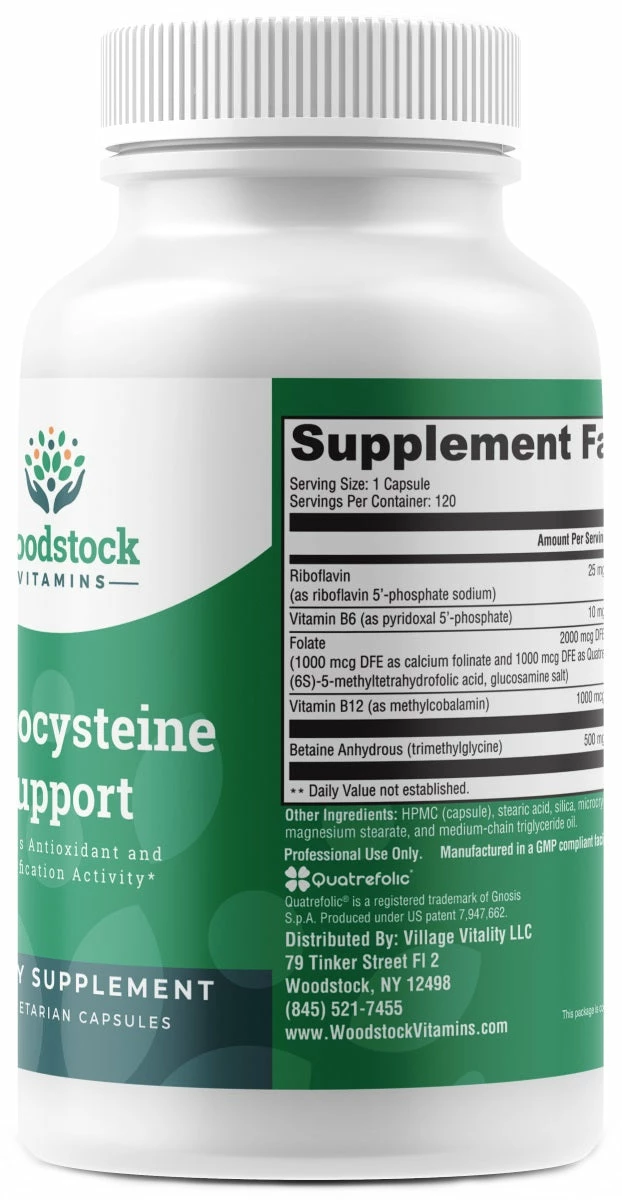
Finding the Best Homocysteine Supplements for Heart Health
Don’t get us wrong — you don’t have to take our homocysteine-focused b vitamin supplement for heart health. It’s just that, finding a B vitamin blend with only the activated and/or methylated forms of the micronutrients you need at a reasonable price is… Well, it’s no romantic walk in the park.
But you can always use our Homocysteine Support supplement as a reference point in your holistic heart health hunting! For driving down homocysteine in particular, look for the B vitamin supplements that contain these forms of these vitamins:
- Vitamin B2: As riboflavin 5′-phosphate, a more readily available form of B2
- Vitamin B6: As pyridoxal 5′-phosphate, the most biologically active version of B6
- Vitamin B9: As Quatrefolic, a patented form of bioavailable folate
- Vitamin B12: As methylcobalamin, the activated form used to treat nutritional diseases
But If Your Heart’s Not In It, Give Us a Call
Sorting through the cacophony of pseudo-science and sales tactics that surround supplements can take some time, but don’t lose heart! Now that you’re equipped with a veritable bouquet of heart health supplements to choose from, you can work towards improved cardiovascular function whenever your heart desires.
And it doesn’t have to be a Lonely Hearts Club, either. Our heart health experts are waiting by the phone — just like your soon-to-be Valentine, we hope! — ready to answer your supplement-related queries via Counterside Consult.
It’s always new you this and new you that! These days, it seems like no one wants to admit that, for many, all January 3rd means is it’s the third day of the NYE hangover.
While we hope you’re not one of the unfortunate ones still nursing the aches and battling the fatigue of a missed night of sleep — if you are, you’re not alone.
For all the many benefits of deep sleep, there seem to be just as many benefits of throwing an entire night away. It’s fun, for example.
But things don’t even have to be fun to convince us modern Americans to shirk our sleeping duties. In fact, people in the U.S. are continuously getting less and less sleep — hence the wide variety of knock-out snooze supplements and miracle sleep pills on the market.
Truth is, we kind of suck at sleeping. And not just this time of year, either. Believe it or not, the perseverations on productivity, light pollution, constant noise, and endless stress we know to be hallmarks of the Industrial Age don’t lend themselves well to a restful night.
So keep your eyes open, if you can, while you scroll through this blog. Chances are, you need these 5 wellness practices from Dr. Neal to recover from New Year’s and restore natural sleeping patterns.
In This Article:
- Resetting your circadian rhythm naturally
- The importance of reducing light exposure
- Creating a sleep-conducive environment
- Daytime habits to boost nightly sleep quality
1. Take a Hike
Put down your Merrells! That’s just an illustrative and (kinda) funny title for this first tip.
While exercise can help improve your quality of sleep (more on that below), what we really mean is get out of town. Hit the road. Pack up your sh*t and go camping.
Seriously. One of the fastest and simplest ways to completely reset your circadian rhythm is to get out of the house and camp in nature for a few nights. Picture it: The morning sunlight hitting your skin when you unzip your tent, just as the sunset did when you tucked in for the night. This concentrated, consecutive exposure to the daily sun cycle works as a reset button for your body.
Why? Well, when you’re out in nature following the predetermined rhythms of waking and sleeping, your brain gets a chance to actually figure out what time is bedtime. Instead of being tricked into living a perpetual noon by the blue, glowing light of the many screens in your face.
Because it’s not really that we contemporary humans suck at sleeping. It’s that we built a world that is entirely antithetical to getting a good night’s sleep.
And since we can’t eradicate global tensions or reduce noise/light pollution overnight, the next best bet is to escape, even if only for a few days.
2. Ditch the Gadgets
But if you can’t get out of town, you can at least transform your home into a lush sanctuary for Luddites!
It shouldn’t be a surprise that our next tip is to remove the technology from your bedroom, what with our previous rant on the digital age of flashing lights and traffic sounds and all. If you’re shuddering at the thought, though, we don’t blame you.
Screentime — and all the glorious dopamine-spiking information it offers us on a never-ending tap — is super addictive. And like most things that hook our feeble human brains, it can be really detrimental to the habits we need to maintain for genuine well-being, like regular sleep.
Mistimed exposure to blue lights from screens has not only been linked to increased anxiety (which can definitely keep you up at night) but also lowered sleep quality due to suppressed melatonin production.
So go and take the TV — and cell phone, laptop, tablet, smart watches, etc. — out of your bedroom. Right now. Or, if you must, enlist a good friend to come and pry them from your sweaty palms every evening.
This includes all the gadgets and gizmos that you bought under the pretense of purchasing a quick fix for sleep issues. Because, while tracking your sleep behavior throughout the night is interesting, these devices are nothing more than highly profitable band-aids to slap on the crater-sized wound left by our societal structure that prevents deep sleep.
3. Sayonara Synthetic Stars
And when we say take the devices out of your room, we don’t mean put your phone on silent and leave it face down on the dresser.
Unfortunately, that doesn’t count. The human brain is so susceptible to the EMF radiation emitted from cell phones that it registers the waves even without the typical visual or auditory cues of an incoming text. So yes, even those “quietly delivered” late-night messages from your sleepless friends are being picked up by your brain.
But let’s go back to light because its influence on sleep quality is pretty nuts.
Preindustrial humans lived without synthetic lights for millennia, save for a few gentle fires and soft candlelight at the end there. As our bodies evolved, they adapted to the light of nature — a la the sun and moon — quite keenly because it was integral to our survival in primitive times.
Subsequently, even the smallest pinpricks of light in your bedroom can have negative effects on your sleep and overall wellness. This is especially important for menstruating people to understand, as menstruation cycles are somewhat linked to lunar phases. Or at least we think they were before we messed everything up with false stars.
While your modern eyes see the battery of light of your smoke detector, your primal brain sees a small, green moon in the distance. As a result, nightlights wreak havoc on hormone levels (for men and women), causing a cascade of symptoms related to endocrine imbalance. Women who work the night shift, for example, have a higher risk for breast and ovarian carcinoma.
4. Clean Up Your Act
So your bedroom should be like a gen z’s outlook on the future: dark. But not only that, it should be clean, too. And pretty cold.
Clinical research (and experiential evidence — ask your mom) has shown that a disorganized, uncomfortable space creates stress in the brain that can impede deep sleep. Pair your messy room with a cold-blooded housemate who keeps the thermostat at a balmy 80 degrees year-round, and you’ve got a recipe for a really crappy night’s sleep.
The optimal space for sleeping is one that feels clean, cozy, and cool — think about 60-70 degrees.
And if you want to throw a one-two punch at your insomnia, adopt a consistent bedtime routine that establishes your clean, cozy, and cool space. That might look like a short, calming yoga flow after cleaning up your piles of half-dirty laundry or like a warm bath followed by light reading. Do what works for you.
Spending 10-15 minutes in this ritual each night can help offset some of the stress and light exposure of the day, and you’d be surprised how quickly your brain becomes accustomed to it. Recent research has even shown bedtime routines to have positive effects on children, ranging from earlier sleep times and reduced awakenings to longer sleep duration.
5. Fix Your Days, Fix Your Nights
If you think about it, the whole day is kind of just one long bedtime ritual, each moment bringing us closer and closer to the bliss of being under the blankets.
Okay, maybe that’s a stretch, but the restful folks in the back would give a cheer at that if they’d heard it over their own snores. Because they, and modern clinical science, know that how you spend your day affects how you spend your nights.
Translation: If you’re not hitting the recommended targets for the lifestyle factors that influence wellness, it’s likely your sleep will be impacted, too. These factors, as seasoned readers will know well by now, are not sexy, but they are important.
They are diet, exercise, stress management, and environmental changes.
We’ve already beaten the environmental changes point to a pulp (remember all the adjustments you’re making to your bedroom per tips 1, 2, and 3?), so it’s time to take a deeper look at the others, optimizing each section as we go to improve sleep.
Diet’s Role on Sleep
We hate to say it, but we can’t deny the science — what you eat does, indeed, mess with your sleep. Not only that but the relationship between your diet and sleep is maintained via a two-way street.
High nutrient intake is linked to better sleep and higher consumption of processed foods is linked to worse sleep. Poor sleep is, in turn, linked to lowered nutrient absorption, too. So if you thought you could out-sleep your nutritionally bankrupt diet or out-eat your sleepless lifestyle, think again.
The Impact of Stress on Sleep
Despite how much our dualistic culture would like you to believe so, the mental stress you feel isn’t just all in your head. Emotional and external stress infiltrates the body, flipping on survival switches that aren’t really that helpful when the stress is your boss and not a wild animal chasing you.
By activating the HPA (or hypothalamic-pituitary-adrenal) axis, perceived stress creates a tangible, physiological effect on the body. Because when the HPA axis is dysregulated by stress, our sleeping and waking cycles go haywire.
Exercise and Sleep Connection
Did you know that people who get 30 minutes of physical activity tend to sleep an average of 15 minutes longer than those who don’t? It might seem like a minor payoff, but the fact this interaction between sleep and exercise has been captured by a clinical study is pretty neat.
Especially when you see the other studies that corroborate the findings — like this metareview on how regular exercise improves both sleep quality and duration. And no, you don’t have to be a bodybuilder to get the sleep-enhancing benefits of regular movement!
Hit the Hay, Holistic Health Seeker
As with all things whole-body health, your journey toward optimal sleep hygiene and quality will be unique to you. Take what works from these tips, and leave what doesn’t.
But if you need a veritable Sand Man to guide you towards dreamier pastures with personalized, direct advice for holistic wellness, give us a ring. As long as it’s before bedtime (EST), our Counterside Consults will be free and open, which means our holistic health experts are just a phone call away.
Well, folks, we made it through the candy holiday and the pie holiday in one piece! Last up on the 2023 docket is the candy, pie, and cookies holiday we like to call Christmas.
Is it any wonder digestive supplements and detox teas fly off the shelves during this festive time of year? From enzymes to probiotics, gut health has been top of mind as we stuff our gourds with delicious eats.
But alongside the data-backed GI supplements (like digestive enzymes), we see a lot of debunked B.S. (like detox teas) getting hype, too. In the spotlight today is one member of the latter group, a controversial practice that has steadily gained popularity since 2012.
Intermittent fasting.
Is it really the hope-inducing, weight-management miracle cure it’s touted to be? Or is it a hoax? We took our nuanced inquiries to Dr. Neal, holistic health genius and notorious loudmouth, for the inside scoop on this diet trend.
Scroll on for the truth about intermittent fasting: what it is, why some people love it, and why Dr. Neal never recommends it.
In This Article:
- What is intermittent fasting?
- Why is intermittent fasting controversial?
- The risks of intermittent fasting
- What to do instead of intermittent fasting
What is Intermittent Fasting?
Intermittent fasting is a diet that says, “The best way to lose weight is to just not eat sometimes.”
Dr. Neal Smoller
While intermittent fasting (IF) has only recently popped off, humans have actually revered the practice of abstaining from food and drink for centuries.
But rather than using fasting to overcome illness, induce prophetic visions, or prepare for religious rites, modern humans have started using intermittent fasting to lose weight. Besides perspective and end goal, the core differences between ancient people’s fasting habits and contemporary IF are the duration and execution.
In practice, intermittent fasting refers to the prolonging of the natural fasting period throughout the day.
And yes, we do have a naturally occurring fasting session that happens every day — it’s the 8 hours that we’re (hopefully) in deep sleep. Intermittent fasting extends this period of food-less time by a few hours on each end. Most people who practice intermittent fasting pick an eating window and stick to it, only ingesting food from 7 AM to 7 PM, for example.
Unlike the Atkins Keto diet, this particular fad is about when you eat, not what you eat.
The hype around IF has risen to a fever pitch in recent years as more people struggle to maintain a healthy weight and a happy gut microbiome.
Intermittent fasting, according to its proponents, allows individuals to experience the advantages of fasting (like weight, inflammation, and disease risk reduction), without the body getting wise to our tricks. By following an eating schedule that breaks the extended fasting period for a few hours, the body is unable to adapt to the fasting and slow metabolism.
Why is Intermittent Fasting Controversial?
Fasting – not intermittent fasting – has been shown to improve markers of disease like weight, blood sugar, oxidizing compounds, and more. The data around fasting, though, is mostly in animals. I take this with a grain of calorie-restricted salt, because animal results may be VERY different from human results. In animals, for example, the Keto diet worsens cholesterol.
Dr. Neal Smoller
Before we dive into the truth about intermittent fasting, let’s get one thing clear: If it works for you, keep it up.
While Dr. Neal doesn’t recommend IF to anyone who is interested in maintaining healthy blood sugar levels and energy production, that doesn’t mean it has no benefits whatsoever. In fact, one aspect of intermittent fasting that aligns with Dr. Neal’s whole-body approach to digestion is not eating right before bed.
As long as you have the go-ahead from a medical professional or nutrition specialist, you can skip the rest of this blog and get back to doing what feels right for your body specifically.
That being said, if you’re trying to lose weight, support your metabolism, increase nutrient intake, or just generally get healthier, intermittent fasting might not be the way to go.
Our beef with this diet trend can be organized into four distinct categories:
1. It Doesn’t Account for Food Type or Quality
Some fans of intermittent fasting say you should, generally, “eat healthier” when practicing IF, but the guidelines around what is considered healthy are vague at best. Education is extremely important when it comes to nutrition, so we can’t overlook this obvious oversight. If your food lacks nutrients, then eating less of it less frequently might be doing more damage to your body than the alternative.
Learn More: Mastering Holistic Nutrition: Dr. Neal’s Top 5 Diet Guidelines
2. It Doesn’t Address the Body’s Ability to Rapidly Adapt
While intermittent fasting can fool your body into thinking you’re starving, this isn’t actually a positive thing to experience regularly. Some studies have shown an increase in the stress hormone, cortisol, as a result of fasting. This cortisol would be really handy if we were actually starving and needed motivation to hunt down food, but that’s not the case with IF.
3. It’s Based on Restriction, Not Nutrition
Anyone who’s attempted the Paleo diet can attest to the difficulties of restricted eating. As a result of these physical and emotional difficulties, humans often ricochet to the other extreme — binging or overeating — as a way to soothe themselves after the turmoil of fasting.
Dr. Neal recommends taking everything in moderation, including moderation, to implement change that’s simple and sustainable, not torturous and temporary.
4. It Ignores the Importance of Blood-Glucose Levels
Last but certainly not least: Intermittent fasting wreaks havoc on blood sugar.
This is extraordinarily important to understand because in order to actually feel our best and live our healthiest lives, we have to give our blood sugar our full attention. Optimal blood sugar levels are maintained through small, frequent meals that are balanced with all three macronutrients (protein, fat, and carbs), making it the exact opposite approach to intermittent fasting.
What to Do Instead of Intermittent Fasting?
To boil it all down: Intermittent fasting isn’t going to kill you (probably), but it isn’t going to make you a superhuman, either. And it might have some seriously negative side effects, depending on your unique physiology.
Can’t the same be said for almost all diets and eating trends? Yes, definitely.
But if we sift through the misinformation and marketing tactics that inundate the online wellness sphere, there is scientific evidence that supports one particular way of eating. That is, of course, eating to fuel your fire.
Eating to fuel your fire addresses all four of our issues with intermittent fasting in one fell swoop.
By eating small, nutrient-dense meals that contain proteins, fats, and carbs frequently, we can maintain healthy blood sugar levels without sending the body into a shock response. And then, with our blood sugar taken care of, we get to experience all the benefits of balanced blood-glucose levels.
Like proper brain functioning, mitigated stress response, lowered symptoms of depression, boosted cardiovascular health, and more.
Having frequent healthy snacks and filling meals can help us stay satiated, too, therefore side-stepping the risk of binging and hunger-related stress responses.
Is Dr. Neal really saying you should eat more frequently to support weight management and overall health? Yes, he is, because the clinical data says the same thing.
And so does his occasional cohost on the podcast, Mark DeCicco, who lost over 200 pounds using the eat to fuel your fire approach. Don’t believe us? Deep-dive the calories episode right here.
IF It Works, Great — IF Not, That’s Okay
Intermittent fasting is a trend that doesn’t seem to be going away any time soon. But that’s okay! Now that you’re equipped with a scientific framework for food habits and blood sugar maintenance, you can make choices that make sense for you, personally.
Need a little more guidance on your eating hours and fasting window? Let’s chat! Our Counterside Consults are always free and always open for direct, personalized advice on all things wellness.
If you’re even mildly interested in health — and not living under a rock — then there’s a good chance you’ve already heard the phrase gut-brain connection.
It’s become a bit of a buzzword in the wellness spheres and beyond, wielded to justify everything from straight apple cider vinegar shots to intermittent fasting. Especially this time of year, when the food and family time that hallmark the holidays have us hyper-focused on our guts and mental health.
But does this connection between the gut and brain actually impact our everyday lives? They say go with your gut, yet sifting through the science and sidestepping the misinformation… Is enough to make anyone’s stomach churn.
So we took our humble inquiry to Dr. Neal, our resident wellness wizard and holistic, or whole-body, health expert. Read on for the straightforward scoop about how the two-way street between your brain and gut influences your life.
And our holiday gift to you! Three wellness practices and three supplements to boost the health of your gut-brain axis.
In This Article:
- What is the gut-brain connection
- Why a holistic approach to the gut-brain axis is crucial
- 3 simple practices for gut and brain health
- 3 supplements for gut and brain health
What is the Gut-Brain Connection?
The gut-brain connection: It’s why you get butterflies in your stomach before asking for more ketchup and why the mental anguish of heartbreak can feel like a sucker punch.
Is it really that simple? Yes and no.
Yes, because the brain communicates with the whole body via the nervous system, and the footpath between the brain and your GI tract is especially well-traveled. Connected directly by the vagus nerve, your brain and gut send more messages to each other than two preteens with unlimited texting.
In fact, more nerve cells and neurons, or brain cells, live in your stomach than anywhere else in the body. There are about 100 million neurons in your brain and over 500 million in your gut. Plus, a huge chunk of the neurotransmitters we consider to be the turnkeys of mental health, like serotonin and GABA, are produced in the gut.
Hence the new nickname for the stomach: the second brain.
And no, it’s not that simple, because us Westerners have been taught to view the body as a series of isolated mechanisms working independently on their individual jobs.
The belief in the mind-body dichotomy is waning as research continues to disprove the theory, thankfully. But it’s still difficult to remember that your gut (and what you put in it) influences your mind and experience of life. And vice versa!
That’s why integrating a simple, holistic understanding of the gut and brain connection is crucial for genuine, long-term health.
A Holistic Approach to the Gut-Brain Connection
In this context, a holistic approach simply means that we use a scientific framework to view all the parts of our bodies and lives as interconnected.
Because, of course, the gut-brain axis is emblematic of the whole: Nothing in the body happens inside a vacuum.
In your daily life, this interconnectedness can be seen in how a bad night’s sleep can affect your mental clarity or how a good workout can turn your whole life around. In the two-way street of the gut-brain axis, it shows up in a number of ways that impact your experience of life. Here are just 10 simple, science-based examples:
- Thinking of food or eating can trigger the release of digestive juices in the stomach
- Gut irritation can send distress signals to the brain via the vagus nerve resulting in mood changes
- Patients with depression have an altered gut microbiome
- Consistent meditation practice can positively influence gut health
- People with IBS or Crohn’s have reduced vagal tone and vagal nerve function
- Gut issues early in life can result in long-term stress regulation difficulties
- Mindfulness practices can improve both cognitive impairment and gut health
- Eating probiotic foods can help to alleviate symptoms of depression and boost mood
- Disruptions in circadian rhythm — or sleep schedule/quality — increase leaky gut
- Alterations in the gut microbiome can influence stress-related behaviors
So you really do get nauseous before a big presentation, and no, it’s not all in your head.
3 Wellness Tips to Improve the Health of Your Gut-Brain Axis
The best thing — or 5 things — you can focus on to improve the health of your gut and brain axis live at the bottom of Dr. Neal’s Wellness Pyramid. They’re the unsexy, yet completely non-negotiable, parts of life that create a strong foundation for health.
Diet, sleep, exercise, stress management, and lifestyle changes.
All 5 of these focal points influence and impact both your gut and brain health — because everything works together, remember?
But before you overcommit to revamping your whole life, try these three simple practices to target your gut and brain health. The positive effects of consistent self-care will reverberate out through the other areas of your wellness and you might even find yourself more motivated to make other, bigger changes.
1. Up Your Nutrient Intake
Is it any surprise that a varied, nutrient-dense diet is pivotal to gut and brain health?
You don’t have to go full paleo though — start by swapping pre-packaged foods for fresh, local eats when and where you can. Enjoy meals and snacks balanced with all three macronutrients (carbs, fat, protein) to give your body the fuel it needs to hit movement goals, get great sleep, and regulate your mood.
Learn More: Mastering Holistic Nutrition: Dr. Neal’s Top 5 Diet Guidelines
2. Vagal Nerve and Mindfulness Exercises
You’re not being chased through the wilderness by a rabid tiger, so why is your nervous system acting like you are?
Target your mental health directly — or reverse engineer optimal gut health — by doing mindfulness exercises that pull your body out of fight or flight regularly. Because no one can effectively digest their food or live their best life in a state of constant stress.
You can focus specifically on the vagal nerve and nervous system with practices like humming, singing, and breathing, or opt for the good, old-fashioned, sitting-on-a-mat meditation.
3. Eating with Awareness
Tie these two wellness practices together with the best of both worlds, mindful eating!
Eating with awareness might sound like a highfalutin idea, but in practice, it’s pretty simple: Turn your screens off, sit your butt in a chair, and chew each forkful to an applesauce consistency. No more scarfing down beige bites on the way to work — we said it was simple, not easy.
Try attaching a mindfulness practice to your eating routine. Doing so will not only calm your nervous system and promote proper digestion but also structure your awareness exercises to make long-term change less complicated.
3 Supplements to Target the Gut-Brain Connection
Supplements, if done right, can fill nutrient gaps and help us reach wellness goals when we’re less than perfect with our eating and self-care habits.
But the if done right part is critical.
Doing supplements right means taking the right forms and doses of the right nutrients from the right brands. So while we recommend the three supplements below to strengthen gut and brain health, make sure you do your research!
Only buy from ethical suppliers with transparent practices and, of course, consult your go-to medical practitioner or supplement expert before diving in.
Learn More: Multivitamins for Brain Health: 3 Things to Know Before Buying
1. Probiotics, Obviously
Probiotics are one of Dr. Neal’s First5 — or the five nutrients almost everyone needs and almost everyone benefits from.
By flooding the canals and caverns of your digestive tract with beneficial bacteria, high-quality probiotic supplements can improve digestion and symptoms of inflammatory diseases like chronic diarrhea, IBS, and more. And, because the gut and brain are connected as we now know, they can in turn have a positive effect on mood and mental health.
Look for supplements that have the first and last names of the probiotic strains included, and make sure they’re one of the top four strains for gut health.

Learn More: Be Proactive: How Can Probiotics Improve Your Health?
2. Alaskan Omega-3
Another First5, omega-3 fatty acids have gained much-deserved popularity in recent years thanks to their heart and brain health benefits.
But did you know this humble nutrient can also modulate the gut microbiome? Omega-3 can help maintain intestinal walls, lower inflammation, and soothe chronic diseases in the gut according to recent research.
It’s no wonder, then, that omega-3 is also being explored as a holistic option for alleviating symptoms of mental health issues. Just make sure you’re getting an omega-3 supplement that is ethically sourced and manufactured to prevent rancidity.


Learn More: Omega-3 Supplements: Are They Worth the Hype?
3. Vitamin D
With so many brain-boosting and gut-healing supplements to choose from, Vitamin D might seem like an odd pick for #3 on this list.
However, the importance of Vitamin D for gut and brain health becomes immediately clear once you know that it plays a major role in preventing and treating leaky gut. By maintaining GI barrier integrity, Vitamin D can help combat chronic inflammation — a common cause of mental health issues and IBS — and the subsequent immune responses that wreak havoc on our health.
And that’s not even mentioning the bone-building and immune system benefits of the vitamin, either. Vitamin D is also a First5, so its impact on multiple bodily systems is a given.
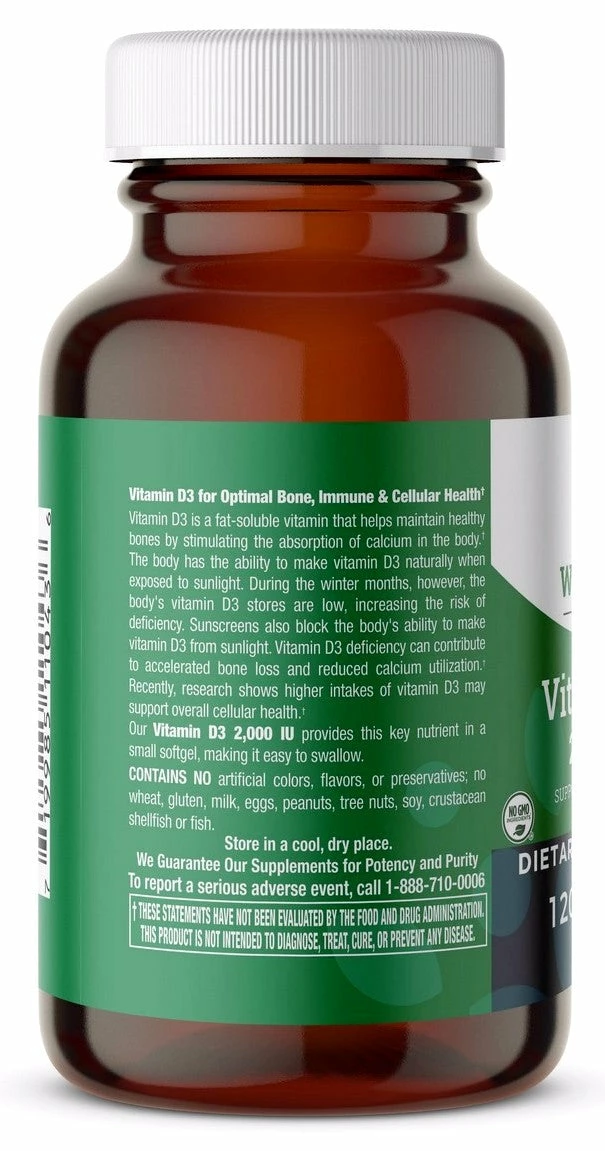
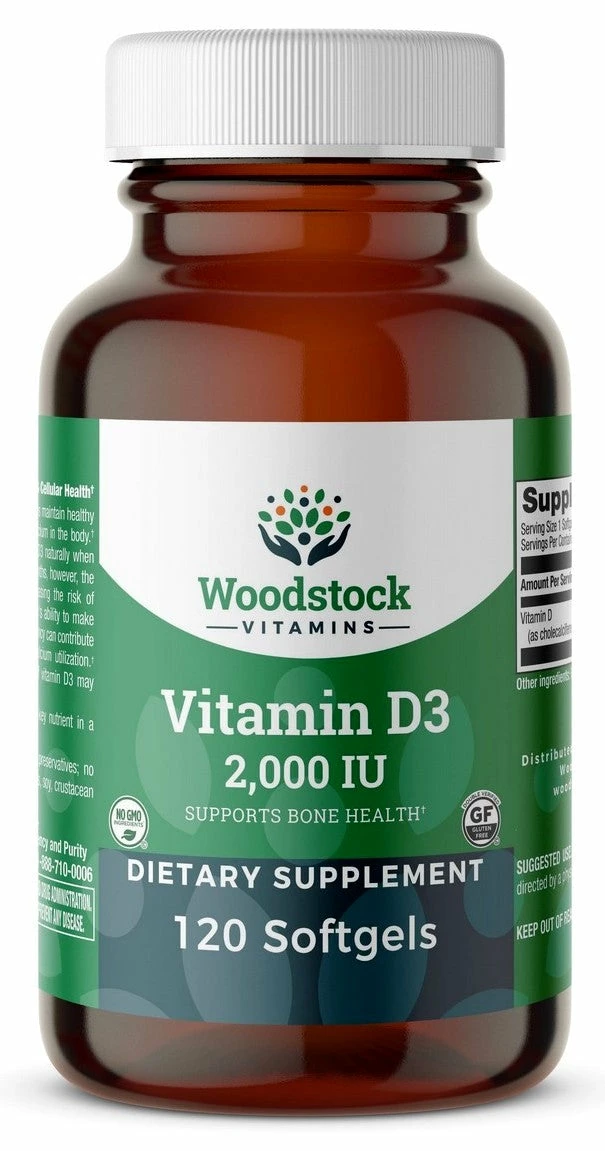
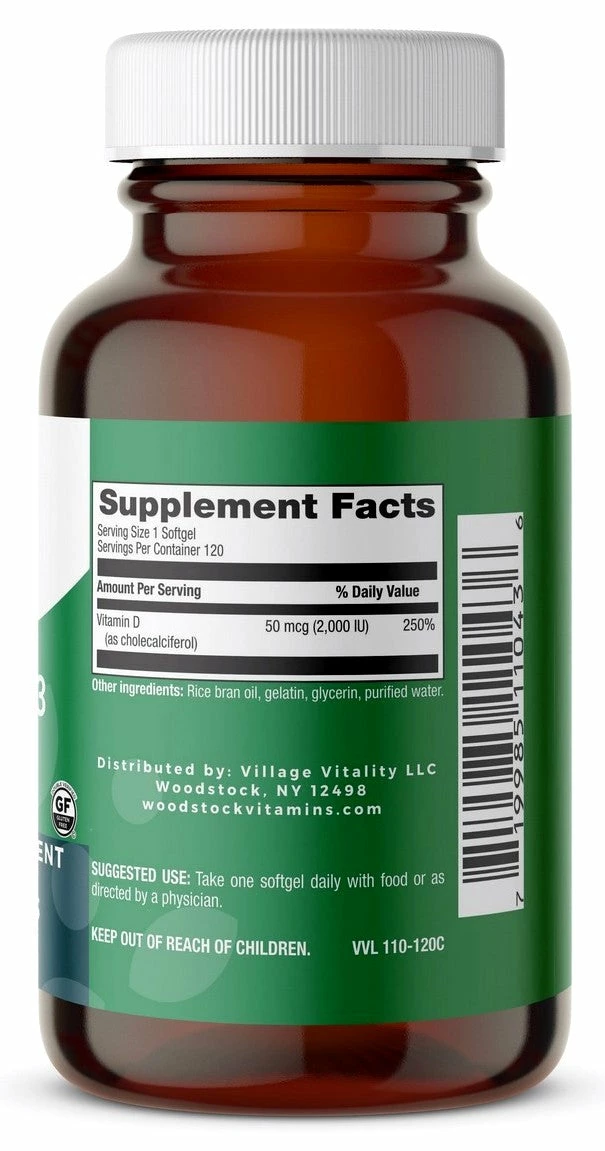
Learn More: Vitamin D: Sunshine Supplement for Bones, Blood, and The Blues
You’ve Got Guts, Kid
The next time you’re confronted with all the hype and hoopla about the gut-brain connection, just remember that this axis of health is more than a catchy phrase. It’s a fundamental component of our physical and emotional wellness.
So whatever small, positive steps you’re able to take, be it savoring a nutrient-dense meal, supplementing with probiotics, or slipping in a quick meditation session, will have a big impact overall.
And if you want more personalized, direct guidance on wellness practices and supplements for your gut and brain connection specifically, give us a ring! Our Counterside Consults are always open, always free, and we promise not to get on any of your nerves. Except your vagus nerve.
If ever there were a poster child for bad eating habits, it would be the modern American.
We take our plastic-wrapped foods to-go, swallowing quick eats while driving to work without so much as a third chew. Is it any wonder that the vast majority of us here in the land of the free report stomach issues and digestive woes?
We mean no shade — we’re guilty of indulging in the fast pace of contemporary cuisine here and there, too. Even Dr. Neal is a self-proclaimed M&M addict!
Thankfully, we also have more access to medical technology, health education, and dietary support than ever before, too. For those moments when our munching is less than perfect, we turn to supplements for help digesting and integrating nutrients.
Like digestive enzymes.
Scroll on to get the inside scoop on these increasingly popular GI supplements — if and how they work, when to take them, and which digestive enzymes are best.
In This Article:
- How digestive enzymes work in the body
- Who should take digestive enzymes
- What kind of digestive enzymes are best
- Choosing the right brand of digestive enzymes
1. What Are Digestive Enzymes?
Let’s break it down. Pun intended.
Digestive enzymes are specialized proteins that our bodies naturally produce to help digest, or break down, macronutrients.
Macronutrients (carbs, fat, and protein) arrive in our stomachs in big chunks — really big chunks if you’re not chewing properly. At different points in the gastrointestinal tract, your organs and cells will secrete digestive enzymes to chop up these macronutrients into smaller, more absorbable pieces.
The role of digestive enzymes in the body is to, essentially, speed up the chemical reactions of assimilating food in the gut, liver, pancreas, and even the mouth via saliva. In doing so, these humble proteins make sure that the nutrients in our food actually reach our bloodstream.
So yeah, they’re pretty freaking important.
2. Do Digestive Enzyme Supplements Actually Work?
Digestive enzyme compounds don’t just exist in the canals and caverns of our human GI tracts.
They’re found in other animals and fungi too — and even in plants like mangos, papaya, and avocados. Once extracted from plant, animal, or fungal sources, these proteins can be put into convenient little capsules. And voila, you have a digestive enzyme supplement!
While corner-cutting manufacturers have given digestive enzymes a bad rap in some circles, the science still stands behind strategic supplementation of high-quality options.
Here’s a small slice of the recent research that has linked digestive enzyme supplementation to improved symptoms of GI issues:
- Enzyme supplementation can play a pivotal role in malabsorption and digestive disorders
- Digestive enzyme complexes prove helpful for common GI complaints like abdominal pain
- Enzymes and probiotics work synergistically to drive down indigestion, abdominal pain, flatulence
- Low-dose enzyme complexes offer relief from bloating, loss of apatite, diarrhea, and more
The beneficial effects of digestive enzymes don’t start and stop in the gut; they can influence how people eat and live, too. Though the field of research is still expanding, digestive enzyme supplementation is being explored as a viable option for gluten sensitivities to mitigate symptoms of exposure.
And here’s where it gets really interesting. Scientists are also seeing enzyme supplementation lead to measurable improvements in the emotional regulation of patients with Autism Spectrum Disorder — probably thanks to the illustrious gut-brain connection.
Learn More: The Gut-Brain Connection: 3 Holistic Tips for Optimal Health
3. Should I Take Digestive Enzymes?
In spite of the overwhelming evidence that supports taking digestive enzymes, the public is undecided — or at least divided — on these supplements. And for good reason, too.
Digestive enzymes act as a band-aid for underlying gut issues. By replacing the proteins our bodies should naturally produce, enzyme supplements can keep our digestion movin’ and groovin’, but they don’t address the root causes of GI distress.
Translation: Digestive enzyme supplements are really helpful, even crucial, for some people and a huge waste of money for others.
There is no evidence that shows taking digestive enzymes will give a normal, healthy person super-human digestion or maximize nutrient uptake.
Dr. Neal Smoller
So how do you figure out if you, personally, should take enzymes or not? By taking a good look in the (bathroom) mirror, of course.
If you regularly experience symptoms of malabsorption like bloating, gas, cramping, diarrhea, abdominal pain, nausea, weight loss, or vomiting, then it’s likely your body isn’t producing enough digestive enzymes on its own.
Congrats! This means you make a great candidate for digestive enzyme supplementation.
But these recurrent symptoms point to a major issue: Malnutrition.
Digestive enzymes can help prevent the effects of malnutrition from spreading to your brain and nervous system, but remember they’re more aid than cure. These supplements won’t address the lack of naturally produced enzymes, which could be caused by a thyroid issue, cystic fibrosis, diabetes, or even pancreatic cancer.
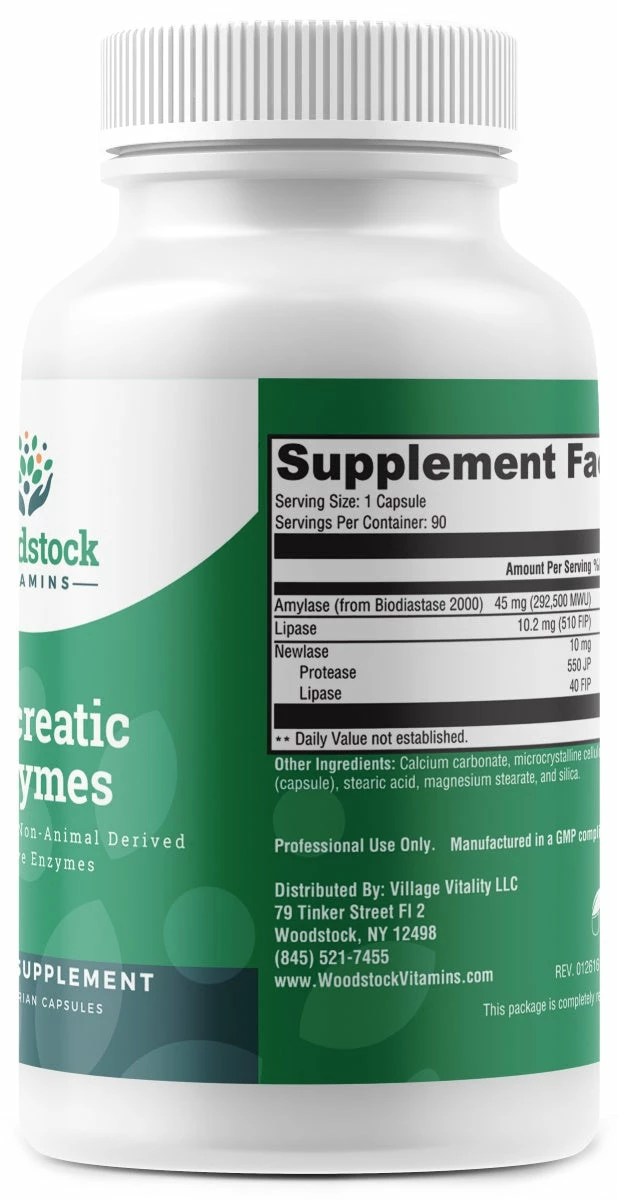
To boil it all down:
- DO take digestive enzymes if you experience discomfort after eating
- DON’T waste money on enzymes to “optimize” healthy digestion
- DO talk to a medical professional about your digestive issues to locate root causes
Learn More: 3 Digestion Support Supplements for Surviving the Holiday Season
4. What Kind of Digestive Enzymes Should I Take?
There’s another thing you should know before you go ham on the digestive enzyme supplements. Not all enzymatic proteins help with digesting all foods!
In fact, each specific enzyme has a highly specialized job. Lipase, for example, shines at breaking down lipids whereas bromelain does its best work on proteins. This information is crucial for successful supplementation — if you already went ham on the ham, you don’t want a lipase-only supplement.
To determine which enzymes your body needs, you first need to figure out which foods your body is struggling to digest. Start by keeping a symptom tracker on your phone or in a journal so the patterns between your munchies and maladies can become clear.

From there, you can use the nifty chart above to determine which enzymes will offer you the most relief from your GI discomfort. Check for those ingredients on the Supplement Facts Panel of your digestive enzymes and boom! You’re already 5 steps ahead of the average, willy-nilly supplement taker.
Generally speaking, though, most of us want a comprehensive blend of enzyme proteins in our supplement.
Because, if we’re eating well, then we’re getting a combination of fats, proteins, and carbs all the time. By choosing an enzyme formula that supports the digestion of all these macronutrients, we can rest assured that every bite will get broken down.
Learn More: Why You Need a Supplement Strategy — Plus 3 Steps to Get Started
5. Which Digestive Enzymes are Best?
So now you know what ingredients to look for, but what about the brand of digestive enzyme supplements? Are they all the same? Does it matter who you buy from?
It matters, but only if you prefer to avoid wasting your time and money on cheap, ineffective supplements.
If you don’t want your hard-earned cash to line the pockets of charlatans who profit off the lack of regulations in the supplement industry, you’ll have to be a savvy shopper. In this context, that means buying based on dose, potency, and survivability.
Dose
The dose side of things is pretty easy to manage. By using your newfound knowledge of enzyme proteins, you can quickly confirm if a particular supplement has the forms you need to get an effective dose.
If you’re a snack-a-saurus eating way too many carbs, don’t fool yourself by getting a protein-heavy digestive enzyme. If you are lactose intolerant, it doesn’t make much sense to get a comprehensive enzyme that has a low dose of lactase.
Dr. Neal Smoller
Potency
Avoid digestive enzymes that only list the weight of each protein. This is a Supplement Facts Panel sleight-of-hand that unethical manufacturers will use to make money off uneducated consumers.
Instead, go for supplements that list the activity level of the enzyme proteins. The activity level is used to measure the potency or strength of the enzyme — the weight is used to measure the fluff.


Survivability
If you’ve found good stuff without the fluff, that’s great! But make sure the digestive enzyme supplement you choose is formulated to last.
Most prescription enzymes are wrapped in enteric coating to protect the lifespan of the proteins. Over-the-counter enzymes? Not so much.
Enzymes without enteric coating will continue to lose potency as the proteins degrade in their unprotected shell. Look for enteric-coated digestive enzyme supplements without phthalates or parabens if you want the best for your body and your wallet.
Learn More: 4 Steps to Buying the Right Supplements in 2024
Enlightened Enzyme Supplementation
You can break open that digestive enzyme supplement with confidence, now that we’ve broken down the maestros of breaking down food into bite-sized pieces.
And maybe even do a little break dancing, once you’re freed from the nerve-wracking symptoms of poor digestion!
But if you need a holistic health pro to help guide your long-term journey toward gastrointestinal wellness, give us a call. Our Counterside Consults are always free, and we probably won’t make you break up with your favorite foods.
If you haven’t already been graced with a blanket of snow, let us be the first to tell you! Holiday season is officially here.
And with it, the myriad of unique stressors that family time, feasts, and unfettered socialization have to offer! Which means — if we’re hoping to survive this year’s inundation of Christmas music and Hallmark movies — now is the time to work on boosting three key areas of health.
Mental well-being, digestion, and immune system functioning.
Because nothing can squelch your appetite for holiday fun like a bout of anxiety or anxiety-producing bathroom breaks. (Besides COVID, that is.)
Stay healthy during this holiday season with wellness strategies from our favorite holistic health advocate, Dr. Neal. His top tips are waiting for you below like an early present under the tree. From immune-strengthening lifestyle tips and mindfulness practices to supplements for digestion, there’s a little something for everyone — even the grinches.
In This Article:
- Foundational health via the Wellness Pyramid
- Mindfulness for the holiday season
- Supplement tips for ultimate winter wellness
The Wellness Pyramid for Holiday Health and Well-Being
There’s a lot up in the air during the holidays, and not just the snow or your travel plans. When the department stores start playing Mariah Carey, our commitments to healthy eating, regular exercise, and decent sleep schedules go right out the window.
But don’t blame yourself!
Being removed from our daily routines can be majorly disruptive to health habits and wellness practices. Who wants to do their fascial maneuvers at the airport or take their fish oil with Thanksgiving dinner? Not us.
And, by the same token, overcommitting to unsustainable routines during the holiday season is exhausting at best. Is there a way, then, to enjoy the holidays with a modified approach to health? One that allows room for fun and celebration without throwing the baby out with the eggnog?
Yes, yes there is.
Dr. Neal formulated the Wellness Pyramid after 20+ years of guiding folks to their own, unique states of whole-body health. It’s a structure or framework for optimal wellness that, by design, can be adapted to fit the needs of each individual.
So we can take this handy blueprint for whole-person health and use it to inform our decisions during the holidays in order to enjoy our celebrations without sacrificing long-term wellness.
The Foundational Tier | Lifestyle Domain Tips for Holiday Health
1. Diet
If you missed our recent deep dive into holistic nutrition, then you’re probably worried we’re going to tell you to cut out soy or go full paleo before Thanksgiving. While you might find black-and-white answers lacking all possible nuance on other so-called health channels, that is definitely not going to be the case here.
We’re humans, and we need human solutions to our human problems.
So when it comes to changing your diet this holiday season, just simply don’t! Don’t spend your merry days restricting your eating or counting calories. Instead, concentrate on diversifying your eating so you can improve your nutrient intake during this food-oriented time of year.
Translation? Eat as much pie as you want, but eat all your mashed potatoes, cranberry sauce, and Brussels sprouts, too.
Learn More: Mastering Holistic Nutrition: Dr. Neal’s Top 5 Diet Guidelines
2. Sleep
Don’t get us wrong — we love late-night board games and early-morning walks just as much as the next person who’s at their parents’ house for the holidays. But should you sacrifice your much-needed slumber in order to enjoy these things?
No, probably not.
Sleep is important for emotional health and mental well-being, as well as about a bazillion other processes related to your physical health. From digesting food to repairing muscles, sleep is crucial for whole-picture wellness year-round.
Try: Scheduling activities for after dawn and before dusk. Bonus points if you skip that last glass of wine before bed and avoid circadian rhythm disruptors like blue lights from screens.
Learn More: Sleep Better: B.S. Free Guide to Holistic Sleep Support
3. Exercise
It might not be possible for you to maintain your 2-hour, high-intensity workout schedule while you’re traveling or celebrating the holidays at home.
And you know what? That is totally okay!
Not only has modern research shown that the optimal amount of exercise is somewhere closer to 30 minutes a day, but your gym will still be there waiting for you when Christmas is over. For the next few weeks, just focus on getting half an hour of movement per day to support your immune system, digestion, and mental health.
That could look like doing some gentle stretching in the morning, taking a walk with your family (or away from them!), or having a 30-minute dance party with your favorite siblings.
Learn More: The Truth About Exercise: Ditch the Myths
4. Stress Management
Prioritizing your diet, sleep, and exercise during the holiday season is one of the best things you can do for your ability to handle stress and combat burnout.
(Don’t believe us? Try skipping a meal or staying up late and see how calm you feel during one of your uncle’s political diatribes.)
But for many people, just hitting these basics isn’t enough to alleviate the stress of the holiday season. If that’s the case, we recommend making an active effort towards some kind of mindfulness practice.
Before you cringe and close this tab, though, remember that scientific research has linked mindfulness practices to better stress management, reduced anxiety, and improved depression in clinical settings!
Plus, if sitting on a mat for 5 minutes of silent meditation isn’t your jam, there are other ways to incorporate mindfulness into your life. Do what works for you, whether that’s walking meditation, moment-to-moment mindfulness, or focused breathing.
Learn More: No More Resolutions: Set a Vision for the New Year
5. Lifestyle Changes
When we refer to lifestyle changes in this Wellness Pyramid context, we’re talking about the changes we make to things outside of ourselves — environmental adaptations, if you will.
During the rest of the year, those changes typically look like going alcohol-free or taking the TV out of your bedroom. During the holidays, however, our options for boosting immunity via lifestyle changes are pretty limited, especially if we’re visiting other people’s homes.
So, for the 2025 holiday season, the top lifestyle change we recommend to protect your health and the health of your family members is: Wear. A. Mask.
You hate to hear it, we hate to say it, but there is still a pandemic happening, folks. At the very least, if you find yourself in trains, planes, or automobiles this holiday season, don your mask while in transit.
Learn More: Environment: How It Impacts Your Health and What to Do About It
The Middle Tier | Strategic Supplementation for Holiday Health
Keeping the 5 lifestyle domains at the center of your awareness will help protect your sleep and digestion, and in turn, support your mental health and immunity as well.
Supplements, on the other hand, can bridge the inevitable gaps in our wellness practices during the holiday season. And the rest of the year, too, if they’re done right!
Doing supplements right usually means conducting our own research and buying from quality sources but there are a few tips we have from Dr. Neal for successful supplementation during the holiday season specifically:
1. Don’t Skip Your Daily Supplements
While you might make compromises on your diet or date-night schedule this season, don’t be wishy-washy with your wellness products. Instead, avoid getting lost in the shuffle of gift-buying and ice-skating by using your daily supplement regimen to anchor your sense of self.
Don’t have a day-to-day supplement strategy for preventing nutritional deficiencies and maintaining optimal health? We recommend starting with the First5. AKA, the 5 nutrients almost all of us need, but aren’t getting.
Learn More: 5 Crucial Nutrients (Almost) All of Us Are Lacking
2. Add Digestion Support Supplements to Your Regimen
Tummy troubles can keep us up at night and stuck to the porcelain throne when we’d rather be out enjoying the season. If you have a sensitive stomach — and some adventurous eats on the horizon — incorporate digestion support supplements into your routine.
Our number go-to supplement for gut health and digestive wellness is, of course, probiotics. But there are a few very close runner-ups that can aid in breaking down food and assimilating nutrients, too! Like Betaine HCL, digestive enzymes, and collagen peptides.
Learn More: 4 Digestion Support Supplements for Surviving the Holiday Season
3. Support Sleep and Stress Management with Herbs and Minerals
If it’s not your stomach keeping you awake, it could be the stress of making small talk with distant relatives or going back to your home town. This time of year, it’s critical to bolster your sleep hygiene and mindfulness practices with supportive herbs and supplements.
Our favorite herbs for relaxing the muscles, promoting deep sleep, and restoring balance to the nervous system are valerian and CBD. But don’t forget essential minerals that build the foundation for healthy stress management and restorative sleep, like magnesium!
Learn More: Sleep Supplements: 5 Lesser-Known Sleep Aids
The Top Tier | Professional Medical Care for Holiday Health
Our most sincere holiday wish for you is that you don’t need to seek professional medical attention to cope with your annoying family members or recover from the cold they passed onto you.
But if you do need direct support for holiday health — from managing stress with supplements to maintaining immunity through wellness practices — give us a call. Our holistic health experts are ready and standing by with personalized guidance every day but Christmas.
We talk a lot about the importance of a varied, nutrient-dense diet here in this corner of the holistic wellness world.
But if we’re being totally honest — and we always are — comfort food will forever have a pizza of our hearts. It’s butter we acknowledge it now and taco about it rather than pretend otherwise.
So we offered holistic health advocate and self-proclaimed big-mouth, Dr. Neal, a penne for his thoughts on the matter. What do we modern humans in this precarious pickle do? Especially with a feast festival looming!
Do we forsake our favorite treats or forgo all food research in favor of delicious ignorance?
Turns out, it’s a little of both and a little of neither. Instead of going full paleo or calling the latest food science fake news, we walk the middle path — taking everything in moderation, including moderation.
So for those delightfully human moments that call for gorging on delectable, deep-fried eats, we turn to supplements. Scroll on, fellow foodie, to get the low down on 3 popular supplements for digestive health so you can have your cake and eat it, too.
In This Article:
1. Probiotics: Protecting Your Gut Health Year-Round
Thanksgiving is so close, we can practically smell the platters of sweet pies and savory bites being set on the table. As we gear up for this day of sumptuous eating, there’s no better time for starting a probiotic regimen than right now.
Except for yesterday, that is!
Learn More: Be Proactive: How Can Probiotics Improve Your Health?
Probiotics — AKA strains of bacteria that support the natural flora of your digestive tract — are a core facet of overall gut health. These little capsules filled with billions of beneficial microorganisms are so important, in fact, they’re part of the First5 for a few key reasons:
- They’re crucial for the healthy functioning of multiple bodily systems.
- They have some of the best science and data available supporting supplementation.
- Almost none of us are getting enough through our diets.
Plus, our guts are exposed to a myriad of external stressors every day — inflammatory foods, emotional distress, environmental toxins, etc. Probiotic supplements, when done right, can soothe a dysregulated gut and support healthy digestive functioning.
So really, we should have started taking our probiotics a long time ago, but today is the second-best day to launch a new supplement strategy.
If you’re nervous about reintroducing uncommon foods or trying new things this Thanksgiving, try a complete probiotic supplement to strengthen your digestive tract in advance.
2. Digestive Enzymes for Digestion Support
If you’re googling digestive enzymes in a pre-Thanksgiving panic, you’ll probably see a wide range of options and conflicting information. Some sites and suppliers call them all bunk. Others claim that enzymes are miracle cure-alls for gut health, zapping heartburn and eliminating flatulence in one fell swoop.
Here’s the truth: Digestive enzymes exist in your body already. They, like their supplement counterparts, can help your gut break down some proteins, carbohydrates, and fats.
By properly assimilating these macronutrients, enzymes can help alleviate common gut issues related to improper digestion.
Like malabsorption or lactose intolerance.
But enzyme supplements are distinctly not a panacea — they’re best when taken at specific times with clear, data-backed expectations in mind.
“Digestive enzyme supplements are replacing things our body doesn’t make enough of. They are not fixing any underlying problems; digestive enzymes are a temporary addition for digestion of the current meal or snack.”
Dr. Neal Smoller
When taken with a meal, a high-quality and naturally derived enzyme supplement can help your gut dissolve food and absorb nutrients properly. So, if your contribution to the Thanksgiving spread is a family-size pack of digestive enzymes, make sure you’ve done your research.
Look for an enzyme supplement that comes from natural sources like bromelain from pineapple or papain from papaya — or opt for a comprehensive blend of food-based enzymes to target as many proteins, carbs, and lipids as possible.
Learn More: Digestive Enzymes Demystified: 5 Things to Know Before Taking
3. HCL Supplements: Support Healthy Stomach Acid Levels
We all know that high levels of stomach acids can cause a whole host of unpleasant symptoms, like heartburn and acid reflux. But did you know that low stomach acid can be equally detrimental to your overall gut health?
HCL supplementation has been rising in popularity for this very reason.
Autoimmune diseases, chronic stress, drinking, and nutritionally bankrupt eating habits can all contribute to low acid levels. (Who among us isn’t guilty of at least one of those things?!) In turn, the subsequent decline in stomach acid production can end up causing nutrient loss, digestive issues like diarrhea, exacerbated food sensitivities, and more.
Hence, our supplement superhero, HCL.


HCL is the fun little acronym we use in the supplement world to refer to hydrochloric acid. You might also see it on vitamin labels as betaine or betaine HCL — the capsuled version of our naturally produced hydrochloric acid.
When taken strategically to combat low stomach acid, HCL supplements can support the gut’s natural digestion processes and boost nutrient absorption. They have a similar end result to enzymes, but a totally different function.
You can jumpstart your digestion with HCL supplements but don’t forget that these humble capsules are powerful tools. Find a competent healthcare professional before supplementing and invite them to your family’s Thanksgiving celebration.
Learn More: Staying Healthy During the Holidays: Holistic Wellness Guide
Can’t Stomach It? Call Us
We know — this was nacho typical blog on holistic nutrition and digestion supplements. We didn’t tell you to ban grains from your house or take a shot of straight apple cider vinegar every day.
What can we say? Food is one of the berry best parts of being human. (And the science behind ACV is…not grape.)
Eat well today and on Thanksgiving, knowing you’ve got industry-insider info on digestion support supplements under your belt. And if you can’t stomach the thought of diving into your meal without more direct guidance, give us a call.
You can chat all things gut health with one of our supplement experts via Counterside Consult any time — always free and always pun-free.
Picture this: It’s 2AM, you’re exhausted, and every time you start to slip off to sleep, that little tickle in your throat drags you back into the waking world just in time to…COUGH!
That’s right, friends, cold and flu season is officially underway.
With the drop in temperatures comes a drop in immune system functioning — which means sniffles, sneezes, and snot-nosed mouth-breathing will soon follow. But before you reach for the DayQuil and Redbull, we’re here to tell you there’s another way.
While it might not be as cool as a caffeine and acetaminophen cocktail, a holistic cold care plan can keep you from getting sick as a dog, instead of just masking the symptoms.
And, when done right, this approach can keep you from getting sick in the first place.
Get back to enjoying the cozy weather and mindblowing foliage this season has to offer — sniffle-free and sleeping through the night. Read on, wellness seeker, to learn the nitty gritty of preventing illness and strategically implementing cold remedies from Dr. Neal and his 20+ years of clinical experience.
In This Article:
- Cold prevention tips to keep from getting sick
- Supplements for cold symptoms
- Clear congestion with supplements
- Best herbs for cough
Cold Prevention: A Holistic Approach to Not Getting Sick
“Is Dr. Neal really saying he’s discovered how to prevent the common cold?”
Well, yes, kinda! While we can’t fully eradicate the virus with these simple yet powerful tools, we can use Dr. Neal’s strategic approach to minimize our chances of getting sick. The fundamentals of holistic preventative care are reducing exposure and having a solid foundation for overall health.
Reducing Exposure Looks Like:
- Washing your hands
- Not hanging out with sick people
- Wearing a mask in public (particularly in confined spaces)
Other helpful tricks include staying away from children — who, bless their hearts, are virulent carriers of cold and flu germs — getting enough rest, and upping your fluid intake.
Now, this may sound too good to be true, and it is true that even the most careful prevention practices aren’t infallible, but these tips will go a long way in keeping that cold at bay.
Prevention is most effective when it works in conjunction with strong overall health, though — it’s not a magic pill. So if you’re sleeping 3-4 hours a night and subsisting solely off Taco Bell and gas station sushi (no judgment, we’ve all been there!), then even the Boy in the Bubble’s prevention plan won’t be enough.
Prevent Colds with a Strong Foundation of Wellness
It’s not just poor sleep and plastic food, though. Lack of exercise, chronic stress, and exposure to environmental toxins can all make us more susceptible to illness.
Building a strong foundation for your health, then, begins in the mundane: diet, sleep, exercise, stress management, and (everyone’s favorite) lifestyle changes. A truly holistic approach to cold prevention has to factor in all 5 of these domains — don’t waste your time with anything less.
Learn More: The Wellness Pyramid: Your Roadmap to Holistic Health
Because — and here’s a secret the wellness industry doesn’t want you to know — the only real way to boost your immune health and ward off colds is to optimize these 5 crucial areas of your life. Don’t believe all the Vitamin C hype, almost nobody is actually deficient.
While certain deficiencies, like Vitamin A, can increase your chances of getting sick, it’s significantly more efficient to target the nutritionally bankrupt diet that results in those deficiencies than to supplement them directly.
Pro Tip: If you feel like you’re rocking all five domains and still really want to take a supplement for immune health, try out probiotics! Not antibiotics, which won’t actually help you with a cold.
Learn More: Be Proactive: How Can Probiotics Improve Your Health?
Holistic Cold Remedies for Getting Better, Faster
It usually starts with a scratchy throat, a runny nose, or sinus buildup behind the eyes — uh oh, here comes the cold!
Even with all of Dr. Neal’s tips under your belt, prevention tricks aren’t 100% effective 100% of the time. So what do we do when the viral bugs make it through all our staunchly prepared defenses?
Timing is crucial when it comes to holistic cold treatment: Dr. Neal always says the first 24-48 hours are the make-or-break period for catching these symptoms early and determining how badly you get sick, if at all.
So where do you start if time’s running out?!
Well, first — scroll back up to the Wellness Pyramid. Nothing will zap that cold faster than rest, fluids, proper nutrition, good sleep, and stress management. If you’ve got all those checked off the list, though, there are a couple more things that can tip the scales in your favor.
Best Cold Remedy for the First 24 Hours
On days one and two of feeling the symptoms creeping in, your best bet is zinc lozenges.
These lozenges work by targeting the viral molecules accumulating in the back of your throat: by coating them consistently with zinc, we can force them out of the throat and down into the much more resilient gut.


Slowly dissolve one lozenge six times a day, making sure to go 15 minutes without food or drink afterward to give it the best chance to work. It’s important to keep in mind, though, that an oral zinc supplement does not offer the same benefits — the topical application is key to dislodging the cold bugs.
If the zinc does the trick, great! You’re welcome 🙂
If not — time to move on to the big guns.
Herbal Remedies for Colds in the First 72 Hours
First up: Echinacea.
Yeah, yeah, we’ve seen the studies that say echinacea won’t help with a cold — we just don’t agree.
While it’s true that most products miss the mark, choosing a carefully formulated high-dose echinacea like Quick Defense and taking two capsules five times a day starting within 72 hours of your first symptoms can rapidly reduce inflammation caused by the virus, as well as the symptoms themselves.


While we’re at it, we’ll also bring out one of the most ancient treatments of all — warm tea! The fluids help you stay hydrated and flush all that gunk out of your system, while the heat helps alleviate swelling in the upper respiratory tract.
Some of Dr. Neal’s favorite teas for a sick day are:
- White Tea
- Lemongrass
- Ginger
- Elderflower
- Elderberry
Add a little raw ginger and honey to any of these for an extra zing, and you’re well on your way to kicking the cold to the curb.
Supplements for Cold Symptoms
As our immune system kicks into overdrive to fight off the infection, the rest of the body gets to feel really crappy for its efforts. Which means it’s time for symptom management. The cold symptoms we all complain about are generally coughing, sore throat, fever and aches, and congestion.
If we’re able to tackle even one or two of these, the cold gets just that much easier to manage.
Herbs for Sinus Congestion
Clearing congestion can be a real pain in the nose but it doesn’t need to be.
Although traditional decongestants such as Sudafed can be effective, they work by constricting blood vessels all over the body which can result in elevated blood pressure and heart rate. Because we’re holistic rebels here at Woodstock Vitamins, we prefer to skip the vasoconstrictors in favor of clinically-backed, all-natural herbal formulas, like Sinus Blaster.
Learn More: Breathe Easy with Sinus Blaster: Herbal Sinus Relief Solution
Formulated to clear congestion via plant-based aromatics, Sinus Blaster works directly on the sinuses while leaving all your other blood vessels alone. And because the herbal constituents work in tandem with the body’s processes, this non-drowsy tincture offers genuine, long-term relief instead of a band-aid for the symptoms.
Be warned — it does have a powerful taste, but what good medicine doesn’t?
Combine With: Natural decongestant spays like Xlear; wellness practices like neti pot nasal rinses and sleeping with a humidifier.
Herbs for Cough and Chest Congestion
The cough reflex is an invaluable component of the body’s ability to clear infection by keeping the lungs free of mucus and fluid… But sometimes, we just need to shut it off for a while.
Our first plan of attack is always Bronchial Syrup: loaded with powerhouse decongestant herbs like slippery elm, wild cherry bark, and horehound, Dr. Neal designed this formula specifically to target chest and lung symptoms, including coughs and upper respiratory tract congestion.
The proprietary blend of cooling and moisturizing herbal extracts in our Bronchial Syrup coats your innards, calming inflammation so you can stop hacking and get back to sleep. But make sure to pump up your fluid intake and keep that humidifier running for best results.
Combine With: Consistent hydration; wellness practices like sleeping with your head and neck elevated.
Home Remedies for Fever and Aches
We’re earthy-crunchy to the core, but as far as fevers and aches go, there really isn’t anything more effective than a correctly dosed and administered protocol of acetaminophen or ibuprofen.
When taken according to your doctor’s or pharmacist’s instructions, the dose will be low enough and the duration short enough that there is little to no risk of long-term concerns. But take these OTC options with food and avoid aspirin if you can. Asprin acts as a blood thinner and can increase the risk of Reye’s syndrome, especially in children with a viral infection.
And, if your heart is completely set on natural options, both yarrow and willow bark herbal supplements will work to reduce fever and achiness.


Natural Cold Remedies are Pretty Sick
Nobody is completely immune to the scourge of the common cold. But with Dr. Neal’s clinical experience and down-to-earth wellness wisdom at your side, it’s quite a bit less fearsome, right?
By fine-tuning your overall health, following Dr. Neal’s fundamentals of prevention, and nipping symptoms in the bud with focused treatment, you’ll be sturdier than ever come cold season. An ounce of prevention goes a long way, and an ounce of Sinus Blaster goes even further!
Want more cold remedies for your sniffle season toolkit? Shimmy on over to a free Counterside Consult to chat with Dr. Neal about your mucus in detail.
“Seasonal allergies” is a bit of a misnomer, isn’t it? Real sinus sufferers know that the battle against sniffles, sneezes, and wheezes is actually a year-round endeavor.
But here’s the good news: If you’re sick of having a head full of bricks, a natural approach could be your key to fast-acting, long-term healing from sinus issues.
It’s true! We asked holistic pharmacist and Wellness Wizard, Dr. Neal, and it turns out you don’t have to spend the rest of your life relying on chemical-laden sinus products that leave you feeling like a slightly less congested zombie.
Addressing the root cause of your sinus congestion — from airborne toxins to underlying infections — with a combination of natural formulas and lifestyle changes can, well, change your life.
Read on, sneezy one, to learn about the natural remedies and wellness practices available that can provide long-lasting relief without the harsh side effects of traditional products.
In This Article:
- Top 3 natural remedies for sinus support
- Herbs for sinus issues and congestion
- Our 3 favorite wellness practices for sinus issues
Top 3 Natural Remedies for Sinus Issues and Alleviating Congestion
Choosing just three of our favorite natural products from our vast repertoire of meticulously chosen supplements was no easy feat. These top contenders made the cut for a few key reasons:
- They address the root causes of sinus issues instead of covering up symptoms like a band-aid.
- They offer fast-acting relief without the icky side effects of over-the-counter antihistamines.
- They support long-term healing from recurring sinus issues by strengthening the immune system.
1. Sinus Blaster — Herbal Tincture
Forget the news — if you want to know how fast cold and flu season is coming up, check to see if our Sinus Blaster formula is still in stock.
When it’s starting to seem like balled-up tissues are the fashion accessory of choice, you can bet your bottom dollar we’ll be sold out of this tincture faster than you can sneeze.

The Sinus Blaster liquid formula is our propriety blend of clinically-backed herbs and aromatic foods with cooling, soothing, and decongesting compounds. Horehound, one of the formula’s heavy-hitters and a member of the mint family, mellows out coughs and thins mucus secretion.
This bitter plant is supported by more famous herbs for sinus support like:
- Horseradish root
- Echinacea root
- Fresh spilanthes herb
- Elderberry
- Garlic bulb
- Cayenne fruit
- Peppermint oil
- Olive leaf
- Licorice root
- Goldenseal root
- Wild cherry bark
- Osha root
- Onion
- Andrographic hern
- Yarrow
Learn More: Breathe Easy with Sinus Blaster: Herbal Sinus Relief Solution
2. Allergy Support — Anti-Inflammatory Capsules
If tinctures really aren’t your jam, don’t panic.
While Allergy Support contains a different blend of herbs and active food compounds, you can still naturally tone down the inflammation in your sinuses with these flavorless capsules.
Stinging nettles, a plant ally widely loved for its diuretic properties that support the elimination of excess fluid in the body, is the star of the Allergy Support show. (Bye-bye, inopportune runny noses!)


That prickly herb is supported by an Oscar-worthy ensemble of ingredients:
- Quercetin, a flavonoid found in plants with antioxidant and anti-inflammatory properties that’s loved for its antihistamine effect.
- Bromelain, an anti-inflammatory enzyme found in pineapple, helps to drive down swelling in the nasal passages.
- Rutin, a flavonoid found in foods (like citrus!), can strengthen sinus tissue and reduce the severity of initial reactions.
- Dihydroquercetin, another antioxidant compound that can reduce allergy and sinus symptoms by stabilizing mast cells.
Learn More: Allergy Support: The Ultimate Solution for Seasonal Allergies
3. Xlear — Xylitol Nasal Spray
Nasal sprays — the secret plight of every stuffy-nose owner.
This non-Woodstock Vitamins product makes the top of the list because of its all-star ingredients, none of which are steroids. This is great news for sufferers of sinus issues, as the overuse of steroid-based nasal sprays can lead to the thinning of nasal tissue and frequent nosebleeds.
And yet nothing quite offers the same sense of relief as blasting your sinuses clear in two big sniffs.
Thankfully, Xlear Sinus Care Spray (or Xlear Max for severe congestion) gives us the best of both worlds by offering lightening quick relief without damaging our delicate nasal tissue.


Xylitol prevents mucus from sticking to internal surfaces and works in tandem with saline and aloe vera to hydrate irritated sinus canals.
And yes, it can help clear your congestion headache! We know you were dying to ask.
Learn More: Conquer the Common Cold Naturally: Holistic Tips for Cold Season
Top 3 Wellness Practices for Sinus Issues and Allergy Symptoms
Here’s where healing from sinus issues holistically gets a little tricky: You can’t out-supplement a symptom-inducing lifestyle.
Don’t get us wrong — the 3 supplements you learned about above are your best option for natural relief from sinus issues and allergies, but they can’t counteract, for example, dehydration. So when we’re trying to address or heal from a particular health concern, we always start at the bottom of the Wellness Pyramid.
Learn More: The Wellness Pyramid: Your Roadmap to Holistic Health
Wellness practices live, primarily, in the bottom tier with the five lifestyle domains — diet, sleep, exercise, stress management, and lifestyle changes.
There are scads of wellness practices you could implement in these areas to improve immune system functioning and drive down congestion-related inflammation, but we’re just talking about sinuses here.
Our three favorite wellness practices to boost sinus health and clear congestion specifically are:
- Use a neti pot to clear, cleanse, and hydrate the deep reaches of your sinus passages.
- Sleep with a humidifier to keep your nasal canals from drying out overnight.
- Stay hydrated throughout the day, every day, to support your body’s natural clearing and flushing functions.
Sinus Woes, Be Gone!
If you take anything from this blog, it should be: Keep your sinuses (and your whole body!) hydrated and take natural supplements for sinus issues to find relief and long-term healing.
But before you embark on any kind of health journey, you should chat with an expert. So, hop on a free Counterside Consult for direct, personalized guidance on your path to sinus decongestion from our team of supplement savants!
Trying to avoid your medical practitioner? Don’t bother with apples, it’s 30 minutes a day that keeps the doctor away!
That’s right friends — today, we’re talking about the golden rule of holistic exercise. While half an hour of movement per day might not keep the doctor away forever, it will help keep your bod in fighting shape for the long run.
As the inundation of fitness-related digital clutter on the web will tell you, exercise is a major component of holistic health and wellness. Before you can get the benefits of regular movement, though, you’ll need to go a few rounds with the overabundance of exercise information available…
But don’t throw in the towel! You’ve got the holistic health heavy-hitter, Dr. Neal, in the ring with you, serving sucker punches to the exercise myths and cutting through the chaos.
So, grab your water bottle and get ready to square off.
In This Article:
- How exercise impacts the body
- What you definitely DON’T need to exercise
- The three things you DO need for a holistic exercise regimen
Why Does Exercise Matter in a Holistic Approach to Health?
When we talk about fitness, most of us are picturing sculpted physiques and perfectly Instagrammable moments, but exercise isn’t just about fitting into your favorite pair of jeans.
It’s actually a critical building block for the foundation of your health that can affect multiple body systems and your overall quality of life. (That’s why it’s one of the 5 ultra-important lifestyle domains that make up the bottom tier of the Wellness Pyramid.)
It should come as no surprise, then, that exercise has been linked to, like, a bazillion different health benefits:
- Improved sleep
- Reduction in chronic inflammation
- Longer lifespans and delayed onset of disease
- Strengthened emotional resilience and stress management
- Positive effects on gut microbiota and digestion
- Lowered risk of heart attack
- Management of mental health conditions
- Improved immune system regulation
See how the widespread effects of regular, moderate exercise go way beyond physical appearance? That’s because nothing in the body happens inside a vacuum — all systems interact with and impact one another.
So exercise isn’t crucial because the marketing machines of the wellness world have told you this Pilates routine or that Peloton payment plan will make your dreams come true.
Exercise, or movement, is crucial because your entire body needs it to truly thrive.
But while you’re moving and grooving, don’t forget that the lines of communication and interaction in your body aren’t one-way streets. That means that, unfortunately, you can’t out-exercise a nutritionally bankrupt diet or sleepless lifestyle.
So don’t pull any punches. Keep the other 4 areas of the bottom tier in mind — diet, sleep, stress management, and lifestyle changes — to make your battle for ultimate health truly holistic.
No, You Don’t Need Expensive Equipment
We know. It’s hard to believe that, in our world of flashy advertisements, high-tech equipment, and pricey gym memberships, you don’t actually need all the bells and whistles to effectively exercise.
Exercise is a natural and intuitive process that can be accomplished with the most incredible piece of equipment you already possess: your own body.
Don’t get us wrong though, that doesn’t mean you can’t go to spin class with your friends or join a rock-climbing club. It just means you don’t have to wait until you find the perfect trainer, CrossFit program, or workout buddy to start getting regular movement.
In fact, as long as you’ve got one of these flesh sacks, you can start today. Right now, even!
The Key Ingredients for a Sustainable Exercise Plan
There are only two other things you need for an effective exercise plan besides your body. The essential components of a holistic fitness regimen are:
- 30 minutes
- No barriers
- And your body
Why is 30 Minutes of Exercise Per Day Recommended?
Want tea fresh from the vanguard of health research? More isn’t always better when it comes to exercise.
In fact, high-exercise training has been linked to immune dysfunction, inflammation, oxidative stress, muscle damage, and increased risk of illness. 30 minutes of moderate movement, on the other hand, comes highly recommended for physical wellness and mental health from the latest science.
So don’t come out swinging with a daily, 2-hour weight-lifting plan. Instead, find what makes your heart skip a beat (in a good way), and dedicate half an hour per day to the art of moving your body.
That could look like:
- A 30-minute yoga flow
- Body-only strength training
- Brisk walks or gentle jogs
- Weight-bearing exercises
- A solo dance party in your kitchen
Why Remove Alllllll the Barriers to Exercise Entry?
There’s a reason we chose those 5 examples above — you don’t need a thing for them. (Except for your body and maybe a YouTube video for your yoga flow, but that’s beside the point.)
Barriers to entry are, basically, anything that holds us back from getting up and getting moving. Removing them means we’re making exercise as easy as pie — an effortless effort that we’ll grow to appreciate and look forward to, instead of dreading and avoiding.
Here are a few common barriers to exercise and our recommendations for tackling them:
- “I really don’t wanna drive to the gym.” Cool, fine. Don’t go to the gym.
- “I can’t afford the right workout gear and gadgets.” No prob, you don’t need them.
- “I have physical limitations.” That’s okay, moving what you can is more than enough.
Why Choose Body-Based Exercises?
It should be pretty clear by now, but we’ll spell it out one last time: Your body is all you need to exercise effectively.
You have muscles that can be engaged, joints that can be mobilized, and a cardiovascular system that can be challenged — all without the need for external equipment. Plus, focusing on body-based movement makes it, like, a thousand times easier to hit our daily target of 30 minutes in the simplest way possible.
Think: Push-ups, squats, lunges, planks, walks, dancing, yoga, all the fun stuff you can do from home that we already mentioned above.
Flourish in Feeling Healthy and Fit
Remember, your fitness journey is unique to you. Embrace the full symphony of wellness, listen to your body’s needs, and make 30 minutes of movement a non-negotiable part of your daily routine.
You’ve got this!
And if you need a spotter, give us a shout via our free Counterside Consults. (We’ll answer all your holistic exercise questions, and you can tell Dr. Neal how great he looks in these gifs, too!)
We live in a world that moves at a breakneck pace, with mind-boggling information and mind-numbing entertainment only milliseconds away at any given moment. (And now, the planet is actually, literally spinning faster to boot. Isn’t that fun?)
How do we slow down? How do we turn it off?
Well, most of us can’t.
In our quest to keep up with the chaos of the days, we’ve reprogrammed ourselves for speed — trading rest and relaxation for late-night doom-scrolling or near-constant productivity.
As a result, all areas of our lives are suffering.
Sleep is a crucial component of immediate and long-term health that can affect everything from mental health to food digestion, muscle repair, skin aging, and stress management.
Yet most Americans are sleeping less now than in previous generations. So we asked supplement strategist and wellness wizard, Dr. Neal, what’s a snoozer to do?
Read on for the holistic sleep support protocol Dr. Neal — and the hundreds of people he’s helped in the last 20+ years — swear by. No hogwash, no sleep-tracking gizmos, no zombifying OTC meds, just good old wellness practices and B.S.-free supplement guidance.
In This Article:
- Myth-debunking common sleep trends
- Holistic strategies for falling asleep and staying asleep
- 5 wellness practices for sleep support
- Supplements for holistic sleep support
Mythbusting: What You DON’T Need For Better Sleep
While it might feel like night and day, the realm of sleep isn’t as black-and-white as it may seem.
Despite its undeniable importance, sleep only makes up 1/5th of the 5 lifestyle domains that make a healthy foundation for wellness.
The other four (diet, exercise, stress management, and lifestyle changes) are all impacted by and have an impact on sleep. Why? Because the human body is a complicated web of checks and balances, where nothing happens inside a vacuum.
So our distinctly American obsession with “the perfect night’s sleep” is, frankly, a little weird.
Holistic — or whole-body, whole-being, whole-picture — health is built through varied yet consistent wellness practices in all 5 of these foundational areas, not just sleep.
Because, regardless of what the clever marketing schemes might suggest, you can’t out-sleep a nutritionally bankrupt diet or sedentary lifestyle.
And, on the other side of the bed, a bad night’s sleep only really matters if it affects you.
Read that, and read it again. A bad night’s sleep only matters if it affects you, and no, one bad night doesn’t mean you need to make 6 payments of $49.99 for the latest trending sleep gadget.
“You get a bad night’s sleep but your day isn’t horrible. It’s not perfect, but it’s not horrible. You take the L, and try again tomorrow.”
Dr. Neal Smoller
Life — and the light pollution, constant noise, endless stress, and health issues that come along with it — can be rough on our sleep. Plus, we now know how devastating the effects of sleep deprivation can be.
Put those two simple facts together, and you’ve got the perfect breeding ground for sky-high sleep sales. This is why the wellness industry pushes quick-fix tech and supplements that are often more hinder than help.
So, let’s be real. Here’s what you DON’T need for a better night’s sleep:
- Sleep tracking devices — in the form of phone apps, wearables, bluetooth lamps, etc.
- Trending supplements — like melatonin, tart cherry juice, the wrong forms of magnesium, etc.
Holistic Sleep Support Strategies You DO Need For Better Sleep
Now that we’ve chucked out the over-marketed, overhyped crap, we’re free to do the real work of improving sleep hygiene.
(Because yes, sleep hygiene is still important, but it’s not going to be something you achieve with just a pill or potion.)
There are a lot of factors working against you when it comes to getting better, deeper sleep. In fact, the list of reasons why your sleep sucks is as long as the insomniac hours of the night:
- Anxiety/Stress
- Pain/Discomfort
- Light/Noise Pollution
- Breathing Difficulties/Sleep Apnea
- Cramping/Twitching/Restless Leg Syndrome
- Depression
- Bladder Issues
- Hormonal Imbalances
- Medications
- Irregular Bedtime Patterns
But for all the myriad of ways sleep can suffer, the two core problems modern sleepers are faced with are: falling asleep and staying asleep.
(Or both, if you’re one of the super lucky ones.)
Falling Asleep
When it comes to falling asleep, we have the holy trinity of holistic sleep support to rely on — AKA, the 3 C’s.
1. Calm Mind
Turning your mind off at the end of the day is no small feat, but it is absolutely critical if you want to fall asleep. Not all relaxation or stress management techniques will work for you, but your first step is to find the ones that do.
2. Calm Body
Next step, stop putting stimulating things (caffeine, sugary foods, etc.) in your body around bedtime. Without a solid evening routine that signals to your body, “It’s time to sleep,” you’ll hit the pillow feeling wide awake.
Incorporate movement to work off excess energy as a body-calming bonus step.
3. Comfortable Environment
Because all the work you do on your body and mind will be negated if there’s a 65-inch plasma TV blaring two feet from your bed. Address environmental factors that can keep you stimulated and prevent wind-down time, like TVs and cell phones, excessive light and noise, or uncomfortable sleepwear and mattresses.
Staying Asleep
While most of us will struggle with falling asleep at some point or another, staying asleep is a whole different ballgame. Oftentimes, having a hard time staying asleep points to an underlying issue of some kind.
The most common issues Dr. Neal sees in his practice are:
- Sleep Apnea — Yes, even you could have breathing complications! Go straight to tier 3 of the Wellness Pyramid (do not collect $200), and seek professional, medical guidance.
- Cramping and Restless Legs — Increase your daily water intake (just not right before bed!) and try incorporating more exercise throughout the day.*
- Bladder Problems — Adjust your fluid intake before bed, and try to abstain from drinking any liquid at least three hours prior. Seek professional, medical guidance if you continue to wake to pee.
(*Restless legs syndrome will likely require strategic, personalized strategies.)
5 Wellness Practices for Holistic Sleep Support
Because, if you’ve been hanging around the Woodstock corner of the wellness world, you already know what we’re going to say.
Wellness practices first, supplements second. Always.
Whether you struggle to fall asleep and stay asleep, or just want to improve the quality of your sleep, Dr. Neal’s top 5 wellness practices can help you improve sleep hygiene before supplementation:
- Nourish yourself wisely: No heavy or spicy foods at least 3 hours before bedtime.
- Bid farewell to the bedroom TV: Reclaim your sleep sanctuary from binge-watching.
- Get hypoallergenic armor: AKA hypoallergenic pillow and mattress covers.
- Embrace darkness: Invest in a high-quality sleep mask to avoid stray light stimulation.
- Unplug: Limit your exposure to blue artificial light (from screens) before bedtime.
Supplements for Holistic Sleep Support
Yet, even with all the wellness practices under the sun, sometimes, we still need extra support for hitting the hay. We’re human!
When it comes to supplements for sleep, there are three key options that stand out from the crowd of drowsy-making gummies and overpriced herbal blends:
1. CBD for Sleep
This soothing THC-free cannabis derivative is worth the hype it gets. CBD, or cannabidiol, is renowned for its calming effects and sleep-support properties.
Benefits:
- It works ultra-fast – you can expect relief in about 15 minutes.
- The effects don’t linger, so your mornings aren’t groggy.
- BONUS it’s also great for anxiety!
While CBD is legal in (almost) all states, we are not allowed to sell this online. So, call us: (845) 521-7455.
2. Chelated Magnesium for Sleep
This mineral marvel plays a vital role in promoting relaxation and supporting healthy sleep — without it, your muscles literally cannot relax.
Benefits:
- Chelated forms of magnesium are easier on the stomach.
- Highly bioavailable form for maximum absorption.
- BONUS it’s been linked to rapid improvement of depression symptoms!
Only chelated versions (glycinate, taurate, malate, etc.) of magnesium will produce a calming effect. Avoid salt forms like magnesium oxide, chloride, citrate, or sulfate.
Learn More: Understanding The Different Types of Magnesium Supplements
3. Valerian for Sleep
This sweet-tasting herbal lullaby was all the rage before CBD took the stage. Valerian has been used for medical purposes since (at least) early Greek and Roman times.
- Natural, plant-derived sedative.
- Short-acting for fewer morning-after issues.
- Nervine plant properties soothe and support the nervous system.
Plus, valerian is super cost-effective! Try valerian capsules for a wallet-friendly version of CBD.
Learn More: 3 Great Sleep Supplements — And 2 to Avoid
Get S’nore Sleep
TL;DR: Follow Dr. Neal‘s expert guidance to sleep better, dream bigger, and live healthier.
But… When it comes to holistic sleep support tips, tricks, and wellness practices, all that is still easier said than done. So give us a ring if the late-night zoomies have got you feeling like a zombie.
You can chat with one of our experts for free via Counterside Consult at any time. (As long as it’s before bedtime.)
Y’all better be out there embracing the warmth of the sun and the vibrant energy of the season!
Another Hot Girl Summer is here, which means it’s time for adventure, relaxation, and basking in the beauty of nature.
But, as we embark on our summer escapades, we can’t forget how essential it is to prioritize our well-being. Nothing ruins this stunning season quicker than an inopportune sunburn or dehydration spell.
So let’s get holistic! From protecting your skin with natural sunscreen and first aid must-haves to healthy travel tips and hydration, this comprehensive guide is your key to a blissful and rejuvenating summer.
Grab your sun hat and get ready to unlock the secrets to a safe, sun-kissed season from Dr. Neal‘s holistic summer survival kit.
In This Article
- Holistic sunburn treatment
- Choosing the right natural sunscreen
- First aid tips for blisters, cuts, wounds
- Smart travel tips for fearless adventurers
- Hydration, hydration, hydration!
Holistic Sunburn Treatment
So. You fell asleep in the warm rays and woke up looking like a tomato. No judgment, we’ve all been there!
When it comes to holistic summer care for those sunburn woes, though, remember the three A’s:
- Aloe
- Aqua
- Advil
1. Aloe
Is the esteemed aloe really the stellar sunburn salve it’s cracked up to be? Yes, yes it is.
But brace yourselves because we’re about to expose the truth behind those translucent aloe vera gels that parade around like they’re the holy grail of sunburn relief.
Here’s the gloop: many of those sneaky gels are nothing more than aloe-scented tricksters. True aloe gel oxidizes when exposed to air, and is subsequently a glorious shade of brown. When it’s time to purchase aloe, be a savvy shopper and look for gels from reputable sources without unnecessary or toxic fillers.
2. Aqua
Next up is aqua, the elixir of hydration. We’re not talking about mystical potions here, but the good old H2O that can work wonders for your sunburned skin.
Hydration is the secret ingredient that fuels the healing process and helps your body recover from that fiery sunburn. So, my friends, don’t underestimate the power of staying hydrated. Guzzle it down and let your body do its miraculous work.
3. Advil
Is Advil considered holistic? Depends who you ask!
What we know for sure, though, is that sometimes sunburnt folks need immediate relief from the searing pain. Herbal anti-inflammatories are powerful things, but they also tend to have a slow, cumulative effect on the body. So when you’re dealing with a red-hot epidermis, a cup of chamomile tea might not cut it.
Even the crunchiest of crunchy folks need to take an Advil now and again!
How to Choose the Right Natural Sunscreen
So you probably won’t make the mistake of napping in the sunshine again, but what about all the time you spend awake and outdoors?
SPF seems like the obvious answer, but when it comes to choosing the right sunscreen for your holistic summer care kit, things are actually a bit cloudy.
Mass Market vs. Natural Sunscreen
Nope, you can’t just slap any old tube of cream on your skin and call it a day.
Unfortunately for all of us, the wellness industry is a near-lawless land, so we consumers must transform into savvy ingredient detectives.
The first step is to not let the sneaky marketing tricks fool you — just because a product claims to be “natural” doesn’t mean it won’t contain some sketchy stuff that can damage your health and the environment.

Remember that the FDA has done some sleuthing of its own and found that only two ingredients deserve the gold star for being safe and effective for everyday use — zinc oxide and titanium dioxide.
And, further, just because a natural sunscreen says it utilizes those ingredients, doesn’t mean there aren’t a bunch of toxic fillers included, too. So, the next time you’re shopping for sunscreen, don’t be swayed by brilliant branding or bold claims.
Our Choice for Natural Sunscreen
Zinc-based sunscreens are the epitome of natural and effective sun protection — AKA the SPF solution that will have you slaying the summer while keeping your skin protected.
Now, let’s address the elephant in the room. In the past, these sunscreens had a reputation for giving your skin a ghostly white cast, making you resemble our friendly neighborhood ghost, Casper.
But fear not! Modern formulations have pulled off some serious wizardry, incorporating impossibly small zinc compounds that effortlessly blend into your skin. It’s like magic! Or maybe science — it’s a toss-up.
So, if you’ve been hesitant to embrace the natural options in the past, it’s time to dust off those doubts and give them another chance.
The Truth About SPF
Sun Protection Factor (SPF) is like code that reveals how well a sunscreen can shield you from the blazing sun’s UV rays. It’s a handy thing, but let’s separate fact from fiction.
Sorry to burst your sun blister, but a higher SPF doesn’t always mean better.
Don’t fall into the trap of thinking that an SPF 100 will transform you into an indestructible sun warrior. Dermatologists know their stuff, and they generally recommend a minimum SPF of 30 for everyday protection.
But hold on to your beach hat because here’s the plot twist — bottles of SPF 50 sunscreens litter the aisles of nearly every applicable store. So which is better? Should you splurge a little for more comprehensive skin protection?
Here’s the truth: SPF 50 only offers a teeny-tiny bit more protection than SPF 30. The difference is so minuscule that it’s like splitting hairs.
But It’s Not Just the Sun You Have to Worry About
Besides slathering on the right sunscreen and snagging a sunhat, the most important thing to know about holistic summer care is that certain medications and supplements can increase your sensitivity to the sun.
We’re talking about antibiotics, anti-inflammatory drugs, antihistamines, and even those seemingly innocent herbal remedies. They can be sneaky little troublemakers, making your skin more susceptible to sunburn or phototoxic reactions.
If you’re wondering, “How do I stay one step ahead?” Fear not — the FDA has compiled a comprehensive list of sun-sensitivity medications.
Take a peek, know your enemies, and enjoy your sun-soaked escapades without bothersome blisters.
Holistic Summer Care First Aid – Blisters, Cuts, Wounds

Blisters
Speaking of the blisters that can sometimes accompany a sunburn (or a bad shoe choice)… Here’s the golden rule: resist the urge to pop or pick at them!
Blisters are the body’s version of a natural band-aid, cushioning delicate skin from the harsh outside world. So keep those meddling fingers away!
Popping a blister will only serve to make the skin more susceptible to infection because you’re essentially turning it from a burn into a burnt wound.
Same goes for those pesky back-of-the-heel blisters — let them do their thing and heal naturally.
Cuts and Wounds
Most of us think we know how to handle the small cuts and wounds life occasionally gifts us. But really, there’s some myth-busting that needs to be done.
First: Wounds don’t need to “breathe.” It’s time to put that notion to rest, folks.
In reality, leaving wounds uncovered can actually do more harm than good. It’s like leaving the door wide open for sneaky pathogens to waltz right in and wreak havoc.
Bandages also trap heat from the skin, keeping the wound at an ideal temp for killing any pathogens that do sneak in. So, cover your cuts and wounds up with an oil-based topical treatment from your holistic first aid kit and a bandage to create a protective shield.
Secondly: Stop using peroxide to clean your cut or wound every day.
Cleaning wounds frequently is crucial for fast healing, yes, but soap and water should be as crazy as it gets.
Only during the initial cleaning can you swab with peroxide or rubbing alcohol. If you continue to use harsh cleaning options on the tender, newly-formed skin cells, you’ll regret it.
Holistic Summer Care: 4 Tips for Summer Travel
This part is for our fellow adventurers! You know how to combat sunburns and clean a wound now, but nothing can ruin a vacation like the common cold.
1. Mask Up, Superstar
Cold or COVID-19, it doesn’t matter. We’re still in our pandemic chic era, babes, so wearing a mask is non-negotiable, especially when hopping on public transit systems in unfamiliar territories.
N95 is the name of the game because we’re not here for half-hearted protection. Safety first, always!
2. Zinc Lozenges to the Rescue
Whether by car, boat, or plane, traveling gives us unique opportunities to be in very close proximity to the germs of strangers. Ick!
But fear not, because you’re about to meet your new lifelong travel companion — zinc lozenges!
These tiny heroes are not meant for preventative measures, but for the moment you sense those cold symptoms creeping in. Tingle in your throat? Pop a zinc lozenge ASAP, kick those sniffles to the curb, and keep your travel game strong.
3. Carry the COVID Test Torch
It’s time to embrace a new addition to your travel essentials: the trusty COVID test.
Pack those COVID tests and create a little kit of health precautions to ensure your vacay isn’t derailed by unexpected colds or the big C. Be prepared, friends, and let nothing stand in the way of your epic travel adventures.
Learn More: COVID is Over! (And Other Dangerous Thoughts) | Dr. Neal Gets Real
4. Xylitol Nasal Spray
Ah, airports — the land of dry air and recycled breath!
Don’t let that crisp air suck the life out of your precious nasal passages. Meet xylitol nasal spray, the unsung hero of nasal hydration that can give your sinuses a refreshing burst of moisture.
Water, Water, Water: Why is Hydration Important?
Hydration — the eternal quest to keep our bodies happily quenched.
First things first, let’s address the elephant in the room…The current guidelines for daily water intake are kind of made up.
It’s true — the whole “eight cups a day” mantra is more of a ballpark figure than a hard and fast rule. So, it’s time to bid farewell to that arbitrary number and get down to the real deal.
Now, here’s another key to unlocking your hydration needs: forget about relying solely on your body’s thirst mechanism. You see, our marvelous bodies are resilient beings, and even when chronically dehydrated, our thirst mechanisms can play tricks on us and “turn off.”
Sneaky, huh? So, waiting until you feel thirsty may not be the best strategy. Instead, crunch some numbers. Here’s a hydration formula for all you water drinkers out there:
Take your body weight in pounds, cut it in half, and aim to drink that amount of water in ounces.
But hold on, we’re not done yet. You’ll need to account for the water loss activities that actively dehydrate you — like exercise or indulging in a few glasses of the good stuff (yeah, we’re side-eyeing you, alcohol).
Always budget extra water intake for these dehydration culprits.
And here’s a final pro tip for holistic summer care. Avoid hydrating all at once or chugging gallons of water before hitting the sack. Trust us, interrupting your precious sleep for bathroom breaks is a recipe for groggy mornings and disrupted dreams.
Holistic Summer Care for a Sunshiney Season
So, as we venture into the summer, let’s make the most of this gloriously hot season!
By protecting our precious skin, practicing smart travel tips, respecting the power of hydration, and embracing holistic first aid, we’ll be sailing through the sunshine unscathed.
Need more holistic summer care tips, vacay health info, or sun protection how-tos? Schedule a free Counterside Consult today to receive personalized and direct guidance on how to face summer head-on and fully enjoy every moment.
Let’s cut to the chase: We’re all on a mission to level up our health game.
And in our quest for genuine, long-term wellness, dietary supplements have become reliable companions — filling in those pesky nutritional gaps, boosting our vitality, and letting us live pretty cool lives.
But misinformation and marketing tactics reign supreme in our world of digital clutter, even during such a hallowed time as Men’s Health Month. So how can a dude cut through the chaos, avoid the sales pitches, and cultivate a supplement strategy that, you know, actually works?
The first step, believe it or not, is just to keep scrolling!
We asked our resident supplement sage and holistic pharmacist, Dr. Neal, for the low down on taking the right doses of men’s health supplements and compiled his wellness wisdom below.
Because we’ve already shared our intel on which supplements are best for men, but we couldn’t leave you hanging in terms of dosage info, proper nutrient forms, bioavailability, and all that. So get ready to dose like a pro, because the quest for optimal wellness starts right here, right now.
In This Article:
- Why a holistic approach to men’s health is crucial
- Proper supplement dosing
- A breakdown of the best supplements for men’s health
- The recommended form and dose for each supplement
A Blueprint for Optimal Health: The Wellness Pyramid
If we want to actually get somewhere in our never-ending journey toward a healthier and happier existence, we need a roadmap that signals the way. Or at the very least, a few signposts!
Enter: the Wellness Pyramid.
Developed after 20 years of clinical practice, Dr. Neal’s Wellness Pyramid is a blueprint for long-term health that’s as solid as the 6-pack you’ve been working on. It’s not hocus-pocus, anti-medicine, or a shortcut to instant health nirvana.
It’s your outline for lasting change.
We start at the first tier, the lifestyle domains, to build a strong foundation: nourishing foods, restorative sleep, regular exercise, stress management tools, and environmental changes. Because, as much as we hate to say it to our fellow bros, we can’t supplement our way out of a nutritionally bankrupt lifestyle.
So start there, and stay there for as long as it takes.
Then, you can come find this blog again down the road, and meet us at the middle tier of our mighty Wellness Pyramid, where dietary supplements reign supreme! Got it? Okay cool, go do your thing.
Now that you’re back, let’s dive in. The supplement sultans of the middle tier do a number of things for the ecosystem that is your body:
- Fill nutrient gaps
- Provide targeted support
- Defend against diseases of deficiencies
But here’s the thing: none of that happens without strategic implementation.
Supplements aren’t meant to be solo players or magic cure-alls that save us from aging and illnesses. In the right forms and doses, they’re meant to bolster our already healthy — or healthy-ish — lifestyles and protect us from easily preventable diseases.
Learn More: Men’s Health Supplements – The B.S. Free Version
TL;DR: Before you buy that vitamin you saw on TikTok or jump headfirst into the supplement abyss, you’ll need to grasp the importance of dosage, form, and bioavailability.
Getting it Right: Proper Dosage of Men’s Health Supplements
We wish it were as simple as buying the supplement and taking the dang thing every day, but unfortunately, the wellness industry is a lawless land.
So, we’re going to let you in on a secret that most supplement manufacturers would take to their graves: taking the right amount of the right nutrient form is a make-or-break factor of successful supplementation.
Here’s why dosing is so important:
1. You avoid wasting money
Too little or too much of a supplement and you might as well be tossing your hard-earned cash into a wishing well.
By understanding the recommended dosage, you can ensure that you’re investing your money wisely and getting the most out of your supplements.
2. You increase efficacy
Supplements are like your trusty sidekicks, ready to boost specific aspects of your health. But there’s a catch: they need to be taken in the proper amounts to unleash their full potential.
Too little of one nutrient won’t do a thing for your overall health, and too much of another can cause actual harm to your body.
3. You minimize risks
Getting avant-garde with your dosage can make your health journey feel like a roller coaster, complete with stomach-churning loops of unwanted side effects and unexpected interactions with your medication.
So, sticking to the data-backed, verified dose of whatever supplement you choose is going to be pivotal in your ability to not hurl or lose your glasses along the ride.
Let’s Talk About Bioavailability, Baby
Bioavailability is really just a fancy word that is used to refer to how well your body absorbs and integrates a particular supplement. Why is that important?
Well, most of us like spending our money and time on things that work, and we prefer to avoid wasting money and time on things that don’t. When we take this simple truth into the wellness arena, then, bioavailability becomes the central focus.
Because, here’s the thing, not all men’s health supplements are created equal.
So, how can us bros make sure we’re not buying supplements that are essentially flavorless candy? By red-pilling some research, of course.
Learn More: Men’s Health Supplements – The B.S. Free Version
First Things First: Form Matters
Have you ever strolled through a grocery store and noticed how there are usually about 50 billion different kinds of magnesium in the supplement aisles?
It’s not just a branding thing. There really are a bunch of different forms of the nutrient, and each form of magnesium does a different thing in your body. The same goes for most of the supplements you should consider taking — some forms will hit the nail on the head, and others won’t leave a dent.
Spoiler Alert: Dosage Matters Too
It’s not just about optimal dosage, it’s about the provided dosage in the supplements you’re choosing. Avoid wasting money by choosing supplements with low dosages.
That omega-3 supplement you picked up from the discount shelf might seem easier on your wallet, but it’ll cost you more in the long run if you have to take double the pills just to hit the recommended dosage of EPA/DHA.
Manufacturing Standards… Also Matter
Hate to break it to you, but the supplement industry is nowhere near as regulated as conventional pharmaceuticals. No shade to the FDA, but when it comes to supplements, their regulations are loose and their standards are even looser.
We can lead you to the door, but in order to walk through it, you’ll need to track down quality supplements for men that aren’t riddled with gross stuff — like contaminants and heavy metals.
Recommended Doses of Supplements for Men
And now brave adventurers, we enter the perplexing labyrinth of dosing specific supplements! But fear not, for you won’t be wandering aimlessly in this maze.
We’ve already spilled the beans on the top-notch supplements for men’s health, but hold onto your hats because we’re about to dive even deeper. It’s time to unveil the secret treasures of the best forms and doses for each of these highly recommended supplements.
The First5
These essential nutrients impact multiple bodily systems and form the cornerstone of a healthy life. And yet, nearly everyone is lacking in them or straight-up deficient. That’s why these five nutrients are vital — they’re crucial, they make a data-backed difference, and they’ll give you the most bang for your buck.
Learn More: 5 Crucial Nutrients (Almost) All of Us Are Lacking
1. Omega-3 Supplements
Get some “cardioprotective” EPA and DHA in your life! The American Heart Association (AHA) suggests at least two servings of fatty fish per week. That’s around 500 milligrams (mg) to 1,000 mg.
Learn More: Omega-3 Supplements: Are They Worth the Hype?
2. Probiotics
When it comes to choosing the best forms of probiotics, there are a few key considerations.
Our advice? Look for probiotic supplements that contain a diverse range of strains, as different strains offer different benefits.
Typical daily dosage ranges from 1 to 10 billion CFUs for general health maintenance. For specific conditions or therapeutic purposes, higher doses may be recommended, ranging from 10 to 100 billion CFUs per day.
3. Bone Support Supplements
It’s no surprise that we’re talking about calcium and Vitamin D. Or, more specifically, calcium hydroxyapatite and Vitamin D3 (cholecalciferol).
For calcium, you’ll be aiming for a daily dose of 1,000 to 1,200 milligrams (mg). Daily intake for Vitamin D is about 600 to 800 IU (International Units).
Learn More: Breaking the Stereotypes: Men’s Bone Health Matters Too!
4. Protein
Protein plays a crucial role in men’s health, supporting muscle growth, repair, and overall body functions and you’ve got plenty of options.
The best form of protein hands down? Collagen peptides.
Men need about .8 grams of protein per kilogram of body weight or 1.2-2.0 if they’re engaging in regular physical activity…
Collagen recommendations are a little different. The recommended dose for men is between 10 and 20 grams per day — that’s why our collagen peptides powder fits the bill.
Learn More: Protein Supplements: Are You Getting Ripped Off?
5. Multivitamins and Minerals
And lastly, let’s chat about the ultimate multi-taskers of the supplement world: multivitamins.
When it comes to popping those multivitamins and minerals, finding the right dose is key. We’re all unique creatures, so the dosage recommendations can be as varied as our taste in music.
Reach out to a healthcare pro, a registered dietitian, or one of our experts, who can give you the personalized scoop on the ideal dosage for your specific needs.
Learn More: Multivitamin Lineup: Comparing Our Top Multivitamins
Additional Supplements for Men
You’ve conquered the basics, but there’s a whole world of supplements out there waiting to be explored for your ultimate well-being.
Think of the First5 as the main squad, and these guys as backup for specific health issues or wellness goals.
CoQ10 Supplements
This compound conducts your cellular orchestra, ensuring a consistent flow of energy production. But CoQ10 is more than a one-hit wonder.
CoQ10 is also a heartthrob, supporting cardiovascular health and showing love to your ticker. Plus, it can enhance testosterone levels, potentially boosting fertility.
When choosing a CoQ10 supplement, consider ubiquinol and ubiquinone as the primary forms available.
Unlike many of the other supplements available, CoQ10 has no recommended dosage. So, following the instructions on your supplement bottle — or the recommendations of your doctor — is crucial.
Zinc Supplements
Zinc, the unsung hero of supplements for men, keeps things running smoothly without any need for thanks. If you ask us, this multitasking mineral deserves applause.


Zinc actively supports men’s health, including the immune system and reproductive functions. That’s right! Zinc knows how to keep things spicy in the reproductive department aiding in reproductive health and hormone regulation.
Zinc picolinate is considered one of the best forms due to its high bioavailability and efficient absorption.
Men need around 11 mg of zinc daily, but pre-existing conditions may require higher doses. Most supplements provide 15 mg to 50 mg per serving, a little more than recommended.
L-arginine Supplements
This amino acid works wonders in the cardiovascular health department, keeping blood flowing like a boss.
But here’s the fun part: That increased blood flow might just be the key to unlocking a happier love life. Yep, we’re talking about improving erectile dysfunction.
Your best options are L-arginine hydrochloride and L-arginine alpha-ketoglutarate (AAKG), both known for their impressive bioavailability.


Recommended dosages vary based on health goals. For cardiovascular support, take 2-3 grams per day. For specific conditions or athletic performance, higher doses up to 6 grams per day may be recommended.
Supplement doses are small (e.g., our L-arginine supplement has 500 mg per serving) and are meant to complement natural intake. Split the doses throughout the day for optimal results.
Empowering Your Journey to Optimal Health
What it all boils down to is this: You take the blue pill…the story ends, you wake up in your bed and believe that all supplements are created equal and dosage doesn’t matter.
You take the red pill…you stay in Woodstock Land, and Dr. Neal shows you how deep this rabbit hole of optimal health and wellness rebellion goes.
As always, though, the choice is yours.
And if you want to talk it over that choice — to take charge of your health and empower yourself with knowledge or not — schedule a Counterside Consult for the bro-to-bro low down on holistic wellness.
Summer is nearly upon us, but for sufferers of sinus issues, it might as well be allergy season year-round.
Congestion, pressure, pain, swelling, inflammation… For a lot of us, these icky, irritating symptoms are just a regular part of life. Our options are:
- Live with the symptoms of sinus inflammation — runny noses and all.
- Take over-the-counter medications, and then live with the side effects — zombie-level grogginess and all.
But does it have to be like this? Are we doomed to sniffle and sneeze our way through life!?
We took these lamentations to Dr. Neal, Woodstock Vitamins founder and holistic pharmacist of 20 years, as we always do when a pressing health concern pops up.
Here’s the good news: a holistic approach to sinus support that tackles root causes and incorporates lifestyle changes can, well, change your life.
So, if you’ve been sniffing around for natural options to manage sinus issues and get long-term relief, read on! Wellness practices, natural supplements, herbal allies, and more from the Wellness Wizard himself await below.
In This Article:
- What is a holistic approach to sinus issues?
- Lifestyle changes that support sinus health
- Dr. Neal’s favorite supplements for sinuses
- Pro tips for crafting your holistic sinus care plan
What does holistic sinus support entail?
The word “holistic” gets a bad rap these days.
Depending on what circles you run in, you can bump into any number of misconceptions about holistic health: Some people think it’s synonymous with homeopathic (it’s not), or that holistic practitioners are anti-medicine (they’re not).
Others think holistic health is just some newfangled trend for new-age hippies — those people are half right. The hippies have taken hold, but holistic wellness practices and health sciences have been around for ages.
Let’s cut through the clutter, then, and get to the heart of the word holistic.
Holistic = whole picture.
That’s it. That’s the whole deal. Holistic means whole picture, whole person, whole enchilada.
So when you come to us with chronically stuffed-up nasal passages and sinus headaches, we’re not going to offer you a band-aid — metaphorically or literally.
We — or more accurately, Dr. Neal — will look at your whole being to address underlying causes of health issues, rather than just treating the symptoms.
How to Approach Sinus Issues Holistically
One fairly obvious prerequisite to the whole-enchilada approach for sinus issues, then, is getting informed on the causes of congestion and discomfort — namely, allergies, inflammation, and infections.
Learn More: The Comprehensive Guide to Holistic Seasonal Allergy Treatment
Then, by addressing each trigger naturally and holistically, we can banish the short-term sniffles and reach long-term relief. Translation? Fewer sinus infections, less reliance on over-the-counter medications, and a better quality of life overall.
The core tenets of Dr. Neal‘s holistic sinus support protocol are: lifestyle changes, data-backed supplements, and essential oils — all deployed safely and strategically.
Lifestyle Changes for Healing Sinus Issues Holistically
Seasoned readers will recognize these lifestyle changes as being derived from the bottom tier of Dr. Neal’s Wellness Pyramid — AKA, the framework for holistic health.
Built on the foundation of lifestyle domains, the Wellness Pyramid doesn’t glamorize healing journeys. Rather, it acknowledges the fact that genuine wellness is established in the mundane routines of our everyday lives — food, sleep, exercise, stress management.
It might not be the sexiest or most sensational path, but it is the one that leads to sustainable change and long-term well-being. Which is what we’re all looking for, right?
Staying Hydrated
When you feel like you’re drowning in snot, your first thought might not be to drink more water, but it should be!
Staying properly hydrated throughout your entire day can thin out mucus and promote healthy sinus drainage — instead of sticking around in your airways, that slimy sludge will be on its merry way.
Protecting Your Lungs
Smoking, as cool as it may make us look, is really not cool for your lungs.
Cut back on the ‘bac and avoid exposure to secondhand smoke to reduce lung and sinus irritation that worsens symptoms.
(And just to be clear, this is sarcasm. Smoking doesn’t look cool — being able to breathe is what looks cool.)
Getting Enough Sleep
Hate it break it to you, but it’s time to break the late-night doom-scrolling habit.
Your immune system needs a solid 7-9 hours of sleep to do its job properly. Its key tasks are balancing inflammation and fighting off infections — two underlying causes of sinus issues.
Reducing Stress Levels
And speaking of, proper immune system functioning and reduced stress levels go hand-in-hand.
Whatever stress reduction looks like for you, do it. Whether it’s yoga, pranayama, dancing, or connecting with loved ones — prioritize it like your life depends on it, because it does.
Keeping Sinuses Moist
See a pattern forming, yet? Your sinuses need moisture to function like you need coffee in the morning.
The simple solution is to stick a humidifier in your room to prevent your sinuses from drying out overnight. Add a few strategic drops of the essential oils listed below if you want to habit-stack like a pro.
Natural Remedies and Supplements for Holistic Sinus Support
After you’ve moistened your canals — and shuddered over the word moist at least a dozen times — it’s time to climb the next tier of the Wellness Pyramid.
AKA Strategic supplement use.
Our #1 Supplement Choice for Sinus Relief: Allergy Support
Dr. Neal first formulated the now-notorious Allergy Support blend after hearing patients from all walks of life complain about seasonal allergies and sinus woes again and again and again and…again.
These days, it’s the first thing to fly off the shelves when spring hits! And for good reason, too. The comprehensive formula of food and herbal compounds is designed to both prevent and relieve sinus discomfort while boosting your immune system simultaneously.
Allergy Support is our go-to for natural, non-drowsy blends because it acts as a protector and a healer — not just a band-aid.


The active ingredients in the Allergy Support formula are well-known stars in the sinus and allergy realms — like quercetin, stinging nettle, NAC, bromelain, and rutin — but most folks are taking them as isolated compounds.
So we tend to prefer the Allergy Support blend to taking a bazillion different herbs and minerals, but if that’s not your jam — keep scrolling! We’ve got more sidekick supplement recommendations for targeted holistic sinus support below.
Quercetin

Quercetin, which is often paired with the herbal ally known as stinging nettle, is a powerhouse flavonoid with anti-inflammatory and antioxidant properties.
It’s found in many common fruits and vegetables, too, so you know it’s good. Remember all the bitter, white, stringy bits we’ve discarded from an orange peel over the years? That pithy substance is made of flavonoids!
Aim for a daily dose of 500mg.
N-acetylcysteine (NAC)
This essential amino acid has mucolytic properties — pretty cool right?!
Okay, we’ll translate: having mucolytic properties means it can break up mucus in the sinuses, lungs, and other nooks and crannies. This demolishing of stagnant mucus will then release a flood of drainage-induced relief.
Aim for a daily dose of 600-1,200mg
Vitamin C


Vitamin C, the OG of immune nutrients, gets its clout from being a powerful antioxidant that can boost multiple bodily symptoms.
It does so by neutralizing free radicals in the body — the little rascals that can overwhelm our organs and lead to oxidative stress.
Aim for a daily dose of 500-1,000mg.
Essential Oils
Humidifier owners — this is your moment.
Dr. Neal’s top three essential oils for reducing sinus pressure, alleviating pain, and breaking up mucus parties are: peppermint, eucalyptus, and tea tree.
Peppermint — The volatile oils from this mint plant have a cooling effect that can alleviate sinus pain and congestion.
Eucalyptus — This oil has anti-inflammatory and decongestant constituents that can calm sinus inflammation and ship off that mucus to Timbuktu.
Tea Tree — Tea tree oil is an antibacterial and anti-fungal force of nature, known for preventing sinus infections and defending the immune system against bacteria.
Add a few drops of these essential oils to your humidifier, or inhale ‘em straight from the bottle. But first, make sure you get your essential oils from a high-quality source, okay?
Pro Tips for Safely Incorporating Holistic Strategies into Your Routine
Yes, it’s true, even natural and holistic healing tools can have dangerous implications if not used properly. So before you dive in – grab your floaties, salute the lifeguard, and test the water:
- Talk to your physician, a healthcare professional, or a naturopathic doctor before starting a new herbal protocol or natural supplement.
- Follow dosage instructions to a T! Do not exceed recommended dosages, no matter how tempting it may be.
- If you experience adverse effects — stop taking the supplement, drop the remedy, and roll on over to your healthcare professional.
- Research and be aware of any potential interactions that these supplements or natural options could have with your current medications.
And, if you want even more nitty-gritty details on holistic sinus support, hop on a free Counterside Consult for direct guidance through your journey to a sniffle-free life.
June is Men’s Health Month, which means that gents, it’s your time to shine!
And shine you will, with a new firm grasp on strategic supplementation — freed from skeevy sales tactics and pigeonholed multivitamins that aren’t worth the convenience.
Men’s health is about more than chugging down supplements or hopping on the latest fad herbal bandwagon, though. It’s about creating an unshakeable foundation of wellness through holistic actions that support your whole being.
But the right supplements can still make all the difference.
So, fellas, let’s skip the magic pills the marketing machines say will boost your virility and cure all ails in one fell swoop. It’s time to take control of your health and conquer the world, one bicep curl at a time.
In This Article:
- Why men’s health is important
- A holistic approach to men’s health
- Lifestyle changes for a healthier self
- The best supplements for men’s health
Why is Men’s Health Important?
Did you know that men are less likely to seek medical care than women?
Despite having a higher risk of developing all sorts of health conditions, from heart disease to gout, and even being more prone to cancer, men can be stubborn when it comes to seeing a doctor.
But here’s the deal — ignoring those little warning signs and brushing off symptoms can lead to serious consequences. Delayed diagnosis, missed opportunities for treatment, and potentially some not-so-fun outcomes, to name a few.
So, it’s time to break the cycle and start prioritizing your health, because your life literally depends on it.
We’re not talking about some magical potion that will make you invincible (we wish!). But we are talking about making the right choices first and then getting the key nutrients and supplements that can give your body a fighting chance.
That, gentlemen, is what we call a holistic approach.
A Holistic Approach to Men’s Health
Because, as great as supplements can be when taken appropriately and strategically, you can’t vitamin your way out of a couch-potato lifestyle or malnourishment.
Didn’t we warn you this blog would be B.S. free?
A holistic approach to men’s health involves taking into account all aspects of a man’s life (physical, mental, and emotional) in order to promote optimal health and virility. We get our framework for holistic well-being — the Wellness Pyramid — from our founder and supplement savant, Dr. Neal.
After 20 years of clinical practice, the loud-mouth, boat-rocking, holistic pharmacist created the Wellness Pyramid to simplify what is typically an arbitrary approach to health and wellness.
Men’s Lifestyle Factors for Good Health – Tier 1 of the Wellness Pyramid
1. Diet
Yep, the rumors are true: what you put on your plate matters. If you genuinely want to improve your virility, live an active life, and establish long-term health — look at your fuel first.
Fill your cart with fruits, vegetables, whole grains, lean proteins, and don’t forget those healthy fats that keep your engine running smoothly.
Now, we’re not saying you can’t indulge in a burger or a slice of pizza every now and then (life’s too short, right?), but it’s all about finding that sweet spot.
So, fuel up with the good stuff, but remember that it’s not about restriction or boring salads. It’s about diversifying your nutrient intake through delicious foods that build a strong foundation for your physical health.
2. Sleep
Sleep is no joke when it comes to men’s health and well-being — that magical restoration process is where virility dreams come true. Our nightly snooze is essentially like pressing the reset button for our bodies and minds.
Without it, we’re risking a one-way ticket to the land of health issues, lowered cognitive function, and just generally bad vibes.
Aim for 7-9 hours of quality sleep every night. Every. Single. Night.
But it’s not just about the quantity of nights you’re sleeping 7-9 hours, it’s about the quality of those snoozes, too. Getting deep, uninterrupted slumber is critical for optimal health physically, emotionally, and mentally.
Learn More: B.S. Free Guide to Holistic Sleep Support
3. Exercise
Now, when we say exercise, we’re not just talking about pumping iron like a Schwarzenegger wannabe (though, hey, if that’s your thing, go for it!).
We’re talking about activities that get your heart pumping and your body sweating. Think brisk walks, cycling adventures, swimming like a champ, or even some good ol’ strength training.
So, strap on those running shoes, hop on that bike, or dive into the pool — just 30 minutes a day, five days a week is enough. Plus you’ll benefit from what we assume is some much-needed sunshine!
Learn More: The Truth About Exercise: Ditch the Myths
4. Stress Management
Let’s talk about the big bad wolf called stress. We all know it’s part of life, but when it starts camping out in your brain for way too long, it can wreak havoc on your health and happiness.
But fear not, because Dr. Neal‘s got some tricks up his sleeves to show that stress who’s boss. Meditation, yoga, breathing exercises — ever heard of ’em? These simple tools are actually secret weapons in your stress-fighting arsenal.
The key is to find what works best for you, stress-slaying comrades, and make stress reduction a regular part of your routine.
5. Lifestyle Changes
Lifestyle changes are simple but serious moves that’ll have a major impact on your health and well-being. So, buckle up — we’re dropping some lifestyle changes that will, in fact, change your life.
- Quit smoking: Your whole body will thank you.
- Reduce alcohol consumption: Toast to moderation and give your liver a break.
- Avoid exposure to environmental toxins: Create a clean and green environment.
- Maintain a healthy weight for you: Ditch diets, embrace nourishing food.
- Stay up-to-date on health screenings: Catch any potential issues before it’s too late.
Men’s Health Supplements: Essential Nutrients – Tier 2
It bears repeating that if you try to skip over tier 1 of the Wellness Pyramid because buying a pill seems easier than taking a daily walk…
You’re going to end up wasting a lot of money.
But! If you’ve optimized the 5 lifestyle domains and you’re ready to advance from that health plateau, tier 2 — strategic supplementation — is the answer for your wellness and your wallet.
Before diving into our top picks for men’s health supplements, let’s just note that we’re all unique creatures with different nutritional needs.
Your age, lifestyle, and overall health play a role in what supplements might work best for you.
The First5
There’s no one-size-fits-all approach, but Dr. Neal has cracked the code on five crucial categories of nutrients that we could all benefit from. Or at least most of us — these 5 nutrients are severely lacking in modern diets, yet they’re key to keeping your body firing on all cylinders.
Meet the First5, the dream team and rock-solid starting point for anyone looking to boost their nutritional intake.
1. Omega-3 Supplements
Buckle up, ’cause we’re about to embark on a fishy adventure! Omega-3s are essential fatty acids that cannot be produced by the body and must be obtained through diet or supplementation.
Why are they so important?
Heart Health. Omega-3s are the knights in shining armor, riding in to lower your triglycerides, kick blood pressure’s butt, and keep those arteries free from nasty plaque buildup. And since guys are at higher risk of heart disease, it’s a no-brainer to give our tickers some love.
Brain Health. But that’s not all, folks! Omega-3s also have a VIP ticket to the brain party. They’re like the brain’s best friend, boosting cognitive function and waving the flag for better memory and attention.
Disease Prevention. And here’s the kicker: omega-3s are critical when it comes to disease prevention. With their anti-inflammatory powers, they swoop in to combat inflammation and fend off chronic diseases like arthritis, diabetes, and even the big C-word, cancer.


How much is enough?
Now, if you’re a seafood aficionado, the American Heart Association (AHA) suggests channeling your inner Poseidon and devouring at least two servings of fatty fish per week.
That’s your ticket to around 500 milligrams (mg) to 1,000 mg of those mighty EPA and DHA omega-3s, the dynamic duo that can shield your heart from harm. But, if you ask Dr. Neal, the cutting-edge research actually points to 2,000mg-3,000mg a day being the optimal dose.
Hence, supplementation! Look for omega-3 supplements that have the dose of EPA and DHA on the label so you know how many capsules to take to hit roughly 2,000mg.
Learn More: Omega-3 Supplement Buying Guide: 3 Things to Look For
2. Probiotics
Let’s talk gut buddies and the wonders of probiotics for your manly health.
Improved digestive health. These tiny warriors restore balance in your gut, kicking bloating, gas, and constipation to the curb like true champions. Say goodbye to belly troubles, friends.
Enhanced immune system function. Probiotics also have your back when it comes to your immune system. They’re like the bodyguards of your body, helping the good bacteria flourish and giving your immune system a high-five.
Potential reduction in inflammation. Now, let’s talk inflammation. Certain probiotic strains have the power to reduce inflammation, giving arthritis and other inflammation-related conditions a run for their money.
Improved mood. But wait, there’s another hidden benefit! Probiotics might just be the secret to a better mood, too.
Just remember, not all probiotics are created equal. Be a discerning consumer and choose a high-quality supplement with strains that have been scientifically studied for their specific health benefits. Don’t settle for second-rate bacteria.
How much is enough?
The recommended dosage of these gut superheroes can vary depending on the supplement and the bacteria strain it packs. Generally, for adults, aim for a range between 1 and 10 billion colony-forming units (CFUs) per day.
But hey, some supplements may kick things up a notch and recommend higher doses. Take our Probiotic Complete, for example. It’s a heavyweight with a whopping 30 billion CFUs.
3. Bone Support
Introducing the dynamic duo of bone support: Calcium hydroxyapatite and the sunshine supplement, Vitamin D. These bad boys are essential for keeping your bones strong and sturdy as you age.
Calcium hydroxyapatite is like the bricklayer, building and maintaining those bone fortresses. Vitamin D, on the other hand, is the master architect, helping your body absorb and utilize calcium like a pro.
Learn More: Vitamin D: Sunshine Supplement for Bones, Blood, and The Blues
But hey, it’s not just about bones. These two superheroes also come with a sidekick squad of health benefits. Think: improved muscle function, a healthier heart, and even a boost to your immune system.

How much is enough?
When it comes to calcium, you’re aiming for a daily dose of 1,000 to 1,200 milligrams (mg). That’s the sweet spot for keeping those bones in tip-top shape.
For Vitamin D — shoot for 600 to 800 IU (International Units) per day.
4. Protein
It’s not just about building those biceps and showing off at the gym, although we won’t judge if that’s your motivation. Protein is the MVP when it comes to repairing tissues, boosting your immune system, and even keeping those hunger pangs at bay.
Now, when it comes to protein supplements, the stereotypical options are:
- Whey protein
- Casein protein
- Soy protein
- Pea protein
- Rice protein
But tbh, collagen peptides steal the spotlight.

Collagen peptides are the real deal, offering high-quality protein with essential amino acids your body needs to function properly. These peptides are crucial for maintaining healthy joints, strong muscles, and even promoting that youthful glow.
Learn More: Why Our Collagen Peptides is Vital
How much is enough?
Aiming for around 10 to 20 grams per day is a good place to start.
5. Multivitamins and Minerals
Unfortunately, our modern Western diet often falls short when it comes to delivering all the essential micronutrients we need to live and thrive.
Micronutrient deficiencies might seem small, pun intended, but they can impact nearly every body system and can lead to a variety of health issues.
Multivitamins are like an insurance policy for your health, then, filling in the gaps left by our not-so-perfect diets. They can help to prevent what Dr. Neal calls those pesky “diseases of deficiency.”

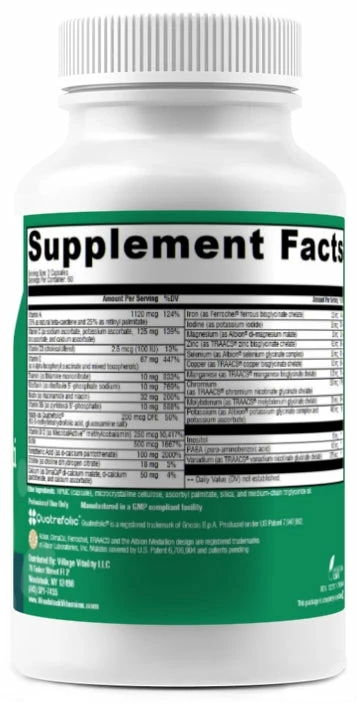
How much is enough?
When it comes to the dosage of multivitamins and minerals, age, gender, and specific health needs all come into play.
But just be sure to not fall for the “men’s multivitamin” marketing schemes — those products are typically more fluff than Jet Puffed marshmallows.
So here’s the game plan: chat with your team of pros. Consult with your trusty team of healthcare experts — doctors, pharmacists, dieticians, our squad — to nail down the perfect dosage for your unique situation.
Additional Men’s Health Supplements
But hey, we’re not saying these First5 are the be-all and end-all of supplements! They’re just the ones you’re most likely to be deficient in, and would most likely benefit from taking.


When it comes to specific health concerns, though, there’s a whole universe of supplements out there. Our three favorites for men’s health and virility, aside from the First5, are:
CoQ10
Coenzyme Q10, or as we cool cats like to call it, CoQ10, is a powerful antioxidant. This supplement revvs up cellular engines, boosts energy production, and tends to the heart, too.
It can also decrease muscle pain and have a positive impact on damaged or aging skin.
But that’s not even the best part: CoQ10 might just be the key nutrient for male fertility. It’s like a cheerleader for testosterone production, giving it a boost and keeping things in the baby-making zone thanks to a “positive influence” on the hormone creation process.
Zinc
Zinc: the unsung hero of men’s health supplements. This little powerhouse does so much more than you’d think.
First off, zinc is the immune system’s BFF — boosting defenses and keeping gross germs at bay. This mineral is also a healer extraordinaire that helps your cuts and scrapes zip up faster than light.
But the real magic of zinc for men? Studies have shown that zinc supplementation may help improve sperm quality and fertility in men with low levels of the mineral. (And it’s linked to improvements in erectile dysfunction!)
L-arginine
The amino acid known as L-arginine is a true superstar when it comes to boosting your blood flow and showing some love to your heart.
You see, L-arginine supports the blood vessels by helping nitric oxide production, which dilates those pipes and gets your circulation pumping.
And when your blood flow is on point, it’s not just your heart that benefits — it can also give a helping hand in the battle against erectile dysfunction.
Putting It All Together: Creating a Holistic Approach to Men’s Health
So let’s take June to get our crap together, okay dudes? It is Men’s Health Month, after all, and health is about more than just taking supplements or going to the doctor when something goes wrong.
It’s about living a healthy, nutritional lifestyle day in and day out. Take control of your health, take care of yourself, and build the foundation for a long, happy life.
And if you need us, we’ve got your back, bro! You can chat all things men’s health supplements for free, anytime, with our Counterside Consults.
National Bone Health Month is behind us, but don’t fret — when the clock strikes June, National Men’s Health Month begins!
To bridge the gap between skeletal strategies and male machinery, we’re shedding light on a topic that often gets overshadowed — men’s bone health. Buckle up, because we’re about to debunk the myth that men are invincible when it comes to their bones.
We have to give credit where it’s due, though: men do have an advantage in the bone density department, thanks to genetics and that mighty hormone called testosterone.
But hold on a second, fellas! That doesn’t mean you get a free pass.
Your bones still need some TLC and proper care. Ignoring bone health can lead to issues down the road, and trust us, you don’t want to play dice with osteoporosis.
Aging, a couch potato lifestyle, junk food diets, and certain medical conditions can all conspire against your bones. It’s time to break the stereotypes and take charge of your bone health before you find yourself on the wrong side of a fracture.
In This Article:
- Holistic bone health – what it is and why it matters
- Wellness practices for men’s bone health
- Bone-building foods and exercises
- Supplements for men’s bone health
Holistic Bone Heath for Men
When it comes to health, as a general concept, focusing on just one piece of the puzzle isn’t going to cut it.
Nothing in the body functions inside a vacuum; all systems communicate and interact in a complicated web of checks and balances.
A holistic — or whole-picture, whole-body, integrative, comprehensive, whatever you want to call it — approach is what’s required of us. Thankfully, our resident wellness wizard and holistic pharmacist, Dr. Neal is always ready with the piping hot tea on whole-person strategies.
And if you ask him, your bones aren’t just there for decoration!
Our skeleton is the backbone (pun intended) of our overall well-being, holding in vital organs and allowing us to do to fun things, like walk, sit, and generally move about.
Healthy bones can protect against injuries, infections, weakness, and pain — basically, when your bones are strong, they harmonize with the rest of your systems, allowing you to live a vibrant and active life.
But, taking care of your frame goes beyond drinking some milk now and again.
A holistic approach to skeletal health involves nourishing those bones with proper nutrition, getting off the couch and moving your joints, making wise lifestyle choices, and even considering supplements to give them that extra boost.
Because bone health is not a solo act. It’s part of the grand symphony that is your body.
Wellness Practices for Bone Health
Now you get the picture — bone health matters, like, a lot. But where’s a dude to start?
Our recommendation: at the bottom tier of the Wellness Pyramid.
These bad boys — diet, sleep, exercise, stress management, lifestyle changes — are the heavy hitters when it comes to bettering your overall well-being. And guess what? They also play a major role in keeping your bones in tip-top shape.
Learn More: The Wellness Pyramid: Your Roadmap to Holistic Health
So, friends, let’s optimize that diet, break a sweat, catch some Z’s, conquer stress, and make lifestyle changes so you can do what you love longer.
Diet
A balanced and nutrient-rich diet is fundamental for bone health. And, when it comes to men’s bone health, diet plays a pivotal role.
Bad diet can be considered the biggest risk factor for men’s bone health.
It’s not just about introducing foods that are good for bone health, it’s about eliminating (or at least limiting) the foods that can deplete bone mass.
Foods for Healthy Bones
- Dairy Products: Milk, yogurt, and cheese are excellent sources of calcium, which is crucial for bone strength.
- Leafy Greens: Spinach, kale, collard greens, and broccoli are packed with calcium, as well as other nutrients like Vitamin K, which plays a role in bone mineralization.
- Fatty Fish: Salmon, sardines, and mackerel are rich in Vitamin D and omega-3 fatty acids, which support calcium absorption and bone health.
- Beans and Legumes: Black beans, chickpeas, lentils, and soybeans are excellent sources of calcium, magnesium, and protein, all of which contribute to bone health.
- Lean Meats: Lean cuts of beef, poultry, and pork provide protein, as well as important minerals like phosphorus and zinc, which support bone health.
- Citrus Fruits: Oranges, grapefruits, and lemons are rich in Vitamin C, which is essential for collagen synthesis, a key component of bone structure.
- Potassium-Rich Foods: Potassium is an essential mineral that contributes to overall bone health by assisting in the neutralization of acids in the body and can be found in sweet potatoes, avocados, bananas, spinach, and more.
Foods for Unhealthy Bones
- Excessive Alcohol: Heavy and chronic alcohol consumption can negatively affect bone health. Alcohol interferes with the body’s ability to absorb calcium, decreases bone formation, and increases the risk of fractures and osteoporosis.
- Caffeine: While moderate caffeine intake is generally considered safe, excessive consumption may interfere with calcium absorption and increase calcium excretion.
- Sugary Beverages: Regular consumption of sugary sodas, energy drinks, and sweetened fruit juices can contribute to reduced bone density over time. These beverages often contain phosphoric acid, which can interfere with calcium absorption and increase the risk of bone loss.
- High-Sodium Foods: Consuming a diet high in sodium, often found in processed and packaged foods, can lead to increased calcium excretion through urine.
Exercise
If you missed our month of bone health topics in May because you thought men were immune to bone deterioration…First off, you’re not alone, and secondly, exercise plays a crucial role in promoting bone health.
Focus on both weight-bearing and muscle-strengthening exercises to help improve bone density, strength, and overall bone health.
Weight-bearing Exercises: These activities involve working against gravity and putting stress on the bones, which helps stimulate bone growth.
Examples include:
- Walking
- Running and jogging
- Dancing
- Even climbing stairs
Muscle-strengthening Exercises: Incorporating resistance exercises into your routine helps strengthen muscles, which, in turn, supports bone health.
Focus on exercises that target major muscle groups, such as:
- Weightlifting
- Yoga and pilates
- Bodyweight exercises (pushups, squats, planks, etc.)
When it comes to exercise for bone health, consistency is your secret sauce. We’re talking about a killer combo of consistent weight-bearing, strength training, and balance exercises that will have your bones dancing with joy.
Here’s the game plan: aim for at least 150 minutes of moderate-intensity aerobic activity per week. Break it down, and that’s 30 minutes of activity, 5 days per week.
That’s right, we’re not asking for superhuman feats here. Just a solid commitment to getting that heart rate up and those bones grooving.
Supplements for Bone Health
Once the groundwork is laid, it’s time to pop up a tier on the Wellness Pyramid. Because even the best diet can need a little backup, and that’s where supplementation struts onto the scene.
But hey, don’t go wild in the vitamin aisle just yet. As Dr. Neal says: keep it smart, simple, and strategic.
Vitamin D
Vitamin D is the superhero of men’s bone health, swooping in to help your body absorb calcium and maintain that precious bone density.
But there is a catch: Getting enough Vitamin D from sunlight and food alone can be tricky — there are about a billion of us in the world who are critically lacking in the sunshine vitamin.
So in comes a high-quality Vitamin D supplement sidekick, saving the day for those of us who spend more time indoors than a hermit crab. While sunlight and supplements are the primary sources of Vitamin D, there are some sneaky foods that can contribute to your intake — fish, egg yolks, and mushrooms to name a few.
But when it comes to supplements, Vitamin D3 (cholecalciferol) is the real deal. It’s the same form of the vitamin that your skin produces when it soaks up those glorious rays. So, why settle for anything less?
The National Institute of Health (NIH) recommends a daily intake of 600 IU of vitamin D for men.
And hey, if you’re over 70 and still kicking like a champ, up that dose to 800 IU.
Collagen
Collagen is like the scaffolding that keeps everything in place, ensuring our bones stay strong and mighty.
It’s naturally produced in our bodies, but as we gracefully age (or not-so-gracefully, depending on how you see it), its production starts to hit the brakes. It’s like the collagen cafe decides to close up shop mid-meal. Rude, right?
Speaking of, when it comes to collagen-rich foods, you better brace yourself because we’re talking about bone broth, connective tissues, skin, and tendons.
Not exactly the most mouthwatering items on the menu — who would want to chow down on a rubber band? Pass!
But, in case you haven’t been on social media in the last 5 years and don’t know this: collagen supplements do, in fact, exist. These bad boys are typically derived from animal sources like bovine or marine collagen, and they come in various forms like powders, capsules, or liquids.
Learn more: The Truth About Collagen, Gelatin, and Bone Broth
When it comes to daily recommendations, find the sweet spot for you between 15 and 20 grams of collagen, and, please, we’re begging you, always get collagen peptides.
Magnesium
And then there’s magnesium, the OG of bone health and all-around superstar supplement. This mineral plays a crucial role in keeping well, basically your entire body in fighting shape, including those sturdy bones.
When it comes to magnesium-rich foods, we’ve got a whole buffet of options to choose from. Green leafy vegetables, nuts and seeds, whole grains, legumes, and even some fish can give you a magnesium boost.
Here’s the kicker: despite the abundance of magnesium-packed foods out there, it’s shockingly common for daily intake levels to fall short. In fact, almost half of Americans are deficient.
For adult men, the recommended dietary allowance (RDA) of magnesium is around 400-420 milligrams per day. But, you may ask, what kind of magnesium is best? The supplement shop aisles are littered with magnesium citrates, magnesium chlorides, magnesium oxides…the list goes on.
If you’re looking to tackle a magnesium deficiency head-on or support your skeleton, magnesium glycinate is our go-to choice.
Learn More: Understanding The Different Types of Magnesium Supplements
Vitamin K
Shout-out to Vitamin K! It’s not as famous as its buddies calcium and Vitamin D, but it is a key player in the bone health game. It’s like the secret sauce that keeps our bones strong and mighty.
You see, Vitamin K is a master at calcium metabolism and bone mineralization. It works its magic by activating a bone-building protein called osteocalcin, which binds calcium to the bone matrix.
Plus, it teams up with Vitamin D to promote the formation of those bone-building proteins. We see you, dynamic duo.
The best part? You can actually get a good chunk of your daily Vitamin K through your diet alone.
Foods like leafy green vegetables, broccoli, Brussels sprouts, and even fermented foods like sauerkraut can give you a nice dose of Vitamin K. But some folks like to play it safe and make sure they’re covering all their bases. That’s where K supplementation comes into play.
If you want to prevent any potential Vitamin K deficiencies and give your bones an extra boost, we recommend adding an additional 45-90 mg via a Vitamin K2 supplement.
Vitamin C
Vitamin C, or ascorbic acid, as it likes to be called, is a whiz at collagen synthesis, and doubles as an antioxidant that protects your bone cells from damage.
But wait, there’s more! Vitamin C is not just a two-trick pony. It’s also a crackerjack to the calcium absorption process, making sure those precious minerals find their way to where they need to be.
You can find this vitamin-packed hero in a wide variety of fruits and vegetables. Citrus fruits, berries, bell peppers — just to name a few. It’s like a colorful rainbow of bone-loving goodness!
But let’s face it, we don’t always eat like perfect little angels.
If you want to make sure you’re reaching those recommended daily levels, you can always grab a trusty Vitamin C supplement to reach the NIH recommendation of 90 mg per day for adult men.
Potassium
Now, you might associate potassium with its role in maintaining a healthy heart and blood pressure, but guess what? It’s also a key player in keeping those bones strong and sturdy.
Potassium works behind the scenes to preserve calcium in your bones. It’s like the undercover agent neutralizing acid in the body, making sure your calcium doesn’t go rogue.
You can get potassium from your diet if you’re munching on bananas, avocados, spinach, sweet potatoes, legumes, and whole grains regularly. But men may not consume enough of these nutrient-rich foods in their diet.
The National Institutes of Health (NIH) recommends a daily intake of around 3,000 to 3,400 mg of potassium.
But here’s the plot twist — potassium supplements are typically much lower than these recommendations. Why? Well, excessive levels of potassium in the blood can have some serious health implications, so supplements play it safe with lower doses.
And Yes, Men Need Calcium Too
Yeah, yeah, we already know calcium always takes center stage when it comes to bone health.
The National Institutes of Health (NIH) knows what’s up and recommends that us guys aim for around 1000 mg of calcium per day. And hey, if you’re a seasoned veteran over 70, they bump it up a notch to 1200 mg.
But studies show that many men don’t hit recommended levels through diet alone.
So when your diet falls short, supplements can be your trusty sidekick, ensuring you meet your daily calcium needs.
If you have to pick one calcium supplement — and you do, tbh — pick calcium hydroxyapatite.
Calcium hydroxyapatite is the crème de la crème of OTC options. It’s the same form of calcium that exists naturally in our bones and is highly, highly absorbable. And fellas, here’s the cool part — you don’t have to go ham like women do.
You may only need one 300 mg tablet per day to supplement, while the ladies often go for three.
Learn More: Why We Always Recommend Calcium Hydroxyapatite
Bone Up Your Bone Health
So fellas, it’s time to give your bones the affection they deserve — just because you may have been blessed with better bone density thanks to genetics doesn’t mean you’re immune to bone issues.
TL;DR:
Do this for healthy bones:
- Fuel up with a balanced and nutrient-packed diet that includes calcium- and vitamin-rich foods like dairy products, fish, and leafy greens.
- Boost your Vitamin D intake through sunlight exposure or consider popping some supplements to help your body absorb that calcium goodness.
- Get moving with weight-bearing exercises and resistance training.
And, don’t do this:
- Eat a truckload of processed and convenience foods. They’re usually low in the essential nutrients, including calcium, that your bones crave.
- Continue your excessive consumption of alcohol and tobacco. They can do a number on your bones, weakening them and making them more prone to issues.
- Keep up the excessive sodium intake. Too much of it messes with the calcium balance and can lead to calcium loss from those precious bones of yours.
By staying true to these guidelines and embracing a holistic approach to bone health, you’ll be on the path to rock-solid bones and overall kickass well-being.
But hey, if you need some direct guidance, we’ve got your back! Reach out for a free Counterside Consult, where we’ll give you the inside scoop. Consider us your wingmen on the journey to bone greatness.
Well folks, May is almost over, and with it, Osteoporosis Awareness and Prevention Month. But don’t you worry, because around here, bone health is always in season.
Why? Your skeleton is your foundation, your support system, and your bodyguard.
It might not get as much hype as your immune system or heart health, but your bones deserve some love and attention too! So let’s get cracking.
Neglecting your skeleton means you’re playing a risky game of bone Jenga, with low bone density and osteoporosis — something that impacts 54 million Americans — waiting to knock you down.
Not all risk factors for weak bones are in your control, but if we get to the marrow of the matter, we can tackle the ones that are with wellness practices, nutrition boosts, and strategic supplement use.
In This Article:
- The importance of bone health
- Risk factors for bone loss that can be controlled
- Risk factors for bone loss that cannot be controlled
- Supplements for bone health — calcium and beyond
Your Bone Health Matters
Strong bones are the backbone of overall health and wellness, literally and figuratively.
Your bones are more than just a fancy scaffolding for your body — they’re a living, metabolically active organ, constantly breaking down and rebuilding through a process called remodeling. That’s why Dr. Neal, Woodstock Vitamins founder and holistic pharmacist, considers bone support part of the First5.
Ignoring bone health can lead to an imbalance in this remodeling process, resulting in weakened bones and an increased risk of fractures, chronic pain, and even osteoporosis. And the worst part?
You can’t just wait until you’re 40 to start worrying about it.
Bone mass actually peaks at age 30, so the earlier you start focusing on bone health, the better off you’ll be in the long run. Plus, strong bones mean you can keep doing the things you love and maintain your independence as you age.
So, don’t wait until it’s too late to start prioritizing your bone health!
Learn: Bone-Afide Bone Building Wellness Practices
Are You at Risk for Bone Loss?
Life, as we know it, is full of risks. We can’t avoid them all, but when it comes to bone health, we can avoid some!
Bone Loss Risk Factors You CAN Control
Smoking
If you thought smoking was just bad for your lungs, think again! Not only does it decrease bone density and make your bones weaker, but it can also mess with your body’s ability to absorb calcium and other nutrients necessary for healthy bones.
Drinking
Boozing it up may be fun in the moment, but excessive alcohol consumption is a buzzkill for your bones. It can prevent your body from properly absorbing the nutrients it needs to keep bones strong and increase your risk of falls that can lead to fractures.
Poor Nutrition
Junk food is always tempting, but it won’t do your bones any favors. Poor nutrition can rob your body of the nutrients it needs to build and maintain strong bones, and it can also wreak havoc on your overall health.
Vitamin Deficiencies
Without enough calcium and Vitamin D, your bones may throw in the towel before their time. So, it’s essential to make sure you’re getting enough of these vital nutrients to keep your bones strong and healthy for the long haul.
Learn More: Calcium Doesn’t Work (Like You Think It Does)
Medications
Watch out for those sneaky medications! Certain long-term medications like glucocorticoids, proton pump inhibitors (PPIs), and some anticonvulsants and antidepressants can be bone thieves, increasing your risk of bone density issues.
Inactivity
Your bones need you to be moving and grooving! That’s right, physical activity is essential for building and maintaining strong bones. Inactivity, on the other hand, can lead to bone and muscle loss.
Bone Loss Risk Factors You CANNOT Control
Age
As we age, our bones start to lose mass and become less dense. That’s why 75% of fractures occur after the age of 65.
Gender
If you’re a woman, you’re more likely to experience bone density issues than your male counterparts. In fact, after the age of 50, 1 in 2 women (versus 1 in 4 men) will develop osteoporosis.
Ethnicity
Ethnicity also plays a role, with Caucasian and Asian women at higher risk.
Body Size
If you’re small and thin-boned, you’re at greater risk of developing bone density issues.
Family History
Heredity does appear to play a role. If you have a family history of osteoporosis, you may be more likely to develop it yourself.
Medical Conditions
Certain medical conditions, like celiac disease and rheumatoid arthritis, can also increase your risk.
How Can You Prevent Bone Loss?
You know what they say: “An ounce of prevention is worth a pound of cure.” And when it comes to osteoporosis, that couldn’t be more true!
Don’t wait until you break a hip to start thinking about bone health. Start with bone-building wellness practices as early as possible, and bolster them with savvy strategies to strengthen your skeleton and prevent bone loss.
- Get Moving. Engage in weight-bearing exercises like running or lifting weights to build and maintain bone mass. Don’t forget about muscle-strengthening exercises too.
- Nix the Bad Habits. Quit smoking and curb your alcohol intake to avoid contributing to bone loss.
- Supplement Wisely. Consider taking supportive minerals and vitamins (listed below!) alongside your calcium hydroxyapatite supplement to give your bones a little extra love.
- Live Well. Follow the Wellness Pyramid for a holistic approach to overall health, and you’ll see the benefits reflected in your bones as well.
Learn More: Bone-Afide Bone Building Wellness Practices
Best Supplements for Bone Health
Alright, let’s get down to the nitty-gritty. You’re already munching on a healthy, bone-forward diet and keeping your skeleton active, but you want to go above and beyond? Supplements are the answer.
So, which ones are the superheroes for bone health?
Calcium for Bone Health
Sure, calcium might be the poster child for bone health, but it’s not a one-nutrient show. Turns out, other players like Vitamin D, magnesium, potassium, collagen, and exercise are also key to keeping those bones strong and steady.
(If you are going to start with calcium though, learn why we always recommend calcium hydroxyapatite of all the options available.)
Vitamin D and Bone Health
Are you ready to get your daily dose of the sunshine vitamin? Vitamin D is a key player in bone health, helping your body absorb calcium and phosphorus like a pro. Studies have shown that Vitamin D supplements can boost bone density and lower the risk of fractures in older adults.
The National Institutes of Health (NIH) recommends the following daily Vitamin D intake levels:
- 600-800 IU/day for children and adults up to age 70
- 800-1,000 IU/day for adults over age 70
When it comes to supplements, Vitamin D3 (cholecalciferol) is the way to go, as it’s the same form of the vitamin your skin produces when it soaks up those sweet, sweet rays.
Learn More: Vitamin D: Sunshine Supplement for Bones, Blood, and The Blues
Vitamin C for Bone Health
You know what they say, “An apple a day keeps the doctor away,” but it might also help keep your chiropractor away, too!
Vitamin C, found in many fruits and vegetables, is key for bone health because it stimulates the production of collagen – the stuff that makes up bone tissue.
Studies have shown that getting enough Vitamin C can help reduce the risk of bone fractures and osteoporosis, especially in women post-menopause. So, make sure you’re getting your daily dose of Vitamin C:
- 75-90mg/day for women
- 90mg/day for men.
While getting enough Vitamin C from your diet is important for bone health, it may be beneficial to supplement with Vitamin C if you are not meeting your daily needs through food alone.
Magnesium for Bone Health
Magnesium may not get as much attention as other minerals, but it’s essential for keeping those bones strong and healthy. (And like, a million other things, too.)
You see, magnesium helps your body absorb and use calcium properly, which is basically the backbone (pun intended) of your skeletal system.
Research has shown that magnesium supplementation can help to improve bone density. The recommended daily intake of magnesium for adults is:
- 310-420mg/day for women
- 400-420mg/day for men
Keep in mind that most of us (approximately 50% of the American population), aren’t getting the same levels of magnesium through our meals as previous generations did.
The staples of our Western diet — processed foods, refined grains and flours, sugars, fat — are all totally devoid of magnesium, and magnesium deficiencies can be nearly impossible to spot on labs. If you’re looking for a safe supplement that can support your bones and help your issues with sleep, stress management, muscle performance, etc., magnesium might be it.
Learn More: Understanding The Different Types of Magnesium Supplements
Potassium and Bone Health
Potassium, for all its unsung glory, is a real team player. By neutralizing excess acid in the body, potassium helps prevent the loss of calcium from bones.
Low levels of potassium in the diet have been linked to weaker bones and an increased risk of fractures. Adults should aim for 2,500-3,000mg of potassium per day, but supplements are typically capped at just 100mg.
So, munch on potassium-rich foods like bananas, sweet potatoes, and spinach to keep your bones in top shape.
Collagen for Bone Health
Collagen is the “glue” that holds our bones together, and as we age, our bodies produce less of it. This can lead to weaker bones and a higher risk of fractures. But fear not, collagen supplements are here to save the day!
Not only does collagen have a reputation for boosting skin and joint health, but this nutrient can also help bolster bones and close the gap on protein intake. Collagen peptides — our top recommendation for collagen supplements — can be consumed in a variety of forms, from powders and capsules to gummies.
Learn More: Why Collagen Peptides Are Vital
Vitamin K for Bone Health
Vitamin K is like the secret hero of bone health. It doesn’t get as much love as calcium or Vitamin D, but it plays a crucial role in keeping our bones strong. It’s like the behind-the-scenes worker who makes everything run smoothly.
Vitamin K helps activate a bone-building protein called osteocalcin, which binds calcium to the bone matrix. It works in tandem with Vitamin D to promote the formation of bone-building proteins.
Now, if you’re eating a balanced diet with plenty of leafy greens and other Vitamin K-rich foods, you’re probably good to go. But if you want to go the extra mile for your bones, a Vitamin K2 supplement with 45-90mcg can do the trick.
Vitamin B12 and Bone Health
If you thought vitamin B12 was only good for red blood cells and nerves, then we’re sorry for bursting your bubble! This little powerhouse actually plays a crucial role in bone health as well by helping to produce osteoblasts, the bone-building cells.
If you’re not getting enough B12, your bones may suffer, which can lead to an increased risk of fractures. But fear not, B12 supplements come in all shapes and sizes, from liquid to capsules.
According to the National Institutes of Health (NIH), the following are the daily recommended intakes of vitamin B12:
- Infants (0-6 months): 0.4 micrograms (mcg)
- Infants (7-12 months): 0.5 mcg
- Children (1-3 years): 0.9 mcg
- Children (4-8 years): 1.2 mcg
- Children (9-13 years): 1.8 mcg
- Teens (14-18 years): 2.4 mcg
- Adults (19 years and older): 2.4 mcg
- Pregnant women: 2.6 mcg
- Breastfeeding women: 2.8 mc
It’s important to note that while Vitamin B12 plays a role in bone health, it is not a standalone solution for maintaining strong bones — taking care of your bones is a joint effort.
Prioritize Your Bone Health
Let’s face it: weak bones are a bummer. Nobody wants to deal with fractures, osteoporosis, or constant pain. That’s why taking care of our bone health is crucial if we want to stay active and enjoy life to the fullest.
Calcium may be the star of the show, but let’s not forget about its supporting cast:
Incorporating these essential nutrients and minerals into your daily routine can help slow bone density loss, protect against fractures, and keep you rocking and rolling through life. Don’t wait until your bones start creaking and cracking, take action now!
Feeling overwhelmed? Don’t worry, we’ve got your back (pun intended). Book a free Counterside Consult and our bone experts will guide you on the path to better skeletal health.
May might be at its end, but National Bone Health and Osteoporosis Month is still going strong, folks!
And for good reason: Without our bones, we’d be nothing more than blobs on the ground.
While blob life might be appealing in concept, it’s not a realistic goal for modern humans. Instead, we’re cemented to a precariously vertical skeleton that requires care and consideration to function properly long-term.
Beefing up your bone health isn’t as simple as chugging milk or popping a calcium hydroxyapatite supplement, either.
The living tissue of the bone matrix demands a smorgasbord of nutrient-dense foods, lifestyle adjustments, and exercises to stave off bone density loss.
So saddle up, Skeletor! It’s time to take a good, long look at the bone-depleting lifestyle choices you may or may not have been making. Replace those bad-to-the-bone habits with Dr. Neal’s favorite bone-specific wellness practices to get your frame in tip-top shape.
In This Article:
- Factors that contribute to bone density loss
- Wellness practices to improve bone health
- Weight-bearing exercises for bone-building
- Bone-supporting foods and lifestyle changes
Why Wellness Practices?
Is it weird that we, your friends at Woodstock Vitamins, are recommending lifestyle changes before supplementation?
Maybe! But within the framework of our whole-picture approach, established by Dr. Neal after 20+ years as a holistic pharmacist, it makes perfect sense.
The foundation of your wellness doesn’t actually lie in the hands of supplement manufacturers, despite what you may have heard on #HealthTok. Your health and well-being are established in the mundane: sleep, diet, exercise, and stress management.
To support your wellness practices with supplements strategically and effectively (read: without wasting money), the groundwork in these lifestyle arenas must be laid and built upon.
Learn More: Wellness Practices 101
3 Lifestyle Factors That Affect Bone Health
1. Age
We hate to break it to you… But as you age, your bones start to lose density, making them more fragile and prone to breakage.
Don’t despair, though! You can slow down this process by doing weight-bearing exercises that’ll keep you hopping and skipping well into your golden years. Weight-bearing activities, like a hop or skip, create tension that actually triggers your bones to produce more bone tissue.
Essentially, your skeleton feels the impact of your rope-jumping or aerobics and says, “Crap, this sucks, I need to get stronger.”
Weight Bearing Exercises for Building Bone:
- Dancing
- Hiking, jogging, running
- Walking, stair climbing
- Hopping, skipping, playing hopscotch
- Yoga and certain pilates exercises
- Basketball, soccer, tennis
Learn More: The Truth About Exercise: Ditch the Myths
2. Low Dietary Calcium
Still caught up in the calcium controversy?
Many swear by calcium supplements for building bone, and yet in 2018, JAMA released a compelling meta-analysis that totally debunked this mineral myth. To break it down into the simplest terms:
- Low dietary calcium can contribute to bone density loss.
- Increasing your dietary calcium will only prevent bone density loss — it will not decrease fracture risk.
- Calcium hydroxyapatite supplements can slow bone density loss.
Getting an adequate amount of calcium per day is crucial for the proper functioning of multiple bodily systems, and calcium deficiencies can be near-impossible to spot.
Translation? Up your daily intake of calcium-rich foods and snag a calcium hydroxyapatite supplement if you’re over the age of 30 or at high risk for degenerative bone conditions like osteoporosis.
Learn More: Bone Health: Why We Always Recommend Calcium Hydroxyapatite
3. Smoking and Alcohol Consumption
We know, this one hurts.
If you want to preserve the integrity of your skeletal system long-term, you’re going to have to get comfortable with being less cool. (That’s sarcasm, for the record. Having strong bones is what makes you cool, not smoking or drinking.)
Smoking reduces blood flow through your arteries and veins, and subsequently, decreases how much blood reaches your bones — making them weaker and more susceptible to fractures.
Alcohol consumption during the teen years has been shown to reduce peak bone mass and create “relatively weak adult bones.” And for the big kids, things don’t look great either.
Adult consumption of alcohol can disrupt the process of bone tissue remodeling and support bone erosion. Plus, it doesn’t just inhibit your ability to judge your own dance moves — it also inhibits your body’s ability to absorb crucial bone minerals and vitamins:
Vitamin and Mineral Absorption Impaired by Alcohol Consumption:
Bone Building Wellness Practices
Skeletal health is no joke — even your funny bone won’t be laughing if you’re bringing your own spare ribs to the next barbecue.
(A humerus pun? Depends on who you ask.)
So take a multi-pronged approach to bolster your bones that incorporates food as a medicine, strengthening activities, and a supportive environment. The only thing worse for your bones than smoking is showing up to the build with a skeleton crew.
Foods For Bone Health
- Calcium-rich foods: Dairy products like cheese are excellent sources of calcium. And don’t worry, lactose-intolerant friends — goat and sheep dairy are also calcium-rich delights.
Other options include aquatic allies like bone-in sardines and salmon, or leafy vegetables like kale and turnip greens. Honorable mentions: nuts, ice cream, orange juice.
- Vitamin D sources: Vitamin D helps your body absorb calcium — the two nutrients go together like PB & J. Foods that contain Vitamin D include fatty fish like salmon and tuna, egg yolks, beef liver, oranges, mushrooms, and more.
- Magnesium-rich foods: Magnesium is another essential nutrient for bone health — and sleep, stress management, muscle performance, etc. — making it an OG metal.
Good sources include nuts, seeds, legumes, and whole grains.
Foods That Deplete Bone Health
- Soda: Sorry to burst your fizzy bubble, but soda is no friend to your bones. It contains phosphoric acid, which can interfere with calcium absorption and lead to bone loss over time.
- Caffeine Overload: Coffee lovers, don’t worry, we’re not asking you to give up your beloved beverage entirely. Just remember that excessive caffeine can mess with calcium absorption. So, maybe consider swapping that fifth cup of joe for a calcium-rich snack.
- Excessive Salt: Salt may bring flavor to your meals, but too much of it can lead to calcium loss. So, sprinkle it lightly and choose high-quality options from seasoned suppliers.
Stretching & Bone Building Exercises
Are you sitting down right now? If you are, you may want to stand up for this. When it comes to bone health, curling up on the couch won’t cut it. It’s time to get up and get moving!
Physical activity and stretching work together like a well-oiled machine to keep your bones healthy and strong. Stretching might seem like a chore, but it’s actually doing wonders for your bones.
So, the next time you’re feeling a bit tight, just think of it as an opportunity to give your bones some love.
Do:
- Choose weight-bearing exercises: Like walking, jogging, and dancing. Next time you’re at a dance party – don’t be shy, show off your moves and your strong bones!
- Mix it up: Incorporate a range of activities, including strength training and balance exercises, to keep your bones on their toes.
- Listen to your body: If you’re feeling discomfort or pain, take a break and rest. Pushing through the pain can result in injuries.
Don’t:
- Overdo it: While physical activity is important, it’s important to pace yourself and not overdo it. Remember, your body is your temple, so treat it well.
- Skip the warm-up: Skipping the warm-up is like diving into a pool without checking if there’s water. Make sure to include some dynamic stretches to warm up your muscles and get your bones ready for action.
Creating a Bone-Healthy Environment
Building and maintaining healthy bones isn’t only about nutrition and exercise — your external milieu plays a role as well.
Wait, what? Simple changes to your home and work environment can help prevent falls and reduce withdraws from the bone bank? Yes, yes they can.
Workplace Ergonomics
If you spend a lot of time sitting at a desk or engaging in other sedentary work, paying attention to workplace ergonomics is important. This means setting up your working area in a way that promotes good posture and reduces strain on your bones and joints.
Fall Prevention Strategies
Preventing falls is one of the most important things you can do to maintain good bone health. In addition to the home modifications mentioned above, some other fall prevention strategies to consider include:
- Wearing shoes with non-slip soles
- Using a cane or walker if necessary
- Practicing balance exercises
- Getting regular vision check-ups
In Conclusion, Break a Leg! Just Kidding
Are you chilled to the bone recalling all the bone-depleting activities you’ve engaged in through the years? Overwhelmed by this bone-anza of skeletal information? Got a bone to pick with us?
Hop and skip on over to a Counterside Consult — we’ll make no bones about offering personalized, strategic supplement guidance for getting your skeleton the TLC it needs.
Are you the kind of supplement nut that has a cabinet overflowing with vitamins, minerals, and herbs? Well then, we’ve got some bad news: Your Vitamin K isn’t worth the space it’s taking up.
That’s right, you read that correctly — you don’t actually need a Vitamin K supplement.
Does that sound counterintuitive coming from us, the Woodstock Vitamins team? Don’t get us wrong, we think high-quality supplements are a great way to fill nutrient gaps and support your health. But let’s be real…Not all vitamins are worth the hype.
And when it comes to Vitamin K, most of what you’ve heard is all hype and no bite.
Vitamin K supplements have gained popularity in recent years, and especially during National Bone Health and Osteoporosis Month, we hear about its potential health benefits a lot. But does the average person need a Vitamin K supplement? Is it possible that a balanced diet can provide all the Vitamin K you need?
Before you start hoarding supplements, read on to learn the truth about Vitamin K supplements — when they’re necessary and when they’re a waste of money.
In This Article:
- What is Vitamin K?
- Why you don’t need to supplement Vitamin K
- How can you supplement Vitamin K through wellness practices?
- When you should take Vitamin K supplements
What is Vitamin K?
Here’s the deal: Vitamin K isn’t just one simple nutrient. The term actually refers to a specific family of vitamins.
The Vitamin K gang includes some heavy hitters, but the two you really need to know are Vitamin K1 (phylloquinone) and Vitamin K2 (menaquinone). These bad boys are fat-soluble and their health benefits pack a punch.
What is Vitamin K good for, you ask? Vitamin K plays a crucial role in creating proteins that are essential for some of our body’s most important processes. Think: blood clotting, bone formation, and even the prevention of artery hardening.
Learn More: Bone Health: Why We Always Recommend Calcium Hydroxyapatite
So Vitamin K is critical, and getting enough of it comes with a whole host of positive effects. If it’s not coming from a supplement with great branding, though, you’re probably wondering where you can get your hands on this Vitamin K goodness.
Lucky for you, there are plenty of tasty options to choose from.
Vitamin K1 (Phylloquinone)
Did you know that Vitamin K1 is the superstar nutrient that keeps your blood clotting like a pro? It’s true — this simple vitamin helps regulate the blood, control bleeding, and reduce blood loss after injuries.
The best part? You can find it in all your favorite green veggies! So, if you’re fond of salads or green smoothies, you’re in luck.
That’s right: If you’re a veggie enthusiast, or even just a mild fan, you’re probably already getting your daily dose of Vitamin K. For the fruity folks, it’s not as simple, but some crops like kiwi and grapes have small amounts.
So, load up on these leafy greens and get your Vitamin K1 fix:
- Cruciferous vegetables – broccoli, brussel sprouts, cabbage, etc.
- Dark green vegetables – kale, spinach, collard greens, etc.
- Salad greens – lettuce, endive, etc.
Vitamin K2 (Menaquinone)
Vitamin K2 is the more elusive of the two nutrients — it’s not nearly as common as its cousin, Vitamin K1. This mysterious vitamin is mostly synthesized by gut bacteria, so you won’t find it in a specific food group.
But fret not! You can track down Vitamin K2 in some delicious fermented foods and animal products:
- Fermented soy products – natto, miso, etc.
- Certain types of cheese – gouda, brie, etc.
- Egg yolks
- Animal liver and other organ meats
- Fatty fish – salmon, tuna, mackerel, etc.
While you’re chowing down, you can smile knowing your bones are happy and healthy — and not just the ones in your mouth! Vitamin K2 supports bone health by activating proteins that transport calcium to the right place.
Learn More: Calcium Doesn’t Work (Like You Think It Does)
So, whether you’re into lifting weights or just want to avoid bone loss as you age, this nutrient is your sidekick.
Why You Don’t NEED to Supplement Vitamin K
Annnnnnnd, here’s where we get to the unpopular opinion.
Dr. Neal — Woodstock Vitamins founder, practicing pharmacist of 20 years, holistic health advocate — firmly believes that Vitamin K is a fad supplement. Why?
The thing is, most people are getting enough Vitamin K through their diet already. It’s not like unicorn tears or dragon scales, it’s readily available in everyday foods.
Sometimes, we supplement not to improve something, but to prevent what can happen if we are deficient in that particular vitamin or mineral. And, that is the case with Vitamin K.
Correlation Does Not Equal Causation
Yes, low dietary Vitamin K is associated with poor bone mineral density. And, yes, improving Vitamin K intake improves bone mineral density in people who have bone problems because of low Vitamin K intake.
But, have you ever heard the phrase “correlation does not equal causation”? That’s what’s happening here. Taking Vitamin K supplements won’t, unfortunately, give your bones the strength of a thousand suns.
In fact, it has been proven that supplementing dietary Vitamin K doesn’t actually do anything for bone mineral density.
So, taking Vitamin K doesn’t directly strengthen your bones. Rather, it can help prevent weakened bones because of a Vitamin K deficiency. Capiche?
If you’re worried about a deficiency, taking 45-90mcg of Vitamin K can act as an insurance policy. Think of it like a seatbelt. You wear it not because you expect to get into an accident, but just in case.
Naturally Supplement Vitamin K
The insatiably curious Dr. Neal is known for turning the wellness industry on its head. His holistic framework for health — the boat-rocking Wellness Pyramid — takes into account the whole picture of your health.
Because, logically, we know that no part of the body functions inside a vacuum. So anything besides an all-encompassing, comprehensive approach doesn’t really make sense.
As it is with Vitamin K supplements.
Despite what you may have heard from evermore convincing marketing schemes, branding tactics, and influential influencers, supplements are not magic cure-alls. They’re helpful tools, instruments of prevention, and allies in the war against deficiencies.
Listen: The Supplement Quality Standard | Wellness Upside Down Podcast Ep. 24
But the core foundation of your health starts somewhere even closer to home. AKA, the bottom of the Wellness Pyramid, which focuses on optimizing the five lifestyle domains.
These lifestyle domains can be utilized to naturally increase your Vitamin K — no supplement needed!
Diet
If you want to get enough Vitamin K in your diet, it’s not rocket science. Just make sure you munch on some Vitamin K-rich foods. No need to embark on a wild goose chase.
But if you’ve got a gut feeling you need more Vitamin K, follow that impulse! Your gut is a bustling metropolis of Vitamin K2 factories, making the majority of what you need every day.
So if you want to keep the Vitamin K2 train chugging along, make sure you take care of your gut microbiome by eating plenty of fiber and fermented foods, while avoiding sugary and processed junk.
Sleep
Sorry to burst your bubble, folks, but catching some Zzz’s won’t magically boost your Vitamin K levels. However, getting enough sleep can indirectly impact your Vitamin K game in some major ways.
For starters, a solid snooze session is key for a rock-solid immune system. Why does that matter? Well, staying healthy means you’re less likely to come down with an illness that could put a damper on your Vitamin K levels.
Plus, let’s not forget about the importance of a happy gut. After all, Vitamin K2 is synthesized by gut bacteria, so you want those little critters to be thriving. And guess what helps keep your gut happy? That’s right, quality sleep!
So hit the hay, folks, and let your body do its Vitamin K thing.
Exercise
Let’s get moving and grooving! Regular exercise not only helps us feel better and sleep better, but it also promotes healthy blood clotting and improves circulation throughout the body.
When we hit the gym, our heart starts pumping and our blood vessels widen, allowing for better blood flow to our muscles and organs. This healthy circulation can also transport Vitamin K to different parts of the body where it’s needed the most, helping to keep our bones strong and healthy.
Stress Management
Stress is like a villain that’s always lurking around the corner, waiting to wreak havoc on our health. And when it comes to essential vitamins and minerals like Vitamin K, chronic stress can be a real scoundrel!
When we’re stressed, our body goes into overdrive, releasing hormones like cortisol that can mess with our digestion and absorption of nutrients like Vitamin K. It’s like our body is so focused on the stress that it forgets to properly digest and absorb the good stuff we need to stay healthy.
Plus, stress can also increase inflammation in the body, which can further interfere with the absorption and utilization of Vitamin K.
So, if you want to keep that sneaky antagonist at bay, your training should be centered on activities that directly combat stress: meditation, yoga, connection, breath work, and the like.
A good night’s sleep is the stress villain’s worst nightmare, too. It’s almost like all 5 of these lifestyle domains work congruently to create the foundation of your health!
Lifestyle Changes
Congratulations, you’re on the path to becoming a Vitamin K superstar! By following the tips we’ve shared, you’ll be able to boost your levels of this essential nutrient in no time.
But wait, there’s more! Did you know a little bit of sunshine could be the thing that takes your Vitamin K game to the next level?
When you expose your skin to sunlight, it can stimulate the production of Vitamin K2 in your body. So, don’t forget to soak up some rays (safely, of course) or consider popping a Vitamin D supplement to help your body produce more Vitamin K.
Just don’t forget your sunscreen, unless you want to risk looking like a ripe tomato.
Vitamin K Deficiencies: When You Need to Supplement
You don’t have to love spinach as much as Popeye to get enough Vitamin K — thankfully, it’s found in many delicious foods.
However, there are certain groups of people who may be at risk of Vitamin K deficiency or who may benefit from a Vitamin K supplement.
These include individuals who:
- Have difficulty absorbing fat-soluble vitamins due to digestive or liver disorders
- Take certain medications that interfere with vitamin K absorption or metabolism
- Have certain medical conditions that affect vitamin K metabolism
Vitamin K Deficiency Symptoms
Did you know that a Vitamin K deficiency can make you bleed like a character straight out of a horror movie? Okay, that might be a bit of an exaggeration.
But it can cause excessive bruising and some bleeding like bleeding gums, nosebleeds, and even heavy menstrual bleeding. Don’t worry too much, though. It’s relatively rare for healthy adults to experience this — only about 8-31% do.
Best Vitamin K Supplement Options
Even if you aren’t currently deficient, you might consider a Vitamin K supplement to prevent further damage should you become deficient. And who are we to stop a fellow health-conscious icon?
If you’ve optimized your lifestyle domains and you’re still looking for a Vitamin K “insurance policy,” — we’ve got your back (and your blood vessels)! We, via Dr. Neal, recommend adding an additional 45-90mcg of Vitamin K through a Vitamin K supplement.
But you’ll probably notice that the majority of Vitamin K supplements use Vitamin K2 versus Vitamin K1. Why is that?
Well, K2 is the overachiever of the Vitamin K family, supporting bone health, cardiovascular health, and other essential bodily functions beyond just blood clotting. Plus, rumor has it that K2 supplements are more effective at raising blood levels compared to their K1 counterparts.
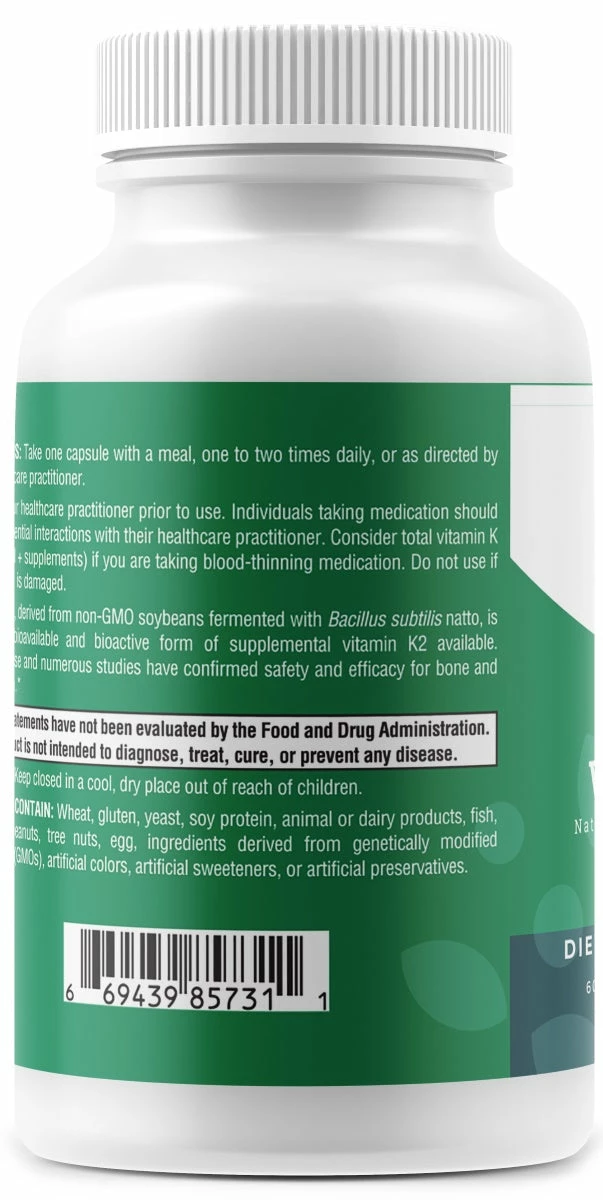

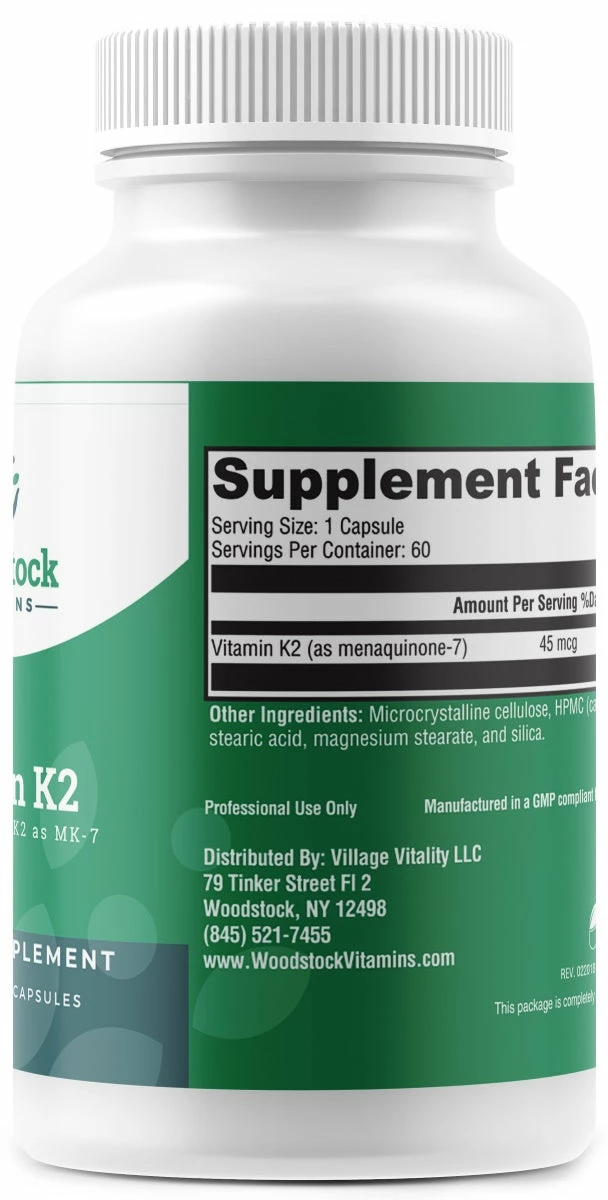
Vitamin K2 and Vitamin D
It is also pretty common to see Vitamin K supplements include Vitamin D3, so let’s do a little myth-busting.
Contrary to popular belief, you don’t need Vitamin D to absorb Vitamin K. It’s like thinking you need a fancy sports car to enjoy a drive through the countryside — nice, but unnecessary.
But! They do have complementary roles in the body. Vitamin D helps with the absorption of calcium from the gut, while Vitamin K helps to direct that calcium to the bones and teeth where it is needed.
Learn More: Vitamin D: Sunshine Supplement for Bones, Blood, and The Blues
It’s like a buddy system for your body — Vitamin D helps calcium in the door, and Vitamin K shows it where to go. That’s why combining Vitamin K and Vitamin D in a supplement can be a real power move for your overall health, especially when it comes to supporting bone health.


Whew! That was a lot of vitamin talk — are you OK? If you’re feeling overwhelmed, jump on a Counterside Consult with a supplement expert, free of charge.
It’s our humble promise to limit our supplement-related puns to blogs only — consults are strictly for strategizing your supplement game, sharing your concerns, and getting personal recommendations.
Sinus problems can be a real pain — metaphorically and literally!
Don’t get us started on the challenge of finding the right herbal formulas for symptom relief, either. Throw in sinusitis, seasonal allergies, a cat fur attack, or just a stuffy nose, and that challenge becomes a Sisyphean task.
That’s why we asked Dr. Neal — holistic pharmacist and straight-shooting health harbinger — what on Earth a congested citizen is to do.
And that, folks, is where Sinus Blaster comes in.
Every year when the birds start chirping, we know that Sinus Blaster is going to start flying off the shelves, too. This simple yet mighty herbal formula is the star player of Dr. Neal’s cold and cough recommendations for good reason.
Keep scrolling, stuffy one! Let’s dive into why Sinus Blaster has become the go-to for many sufferers of sinus congestion and discomfort.
In This Article:
- What is Sinus Blaster?
- Herbs for nasal decongestion
- Sinus Blaster vs. OTC congestion options
- Benefits of herbal decongestants
What is Sinus Blaster?
We’ll cut to the chase since your runny nose has already gotten a head start.
Sinus Blaster is an all-natural, non-drowsy liquid tincture, formulated with aromatic herbs for relief from nasal congestion. This tincture is made from a combination of heavy-hitting herbs with decongestant abilities like:
- Horseradish root: A spice with expectorant properties that help clear sinus canals and alleviate congestion.
- Spilanthes: A purifying herb that provides a gentle numbing effect, helping relieve pain and inflammation in the sinuses.
- Peppermint oil: Fragrant and fresh, this particular mint can help open up nasal passages and reduce sinus pressure.

Do you know and love these common, yet venerable, herbs? Get ready for more of your favorites, as Sinus Blaster also contains widely adored immune boosters that work to:
- Echinacea root: Gently stimulates the immune system and defends against sinus infections.
- Elderberry: Contains antioxidants that can stave off or prevent the growth of bacteria and viruses.
- Goldenseal root: Natural antibiotic properties help fight off sinus infections and reduce inflammation.
But, because Sinus Blaster is comprehensive sinus support, it doesn’t stop there. The supporting herbs that round out Sinus Blaster’s formula are stars in their own right: olive leaf, licorice root, yarrow, osha root.
These plants have naturally occurring, anti-inflammatory properties. Together, they work synergistically to provide quick relief from sinusitis symptoms.
Learn More: Holistic Sinus Support: Dr. Neal’s Top Tips
How Sinus Blaster Stacks Up to OTC Options
The misunderstandings surrounding herbal formulas are as wild and varied as the herbs themselves. It’s a culturally dichotomized jungle out there!
Those who are accustomed to taking a clean, tasteless pill at the first sign of discomfort may scoff at the idea of using plants for anything besides lawn ornaments. And honestly, we get it.
Old wives’ tales, Harry Potter-esque myths, and virtually nonexistent industry regulations have made the world of natural alternatives a muddy one at best. Follow us, then, through the middle path of polarization — where research-backed herbal formulas stroll alongside safe prescriptions.
Because, for us here at Woodstock Vitamins, getting you the relief you need is more important than overturning antiquated fallacies.
(We’re working on doing that, too, though!)
3 Benefits of Herbal Sinus Relief Options
Sinus Blaster, the herbal sinus relief formula in the spotlight here today, is a non-addictive supplement that can be used on a regular basis — point one to Sinus Blaster!
This makes our herbal blend an ideal choice for those who suffer from chronic sinusitis, seasonal allergies, or other recurring sinus-related conditions.
Learn More: The Comprehensive Guide to Holistic Seasonal Allergy Treatment
Here’s how Sinus Blaster stacks up against over-the-counter (OTC) options:
- Long-term effectiveness: Unlike many OTC medications that can lose their effectiveness over time, Sinus Blaster’s natural ingredients work in harmony with the body’s own healing processes to provide long-term relief.
- Non-addictive: Many OTC products, such as decongestant nasal sprays, can be habit-forming or addictive, causing rebound congestion.
- Natural compounds: Sinus Blaster is made from all-natural ingredients, which means you won’t have to worry about the side effects that come with many OTC medications.
5 Reasons We Personally Love Sinus Blaster
1. The Ingredients
It’s a wild meadow in a bottle! Powerhouse herbs with aromatic, decongestant, expectorant, anti-inflammatory, antibiotic, and soothing functions make up its contents — need we say more?
In case you nodded your head yes to that, here’s more: Sinus Blaster is 100% free and clear from any harsh chemicals or artificial additives. Checkmate, cheap OTC sinus relief options.
2. Multi-Pronged Support
Sinus Blaster isn’t just cleaning out your stuffy nasal canals, calming inflamed sinuses, or supporting healthy, long-term immune function… It’s doing all that and more.
This herbal formula is our comprehensive blend for sinus relief — AKA, all-encompassing, whole-picture, far-reaching, holistic.
- Decongestant herbs help move stagnation, clear congestion, and improve respiratory function.
- Immune-boosting properties of herbs like echinacea and elderberry support the underlying foundation of your sinus and respiratory health while fending off infections that cause sinusitis.
- Natural anti-inflammatory properties can reduce aches in the sinuses, helping alleviate symptoms like pain and pressure.
- Aromatics like peppermint and eucalyptus open nasal passages and make deep, restorative breathing patterns easier to find.
3. Quality and Purity
Sinus Blaster, like all Woodstock Vitamins formulas, is made in a GMP-compliant facility and third-party tested to ensure it meets the highest of high-quality markers. It’s not your crunchy aunt’s made-in-a-mason-jar herbal tincture, you know?
Plus, when it comes to herbal supplements, we derive the ingredients almost entirely from whole plants, which eliminates concerns of adulteration or ickiness.
4. Transparency
The standards for labels in the supplement and wellness industry are wishy-washy at best. At Woodstock Vitamins, we’ve seen the effects of slick marketing and clever mislabeling firsthand — we want nothing to do with it.
What you see in this expertly crafted herbal formula is what you get. None of the fillers, none of the fluff.
5. Backed by Science
Our founder, Dr. Neal, brings a pharmacist’s eye to the supplement game, and not just because of those two pesky letters in front of his name.
Hence, Sinus Blaster is crafted with whole-plant, herbal ingredients that are backed by verified, scientific research instead of any old weed that’s trending on TikTok.
In fact, this blend has such a powerful effect that we recommend moderation, even though you’ll quickly become obsessed with the results. Overdoing it with the Sinus Blaster can cause an upset stomach.
Get Started with Sinus Blaster
No need to balk at the idea of a potential tummy ache; getting started with our Sinus Blaster formula for nasal relief is actually pretty easy.
Simply take the recommended dosage of drops as directed by the label. That’s it!
Although, be warned: Sinus Blaster has a significant taste. You’ll often hear Dr. Neal telling his patients, “You get better quickly just so you can stop taking it!” But for the herbal-aware or tincture devotee, this isn’t anything new.
(Also, Sinus Blaster works aromatically, so avoid eating or drinking for at least 15 minutes after taking it to allow the drops to do their job.)
Suffer from stuffiness no more! Grab a bottle of Sinus Blaster before they’re gone for the season to banish sinus pressure and breathe a little easier. Or, schedule a Counterside Consult to discuss your runny nose — and possible paths to relief — in intricate detail.
May is more than just a time for blooming wildflowers and long sunny days, it’s also National Bone Health and Osteoporosis Prevention Month!
Is there any better time, then, to shed some light on the trending “sunshine vitamin” that’s also a powerful bone support supplement?
We think not!
Vitamin D has been making the rounds on wellness blogs and the health-forward side of TikTok for a while now — it’s one of those vitamins that everyone should be taking, they say. But is it really worth all the hype?
(Hint: it is! We consider it one of the Vital5 for a reason.)
As always, we turn to the notoriously skeptical holistic pharmacist, Dr. Neal, for his expertise on the matter. Read on, sunbeam, for the down-low on Vitamin D — how it actually impacts our bodies from blood and bones to bad moods.
In This Article:
- What does Vitamin D do?
- Benefits of Vitamin D
- Symptoms of Vitamin D deficiency
- Best supplement forms of Vitamin D
What Does Vitamin D Do?
It’s always Vitamin D this and Vitamin D that, but did you know it’s not really a vitamin?
That’s right! Vitamin D is actually a hormone that plays a vital role in maintaining our health… Just probably not the way you thought it did.
Learn More: Vitamin D: Not What We Think It Is | Dr. Neal Smoller

Vitamin D is the term used to refer to fat-soluble secosteroids that the body produces in response to sun exposure, or foods and supplements high in the hormone. This critical compound regulates immune functions, balances inflammation, and increases the absorption of minerals in the gut.
The sunshine vitamin is, in fact, essential for overall health, but some of the benefits need some clarification.
Common Vitamin D Benefits
Bones
If those “Got Milk?” ads taught us anything, it’s that milk is supposed to build stronger bones due to its calcium and Vitamin D content. The science, however, isn’t as straightforward.
Vitamin D does help our bodies absorb calcium properly, but calcium doesn’t directly translate to increased bone mass or density. In fact, calcium and Vitamin D merely slow bone density loss.
Learn More: Calcium Doesn’t Work (Like You Think It Does)
Muscles
The connection between Vitamin D and muscle support is still being fully discovered and dissected by the scientific community, but recent findings are promising!
Observational studies have shown a not-insignificant, positive effect of Vitamin D supplementation on muscle strength in elderly folks. For youngins, unfortunately, there’s a gap in the data currently.
Immune System
Autoimmune diseases affect more than 24 million people in the US alone, so it’s no wonder the relationship between Vitamin D and chronic conditions is being examined.
Vitamin D can, indeed, regulate the immune system and stave off infection, but autoimmune diseases are extraordinarily complex. We hope that the recent research showcasing the positive effects of Vitamin D for autoimmune diseases paves the way for further investigation.
By the same token, though, Vitamin D deficiency has been linked to increased autoimmunity, so take your supplements, people!
Mental Health
Ever notice how, sometimes, a warm, sunny day has the power to shift the mood of your whole week?
It’s not just the light bequeathing us feel-good feelings — it’s the Vitamin D in the sunshine, most likely. Clinical studies have been scattered, but the correlation between Vitamin D deficiency and depression symptoms is pretty concrete.
Cutting-edge research is now looking at the relationship between Vitamin D deficiency and anxiety, bipolar disorder, and schizophrenia, too.
Are You Vitamin D Deficient?
Despite the evermore apparent importance of Vitamin D, many people still aren’t getting enough of it. In fact, it’s estimated that up to 50% of the world’s population is deficient in Vitamin D.
This is partly due to our modern lifestyles. We spend more time indoors, wear sunscreen when we’re outside, and don’t consume nearly enough Vitamin D-rich foods.
And just because it’s popular, doesn’t mean it’s cool — Vitamin D deficiency is no walk in the park.
Common Vitamin D Deficiency Symptoms:
- General fatigue
- Weight gain
- Bone pain
- Hair loss
- Weakened muscles
- Muscles cramps or aches
- Depression or sudden mood changes
Vitamin D is the only vitamin — ahem, hormone — that your body can make on its own. So, the next question we asked wellness wisecracker, Dr. Neal, was this:
What can we do to ensure we’re getting enough Vitamin D?
Get More Sunlight
One, fairly obvious option is to spend more time in the sun. Duh! Why didn’t we think of that?
Just 15 minutes of sun exposure a day can help our bodies produce Vitamin D and jumpstart your journey to optimal health.
Simple as it is though, sunbathing is just the first step. Regular sun exposure isn’t always possible, especially for those in colder climates, working the day shift, or with darker skin tones.
Eat More Vitamin D-Rich Foods
Your next option, then, is to beef up your diet with more Vitamin D-rich eats. Luckily for us foodies, there are a lot of options to choose from including:
- Liver
- Butter or ghee
- Egg yolk
- Cheese and milk
- Oily or fatty fish
- Kale, spinach, collard greens
But if you, like us, struggle with getting yourself to wolf down a can of sardines every day… Supplementation is the next step!
Taking a high-quality Vitamin D supplement can help ensure you’re getting enough of this important nutrient, especially if you’re at risk for deficiency.
Supplementing Vitamin D: Don’t Be Dull, Be D3lightful!
There are two main forms of Vitamin D: D2 and D3.
D2 is found and derived from plants, while D3 is produced in the skin when exposed to sunlight and can also be found in foods and supplements. Can you guess which one is more bioavailable and therefore a better investment?
Listen: The Supplement Quality Standard | Wellness Upside Down Podcast Ep. 24
Research shows that Vitamin D3 may be more effective at raising and maintaining Vitamin D levels in the body. So, if you’re going to supplement, look for a D3 option to get the most bang for your buck.
But Don’t Overdo It, Sunflower
If you’re one of the many, many people with a Vitamin D deficiency, you’re probably wondering: How Much Vitamin D Do I Need?
The recommended daily intake of Vitamin D varies depending on factors such as age, sex, and overall health status. But, if you’re an adult, you can usually aim for around 600-800 IU per day.
While Vitamin D is essential for overall health, it is possible to get too much of a good thing. Taking too much Vitamin D can lead to a condition called hypervitaminosis D, which can cause nausea, vomiting, and kidney problems.
However, some people may need more, especially if they aren’t getting enough sun exposure.
Just remember, it’s important not to go overboard with your Vitamin D supplements. Taking too much can be harmful, so be sure to consult with your doctor to determine the right dosage for you.
What To Look For In A Vitamin D Supplement
Before you begin your hunt for a quality supplement, you should know that not all Vitamin D supplements are created equally.
First step: find the Vitamin D3s.
Then, health-conscious folks will want to look for Vitamin D supplements that have a high-potency dose of at least 1,000 IU; this can help you reach and maintain that golden standard of 50 ng/ml.


Because Vitamin D is a fat-soluble hormone, you’ll also want a supplement with added fats to enhance bioavailability and absorption. It doesn’t hurt to have a balanced meal with protein, carbs, and fat before you take your supplement, either!
Lastly, it’s important to keep in mind that the supplement industry is a wild frontier. Regulations are loose, profit is top of mind, and marketing schemes are slicker than a greased hog.
Find a vitamin manufacturer you can trust — one with meticulously defined standards and a transparency-forward approach.
The Bottom Line: Get The Dose of D You Need, But Don’t Go Overboard
To recap:
- Vitamin D does help your bones by increasing calcium absorption, which slows bone density loss.
- It does a whole bunch of other beneficial stuff in your body too, though.
- Vitamin D deficiency is a huge pain, literally and figuratively — supplementation might be the wellness game-changer you’ve been looking for.
Just remember that, as with all health advice on the internet, it’s important to do your own research, cultivate self-sufficiency, and consult with your healthcare provider.
Dial in with our very own Dr. Neal via a free, Counterside Consult to discuss your supplement strategy, Vitamin D options, and all other things wellness-related!
By now, you probably already know that spring is…a mixed bag.
On one hand, the air grows sweeter and warmer with each passing day. On the other, bugs and pests are emerging, allergens are swirling, and pesky, poisonous plants are, like the wildflowers, in bloom.
From bug sprays to histamine-blocking herbs, we’ve been sharing our favorite tidbits for springtime wellness from our founder and famously-nuanced holistic pharmacist, Dr. Neal Smoller.
But if your head is pounding, your nose is running, and there’s a sneezing fit waiting to strike, it might be time to bring in the heavy artillery.
Get equipped to face the adventures of the season with our comprehensive, Guide to Spring ebook — AKA your free, holistic toolkit for battling seasonal allergies, pests, poison ivy, and ticks naturally and strategically.
In This Article:
- Why is seasonal awareness an important part of wellness routines?
- Common springtime health challenges
- Seasonal allergies
- Pest control
- Poison ivy, ticks, & Lyme disease

Why is Seasonal Awareness an Important Part of Wellness Routines?
It’s easy to get lost in the endless drone of meetings, appointments, traffic patterns, and responsibilities that make up our daily lives.
So easy, in fact, many of us hardly notice the change in weather. Until hay fever or head congestion from Hades forces us to reckon with the cycling seasons, that is.
The shift from winter to spring can hit especially hard, as sniffle-prone folks know, but being aware of all seasonal transitions is crucial for maintaining year-round health. When the weather and environment turn over for a new season, our bodies must adapt to new stressors.
If you’re caught unprepared, you’ll be a day late and a tissue box — or calamine lotion bottle — short.
Learn More: Holistic Guide to the Dog Days of Summer
Springtime Challenges
Lack of seasonal awareness doesn’t just translate to head colds and bug bites, though.
The worst part is, in our humble opinions, the fact our bleariness and blocked noses prevent us from enjoying all that spring has to offer, especially after such a staggeringly long winter.
This ebook, formulated from our whole-picture framework for health, gives a little agency back to the individual, arming us all with natural options for combatting springtime bothers like:
Seasonal Allergies
Learn the root cause of seasonal allergy symptoms, the role of histamine in the body, how to avoid histamine overload, and powerhouse herbs for symptom prevention and management.
Plus, you get the inside scoop on our favorite products for allergies and lifestyle tips that can change the game faster than you can say holistic treatment for seasonal allergy symptom relief.
Pest Control
Banish the creepy crawlies from your home, and keep them from getting a bite out of you when you’re enjoying the great outdoors. Dr. Neal details the essential oils for pest control that actually work.
Can you still use DEET-based bug sprays? Sure, but we’re willing to bet our natural alternatives smell better!
Poison Ivy
Leaves of three, let it be… But if your curiosity gets the best of you, don’t fret. This ebook spills the details on the 3 best natural remedies for poison ivy rash.
Also included: Plant identification and herbal preparation guidelines, so you can romp around the woods with not-so-reckless abandon.
Ticks & Lyme Disease
Are ticks the bloodsucking scourges of your nightmares? Fear them no more, and without having to sort through the maze of misinformation about Lyme disease.
We believe all people should be able to identify ticks, minimize their risk of tick-borne illness, and what to do if they get a tick bite. Now, with the free Guide to Spring, we can!
Strategies to Reclaim Your Love of Spring
This isn’t your run-of-the-mill ebook on natural alternatives for wellness, filled with floral aromatics and flowery promises.
While we mean no disrespect to the crunchy folks of the world, we can’t help but bring a little rebellious, Woodstock spirit to the conversation. For 20 years, Dr. Neal has practiced as a holistic pharmacist, offering patients nuanced, strategic guidance that draws from the best of both worlds.
Talk about rocking the boat, right?!
So, as with all Woodstock Vitamins things, you can expect an all-encompassing approach that blends both traditional, herbal remedies and cutting-edge research with:
1. Actionable Advice
- Direct strategies to implement for supporting your seasonal and year-round wellness
- Printable lists of the best herbs and essential oils for pest management
- Simple lifestyle adjustments for minimizing allergen exposure
- Customizable recipes for DIY bug spray, colloidal oatmeal baths, all-natural poison ivy relief spray, and more

2. Holistic Education
- The root causes of seasonal allergy symptoms
- Whole-picture attack plan that defends against allergies on all fronts
- Herbal and natural remedies that support whole-body health and can provide relief for springtime irritants
- The science of histamine, how poison ivy spreads, and tick-borne infection
3. A Pharmacist’s Unique Point-of-View
- Timing guidelines, or when to use natural options for the best results
- When to opt for immediate relief from over-the-counter options
- When going to the doctor is your only option
- Debunking common myths and marketing tactics for poison ivy and Lyme disease
Ready to feel like a spring chicken again?
Or, we can put a spring back in your step together — hop on a Counterside Consult for direct, personal guidance to cut through the clutter of wellness information. And, don’t worry, we promise our seasonal puns are reserved strictly for blog posts!
Spring and summer are genuinely magical seasons full of endless possibilities…for allergies and discomfort, that is. Some days, all the fresh air and sunshine in the world can’t outweigh the sneezing fits and itchy bug bites.
But what’s more exciting than staying indoors all day to avoid the pollen and pests, right? At least you’ll have plenty of tissues and anti-itch cream to keep you company!
Or, maybe, just maybe, there’s a better way.
Whether you’re hoping to soak up the sun, break a sweat, or simply take in the sights, it’s essential to prepare for the pesky nuisances the new season brings. From seasonal allergies to mosquitos, poison ivy to ticks, these unwelcome guests can quickly spoil the fun.
Here’s your chance to get equipped with holistic remedies for treating bug bites and natural methods for pest management — ones that actually work — so you can get back to enjoying all the great outdoors has to offer.
In This Article:
- Natural pest management methods for at-home and on-the-go
- Using essential oils for pest control
- DIY bug-repellent spray recipe
- Holistic remedies for treating itchiness from poisonous plants
Natural Methods for Pest Management and Bug Repellent
No one wants to waste the warmer days in an endless battle against the bugs and pollen, we get that.
But before you whip out your arsenal of DEET-based insect repellants and antihistamines, why not try taking a walk on the wild side? The wildly natural side, of course.
Learn More: Essential Oils for Pest Control | Dr. Neal Smoller
Although DEET-based insect repellants are effective — and harmless, if used appropriately — we prefer to steer clear of such products when natural methods for pest management are just as viable and smell better, too.
Using Essential Oils Properly for Natural Pest Management
Let’s keep it real, though. Despite what you may have heard on TikTok, not every essential oil works for repelling bugs, preventing bites, and keeping your home pest-free.
So we asked Dr. Neal — Woodstock Vitamins founder, holistic pharmacist, and resident Wellness Wizard — for his advice on using essential oils effectively and strategically. When it comes to repelling pests with essential oils, Dr. Neal likes to use them in two ways:
- As bug sprays to be used on the body and clothes
- As treatments for the home and surrounding areas
Because nothing says, “home sweet home,” quite like a cotton ball soaked in fragrant essential oils that also keeps the creepy-crawlies away!
(Just be sure to replace those cotton balls and clean your diffusers regularly, or else your home might start to smell like a moldy old attic instead.)
Essential Oils and Their Target Critters
Using essential oils to repel pests is like killing two birds, or fleas, with one stone — they not only brighten your day and soothe your soul but also repel pesky bugs when used properly.
Keyword: properly.


Let’s look at the essential oils that can be used to target specific pests. Just remember, if you utilize these aromatics strategically, the bugs will flee and you’ll smell fantastic!
- Geranium: mosquitoes and ticks (safe for pets)
- Cedarwood: mosquitoes and ticks (safe for pets)
- Peppermint: ticks, ants, spiders, and mice (not safe for pets)
- Citronella: mosquitoes and ticks (safe for pets)
- Eucalyptus: mosquitoes and ticks (not safe for pets)
- Lavender: mosquitoes, ticks, and fleas (safe for pets)
Other Natural Ingredients for Pest Control
Some other essential oils that are less potent and can be found in natural insect repellents include rosemary, basil, thyme, and 2-undecanone, which is an essential oil extracted from tomato plants.
Garlic oil
Garlic oil possesses insecticidal properties, so a diluted solution can be applied directly onto plants to deter bugs.
Soybean oil
Although not classified as an essential oil, soybean oil is often incorporated in natural insect sprays as an ingredient in essential oil blends. Soybean oil does not directly repel insects, but it helps to extend the effectiveness of essential oils.
Creating Your Essential Oil Blends and Homemade Bug Repellent Spray
This spray is so easy to make, use, and become obsessed with, you’ll be wondering why you haven’t been doing this your whole life. Even with its simplicity though, there is a general guideline for ingredient proportions in homemade essential oil bug sprays.
The formula typically involves diluting 5-40 drops of essential oil in approximately 1-2 ounces of carrier oil, witch hazel, or water. The greater number of essential oil drops used, the more potent the resulting product.
For a more diluted experience, especially for skin application or use on kids or pets, fewer drops should be used.
Homemade Bug Repellent Essential Oil Spray
- 4 teaspoons of Britanna Rose Geranium Witch Hazel or similar diluting agent like almond, jojoba, or grapeseed oil
- 15-40 drops total of one or more essential oils
- Water
- 2 oz Spray Bottle
Application:
Combine ingredients in a 2 oz spray bottle. To ensure proper mixing, shake natural insect repellents vigorously for 10-20 seconds before use.
Reapply every 45-60 minutes for optimal protection.
Application Safety Tips:
- Wear long clothing when possible, and only apply to exposed skin or clothing
- Avoid saturating the area being sprayed
- Avoid applying to broken skin, mucosal membranes, or sensitive areas like the face
- Wash your hands after application to avoid ingesting the repellent
- When coming inside, wash your hands and covered areas, shower, change clothes, and wash treated clothes together.
If you need something even quicker and easier, try our Bug Shield essential oil blend — a formulation of common repellent essential oils, all ready to roll — or Bug Away by Platte Cove Essentials. The latter is made near our brick-and-mortar shop and is an effective solution for repelling various bloodsuckers, including mosquitoes, black flies, ticks, ants, and mayflies.
Holistic Remedies for Treating Itchiness from Poison Plants
It’s true that wildflowers, herbal plants, and greenery of all kinds can cause rashes and attract pests to your yard. But, because plants can be thoughtful like that, they also offer healing remedies for the bites, bumps, and rashes that the natural world gifts to us.
Jewelweed: A Natural Soother for Poison Ivy Rash
Jewelweed, which is often found near poison ivy, can soothe poison ivy rash. Pretty convenient, right? To make a healing paste, blend freshly-picked jewelweed stems and leaves in a food processor and apply to the affected area or use as a compress. For jewelweed ice cubes, boil the plant and strain the liquid into ice cube trays. Rub the cubes on the rash to reduce swelling and irritation.
(Psst – if that rash is spreading faster than your food processor can blend, use our Oak and Ivy Spray!)
Colloidal Oatmeal Baths for Relieving Widespread Poison Ivy Rash and Severe Itching
To relieve widespread poison ivy rash and severe itching, take a full body bath with 2-3 cups of colloidal oatmeal powder added to lukewarm water. Avoid hot water, which can irritate and dry the skin. Soak for 10-15 minutes, and repeat twice a day.
Note: colloidal oatmeal is different from regular oatmeal!
Allergy Support for Fighting Inflammation Internally

Your skin can absorb a lot, but when it comes to repeated exposure to pollen, poisonous plants, or irritating allergens, internal support is a critical component for combatting symptoms.
We might be a bit biased, but Allergy Support is our favorite option for springtime sniffles and icky-itchiness. This natural formulation provides comprehensive support for immune imbalances by combining bioflavonoids, micronutrients, proteolytic enzymes, and herbs.
DHQvital™, a highly absorbable ingredient from larch tree extract, inhibits oxidation and is bolstered by stinging nettles, quercetin, bromelain, and more. This herbal supplement is designed to tackle indoor and outdoor allergies with a non-drowsy formula and address an overactive or distressed histamine response often triggered by environmental factors.
Plus, the HPMC capsules ensure quick dissolution and maximum absorption, while added vitamin C provides professional-grade relief for nasal, sinus, and lung issues caused by allergies.
So how could we not love it? Allergy Support offers all-around, whole-body support for seasonal and environmental allergies.
Learn More: The Comprehensive Guide to Holistic Seasonal Allergy Treatment
Natural Pest Management FTW
If you need a helping hand to guide you through your bug-induced springtime blues, give us a shout! Schedule a free Counterside Consult with the esteemed Dr. Neal, a practicing pharmacist of 20 years and bug enemy #1.
Who doesn’t love spring? Maybe those with seasonal allergies that flair up with a vengeance as temperatures begin to rise…
While this season was meant for enjoying longer days and warmer weather, tons of folks are tormented by itchy eyes and runny noses. If that’s you, you probably have a stockpile of allergy medication – and their zombie-making side effects – ready to roll.
But does it have to be this way?!
We asked our founder Dr. Neal, a holistic pharmacist of 20 years and high-spirited health hacker, for simple solutions to help you breathe a sigh of relief without the groggy aftermath.
Keep reading to learn the root cause of your seasonal allergies so you can return to basking in all that spring has to offer.
In This Article:
- What are seasonal allergies? What causes them?
- The best way to combat seasonal allergy symptoms
- Proactive steps for seasonal allergy symptoms
- How Allergy Support does it best
What Are Allergies, and What Causes Them Anyway?
Seasonal allergy symptoms are, ultimately, your immune system reacting to a false alarm. This false alarm occurs when your body deems certain allergens, like pollen, as germs or foreign bodies. Allergens trigger common allergy symptoms, like when your nose gets to running and your throat turns dry.
When that happens, you can blame your buddy histamine.
Histamine: a compound found in the tissue of the human body and stored in mast cells.
Put frankly, histamine is a critical part of our immune system and inflammatory responses. When foreign invaders, a la allergens, interact with a mast cell, the mast cell breaks open – like a balloon filled with glitter, the histamine is released and spreads everywhere.
Generally, allergies are more common in children, but they can affect anyone no matter their age, gender, race, or socioeconomic status. They can also come back after being in remission for many years.
Allergens that trigger a histamine response are almost everywhere and they do pose health risks, especially for those with asthma or compromised immune systems. With that said, it’s crucial to take a proactive approach when dealing with seasonal allergies.
Learn More: The Comprehensive Guide to Holistic Seasonal Allergy Treatment
The Best Way to Combat Season Allergy Symptoms
Seasonal allergy symptoms can range from mild to severe, but even the slightest sniffles can be a source of suffering for many. The best way to combat seasonal allergies is to have a total, holistic solution for fighting back.
According to our whole-picture philosophy, established by Dr. Neal, there are two core ways to accomplish this.
1. Reduce Your Exposure to Allergens
Though it’s impossible to avoid all allergens all the time, there are plenty of ways to limit them.
To start, keep your windows and doors closed at night, and avoid outside activities in the early morning when pollen counts reach their highest. It can also help to get your hands on an air purifier or install a high-efficiency particulate (HEPA) air filter in your AC for easy breathing.
2. Be Proactive In Your Allergy Symptom Conquest
Allergens run rampant from spring to fall, which means taking control of your immune system should be both a proactive and a consistent effort.
Ideally, you’ll start taking your allergy support and immune-strengthening supplements before the chaos of allergy season arrives. Boosting your immune system can decrease the chances of histamine release and lessen allergy symptoms in turn.
Many over-the-counter seasonal allergy medications do an okay job of lessening symptoms. However, most of these OTCs are only antihistamines, so they only attack part of the problem. It’s true – dealing with dry eyes and a runny nose could be worse without over-the-counter medicine. But, it could definitely be better, too.
If only there were some kind of supplement that could act as an antihistamine, relieve congestion, and strengthen multiple body systems… Oh wait, there is! Allergy Support.
Allergy Support for Seasonal Allergies
This supplement is our OG, go-to option for sneeze season. This natural, non-drowsy formulation can be used to both prevent allergy symptoms and boost your immune system at the same time.
Essentially, Allergy Support acts as a protector and healer, rather than a band-aid.
But you don’t have to just take our word for it. This all-around solution to combating, reducing, and relieving allergy symptoms consists of active ingredients that speak for themselves.
- Quercetin is a flavonoid that has antioxidant and anti-inflammatory properties and can help stabilize mast cells, which release histamine in response to allergens, thus reducing the allergic response.
- Stinging nettle is a medicinal herb that has anti-inflammatory properties and can reduce the severity of allergy symptoms such as sneezing and nasal congestion.
- Bromelain is an enzyme found in pineapple that has anti-inflammatory properties and can reduce swelling and inflammation in the nasal passages.
- Rutin is a flavonoid that has antioxidant and anti-inflammatory properties and can act as a mild antihistamine.
- Dihydroquercetin is a bioactive flavonoid that is highly absorbable and has antioxidant and anti-inflammatory properties.
Allergy Support Does It Better – Here’s How
Formulation
Unlike traditional antihistamines, Allergy Support contains a comprehensive range of ingredients designed to bolster and invigorate your immune system. This translates to more significant healing and relief long-term, as the powerful herbs and meticulously chosen compounds affect the root cause of allergies.

The active ingredient quercetin, for example, helps stabilize mast cells and reduces the chance of histamine release. Remember that balloon-filled-with-glitter analogy? Instead of cleaning up the aftermath, Allergy Support helps to prevent the balloon from popping in the first place.
These ingredients work synergistically to provide multifaceted support for individuals with immune imbalances by reducing inflammation, balancing mast cells, and acting as mild antihistamines. The result: a stronger natural defense system for your body.
Effectiveness
There’s a reason why Allergy Support so quickly became a fan-favorite for seasonal allergies – and it’s not just because it’s free from common allergens like gluten, soy, and dairy, though that does help.
Each and every one of our proprietary, pharmacist-developed formulations are specifically manufactured for easy absorption and Allergy Support is no exception.

By optimizing compounds and their respective doses with 100% transparency, Dr. Neal crafts supplements that say what they do and do what they say. Allergy Support, in particular, is the optimal choice for women and men looking to improve their indoor and outdoor allergy responses while supporting overall wellness at the same time.
Nip Seasonal Allergies in the Bud
Moral of the story: don’t just reduce allergy symptoms, prevent them!
Once equipped with a strategic, holistic supplement plan for allergy season, you’ll breathe better and sleep deeper knowing you’re naturally boosting your defense system and getting rid of those pesky symptoms at once.
A closing disclaimer: Supplements can be super helpful in managing allergy symptoms, but they don’t have to be your only method of treatment.
If you’re suffering from sniffles and need your zest for life back – let’s talk! Schedule a free Counterside Consult for direct guidance on navigating the turbulent tides of allergy season.
After another seemingly endless winter, spring has arrived in all its glory! But with the long, luminous days, comes the onslaught of high winds, pollen clouds, and dust mites galore.
Hello, seasonal allergies, welcome back.
While some are gearing up for the myriad of adventures the new season brings, others are stocking up on Benadryl and battening down the hatches.
If you’re in the latter camp, don’t shutter your windows just yet. Effective, holistic seasonal allergy treatment — without the groggy-eyed, zombified state OTC options are known for — is possible with just a little bit of strategy and supplement support.
In This Article:
- What are seasonal allergies?
- What is holistic seasonal allergy treatment?
- 3 major components of true holistic seasonal allergy treatment
- Our favorite supplements for seasonal allergies
- Treating seasonal allergy symptoms
What Are Seasonal Allergies?
Seasonal allergies are basically the Earth’s way of reminding us that spring isn’t all sunshine and rainbows. Also known as allergic rhinitis or hay fever, symptoms of seasonal allergies vary:
- Sneezing
- Coughing
- Itchy eyes
- Sore throat
- Runny nose
The culprits? Pollen, mold, and other irritating pollutants just under our noses. The symptoms we experience are, in a nutshell, responses caused by our immune system’s overreaction to these common allergens.
These allergies are, rightfully, the bane of many people’s existences — over 60 million in the U.S. alone, to be precise. Sufferers typically experience an uptick in symptoms during the seasons when trees and plants are pollinating. That is, spring, summer, and fall which are arguably the best times of the year.
Seasonal allergy sufferers aren’t doomed to navigate these seasons between sneezes and sniffles though. With a little bit of holistic knowledge and a well-stocked supplement cabinet, you’ll be out smelling the roses in no time.
What is Holistic Seasonal Allergy Treatment?
To start, holistic treatment for seasonal allergies is not anti-medicine, despite what you may have heard.
The word holistic has weird connotations in our day and age. Most associate the term with homeopathy, Goop, or snake oil salesmen but at its root, it basically means whole-picture thinking.
Our approach to seasonal allergy supplements is considered holistic because it takes into account the whole picture of your life. These guidelines, set in place by Woodstock Vitamins founder and pharmacist of 20 years, Dr. Neal Smoller, address not only your immune system but also environmental toxins and symptom management too.
If you suffer from seasonal allergies, then you already know that they can make even the most mundane tasks seem like a Herculean effort. So, we asked Dr. Neal to break down his holistic allergy treatment strategy into the simplest and most effective path possible — scroll on to get the scoop.
3 Major Components of True Holistic Allergy Treatment
1. Environmental controls (bedroom and houses)
The truth is, you probably won’t get allergies if you never step foot outside. But that’s not very practical for most humans, is it?
Instead, it’s important to start with the environment you can control — your home.
Your home, lovely as it is, traps a shocking amount of dust, dander, and debris in its nooks and crannies. Combat exposure to environmental irritants by making a few simple lifestyle changes like: adding hypoallergenic covers to your pillows and mattresses, improving household ventilation and air circulation, and going full spring-cleaning mode on your carpets and furniture.
For nighttime allergy sufferers, if you’re interested in actually sleeping well again you should implement that first step as soon as possible.
2. Blocking Histamine
Histamine, if you’re unfamiliar, is an organic compound and a crucial component of both our immune systems and inflammatory responses.
When exposed to pollen and other allergens, however, histamine can go a little haywire. It overreacts for some people, causing a flush of histamine throughout the body, and needs to be mitigated for most allergy sufferers.
To block histamine, most people have two options:
- Grab an over-the-counter antihistamine like Benadryl that can induce drowsiness and yucky feelings.
- Opt for a popular herbal option, like stinging nettle, and run the risk of getting contaminated plant matter due to the lack of quality regulations for the supplement industry. Or the wrong dose. Or a capsule with nothing in it.
Which is not to dissuade you from natural options, actually. Nettles, and the other plant pigment it’s often paired with, quercetin, can be highly effective options for histamine-blocking, but only if the manufacturer meets rigorous quality standards.
3. Timing and Consistency
If you’re reading this before your seasonal allergies have made you feel really miserable — jumpstart your holistic treatment strategy right now. Like, right this minute.
Starting your immune support and histamine-blocking supplements before the apex of pollination can be a make-or-break factor in your holistic seasonal allergy treatment.
For serious sufferers in particular, the timing component is crucial. For sufferers of every scale, however, consistency is key to finally getting relief from your seasonal allergy symptoms. Set a schedule for your supplement support strategy, and stick to it like your quality of life depends on it.
After all, it does.
Listen: Supplement Strategy | Wellness Upside Down Podcast Ep. 4
Our Favorite Supplements for Seasonal Allergies
When it comes to supplements, we at Woodstock Vitamins will always start with the Vital 5. Why?
The Vital 5 were designed by Dr. Neal after two decades of people constantly asking him, “What supplement should I take?” These 5 essential supplements impact multiple body systems, are backed by the best science, and almost all of us are lacking in them.
When it comes to seasonal allergies, the probiotics and Vitamin D included in the Vital 5 support the immune system, giving it the fuel it needs to stay balanced during allergy season. Start there!
Woodstock Vitamins Allergy Support Capsules
For additional allergy support during high-pollen seasons, we made an immune-boosting, non-drowsy, comprehensive formula that ticks all the boxes.
Meet Allergy Support.
Why we love it:
- Capsules for maximum absorption and quick dissolving
- Sophisticated blend of allergy-support herbs
- Optimal doses of nettles and quercetin
- Meticulously processed for pristine purity
Neal selected this formula specifically because it’s a comprehensive option to address the root cause of allergies — not just a symptom band-aid.
Learn More: Allergy Support: The Ultimate Solution for Seasonal Allergies
Treating Seasonal Allergy Symptoms Holistically
Prevention is pivotal when it comes to seasonal allergies, but let’s face it, nobody’s perfect. When the wheezing and sneezing strikes, symptom management is your next best bet for relief.
One of our favorite, albeit unsightly, options for clearing out those canals is a Neti pot. Used once a day throughout allergy seasons, Neti pots can be a highly effective, healthy option for symptom relief.
Finish your Neti pot routine with a post-flush yoga flow to drain the deep reaches of your sinuses. Pair this practice with the heavy hitters below if you’re fed up with being stuffed up.
We’ve spent nearly 15 years identifying the best products to support allergy symptoms, and we’ve simplified it to three options (one for each symptom):
1. Sinus Blaster
When it comes to a stuffed up nose, there’s nothing more natural than sniffing some garlic, cayenne, or horseradish!
Sinus Blaster is our top-selling nasal congestion support supplement. When taken by mouth (please don’t put it up your nose!), it works aromatically to tickle those nasal passages and keep them clear.
Why we love Sinus Blaster:
- Targeted blend of natural aromatics — food and herb — for deep decongestion
- Supports and strengthens the immune system
- Derived almost entirely from whole-plant sources
- Tested for contamination, heavy metals, pesticides, and other harmful chemicals
- The hair-of-the-dog flavor will make you want to recover faster so you can stop taking it!
Learn More: Breathe Easy with Sinus Blaster: Herbal Sinus Relief Solution
2. Bronchial Syrup
A cough is almost guaranteed for allergy sufferers. There are what seems like a million cough support options available, from OTC pharmacy items to every “natural” option under the sun.
We’ve selected this unique formula that throws everything (and the kitchen sink) at the problem. We call it Bronchial Syrup.
Unlike other formulas, this one’s made to kick butt. Proper doses, well-crafted herbs, in a sophisticated formula.
Why we love Bronchial Syrup:
- Refined blend of cooling and moisturizing herbs for lung and throat relief
- Properly extracted herbs that are free of creepy solvents like hexane and acetone
- 100% label transparency — what you see is what you get!
- Proper doses of powerhouse herbs: slippery elm, wild cherry bark, and more!
3. Xlear
A non-Woodstock Vitamins product rounds out our top picks. Xlear Sinus Care Spray.
This looks like a conventional saline nasal spray at first pass, but it has a secret weapon: xylitol from birch bark.
The xylitol AND saline help moisturize and clear the nose. The xylitol naturally prevents mucous and other gross stuff from sticking to surfaces — including your nasal passages.
Why we love Xlear Nasal Spray:
- Contains xylitol to prevent mucous from sticking to surfaces
- Xylitol is a sweet-tasting compound, which is what gives Xlear its relatively pleasant post-nasal drip
- Addition of ultra-soothing aloe vera gives more immediate relief for congestion
- Capsicum, a natural antihistamine, clears sinuses and nasal passages
- Alleviates headaches caused by sinus pressure and congestion
Spring Has Sprung But Seasonal Allergies Don’t Have To Ruin Your Fun
What’s our Holistic Care Plan for managing allergies? Simple:
- Minimize exposure to allergens, and do the work in the house to keep dust, dander, and pollen to a minimum
- Start using allergy support products now (assuming you’re reading this during allergy season!). Get a head start on cleaning up the histamine and stay consistent for best results. We recommend Allergy Support for all the science AND success.
- Stock up on some symptom-busting supplements. Sinus Blaster, Bronchial Syrup, and Xlear are our top recommendations.
Take control of your health, kick the cough to the curb, and enjoy all this season has to offer with strategic, holistic allergy treatments. And if you need someone in your corner to help fight back against the snivels — hop on a Counterside Consult for expert, one-on-one guidance for allergy relief.
One of the biggest health concerns our customers share with us here at Woodstock Vitamins is that they’re struggling with poor sleep.
Sleep is a crucial aspect of a healthy life, and makes up one of the five lifestyle domains in my Wellness Pyramid — a visual representation of daily wellness practices that directly impact our immediate long-term health.
We all need to sleep better. And I’m not the best at getting perfect sleep, either. I can help you, but there’s no helping me with all these great TV shows to watch.
To sleep better, we may need a little assistance. There are a number of supplement options available to us that work exceptionally well, and some commonly use ingredients we should avoid.
Today we uncover my three favorite sleep support supplements — and two that should be avoided at all costs.
In This Article:
- Simplifying sleep supplements
- The top three supplements for sleep
- Two sleep supplements we do NOT recommend
How to Sleep Well
In case you missed it, or it’s just been a while, take a second to revisit the original Dr. Neal podcast, “The Big Mouth Pharmacist,” and listen to sleep expert Dr. Neil Stanley teach us how to sleep well before we dive in.
Learn More: Sleep Better: B.S. Free Guide to Holistic Sleep Support
Simplifying Sleep Supplements
To understand sleep support supplements and to prevent accidentally taking duplicate products, it helps to understand the type of sleep supplement you’re using.
Sleep support supplements can fit into a few bins:
- Herbal products that have relaxing, sedating, or calming effects on the body
- Micronutrients (vitamins, minerals, and others) that can induce relaxation
- Melatonin products
It’s best to stick to one category and one supplement, dose it appropriately, and see how it goes.
Learn More: Sleep Supplements: 5 Lesser-Known Sleep Aids
The Three Sleep Supplements We Recommend at Woodstock Vitamins
CBD
CBD is an herbal supplement that has a relaxing effect on the body.
Why we love it:
- It starts acting quickly in the body and doesn’t linger or cause a hangover effect
- It’s easy to really dial in the dose for an individual
- Studies show CBD reduces the need for prescription sleep and anxiety medicines
- We’ve had A LOT of success stories using it with patients
Unfortunately, we’re not legally allowed to sell this online yet, so if you’re interested in our high potency, high quality, and high-value CBD product, reach out to us by phone: (845) 521-7455.
Magnesium
Magnesium is a vital micronutrient; it’s a trace mineral that’s important for over 300 functions in the body. Taking a dose of a well-formulated magnesium product has a relaxing effect on people.
Why we love it:
- Many folks are a bit shy of their recommended magnesium intake through diet alone, so supplementing helps to close or eliminate that gap
- The effects are reported to be more subtle than herbal options, with fewer side effects than prescription sleep medicine
- There’s no risk of physical dependence or addiction, since magnesium is non-habit-forming, as compared to prescription options
Here at Woodstock Vitamins, we always encourage chelated versions (such as formulated in our Easy Magnesium), and no more than 500mg of magnesium at a time.
Learn More: Understanding The Different Types of Magnesium Supplements
Valerian
Before the CBD frenzy shook the nation, valerian was our most potent herbal sleep support supplement. It exhibits a pretty profound relaxation benefit.
(The only problem is that it takes about an hour to kick in, and the effects can linger into the next day.)
Why we love it:
- Valerian root has an efficient, natural sedative effect
- Its effects last in the 4-8 hour range, as reported by observational studies.
- It’s far less expensive than CBD
Our valerian capsules are a great herbal option for someone looking for sleep support and want something a bit more powerful than magnesium, but not as expensive (or cannabis-derived) as CBD.
Honorable Mentions
Our top three aren’t the only options for some much-needed ZZZZ support:
- 5HTP – 5HTP is an amino acid that acts as a precursor to serotonin. Some patients report relaxation, and when used at bedtime, they report better sleep, too. We lean on our 5HTP, a controlled-release formulation of 5HTP.
- Lavender Essential Oil – Sometimes the best help isn’t a pill you take! Lavender is an herbal compound that works aromatically, causing a relaxation that tickles an evolutionary “sleeping bone.” This is a great non-medical option we offer that could be used with — or without — any of the other options. French lavender is our affordable, thoroughly tested, quality essential oil.
- Holy Basil – Holy Basil is an herb used for stress and mood support that creates calm in many people who use it. It’s a little different acting than valerian; it’s less potent and shorter acting. It might be the right choice if valerian packs too much of a punch for you. We promote the Holy Basil Liquid Veggie Caps for a more comprehensive extract.
Learn More: 5 Things to Do (Not Take) for Better Sleep
The Two Sleep Supplements We Don’t Recommend
Not all supplements are winners. In fact, some can be outright bad for you. Here are two that we’ll pick on today, and for good reason:
Tryptophan
Tryptophan is a micronutrient; specifically, it’s an amino acid, and amino acids make up protein. The most famous tryptophan-containing protein is turkey.
The story goes, “The reason you get so sleepy on Thanksgiving is because of the large doses of tryptophan you are eating.” The response is, no it’s not, that’s silly. It’s the 5,000 calories ingested in an hour.
There’s more tryptophan in chicken, and the only reason you fall asleep from chicken is because you ate an entire tackle box from Popeye’s.
Our problem with tryptophan supplements is that they don’t really work, and they’re promoted based on an American folk story. They won’t hurt, at least not at the doses recommended for sleep support (500mg), but they are almost always a waste of money!
Melatonin
Most people don’t expect to see this on my list of sleep supplement rejects, but here it is. I cover the reasons why extensively over at the Dr. Neal blog.
In short, melatonin is NOT a sleep hormone. It’s a darkness hormone.
It tells your brain “It’s dark now.” Your brain then says, “It’s nighttime,” and starts the sleep process.
This is great if your brain needs help knowing when it’s dark. Like if you travel, or even for shift workers. Melatonin, when used correctly, can be a huge help.
For the rest of us, we’re often taking it FAR after our brain thinks darkness has started. This causes our sleep/wake cycle to be shifted out, often as far as 4 hours. This creates a hangover effect the next day, disrupts daytime productivity, and then completely rewires all of your body’s internal clocks.
In other countries, melatonin is respected at the level it deserves. It’s prescription-only almost everywhere except in the US, and doses are normally 1mg or less. Compare that to the 3, 5, or 10mg most of us have taken.
The sedative benefits of melatonin are not worth the health risks.
Our Sleep Supplements are a Snore… Thankfully!
In building a Supplement Strategy for sleep support, I would encourage everyone to follow a pharmacist’s common advice:
Start low. Go slow. But, go.
Take the lowest possible dose. Make changes in doses cautiously. But, don’t be afraid to make those changes.
Finally, if one thing doesn’t work, stop using it. Don’t pile on multiple things because you’re not getting the results you want. Sleep supplements, though over the counter and readily available, can be dangerous, especially if mixed together with other similar compounds, medicines, or alcohol.
It’s important to understand that just because a supplement is “good for sleep,” doesn’t mean it is a good option or a harmless one.
Avoid melatonin because it could be a problem. Avoid tryptophan because it’s wack. Check out CBD as your first option, magnesium or valerian if you don’t want to pack such a punch.