





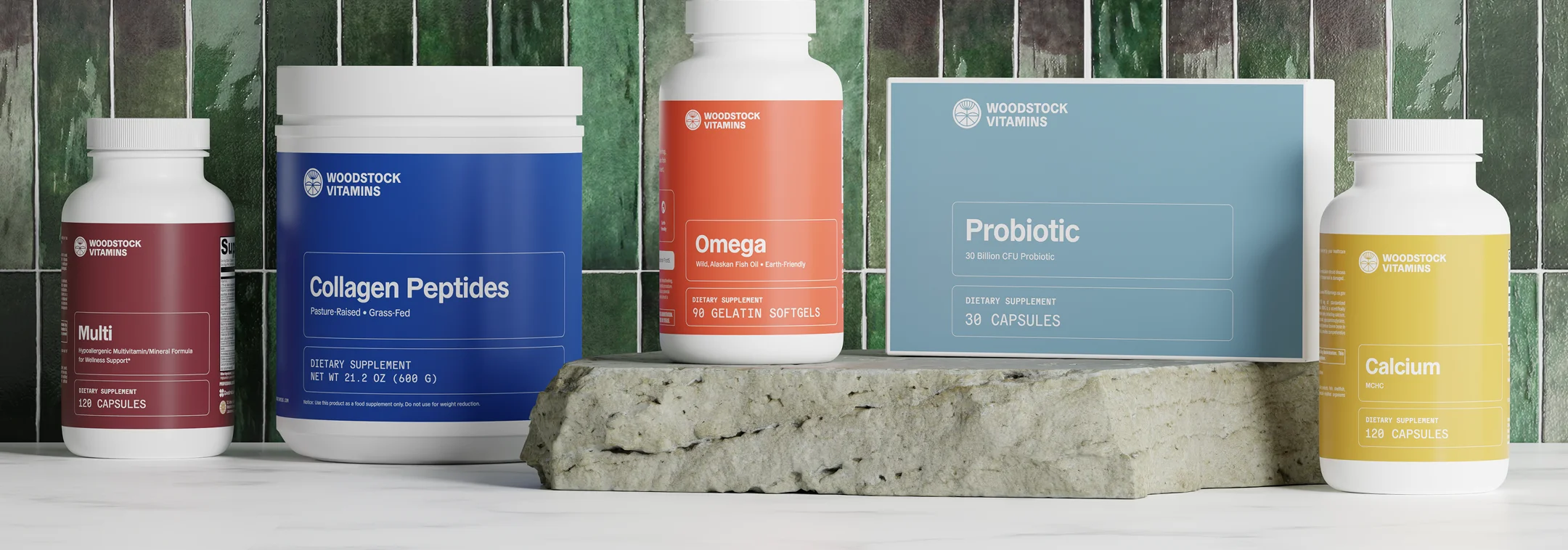

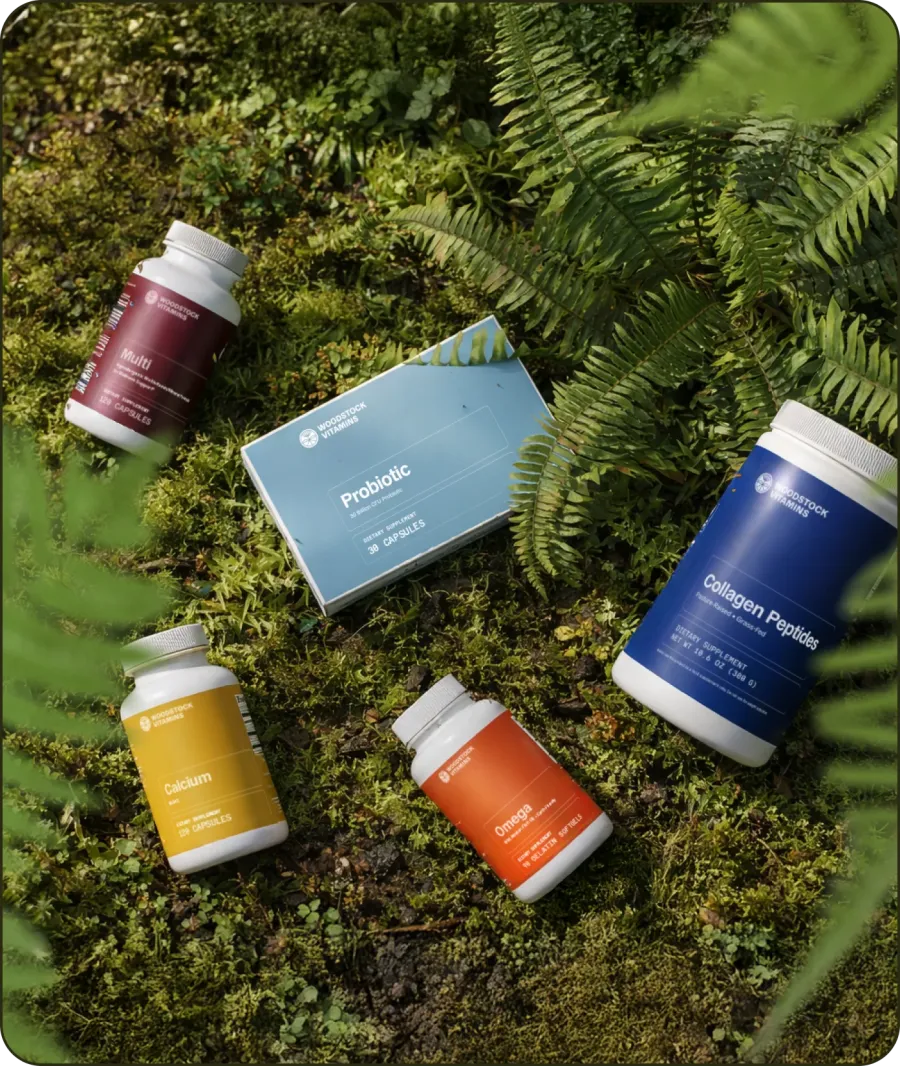
Well folks, May is almost over, and with it, Osteoporosis Awareness and Prevention Month. But don’t you worry, because around here, bone health is always in season.
Why? Your skeleton is your foundation, your support system, and your bodyguard.
It might not get as much hype as your immune system or heart health, but your bones deserve some love and attention too! So let’s get cracking.
Neglecting your skeleton means you’re playing a risky game of bone Jenga, with low bone density and osteoporosis — something that impacts 54 million Americans — waiting to knock you down.
Not all risk factors for weak bones are in your control, but if we get to the marrow of the matter, we can tackle the ones that are with wellness practices, nutrition boosts, and strategic supplement use.
In This Article:
- The importance of bone health
- Risk factors for bone loss that can be controlled
- Risk factors for bone loss that cannot be controlled
- Supplements for bone health — calcium and beyond
Your Bone Health Matters
Strong bones are the backbone of overall health and wellness, literally and figuratively.
Your bones are more than just a fancy scaffolding for your body — they’re a living, metabolically active organ, constantly breaking down and rebuilding through a process called remodeling. That’s why Dr. Neal, Woodstock Vitamins founder and holistic pharmacist, considers bone support part of the First5.
Ignoring bone health can lead to an imbalance in this remodeling process, resulting in weakened bones and an increased risk of fractures, chronic pain, and even osteoporosis. And the worst part?
You can’t just wait until you’re 40 to start worrying about it.
Bone mass actually peaks at age 30, so the earlier you start focusing on bone health, the better off you’ll be in the long run. Plus, strong bones mean you can keep doing the things you love and maintain your independence as you age.
So, don’t wait until it’s too late to start prioritizing your bone health!
Learn: Bone-Afide Bone Building Wellness Practices
Are You at Risk for Bone Loss?
Life, as we know it, is full of risks. We can’t avoid them all, but when it comes to bone health, we can avoid some!
Bone Loss Risk Factors You CAN Control
Smoking
If you thought smoking was just bad for your lungs, think again! Not only does it decrease bone density and make your bones weaker, but it can also mess with your body’s ability to absorb calcium and other nutrients necessary for healthy bones.
Drinking
Boozing it up may be fun in the moment, but excessive alcohol consumption is a buzzkill for your bones. It can prevent your body from properly absorbing the nutrients it needs to keep bones strong and increase your risk of falls that can lead to fractures.
Poor Nutrition
Junk food is always tempting, but it won’t do your bones any favors. Poor nutrition can rob your body of the nutrients it needs to build and maintain strong bones, and it can also wreak havoc on your overall health.
Vitamin Deficiencies
Without enough calcium and Vitamin D, your bones may throw in the towel before their time. So, it’s essential to make sure you’re getting enough of these vital nutrients to keep your bones strong and healthy for the long haul.
Learn More: Calcium Doesn’t Work (Like You Think It Does)
Medications
Watch out for those sneaky medications! Certain long-term medications like glucocorticoids, proton pump inhibitors (PPIs), and some anticonvulsants and antidepressants can be bone thieves, increasing your risk of bone density issues.
Inactivity
Your bones need you to be moving and grooving! That’s right, physical activity is essential for building and maintaining strong bones. Inactivity, on the other hand, can lead to bone and muscle loss.
Bone Loss Risk Factors You CANNOT Control
Age
As we age, our bones start to lose mass and become less dense. That’s why 75% of fractures occur after the age of 65.
Gender
If you’re a woman, you’re more likely to experience bone density issues than your male counterparts. In fact, after the age of 50, 1 in 2 women (versus 1 in 4 men) will develop osteoporosis.
Ethnicity
Ethnicity also plays a role, with Caucasian and Asian women at higher risk.
Body Size
If you’re small and thin-boned, you’re at greater risk of developing bone density issues.
Family History
Heredity does appear to play a role. If you have a family history of osteoporosis, you may be more likely to develop it yourself.
Medical Conditions
Certain medical conditions, like celiac disease and rheumatoid arthritis, can also increase your risk.
How Can You Prevent Bone Loss?
You know what they say: “An ounce of prevention is worth a pound of cure.” And when it comes to osteoporosis, that couldn’t be more true!
Don’t wait until you break a hip to start thinking about bone health. Start with bone-building wellness practices as early as possible, and bolster them with savvy strategies to strengthen your skeleton and prevent bone loss.
- Get Moving. Engage in weight-bearing exercises like running or lifting weights to build and maintain bone mass. Don’t forget about muscle-strengthening exercises too.
- Nix the Bad Habits. Quit smoking and curb your alcohol intake to avoid contributing to bone loss.
- Supplement Wisely. Consider taking supportive minerals and vitamins (listed below!) alongside your calcium hydroxyapatite supplement to give your bones a little extra love.
- Live Well. Follow the Wellness Pyramid for a holistic approach to overall health, and you’ll see the benefits reflected in your bones as well.
Learn More: Bone-Afide Bone Building Wellness Practices
Best Supplements for Bone Health
Alright, let’s get down to the nitty-gritty. You’re already munching on a healthy, bone-forward diet and keeping your skeleton active, but you want to go above and beyond? Supplements are the answer.
So, which ones are the superheroes for bone health?
Calcium for Bone Health
Sure, calcium might be the poster child for bone health, but it’s not a one-nutrient show. Turns out, other players like Vitamin D, magnesium, potassium, collagen, and exercise are also key to keeping those bones strong and steady.
(If you are going to start with calcium though, learn why we always recommend calcium hydroxyapatite of all the options available.)
Vitamin D and Bone Health
Are you ready to get your daily dose of the sunshine vitamin? Vitamin D is a key player in bone health, helping your body absorb calcium and phosphorus like a pro. Studies have shown that Vitamin D supplements can boost bone density and lower the risk of fractures in older adults.
The National Institutes of Health (NIH) recommends the following daily Vitamin D intake levels:
- 600-800 IU/day for children and adults up to age 70
- 800-1,000 IU/day for adults over age 70
When it comes to supplements, Vitamin D3 (cholecalciferol) is the way to go, as it’s the same form of the vitamin your skin produces when it soaks up those sweet, sweet rays.
Learn More: Vitamin D: Sunshine Supplement for Bones, Blood, and The Blues
Vitamin C for Bone Health
You know what they say, “An apple a day keeps the doctor away,” but it might also help keep your chiropractor away, too!
Vitamin C, found in many fruits and vegetables, is key for bone health because it stimulates the production of collagen – the stuff that makes up bone tissue.
Studies have shown that getting enough Vitamin C can help reduce the risk of bone fractures and osteoporosis, especially in women post-menopause. So, make sure you’re getting your daily dose of Vitamin C:
- 75-90mg/day for women
- 90mg/day for men.
While getting enough Vitamin C from your diet is important for bone health, it may be beneficial to supplement with Vitamin C if you are not meeting your daily needs through food alone.
Magnesium for Bone Health
Magnesium may not get as much attention as other minerals, but it’s essential for keeping those bones strong and healthy. (And like, a million other things, too.)
You see, magnesium helps your body absorb and use calcium properly, which is basically the backbone (pun intended) of your skeletal system.
Research has shown that magnesium supplementation can help to improve bone density. The recommended daily intake of magnesium for adults is:
- 310-420mg/day for women
- 400-420mg/day for men
Keep in mind that most of us (approximately 50% of the American population), aren’t getting the same levels of magnesium through our meals as previous generations did.
The staples of our Western diet — processed foods, refined grains and flours, sugars, fat — are all totally devoid of magnesium, and magnesium deficiencies can be nearly impossible to spot on labs. If you’re looking for a safe supplement that can support your bones and help your issues with sleep, stress management, muscle performance, etc., magnesium might be it.
Learn More: Understanding The Different Types of Magnesium Supplements
Potassium and Bone Health
Potassium, for all its unsung glory, is a real team player. By neutralizing excess acid in the body, potassium helps prevent the loss of calcium from bones.
Low levels of potassium in the diet have been linked to weaker bones and an increased risk of fractures. Adults should aim for 2,500-3,000mg of potassium per day, but supplements are typically capped at just 100mg.
So, munch on potassium-rich foods like bananas, sweet potatoes, and spinach to keep your bones in top shape.
Collagen for Bone Health
Collagen is the “glue” that holds our bones together, and as we age, our bodies produce less of it. This can lead to weaker bones and a higher risk of fractures. But fear not, collagen supplements are here to save the day!
Not only does collagen have a reputation for boosting skin and joint health, but this nutrient can also help bolster bones and close the gap on protein intake. Collagen peptides — our top recommendation for collagen supplements — can be consumed in a variety of forms, from powders and capsules to gummies.
Learn More: Why Collagen Peptides Are Vital
Vitamin K for Bone Health
Vitamin K is like the secret hero of bone health. It doesn’t get as much love as calcium or Vitamin D, but it plays a crucial role in keeping our bones strong. It’s like the behind-the-scenes worker who makes everything run smoothly.
Vitamin K helps activate a bone-building protein called osteocalcin, which binds calcium to the bone matrix. It works in tandem with Vitamin D to promote the formation of bone-building proteins.
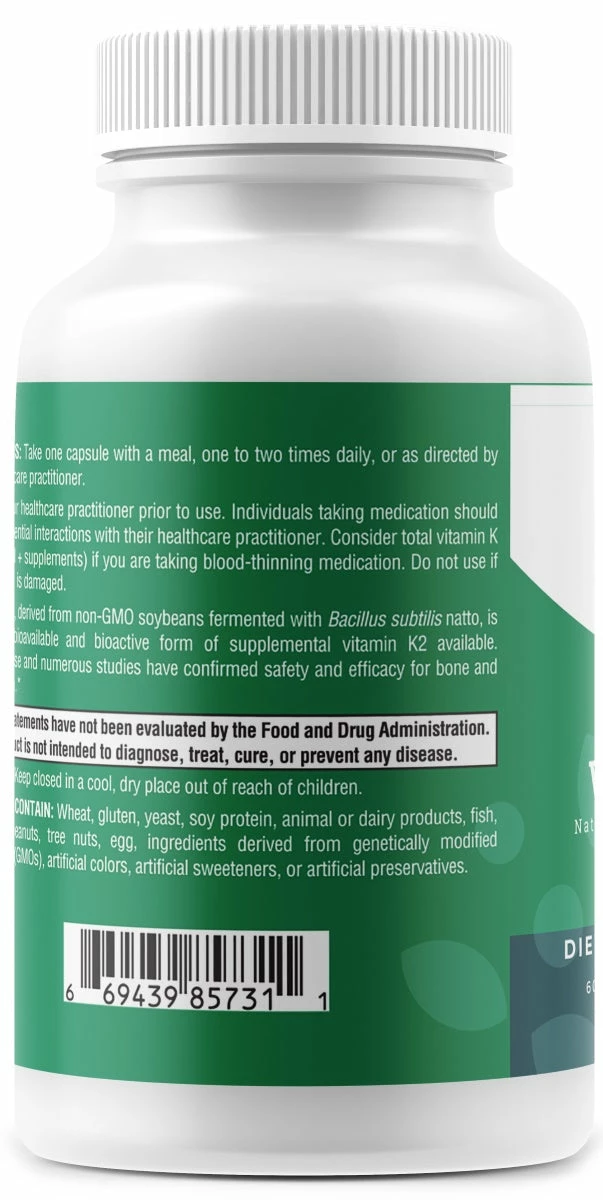
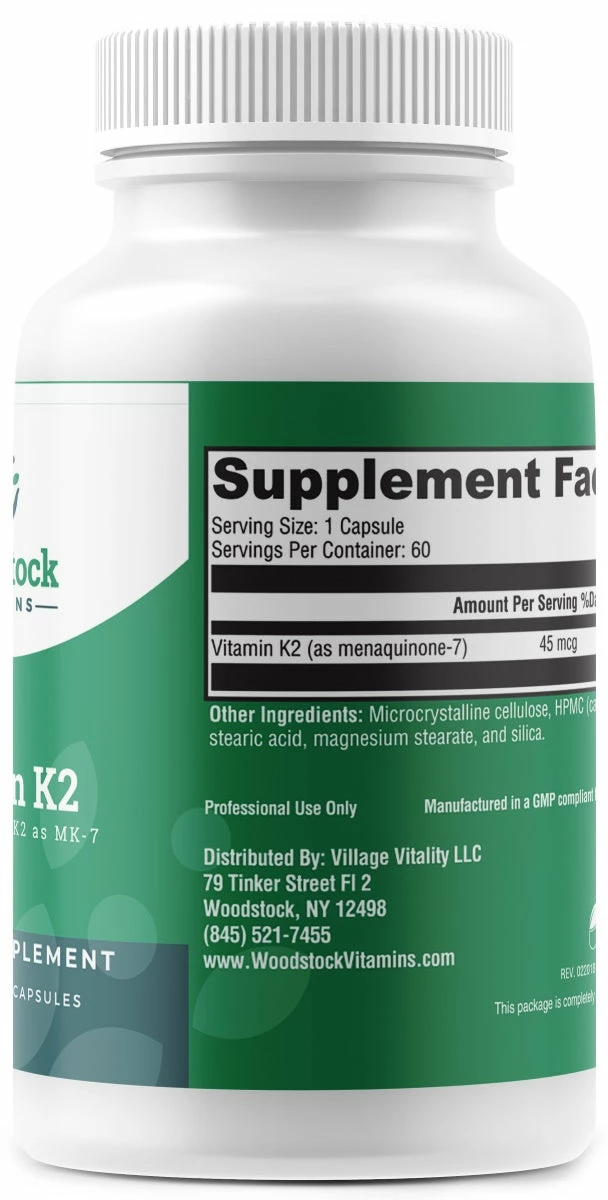
Now, if you’re eating a balanced diet with plenty of leafy greens and other Vitamin K-rich foods, you’re probably good to go. But if you want to go the extra mile for your bones, a Vitamin K2 supplement with 45-90mcg can do the trick.
Vitamin B12 and Bone Health
If you thought vitamin B12 was only good for red blood cells and nerves, then we’re sorry for bursting your bubble! This little powerhouse actually plays a crucial role in bone health as well by helping to produce osteoblasts, the bone-building cells.
If you’re not getting enough B12, your bones may suffer, which can lead to an increased risk of fractures. But fear not, B12 supplements come in all shapes and sizes, from liquid to capsules.
According to the National Institutes of Health (NIH), the following are the daily recommended intakes of vitamin B12:
- Infants (0-6 months): 0.4 micrograms (mcg)
- Infants (7-12 months): 0.5 mcg
- Children (1-3 years): 0.9 mcg
- Children (4-8 years): 1.2 mcg
- Children (9-13 years): 1.8 mcg
- Teens (14-18 years): 2.4 mcg
- Adults (19 years and older): 2.4 mcg
- Pregnant women: 2.6 mcg
- Breastfeeding women: 2.8 mc
It’s important to note that while Vitamin B12 plays a role in bone health, it is not a standalone solution for maintaining strong bones — taking care of your bones is a joint effort.
Prioritize Your Bone Health
Let’s face it: weak bones are a bummer. Nobody wants to deal with fractures, osteoporosis, or constant pain. That’s why taking care of our bone health is crucial if we want to stay active and enjoy life to the fullest.
Calcium may be the star of the show, but let’s not forget about its supporting cast:
Incorporating these essential nutrients and minerals into your daily routine can help slow bone density loss, protect against fractures, and keep you rocking and rolling through life. Don’t wait until your bones start creaking and cracking, take action now!
Feeling overwhelmed? Don’t worry, we’ve got your back (pun intended). Book a free Counterside Consult and our bone experts will guide you on the path to better skeletal health.
May might be at its end, but National Bone Health and Osteoporosis Month is still going strong, folks!
And for good reason: Without our bones, we’d be nothing more than blobs on the ground.
While blob life might be appealing in concept, it’s not a realistic goal for modern humans. Instead, we’re cemented to a precariously vertical skeleton that requires care and consideration to function properly long-term.
Beefing up your bone health isn’t as simple as chugging milk or popping a calcium hydroxyapatite supplement, either.
The living tissue of the bone matrix demands a smorgasbord of nutrient-dense foods, lifestyle adjustments, and exercises to stave off bone density loss.
So saddle up, Skeletor! It’s time to take a good, long look at the bone-depleting lifestyle choices you may or may not have been making. Replace those bad-to-the-bone habits with Dr. Neal’s favorite bone-specific wellness practices to get your frame in tip-top shape.
In This Article:
- Factors that contribute to bone density loss
- Wellness practices to improve bone health
- Weight-bearing exercises for bone-building
- Bone-supporting foods and lifestyle changes
Why Wellness Practices?
Is it weird that we, your friends at Woodstock Vitamins, are recommending lifestyle changes before supplementation?
Maybe! But within the framework of our whole-picture approach, established by Dr. Neal after 20+ years as a holistic pharmacist, it makes perfect sense.
The foundation of your wellness doesn’t actually lie in the hands of supplement manufacturers, despite what you may have heard on #HealthTok. Your health and well-being are established in the mundane: sleep, diet, exercise, and stress management.
To support your wellness practices with supplements strategically and effectively (read: without wasting money), the groundwork in these lifestyle arenas must be laid and built upon.
Learn More: Wellness Practices 101
3 Lifestyle Factors That Affect Bone Health
1. Age
We hate to break it to you… But as you age, your bones start to lose density, making them more fragile and prone to breakage.
Don’t despair, though! You can slow down this process by doing weight-bearing exercises that’ll keep you hopping and skipping well into your golden years. Weight-bearing activities, like a hop or skip, create tension that actually triggers your bones to produce more bone tissue.
Essentially, your skeleton feels the impact of your rope-jumping or aerobics and says, “Crap, this sucks, I need to get stronger.”
Weight Bearing Exercises for Building Bone:
- Dancing
- Hiking, jogging, running
- Walking, stair climbing
- Hopping, skipping, playing hopscotch
- Yoga and certain pilates exercises
- Basketball, soccer, tennis
Learn More: The Truth About Exercise: Ditch the Myths
2. Low Dietary Calcium
Still caught up in the calcium controversy?
Many swear by calcium supplements for building bone, and yet in 2018, JAMA released a compelling meta-analysis that totally debunked this mineral myth. To break it down into the simplest terms:
- Low dietary calcium can contribute to bone density loss.
- Increasing your dietary calcium will only prevent bone density loss — it will not decrease fracture risk.
- Calcium hydroxyapatite supplements can slow bone density loss.
Getting an adequate amount of calcium per day is crucial for the proper functioning of multiple bodily systems, and calcium deficiencies can be near-impossible to spot.
Translation? Up your daily intake of calcium-rich foods and snag a calcium hydroxyapatite supplement if you’re over the age of 30 or at high risk for degenerative bone conditions like osteoporosis.
Learn More: Bone Health: Why We Always Recommend Calcium Hydroxyapatite
3. Smoking and Alcohol Consumption
We know, this one hurts.
If you want to preserve the integrity of your skeletal system long-term, you’re going to have to get comfortable with being less cool. (That’s sarcasm, for the record. Having strong bones is what makes you cool, not smoking or drinking.)
Smoking reduces blood flow through your arteries and veins, and subsequently, decreases how much blood reaches your bones — making them weaker and more susceptible to fractures.
Alcohol consumption during the teen years has been shown to reduce peak bone mass and create “relatively weak adult bones.” And for the big kids, things don’t look great either.
Adult consumption of alcohol can disrupt the process of bone tissue remodeling and support bone erosion. Plus, it doesn’t just inhibit your ability to judge your own dance moves — it also inhibits your body’s ability to absorb crucial bone minerals and vitamins:
Vitamin and Mineral Absorption Impaired by Alcohol Consumption:
Bone Building Wellness Practices
Skeletal health is no joke — even your funny bone won’t be laughing if you’re bringing your own spare ribs to the next barbecue.
(A humerus pun? Depends on who you ask.)
So take a multi-pronged approach to bolster your bones that incorporates food as a medicine, strengthening activities, and a supportive environment. The only thing worse for your bones than smoking is showing up to the build with a skeleton crew.
Foods For Bone Health
- Calcium-rich foods: Dairy products like cheese are excellent sources of calcium. And don’t worry, lactose-intolerant friends — goat and sheep dairy are also calcium-rich delights.
Other options include aquatic allies like bone-in sardines and salmon, or leafy vegetables like kale and turnip greens. Honorable mentions: nuts, ice cream, orange juice.
- Vitamin D sources: Vitamin D helps your body absorb calcium — the two nutrients go together like PB & J. Foods that contain Vitamin D include fatty fish like salmon and tuna, egg yolks, beef liver, oranges, mushrooms, and more.
- Magnesium-rich foods: Magnesium is another essential nutrient for bone health — and sleep, stress management, muscle performance, etc. — making it an OG metal.
Good sources include nuts, seeds, legumes, and whole grains.
Foods That Deplete Bone Health
- Soda: Sorry to burst your fizzy bubble, but soda is no friend to your bones. It contains phosphoric acid, which can interfere with calcium absorption and lead to bone loss over time.
- Caffeine Overload: Coffee lovers, don’t worry, we’re not asking you to give up your beloved beverage entirely. Just remember that excessive caffeine can mess with calcium absorption. So, maybe consider swapping that fifth cup of joe for a calcium-rich snack.
- Excessive Salt: Salt may bring flavor to your meals, but too much of it can lead to calcium loss. So, sprinkle it lightly and choose high-quality options from seasoned suppliers.
Stretching & Bone Building Exercises
Are you sitting down right now? If you are, you may want to stand up for this. When it comes to bone health, curling up on the couch won’t cut it. It’s time to get up and get moving!
Physical activity and stretching work together like a well-oiled machine to keep your bones healthy and strong. Stretching might seem like a chore, but it’s actually doing wonders for your bones.
So, the next time you’re feeling a bit tight, just think of it as an opportunity to give your bones some love.
Do:
- Choose weight-bearing exercises: Like walking, jogging, and dancing. Next time you’re at a dance party – don’t be shy, show off your moves and your strong bones!
- Mix it up: Incorporate a range of activities, including strength training and balance exercises, to keep your bones on their toes.
- Listen to your body: If you’re feeling discomfort or pain, take a break and rest. Pushing through the pain can result in injuries.
Don’t:
- Overdo it: While physical activity is important, it’s important to pace yourself and not overdo it. Remember, your body is your temple, so treat it well.
- Skip the warm-up: Skipping the warm-up is like diving into a pool without checking if there’s water. Make sure to include some dynamic stretches to warm up your muscles and get your bones ready for action.
Creating a Bone-Healthy Environment
Building and maintaining healthy bones isn’t only about nutrition and exercise — your external milieu plays a role as well.
Wait, what? Simple changes to your home and work environment can help prevent falls and reduce withdraws from the bone bank? Yes, yes they can.
Workplace Ergonomics
If you spend a lot of time sitting at a desk or engaging in other sedentary work, paying attention to workplace ergonomics is important. This means setting up your working area in a way that promotes good posture and reduces strain on your bones and joints.
Fall Prevention Strategies
Preventing falls is one of the most important things you can do to maintain good bone health. In addition to the home modifications mentioned above, some other fall prevention strategies to consider include:
- Wearing shoes with non-slip soles
- Using a cane or walker if necessary
- Practicing balance exercises
- Getting regular vision check-ups
In Conclusion, Break a Leg! Just Kidding
Are you chilled to the bone recalling all the bone-depleting activities you’ve engaged in through the years? Overwhelmed by this bone-anza of skeletal information? Got a bone to pick with us?
Hop and skip on over to a Counterside Consult — we’ll make no bones about offering personalized, strategic supplement guidance for getting your skeleton the TLC it needs.
The infamous Prop 65 has had supplement savants quivering their boots since its inception in the late 80s.
Short for the Safe Drinking Water and Toxic Enforcement Act, Prop 65 was passed as a California state law to address growing concerns about gross stuff sneaking into foods, drinks, supplements, cleaning solutions, etc.
The gross stuff is toxins, heavy metals, chemicals that cause cancer or reproductive harm, and the like. Now, on the opposite coast and almost 40 years later, we experience this scenario with relative frequency:
“I looked at your collagen and I saw this warning!”
“I let out an audible gasp, fell off my chair, dropped my coffee, and lost the remote… Things just aren’t right in my home anymore!”
(As the rebels in the wellness industry, we’ve been known to have this effect on people.)
We, the Woodstock Vitamins team, believe unwaveringly in transparency. Our whole thing is making it easier for individuals to achieve their health goals through high-quality supplements and even higher-quality education.
But choosing the right supplements requires a solid understanding of labels — what matters, what doesn’t, what’s fact, what’s marketing fiction, and so on.
So we asked Woodstock Vitamins founder and practicing holistic pharmacist of 20 years, Dr. Neal Smoller, for the run-down on the California law. Keep reading to learn from the wise-cracking Wellness Wizard about the good, the bad, and the ugly of Prop 65.
And, of course, why it’s quite alright to use our collagen peptides despite that ghastly warning…
In This Article:
- What is Proposition 65?
- The good, the bad, and the ugly of Prop 65
- Are supplements with Prop 65 labels safe to take?
- How do heavy metals get into supplements?
What is Prop 65?
Proposition 65 — one of the many controversial components of California’s legislative landscape.
We like to think of this humble law as the state’s guardian angel who means well but is easily spooked. The proposition requires all manufacturers selling in the Golden State to alert consumers to the potential dangers lurking in their everyday products.
So, in 1986, Prop 65 set in motion two things: a new convention for labeling practices in California, and a new standard for acceptable levels of carcinogenic components.
The Prop 65 limits for heavy metals in supplements, for example, are as follows:
In its most shining form, the goal of Prop 65 is simply to make sure shoppers in Cali are informed and making empowered purchases.
In practice, however, the overwhelming amount of information made available by Prop 65 has caveats that have garnered criticism. One being that the limits to toxin exposure are in amount per day — neither amount per serving nor cumulative exposure are factored in.
That, and the fact that these standards are comparatively aggressive. (Key word being comparatively.)
Alongside the standards set by the United States Pharmacopeia (USP), a government organization, and the trade organization called American Herbal Products Association (AHPA), Prop 65’s decrees don’t seem so strict!
Except for lead — Prop 65 has a lead risk level that is 12-20 times lower than what other groups have set. Is that an issue?
In our industry-informed and health-forward opinion, no. There’s nothing wrong with wanting less exposure to heavy metals, especially during pregnancy!
But, when it comes to critiquing Prop 65, there are a few aspects of the Haterade upon which we will sip.
Prop 65: The Good, The Bad, The Ugly
The Good
Prop 65 provides unparalleled transparency for consumers.
Ingredient and compound quality information should be accessible to all humans who eat, drink, breathe, or otherwise ingest these products — no ifs, ands, or buts.
It’s important to understand what is going into your body, especially if you’re building up the foundation of your wellness.
The Bad
Prop 65 requires a notice, not transparency.
Wait, what? Are we contradicting ourselves? Very well then — we contain multivitamins and multitudes.
Prop 65 does alert consumers to the potential dangers hidden within, but it doesn’t actually offer the opportunity to build a true, apples-to-apples comparison of products or services. To do that, we’d need to see significantly more detail on those labels about how much of which compounds are detected.
Is it 10x the established safe harbor levels for lead? Is it slightly above the standard for cadmium exposure?
Without a Criminal Minds-level investigation into each product, we’ll never know.
The Ugly
The inundation of Prop 65 notices has numbed us.
For folks in California especially, the flood of identical labels slapped on everything from diesel engine exhaust to Starbucks Refreshers has, unsurprisingly, led to widespread desensitization.
For the rest of us outside of the Golden State, Prop 65 labels land in one of two ways:
- They stir up a tizzy of panic and confusion.
- They bounce off the concrete wall of our indifference.
The other ugly part? There are health and wellness brands out there that don’t give two hoots about violating the statutes of Prop 65. By creating special labels for sales in California and truncated labels for sales in other states, these ne’er-do-wells pirate profits from reputable companies all the time.
“Your collagen has a Prop 65 label, but theirs doesn’t — Woodstock Vitamins collagen must have higher levels of heavy metals!”
Yeah, that, or some supplement manufacturers aren’t playing by the rules.
Are Supplements with Prop 65 Labels Safe to Take?
Yes, definitely.
As counterintuitive as it may seem, supplements with a Prop 65 label might actually be safer to take than those without. That label, while pesky at times, means the manufacturer has quality at the forefront of their production process.
But do your own vetting — as much as we’d like a black-and-white answer, we rarely get one in the wellness world.
Some great companies have bad products; some bad companies have great reputations. Even bad companies can have a Prop 65 label on a product that’s safe, too! All these things can be true at once.
With vast swaths of gray areas, label lies, and no comprehensive measure of quality in the wellness industry though — how does a health-conscious hero find supplements that are rigorously tested for purity and quality?
Our best answer is… You have to hunt them down.
Look for verifiable transparency and unique quality markers that go above and beyond industry-laid standards. Here at Woodstock Vitamins, that looks like our Supplement Quality Standard, created by Dr. Neal.
Learn More: Quantifying Quality | Dr. Neal Smoller
We don’t mean to toot our own horns, but our Supplement Quality Standard functions as both a framework for consumers to judge quality and a benchmark to push industry standards to higher, safer, and healthier levels.
Are There Heavy Metals in Woodstock Vitamins Collagen?
YES!
We’re not exclaiming because we’re excited about heavy metals, we’re exclaiming because we’re committed to keeping it real — even if it means contradicting every marketing tactic in the playbook.
Here’s the skinny: All beef-based collagen powders will have levels of heavy metals that necessitate a Prop 65 label.
Our collagen in particular is one of the cleanest options for modern consumers, but what really sets it apart is that we’re constantly improving our supplements and formulas.
Case in point: Our current collagen has a lower heavy metal amount than our last!
When Dr. Neal has time to develop the next set — in between educating the masses and making waves in the wellness industry — you can bet your buttons it’ll be better than the current version, too.
Woodstock Vitamins Collagen: An In-Depth Look
It’s one thing to say our collagen is one of the best on the market, and it’s another to prove it. So let’s get real, real transparent with our current lot of protein-packed peptides.
4/6/23 Analysis of Collagen Peptides Lot 04CH2000035
The image below is cut and pasted directly from a lab analysis conducted just a few weeks ago.
As requested by Dr. Neal, this is the second analysis of the finished product, and the third analysis all together if you include the one provided by the raw material supplier.
But before you frantically scroll back to the Prop 65 or USP safe levels graphs above, keep in mind that PPB is not the same as micrograms per day (mcg).
Some supplement manufacturers and wellness companies will bank on the fact that most consumers won’t understand the numbers and acronyms littering the graphs provided. That’s not the case here.
Instead, we’re going to translate the above analysis into real-world numbers. We know that what matters is how much of a heavy metal you’re being exposed to with each dose — that’s how you’ll be able to calculate your daily exposure.
Bottom line: Our collagen peptides are adorned with a Prop 65 label solely because the lead content of one serving is slightly higher than the ultra-aggressive reproductive toxicant level set by California.
Essentially, you could eat a full 6 servings of Woodstock Vitamins collagen peptides before you bump up against the considerably meticulous AHPA guidelines for heavy metals.
Please don’t do that, though.
OMG, Am I Exceeding My Daily Heavy Metals Exposure Limit?!?!
Feeling panicked about the heavy metals that may or may not be accumulating in your body? You’re not alone!
One of the exclamations we hear most often goes to the tune of: “Oh crap, there are daily limits?! How do I know if I’m going over?”
The first step is to not take more than 5 servings a day of our collagen peptides. Pretty easy, actually.
The second step is to take a good, long look at your supplement cabinet because there’s a reason Dr. Neal has long promoted moderation in, well, everything! There are dangers inherent to taking too many supplements.
One that is rarely thought of is the total exposure to contaminants — naturally occurring or otherwise — over time.
You can (and probably should) evaluate the types of foods you eat and the products you ingest to determine what your real exposure is. This requires 3 things:
- Transparency.
- A calculator.
- A sh*tload of patience.
How Do Heavy Metals Get in Supplements?
But wait, let’s wind it back a little bit. How did all these heavy metals get into your supplements in the first place? Have foods, supplements, tap water, etc., always been this toxic?
Yes and no.
Heavy metals are natural elements — they’re a part of our world just as much as the bees and wildflowers we cherish so much this time of year. Because of this, or perhaps in spite of it, no one is immune to heavy metal exposure and accumulation.
At the same time, though, most exposure to heavy metals results from human-centric endeavors — mining, industrial production like coal-burning power plants and petroleum combustion, agricultural activities, and so on.
Sure, a volcanic eruption can crank up heavy metals exposure levels, but mostly, this is happening because we’ve torched the planet.
From the 1950s onward, we humans seemed to think, “Hey, our backyards and lakes are a great place to put all this toxic waste we’ve been creating!”
As a result, we have acid rain, pollution, and increased heavy metal contamination in basically everything we eat or put in our bodies.
Being Transparent Shouldn’t Hurt Us
It bears repeating that being radically transparent could make people avoid our products.
“That Neal guy’s got lead in his product! Run away!!!!”
But we’re willing to risk it because even the most scrupulous of research deep-dives into different collagen options won’t yield accurate results for consumers.
Here’s why:
A. There are products that are collagen in name only.
- Bone broth collagen technically has collagen, but it is not nearly as concentrated as collagen peptides — don’t fall for this clever phrasing.
- All marine or chicken sources will have lower collagen amounts, and therefore lower amounts of heavy metals — it’s not an accurate comparison.
B. Plus, Prop 65 is just one piece of the puzzle.
- While a product may have nearly no lead, it could still have greater heavy metal content than would normally be acceptable — without transparency from the manufacturer, you’ll probably never know.
- Prop 65 is just one set of standards set by one state — consumers need to compare numbers against other standard bodies alongside Prop 65.
As consumers, we need to get a lot better at math, research, and data analysis to truly understand what we’re putting into our bodies.
But, if you ask us, it shouldn’t be that difficult.
So we’re willing to share the nitty-gritty details about our collagen peptides and various products, in the hopes that our small acts of rebellion will begin to turn the tides of the supplements industry.
The Woodstock Vitamins Commitment
Luckily, our team is led by a purity pit bull — voraciously working towards elevated standards and education in the industry and beyond. Hence the Supplement Quality Standards that other manufacturers might call overkill.
Because, when it comes to your health and well-being, we don’t think anything is overkill.
Click around to learn more about the Woodstock Vitamins standard and Dr. Neal’s holistic approach to wellness, or hop on a Counterside Consult to discuss the intricacies of your supplement strategy — Prop 65 labels and all.
Are you the kind of supplement nut that has a cabinet overflowing with vitamins, minerals, and herbs? Well then, we’ve got some bad news: Your Vitamin K isn’t worth the space it’s taking up.
That’s right, you read that correctly — you don’t actually need a Vitamin K supplement.
Does that sound counterintuitive coming from us, the Woodstock Vitamins team? Don’t get us wrong, we think high-quality supplements are a great way to fill nutrient gaps and support your health. But let’s be real…Not all vitamins are worth the hype.
And when it comes to Vitamin K, most of what you’ve heard is all hype and no bite.
Vitamin K supplements have gained popularity in recent years, and especially during National Bone Health and Osteoporosis Month, we hear about its potential health benefits a lot. But does the average person need a Vitamin K supplement? Is it possible that a balanced diet can provide all the Vitamin K you need?
Before you start hoarding supplements, read on to learn the truth about Vitamin K supplements — when they’re necessary and when they’re a waste of money.
In This Article:
- What is Vitamin K?
- Why you don’t need to supplement Vitamin K
- How can you supplement Vitamin K through wellness practices?
- When you should take Vitamin K supplements
What is Vitamin K?
Here’s the deal: Vitamin K isn’t just one simple nutrient. The term actually refers to a specific family of vitamins.
The Vitamin K gang includes some heavy hitters, but the two you really need to know are Vitamin K1 (phylloquinone) and Vitamin K2 (menaquinone). These bad boys are fat-soluble and their health benefits pack a punch.
What is Vitamin K good for, you ask? Vitamin K plays a crucial role in creating proteins that are essential for some of our body’s most important processes. Think: blood clotting, bone formation, and even the prevention of artery hardening.
Learn More: Bone Health: Why We Always Recommend Calcium Hydroxyapatite
So Vitamin K is critical, and getting enough of it comes with a whole host of positive effects. If it’s not coming from a supplement with great branding, though, you’re probably wondering where you can get your hands on this Vitamin K goodness.
Lucky for you, there are plenty of tasty options to choose from.
Vitamin K1 (Phylloquinone)
Did you know that Vitamin K1 is the superstar nutrient that keeps your blood clotting like a pro? It’s true — this simple vitamin helps regulate the blood, control bleeding, and reduce blood loss after injuries.
The best part? You can find it in all your favorite green veggies! So, if you’re fond of salads or green smoothies, you’re in luck.
That’s right: If you’re a veggie enthusiast, or even just a mild fan, you’re probably already getting your daily dose of Vitamin K. For the fruity folks, it’s not as simple, but some crops like kiwi and grapes have small amounts.
So, load up on these leafy greens and get your Vitamin K1 fix:
- Cruciferous vegetables – broccoli, brussel sprouts, cabbage, etc.
- Dark green vegetables – kale, spinach, collard greens, etc.
- Salad greens – lettuce, endive, etc.
Vitamin K2 (Menaquinone)
Vitamin K2 is the more elusive of the two nutrients — it’s not nearly as common as its cousin, Vitamin K1. This mysterious vitamin is mostly synthesized by gut bacteria, so you won’t find it in a specific food group.
But fret not! You can track down Vitamin K2 in some delicious fermented foods and animal products:
- Fermented soy products – natto, miso, etc.
- Certain types of cheese – gouda, brie, etc.
- Egg yolks
- Animal liver and other organ meats
- Fatty fish – salmon, tuna, mackerel, etc.
While you’re chowing down, you can smile knowing your bones are happy and healthy — and not just the ones in your mouth! Vitamin K2 supports bone health by activating proteins that transport calcium to the right place.
Learn More: Calcium Doesn’t Work (Like You Think It Does)
So, whether you’re into lifting weights or just want to avoid bone loss as you age, this nutrient is your sidekick.
Why You Don’t NEED to Supplement Vitamin K
Annnnnnnd, here’s where we get to the unpopular opinion.
Dr. Neal — Woodstock Vitamins founder, practicing pharmacist of 20 years, holistic health advocate — firmly believes that Vitamin K is a fad supplement. Why?
The thing is, most people are getting enough Vitamin K through their diet already. It’s not like unicorn tears or dragon scales, it’s readily available in everyday foods.
Sometimes, we supplement not to improve something, but to prevent what can happen if we are deficient in that particular vitamin or mineral. And, that is the case with Vitamin K.
Correlation Does Not Equal Causation
Yes, low dietary Vitamin K is associated with poor bone mineral density. And, yes, improving Vitamin K intake improves bone mineral density in people who have bone problems because of low Vitamin K intake.
But, have you ever heard the phrase “correlation does not equal causation”? That’s what’s happening here. Taking Vitamin K supplements won’t, unfortunately, give your bones the strength of a thousand suns.
In fact, it has been proven that supplementing dietary Vitamin K doesn’t actually do anything for bone mineral density.
So, taking Vitamin K doesn’t directly strengthen your bones. Rather, it can help prevent weakened bones because of a Vitamin K deficiency. Capiche?
If you’re worried about a deficiency, taking 45-90mcg of Vitamin K can act as an insurance policy. Think of it like a seatbelt. You wear it not because you expect to get into an accident, but just in case.
Naturally Supplement Vitamin K
The insatiably curious Dr. Neal is known for turning the wellness industry on its head. His holistic framework for health — the boat-rocking Wellness Pyramid — takes into account the whole picture of your health.
Because, logically, we know that no part of the body functions inside a vacuum. So anything besides an all-encompassing, comprehensive approach doesn’t really make sense.
As it is with Vitamin K supplements.
Despite what you may have heard from evermore convincing marketing schemes, branding tactics, and influential influencers, supplements are not magic cure-alls. They’re helpful tools, instruments of prevention, and allies in the war against deficiencies.
Listen: The Supplement Quality Standard | Wellness Upside Down Podcast Ep. 24
But the core foundation of your health starts somewhere even closer to home. AKA, the bottom of the Wellness Pyramid, which focuses on optimizing the five lifestyle domains.
These lifestyle domains can be utilized to naturally increase your Vitamin K — no supplement needed!
Diet
If you want to get enough Vitamin K in your diet, it’s not rocket science. Just make sure you munch on some Vitamin K-rich foods. No need to embark on a wild goose chase.
But if you’ve got a gut feeling you need more Vitamin K, follow that impulse! Your gut is a bustling metropolis of Vitamin K2 factories, making the majority of what you need every day.
So if you want to keep the Vitamin K2 train chugging along, make sure you take care of your gut microbiome by eating plenty of fiber and fermented foods, while avoiding sugary and processed junk.
Sleep
Sorry to burst your bubble, folks, but catching some Zzz’s won’t magically boost your Vitamin K levels. However, getting enough sleep can indirectly impact your Vitamin K game in some major ways.
For starters, a solid snooze session is key for a rock-solid immune system. Why does that matter? Well, staying healthy means you’re less likely to come down with an illness that could put a damper on your Vitamin K levels.
Plus, let’s not forget about the importance of a happy gut. After all, Vitamin K2 is synthesized by gut bacteria, so you want those little critters to be thriving. And guess what helps keep your gut happy? That’s right, quality sleep!
So hit the hay, folks, and let your body do its Vitamin K thing.
Exercise
Let’s get moving and grooving! Regular exercise not only helps us feel better and sleep better, but it also promotes healthy blood clotting and improves circulation throughout the body.
When we hit the gym, our heart starts pumping and our blood vessels widen, allowing for better blood flow to our muscles and organs. This healthy circulation can also transport Vitamin K to different parts of the body where it’s needed the most, helping to keep our bones strong and healthy.
Stress Management
Stress is like a villain that’s always lurking around the corner, waiting to wreak havoc on our health. And when it comes to essential vitamins and minerals like Vitamin K, chronic stress can be a real scoundrel!
When we’re stressed, our body goes into overdrive, releasing hormones like cortisol that can mess with our digestion and absorption of nutrients like Vitamin K. It’s like our body is so focused on the stress that it forgets to properly digest and absorb the good stuff we need to stay healthy.
Plus, stress can also increase inflammation in the body, which can further interfere with the absorption and utilization of Vitamin K.
So, if you want to keep that sneaky antagonist at bay, your training should be centered on activities that directly combat stress: meditation, yoga, connection, breath work, and the like.
A good night’s sleep is the stress villain’s worst nightmare, too. It’s almost like all 5 of these lifestyle domains work congruently to create the foundation of your health!
Lifestyle Changes
Congratulations, you’re on the path to becoming a Vitamin K superstar! By following the tips we’ve shared, you’ll be able to boost your levels of this essential nutrient in no time.
But wait, there’s more! Did you know a little bit of sunshine could be the thing that takes your Vitamin K game to the next level?
When you expose your skin to sunlight, it can stimulate the production of Vitamin K2 in your body. So, don’t forget to soak up some rays (safely, of course) or consider popping a Vitamin D supplement to help your body produce more Vitamin K.
Just don’t forget your sunscreen, unless you want to risk looking like a ripe tomato.
Vitamin K Deficiencies: When You Need to Supplement
You don’t have to love spinach as much as Popeye to get enough Vitamin K — thankfully, it’s found in many delicious foods.
However, there are certain groups of people who may be at risk of Vitamin K deficiency or who may benefit from a Vitamin K supplement.
These include individuals who:
- Have difficulty absorbing fat-soluble vitamins due to digestive or liver disorders
- Take certain medications that interfere with vitamin K absorption or metabolism
- Have certain medical conditions that affect vitamin K metabolism
Vitamin K Deficiency Symptoms
Did you know that a Vitamin K deficiency can make you bleed like a character straight out of a horror movie? Okay, that might be a bit of an exaggeration.
But it can cause excessive bruising and some bleeding like bleeding gums, nosebleeds, and even heavy menstrual bleeding. Don’t worry too much, though. It’s relatively rare for healthy adults to experience this — only about 8-31% do.
Best Vitamin K Supplement Options
Even if you aren’t currently deficient, you might consider a Vitamin K supplement to prevent further damage should you become deficient. And who are we to stop a fellow health-conscious icon?
If you’ve optimized your lifestyle domains and you’re still looking for a Vitamin K “insurance policy,” — we’ve got your back (and your blood vessels)! We, via Dr. Neal, recommend adding an additional 45-90mcg of Vitamin K through a Vitamin K supplement.
But you’ll probably notice that the majority of Vitamin K supplements use Vitamin K2 versus Vitamin K1. Why is that?
Well, K2 is the overachiever of the Vitamin K family, supporting bone health, cardiovascular health, and other essential bodily functions beyond just blood clotting. Plus, rumor has it that K2 supplements are more effective at raising blood levels compared to their K1 counterparts.

Vitamin K2 and Vitamin D
It is also pretty common to see Vitamin K supplements include Vitamin D3, so let’s do a little myth-busting.
Contrary to popular belief, you don’t need Vitamin D to absorb Vitamin K. It’s like thinking you need a fancy sports car to enjoy a drive through the countryside — nice, but unnecessary.
But! They do have complementary roles in the body. Vitamin D helps with the absorption of calcium from the gut, while Vitamin K helps to direct that calcium to the bones and teeth where it is needed.
Learn More: Vitamin D: Sunshine Supplement for Bones, Blood, and The Blues
It’s like a buddy system for your body — Vitamin D helps calcium in the door, and Vitamin K shows it where to go. That’s why combining Vitamin K and Vitamin D in a supplement can be a real power move for your overall health, especially when it comes to supporting bone health.


Whew! That was a lot of vitamin talk — are you OK? If you’re feeling overwhelmed, jump on a Counterside Consult with a supplement expert, free of charge.
It’s our humble promise to limit our supplement-related puns to blogs only — consults are strictly for strategizing your supplement game, sharing your concerns, and getting personal recommendations.
Sinus problems can be a real pain — metaphorically and literally!
Don’t get us started on the challenge of finding the right herbal formulas for symptom relief, either. Throw in sinusitis, seasonal allergies, a cat fur attack, or just a stuffy nose, and that challenge becomes a Sisyphean task.
That’s why we asked Dr. Neal — holistic pharmacist and straight-shooting health harbinger — what on Earth a congested citizen is to do.
And that, folks, is where Sinus Blaster comes in.
Every year when the birds start chirping, we know that Sinus Blaster is going to start flying off the shelves, too. This simple yet mighty herbal formula is the star player of Dr. Neal’s cold and cough recommendations for good reason.
Keep scrolling, stuffy one! Let’s dive into why Sinus Blaster has become the go-to for many sufferers of sinus congestion and discomfort.
In This Article:
- What is Sinus Blaster?
- Herbs for nasal decongestion
- Sinus Blaster vs. OTC congestion options
- Benefits of herbal decongestants
What is Sinus Blaster?
We’ll cut to the chase since your runny nose has already gotten a head start.
Sinus Blaster is an all-natural, non-drowsy liquid tincture, formulated with aromatic herbs for relief from nasal congestion. This tincture is made from a combination of heavy-hitting herbs with decongestant abilities like:
- Horseradish root: A spice with expectorant properties that help clear sinus canals and alleviate congestion.
- Spilanthes: A purifying herb that provides a gentle numbing effect, helping relieve pain and inflammation in the sinuses.
- Peppermint oil: Fragrant and fresh, this particular mint can help open up nasal passages and reduce sinus pressure.

Do you know and love these common, yet venerable, herbs? Get ready for more of your favorites, as Sinus Blaster also contains widely adored immune boosters that work to:
- Echinacea root: Gently stimulates the immune system and defends against sinus infections.
- Elderberry: Contains antioxidants that can stave off or prevent the growth of bacteria and viruses.
- Goldenseal root: Natural antibiotic properties help fight off sinus infections and reduce inflammation.
But, because Sinus Blaster is comprehensive sinus support, it doesn’t stop there. The supporting herbs that round out Sinus Blaster’s formula are stars in their own right: olive leaf, licorice root, yarrow, osha root.
These plants have naturally occurring, anti-inflammatory properties. Together, they work synergistically to provide quick relief from sinusitis symptoms.
Learn More: Holistic Sinus Support: Dr. Neal’s Top Tips
How Sinus Blaster Stacks Up to OTC Options
The misunderstandings surrounding herbal formulas are as wild and varied as the herbs themselves. It’s a culturally dichotomized jungle out there!
Those who are accustomed to taking a clean, tasteless pill at the first sign of discomfort may scoff at the idea of using plants for anything besides lawn ornaments. And honestly, we get it.
Old wives’ tales, Harry Potter-esque myths, and virtually nonexistent industry regulations have made the world of natural alternatives a muddy one at best. Follow us, then, through the middle path of polarization — where research-backed herbal formulas stroll alongside safe prescriptions.
Because, for us here at Woodstock Vitamins, getting you the relief you need is more important than overturning antiquated fallacies.
(We’re working on doing that, too, though!)
3 Benefits of Herbal Sinus Relief Options
Sinus Blaster, the herbal sinus relief formula in the spotlight here today, is a non-addictive supplement that can be used on a regular basis — point one to Sinus Blaster!
This makes our herbal blend an ideal choice for those who suffer from chronic sinusitis, seasonal allergies, or other recurring sinus-related conditions.
Learn More: The Comprehensive Guide to Holistic Seasonal Allergy Treatment
Here’s how Sinus Blaster stacks up against over-the-counter (OTC) options:
- Long-term effectiveness: Unlike many OTC medications that can lose their effectiveness over time, Sinus Blaster’s natural ingredients work in harmony with the body’s own healing processes to provide long-term relief.
- Non-addictive: Many OTC products, such as decongestant nasal sprays, can be habit-forming or addictive, causing rebound congestion.
- Natural compounds: Sinus Blaster is made from all-natural ingredients, which means you won’t have to worry about the side effects that come with many OTC medications.
5 Reasons We Personally Love Sinus Blaster
1. The Ingredients
It’s a wild meadow in a bottle! Powerhouse herbs with aromatic, decongestant, expectorant, anti-inflammatory, antibiotic, and soothing functions make up its contents — need we say more?
In case you nodded your head yes to that, here’s more: Sinus Blaster is 100% free and clear from any harsh chemicals or artificial additives. Checkmate, cheap OTC sinus relief options.
2. Multi-Pronged Support
Sinus Blaster isn’t just cleaning out your stuffy nasal canals, calming inflamed sinuses, or supporting healthy, long-term immune function… It’s doing all that and more.
This herbal formula is our comprehensive blend for sinus relief — AKA, all-encompassing, whole-picture, far-reaching, holistic.
- Decongestant herbs help move stagnation, clear congestion, and improve respiratory function.
- Immune-boosting properties of herbs like echinacea and elderberry support the underlying foundation of your sinus and respiratory health while fending off infections that cause sinusitis.
- Natural anti-inflammatory properties can reduce aches in the sinuses, helping alleviate symptoms like pain and pressure.
- Aromatics like peppermint and eucalyptus open nasal passages and make deep, restorative breathing patterns easier to find.
3. Quality and Purity
Sinus Blaster, like all Woodstock Vitamins formulas, is made in a GMP-compliant facility and third-party tested to ensure it meets the highest of high-quality markers. It’s not your crunchy aunt’s made-in-a-mason-jar herbal tincture, you know?
Plus, when it comes to herbal supplements, we derive the ingredients almost entirely from whole plants, which eliminates concerns of adulteration or ickiness.
4. Transparency
The standards for labels in the supplement and wellness industry are wishy-washy at best. At Woodstock Vitamins, we’ve seen the effects of slick marketing and clever mislabeling firsthand — we want nothing to do with it.
What you see in this expertly crafted herbal formula is what you get. None of the fillers, none of the fluff.
5. Backed by Science
Our founder, Dr. Neal, brings a pharmacist’s eye to the supplement game, and not just because of those two pesky letters in front of his name.
Hence, Sinus Blaster is crafted with whole-plant, herbal ingredients that are backed by verified, scientific research instead of any old weed that’s trending on TikTok.
In fact, this blend has such a powerful effect that we recommend moderation, even though you’ll quickly become obsessed with the results. Overdoing it with the Sinus Blaster can cause an upset stomach.
Get Started with Sinus Blaster
No need to balk at the idea of a potential tummy ache; getting started with our Sinus Blaster formula for nasal relief is actually pretty easy.
Simply take the recommended dosage of drops as directed by the label. That’s it!
Although, be warned: Sinus Blaster has a significant taste. You’ll often hear Dr. Neal telling his patients, “You get better quickly just so you can stop taking it!” But for the herbal-aware or tincture devotee, this isn’t anything new.
(Also, Sinus Blaster works aromatically, so avoid eating or drinking for at least 15 minutes after taking it to allow the drops to do their job.)
Suffer from stuffiness no more! Grab a bottle of Sinus Blaster before they’re gone for the season to banish sinus pressure and breathe a little easier. Or, schedule a Counterside Consult to discuss your runny nose — and possible paths to relief — in intricate detail.
May is more than just a time for blooming wildflowers and long sunny days, it’s also National Bone Health and Osteoporosis Prevention Month!
Is there any better time, then, to shed some light on the trending “sunshine vitamin” that’s also a powerful bone support supplement?
We think not!
Vitamin D has been making the rounds on wellness blogs and the health-forward side of TikTok for a while now — it’s one of those vitamins that everyone should be taking, they say. But is it really worth all the hype?
(Hint: it is! We consider it one of the Vital5 for a reason.)
As always, we turn to the notoriously skeptical holistic pharmacist, Dr. Neal, for his expertise on the matter. Read on, sunbeam, for the down-low on Vitamin D — how it actually impacts our bodies from blood and bones to bad moods.
In This Article:
- What does Vitamin D do?
- Benefits of Vitamin D
- Symptoms of Vitamin D deficiency
- Best supplement forms of Vitamin D
What Does Vitamin D Do?
It’s always Vitamin D this and Vitamin D that, but did you know it’s not really a vitamin?
That’s right! Vitamin D is actually a hormone that plays a vital role in maintaining our health… Just probably not the way you thought it did.
Learn More: Vitamin D: Not What We Think It Is | Dr. Neal Smoller

Vitamin D is the term used to refer to fat-soluble secosteroids that the body produces in response to sun exposure, or foods and supplements high in the hormone. This critical compound regulates immune functions, balances inflammation, and increases the absorption of minerals in the gut.
The sunshine vitamin is, in fact, essential for overall health, but some of the benefits need some clarification.
Common Vitamin D Benefits
Bones
If those “Got Milk?” ads taught us anything, it’s that milk is supposed to build stronger bones due to its calcium and Vitamin D content. The science, however, isn’t as straightforward.
Vitamin D does help our bodies absorb calcium properly, but calcium doesn’t directly translate to increased bone mass or density. In fact, calcium and Vitamin D merely slow bone density loss.
Learn More: Calcium Doesn’t Work (Like You Think It Does)
Muscles
The connection between Vitamin D and muscle support is still being fully discovered and dissected by the scientific community, but recent findings are promising!
Observational studies have shown a not-insignificant, positive effect of Vitamin D supplementation on muscle strength in elderly folks. For youngins, unfortunately, there’s a gap in the data currently.
Immune System
Autoimmune diseases affect more than 24 million people in the US alone, so it’s no wonder the relationship between Vitamin D and chronic conditions is being examined.
Vitamin D can, indeed, regulate the immune system and stave off infection, but autoimmune diseases are extraordinarily complex. We hope that the recent research showcasing the positive effects of Vitamin D for autoimmune diseases paves the way for further investigation.
By the same token, though, Vitamin D deficiency has been linked to increased autoimmunity, so take your supplements, people!
Mental Health
Ever notice how, sometimes, a warm, sunny day has the power to shift the mood of your whole week?
It’s not just the light bequeathing us feel-good feelings — it’s the Vitamin D in the sunshine, most likely. Clinical studies have been scattered, but the correlation between Vitamin D deficiency and depression symptoms is pretty concrete.
Cutting-edge research is now looking at the relationship between Vitamin D deficiency and anxiety, bipolar disorder, and schizophrenia, too.
Are You Vitamin D Deficient?
Despite the evermore apparent importance of Vitamin D, many people still aren’t getting enough of it. In fact, it’s estimated that up to 50% of the world’s population is deficient in Vitamin D.
This is partly due to our modern lifestyles. We spend more time indoors, wear sunscreen when we’re outside, and don’t consume nearly enough Vitamin D-rich foods.
And just because it’s popular, doesn’t mean it’s cool — Vitamin D deficiency is no walk in the park.
Common Vitamin D Deficiency Symptoms:
- General fatigue
- Weight gain
- Bone pain
- Hair loss
- Weakened muscles
- Muscles cramps or aches
- Depression or sudden mood changes
Vitamin D is the only vitamin — ahem, hormone — that your body can make on its own. So, the next question we asked wellness wisecracker, Dr. Neal, was this:
What can we do to ensure we’re getting enough Vitamin D?
Get More Sunlight
One, fairly obvious option is to spend more time in the sun. Duh! Why didn’t we think of that?
Just 15 minutes of sun exposure a day can help our bodies produce Vitamin D and jumpstart your journey to optimal health.
Simple as it is though, sunbathing is just the first step. Regular sun exposure isn’t always possible, especially for those in colder climates, working the day shift, or with darker skin tones.
Eat More Vitamin D-Rich Foods
Your next option, then, is to beef up your diet with more Vitamin D-rich eats. Luckily for us foodies, there are a lot of options to choose from including:
- Liver
- Butter or ghee
- Egg yolk
- Cheese and milk
- Oily or fatty fish
- Kale, spinach, collard greens
But if you, like us, struggle with getting yourself to wolf down a can of sardines every day… Supplementation is the next step!
Taking a high-quality Vitamin D supplement can help ensure you’re getting enough of this important nutrient, especially if you’re at risk for deficiency.
Supplementing Vitamin D: Don’t Be Dull, Be D3lightful!
There are two main forms of Vitamin D: D2 and D3.
D2 is found and derived from plants, while D3 is produced in the skin when exposed to sunlight and can also be found in foods and supplements. Can you guess which one is more bioavailable and therefore a better investment?
Listen: The Supplement Quality Standard | Wellness Upside Down Podcast Ep. 24
Research shows that Vitamin D3 may be more effective at raising and maintaining Vitamin D levels in the body. So, if you’re going to supplement, look for a D3 option to get the most bang for your buck.
But Don’t Overdo It, Sunflower
If you’re one of the many, many people with a Vitamin D deficiency, you’re probably wondering: How Much Vitamin D Do I Need?
The recommended daily intake of Vitamin D varies depending on factors such as age, sex, and overall health status. But, if you’re an adult, you can usually aim for around 600-800 IU per day.
While Vitamin D is essential for overall health, it is possible to get too much of a good thing. Taking too much Vitamin D can lead to a condition called hypervitaminosis D, which can cause nausea, vomiting, and kidney problems.
However, some people may need more, especially if they aren’t getting enough sun exposure.
Just remember, it’s important not to go overboard with your Vitamin D supplements. Taking too much can be harmful, so be sure to consult with your doctor to determine the right dosage for you.
What To Look For In A Vitamin D Supplement
Before you begin your hunt for a quality supplement, you should know that not all Vitamin D supplements are created equally.
First step: find the Vitamin D3s.
Then, health-conscious folks will want to look for Vitamin D supplements that have a high-potency dose of at least 1,000 IU; this can help you reach and maintain that golden standard of 50 ng/ml.


Because Vitamin D is a fat-soluble hormone, you’ll also want a supplement with added fats to enhance bioavailability and absorption. It doesn’t hurt to have a balanced meal with protein, carbs, and fat before you take your supplement, either!
Lastly, it’s important to keep in mind that the supplement industry is a wild frontier. Regulations are loose, profit is top of mind, and marketing schemes are slicker than a greased hog.
Find a vitamin manufacturer you can trust — one with meticulously defined standards and a transparency-forward approach.
The Bottom Line: Get The Dose of D You Need, But Don’t Go Overboard
To recap:
- Vitamin D does help your bones by increasing calcium absorption, which slows bone density loss.
- It does a whole bunch of other beneficial stuff in your body too, though.
- Vitamin D deficiency is a huge pain, literally and figuratively — supplementation might be the wellness game-changer you’ve been looking for.
Just remember that, as with all health advice on the internet, it’s important to do your own research, cultivate self-sufficiency, and consult with your healthcare provider.
Dial in with our very own Dr. Neal via a free, Counterside Consult to discuss your supplement strategy, Vitamin D options, and all other things wellness-related!
Tired of feeling bloated, gassy, and overall uncomfortable after meals? Got a gut feeling that it’s time to take your digestive health to the next level?
Well then, fellow wellness fanatic, you’re in luck!
Dr. Neal, Woodstock Vitamins founder and holistic pharmacist of 20 years, recently revealed his go-to, non-pharma tool for combatting tummy troubles. This dietary supplement is an unlikely hero, restoring gut linings and maintaining a healthy immune system all in one fell swoop.
Don’t worry, you won’t be biting off more than you can chew, either.
It’s not accompanied by a juice cleanse or water fast or elimination diet that would make your toes curl. Just four capsules, or a splash of powder depending on your preference, of this supplement per day can put you and your gut back on the path to health and wholeness.
We all deserve to enjoy eating without the fear of belly backlash, so without further ado…
In This Article:
- SBI Protect: What it is and why it’s special
- What are immunoglobulins? How do immunoglobulins help the gut?
- Why we’re obsessed with SBI Protect in particular
- What SBI Protect can do for your health
SBI Protect: What It Is and Why It’s Special
Meet your new best friend: SBI Protect.
SBI Protect — created by Ortho Molecular Products — is a dairy-free supplement that contains serum-derived bovine immunoglobulin concentrate (SBIC) powder.

What’s so special about SBIC powder, you might ask?
Well, it’s a concentrated source of essential immunoglobulins that bolster the barrier of your gut and promote a healthy balance of microbes in there as well. And the best part? SBI Protect has been shown to alleviate common GI challenges like bloating and gas, while also reducing inflammation throughout the body.
Bye-bye, bloat! You will not be missed.
SBI Protect targets the gut, but by now you should know that at Woodstock Vitamins, we’re all about the whole picture of your health. We take a holistic approach, and we recommend supplements that do the same.
This supplement supports both your intestines and your immune system in a two-birds-one-stone clearing and strengthening function via those handy little immunoglobulins.
Learn More: Ortho Molecular Products | Dr. Neal’s Brand Review
What Are Immunoglobulins?
Immunoglobulins (IGs) are Y-shaped antibodies, or proteins, that play a critical role in supporting a healthy immune system.
These proteins work to surround and deactivate harmful pathogens, preventing them from interacting with our body and allowing our immune system to attack them.
In the gut, IGs help to reduce the presence of problematic compounds and microbes. This gives your gut environment a chance to regroup, clean up, and thrive.
Tiny but critical, IGs are important for all of us, but especially for newborns. Babies typically receive IGs through milk and rely on them as their first line of defense for their developing immune systems.
Before you reach for the gallon of skim, know that processed dairy milk rarely provides exposure to IGs. Plus, as our lactose-intolerant friends will happily remind us — this is not an accessible lifestyle choice for everyone.
How Do Immunoglobulins Help the Gut?
In the context of gut health, IGs play a vital role in kicking out harmful compounds and microbes in the intestines, helping promote a healthy and thriving internal environment.
Essentially, immunoglobulins bind to toxins in the gut and help flush them from your system before your body is triggered by the irritants.
SBI Protect contains serum-derived bovine immunoglobulin G, which is a purified and concentrated source of IGs that restores strength and reduces permeability in the gut barrier.
So, when you take SBI Protect, you’re removing harmful microbes and toxic compounds while also supporting the long-term health of your gut lining.
The result? Relief from common gastrointestinal problems and a path forward to wellness.
Why We’re Obsessed with SBI Protect
We might joke around, push buttons, and say the unsaid things here at Woodstock Vitamins, but when it comes to product selection… We don’t mess around.
Because, well, finding trustworthy supplements is already overwhelming!
So we don’t mind burning the midnight oil if it means each brand and product we carry meets our meticulously defined standards for quality, safety, and efficacy.
That’s why SBI Protect from Ortho Molecular Products (OMP) made the cut. Not only is OMP a venerated and well-trusted brand, but SBI Protect is a top-tier supplement with strong scientific backing:
- Bovine IGs bind to inflammatory compounds, preventing immune activation
- IGs survive the digestive system, mitigate damage caused by toxins
- Serum-derived bovine IGs offer significant improvements to those with irritable bowel syndrome
(Want to learn more about our tightly-run ship? The Supplement Quality Standard is our framework for choosing and crafting supplements that work for your wellness, your wallet, and the world.)
What SBI Protect Can Do for Your Health
Taking SBI Protect as part of your daily routine can provide numerous benefits to your digestive and overall health:
- Enhanced mucosal immunity and balanced microbial populations
- Alleviated GI challenges like bloating, gas, and diarrhea
- Improved guy barrier health and integrity
- Fewer harmful toxins and bacteria entering the bloodstream
Plus, patients with illnesses like irritable bowel syndrome (IBS), Crohn’s disease, and ulcerative colitis have reported positive outcomes after using SBI Protect regularly.
These perks didn’t make the list above, but some patients have even reported improvements in their skin and overall energy levels. Who doesn’t want that?!
While results may vary from person to person, the scientific evidence supporting the benefits of SBI Protect is strong and promising.
Getting Started with Immunoglobulins for Gut Health
When you’re ready to test the SBI Protect waters, we recommend gradually working your way up to the recommended dose — one scoop, twice a day. Start with one scoop once per day, or half a scoop once per day if you’re especially sensitive to new supplements.
You can take SBI Protect with or without food but don’t forget to incorporate other wellness practices to support your gut. Pair your vitamin routine with good gut health habits like:
- Staying hydrated
- Getting enough fiber
- Incorporating probiotics
- Lowering stress
- Improving sleep quality
And, if you want to go far into your gut healing journey, work to identify and avoid foods that trigger digestive issues for you in particular.
However, if you’re still experiencing persistent GI issues after beefing up your whole-food intake, tailoring your lifestyle domains, and creating a strategy for your current supplements… SBI Protect is the next step!
With SBI Protect and a holistic approach to gut health, you’ll be well on your way to a happier, healthier gut.

Can’t stomach the thought of a solo wellness journey? No problem — we always recommend consulting with a healthcare professional before starting any new supplement regimen.
Hop on a Counterside Consult to get the bellyaching out of your system, and craft a personalized supplement strategy!
Anyone remember those once-hilarious, now-cringe “Got Milk?” ads that featured celebrities sporting milk mustaches to promote strong bones? Ah, those were the (pre-oat milk) days.
Healthy bones are no joke though — except for your funny bone.
Thanks to some pretty powerful marketing campaigns like that one, most of us think of calcium as the be-all and end-all for skeletal support. You might be surprised to learn that this is actually a pretty bare-bones understanding.
Calcium’s benefits reach far beyond that — in fact, it’s everywhere. Calcium is the most abundant mineral in the human body.
While we certainly can’t deny its supportive role in slowing bone density loss, it is also essential for muscle function, nerve transmission, and even cardiovascular health via the blood vessels.
So, it’s pretty important to make sure you’re getting enough calcium, and taking a supplement can definitely help. Whether you’re cleaning out your supplement supply or looking for a new option, we’ve got you covered!
If you’re ready to make a cal(cium)culated decision about your calcium supplements, this is the place to be! News flash: not all calcium supplements are worth the hype. In fact, we’ve got a bone to pick with most of them.
In This Article:
- How much calcium do you really need?
- How to choose the right calcium supplement
- Why we love calcium hydroxyapatite
You’re Probably Not Getting Enough Calcium
Saddle up, we’re talking about everyone’s favorite micronutrient: calcium! Well, maybe it’s not exactly our favorite, but it sure is important. Micronutrient deficiencies are all too common, and calcium is no exception.
More than 40% of adults and children in the US are not getting the recommended 1000mg per day through diet alone, leading to deficiencies.
That is why you see so many different forms of calcium on the market right now, folks — supplementation has become the go-to solution, and we’re not here to harp on it.
We already did that actually, in our clickbait-esque but scientifically valid Calcium Doesn’t Work (Like You Think It Does) article.
The vitamins and minerals that support bone health, most notably calcium and Vitamin D, often need a little boost to get your skeleton the TLC it deserves and needs. When supplemented properly with the right dose, strategy, and form, calcium supplementation can be a huge boon for your bones.
It’s not part of Dr. Neal’s First5 for kicks and giggles after all!
Choosing the Right Calcium Supplement
Some argue that calcium supplements aren’t really necessary. While there is a bit of calcium controversy, we politely — but loudly — disagree.
Calcium not only slows bone density loss, but it can also be the backbone of your overall health.
If you want to properly and strategically bone up your calcium intake, though, you’ll need to choose the right calcium supplement. Don’t be fooled by those vitamin aisles with shelves full of calcium supplements.
The sad truth is, not all calcium supplements are created equal.
The two most common forms are calcium citrate and calcium carbonate. They’re marketed as the more cost-efficient and easier-to-absorb options. But here’s the kicker: they don’t have nearly enough calcium in each pill!
That, and calcium carbonate has a neutralizing effect on stomach acid, which is why it’s used in many heartburn medications. This sounds great, but calcium carbonate requires an acidic environment in order to break down and be absorbed — as Dr. Neal would say, it is its own worst enemy.
So if you want to show your bones some real love, you’ve got to be picky with your supplements.
Forms of Calcium Found in Supplements
Calcium Gluconate
If any of these calcium forms are like Batman, it’s this one. Calcium gluconate swops in to save the day when your blood calcium levels are in distress or magnesium levels are too high.
With only 9% elemental calcium, though, this isn’t your best overall supplement choice.
Calcium Lactate
If you’re on the hunt for some calcium lactate supplements, you can check your pantry. This bad boy makes its way into all sorts of snacks and meds.
With 13% elemental calcium, it’s good for your bones but is mostly used to soothe acid reflux.
Calcium Carbonate
Calcium carbonate is the big cheese with a whopping 40% elemental calcium.
But, before you get too excited, these supplements can be a bit hard on the gut and are harder to absorb.
Calcium Citrate
Calcium citrate is only 21% elemental calcium, which means you’ll be swallowing those pills more often than you’d like. You can find this in many antacids, too!
Calcium Hydroxyapatite
Microcrystalline hydroxyapatite complex (MCHC), or calcium hydroxyapatite is considered the most beneficial form of calcium. Why?
It’s not just your average calcium supplement, it’s got a whole lot more to offer. Trust us, your bones will thank you.
Why We Love Calcium Hydroxyapatite So Dang Much
What makes calcium hydroxyapatite so great? It doesn’t just contain calcium, it’s actually a triple threat.
Unlike the other calcium supplements, calcium hydroxyapatite is a complete complex, including everything you need for healthy bones and body: calcium, phosphorus, and magnesium!
Calcium hydroxyapatite, or calcium MCHC for short, is the same form of calcium that our bodies store in our bones. Is that why its absorption rate is out of this world? Or why it has been shown to slow bone density loss better than other forms of calcium?


Maybe! What matters most to us is its bioavailability and the fact it has little GI irritation compared to other, less easily absorbed forms.
If you ask us, or better yet our founder and pharmacist of 20 years, Dr. Neal, calcium hydroxyapatite is the real deal. It’s no wonder it’s our top choice for all things calcium.
Bone Up Your Standards
By now, you know that not all calcium supplements are created equal — supplements, in general, can be a gamble.
Some provide the promised nutrients, but others are simply playing pretend with poor manufacturing, less-than-effective nutrient numbers, slick marketing, and some potentially harmful or gross additives.

Don’t worry. You don’t have to opt-in to this game of supplement roulette. Do your research and you can find high-quality supplements from reputable sources (like us!).
What quality markers should you look for? That’s easy:
- Form
- Dosage
- Additional Nutrients
- Quality Assurance
Calcium Form & Dosage
Choosing the right form of calcium should be a no-brainer at this point, right? Calcium hydroxyapatite is your new best friend.
Finding the right calcium dosage is a little more complex. The dose your supplement contains should be appropriate, but you’ll also need to account for your dietary intake of calcium as well when choosing how much to take per day.
Most individuals need 1000mg per day from diet and supplementation, but if you have a calcium deficiency, you may require more.
Ultimately, you should ask your healthcare provider to help you determine the best dosage for your specific needs.
How Dr. Neal does it right: You’re getting the optimal dose of calcium, but at a recommended serving of two pills per day. So, if there’s a day when you get more calcium in your diet than usual, you can easily tailor your supplement intake by simply not taking the second dose.
Additional Nutrients
Calcium alone is great, but it needs its squad to really thrive. Look for supplements that contain the whole complex form — calcium hydroxyapatite or calcium MCHC — to get the additional proteins, minerals, and biological components to really feel it in your bones.
How Dr. Neal does it right: In addition to calcium, you’re getting about 200 mg of phosphorus. We even threw in some medium chain triglycerides (MCTs) to help your body absorb all that calcium goodness.
It’s like a VIP pass to maximum nutrition absorption and whole-picture bone health.
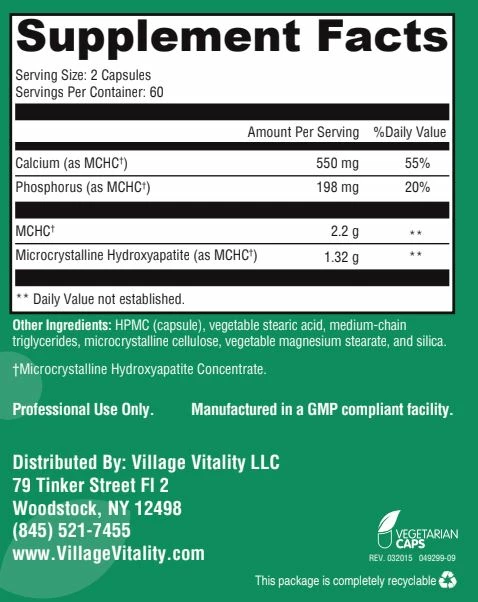
Quality assurance
Supplements are not as regulated as standard medication. Horrifying, right?
That’s why you’ll want to choose a supplement that has been tested by a third-party organization for purity, potency, and overall quality.
How Dr. Neal does it right: Our calcium hydroxyapatite supplements are third-party tested to meet quality and compliance standards. Then, because Dr. Neal is notoriously meticulous, we test it again, just so you can rest assured that your bones — and the rest of you — are well taken care of.
Dr. Neal’s Supplement Quality Standard
Our main goal, here at Woodstock Vitamins, is to bring some of the rebellious spirit of our founding town into the wellness arena. So when it comes to rules — we don’t follow them! We exceed them.
If you’ll allow us a humble brag: Our low-heat processing keeps our products fresh and locks in all the good stuff for optimal bone support. And when we say our supplements have high bioavailability, we mean it’s practically a one-way ticket to your bones. No detours, no delays.
But we don’t just want you to be healthy, we want our whole planet to be healthy, happy, and thriving.
Have you ever heard the saying, “We don’t inherit the earth from our ancestors, we borrow it from our children”?
Sustainability is crucial to our planet’s well-being and the health of future generations. That’s why we’re committed to providing products that are ethically and sustainably sourced.
Calcium & Bone Support are Vital
To boil it all down, calcium is an essential mineral for overall health and specifically, bone health — which is why it’s included in the First5. While many people don’t get enough calcium through diet alone, choosing the right calcium supplement can help bridge the gap.
Calcium hydroxyapatite has proven to be the most effective form of calcium supplement due to its inclusion of calcium, phosphorus, and magnesium.
So let’s get your bones the good stuff they need to stay strong! Meet your daily calcium goals with Woodstock Vitamins’ Calcium Hydroxyapatite supplement.
Feeling a little lost in the supplement aisle? Let’s have a chat and figure it out together! Book a free Counterside Consult to get personalized advice from an expert calcium connoisseur.
Are we really kicking off National Bone Health and Osteoporosis Prevention Month with a clickbait title? Yes, we are! Except, it’s not actually clickbait, though calcium has been a hot topic for a while now.
The mineral is popping off for good reason, as more than 40% of Americans are not meeting the requirements for calcium intake. But we’ll make no bones about it — the conversation surrounding calcium is sensationalized and lacks nuance.
Here at Woodstock Vitamins, though, we’re not ones to cower at the prospect of going against the grain, so we asked Dr. Neal to share his thoughts on the thorny matter.
Well-known wisecracker and holistic pharmacist, Dr. Neal Smoller, is our founder and resident supplement sage.
If you’re looking to win an argument about bone-building with natural health options vs. pharmaceuticals, find a different clickbait article! If you’re looking for the scientific low-down on what calcium actually does for bones and supplementation best practices — read on.
In This Article:
- What does calcium do for bones?
- Do calcium supplements actually work?
- Best calcium supplement options
- Bone support wellness practices
What Does Calcium Do for Bones?
Thanks to gaps in education and misleading marketing campaigns, most of us believe that calcium builds up our bones.
Or that taking a calcium supplement will help prevent fractures. Or both!
While calcium plays a crucial role in the skeletal system, the relationship between bones and calcium supplements isn’t so straightforward.
In reality, the process of building, strengthening, and protecting your bones is a variable one, both lengthy and multifaceted. The role that calcium supplements play in it is as such:
Calcium supplementation can slow bone density loss.
Does the distinction between something that builds bones, and that which simply slows bone density loss seem like a semantic issue?
Maybe, but it has real-world consequences, especially for those at risk for osteoporosis or osteopenia.
When we reach a calcium-deficient state, the calcium our body needs for vital functions is zapped from the bones. As a result, most people don’t see calcium deficiencies popping up on their labs; the deficiency is a slow leak from the bones outward.
So, getting an adequate amount of calcium is still an important wellness practice and daily ritual. Over the short term, low dietary calcium can contribute to bone loss.
When it comes to preventing fractures, preserving bone integrity, and reducing the pain levels of your future self, though, calcium is just one piece of the puzzle.
So, Do Calcium Supplements Actually Work?
As always, the deepest stratum of truth gives us an answer that isn’t nearly as clear-cut as we’d like it to be.
- Yes, calcium supplements — in the right forms, doses, and strategies — actually work to slow bone density loss. The effectiveness of your calcium supplementation can vary wildly though, depending on your age, the bioavailability of the product you choose, your consistency in taking it, and more.
- …No, calcium supplements don’t work for building or restoring bone loss. You’ll also be hard-pressed for tangible results if you opt for one of the cheaper, more widely available options that aren’t easily absorbed.
Learn More: Calcium Doesn’t Work?! | Dr. Neal Rants
When to Take Calcium Supplements
We use this analogy a lot when it comes to taking supplements and launching wellness practices:
“The best time to plant a tree was 20 years ago. The second best time is right now.”
It translates well in the case of calcium supplementation: The absolute best time to start preserving bone density was, probably, 20 years ago. If you’re under the age of 30, the second best time is right now.
Under the age of 30, taking a high-quality form of calcium can have a huge impact on the long-term health of your skeleton. Why? Because we, as humans, don’t actually reach peak bone mass until age 30, so bone-building practices should be in full swing from childhood to age 30.
For those who are under 30 and at risk for osteoporosis or osteopenia, that goes double.
(And hey, young folks, go tell the other young folks about this, too!)
For the older millennials and their predecessors, taking a calcium supplement is not going to offer a significant decrease in the risk of fractures, according to JAMA’s infamous 2018 meta-analysis.
By the same token, if you are over the age of 30 your doctor has, most likely, already recommended calcium supplementation. Are we saying that your doctor is wrong and that you’d be wasting money on a calcium supplement? Absolutely not.
Calcium is the most abundant mineral in the body, and taking a third-party tested, bioavailable form of calcium can support everything from your cardiovascular and nervous system to muscle function and nerve transmission.
And slow bone density loss, as you now know.
Best Calcium Supplement Options
When looking for a calcium supplement to add to your wellness strategy, the question is not, “Which calcium supplement will help me build bone?”
Rather, the inquiry should be: What form of calcium will help me maintain bone density the longest?
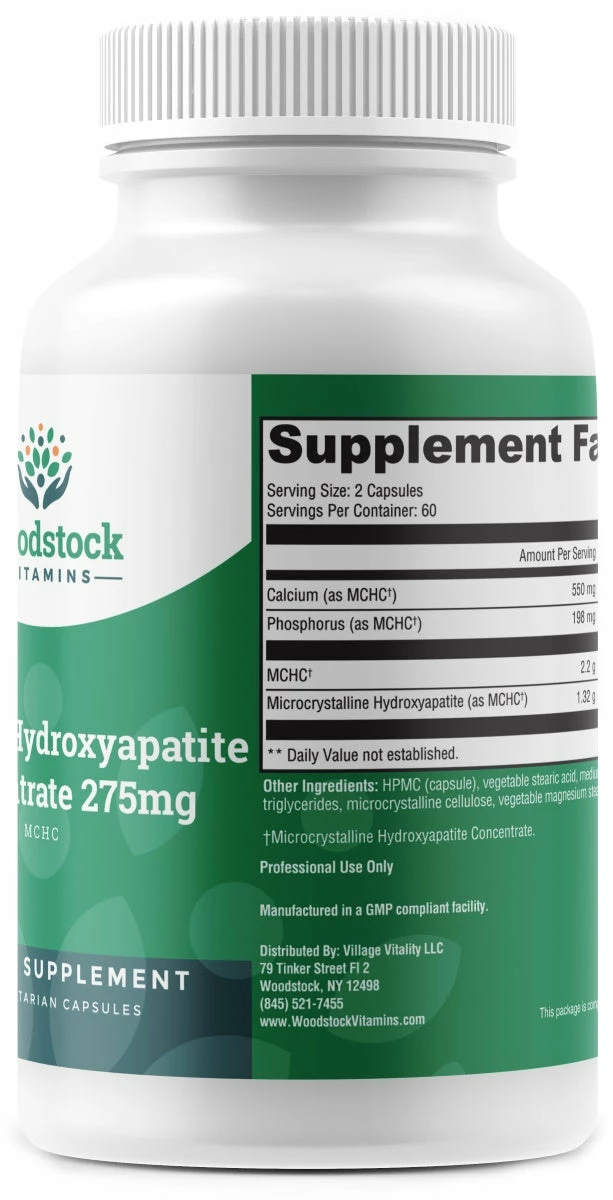

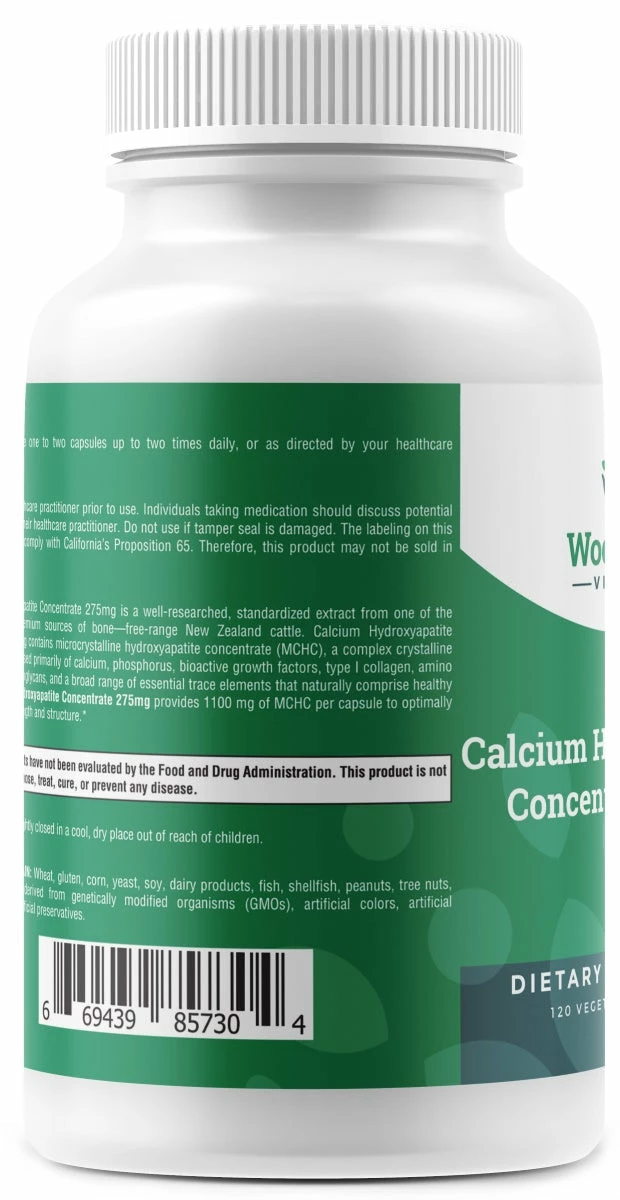
If you’re asking the latter question, one particular form of calcium stands out from the crowd of citrates and lactates.
This microcrystalline form of the mineral is the same as the one found in our bodies and causes little GI irritation compared to its competitors.
As a complete compound, calcium hydroxyapatite gets close to the bone with higher absorption rates and a multi-pronged support function. In this form, our bones take in proteins, bone components, and other minerals alongside calcium.
The result? Support for the whole bone matrix.
Pro Tip: Cheaper, lower-quality supplements like calcium carbonate might seem harmless, but poor absorption of the mineral can wreak havoc on your stomach. Calcium that sits around in the gut, rather than being properly absorbed, causes abdominal issues like constipation.
Getting the Right Dose of Calcium
If you’re hoping to politely exit the calcium-deficient club that 40% of US citizens are currently members of, then dosage should be top of mind.
Increasing your dietary calcium will only prevent bone density loss. Having a “healthy” bone density will decrease fracture risk.
-Dr. Neal Smoller
But before you take a gander at the handy chart of recommended intake levels included below, take a look at your plate!
Many of us are already receiving a portion of our recommended intake through our diets. Without factoring this in, you might end up with a dose that’s too high for your wallet and your wellness.
So when we’re trying to nail down a calcium supplement, we look for doses around 300mg – 500mg per capsule. This is lower than the recommended daily allowance, of course, because we want something that allows for user customization.
Had a lot of dairy one day? Just take one capsule. Not enough kale the next day? Take two.
The formula boils down to this: subtract your recommended daily allowance from your average dietary intake. There’s your personalized calcium dose!
Keep in mind that, for most people, 600mg of calcium is the upper limit of what your body can handle at one time. To avoid stagnant calcium in the gut, break up your intake throughout the day — i.e., one in the evening and one in the morning.
Learn More: Bone Health: Why We Always Recommend Calcium Hydroxyapatite
Bone Support Wellness Practices
Ensuring peak bone mass BEFORE the age of 30 is the single greatest thing to reduce the risk of fractures later in life.
Dr. Neal Smoller
The wellness strategies you’ll want to adopt to protect your skeletal system will depend on your unique body, history, and risk factors.
There are a few generalized tips we can share, though, that will benefit the bones of almost all people under the age of 30:
- Exercise — in the form of regular movement and weight-bearing exercise
- Improving dietary intake — through calcium-rich foods
- Supplementation — with calcium hydroxyapatite
- Minimizing risk — by avoiding smoking and reducing alcohol consumption
- Consistency — in bone-building wellness practices
- Commitment — to the long-haul process
For folks over the age of 30, or those experiencing significant bone loss, the unfortunate truth is that you might not be able to rebuild bone mass with wellness practices at this point in your life.
Fret not, though! The false dichotomy of natural wellness vs. pharmaceutical medicine is just that — false.
Wellness practices can help support health and wholeness, but when it comes to diseases like osteoporosis, prescription medications for bone density loss are what can save lives.
Celebrating National Bone Health and Osteoporosis Prevention Month
To celebrate this month of awareness — give your bones the TLC they deserve! It doesn’t matter if you’re younger and think it’s too early, or older and think it’s too late.
“The second best time is right now.”
Now that you’re fully equipped with the science behind calcium and bone building, you can start making an active effort to support the longevity of your bones.
Need more advice on how to beef up your skeleton? Don’t work your fingers to the bone researching endless options — hop on a free Counterside Consult for direct guidance.