






You’ve probably have heard a whole lot about superfoods at this point, but how super are they, really?
With all the marketing money and scientific jargon getting thrown around… It can be dang near impossible to tell fact from fiction. That’s why we’re here to cut through the clutter (as usual!) and give you some solid, simple info on superfoods. Plus, what they can do for your health.
At its most basic, a superfood is simply a nutrient-rich food that’s particularly beneficial for your health and well-being. Doesn’t sound so complicated, right?
Well, that part isn’t! Where it gets messy is determining exactly which superfoods will work best for your specific issues, as well as making sure you actually get what you’re paying for.
Read on to learn what to look for, what to look out for, and why Vital Greens & Reds, in particular, is a top-tier option to boost your baseline nutrition.
In This Article:
- First, the Simple Answer: Why Do I Need a Superfood Powder?
- Let’s Get Smart About Superfood Powders: Ingredients and Contaminants
- The Superfood Strategy: Getting the Most from Your Superfood Powder
First, the Simple Answer: Why Do I Need a Superfood Powder?
Here’s a quick review of why almost all of us would benefit from adding a superfood powder to our supplement routine. Because, despite the fact most of what you see on these superfood labels is marketing, our bodies do require a diverse range of micronutrients to thrive.
1. We’re Just Not Getting Enough Fruits and Veggies
Don’t get us wrong — it’s not personal! It’s a systemic issue: Most Americans don’t consume enough fruits and veggies.
According to the CDC, only 1 in 10 adults (so, like, 10%) are actually getting the recommended amounts of fresh fruits and veggies each day.
2. This Is a Serious Issue
Fruits, schmruits. Is it really that big of a deal if you eat fewer fruits and veggies than is recommended?
Unfortunately, the answer is a resounding yes. It is a big deal, because our bodies need micronutrients to complete the various processes and functions that keep us alive. Not getting enough nutrients from your food can lead to what Dr. Neal calls “diseases of deficiencies.”
3. Superfood Powders are Realistic Solutions
In an ideal world, we’d all have plenty of the following: Time to plan our meals, access to nutritious foods, and verified health education to help inform our choices.
But that’s not the world we live in, is it? While it’s always best to get your nutrients from whole foods, incorporating a superfood powder into your diet can be a convenient way to boost your intake of essential nutrients and support your overall health and wellness.
With Vital Greens & Reds, you can easily increase your intake of key vitamins and minerals while also closing any gaps in nutrition that may be missing from your daily meals, despite your best efforts.
Let’s Get Smart About Superfood Powders
If you’ve still got questions, keep reading! Because we’re diving right into what makes a superfood a superfood. Plus, why so many options on the market are actually just second-rate food products, not superfoods.
The key lies in the ingredients, of course!
Superfood Powder Ingredients: How Does Vital Greens & Reds Stack Up?
Sure, there’s a superfood blend on every shelf these days — but the market is flooded with questionably-sourced, poorly-formulated, and downright ineffective options.
(Think we’re joking? Do some research on the ingredients in your favorite superfood powder, and then get back to us. If it’s up to our standards, we’ll happily eat crow.)
To ensure you’re getting the best support for your health, you need carefully crafted dosages of well-chosen, bioavailabile ingredients.


This is where our Vital Greens & Reds stands out from the crowd.
While most blends contain synthetic, isolated forms of vitamins that aren’t easily utilized by the body, ours uses real food. Dr. Neal’s expert formula is packed with actual fruits and veggies like blueberries, acerola cherries, beets, and spinach — meaning each dose offers a broad spectrum of (non-GMO!) micronutrients.
Paired with gut-restoring probiotics, essential digestive enzymes, and antioxidants, Vital Greens & Reds hits all the bases for maintaining optimal nutrient levels for a whole, active life. And thanks to our strict third-party testing, our supplements are free of all impurities and thoroughly batch-tested for quality and potency.
And that’s where another key difference shows up: contaminants.
Superfood Powder Contaminants: How Does Vital Greens & Reds Stack Up?
But wait, how could something marketed as a healthy option contain distinctly not-healthy things?!
Here’s the unfortunate truth: Supplements, especially veggie-based superfood powders, often contain several common contaminants like bacteria, heavy metals, and pesticides.
Bacterial contamination, for example, can occur if the veggie powder has been harvested or stored improperly. At worst, this can lead to food-borne illnesses or allergic reactions — at best, it simply undermines any benefit you might otherwise get from your veggie blend.
Same goes for heavy metals: lead and mercury can also be found in veggie superfoods because they often remain in the soil where they were grown even if they weren’t directly added to the product.
Pesticides and herbicides, too, can contaminate veggie superfoods supplement powders if not removed during processing — and nobody wants to be eating pesticides, right?
Re: These contaminants? It should go without saying, but we’ll say it anyways. Our Vital Greens & Reds superfood powder was formulated to not only offer maximum absorption, but also to deliver results safely.
We source our superfoods from organic growers and, yes, we do actually test for heavy metals like lead and arsenic! Every bottle through strict quality control processes to ensure safety and potency. How many other brands can say that, and back up the claim too?
The Superfood Strategy: Getting the Most from Your Superfood Powder
Here’s the part where we teach you how to avoid wasting money on well-branded bunk.
When it comes to strategy, as always, we like to start with the bottom of the Wellness Pyramid, where the lifestyle domains live. Because while adding a superfood to your daily routine won’t hurt, it’s not going to make a major impact on your health without the proper foundation to support it. Sound familiar?

Sure, Vital Greens & Reds is our go-to solution for maintaining baseline nutrition in a busy world, and hits all the bases for maintaining optimal nutrient levels for a whole, active life. But it’s not magic!
Like we say again and again, you can’t out-supplement a nutritionally bankrupt lifestyle. So what can you do to boost your superfood, at the same time that it’s boosting you?
1. Diet, Diet, Diet
And to be clear, we don’t mean ‘go on a diet’ — we mean ‘be thoughtful and consistent about what you eat.’
While a superfood blend may well fill all your micronutrient gaps, it’s up to you to handle the macronutrients. We won’t go full dietician here (there’s Counterside Consults for that!), but we’ll say this: fueling up consistently with wholesome, nutrient-dense foods is absolutely necessary for building your wellness foundation.
Learn More: Mastering Holistic Nutrition: Dr. Neal’s Top 5 Diet Guidelines
2. Discernment, Discernment, Discernment
Not all superfood blends are made the same. Like we said above, many of the options you see on the shelves just aren’t up to snuff. In fact, they’re usually banking on their multimillion dollar marketing campaigns to do most of the heavy lifting.
Whether they contain contaminants, their ingredients are processed within an inch of their lives, or they simply don’t include real foods — there’s lots of ways to drop the ball. So don’t buy superfood powders willy nilly, alright?
3. Dedication, Dedication, Dedication
Okay, so, you don’t really need to become a Vital Greens & Reds evangelist to get the benefits. (We won’t stop you though!)
When we say dedication, we really mean consistency. While this won’t be new to anyone following our content, we think it bears repeating — consistency works better than perfection, every single time. It is incredibly important to be discerning, do your own research, and choose the highest-quality options available, but most important of all is sticking with it.
Even the most powerful superfood blend (like Vital Greens & Reds) will only work optimally if you give it a fair shot. And that means incorporating it into your routine in a sustainable way so you can stay the course and see results.
Recap: Supercharge Your Superfoods
If you’re looking to improve your health and feel better, but just can’t seem to eat enough fruit and vegetables, you’re not alone! That’s why the superfood market just keeps booming — on paper, they’re great sources of natural energy and micronutrients.
When it comes to the day-to-day, though, many of these options get caught lacking.
Not Vital Greens & Reds, though! We stand behind Dr. Neal’s unique superfood blend because it’s made with organic, third-party-tested ingredients and carefully formulated to give you the boost you need (and deserve!). With none of the filler or contaminants, obviously.
With our 100% plant-based formula, Vital Greens & Reds offers a jam-packed nutrient punch that’s suitable for everyone (including vegetarians and vegans) — with just one scoop a day.
If you haven’t caught wind of the magnesium hype yet, then you must be living under a rock. And a particularly mineral-deficient rock, at that!
Magnesium supplements, powders, lotions, and potions have risen in popularity in recent years. Slathered-up proponents of the nutrient claim muscle relaxation, decreased anxiety, improved sleep, and more as inevitable side effects of magnesium supplementation.
But, because you know we have to ask, where does the science stand? Have we been taking this humble mineral for granite?
To get crystal clear on magnesium, we turned to Dr. Neal. He might not be a geologist, but the down-to-earth Woodstock Vitamins founder and holistic health expert still rocked our world with his data-backed deep dive into the mineral.
So keep coal and carry on scrolling to learn everything you need to know about magnesium.
In This Article
- What is magnesium and why should we care
- Improving magnesium levels through diet
- What can magnesium supplements actually help with
- Which form of magnesium is best to supplement
What is Magnesium?
Despite its minute presence, magnesium wields significant influence over your physical and emotional well-being. Epitomizing the phrase “dynamite comes in small packages,” the micronutrient operates as a cofactor in over 300 enzymatic reactions in the body.
As an essential mineral, the presence of magnesium is required for a number of critical processes — involving everything from DNA synthesis and energy production to nerve function and muscle health. Not to mention blood glucose and blood pressure management, both of which magnesium levels will impact.
Its sway over your health extends even to the skeletal system, contributing to the structural development of bones and bone density maintenance. So while you only need it in small amounts, magnesium is responsible for some really big things.
But didn’t we say it impacts your emotional well-being, too?
We sure did.
Magnesium deficiency pops up in people with depression and anxiety at an alarming rate, but thankfully, the relationship between the mineral and mental health symptoms is a two-way street.
While chronic stress can drive down total mag levels, recent clinical trials have shown that supplementing the mineral can have promising effects on — if not rapid recovery from — a range of mental health experiences, depression and anxiety being the most notable.
Even treatment-resistant depression, which affects 60% of people with clinical depression, is meeting its match in magnesium supplementation.
Can I Improve Magnesium Levels Through Diet?
So, without enough mag from our diet, we’re not only risking exacerbated symptoms of depression and anxiety but also other uncomfy things like muscle cramps and fatigue in the short term. The long-term damage of magnesium deficiency is no walk in the park either, as it can increase our risk of diabetes and heart disease with severe deficiencies leading to seizures.
But wait, here’s the kicker: According to the National Institute of Health (NIH), about 50% of adults in the US don’t get the recommended daily amount of magnesium from dietary sources.
Our starting point, then, is magnesium-rich foods. Before you dive headfirst into the magnesium supplement section below, try eating more of these nutrient-dense foods with relatively high mag levels.
Food Sources of Magnesium
- Leafy green vegetables
- Spinach = 157 mg, cooked
- Kale = 47 mg per cup, cooked
- Nuts and seeds
- Almonds = 80 mg per ounce
- Cashews = 74 mg per ounce
- Pumpkin = 168 mg per ounce
- Beans and legumes
- Black beans = 120 mg, cooked
- Kidney beans = 70 mg, cooked
- Fish
- Halibut = 90 mg per 3 ounces
- Salmon = 26 mg per 3 ounces
This list might seem incomplete compared to what you’ll find on Google, but we left off two common answers for two simple reasons.
First, is fortified grains.
Often touted as an excellent source of mag and other artificially added nutrients, fortified grains lack the critical micronutrients that are found alongside these nutrients in natural sources.
Thanks to the heavy processing of fortified grains, only 16% of the natural magnesium found in whole wheat remains in the flour, and the magnesium added to bolster the nutrient density is typically isolated and synthetic.
The other food group missing from this list is dairy products, which do contain high levels of magnesium naturally. Unfortunately, they also contain a lot of calcium, which can block magnesium absorption.
Translation? Your best bets for increasing magnesium levels through diet while boosting your overall health are leafy greens, nuts and seeds, and the other healthy foods in the list above.
What Can Magnesium Supplements Actually Help With?
Even with that handy list, though, we can still fall short of our recommended magnesium levels.
Whether it’s due to fluctuating eating habits, increasingly less nutritious foods, or even leaky gut, there are plenty of distinctly human shortcomings that make magnesium supplementation crucial. So while you should still up your intake of spinach and legumes, you don’t have to eat your greens with fingers crossed.
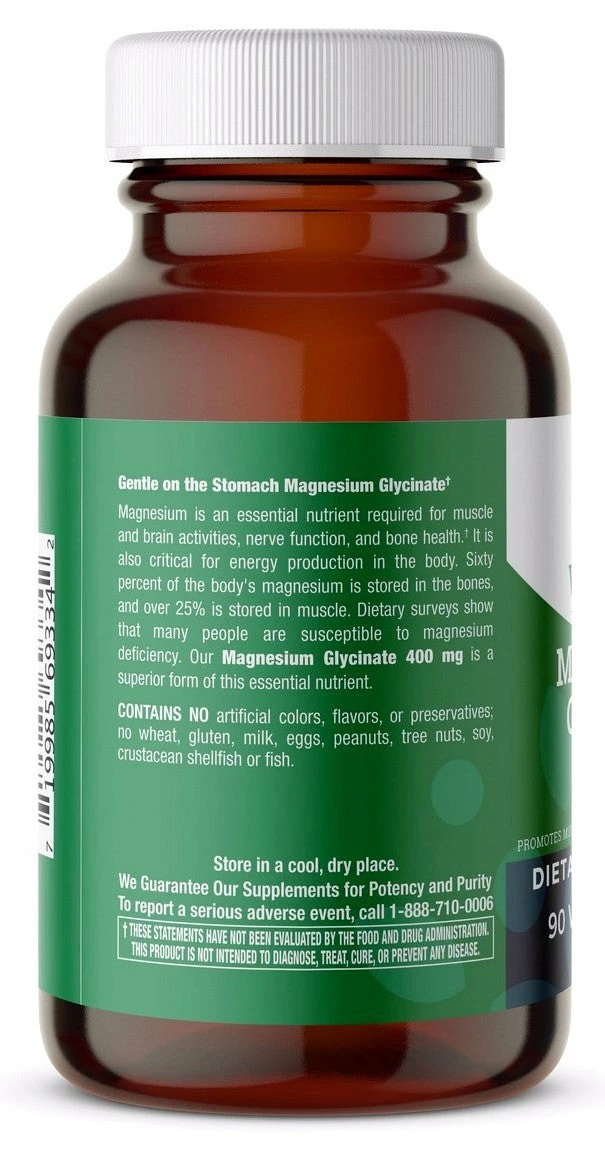

Magnesium supplements litter the aisles of just about every health foods store in the country — they’re accessible, typically affordable, and can be really helpful for deficiency-related symptoms if taken appropriately.
What are those symptoms, you may ask? The most notable ones include:
- Chronic fatigue or low energy levels: Magnesium plays a role in the production of ATP (adenosine triphosphate), which is the main source of energy for the body’s cells.
- Muscle cramps or spasms: Magnesium helps regulate muscle contractions, so if you experience frequent cramps or spasms, it could be a sign that you are not getting enough of this mineral.
- Headaches: Magnesium helps regulate neurotransmitters that play a role in the development of certain types of headaches.
- Depression or anxiety: Magnesium has been shown to have an antidepressant effect, and low levels of this mineral have been linked to an increased risk of depression and anxiety.
- Poor appetite: Magnesium is involved in the absorption of nutrients, so if you have a poor appetite or difficulty absorbing nutrients, it could be related to magnesium deficiency.
- Inflammation: Magnesium has anti-inflammatory properties, and low levels of this mineral have been linked to an increased risk of chronic inflammation and related diseases such as diabetes and heart disease.
- Insomnia: Magnesium helps regulate sleep patterns, so if you have difficulty falling or staying asleep, it could be a sign that you are not getting enough of this mineral.
Which Magnesium Supplement Should I Take?
If you’re sleepy, sleepless, or suffering from spasms, magnesium might just be the key to alleviating your symptoms naturally while also addressing root causes.
But it all depends on what kind of magnesium you take because not all forms of the mineral stack up against all issues. The most common forms of magnesium you’ll find include magnesium sulfate (Epsom salts), magnesium citrate (another salt), and magnesium glycinate (a chelated version of the mineral).
Most wellness experts will recommend chelated forms of magnesium if they know their stuff because chelates have better solubility than salt forms. This means chelated magnesium can more easily penetrate cell membranes where it interacts with proteins, enzymes, hormones, and cells to aid in their functioning.
In general, salt forms like magnesium oxide or magnesium citrate have very poor absorption. Like, VERY poor. About 5% of magnesium from mg oxide can get into the blood, and 95% of it stays in the gut.
Dr. Neal Smoller
Every once in a while, though, you might want a form of magnesium that sits around in your gut. You could be constipated, in which case a salt form like mag oxide works just fine for getting the bowels moving.
Most of us, however, want to experience the relaxing and restorative benefits of magnesium, so we want as much of the mineral hitting our bloodstreams as possible. So we turn to chelates, like magnesium glycinate, taurate, malate, or — if we want the absolute best — bisglycinate.


Magnesium bisglycinate is a chelated mag that is bound to not just one, but two glycinate amino acid molecules. With two bonded amino acids, this particular form of magnesium attracts way less water and absorbs way more efficiently.
Learn More: Understanding The Different Types of Magnesium Supplements
Magnesium the Mineral Marvel
Did you have a sneaking suspicion, at the beginning of this blog, that we were the slathered-up proponents of all things magnesium? Well then, let it be confirmed: We’re maniacs about maintaining healthy mag levels.
So whether you’re new to the magnesium bandwagon or are a long-time rider of the mineral train, give us a call! Our supplement experts and magnesium masters are always available (via our free Counterside Consults) to talk about the intricacies of your mag journey. From supplement forms and deficiency symptoms to medication interactions — we can explore it all, together.
Tired of feeling bloated, gassy, and overall uncomfortable after meals? Got a gut feeling that it’s time to take your digestive health to the next level?
Well then, fellow wellness fanatic, you’re in luck!
Dr. Neal, Woodstock Vitamins founder and holistic pharmacist of 20 years, recently revealed his go-to, non-pharma tool for combatting tummy troubles. This dietary supplement is an unlikely hero, restoring gut linings and maintaining a healthy immune system all in one fell swoop.
Don’t worry, you won’t be biting off more than you can chew, either.
It’s not accompanied by a juice cleanse or water fast or elimination diet that would make your toes curl. Just four capsules, or a splash of powder depending on your preference, of this supplement per day can put you and your gut back on the path to health and wholeness.
We all deserve to enjoy eating without the fear of belly backlash, so without further ado…
In This Article:
- SBI Protect: What it is and why it’s special
- What are immunoglobulins? How do immunoglobulins help the gut?
- Why we’re obsessed with SBI Protect in particular
- What SBI Protect can do for your health
SBI Protect: What It Is and Why It’s Special
Meet your new best friend: SBI Protect.
SBI Protect — created by Ortho Molecular Products — is a dairy-free supplement that contains serum-derived bovine immunoglobulin concentrate (SBIC) powder.

What’s so special about SBIC powder, you might ask?
Well, it’s a concentrated source of essential immunoglobulins that bolster the barrier of your gut and promote a healthy balance of microbes in there as well. And the best part? SBI Protect has been shown to alleviate common GI challenges like bloating and gas, while also reducing inflammation throughout the body.
Bye-bye, bloat! You will not be missed.
SBI Protect targets the gut, but by now you should know that at Woodstock Vitamins, we’re all about the whole picture of your health. We take a holistic approach, and we recommend supplements that do the same.
This supplement supports both your intestines and your immune system in a two-birds-one-stone clearing and strengthening function via those handy little immunoglobulins.
Learn More: Ortho Molecular Products | Dr. Neal’s Brand Review
What Are Immunoglobulins?
Immunoglobulins (IGs) are Y-shaped antibodies, or proteins, that play a critical role in supporting a healthy immune system.
These proteins work to surround and deactivate harmful pathogens, preventing them from interacting with our body and allowing our immune system to attack them.
In the gut, IGs help to reduce the presence of problematic compounds and microbes. This gives your gut environment a chance to regroup, clean up, and thrive.
Tiny but critical, IGs are important for all of us, but especially for newborns. Babies typically receive IGs through milk and rely on them as their first line of defense for their developing immune systems.
Before you reach for the gallon of skim, know that processed dairy milk rarely provides exposure to IGs. Plus, as our lactose-intolerant friends will happily remind us — this is not an accessible lifestyle choice for everyone.
How Do Immunoglobulins Help the Gut?
In the context of gut health, IGs play a vital role in kicking out harmful compounds and microbes in the intestines, helping promote a healthy and thriving internal environment.
Essentially, immunoglobulins bind to toxins in the gut and help flush them from your system before your body is triggered by the irritants.
SBI Protect contains serum-derived bovine immunoglobulin G, which is a purified and concentrated source of IGs that restores strength and reduces permeability in the gut barrier.
So, when you take SBI Protect, you’re removing harmful microbes and toxic compounds while also supporting the long-term health of your gut lining.
The result? Relief from common gastrointestinal problems and a path forward to wellness.
Why We’re Obsessed with SBI Protect
We might joke around, push buttons, and say the unsaid things here at Woodstock Vitamins, but when it comes to product selection… We don’t mess around.
Because, well, finding trustworthy supplements is already overwhelming!
So we don’t mind burning the midnight oil if it means each brand and product we carry meets our meticulously defined standards for quality, safety, and efficacy.
That’s why SBI Protect from Ortho Molecular Products (OMP) made the cut. Not only is OMP a venerated and well-trusted brand, but SBI Protect is a top-tier supplement with strong scientific backing:
- Bovine IGs bind to inflammatory compounds, preventing immune activation
- IGs survive the digestive system, mitigate damage caused by toxins
- Serum-derived bovine IGs offer significant improvements to those with irritable bowel syndrome
(Want to learn more about our tightly-run ship? The Supplement Quality Standard is our framework for choosing and crafting supplements that work for your wellness, your wallet, and the world.)
What SBI Protect Can Do for Your Health
Taking SBI Protect as part of your daily routine can provide numerous benefits to your digestive and overall health:
- Enhanced mucosal immunity and balanced microbial populations
- Alleviated GI challenges like bloating, gas, and diarrhea
- Improved guy barrier health and integrity
- Fewer harmful toxins and bacteria entering the bloodstream
Plus, patients with illnesses like irritable bowel syndrome (IBS), Crohn’s disease, and ulcerative colitis have reported positive outcomes after using SBI Protect regularly.
These perks didn’t make the list above, but some patients have even reported improvements in their skin and overall energy levels. Who doesn’t want that?!
While results may vary from person to person, the scientific evidence supporting the benefits of SBI Protect is strong and promising.
Getting Started with Immunoglobulins for Gut Health
When you’re ready to test the SBI Protect waters, we recommend gradually working your way up to the recommended dose — one scoop, twice a day. Start with one scoop once per day, or half a scoop once per day if you’re especially sensitive to new supplements.
You can take SBI Protect with or without food but don’t forget to incorporate other wellness practices to support your gut. Pair your vitamin routine with good gut health habits like:
- Staying hydrated
- Getting enough fiber
- Incorporating probiotics
- Lowering stress
- Improving sleep quality
And, if you want to go far into your gut healing journey, work to identify and avoid foods that trigger digestive issues for you in particular.
However, if you’re still experiencing persistent GI issues after beefing up your whole-food intake, tailoring your lifestyle domains, and creating a strategy for your current supplements… SBI Protect is the next step!
With SBI Protect and a holistic approach to gut health, you’ll be well on your way to a happier, healthier gut.

Can’t stomach the thought of a solo wellness journey? No problem — we always recommend consulting with a healthcare professional before starting any new supplement regimen.
Hop on a Counterside Consult to get the bellyaching out of your system, and craft a personalized supplement strategy!
Magnesium is all the rage these days.
Whether on the advice of a trusted professional, the recommendation of a friend, or on the strength of really effective marketing, people all across the country are happily and confidently using magnesium supplements.
The problem is most of those magnesium supplements are failing them in a big way. Ineffective nutrient forms, bogus prices, falsified benefits, and potential side effects can afflict even the most popular, well-branded magnesium supplements.
What’s a wellness seeker to do?
Keep reading, and we’ll uncover the crucial differences of common magnesium supplements so you can find the mag that will actually work for you.
In This Article
- Why magnesium oxide is not a good supplement option
- Magnesium forms and absorption rates
- The best form of magnesium supplement available
- Our top recommendations for magnesium supplements
The Most Popular Magnesium Shouldn’t Be: Magnesium Oxide
No, magnesium oxide is NOT a “good” magnesium supplement.
- It’s the most sold magnesium, sea to shining sea, despite better options being available.
- It’s the one most conventional doctors will tell you to take, despite the science.
- It’s the one found in most “high-end” magnesium supplements, despite the ingredient being dirt cheap.
To understand our general distaste (literally and metaphorically) for magnesium oxide (and its ilk), we have to understand more about the “forms” of magnesium.
Learn More: Making Magnesium Supplements Easy | Dr. Neal Smoller
What is a “Form” of Magnesium?
Magnesium is a mineral. Minerals do not exist freely in nature. That is, you can’t buy bottled magnesium.
Minerals must be stuck to something else to be chemically stable. You can buy a bottle of magnesium oxide, magnesium malate, or magnesium citrate.
When we talk about the different types of magnesium, we really mean the “form,” as in “salt form” or “chelate form.”
Here are examples of popular magnesium types (or forms):

What a mineral is stuck to will influence a number of its properties, but in particular two important ones:
- The amount of the mineral you get at one time (the amount per capsule, for example).
- How much of that dose gets into the blood, and how much stays in the gut.
Magnesium Absorption, Explained
If you read any article ranking high in Google, they’ll tell you all magnesium is “easily absorbed by the gut.” Not true.
In general, salt forms like magnesium oxide or magnesium citrate have very poor absorption. Like, VERY poor. About 5% of magnesium from mag oxide or citrate get into the blood, and 95% of it stays in the gut.
If you want your magnesium in your gut, magnesium oxide or citrate are FANTASTIC.
Most of us don’t, though.
When magnesium is in the gut, it causes water to rush into the colon, resulting in faster, more watery bowel movements.
If you’re constipated, magnesium is a fine option. Note: fine, not optimal.
When magnesium is “stuck” to a larger compound, such as an amino acid—the building blocks of proteins—the amount absorbed goes WAY up.
We’re talking nearly half, or more, gets absorbed. Which is about 10x more than magnesium oxide.
You get WAY more absorption with the chelate, and way more magnesium in places you actually need it.
Note: You can get GI side effects like diarrhea from all forms of magnesium if you consume too much of it!
What’s the Best Form of Magnesium?
Technically, this is a trick question. Which form is the best form of magnesium depends on what you’re using the magnesium for.
Here’s how you simplify it:
- If you’re looking to support your digestive tract (usually to increase bowel movement frequency or change the consistency), citrate or oxide are the ideal forms of magnesium
- If you’re looking for any benefit outside of your GI tract, the chelate form is best.

Electrolytes: The Exception
Electrolytes are a small exception to the rule “chelates are preferred for supplementation.”
We generally prefer magnesium citrate, a magnesium salt, in electrolyte mixes because:
- The amount of magnesium needed for electrolyte replacement is much lower than needed for nutritional supplementation.
- Since the dose is lower, you’ll be less likely to trigger GI events with magnesium citrate in a simple electrolyte formula.
- The citrate form is very water-soluble, which makes it great for rehydration formulas.
- Citric acid (citrate of magnesium citrate) itself is a weak electrolyte.
Why “Calm”-ing Magnesium Products are Misleading
This is a Supplement Facts Panel for a VERY popular “Calm” product sold in gummy form:

We can see that the main form is magnesium citrate. As we said, at less than 10% absorption, that’s a fantastic laxative.
Most “calm” or relaxation powders are simply magnesium in their least absorbable forms. Excellent for constipation. Bad for sleep.
Woodstock Vitamins Magnesium Options
We have a comprehensive lineup of magnesium supplements to meet any use case you may have.
Easy Magnesium
Our heavy hitter is Easy Magnesium. It’s magnesium bisglycinate, which is magnesium bound to not 1, but 2 amino acids (that are both glycinate molecules). It delivers 125mg of elemental magnesium per capsule and has some of the best absorption of all magnesium options.


We have Easy Magnesium in powder form, and we call it Easy Mag Plus. This has a cocktail of magnesium chelates, including l-threonate and malate. It is available in a flavorless formula and mixed berry flavor!
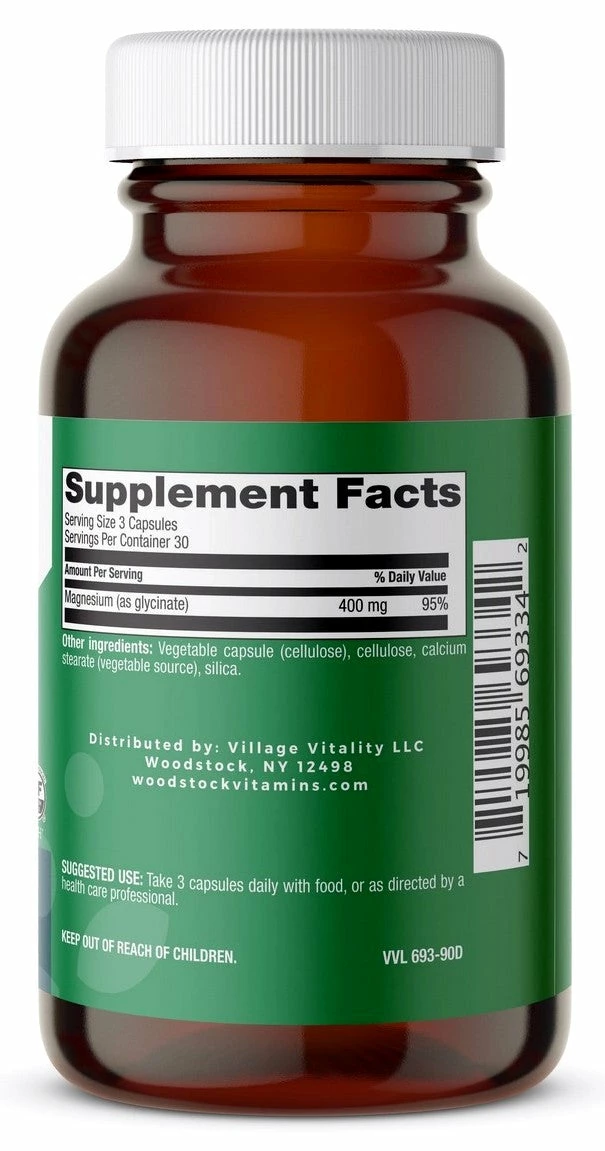
Magnesium Glycinate
Magnesium Glycinate is our number 2 choice for magnesium supplementation. Slightly different than Easy Magnesium, with slightly less absorption, but not a noticeable amount.
The biggest difference is how the product is labeled; to get the 400mg on the label, you need a full serving size, which is 3 capsules. It’s a tad confusing, and that’s what makes it our second choice.
Mega Magnesium
If you look at this Supplement Facts Panel, you might wonder why we recommend Mega Magnesium as our third-best magnesium.

This is a chelate magnesium with a twist. If you look carefully, it has magnesium citrate in its magnesium blend, meaning you will receive a small (but not negligible) dose of magnesium citrate.
Some people WANT both a gentle nudge to the gut AND absorption into the blood, so this product satisfies both. We recommend it really only in that situation.
Magnesium Citrate
For folks who are looking for Digestive Support, we recommend our Magnesium Citrate. Alternatively, our GI Regularity product is magnesium citrate with Triphala and aloe for total digestive support.
Magnesium Potassium Citrate
If you’re in need of a solid electrolyte formula, look no further than Magnesium Potassium Citrate.
What does Woodstock Vitamins Recommend for Magnesium?
Since there are different reasons to use the different forms of magnesium, we have recommendations that match your unique, specific needs.
For optimal magnesium levels, sleep support, calming and relaxation effects, and more: Easy Magnesium (Magnesium Glycinate as 2nd choice)
Digestive support: GI Regularity
And for electrolyte support: Magnesium Potassium Citrate