







March has become something of an unofficial Mental Health Month around these parts — have you noticed?
We’re well aware of the fact that May is supposed to be the month when we all spend some time thinking about mental illness and mental health difficulties, but let’s be real. May has wildflowers and sunshine, gentle rains and buzzing bees, and the promise of family vacations on the horizon.
The most important time to learn new coping strategies and self-care tools is, if you ask us, right now. In the final, gloomy dregs of winter, when the blackened snow slush in your boot or in the hood of your puffer coat threatens a full-blown meltdown in the middle of the street.
Now is when depression, anxiety, and stress reign supreme.
Stress, while less of a buzzword currently, plays a major role in overall wellness and quality of life. It can affect our perception of the world, our physical health, and our experience of reality.
We didn’t mention stress management in our recent blog on using the Wellness Pyramid to better your mental health… But not because it’s not important. It’s actually so important that it’s getting its own dang post, maybe even two.
So read on, stress survivors! You’ll learn how Dr. Neal and his clinical psychologist friends condense this massive, messy topic into manageable pieces for a mindful, meaningful life.
In This Article:
- Understanding the history and effects of stress
- How stress affects physical health
- Using the Wellness Pyramid to deal with stress
- Stress management practices that actually work
Understanding Stress: Why Do We Experience Stress?
If you’re able to read this blog, then we’re willing to bet you’ve experienced stress firsthand already. But in case you’ve lived in a vacuum-sealed bubble all your life, stress is a “state of worry or mental tension caused by a difficult situation,” according to the World Health Organization.
Our experience of stress, like depression and anxiety, happens on a spectrum.
It can show up as the constant, low-level stress of being overly productive. Or it can show up as acute points — with long-lasting ramifications — like the stress of losing a loved one or experiencing trauma. What unites these seemingly disparate units of stress is us humans. We all have stress and we all live through or with stress.
Stress is an inherent part of being human because, for much of our evolution, it was the reason our species survived. The stress of finding food and not becoming food were key concerns for early humans. Hence, the stress responses in our bodies, like elevated heart rate and shortened breaths, were useful in those situations.
While you can technically still get chased by a lion, tiger, or bear in our modern world, there aren’t many contemporary experiences that benefit from choppy breathing, digestive shutdown, or heightened blood pressure.
Hence why stress has become one of the most fierce adversaries of holistic, or whole-person, wellness.
How Stress Affects Our Physical Health
And no, it’s not all in your head.
Despite the prevailing stigmas surrounding mental health and long-held beliefs about how wellness works, your brain and your body are not separate. Nowhere else is this simple fact more apparent than in our body’s responses to what our brains perceive as stress.
When we enter into a stressful situation, or a situation suddenly becomes stressful, a number of things start to happen under the surface of our skin. Remember the elevated heart rate and shortened breaths we mentioned? Those consequences of stress are joined by a few others:
- Stimulated HPA (hypothalamus-pituitary-adrenal) axis
- Activation of the sympathetic nervous system (AKA the fight-or-flight response)
- Increased cortisol levels — up to 9x higher than the average
- Elevated blood pressure, which can cause hypertension over time
- High blood sugar levels, which can lead to insulin resistance and diabetes
- Disrupted sleep patterns
- Alterations of the gut-brain axis, which can lead to IBS and other GI diseases
- Impacted thyroid function and hormone signaling
- Promotion of cancer cells, cancer growth, and/or progression of cancer
- Changes in limbic brain structures, affecting cognitive abilities and mental health
Stress is, ultimately, not something to be trifled with.
Whether you’re actively conscious of it or not, stress affects your physical and mental health. That’s why it plays such a huge role in overall well-being and why it has a firm place at the base of the Wellness Pyramid.
Learn More: 4 Mental Health Myths Debunked: Understanding the American Mental Health Crisis
How Do We Deal with Stress? Like Actually Deal with It?
“We enter life very ill-prepared for its stressors and demands.”
-Dr. Lawrence Dresdale
But let’s get one thing clear: Stress isn’t actually the bad guy.
As seen in our brief review of the evolutionary function of stress, it’s actually quite important for our survival. It’s when stress becomes chronic that we experience its serious side effects in our bodies and lives.
Stress so often becomes a routine feature of everyday life because we aren’t taught, at any point, how to handle it. Our education systems are centered on creating effective workers, not well-rounded, fulfilled adults.
And so when we reach adulthood we’re equipped with only the Pythagorean theorem and a few nascent coping mechanisms that can bloom into full-blown disorders if left unattended.
We learn, on our own, to “deal” with stress through activities like drinking and doom-scrolling.
Or being overly productive, taking out our feelings on others, or withdrawing from social support — you take your pick based on which unhealed wounds are lingering from your childhood.
The first step to managing stress, then, is to acknowledge how woefully empty our mental health toolboxes are. After doing that and offering ourselves a little compassion, the next step is to look at the whole picture of health and how stress fits in.
Learn More: Stress Management Part 2: Overcoming Barriers to Regular Practice
Stress Management in the Wellness Pyramid
Wanna know the coolest part about the Wellness Pyramid?
It’s not that it breaks down something as complicated as genuine, long-term health into an accessible framework that can be easily integrated and adapted to fit any lifestyle. And it’s not that it’s backed by scientific research and clinical data.
These are all pretty cool things for us health nerds, but the absolute coolest part is that each area of the 5 lifestyle domains influences and supports the others — like how exercise can improve your sleep.
Or how removing endocrine disruptors from your home via environmental changes can improve gut health and therefore nutrient absorption from your dietary choices.
And when it comes to stress, the relationship is the same:
- Improved nutrient intake lowers stress scores
- Exercise drives down stress levels, bolsters brain resilience
- Daily sleep quality significantly affects mental health and mood
- 80% of endocrine-disrupting chemicals also disrupt the nervous system (so take them out of your home!)
But for some members of our stressed-out society, working with diet, exercise, sleep, and lifestyle changes might seem totally out of reach.
If that’s you, then starting with stress management techniques might be helpful. Driving down levels of overwhelm can free up mental space and physical energy, which could make it easier to create sustainable change in the lifestyle domains.
Learn More: Holistic Mental Health: Wellness Practices for Depression, Anxiety, and More
3 Stress Management Techniques We Stand By
Yep, we’re talking about the three dreaded M-words: Mindfulness, meditation, and mbreathwork.
But drop your preconceived notions about these popular terms at the door. Today, we’re looking at just the science behind these practices — if and how they can pull you out of a soul-sucking stress hole.
MEDITATION
In a 2014 meta-analysis that reviewed 47 trials with over 3,000 patients, findings showed that mindfulness meditation programs had moderate evidence to benefit anxiety, depression, and pain. There was also low evidence — but evidence still! — to improve stress and mental health.
And that was 10 years ago.
In 2020, another systematic review was conducted, comparing the results of several studies and chiming in to confirm that meditation reduced suicidal behavior — which is considered an abnormal response to stress.
Even further, another meta-analysis reviewed 19 trials to confirm that yoga and meditation both have positive results on Post-Traumatic Stress Disorder.
With the help of special tools created to measure brain electrical activity, we now know that meditation does create tangible differences in the physical brain. Specifically, the activation was seen in the left-sided anterior, an area associated with positive effects.
So it should come as no surprise that, in this modern trial, participants practiced meditation and reported improved mood symptoms — plus better sleep and focus, too.
Say what you will about the self-proclaimed shamans charging $777 for their meditation courses, master classes, and mindful “containers,” but they’re onto something.
Just remember that meditation only costs $000 and you can do it anywhere. You can even meditate while walking, stretching, or lying down if the traditional butt-on-a-mat method doesn’t work for you.
MINDFULNESS
Contrary to popular belief, mindfulness and meditation are not the same thing.
The two terms are often grouped together, which leads skeptical folks to throw the baby out with the bathwater. But mindfulness can be integrated through a moment-to-moment approach, which might work better for the meditation-averse or those convinced they have no time to sit down and meditate.
And there’s science to back up mindfulness too — best believe.
In this particularly fascinating review of empirical data, researchers found a direct correlation between mindfulness practices and a number of psychological benefits. To the tune of: reduced symptoms and emotional reactivity alongside improved well-being and behavioral regulation.
Another review from 2020, which aimed to update the current understanding of how mindfulness-based stress reduction practices (MBSR) benefit workers, showed that using MBSR effectively reduced the experiences of anxiety, depression, and stress in healthcare professionals.
And it helps younger folks too! This unique pilot study revealed that MBSR practices, when integrated into schools, benefit students by facilitating significant improvements in self-reported regulation, stress, and school-specific interpersonal problems.
So maybe it’s finally time to crack open that dust-covered copy of The Power of Now that your hippie aunt gave you years ago, yeah?
Learn More: Meditation vs Mindfulness — Common Misconceptions
BREATHWORK
As a staple of Ayurvedic health practices, breathwork has been used as a powerful tool for self-regulation for thousands of years. And, thankfully, modern science is finally catching up!
Called pranayama in the Ayurvedic tradition, integrated breathing patterns have been shown by contemporary clinical research to increase feelings of comfort, relaxation, and alertness while decreasing symptoms of anxiety, agitation, depression, and anger.
In this particular study, participants took less than 10 breaths per minute, a drastic reduction from our typical 20-a-minute average.
The effects weren’t limited to the psychological realm in this research either.
The deliberate, controlled breathing techniques resulted in measurable changes in autonomic and central nervous system activity, and other EEG studies have shown an increase in alpha brain waves as an outcome of the practice.
Which makes sense. Think back to the last time you got cut off in traffic and felt angry or agitated — what happened to your breath in that moment? We’d bet good money that, as a result of your emotional state, your breathing shortened and became more erratic.
With pranayama, we can reverse-engineer this relationship between the breath and our moods.
Need more proof? A 2023 meta-analysis of randomized controlled trials with 785 adult participants revealed, quite clearly, that breathwork practices are associated with lower levels of stress.
Breathwork might be the best option for you if the stillness or presence of meditation and mindfulness makes you feel like your skin is crawling. By focusing on a specific breathing pattern, you can both occupy your brain and feel tangible, physical results in one fell swoop.
Take a Breather
Our goal here is to share education and data-backed tools for living your best life, but if you need a moment to catch your breath after this stress management science symposium, we don’t blame you.
Take a beat to relax, reconnect with reality, and review your sources of stress. What can go? What practices will work for you, specifically?
And when you’re ready to move forward, give us a call. Our holistic health experts are on standby, ready to talk about your unique journey to a less stressful life via our Counterside Consults.
Are there, and this is not a rhetorical question, people alive in modern America who aren’t depressed?
Despite having no real-world evidence to support this claim, we’ve heard they exist. So if you are one of the rare ones with a pleasantly placid nature (or even, heaven forbid, a zest for life)… Then please move along.
This blog is not for the elated elite, it’s for the masses — the 99% of us contemporary humans living through unprecedented times and uncomfortable or else debilitating depression.
Now that those mythical creatures have gone on their merry way, let’s get down to business.
For people with depression — be it in swings, slogs, or slow-burning smolders — the light at the end of the tunnel can, at times, seem bleak and out of reach. Our options, as told by the mainstream, are medication or meditation, both of which are inaccessible to many sufferers.
Is there a middle path? Are there things we can do to alleviate depression without health insurance or heaps of external support?
We took these humble inquiries to Dr. Neal, our resident Wellness Wizard who has, himself, experienced mental health difficulties. (Celebrities — they’re just like us.) His answers, while backed by clinical research and cutting-edge science, might still surprise even the most jaded members of our community.
Turns out, there are nutritional deficiencies that can cause or exacerbate symptoms of depression, and we can address them through supplementation and lifestyle changes. All that and more waits below, so read on, fellow doom-scroller.
In This Article:
- What to do before taking supplements for depression
- Vitamin D and its role in mental health balance
- B vitamins for depression
- One critical mineral you might be missing
The Wellness Pyramid for Depression: Started at the Bottom, Now We’re Here (Still at the Bottom)
But wait! Before we dive into the depths of depression and the supplements that can be our buoys, we’d be remiss not to recap our recent blog on wellness practices for mental health.
Because supplements can support a balanced brain, but they work best when they’re supplementing an otherwise healthy lifestyle. (See? It’s even in the name.) Diet, exercise, sleep, stress management, and our external environment all affect our personal experiences of life — physical and emotional alike.

No amount of vitamin D or Prozac can pull you out of a depressive slump if you’re not drinking enough water. Or sleeping well, exercising regularly, managing your stress levels, and eating nutrient-dense food.
Point blank.
So we start at the bottom of the Wellness Pyramid, working with the lifestyle factors that are within our control. Before we shell out our cold, hard cash for quick fixes and so-called miracle cures.
We might be depressed, but thanks to modern science, we’re not easily swindled anymore.
Learn More: Supplements for Anxiety: Do They Work?
How Do Supplements Affect Mental Health?
Once we’ve optimized the five lifestyle domains that make up the foundation of our overall health and wellness, then and only then do we move on to strategic supplementation. But before we start taking horse pills and black-market herbs, it’s also important to understand how supplements can magically improve mental health.
Or more accurately, the fact that they don’t.
Supplements aren’t any more one-a-day miracles than SSRIs. They don’t perform witchcraft or wizardry in your body, despite what the charlatans of the natural health industry might tout.
On the contrary, supplements simply fill nutritional gaps. It’s the nutritional gaps, or lack of adequate nutrient intake, that affect our mental health. Because our bodies need nutrients to survive, let alone thrive, and without them, functioning declines.
So, when our bodies are low, our brains are too. And that, friends, is because the distinctly Western dichotomy between mental and physical health is entirely false. Supplements can address those nutritional gaps, or prevent them from forming in the first place. But they aren’t inherently enchanted capsules.
They’re our modern-day solution for the modern-day issues that cause nutritional deficiencies. (À la nutritionally bankrupt food or things that deplete nutrient levels, like poor sleep, constant stress, and some medications.)
Learn More: 4 Mental Health Myths Debunked: Understanding the American Mental Health Crisis
3 Supplements for Depression That Are Backed by Science
Now you’ve been properly disillusioned! So here’s the low-down on 3 nutritional deficiencies that can cause or complicate depression. Plus, the very best, bioavailable supplements to up your intake.
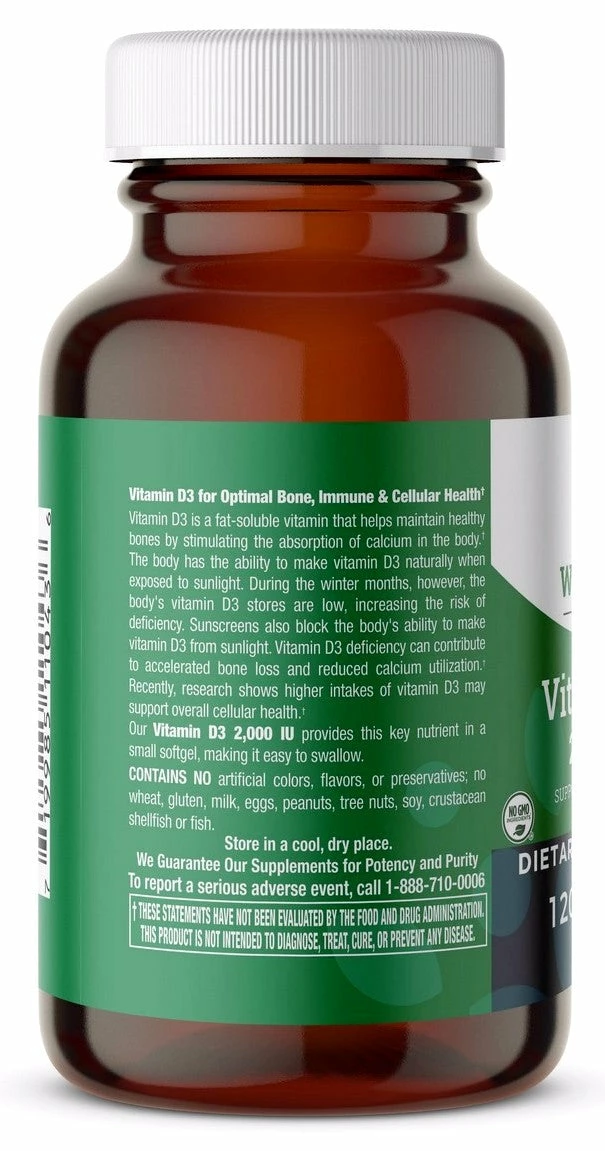
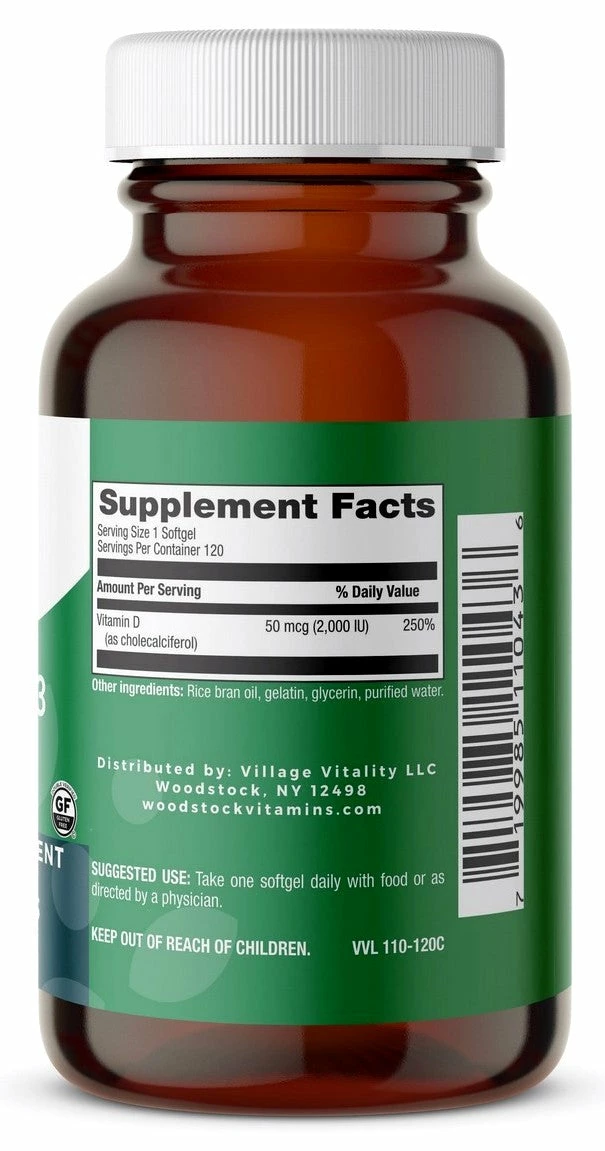
1. Vitamin D and Depression
- Recommended Form: D3, or cholecalciferol
- Recommended Dose: 1,000-2,000 IU per day
How’s this for a terrifying statistic? 95% of Americans are deficient in vitamin D, according to a recent exploration from the National Health and Nutrition Examination Survey committee.
People with depression typically have lower serum vitamin D levels, as recent clinical research says. And the people with the lowest levels have the highest risk for depressive symptoms.
Additionally, vitamin D deficiency in adults has been linked to the presence of active mood disorders, while prenatal deficiencies are associated with an increased risk of developing both ADHD and schizophrenia.
But we’re talking about depression in this blog, so let’s take a look at the two-way street that is the relationship between vitamin D and the emotional pits of despair.

We know that having low levels of vitamin D means you’re more likely to experience depression. However, studies on the efficacy of using vitamin D as a treatment option are still considered scattered, despite this clear connection between low serum levels and depressive symptoms.
One that has gained notoriety in recent years is this one that showed how vitamin D supplementation positively impacted symptoms of depression. And there’s this one, in which a significant improvement in well-being over time was found following vitamin D supplementation.
So while there’s a slim chance that you’re one of the 5% of Americans who aren’t deficient in vitamin D, why risk it?
Learn More: Vitamin D: Sunshine Supplement for Bones, Blood, and The Blues
2. B Vitamin Supplements for Depression
- Recommended Form: A comprehensive, methylated complex
- Recommended Dose: 1 capsule per day
The wellness world has been abuzz about B vitamins for quite a while now, proliferating products that can boost brain health, beef up cognition, battle fatigue, and balance emotional well-being.
Thanks in part to this popularity, studies on B vitamins and their impact on depression are churning out faster than you can list all the micronutrients in a bottle of B-complex. Deficiencies in certain B vitamins have been shown to directly increase the risk and incidence of depression, for example.
A recent study that combined key B vitamins — folic acid, B1, and B12 — with vitamin D affirmed the inverse relationship. This research demonstrated significantly decreased depression symptoms following supplementation, including partial or complete remission in some patients.
Looking at a few of the unique players in a B-complex formula, it becomes quite clear why maintaining optimal levels of these micronutrients is crucial for people suffering from depression.


How B Vitamins Affect Mental Health
- Vitamin B12. Vitamin B12 is a critical cofactor for the synthesis of neurotransmitters, and low B12 levels are associated with a higher risk for depression and other psychiatric difficulties. In a meta-analysis that reviewed numerous studies on B12 and depression, the results showed that early supplementation of B12 can delay the onset of depression symptoms and bolster the effects of anti-depressants.
- Folate (B9). Folate, like B12, is needed by the brain to properly synthesize neurotransmitters, and as such, many people with depression have low folate levels. As a stand-alone therapy and as an adjunctive therapy, studies on folic acid revealed reduced depressive symptoms in people following supplementation. It has also been shown to improve cognitive function and lower depressive symptoms in patients with depression and alcoholism.
- Vitamin B6. Also known as pyridoxine, B6 has a “significant modulatory impact” on serotonin and GABA. Supplementation of B6 can improve GABA levels, which can help cultivate feelings of calmness, resulting in lessened symptoms of both depression and anxiety.
- Thiamin (B1). Thiamin deficiencies can appear as a broad range of neurological symptoms and psychiatric conditions in children, from anorexia and agitation to irritability and lethargy. A study on patients with depression showed that those with low blood levels of thiamin had more severe symptoms of depression, and another revealed significantly improved symptoms after 6 weeks of supplementation.
3. Magnesium and Its Effect on Depression
- Recommended Form: Chelated mineral complex
- Recommended Dose: 400-1,000mg per day
Are you sick of hearing about magnesium yet? We’ve talked about this miracle mineral in several recent blogs, sharing the benefits of magnesium supplementation on brain health, muscle repair, sleep quality, and beyond.
And we’re not done yet.
Magnesium plays a role in over 300 enzymatic processes throughout the body. And yes, this includes the brain, where it “harmonizes” nerve signals and protects the blood-brain barrier. Chronic stress has been shown to drive down blood levels of magnesium, creating deficiencies that can lead to agitation, anxiety, sleeplessness, headaches, confusion, and more.


Low levels of serum magnesium, like that of B vitamins and vitamin D, are associated with depressive symptoms, as well as ADHD and Autism Spectrum Disorder.
Magnesium supplementation, while still considered a nascent treatment for depression, has had promising results in a number of case studies and clinical trials. One of the former reported rapid recovery from Treatment Resistant Depression following supplementation, and other randomized clinical trials have been able to replicate beneficial effects on a larger scale.
In the clinical trial, subjects reported lessened symptoms of depression after just two weeks of supplementation, regardless of severity of depression, baseline magnesium levels, use of antidepressants, age, or gender.
Which begs the question, are we taking this humble mineral for granite?
But Don’t Throw Out Your Anti-Depressants
If you’ve made it this far in this boat-rocking, holistic approach to depression blog without becoming so irate you can’t read… Then we probably don’t need to explicitly share these caveats. But we will, just in case.
First: The exciting, worldview-challenging results of the clinical research shared here are not, under any circumstances, an encouragement to throw out the baby with the bathwater. Pharmaceutical and professional psychological interventions for depression are still valid, necessary, and even life-saving, in some circumstances.
That, and, if you’re too depressed to start with the foundational steps of the Wellness Pyramid, we’re not going to stop you from jumping right to taking vitamin D. Incremental progress via supplementation might just be the thing you need to be able to address sleep, diet, exercise, stress, and external factors contributing to your mental health.
So don’t block your doctors or quit your SSRIs cold-turkey, okay? Take what works for you and leave the rest. And if you need a shoulder to cry on or a strategic mind to help you find the supplements for depression that will work best for you, give us a call.
Did you miss the brain buzz of last week? We, in our typical, rebellious Woodstockian fashion, debunked some pretty controversial and deeply coveted myths about mental health.
To the tune of: No, it’s not all in your head; yes, our culture contributes to mental health issues. Oh, and, your physical health is inextricably linked to your mental health because your brain and body are not, in fact, separate.
That last one was an awfully difficult pill to swallow, even for us. If we accept the science behind the physical and mental health connection, then we have to take at least some responsibility for how we feel — depressive swings, anxiety spirals, and all.
Because that means what we put in our bodies and how we treat our physical health has a direct, tangible result on our emotional experiences. And who wants to admit that?
We didn’t mean to take away the nameless enigma you might, like us, have blamed for your mental health difficulties. Nor did we intend to negate the very real systematic factors that influence mental health. And we sure as heck don’t want to shame you for eating that McDouble for breakfast or staying up too late on TikTok.
Your brain is probably doing a good enough job of that already.
We’d rather take a different approach, one that doesn’t involve beating yourself up. And that is, of course, to empower you with science-based holistic health education so you can take control of your mental health once and for all.
This blog, if you scroll on, is filled with wellness practices that have been clinically proven to reduce symptoms of mental health issues (like depression and anxiety) and support mental well-being. So you, for exactly zero dollars and zero cents, can start improving your experience of life right here, right now.
In This Article:
- How nutritional deficiencies contribute to mental health issues
- Exercise as a holistic mental health tool
- Sleep and its role in mental health symptoms
A Holistic, or Whole-Person, Approach to Mental Health Care
After 20+ years of working with folks from all walks of life as a holistic pharmacist, Dr. Neal has learned a few things about how we view the relationship between physical and mental health.
Generally speaking, there are two groups of people with two very different schools of thought:
- There are those who believe mental health is all genetics — or else a lack of willpower — and that wellness practices in the realms of diet, sleep, exercise, etc., don’t affect our brains or emotions.
- And then there are those who already know that modern science has irrefutably proven the connection between physical/mental health and what to do about it, but they’re paralyzed by overwhelm.
There probably aren’t many folks from the first group here, reading this blog, but if there are — might we refer you to this blog on the gut-brain axis? Or this one, on mental health myths? Or perhaps just the scores of clinical research on how physical health affects mental health that are waiting for you below?
We’re not saying that your mental illness will magically vanish if you do a push-up or drink a matcha latte. We are, however, saying that the story you’ve been told and sold about how mental health works is not entirely true.
You can, in fact, do things to improve your emotional experience of life before or alongside pharmaceutical interventions.
For the wellness-seekers who more closely identify with the second school of thought: You already know what to do. But how do we make change that’s sustainable, backed by science, and not soul-sucking?
By breaking it down into the simplest possible categories so we can manage this massive, messy thing called mental health.
Thankfully, Dr. Neal has already done a lot of the legwork for us. His holistic — or whole-person — structure for understanding and approaching long-term health is called the Wellness Pyramid, and it makes this complicated endeavor stupid simple.
(Note we said stupid simple, not stupid easy. There’s a difference.)
The Wellness Pyramid for Holistic Mental Health Care
So let’s dive into the mundane — the places in our lives where we have agency to make change for the better. While decidedly not easy, these simple adjustments can, over time, transform your brain into a safe place to be.
As Dr. Dresdale, clinical psychologist and expert on the biological bases of psychological behavior, so sagely shared with Dr. Neal in this podcast episode: If you change the body, the mind will follow.
Learn More: The Wellness Pyramid: Your Roadmap to Holistic Health
1. Understanding Diet’s Role in Mental Health
We’re starting with diet, a big hulking mass of a topic, but don’t worry. We’re not going to call all your favorite foods bad, or tell you that your only option is to go full paleo.
And we’re not going to demonize fruit sugars or dive into the intricacies of FODMAP sensitives either. Instead, we’re just going to look at nutritional deficiencies and how they can affect mental health.
Malnourishment might seem like a rare thing in America, but it’s way, way, wayyyyyyyyy more common than most people know. The term malnourishment refers to deficiencies or imbalances in an individual’s intake of nutrients, and it can happen to even those of us who eat regularly and relatively well.
The numbers we see coming from national surveys, like this one by a facet of the CDC, are sobering:
- 95% of Americans are deficient in vitamin D
- 84% of Americans are deficient in vitamin E
- 48% of Americans are deficient in magnesium
- 46% of Americans are deficient in vitamin C
- 15% of Americans are deficient in zinc
And that’s just a few of the big ones.
How Nutritional Deficiencies Affect Mental Health
Vitamin D deficiency has been, by several modern studies, linked to worsened or increased symptoms of depression and anxiety, as has zinc deficiency. Inadequate levels of magnesium can cause actual, physical neuronal damage that can manifest emotionally as depression, and there’s an inverse relationship between magnesium levels and ADHD.
Plus, prenatal vitamin D deficiency directly increases the likelihood of the child having ADHD, as well as schizophrenia.
Need we go on?
The food and nutrients you eat — or don’t eat — affect your mental health and, unfortunately, there’s no way around that. So if you’ve been struggling with mental health symptoms, it’s time to take a look at what you’re putting on your plate. Dr. Neal’s advice? It’s pretty simple:
- Eat more nutrient-dense foods
- Eat less highly processed foods
Learn More: Mastering Holistic Nutrition: Dr. Neal’s Top 5 Diet Guidelines
2. Exercise and Holistic Mental Health
Here we go again saying a push-up will cure your depression! Except that’s not really the case.
What is true about the role exercise plays in maintaining balanced mental health is that regular, moderate movement is absolutely crucial. Lack of exercise is not only a contributing factor in the development of many physical health diseases but also mental ones, it turns out.
A meta-analysis from 2022 showed, after analyzing 15 studies of nearly 200,000 patients with depression (in total), that physical activity had beneficial outcomes on depressive symptoms. But here’s the kicker — the benefit of movement on depression shows up even at levels lower than the recommended amount.
So you can alleviate symptoms of depression through exercise without the side effects associated with other interventions, and without having to become a marathon-running bodybuilder. Who would have thought?
When it comes to other mental health difficulties, like anxiety, bipolar disorder, schizophrenia, OCD, PTSD, and more, they still are no match for the powers of consistent movement.
In this study on bipolar disorder and exercise in particular, 8 out of 10 patients reported a 50% decrease in depressive symptoms. With — get this — 45% of patients with bipolar disorder “presenting criteria for full remission.”
Why? What? How is this possible? Because exercise is, at its core, a neuroprotective practice that benefits the entire body — brain included. So start soon and stick to it. Dr. Neal recommends, for an accessible and sustainable movement routine, 30 minutes of aerobic or body-based exercise, 5 days a week.
Learn More: The Truth About Exercise: Ditch the Myths
3. Sleep and Its Role in Managing Mental Health
Sleep, if you ask us, should be the baseline treatment for all psychiatric disorders and uncomfortable mental health experiences.
Depressed? Go to sleep. Anxious? Sleep more. Got ADHD? Snoozetime. Clinical research has illuminated the fact that people with ADHD, schizophrenia, OCD, anorexia, or PTSD can see major benefits in their moods when sleep quality and duration are prioritized.
And by major benefits, we mean major benefits.
Recent studies have shown that while sleep deprivation can aggravate symptoms of depression, anxiety, bipolar disorder, and yes, even anorexia, we can Uno-reverse that two-way street. By treating insomnia in bipolar patients, for example, studies have shown that sleep improvements improve mood state and general functioning in turn.
Because sleep plays such a vital part in mental health, sleep deprivation can masquerade as common mental health disorders, like ADHD. To avoid getting mis- or overdiagnosed, it’s crucial to address any barriers to deep, restorative sleep you may have first.
But if you’re already struggling with racing thoughts, anxiety loops, insomnia, and other common symptoms of mental health difficulties, then getting good sleep can be difficult. To jumpstart your journey to better sleep, begin by:
- Taking the electronics and devices out of your bedroom
- Avoiding blue light from said electronics and devices at least 3 hours before bed
- Avoiding sugary, fatty, or caffeine-containing foods and drinks at least 3 hours before bed
Learn More: 5 Things to Do (Not Take) for Better Sleep
Where Do We Go From Here?
We wish we could tell you that eating more nutrient-dense food, exercising regularly, and sleeping well will have your brain in tip-top shape by tomorrow. We can’t, but we really wish we could.
While these natural, holistic wellness practices can and will improve mental health, they must be done consistently and correctly. There’s no one-size-fits-all timeline for this kind of work, and sometimes, quick answers are needed for individuals with mental health disorders to stay safe and stay alive.
If you’re in a position where slow, sustainable lifestyle changes aren’t enough to get you through 2024, speak with a licensed mental health professional to explore your additional options.
There’s not much we Americans agree on these days. Not politics, not healthcare, not even which sportball team is objectively the best. But if there’s one thing that seems to unite us all, besides our adoration of Dolly Parton, it’s mental health issues.
The American mental health crisis has been at the forefront of wellness conversations for a few years now — starting even before the pandemic that knocked us all flat — with things reaching a fever pitch now that 1 in 5 Americans report having mental health issues.
Why is this happening? Is it karma for the 2019 Cats remake? Are we so driven to be the top dogs of the wider world that it doesn’t matter if we’re #1 in depression, so long as we’re #1?
Or could it be something as simple as this: We don’t really understand mental health.
Dr. Neal, holistic pharmacist of 20+ years, talked about the messy, maddening topic that is mental health with practicing clinical psychologist, Dr. Lawrence Dresdale. What resulted from that conversation may shock your TV-programmed sensibilities, but it might also take a weight off your mind.
So, if you have half a mind to get to the root of your mind-boggling thoughts and roller coaster emotions, read on to learn what a truly holistic approach to mental health looks like.
In This Article:
- The spectrum of mental well-being
- Depersonalizing negative thoughts
- How the environment affects your mental health
- Debunking the mind-body dichotomy
Understanding Mental Illness and Mental Health Issues
Access to worldwide information has granted a lot of knowledge to modern humans. We know the average size of a baby moose and the weather on the other side of the globe; we know the minute intricacies of Reese Witherspoon’s breakfast.
We know that many of us are suffering from uncomfortable or else debilitating mental health issues and that these issues are not always tied to external stressors or pain. Even the well-off, wealthy wonders of our society are struggling with depression, anxiety, and other mental health crises at what seems like an unprecedented rate.
Emotional or mental health difficulties, despite what your boomer uncle may say, didn’t come out of the clear blue nowhere. It’s not a sign of the weakness of younger generations, and people of times past did struggle with depression.
(We just called it stress back then — or hysteria, for the women — and shipped those folks off to a psychiatric center.)
These days, there’s a giant community-care-shaped hole in our treatment plans for depression and anxiety. Without a container for and proper education on these difficulties, they spill out onto the only place where people can really share experiences: the internet.
But bear in mind, not everything you read on the internet is true! So let’s address three of the most common misunderstandings surrounding modern health right here, right now.
1. Mental Health Issues Affect Everyone
Mental health, like many nuanced things in our contemporary world, is not a black-and-white issue. While many people believe it’s an either-or situation (as in you either have a mental illness or you don’t), the spectrum of mental health experiences is just that.
A spectrum.
Sure, you might identify as a person with no mental health difficulties whatsoever, but we’re willing to bet good money that you have, at some point or another, experienced stress or anxiety. Why are we so confident in this wager?
Because these uncomfortable emotions are an inherent mechanism of the clump of cells we call the brain.
Your brain, like Dr. Neal’s and Dr. Dresdale’s, evolved to keep you alive. And survival, while important, is not the same thing as happiness.
Sometimes survival, according to that clump of cells, requires anticipating impending doom to feel some sense of preparedness, à la anxiety. Or self-isolating from the social group, which can be seen in some instances of depression.
Mental health struggles are kind in that they don’t discriminate. We all have brains, which means we can experience the full spectrum of emotions, even the unpleasant ones.
2. You Are Not Your Thoughts
If you, like all of us, have experienced some level of depression, anxiety, mania, trauma, or other mental health difficulties, then you might fall prey to another common misconception.
That is, the belief that your thoughts, because they come from your brain, are true. Or worse, that they’re you.
The aforementioned clump of cells that we call the brain gets a lot of attention because, as Dr. Dresdale so eloquently explains in this podcast episode, it translates our experiences into words. These words, or thoughts, seem very important because our brains think they’re very important.
So important, in fact, that we treat them as facts even when we know, logically, that they have no basis in reality. Thoughts like, “I’m a terrible person,” or “I’m the worst at X,” are good examples of this.
Having these thoughts does not mean you’re actually a terrible person, nor does it mean you have a bad brain or are mentally ill. It means you’re human. And sometimes the voice that emanates from your special clump of brain cells is not only unkind but just plain wrong.
3. It’s Not Your Fault
But where do these false truths we call thoughts come from, and why are they so rude sometimes?
The American mental health crisis has risen as an inevitable response to what is the perfect breeding ground for depression and anxiety — our modern culture. There, we said it! We have created, in our baseball-loving country, an incubation state for cultivating seeds of stress into a full-bloom flourish.
How?
By making every aspect of our day-to-day lives antithetical to mental and physical well-being. We eat nutritionally bankrupt food from the drive-thru on our way to work hours that benefit only the top of the food chain. We bury the stress of economic collapse under a mound of self-soothing behaviors like substance use and doom scrolling.
Then, we leave it to ferment during our sleepless nights, only to shoo it away once more with dehydrating beverages to survive and to celebrate our long days sitting stationary in front of a screen.
Pioneering and benefitting from this kind of culture are corporations that, in order to meet quarterly profit goals, require you to live this way regardless of the consequences.
And then there are the other corporations who, in response to the consequences of an unhealthy culture, line their pockets with your hard-earned cash by selling cure-alls. While some supplements and such can, indeed, support optimal health, in this case, it’s like putting a band-aid on a bullet wound.
4. The Mind and Body Work Together
Last, but certainly not least, is this doozy of a myth that has so thoroughly invaded our society it has become synonymous with American culture.
The mind-body dichotomy.
Here in the West, we believe that what happens in the body has no bearing on mental health. Despite the overwhelming amount of scientific evidence that says exactly the contrary, we’re firm in our conviction that the brain is vacuum-sealed off from the rest of our organs and cells.
That’s why the word holistic in the realm of mental health is often equated with hippie-dippie alternative medicine and anti-science rhetoric. What a holistic approach to mental well-being actually means, believe it or not, is that we look at the whole person.
It means rejecting the antiquated belief that the brain and the body are disconnected, and, instead, seeing each person as a collection of interrelated organs that work together — brains, guts, and all.
The false mind-body dichotomy is a pretty convenient belief to peddle if you’re one of the corporations profiting off the aforementioned processed food and productivity-centered culture!
So let us be, if not the first or last then the sassiest to say: It’s not all in your head. Your mental and physical health are inextricably connected. No ifs, ands, or buts.
Mental health issues can and do arise from physical health complications like nutritional deficiencies, chronic inflammation, poor sleep quality, endotoxins from our environment, or lack of exercise.
And, because all parts contribute to the health of the whole, we can see improvements in mental well-being and quality of life by working with the things within our control. Like our diet, sleep, exercise, stress management, and environment.
Looking at the Whole Picture of Mental Health
Whether we rocked your worlds with these debunked myths or just confirmed a sneaking suspicion you already had about the reality of mental health, there’s something else we want you to know.
You’re not alone.
Our team of holistic health experts is available to discuss your journey to wellness for free via our Counterside Consults — anytime, any day. (Except for the days team members take off to better their mental health, of course.)
Because we don’t want to just talk the talk of empowering individuals with science-based mental health education. We want to walk the walk of slow but sustainable, whole-being healing with you, too.
So click around to learn more about things like the gut-brain connection or meditation and mindfulness, and join our newsletter list to be the first to read our upcoming topic on wellness practices for mental health.