






It wouldn’t be 7:30AM on a random Wednesday in February if we didn’t wake up with racing thoughts about traffic, work, sustenance, chores, past situations, family patterns, future anxieties, and everything in between, now would it?
An overly prolix sentiment, sure, but we stand by the fact that most of us contemporary humans suffer from what the experts call monkey brains.
Which refers to the fact our thoughts can be a chaotic, overwhelming, overlapping cacophony of voices, each ringing out to be heard or else whizzing past us at the speed of light.
Our thoughts, unlike our outward presentations of self, lack discipline — they careen around, creating complexes, thought loops, emotional spirals, and neural pathways so deeply entrenched we call them personality traits. What’s a modern thinker to do?
If you ask the internet, your options are medication or meditation. When it comes to the latter, though, something interesting happens: The internet and the professional medical community agree.
The meditation and mindfulness practices you hear excruciatingly self-righteous folks talk about do actually work for the woes of the modern human experience.
But before you dive in headfirst, it’s important to sift fact from fiction in the realm of mindfulness marketing. Not every approach to meditation is the mind-blowing miracle cure it claims to be. Read on to learn from both Dr. Neal and his colleague Dr. Lawrence Dresdale, a clinical psychologist, to find lasting peace of mind.
In This Article:
Meditation vs Mindfulness — What’s the Difference?
If you have access to the World Wide Web, there’s a 0% chance you haven’t heard of meditation and/or mindfulness.
The terms aren’t well understood though, which becomes apparent when you see them being used interchangeably. As Dr. Dresdale would say — and did, in this podcast episode — mindfulness and meditation are different but interrelated.
It might seem like semantics, but understanding the intricacies of these two practices is important if you want to actually benefit from one or both. Whether we admit to it or not, we all have preconceived notions about what meditation or mindfulness is; education combats these presumptions.
Dr. Dresdale draws from the work of Jon Kabat-Zinn — an American professor often regarded as the father of modern mindfulness — in his definition of what a mindful experience is.
It goes a little something like: Mindfulness is a quality of mind. This quality or state of mind arises through paying attention, on purpose, to the present moment, non-judgmentally. (We highly recommend you feast your ears on the ultra-calming resonance that is Dr. Dresdale’s voice in this podcast episode and hear it in his own words.)
Meditation, on the other hand, is a training practice.
In meditation, we are training or conditioning our brains to be able to hold attention on an object. That object can be a literal, physical object, or it can be your breath, a mantra, a sound, etc. Meditation counteracts the undisciplined nature of the brain by allowing us to develop the ability to concentrate.

But meditation and mindfulness play well together.
When we make time to develop our concentration skills in meditation, it becomes easier to reach the quality of mind in which we are fully concentrated on the present moment. Not that moment, not the next one, just this one.
Learn More: Raising Resilient Kids: 4 Holistic Wellness Practices for Children’s Health
Misconceptions About Meditation
Framing meditation as a kind of training program or neural workout plan relieves a little of the pressure to be perfect at it, right?
If you’ve been living in monkey brain mode, as most of us have for all our lives, then it makes sense that zen status feels difficult, strange, uncomfortable, or downright impossible at first. Which brings us to our first debunk of the two most widely-touted, wildly misplaced misconceptions about meditation:
1. It Is Not About Clearing Your Mind
For a long while, meditation has been portrayed in pop culture and profit-hungry wellness companies as a way of clearing your thoughts. Which sounds great — who wouldn’t want to be freed from the circus that is their internal monologue?
But that sets up unrealistic expectations, which can lead to frustration, and it’s not an accurate representation of the objective(s) of meditation. Meditation can, however, cultivate our focus and concentration capabilities. Then, with enough practice, our refined ability to concentrate can, eventually, lead us to that illustrious quiet place, the still mind.
The road to the still mind is long, albeit paved with a myriad of fringe benefits, and at some point on the journey, your nose is going to itch. The itch — or a thought, noise, emotion, interruption — will grab your attention and it’s not your job to clear your mind of it.
In fact, Dr. Dresdale recommends leaning into it. Focus on the itch, the numb leg, the discomfort, and draw that experience into your concentration training. When it passes, go back to your breath, mantra, or object.
2. There is No Being “Good” or “Bad” at Meditation
If you had never played tennis before, would you beat yourself up for holding the racquet wrong? If it were your first day as a newborn on Earth, would you blame yourself for crapping your pants?
All this is to say that it’s okay to suck at new things! Meditation is a training practice because it takes training and practice to cultivate the skill of concentration.
And that it can be really scary to confront our innermost thoughts. So scary, in fact, that many people perceive themselves as failing at meditation if they can’t clear their minds or find everlasting peace the first or even 50th time they try.
But here’s the good news: Trying, or putting in an active effort, is what makes someone good at meditation. The people who are “good” at meditation are the ones who create time for it, sit down (or stand, walk, lay!), and try their best.
Struggling to contain your thoughts, losing track of your breathing, getting overwhelmed by emotions that come up, falling asleep — these are all things that can, and likely will, happen in a “good” meditation practice. If they do come up for you, it’s no big deal! Come back to your breath, try again tomorrow, and treat yourself compassionately.
Misconceptions About Meditation
In essence, we can use meditation to train our brains to respond to external stimuli instead of reacting by cultivating our ability to concentrate despite discomfort. That’s a pretty neat feature of being human on its own, but when coupled with mindfulness, it takes on a new, even more potent nature.
But you don’t have to combine meditation and mindfulness if you don’t want to. And in fact, there are a couple more misconceptions about mindfulness that we’d also like to clear up:
1. Being Mindful ≠ Being Super Chill All the Time
We won’t pretend that you’re not already at least a little disillusioned by life — we respect you, reader, more than that.
You already know that not every moment is going to be pretty and peaceful, leaving you pleased as punch. So the next time you see someone claim that expressing emotions, having unchill thoughts, or being generally not zen isn’t mindful — don’t buy it.
Mindfulness, as stated, involves an awareness of the reality of the present moment and everything that entails. Nose itches, big feelings, sensory input, and all. And actually, papering over discomfort is a hallmark of what we could call mindless experiences.
Like substance use or doom scrolling.
Understanding this aspect of mindfulness is important, and not just because self-compassion is a huge component of being mindful. It’s crucial that, during your journey toward mindfulness, you remember that every moment is an opportunity to begin again.
The discomfort of that previous moment might not be present in this current one if we are willing to let go and try again here and now. So what if you were unchill a second ago, that moment is gone.
There’s a new one right here.
2. Mindfulness is Simple, Not Easy
Are the people who say, “Just be mindful,” as if it’s no big deal…kind of right? Yes and no.
Mindfulness is simple because all it requires from us is an awareness of all that there is. Which is, of course, only this present moment.
But simple and easy aren’t synonymous in this realm. Mindfulness is quite hard, especially in the digital age, because there’s a constant stream of wayward stimuli and willful thoughts pulling us out and away from the present moment.
Thankfully, getting a grasp on the difference between simple and easy in the case of mindfulness makes self-compassion more accessible. You’re doing a brave and difficult thing, after all! And, to make it simpler if not easier, it’s not actually your job to remove the obstacles to mindfulness in life.
Your only job, as Dr. Dresdale would wisely intone, is to train yourself to notice when your attention has wandered. That’s why meditation as training, while not required for mindfulness, can make the practice easier — yes, easier — with, well, practice.
TL;DR — It’s Mind Over Matter
Want more of the expert knowledge shared in this blog, straight from the horses — or, doctors’ — mouths? Spend a little time mindfully learning more about mindfulness with the original podcast episode featuring Dr. Neal and Dr. Lawrence Dresdale.
Or you know, click around a bit. It might not be the most meditative activity, but there are worse ways to spend your time than reading about the gut-brain connection or how to manage stress for better sleep. And if all else fails to satiate your appetite for meditation-related talk, give us a call via our free Counterside Consults for direct, personal guidance on your mindfulness journey.
Valentine’s 2024 has come and gone, folks! While we hope your heart didn’t take too much of a beating, we’re willing to bet it’s feeling a little blue.
After all, how can this regular old Wednesday live up to the holiday hullabaloo? Whether you spent it lavishing a lover or saving face in your mom’s basement, this year’s V-Day is finally where it belongs: in the rearview.
But you know what’s still here, ticking away ever-faithful to its ungrateful flesh sack overlord? That’s right — it’s your heart.
National Heart Month isn’t quite over yet, and neither is our tirade on cardiovascular health.
We covered the wellness practices that will keep your ticker in tip-top shape for Free.99. We lamented over the cerebral support supplements that have the keys to our hearts. What more could we possibly have to say about maintaining heart health holistically?
Well, friends and fellow wellness seekers, it’s time to talk plants. Scroll on to learn from integrative icon, Dr. Neal, about which heartthrob herbs have the science to back up their traditional use as heart medicines.
In This Article:
- Being smart about herbal medicines
- Red yeast rice as a natural statin
- Our favorite Ayurvedic herb for heart health
- An unlikely heart hero
Before Taking Herbs: Put Some Respect on Their Names
There are few things as controversial as herbal medicines in the wellness world. Growing wild and wily as the subjects themselves, herbal myths have taken over the interweb like an invasive species.
Without getting too deep in the weeds of Cartesian Dualism and the other sociocultural factors that have contributed to misinformation and misunderstandings about plant medicines, let’s take a look at the two most common misconceptions:
- Herbal medicines are pseudoscience quackery and they don’t do anything at all.
- All plants are safe, magical, and good for everyone.
Many herbal medicines have a subtle or else cumulative effect on the body and this is part of why they have a reputation for being both ineffective and totally safe.
Think of the cozy cup of chamomile tea your mother made you on sleepless nights as a child. It may not have knocked you flat like an Ambien will, but with the right conditions supporting its use, chamomile can gently push you out of the waking world.
The anti-science rhetoric that comes up in the former argument is enough to make any plant lover’s bloodroot boil, so let’s clear up this common misconception first.
Are Herbal Medicines Useless Bunk?
We’ll keep this bit short.
While plants may have been used by more primitive human cultures, their role in modern society is anything but. Scores of cutting-edge scientific research now exist to validate many — not all, but many — of the centuries-old herbal practices used for healing from illness and disease. In fact, some of the most common current-day medicines are derived from plant compounds.
Codeine, morphine, and other opioids, for example, come from the illustrious poppy flower.
So the next time you want to seem old-fashioned and ill-informed at a dinner party, try equating the use of plant-derived extracts and active compounds with something like homeopathy or astrology.
Are Herbal Medicines Magic Cure-Alls?
The other side of the coin, while perhaps less embarrassing around pro-science people, can be equally as damaging. Why? Well, there’s an old, cross-cultural saying in herbal traditions that goes something like: What can cure, can kill.
On the more extreme end of the spectrum, plants like hemlock can, via their alkaloid constituents, cause breathing muscles to fail resulting in death in as little as 15 minutes.
It’s also a near-identical twin to the wellness industry’s previously popular viral plant darling: Osha root.

Then there’s something as simple and seemingly harmless as chamomile, which can cause vomiting in excess and miscarriage in expecting parents. Ginseng, which often finds its way into energy drinks, can have adverse interactions with blood-thinning medication, as can other common herbal ingredients like ginger, green tea, aloe, and more.
If that wasn’t enough to make you do your research before taking a new herbal supplement, here’s another doozy. The industry regulations surrounding sourcing and manufacturing herbal products are even looser than those of the pharmaceutical industry.
So those lovely yellow turmeric capsules you bought for reducing inflammation? They could be glowing thanks to lead contamination.
To boil it all down (tea pun intended):
- Many herbs are backed by valid scientific data.
- Not all herbs are safe for all people.
- You should ALWAYS do your research before trying a new plant.
And if you really don’t want to f around and find out, talk to your doctor about potential interactions between your medications and herbal medicines first.
4 Herbs for Heart Health
Now that that anything-but-brief disclaimer is out of the way, let’s get to the heart of the matter.
1. Red Yeast Rice — A Natural Statin for Heart Health
- AKA: Red rice koji, anka, red fermented rice
- Common Uses: To lower blood cholesterol levels


If you’re nearing the age where heart health suddenly seems like the most important thing in the world, then you’ve likely heard talk of statins.
Statins are a group of lipid-lowering medications that can help support healthy cholesterol levels in those who are at risk of heart disease. They also come with a laundry list of potential side effects — like muscle, liver, and kidney damage — which often leads worried hearts in search of a natural alternative.
The leading option for natural statins is, believe it or not, a kind of fermented rice with a signature fuchsia tint: Red yeast rice.
The active compound in red yeast rice that makes it a potent cholesterol aid is called monacolin K, which is “structurally identical” to a commonly prescribed statin, Lovastatin.
This miracle of fermentation can, like its prescribed counterparts, lower blood cholesterol levels as demonstrated in clinical settings. But does that mean it’s a safer option for the pharmaceutical-averse?
Not quite. Red yeast rice might be a great option for you, but keep in mind that its potent nature means that it can have all the same side effects as a traditional statin.
Before Taking:
- Talk to your doctor about potential interactions with medications
- Find out if you have a personal or family history of liver, kidney, or muscle complications
- Choose a brand with verified quality markers to avoid additional contaminants
2. Hawthorne — A Common Herb for Cardiovascular Wellness
- AKA: Mayblossom, Maythorn
- Common Uses: Heart disease, digestion, kidney health
Known for their alluring red berries, Hawthorn bushes with their woody thorns are one plant that can definitely pierce your heart. Or at least your fingertips, if you aren’t careful.
Hawthorn has been used as an herbal heart remedy for centuries, as early as the first century actually, and modern clinical research is catching up to the cause. By identifying the key constituents of the hawthorn plant — bioflavonoids and proanthocyanidins — we now have a better idea of why hawthorn does, in fact, heal the heart.
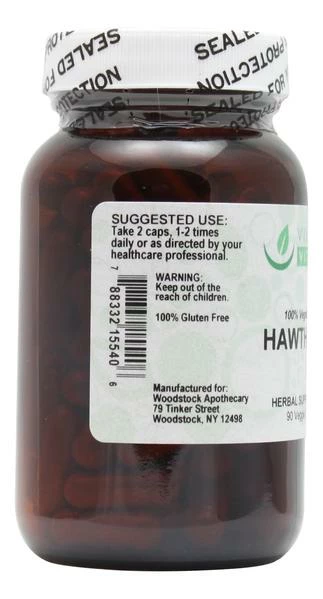
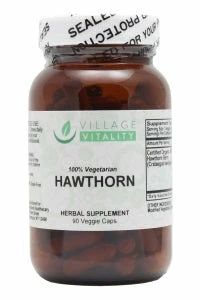
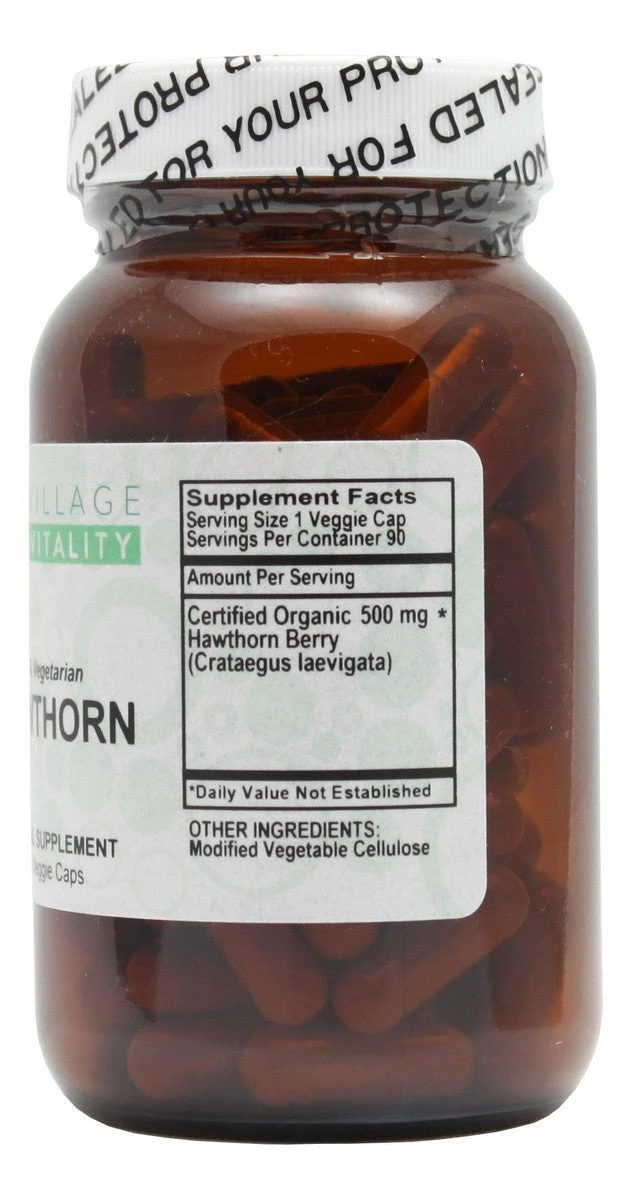
A recent scientific review of hawthorn extracts has unveiled its antioxidant and anti-inflammatory properties as well, which may be why the plant can lower serum lipids and offer cardioprotective benefits. As if that weren’t reason enough to run to the nearest hawthorn tree, there have also been promising results coming from trials using hawthorn for class II congestive heart failure.
Keep in mind, though, that high doses of hawthorn may cause headaches, sleepiness, digestive symptoms, and more. Because, like we done already said, what can cure can kill — or give you a killer headache.
Before Taking:
- Talk to your doctor about potential interactions with vasodilating and other heart-related medications
- Choose a brand with verified quality markers to avoid additional contaminants
3. Amla — An Ayurvedic Herb for Heart Health
- AKA: Indian gooseberry
- Common Uses: Liver tonic, digestion, inflammation
Native to Southern Asia, amla is a fibrous, nutrient-dense berry that’s especially rich in vitamin C and antioxidants, making it a well-rounded ally for supporting overall wellness.
As a staple in Ayurvedic practices, amla has a particular notoriety for healing the heart which is well-earned. In recent research, the plant has been shown to have a list of beneficial heart effects so long it’d make your eyes glaze over if we typed it all out. So here are just a few of those benefits, in bullet points, to make it easier for us all:
- Antioxidant: Something that inhibits oxidation
- Vasodilatory: Something that opens or dilates blood vessels
- Antiatherogenic: Something that helps prevent artery plaque build-up
- Hypolipidemic: Something that decreases lipids in the blood
- Anticoagulant: Something that thins the blood, reducing coagulation
- Antihypertensive: Something that lowers blood pressure


Need we say more?
Just don’t forget that amla can be harmful for some liver conditions and iffy for people with diabetes.
Before Taking:
- Talk to your doctor about potential interactions with medications
- Find out if you have a personal or family history of liver complications or diabetes
- Choose a brand with verified quality markers to avoid additional contaminants
4. Garlic — A Culinary Herb for Heart Health
Last but certainly not least is perhaps the most unlikely hero herb for heart health of all: the humble garlic plant.
When it’s not making your chili decadent and your breath fragrant, garlic is working overtime to protect your heart health in a number of ways. A recent epidemiological study, for example, has revealed a correlation between eating the pungent plant and having a reduced risk of cardiovascular disease progression.
The soothing effect of garlic on your heart is due in part to its ability to lower serum lipids (read: cholesterol) and blood pressure levels while also inhibiting platelet aggregation and increasing antioxidant activity.
Garlic, in all its unsung glory, doesn’t have a whole lot of adverse side effects to watch out for, but some people are allergic to it. It can also increase the risk of bleeding for those on anticoagulant medication, so even though it seems like a common spice, treat it and eat it with respect.


Before Taking:
- Talk to your doctor about potential interactions with medications
- Find out if you have a personal or family history of liver complications or diabetes
- Choose a brand with verified quality markers to avoid additional contaminants
And if this last suggestion left you with eye-watering breath and nowhere to turn, give us a call. Our heart herb experts are always available via our always-free Counterside Consults, and we can’t smell you through the phone!
If ever there was a day for indulging in sweets so sugary they’d stop your heart, it’s today. Another Valentine’s celebration is upon us, friends!
Whether you’re cursing Cupid or cozied up with a companion, what we have for you here is just what the love doctor ordered. That is, a blog on why you should swap those chocolates for some fresh fruit if you want to support the health of your original, A1 day 1 valentine: your heart.
But wait, don’t use those sticky fingers to scroll away! The heart-healthy wellness practices we’re sharing today aren’t really meant to persuade you into quitting sweets cold turkey.
They’re meant to bolster your holistic health toolbox so we, as Americans, can stop dying of preventable heart diseases. We took this smorgasbord of wellness practices straight from Dr. Neal’s industry-insider collection to share with you, in the hopes that together, we’ll share many more Valentine’s Days in the future.
So read on, fellow wellness seeker — they’re only a heartbeat away.
In This Article:
- Why lifestyle matters for heart health
- Wellness Pyramid for preventing heart disease
- How diet affects heart health
- The role of sleep, exercise, and stress management
Understanding Heart Disease: Can it be Prevented or Reversed?
Okay, let’s bypass the rest of those cardiovascular clichés and get right to the heart of the matter. What causes heart complications, like heart attacks, and is there anything we can do to prevent or reverse coronary complications?
If you ask the internet, you’ll get mixed answers.
Some so-called professionals claim that simple dietary changes can reverse heart disease, while other conservative sources warn that statin prescriptions are the only viable options. The truth, as per usual, lies somewhere in the middle.
Wellness practices, like tailoring your diet to include more nutritious foods, can indeed reduce the risk of disease and slow the progression of chronic conditions. But let’s be clear: You can’t just reverse heart disease with food.
So, How Does Lifestyle Play into Heart Disease Prevention Then?
Data-backed wellness practices, when done consistently and concertedly, can reverse heart disease in some unique cases, but only when used together and with great effort. Translation: Don’t focus so much on your diet that you forget the impact that other wellness practices, like stress management, have on your blood pressure.
It’s easier to understand the relationship between disease and lifestyle when we reverse the timeline. So let’s take Dr. Neal’s heart attack example from this in-depth podcast episode:
- End result: Heart attack. But what caused the heart attack?
- Heart attack: Cause by a blood clot that lodged into a vessel that feeds the heart. But what caused the clot?
- Blood clot: Caused by a hardening of the arteries that creates an inflammatory response. But what caused the hardening of the arteries?
- Harden arteries: Caused by elevated cholesterol and triglyceride fat content. But what causes the high levels of cholesterol and triglyceride deposits?
The last answer is, of course, nutritionally bankrupt food. But because the lifestyle domains in which we have wellness practices work in tandem with one another, there’s still part of the picture missing.
Learn More: Healing Hearts: Top 4 Herbs for Cardiovascular Wellness
Why Wellness Practices Matter for Heart Health

Things like moderate exercise, restorative sleep, and stress management can all drive down triglyceride content, which, as we now know, is one of the first dominos to fall on the path to heart attacks.
So wellness practices in all 5 lifestyle domains are not only the first thing you should focus on for improving heart health and preventing heart disease — they’re the most important thing, too. Even more important than supplements, these foundational practices can determine whether or not you experience a preventable heart event like a premature stroke.
The Wellness Pyramid for Heart Health
But we’re not here to rain on your V-Day parade!
Consistency is key when it comes to wellness practices, but don’t forget that sustainability is crucial for consistency.
So you don’t have to New-Year-New-You yourself into a perfect, heart-healthy lifestyle that doesn’t work for you in the long run. Slowly implementing small, strategic changes that enhance your life — not burden it — is a completely acceptable route.
In fact, let’s start at the most important facet of the lifestyle domains for heart health. If you can only make changes in one place right now, this is it:
Lifestyle Changes
When it comes to the stuff we put in our bodies, some of it is fun — like that glass of wine with dinner — and some of it is less fun, like leafy greens and omega-rich fish.
Preventing heart disease in our modern era, unfortunately, means having a lot less fun stuff. If you want to live a long, healthy life you’ll have to address any lifestyle factors that directly degrade your heart, like smoking, drinking, and doing drugs.
If you’re here for a fun time, not a long time, then by all means, grab a pack of Marlboros! Just know that your to-the-grave brand loyalty is literal — smoking is directly connected to heart attacks and strokes.
As well as uppers, downers, binge drinking, and everything in between.
Diet
And no, you can’t Paleo your way through a binge drinking problem and expect to prevent disease.
But there are foods that — after you address your lifestyle changes — can influence your heart health for the better. Integrate more of these nutrient-rich, antioxidant foods and fewer of the over-processed junk to bolster cardiovascular function through diet:
Eat more:
- Colorful Fruits & Veggies: Look for reds, greens, and blues in the produce aisle for foods with antioxidant content.
- Nuts & Seeds: Almonds, hazelnuts, pecans, chia seeds, flaxseeds, sunflower seeds, and the like are all high in heart-healthy omega-3 fatty acids.
- Fish: Up your intake of fish like tuna, salmon, and sardines for an even more potent dose of omega-3s.
- Healthy Oils: Cook your meals in fats like organic virgin olive oil for reduced risk of heart disease and improved cholesterol.
Eat less:
- Sucrose-Heavy Sweets: Swap sodas, packaged pastries, and other blood-sugar-spiking treats for options with healthier sweeteners, like coconut sugar.
- UPF: Avoid Ultra-Processed Foods, which can be industrially formulated for sweet or savory cravings.
- Red Meats: Can be enjoyed in moderation, but are high in heart-hindering cholesterol and saturated fats.
- Trans Fats: A la synthetic butter or vegetable oils like canola, which Dr. Neal calls, “the cigarettes of foods.”
Learn More: Mastering Holistic Nutrition: Dr. Neal’s Top 5 Diet Guidelines
Exercise
Remember how we mentioned that exercise can improve triglyceride levels just a few beats ago? That’s not the only way that regular movement protects the heart!
Regular physical activity can also mitigate other disease risk factors like blood pressure and good cholesterol — lowering the former and raising the latter. Does this mean you have to go full gym rat in 2024, beating up barbells and taking selfies to make your exes eat their hearts out? No, thankfully, it doesn’t.
Per Dr. Neal’s expert opinion and the scores of medical research that informed it, we should aim for a baseline 30 minutes of aerobic exercise 5 times a week. That could be in the form of weight-bearing exercise, walking, yoga, swimming — whatever works for you and your unique life.
Learn More: The Truth About Exercise: Ditch the Myths
Stress Management
The good news is: Cutting back on drinking, eating more nutritious food, and getting regular exercise can all help improve your stress levels and mental well-being.
Because when it comes to the heart, we’re not just talking about the physical heart — we’re talking about the emotional heart, too. Stress, despite being seen as “all in your head” can have a direct effect on your physical health. It not only contributes to an increased rate of cardiovascular events and high blood pressure but can also trigger a heart attack or angina in some people.
Incorporating a stress-reduction practice might not seem as hard-hitting as eating a pound of berries every day, but the nascent science says it makes a difference. Some recent studies have shown that (totally free!) stress management disciplines like meditation and mindfulness can help attenuate heart disease risk factors, though more research is needed.
Sleep
But really, is there any better stress reducer than a good night’s sleep? We think not.
As the baseline treatment for a number of chronic conditions, mental and physical, sleep is a foundational lifestyle factor for a reason. High-quality sleep impacts the entirety of our bodies — from cognition and emotional regulation to digestion and, yes, of course, heart health.
While the occasional night of tossing and turning is normal and not necessarily damaging, a chronic lack of adequate sleep can lead to all sorts of consequences you’ll lose sleep over. Like an amplified risk of cardiovascular diseases, stroke, high blood pressure, and obesity.
Our favorite tricks for improving sleep quality are centered on the three C’s: a calm mind, a calm body, and a comfortable environment.
But Let’s Have a Heart to Heart
Wait. Why do we, after giving you the full low down on living a heart-healthy lifestyle, still want to have a heartfelt conversation about cardiovascular wellness with you?
Well, because every heart is unique! Just like the snowflakes many of us have been blessed with on this arctic tundra of a Valentine’s Day. So if you’re lonely on this journey towards optimal heart health and overall well-being, hold the phone!
Our holistic wellness experts have hearts of gold and heavily researched answers for any of your heart-related inquiries, all just a call away via Counterside Consult.
Living with a chronic illness can be a real pain in the neck — literally and metaphorically.
Especially when the hallmarks of your long-term condition are literal, physical (and emotional!) pain, as is the case with rheumatoid arthritis (RA).
So while we’d normally put a silly meme here, 2026’s Rheumatoid Arthritis Awareness Day is no laughing matter. And plus, there aren’t any funny gifs related to joint pain out there. Trust us, we checked.
Instead, let’s cut to the chase.
We asked Dr. Neal, holistic pharmacist and fierce advocate of science-based self-care, for his top wellness practices for RA. Because life with rheumatoid arthritis can be difficult, but with the right practices in your holistic wellness toolbox, a happier, less painful experience is possible.
In This Article:
- Understanding rheumatoid arthritis
- Wellness practices for thriving with RA
- When to seek medical care for RA
What is Rheumatoid Arthritis?
Most people are familiar with the term arthritis. We generally categorize this condition as an inevitable part of aging, placing it alongside liver spots and hearing loss.
It’s no wonder, then, that retirees from either side of the political spectrum are increasingly supportive of federal marijuana legalization. (A joint effort for joint support, if you will.)
But when you add the word “rheumatoid” in front of arthritis, it paints a different picture.
In this context, the word rheumatoid clarifies that this kind of arthritis is marked by inflammation.
Rheumatoid arthritis is an inflammatory condition that affects the joints and, in some cases, the organs. The most common signs of RA are similar to those of traditional arthritis — like joint pain and stiffness — but the symptoms are caused by different things.
In arthritis, the cartilage that protects the bones in our joints is worn down by normal, mechanical wear and tear. In RA, the tissue lining of our joints is actually attacked by the body’s immune system — which makes it an autoimmune disease.
Especially because, over time, the inflammatory nature of this autoimmune disease can lead to erosion and deformity of the bones and joints. Plus, in their day-to-day experiences, people with RA often experience swelling, aching, tenderness, and as a result, fatigue.
A quick Google search will tell you that there aren’t any “cures” for RA either, as it is considered a chronic disorder. But if you’re sick to the bone of being in pain — and willing to dig a little deeper than the surface-level consensus — there are ways to mitigate the driving forces of painful symptoms.
Which are, as you now know, autoimmunity and inflammation.
The Wellness Pyramid: A Framework for Holistic Rheumatoid Arthritis
If we’re looking to drive down inflammation and support a healthy, balanced immune system then we have to start with the building blocks of wellness.
And yes, we have to focus on these mundane areas of life before we reach for a trending cure-all that claims to totally eradicate inflammation. Because, as we always say, you can’t out-supplement an unsupportive lifestyle no matter how much you spend.
So we begin by working with what we can control. AKA, the lifestyle domains that make the foundation of our health: diet, sleep, exercise, stress management, and environmental or external changes.
Diet
Food has the power to help or hinder our healing. So does this mean you have to adopt a particular diet or cut out all your favorite foods if you’ve been diagnosed with rheumatoid arthritis? Not necessarily.
Recent studies have linked diets high in processed foods to increased inflammation and disease risk. And the inverse is true as well — diets rich in whole foods like fruits, vegetables, and lean protein sources are associated with lower inflammation scores.
But we recommend doing what every health-focused person should strive to do, which is eat more nutritious food and less processed food. Having an inflammation-based autoimmune disease just means that this goal may have a more profound impact on your quality of life than the average Joe.
Learn More: Mastering Holistic Nutrition: Dr. Neal’s Top 5 Diet Guidelines
Exercise
Fueling your days with nutrient-dense foods is a great way to give your body a fighting chance against inflammation and autoimmunity. The next step? Use that newfound energy to get moving.
Which we don’t say lightly, because we know working with the day-to-day pain of rheumatoid arthritis is no small feat. But the science is (pretty much) unequivocal: exercise can help improve RA symptoms. In fact, a recent study has gained some street cred for showing that just 12 weeks of regular movement can noticeably reduce the disease activity of RA.
Before you hit the gym or push yourself past comfortable limits, though, remember that exercise doesn’t have to be barbells and cardio power hours. Gentle stretching, ambling walks, swimming, and doing fascial maneuvers are all perfectly acceptable ways to start your movement journey and experience the benefits of exercise for RA.
Learn More: The Truth About Exercise: Ditch the Myths
Sleep
For people with RA, reductions in sleep quality can not only increase disease activity and duration but, according to this Swedish study, also lower quality of life and worsen pain.
The good news is that all these positive changes you make in the diet and exercise arenas can, in turn, have a positive impact on your sleep quality, too.
Because these simple facets of life affect us and each other in big ways, and nothing in the body happens inside a vacuum. So, to further support your holistic — or whole-body, whole-being — approach to RA self-care put some snoozing time on your schedule. And deepen your sleeping experience by taking electronic devices out of your bedroom and dozing with light-blocking sleep masks.
Learn More: 5 Things to Do (Not Take) for Better Sleep
Lifestyle (or Environmental) Changes
If donning an eye mask and taking the TV out of your room doesn’t scratch the self-care itch, don’t worry. While we can’t control everything in our external environments, we can make choices that reduce the burden our bodies have to carry.
That could look like lowering the number of endocrine disruptors you bring in your home — in the form of cleaning and hygiene products — or tackling in-home allergens with hypoallergenic furniture and mattress covers. Or it could even be as simple as getting enough water!
But if you want to bring in the big guns for combatting external inflammatory agents, then it’s time to take a look at your wind-down habits.
Smoking, drinking, and taking drugs are all things that can increase inflammation and exacerbate symptoms of inflammation-based diseases. So, without belittling the difficulties of overcoming addiction, might we gently suggest working with a licensed professional to forge new ways of relaxing?
Your health, and your chances of putting your rheumatoid arthritis in remission, depend on it.
Stress Management
Speaking of stress! This silent but deadly human condition makes basically every part of life more difficult and unpleasant — inflammation and autoimmunity included.
Left unchecked, chronic stress can have a tangible impact on both physiological and emotional health. For people with RA, however, the risk that stress poses is even more severe. Intense stress can send the immune system into overdrive, ramping up autoimmunity symptoms and even playing a role in disease onset.
When it messes with the immune system as it does, stress can also increase inflammation, paving the way for a stressful cycle of disregulation that impedes healing. This is why having a consistent stress management practice is crucial for folks with RA.
That relaxing, restorative practice can come in many different forms. Whether you chose home-based options like meditation or work with a mental health care professional, stress management should be a top priority.
When to Seek Medical Care for Rheumatoid Arthritis
Rheumatoid arthritis requires a medical professional for diagnosis, so chances are, you’re already chatting with your doctor.
But your rheumatologist doesn’t have to be the only soldier in your line of defense. Many patients with RA have self-reported success with additional care from chiropractors, acupuncturists, and other body-based professionals. When paired with the data-backed medications from your doctor, these holistic options can provide the additional oomph you need to truly thrive with RA.
And don’t forget your supplement strategists, too!
Only a phone call away, our team of nutrient nerds can provide direct, personalized advice for optimizing your supplements to reduce inflammation and balance immunity. After all, rheumatoid arthritis can affect your entire life, so you deserve an approach that integrates your whole experience into the healing process.
Is it just us, or is 2024 already flying by? New Year’s passed in a blink, and now looming on the horizon is Hallmark’s most profitable holiday of the year… Valentine’s Day.
So there seems to be no better moment to discuss the health of another enigmatic ideal that ticks away relentlessly, just like time. That is, of course, your heart!
February marks the beginning of both American Heart Month and the stressful, two-week period before V-Day that has every coupled-up person in a gift-buying tizzy. While we don’t want to add too much to your shopping list, we have our hearts set on sharing the best supplements for your ticker according to recent research.
Because that fist-sized organ beating in your chest is pretty important! But there’s a lot of misinformation and marketing buzz surrounding holistic heart health.
Let’s get to the heart of the matter, then! Scroll on to meet the three supplements that are nearest and dearest to Dr. Neal’s heart for their data-backed cardiovascular benefits.
In This Article:
1. Omega-3 Supplements for Heart Health
- Form: Fish oil high in EPA + DHA
- Dose: 1,000–3,000mg per day
- Specifications: Find ethically sourced supplements tested for heavy metals
First on this heart-healthy supplements list is the all-around vitality booster known as omega-3, which should come as no surprise to regular readers. Omega-3 is at the top of Dr. Neal’s Vital5 and a frequently featured self-care supplement because it’s supported by clinical research and affects multiple body systems.
That, and the fact most of us aren’t getting enough omega-3s from our diets.
Learn More: Omega-3 Supplements: Are They Worth the Hype?

The crowning trio of omega-3 fatty acids — ALA, EPA, and DHA — have been linked to a number of cardiovascular benefits, with most of the positive results coming from high doses of the latter two.
Often recommended to treat hypertension, omega-3 fatty acids have been shown to bolster heart health by lowering triglyceride fat content and blood pressure. Proper omega-3 intake can even reduce the risk of sudden death in people with coronary heart disease!
But what does proper omega-3 intake look like?
If you ask The American Heart Association, regular folks should be getting at least two hearty servings of fish per week, while those with known coronary heart disease should aim for at least one per day. This is great news for fish aficionados! Not so great for those of us who either can’t stomach or can’t afford that much seafood in a week.
Should you still try to up your weekly intake of fresh-cooked fishy meals? Definitely! Our best chance at absorption comes from whole foods, but there’s a catch.
Finding the Best Omega-3 Supplements for Heart Health
Farmed and fresh-caught fish both pose a risk. They, like us, are swimming with the gross stuff we’ve dumped in the Earth’s waters. Think: Heavy metals, microplastics, and other toxins.
So if you’re not up for a twice-weekly can of sardines or want to avoid absorbing damaging toxins, boost your daily omega-3 intake with an ethically sourced, rigorously tested fish oil supplement.
Look for omega-3 supplements that have high doses of EPA and DHA — close to 1,000mg per capsule — and low TOTOX scores to hit Dr. Neal’s science-based daily target of 3,000mg without wasting your health or money.

Learn More: Omega-3 Supplement Buying Guide: 3 Things to Look For
2. CoQ10 for Antioxidant Protection
- Form: Ubiquinone or ubiquinol
- Dose: 30-300 mg per day
- Specifications: Take with fat-containing meal for best absorption
A lesser-known hero for heart health, Coenzyme Q10, or CoQ10 to its friends, has started gaining popularity in the holistic wellness scene.
CoQ10 is an endogenous antioxidant. AKA, a compound produced by and for the body that exists in each and every one of our cells. It plays an important part in the conversion of food to energy, though the largest concentration of these enzymes is in the heart.
Our heart health naturally declines as we age — isn’t that a fun part of being human? — and part of that degradation process involves a reduction in CoQ10 levels. This fall could be inconsequential, science is still unsure, but what we do know through clinical research is that lowered CoQ10 levels are associated with a higher risk for heart failure.
(As well as diabetes, neurodegenerative diseases, fibromyalgia, mitochondrial diseases, and more. Yikes!)
But if we’re going to age, at least we’re aging during a time of advanced medical science! That’s how we know that oxidative stress, which is combatted by CoQ10’s antioxidant function, is a driving force of more than one cardiovascular disease.
And that prolonged supplementation of CoQ10 not only reduces oxidative damage, but also decreases vascular hypertension, increases nitric oxide levels for vasodilation, and lowers mortality from cardiovascular causes.
Plus, clinical trials have shown that CoQ10 supplements are, like Valentine’s Day chocolates, “safe and well-tolerated,” when taken appropriately and in the right form.
Finding the Best CoQ10 Supplements for Heart Health
In the body, CoQ10 is continually converted and re-converted from an oxidized version of the compound to a reduced one. Both are considered active (or activated) forms of CoQ10, and the best supplements will offer one or the other for maximum bioavailability.
The two unpronounceable words to look out for are ubiquinol, the reduced version of CoQ10, and ubiquinone, the oxidized option.


3. B Vitamins for Homocysteine Balance
- Form: Homocysteine Support
- Dose: 1 capsule per day
- Specifications: Safe for those with methylation difficulties
B vitamins are touted for their brain, energy, and sleep benefits, but did you know they can give your achy-breaky heart a little TLC, too?
Certain B vitamins — like folate, B12, and B6 — can break down an amino acid called homocysteine. Homocysteine occurs naturally in the body, but too much of the compound can lead to blood vessel and artery damage. High levels of homocysteine have been associated with hypertension, stroke, and coronary heart disease, too — which aren’t things you’d want to flirt with.
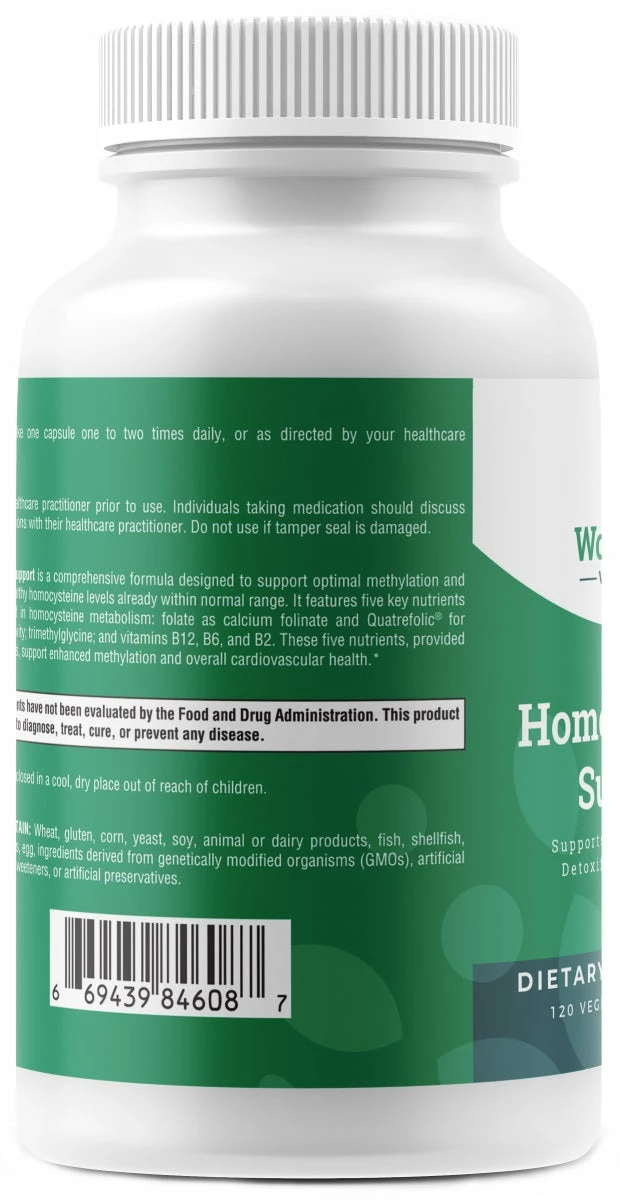
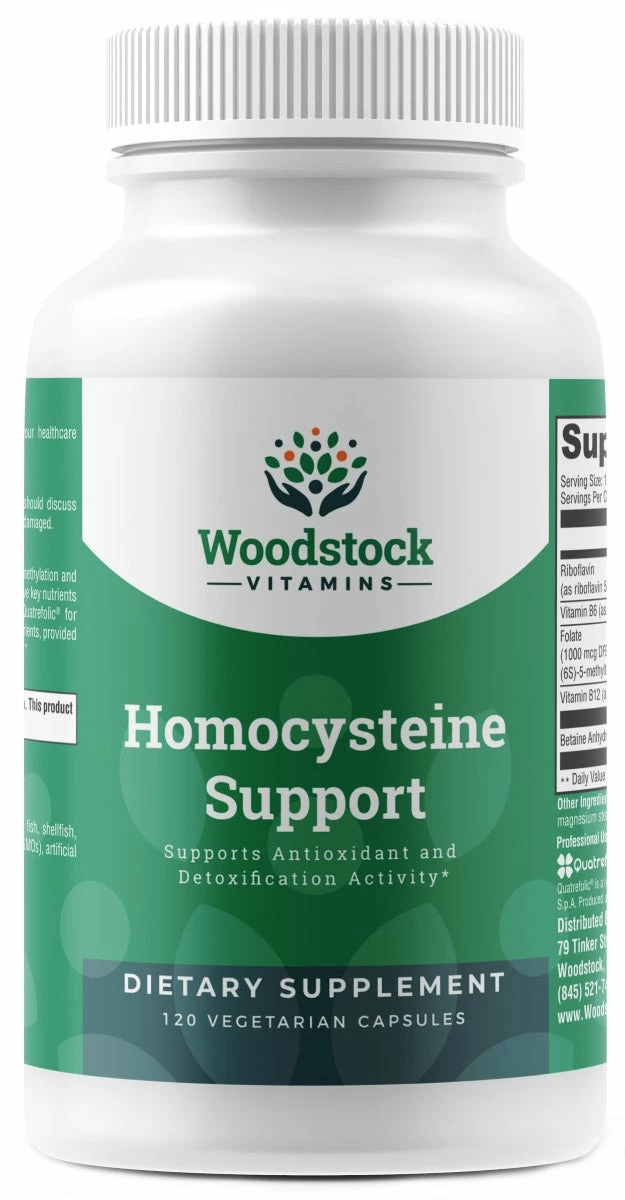
Hence why Dr. Neal formulated the proprietary, homocysteine-balancing supplement we’re giving heart-eyes right now: Homocysteine Support!
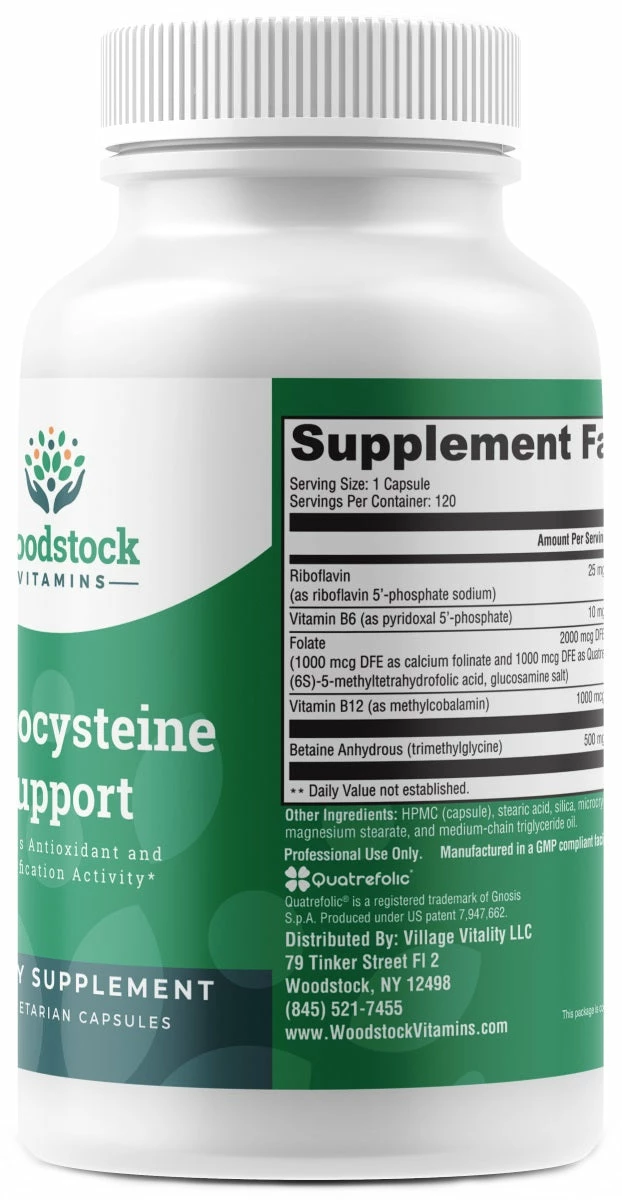
Studies show that reducing overall homocysteine levels by just 25% can help lower your risk of coronary heart disease and stroke. Each acid-resistant capsule in our Homocysteine Support formula contains a potent dose of the B vitamins associated with breaking down homocysteine and maintaining homeostasis for the heart. Like folate, in its most active and easily absorbed form, f-MTHF.
When supported by vitamin B6 and B12, as it is in Homocysteine Support, folate has the power to not only reduce homocysteine levels and in turn ease the burden on our hearts, but also reduce the overall risk for stroke. Low levels of plasma B6 have also been shown to have a negative effect on cardiovascular outcomes, as is the case with B12 as well.
And that’s not even mentioning the blood pressure benefits of riboflavin, another B vitamin featured in Homocysteine Support.
Finding the Best Homocysteine Supplements for Heart Health
Don’t get us wrong — you don’t have to take our homocysteine-focused b vitamin supplement for heart health. It’s just that, finding a B vitamin blend with only the activated and/or methylated forms of the micronutrients you need at a reasonable price is… Well, it’s no romantic walk in the park.
But you can always use our Homocysteine Support supplement as a reference point in your holistic heart health hunting! For driving down homocysteine in particular, look for the B vitamin supplements that contain these forms of these vitamins:
- Vitamin B2: As riboflavin 5′-phosphate, a more readily available form of B2
- Vitamin B6: As pyridoxal 5′-phosphate, the most biologically active version of B6
- Vitamin B9: As Quatrefolic, a patented form of bioavailable folate
- Vitamin B12: As methylcobalamin, the activated form used to treat nutritional diseases
But If Your Heart’s Not In It, Give Us a Call
Sorting through the cacophony of pseudo-science and sales tactics that surround supplements can take some time, but don’t lose heart! Now that you’re equipped with a veritable bouquet of heart health supplements to choose from, you can work towards improved cardiovascular function whenever your heart desires.
And it doesn’t have to be a Lonely Hearts Club, either. Our heart health experts are waiting by the phone — just like your soon-to-be Valentine, we hope! — ready to answer your supplement-related queries via Counterside Consult.