






They say if you can’t laugh at yourself, life just isn’t much fun.
And you know what? We think the wellness industry could learn a thing or two about that!
We’ve been known to throw a few jabs at its expense — calling out snake oil salesmen, keeping it real about skeevy marketing tactics, et cetera. But it’s not because we want to burn down the natural health world. We just want to raise the bar a bit.
And really, the lack of meaningful regulations in the industry is pretty laughable! Not to mention the myriad of myths surrounding supplements, à la last week’s blog on probiotic misconceptions.
But before we get stitches in our sides, let’s cut through the funny business — there are some serious health benefits at stake. So, with Dr. Neal’s 20+ years of clinical experience leading the way, we’re diving back into the world of probiotics.
Read on, wellness seeker, to transform your probiotic pursuit from a wild goose chase into a strategic, research-guided mission that saves you time and money.
In This Article:
- When you should take probiotic supplements
- What kind of probiotic supplements to take
- What probiotic strains are best for gut health
- How many billion CFUs to look for
Should I Take Probiotic Supplements?
Speaking of jokes — the one we hear the most around these parts is, “My gut is great, I don’t need a probiotic!”
First of all, it’s not nice to brag. And second of all, if you’re living in the modern world, your gut is in an endless battle against environmental toxins, external stressors, and inflammatory agents.
“Because of our ever-changing food quality, varied diets, stress levels, medications, and supplements, our gut is constantly under attack.”
Dr. Neal Smoller
This isn’t meant to freak you out though — just to help us all recognize the challenges our bodies are facing every day. The scariest part is that we’ve normalized a lot of gut-related things that are definitely not normal.
Ignoring the warning signs emanating from your tummy is a dangerous game to play considering how much the gut influences our overall health and well-being.
Despite what you might have learned in school, your GI tract isn’t just responsible for digesting Twinkies and turning that fluff into energy. Its role expands far beyond the limits of the abdomen.
In the canals and caverns of your gut live hundreds of millions of neurons — the cells that send and receive electrical signals in your brain. These neurons are connected to your brain via the nervous system, the backbone of which is the vagus nerve.
When your stomach is in distress, those SOS signals get sent straight up to your brain, where they’re interpreted as anxiety, stress, and depression.
Your gut health is inextricably linked to your overall quality of life because nothing in the body exists in a vacuum.
Plus, your gut lining is one of your most important defenses against disease and infection, because a big chunk of your immune system is found in or around there, too.
You should probably up your probiotic intake if:
- You don’t eat perfectly 100% of the time
- You have chronic gut issues like constipation, gas, or diarrhea
- You have an inflammatory gut disease
- You currently have or frequently get UTIs
- You have or are going to be taking antibiotics
- You want to bolster your immune system, GI tract, and/or mental health
- You are exposed to the routine toxins and stressors of the modern world
Should I Tell My Doctor I’m Taking Probiotic Supplements?
Yes, definitely.
These guidelines are generalized and they don’t account for the possibility that your stomach issues are connected to a larger issue.
The underlying cause of your tummy troubles might be addressed by probiotics — by healing your gut barrier, for example — or it might be masked. Symptoms aren’t a whole lot of fun, but they are important messages from your body.
So chat with your doctor, healthcare specialist, or one of our experts if you start taking a probiotic supplement.
What Kind of Probiotic Supplements Should I Take?
Moral of the story: If there’s one bandwagon to jump on, it’s the daily probiotic supplement train.
Probiotic supplements and their widespread benefits have gained popularity, but like many vitamin-related conversations, the nuance is lacking. Clever phrasing and even cleverer marketing have led the general public to believe that all probiotics — whether from kombucha or a supplement — can change your life.
But that’s not really the case.
The truth is there are some strains of probiotic bacteria that have been shown to have a positive effect on bodily systems by recent research. And there are some that don’t do anything at all.
So when you’re shopping for probiotic supplements, don’t equate more CFUs with better results. Unethical manufacturers and vitamin drop-shippers aren’t above dumping cheap, useless strains in their formulas to bolster the product’s image.
Specific probiotic strains have specific benefits.
Do your research — and not just a quick Google search, please — to figure out which particular cultures are proven to help with your particular issue. And then, when you find supplements that contain those probiotic strains, be exacting.
“Look for probiotics that have a first, middle, and last name, like Lactobacillus rhamnosus GG. Only by using specific strains in our probiotic can we know if we are matching our problem to the right solution.”
Dr. Neal Smoller
Which Probiotic Strains are Best for Gut Health?
There are tons of reasons for wanting to improve your gut health. Putting your newfound knowledge of how the gut interacts with your immune system and mental health is just one, but it is a big one.
To optimize your GI tract and get all the benefits of a happier gut, look for the probiotic supplements with the four strains below.
The latest research has shown that these bad boys are a major boon for your belly:
- Bifidobacterium Lactis HN019
- Lactobacillus Acidophilus La-14
- Lactobacillus Plantarum Lp-115
- Bifidobacterium Longum Bl-05
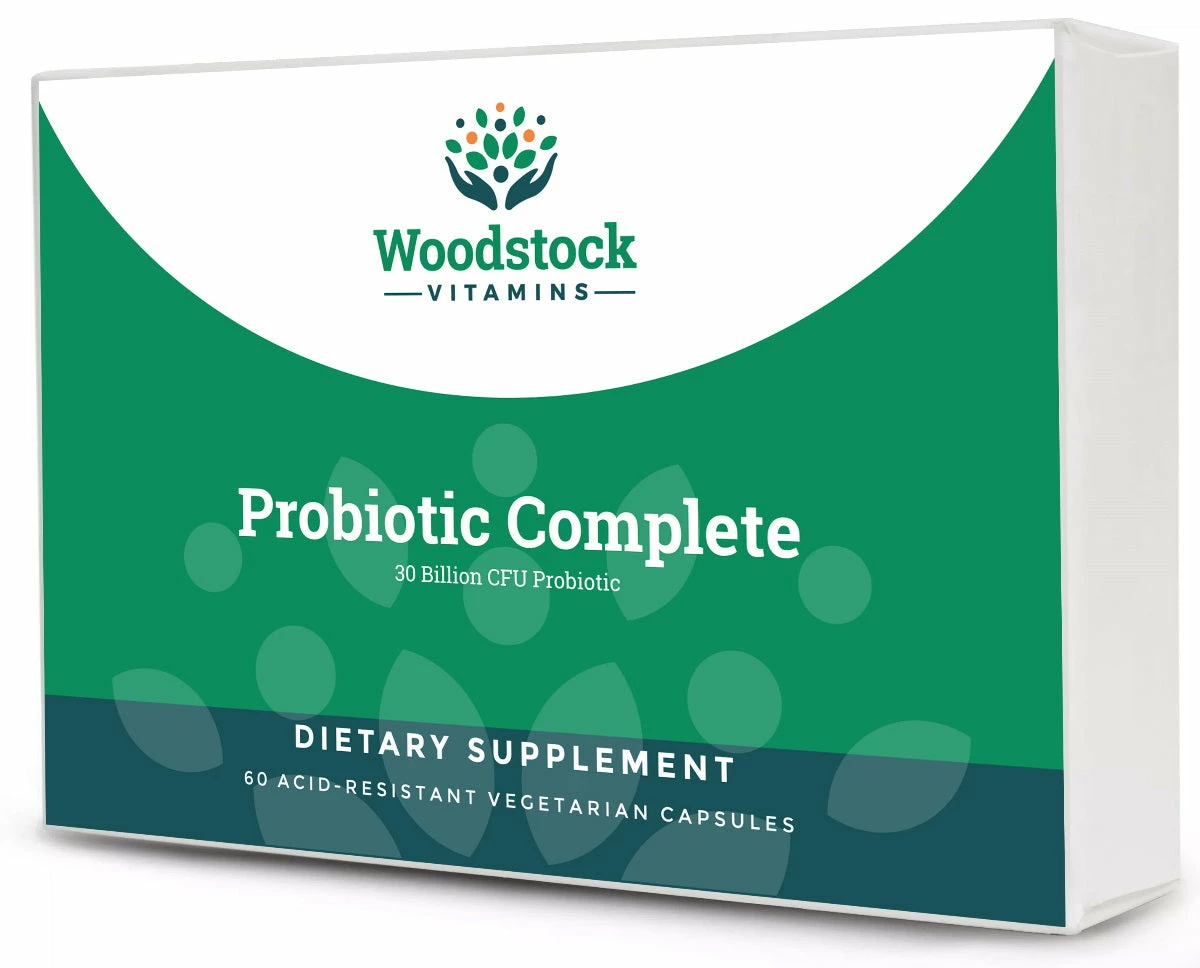

Learn More: Best Probiotics for Gut Health — 4 Strains Backed by Science
Probiotic Supplement Dosing: How Many Strains and CFUs Do I Need?
To recap: We don’t buy probiotic supplements that contain ineffective strains. Pretty easy!
But there’s another marketing tactic to be wary of, too. The billions and billions of CFUs scheme that is, in fact, a scheme.
In America, we tend to think that more always equals better. With probiotic supplements, more can actually be way, way worse. As Dr. Neal always says, capsules aren’t clown cars — you can only fit so much inside of them. More strains typically translate to fewer CFUs or smaller doses.
Generally, we want as many active, colony-forming units in our probiotic supplements as possible — around 30 billion is great.
But as long as those strains are backed by clinical research and not just tossed in for fun, we should be good with however many billion, right? Right…kind of.
When choosing a probiotic supplement, make sure the product’s labeled dosage is guaranteed through the expiration date. Otherwise, the “billions and billions of CFUs” advertised is nothing more than a record of how many active cultures were present at the time of manufacture.
Probiotic supplements can lose potency — AKA active CFUs — quickly due to improper shipping and storage conditions so this is a pretty common sales tactic.
Pro-Tips for Choosing the Best Probiotic Supplements
“Remember, everything that we read — the label, the website, the flyer — is marketing. The only source of relative truth is on that Supplement Facts Panel.”
Dr. Neal Smoller
Now that you’ve got the brains for strains, your probiotic pursuit is perfectly primed for palpable results. Take your scrutiny a step further by only supporting supplement companies with rigorous standards and a commitment to sustainability.
After all, the health of your body and our world depends on it!
Nothing lasts forever…
Except for the phthalates and PFAS in your toilet paper, that is! Those are for keeps, according to the latest health scandal to rock the wellness scene.
Researchers brought the public’s attention to their porcelain thrones after discovering a disturbing number of PFAS — carcinogenic compounds that don’t break down — entering wastewater systems.
The culprit, our beloved bleached toilet paper, seems decidedly innocuous, as is often the case with these forever chemicals. Nonstick pans, makeup, children’s toys, clothes — all our favorite things seem to be inundated with the compounds that are now also being referred to as everywhere chemicals.
What’s a wellness seeker to do? Reject modern society in favor of a solitary life in the woods? Invest in a BPA-free bubble to live in?
We can’t control everything in the external world. But we can, under the guidance of Dr. Neal and his 20+ years of experience as a holistic health advocate, learn to work with our environment.
Read on to learn how to make small lifestyle changes that support your quest for wellness and lessen the burden your body has to carry — without going into a phthalate-hunting paranoia spiral.
In This Article:
- How your external environment impacts your health
- Focusing on what you can control
- Lifestyle changes to lower your body’s toxin load
How Does Your Environment Affect Your Health?
The cool thing about how your environment impacts your health is that you don’t have to know about the microplastics in your bloodstream or the heavy metals in your food to be affected by them.
Your body, as the now-oversaturated phrase goes, keeps the score.
Our skin, sensory organs, and GI tract are constantly taking in information and material from our outer milieu because the only true separation of self and world is our idea of separation. Tallying points from both the larger external world around you and your personal environment — AKA your home — your flesh suit tracks a lot more than you think it does.
1. The Larger Environment
It’s not always as terrifying as having endocrine system disruptors in your toothpaste though — the environment influences our health in some mundane ways, too. For example, people living in New York will have a totally different array of gut flora than those from a pastoral countryside.
Both are normal and (potentially) healthy, they’re just different because the external environment is different.
But what unites us all as humans from vastly disparate ecosystems and biomes is that we live, together, in a chemical soup. The latest number thrown around is 80,000 — we’re exposed to 80,000 chemicals every day.
Some of those chemicals come in the form of hormone-mucking, neurotoxic cancer-creators, and some are totally harmless. If you ask us, the real danger lies in the fact that we’re constantly exposed to them when:
- Very few of these chemicals are properly studied.
- Even fewer are appropriately regulated.
- The general public is educated on almost none.
That’s why the estrogenic effects of plastic water bottles don’t make a dent in Aquafina’s sales and why Rinse-Aid still finds its way into every modern dishwasher despite causing gut lining damage.
To sum it all up: Yes, the larger world around you plays a major role in your health, whether you’re aware of it or not.
2. Your Personal Environment
Sarcasm aside — there really is something cool about expanding public education on the normalized toxins we bring into our homes.
In the case of plastic water bottles and rinse aids, at least, you can choose to not be exposed to high levels of those harmful compounds. We can’t say the same for environmental pollutants that have already infiltrated our food, water, and air.
So we focus on what we can control! Our personal environments, à la our bodies and homes.
Your home has the potential to be a restorative place for your nervous system to relax and recharge. Or it can add to the toxic load already being carried by your body — that part is up to you.
When it comes to lowering your intake of environmental stressors, it’s important to not get swallowed by overwhelm or apathy-induced overwhelm, either. Inflammatory compounds might be damaging, but constant stress over those inflammatory compounds is damaging, too.
Stress, environmental factors, nutrient intake, exercise levels, and sleep can all impact our health in serious ways. And actually, if you ask Dr. Neal, we can witness the most profoundly positive changes in the diet and nutrition arena.
As with all things health-related, we try to walk the middle path around here — it looks something like this:
- Doing our best to reduce the number of harmful toxins that enter our home so as not to negate our diet, sleep, stress, and exercise improvements.
- Putting the bulk of our energy toward the things that we can control and the things that will have the greatest impact on our overall health and quality of life, like nutrition and sleep quality.
How Do Environmental/Lifestyle Changes Factor into the Wellness Pyramid?
You know when we mention those 5 critical health domains — sleep, diet, stress management, exercise, and lifestyle changes — that we’re gearing up to talk about the Wellness Pyramid.
Environmental factors and their impact on health live primarily in the lifestyle changes area of the Wellness Pyramid. Which makes sense when you understand that lifestyle changes are the changes you make to things outside of yourself.
Like limiting your exposure to external toxins, sleeping with a hypoallergenic mattress cover, or taking the TV out of your bedroom.

But lifestyle changes are just one piece of the puzzle.
Sure, quitting smoking would probably make you feel a whole lot better, but that might not be enough to make up for serious deficiencies due to a nutritionally bankrupt diet.
The goal, then, is to focus on what you can and need to change, but not to spend so much time looking outside of yourself that you lose sight of what’s going on in your body.
5 Lifestyle Changes to Launch Today
So we’re not going to drive ourselves crazy trying to perfect our environments, which are inherently imperfect, right?
Instead, we’re going to make incremental, sustainable changes that push us further toward optimal wellness. The lifestyle improvements or changes to your personal environment you make will be unique to you and your journey — but we all need a place to start!
We asked our resident Wellness Wizard, Dr. Neal, for 5 ultra-simple lifestyle changes that could work for any and all health seekers. Here’s your starting point, friends:
1. Drink more water!
Yeah, it really is that simple. The importance of staying hydrated is constantly overstated in the natural health sphere, and yet a functional understanding of hydration is criminally underrated.
Our advice? Aim to drink half your body weight in ounces per day.
2. Take the TV out of your bedroom.
Did you think we weren’t going to circle back to this one? We know, it hurts. But as the old, and remarkably apt, adage goes — your bedroom should be for sleep and sex only.
Get your work activities, blue-light-blasting electronics, and entertainment devices out of your bedroom. Don’t let them back in.
3. Cut Back on the Cool Stuff.
Smoking, drinking, etc. — some would argue those illustrious forms of escape are the best parts of being human. Unfortunately, your body disagrees.
It seems obvious, but the effects of cutting back on these neurotoxins can be life-changing. And yes, wine counts. Taper down with the help of a licensed professional, if need be.
4. Get More Sun on Your Skin.
Regular exposure to sunlight — when done safely and with sunscreen, of course — is one of the simplest and cheapest ways to support your body’s overall health.
Reset your circadian rhythm and give your mental health a boost just by sitting in the sunshine.
5. Clean Better, Not Smellier.
You know those cleaning products, detergents, and perfumes that make you and the 2,000 square feet around you smell like a chemically manufactured, somehow oppressive, lilac grove?
Ditch ‘em. Replace inflammatory, endocrine-disrupting products with nontoxic alternatives — the sooner the better.
The World is Still a Pretty Cool Place
There might be a lot of stressors, toxins, and gross stuff associated with our modern world, but it’s not all doom and gloom. We, as contemporary humans, have more science, support, and resources for improving health now than ever before.
And plus, you have us to lean on! When the world of wellness gets overwhelming, give us a call. You can hop on a free Counterside Consult to talk all things health with Dr. Neal any time.
Crack open a cold one, fellow wellness seeker! A cold kombucha, that is.
Today, we’re uncovering the facts about a health trend bandwagon that over a million people have jumped on — probiotics.
Like most ultra-popular vitamins, probiotic supplements are shrouded in myths, misconceptions, and marketing tactics. While it shouldn’t be our job, as consumers, to don our detective hats and put a magnifying glass to these microorganisms, we have no choice.
And we have the lack of industry regulations in the natural health world to thank for making the probiotic landscape one that’s riddled with misleading clues and deceptive disguises.
(Turns out the FDA isn’t the Dr. Watson to our Sherlock.)
So, in pursuit of the truth, we turned to our founder and very own supplement sleuth, Dr. Neal. The holistic pharmacist and wellness wisecracker has spent 20+ years of clinical experience investigating supplements and interrogating charlatans.
Now, with Dr. Neal’s insight, we can deftly navigate the labyrinth of claims and counterclaims, separate fact from fiction, and reveal what truly matters when it comes to probiotics.
In This Article:
- Probiotic foods vs. probiotic supplements
- CFUs: Do you need billions?
- Probiotic potency
- Should you refrigerate your probiotics?
Are Probiotic Foods Better than Probiotic Supplements?
If you know anything about us wellness rebels here at Woodstock Vitamins, it’s that we always take a food-first approach. Because, unfortunately, even the highest quality supplements can’t outweigh a Cheeto-based diet.
To avoid wasting money on supplements, then, we start at the foundation of the Wellness Pyramid, strategically optimizing the 5 lifestyle domains before anything else.
(For the newbies — that’s diet, sleep, exercise, stress management, and lifestyle changes.)
So it might be surprising to hear us say that, when it comes to probiotics, you should start supplementing ASAP. Like, right now.
Do not pass go, do not collect 200 different kinds of kimchi.
While probiotic bacteria are found in cultured foods like kefir and yogurt, or fermented foods like sauerkraut and some pickles, the amount of beneficial bacteria included usually isn’t worth the price tag. Recent research has shown that the dosages of probiotics from food sources are too low to offer the benefits found in clinical trials.
Does that mean you shouldn’t diversify your diet and support your gut microbiome with probiotic foods? No way!
Probiotic foods can still provide crucial micronutrients that your body needs to function, and the fiber your stomach needs to thrive. Just don’t rely on food as your only source of probiotics as even the healthiest will lack the levels needed to reap the benefits.
That’s why probiotics are one of Dr. Neal’s First5, after all.
Learn More: 5 Crucial Nutrients (Almost) All of Us Are Lacking
How Many Billion CFUs Do You Really Need in a Probiotic?
One of the first things you’ll notice about the myriad of options for probiotic supplements is that they all claim to have billions upon billions of CFUs.
Which seems like a good thing, right? When it comes to our health, we always want more, more, more of the stuff that’s going to make our bodies happier. So a billion or two beneficial bacterial cells swimming around in our guts seems pretty great on the surface.
But with probiotics, bigger isn’t always better.
Learn More: Be Proactive: How Can Probiotics Improve Your Health?
A high-quality probiotic supplement will still have a relatively huge dose of active CFUs, but it’s the amount of certain, specific strains we should be looking at.
Billions of random, cheap, ineffective probiotic strains make their way into supplements all the time. And innocent consumers purchase them, thinking the extra 5 billion in this supplement makes it a better option than that supplement over there.
It’s a clever marketing tactic, not an actual selling point.
So before you fork over your cold hard cash for a probiotic supplement, do your research. Cut through the noise by figuring out which strains have been clinically proven to help with the issue you’re addressing, and then ignore the billions of phonies vying for your purchase.
Learn More: Probiotics Done Right: 3 Tips for Buying the Right Probiotic Supplement
Are Probiotics Potent Through the Expiration Date?
Now you know that billions aren’t better and probiotic foods are close but no cigar. Congrats! You’re two steps ahead of the average consumer and two steps closer to finding the best probiotics supplement.
But here’s another hurdle: Most probiotics are decreasing in potency every day that they sit in your supplement cabinet.
So not only do you have to find the probiotic with the right dose of the right strains — but also you have to find the one with a potency guarantee.
And no, reading the label isn’t enough to ascertain whether or not you’ve found a probiotic supplement that won’t lose effectiveness while you’re still taking it. For that, you’ll have to find a super transparent manufacturer.
Why? Because the billions and billions of beneficial strains listed in the supplement facts were there at the time of manufacture, which could have been days, weeks, months, or even years ago.
While this isn’t quite a straight-up marketing myth, it is a salesy sleight of hand.
Skeevy supplement manufacturers can be somewhat honest by saying they mixed in a billion CFUs of this strain and a billion of that strain, without having to explain that by the time it reaches your doorstep, only millions remain.
Throw in conditions of the real world — like temperature fluctuations, improper storage, and shipping mishaps — and you’re likely only getting about 1/4th of those millions, according to third-party analyses.
Learn More: Supplement Expiration Dates: To Toss or Not to Toss
Do You Have to Keep Probiotic Supplements Refrigerated?
Speaking of adequate storage and shipping conditions: No, you don’t have to refrigerate all probiotic supplements.
Shocking, we know.
This misconception has been circulating the health forums for a while now, and at one point, it was based in reality. It used to be that probiotics had to be in cold storage because the microorganisms would die if exposed to too much heat or light.
Nowadays, the science of shelf-life has improved, and thank goodness for that. In times past, probiotics needed to be cultured, manufactured, shipped, and stored at the proper temperature to maintain what’s called the “cold chain.”
Maintaining the cold chain in a profit-first industry known for cutting corners was, as you’d expect, a nightmare.
Don’t get us wrong though — some probiotic supplements still require refrigeration, and it’s super important to know if yours does or not.
Because if it does require cold storage, it’s probably a waste of money.
You see, for most vitamin retailers, the first time their probiotics are put in a fridge is when they reach the store. Supplement distributors typically outsource their formulas and products, so verifying the cold chain is nearly impossible.
Thankfully, the workaround for this issue is pretty dang easy. Save yourself the time and stress of figuring out if your supplement was kept chilly enough by simply opting for a shelf-stable probiotic formula instead.
The Jury’s Out on Probiotic Supplements
TL;DR: Don’t buy probiotics based on the billions of CFUs, buy them based on the number of clinically-verified strains included. Avoid the supplements that require refrigeration and/or can’t offer a potency guarantee.
And listen, rookie. If you need a pro to join you on the probiotic beat, give us a call. You can chat with one of our supplement detectives or even the big man himself, Dr. Neal, for free via Counterside Consult.
Yep, you read that title right!
If the 5 omega-3 supplement myths we already debunked didn’t make a splash, the following 5 surely will.
But why is it that omega-3 supplements are surrounded by murky waters of misinformation in the first place? We took this humble inquiry to Woodstock Vitamins’ big fish and notorious boat rocker, Dr. Neal.
Turns out, the main reason supplements have been in hot water lately is that the wellness industry is as lawless as the sea itself. In fact, the regulations surrounding vitamins and such are so loose, maritime law seems like a major step up.
As omega-3 supplements and their myriad benefits continue to rise in popularity, so too will the myths, marketing tactics, and mediocre formulas. Our journey isn’t over!
Hoist the sails and secure your life vest, fellow wellness seeker. We’re diving back in.
In This Article:
- 5 common myths about omega-3 supplements
- Omega-3 supplements and rancidity
- Should you take an omega-3-6-9 supplement?
Myth 1: Krill is a Good Source of Omega-3
Krill are little tiny creatures swimming in the ocean, minding their business, getting eaten by whales and living their #bestlives.
Then, one day in America, fish oil and Omega-3 supplements blow up, and now they’re harvested as a “superior” source of Omega-3.
Dr. Neal Smoller
We wrapped up the first blog in this two-part myth-busting series with a doozy of a debunk: Flaxseed is not a good source of omega-3.
Fortunately for krill and unfortunately for krill-lovers, the tides are turning on this supplement, too. Krill does contain the essential omega-3 fatty acids that have been in the spotlight for heart, brain, and skin benefits, but…not nearly enough.

You already should know the daily dose of omega-3 that has been clinically verified as beneficial is 3,000mg — 2,000mg minimum — because we’ve gone on and on and on about it.
Krill supplements typically come in at a whopping 100mg of EPA and DHA per capsule. And who wants to take THIRTY capsules just to hit that target dose?
At best, krill supplements are a waste of money. At worst, they’re rancid, loaded with toxins, and actively detrimental to your health.
All fish-based omega-3 supplements have toxin and rancidity risk factors, and krill is no exception. These tiny denizens of the deep are exposed to and absorb the pollutants we’ve dumped in the sea, and they degrade really quickly.
As a result, krill oil products can be inundated with heavy metals and microplastics and are likely to turn rancid faster than, say, an Alaskan fish oil.
Learn More: Omega-3 Supplement Buying Guide: 3 Things to Look For
Myth 2: Rancidity isn’t a Big Deal
Okay, so krill oils are decidedly not krillin’ it, but they’re not alone in their grossness either.
Fish oils from any and all aquatic sources can go bad, and they can actually go bad very easily. It’s true — despite all the modern processing technology we have rancidity is still a huge deal.
By the time cheap omega-3 supplements reach your doorstep or grocery cart, they’ve likely been sitting in a warehouse for months. And it’s equally unlikely that the cheaper formula has been crafted specifically for a longer shelf life.
Learn More: Something Fishy | Dr. Neal’s Monthly Rant
If your omega-3 supplement turns rancid, the anti-inflammatory health benefits aren’t only negated, but directly inverted. Once sour, your fish oil will have a pro-inflammatory effect on your body.
Plus, recent animal studies have shown that exposure to rancid, or over oxidized, fish oil may cause organ damage and carcinogenesis, or the initiation of cancer formations.
The main takeaway? Skimping on your omega-3 supplement will end up costing your body and wallet a lot more in the long run. Instead, look for a fresh, regularly tested omega-3 supplement with an ultra-low TOTOX value.

Myth 3: Enteric Coating is Crucial
Enteric coating was the wellness industry’s answer to continued issues with rancidity. The only problem is that enteric coating doesn’t really lower your chances of getting a rancid fish oil supplement, it just masks the signs.
Typically, a rancid omega-3 supplement will smell and taste exactly like you’d expect — rotten fish. But that foul fragrance we’ve come to rely on as a marker for rancidity can be completely obscured by our good old friend enteric coating.
“Enteric coating isn’t the sophisticated technology its made out to be — really, it’s a parlor trick to hide a major quality problem.”
Dr. Neal Smoller
Enteric coating isn’t all bad though. Unfortunately for black-and-white thinkers, the conversation is rather nuanced.
We use enteric-coated capsules in our carefully formulated Alaskan omega-3 supplement, for example, but not because it will help with the fish burps. (Another myth!)
The benefit here is that an enteric-coated fish oil capsule will survive longer in the digestive system, releasing the nutrients into your small intestine after it’s passed through your GI tract.


The main takeaway? Never buy an omega-3 supplement solely for the enteric coating. If enteric coating is the main draw of the product you’re looking at, it’s likely being used to mask the smell and taste of rancidity.
For cold-pressed omega-3 supplements with verified supply chains and rigorous testing, enteric coating is just the bioavailability cherry on top.
Learn More: Omega-3 Supplement Buying Guide: 3 Things to Look For
Myth 4: You Should Take an Omega-3-6-9 Supplement
When it comes to omega-3 supplements, isn’t more always better?
Well, yes and no. More EPA and DHA per dose is a good thing, more numbers in the product title is not.
Omega-3-6-9 products have gained a bit of traction in the wellness world because, at first blush, they seem like a comprehensive option. In reality, these 3-in-1 omega supplements don’t do any of their three jobs very well:
- Omega-3: Typically, an omega-3-6-9 product won’t have enough omega-3 to yield any benefit whatsoever. (Remember those clinically-studied doses we’ve talked about a bazillion times?)
- Omega-6: Unless you’re supplementing omega-6 for menopause or skin health, you don’t need to take more of this pro-inflammatory fatty acid. In fact, most of us Americans are already getting waaaayyyy too much omega-6 from the processed foods in our diets.
- Omega-9: This omega fatty acid is non-essential, plain and simple. The seed and nut oils found in a healthy diet are more than enough to bridge the omega-9 nutrient gap you might — but likely don’t — have.
So that omega-3-6-9 supplement that seems like a good deal? It’s actually overpriced, over-hyped bunk.
Myth 5: EPA- and DHA-Only Supplements Are Healthier
Yes, EPA and DHA are the shining stars of the omega-3 supplement show. They’re the fatty acids that have been linked to a whole host of benefits like:
- Boosted cognitive performance
- Decreased risk of cardiovascular diseases
- Rebalanced immune function
- Improved depression symptoms
- Enhanced skin health
But it’s not a two-man band. Your omega-3 supplement strategy will work best if you’re getting a balance of all three essential fatty acids.
ALA, EPA, and DHA.
ALA has risen and fallen from public favor in a roller-coaster ride of acronyms and conflicting opinions. It went like this: We believed that our bodies had the ability to convert ALA into the highly beneficial forms EPA and DHA.
Plant-based omega-3 supplements — notorious for being high in ALA and not much else — got really popular as a result. The two other fatty acids fell to the wayside, despite the continued waves of research in support of EPA and DHA supplementations.
Then we found out that, actually, our bodies don’t synthesize APA into EPA and DHA very well. In fact, the conversion rate is so low it barely makes a ripple.
So EPA and DHA stepped into the limelight, and ALA was shunted backstage.
While we agree that emphasizing EPA and DHA is the way to go — who are we to disagree with the science? — there’s still a place for ALA in our hearts. The human body can’t produce ALA on its own so it must be absorbed through food sources or supplements.
Boiled down: Focus on getting enough EPA and DHA from your omega-3 supplement, but don’t throw the baby out with the bathwater. Make sure you’re eating enough fish and flaxseed to get the ALA your body needs, too.
E-Fish-ient Omega-3 Supplementation
Omega-3 supplements are one of the few viral vitamins that we think deserve all the hype. (Obviously — they’re one of the Vital5!)
The benefits are proven, our diets are lacking it, and the only thing standing in the way of successful supplementation is misinformation.
But not anymore!
Go forth, wellness seeker, and start your omega-3 journey equipped with the truth about these common myths. If you need a co-captain, you can sail on over to our Counterside Consults for free, personalized health guidance from our experts.
“Seasonal allergies” is a bit of a misnomer, isn’t it? Real sinus sufferers know that the battle against sniffles, sneezes, and wheezes is actually a year-round endeavor.
But here’s the good news: If you’re sick of having a head full of bricks, a natural approach could be your key to fast-acting, long-term healing from sinus issues.
It’s true! We asked holistic pharmacist and Wellness Wizard, Dr. Neal, and it turns out you don’t have to spend the rest of your life relying on chemical-laden sinus products that leave you feeling like a slightly less congested zombie.
Addressing the root cause of your sinus congestion — from airborne toxins to underlying infections — with a combination of natural formulas and lifestyle changes can, well, change your life.
Read on, sneezy one, to learn about the natural remedies and wellness practices available that can provide long-lasting relief without the harsh side effects of traditional products.
In This Article:
- Top 3 natural remedies for sinus support
- Herbs for sinus issues and congestion
- Our 3 favorite wellness practices for sinus issues
Top 3 Natural Remedies for Sinus Issues and Alleviating Congestion
Choosing just three of our favorite natural products from our vast repertoire of meticulously chosen supplements was no easy feat. These top contenders made the cut for a few key reasons:
- They address the root causes of sinus issues instead of covering up symptoms like a band-aid.
- They offer fast-acting relief without the icky side effects of over-the-counter antihistamines.
- They support long-term healing from recurring sinus issues by strengthening the immune system.
1. Sinus Blaster — Herbal Tincture
Forget the news — if you want to know how fast cold and flu season is coming up, check to see if our Sinus Blaster formula is still in stock.
When it’s starting to seem like balled-up tissues are the fashion accessory of choice, you can bet your bottom dollar we’ll be sold out of this tincture faster than you can sneeze.

The Sinus Blaster liquid formula is our propriety blend of clinically-backed herbs and aromatic foods with cooling, soothing, and decongesting compounds. Horehound, one of the formula’s heavy-hitters and a member of the mint family, mellows out coughs and thins mucus secretion.
This bitter plant is supported by more famous herbs for sinus support like:
- Horseradish root
- Echinacea root
- Fresh spilanthes herb
- Elderberry
- Garlic bulb
- Cayenne fruit
- Peppermint oil
- Olive leaf
- Licorice root
- Goldenseal root
- Wild cherry bark
- Osha root
- Onion
- Andrographic hern
- Yarrow
Learn More: Breathe Easy with Sinus Blaster: Herbal Sinus Relief Solution
2. Allergy Support — Anti-Inflammatory Capsules
If tinctures really aren’t your jam, don’t panic.
While Allergy Support contains a different blend of herbs and active food compounds, you can still naturally tone down the inflammation in your sinuses with these flavorless capsules.
Stinging nettles, a plant ally widely loved for its diuretic properties that support the elimination of excess fluid in the body, is the star of the Allergy Support show. (Bye-bye, inopportune runny noses!)


That prickly herb is supported by an Oscar-worthy ensemble of ingredients:
- Quercetin, a flavonoid found in plants with antioxidant and anti-inflammatory properties that’s loved for its antihistamine effect.
- Bromelain, an anti-inflammatory enzyme found in pineapple, helps to drive down swelling in the nasal passages.
- Rutin, a flavonoid found in foods (like citrus!), can strengthen sinus tissue and reduce the severity of initial reactions.
- Dihydroquercetin, another antioxidant compound that can reduce allergy and sinus symptoms by stabilizing mast cells.
Learn More: Allergy Support: The Ultimate Solution for Seasonal Allergies
3. Xlear — Xylitol Nasal Spray
Nasal sprays — the secret plight of every stuffy-nose owner.
This non-Woodstock Vitamins product makes the top of the list because of its all-star ingredients, none of which are steroids. This is great news for sufferers of sinus issues, as the overuse of steroid-based nasal sprays can lead to the thinning of nasal tissue and frequent nosebleeds.
And yet nothing quite offers the same sense of relief as blasting your sinuses clear in two big sniffs.
Thankfully, Xlear Sinus Care Spray (or Xlear Max for severe congestion) gives us the best of both worlds by offering lightening quick relief without damaging our delicate nasal tissue.


Xylitol prevents mucus from sticking to internal surfaces and works in tandem with saline and aloe vera to hydrate irritated sinus canals.
And yes, it can help clear your congestion headache! We know you were dying to ask.
Learn More: Conquer the Common Cold Naturally: Holistic Tips for Cold Season
Top 3 Wellness Practices for Sinus Issues and Allergy Symptoms
Here’s where healing from sinus issues holistically gets a little tricky: You can’t out-supplement a symptom-inducing lifestyle.
Don’t get us wrong — the 3 supplements you learned about above are your best option for natural relief from sinus issues and allergies, but they can’t counteract, for example, dehydration. So when we’re trying to address or heal from a particular health concern, we always start at the bottom of the Wellness Pyramid.
Learn More: The Wellness Pyramid: Your Roadmap to Holistic Health
Wellness practices live, primarily, in the bottom tier with the five lifestyle domains — diet, sleep, exercise, stress management, and lifestyle changes.
There are scads of wellness practices you could implement in these areas to improve immune system functioning and drive down congestion-related inflammation, but we’re just talking about sinuses here.
Our three favorite wellness practices to boost sinus health and clear congestion specifically are:
- Use a neti pot to clear, cleanse, and hydrate the deep reaches of your sinus passages.
- Sleep with a humidifier to keep your nasal canals from drying out overnight.
- Stay hydrated throughout the day, every day, to support your body’s natural clearing and flushing functions.
Sinus Woes, Be Gone!
If you take anything from this blog, it should be: Keep your sinuses (and your whole body!) hydrated and take natural supplements for sinus issues to find relief and long-term healing.
But before you embark on any kind of health journey, you should chat with an expert. So, hop on a free Counterside Consult for direct, personalized guidance on your path to sinus decongestion from our team of supplement savants!
In a fast-paced world where time is our most precious commodity, we often look for quick answers to deep-rooted health dilemmas.
Who can blame us?
We just wanna feel better without wasting the little free time we have scrolling through endless articles and ads for the secrets to long-term health.
But when it comes to genuine wellness, sponsored shortcuts rarely lead to long-term results.
After watching this same behavioral loop play out in patients for over 20 years, Dr. Neal knew he had to do something to make our lives easier. And thank goodness he did!
The Holistic Standard, Dr. Neal’s framework for whole-being health, is the opposite of a shortcut. While it does simplify a multi-faceted approach, it also offers foundational transformation that, when done right, can change your life.
No gimmicks or magical pills — just science, strategy, and sustainable practices.
In This Article:
- Why do we need The Holistic Standard
- The three components of The Holistic Standard
- The Wellness Pyramid
- The First5
- 1-2-3 Vitality
Why Do We Need a Framework for Holistic Wellness?
Many modern people have chosen to dive into the wild world of holistic health because they’ve felt let down by our Western medical system.
Too often people turn away from our medical establishment because of the well-publicized greed and corruption of the past. It seems like we’re just a number and our doctors don’t have time for us.
Dr. Neal Smoller
And then those well-meaning folks go on to find that the natural products industry isn’t exactly the greener pasture they were looking for.
We talk a lot about the inundation of information (and misinformation) surrounding supplements and how hard it is to sift through the crap and find what actually works.
If you’ve been hanging in the Woodstock Wellness World for a little while, you already know this is partially due to the lack of proper regulations for the supplement industry, and partially because these companies need to make a quick buck.
But really, the same can be said for the entire natural health sphere.
There are conflicting opinions and ideas on everything from what you should or shouldn’t eat to how much sunlight you should or shouldn’t get daily. And every wellness influencer, nutritional therapist, personal trainer, yoga teacher, and life coach is trying to make sales.
As a result, figuring out how to actually get healthy in the modern age is a whole a** quest.
It can be a lonely quest, too. Discovering that, as Dr. Neal always says, the system is sick and you’re the cure is a hard pill to swallow.
The Holistic Standard, then, serves as a framework to answer the call of wellness seekers from all walks of life. It does so by incorporating the best of both worlds — effective, natural supplements and wellness practices with life-saving medical care.
Cutting through the chaos, The Holistic Standard is a flexible approach that condenses a mountain of information into an accessible, science-backed, sustainable structure.
The Three Components of The Holistic Standard
There are three core components to The Holistic Standard and three core reasons why we love this framework so much:
- It’s free, so you don’t have to pay a dime to learn from Dr. Neal’s clinical experience.
- It’s not flashy, because this approach to health is backed by science, not by hype.
- It’s simple, despite the fact that whole-person wellness is an increasingly complex topic.
Sure, you might go on to purchase supplements or make The Holistic Standard seem really cool and complicated to people at parties. But at its core, this structure for well-being is free, simple, and as unsexy as it gets.
The Holistic Standard is made up of: The Wellness Pyramid, the First5, and the 1-2-3 Vitality mindset.
The Wellness Pyramid – A Roadmap for Holistic Health
The Wellness Pyramid embodies all three of The Holistic Standard‘s benefits in one fell swoop.
- It’s a free frame of reference that can be used to verify or vilify the latest health trends and viral vitamins.
- It’s a distinctly not-flashy point-of-view that prioritizes the mundane — diet, sleep, exercise, stress management, lifestyle changes.
- It simplifies the big picture of health and the areas of self-care that can be seriously overwhelming in an illustrative, integrative way.
Bottom Tier: Lifestyle Domains
The 5 lifestyle domains — diet, sleep, exercise, stress management, and lifestyle changes — make up the bottom tier, the largest portion of the Wellness Pyramid.
Why? Well, you build the foundation of your health through your seemingly inconsequential, day-to-day decisions.
With proper education, you can make better, simpler, and more effective choices in these 5 areas. It sounds boring, but when done right it leads to this interesting little thing we call self-empowerment.
Because if you ask us, there’s nothing more empowering than learning how to manage and improve your own wellness easily.
Middle Tier: Supplementation
This second tier is somewhat self-explanatory.
We know that even the best diets, sleeping habits, and exercise routines can’t outweigh the fact we live in a world that erodes our wellness daily.
Supplements can then fill in nutritional gaps, prevent us from getting diseases of deficiencies, and generally let us live better lives… When they’re implemented strategically.
What’s missing from most supplement plans? The plan itself!
Dr. Neal Smoller
So this middle tier takes what used to be a very personal, arbitrary approach to taking this vitamin or that and turns it into a data-backed, strategic plan for leveling up health-wise.
Top Tier: Medical Care
Because, despite what you may have heard about the word “holistic” in terms of wellness, it doesn’t actually mean anti-medicine. It denotes a whole-person or whole-picture approach to health, which includes the less pretty parts of the picture.
Like needing a life-saving surgery or preventative medical care.
Does the Western medical industry have its flaws? Absolutely.
But does that mean you shouldn’t get regular checkups, go to the hospital if you break a bone, or loop your doctor in on new supplements you’re trying? Absolutely not.
The ultimate goal is to find savvy doctors that you can trust, while also challenging yourself to be your healthiest self without leaning on drugs.
The First5 – Strategic Supplementation
Remember the data-backed supplement plan we mentioned earlier? The First5 is where that strategy comes into play.
When Dr. Neal first formulated the First5, it was to answer the question he heard most often from patients:
“What supplement should I take?”
Because, after optimizing the 5 lifestyle domains in the bottom tier of the Wellness Pyramid, we move into the realm of supplements, of course! But this realm is definitely more difficult to navigate, thanks to the influx of digital clutter and pseudo-science that’s flooded the web.
In this second tier, we have to do a few things to successfully supplement our healthy diets and active lifestyles:
- Fight the compulsion (taught to us by supplement companies) to buy unnecessary supplements.
- Prioritize the supplements that will both have the biggest impact and are verified by scientific research.
- Make sure we’re getting the proper dosage and form of the nutrient we’re supplementing.
The First5 serves as a starting point that incorporates all three of these key points for strategic supplementation.
The five nutrients that make up this quintessential quintet have earned their status as vital for three core reasons:
- Almost none of us are getting enough of these nutrients from our diets.
- These nutrients influence the functioning of not one but multiple bodily systems.
- There’s a huge collection of research that supports the supplementation of these nutrients.
The best part about the First5? You don’t have to choose our formulas.
The conceptual framework of the First5 stands on its own — providing a launching pad for strategic supplementation that ensures your body gets what it needs most, first.
So long as you focus on getting high-quality forms and doses of these critical nutrients before trying other supplements, you’ll be golden.
1-2-3 Vitality Mindset – Creating Lasting Change
The last component of Dr. Neal’s Holistic Standard, 1-2-3 Vitality, is where the magic of real change happens.
As we said at the beginning of this blog, there are no quick fixes or overnight miracles when it comes to foundational health. But, thankfully, we can get pretty close to a quick fix with this mindset guiding our wellness journeys.
1-2-3 Vitality is a simple, 3-step formula for implementing the new knowledge we’ve gained into our lives in a sustainable way. AKA, how to create long-term change in your life without all the guesswork and gambling.
These three steps, while simple, are actually more like bins or behavioral containers. Rinse and repeat as you work through these three steps, and spend as much time in each area as you need.
And, remember, we’re not trying to become immortal. We’re creating a healthier life through behavioral changes that integrate a holistic point of view, that’s all.
Step 1: Take an Honest Inventory.
Where are we at? Where do we want to be? What do we consider healthy things (foods, practices, supplements)? What would healthy look like for us as individuals?
This first step is a deeply introspective one — we start our journey to holistic wellness by stepping inside our internal monologues.
By getting familiar with the beliefs, biases, and baseline assumptions you have about health, you’ll be granted a level of self-awareness that is absolutely crucial for goal-setting and creating change.
We take inventory of our personal stock before diving into a new workout routine or wellness practice so the goals we set are realistic and the changes we make are lasting.
At this stage in the process, you don’t need to have conquered your objectives or transformed your life — you just need to become deeply conscious of the reality of your health.
(P.S. – Re-education is a huge facet of this step as well. Don’t be afraid to challenge your long-held convictions on health!)
Step 2: Climbing the Wellness Pyramid
After getting to the intellectual heart of your health, wellness goals, and accessible strategies, it’s time to put it into action.
But this doesn’t mean you have to dive headfirst into the paleo diet or Peloton payment plan. Rather, the objective at this stage is to make incremental changes in the right direction.
The example Dr. Neal uses in the podcast episode on this topic is kinda gross but super emblematic. It starts like this: If you don’t eat enough chicken, start eating more chicken.
Does it have to be chicken that’s fresh from the farmer’s market? No! If you need to eat more chicken, you can start with gas station chicken if that’s where you’re at.
If you already eat gas station chicken twice a day, then in this second step, your goal would be to replace that chicken with grocery store poultry.
Because you’ve spent a long time getting familiar with your habits and honest about your current health in step one, the incremental goals should be easy to identify.
Step 3: Optimize and Thrive.
You can think of this step as a placeholder for the “rinse and repeat” concept.
Continual optimization of your health is ideal, sure, but not all of us are trying to become Olympic athletes. When it comes to wellness, shooting for a B+ is more than okay.
B+ efforts towards better health can still increase your lifespan, improve your quality of life, and help you feel better. As long as you’re regularly revisiting steps one and two to check in with yourself and refresh your goals, you’ll be in a great place!
For the real health diehards, this step is where you can update your supplement strategies and wellness practices with the latest science.
We don’t recommend striving for perfection — or any unrealistic ideals — but if your health is already in an amazing place, feel free to be as perfectionistic as you want in this step.
The Holistic Standard: Forging a New Path to Optimal Health
If you made it this far in this cornerstone post, we should be friends.
Not only are you clearly quite serious about living your healthiest life, but you obviously don’t mind silly gifs and inopportune puns, either.
So, hop on a free Counterside Consult! Our team of supplement strategists and holistic health experts will be hanging on the line, waiting to help guide you down the rabbit hole of modern wellness with personalized advice.