






We live in a world that moves at a breakneck pace, with mind-boggling information and mind-numbing entertainment only milliseconds away at any given moment. (And now, the planet is actually, literally spinning faster to boot. Isn’t that fun?)
How do we slow down? How do we turn it off?
Well, most of us can’t.
In our quest to keep up with the chaos of the days, we’ve reprogrammed ourselves for speed — trading rest and relaxation for late-night doom-scrolling or near-constant productivity.
As a result, all areas of our lives are suffering.
Sleep is a crucial component of immediate and long-term health that can affect everything from mental health to food digestion, muscle repair, skin aging, and stress management.
Yet most Americans are sleeping less now than in previous generations. So we asked supplement strategist and wellness wizard, Dr. Neal, what’s a snoozer to do?
Read on for the holistic sleep support protocol Dr. Neal — and the hundreds of people he’s helped in the last 20+ years — swear by. No hogwash, no sleep-tracking gizmos, no zombifying OTC meds, just good old wellness practices and B.S.-free supplement guidance.
In This Article:
- Myth-debunking common sleep trends
- Holistic strategies for falling asleep and staying asleep
- 5 wellness practices for sleep support
- Supplements for holistic sleep support
Mythbusting: What You DON’T Need For Better Sleep
While it might feel like night and day, the realm of sleep isn’t as black-and-white as it may seem.
Despite its undeniable importance, sleep only makes up 1/5th of the 5 lifestyle domains that make a healthy foundation for wellness.
The other four (diet, exercise, stress management, and lifestyle changes) are all impacted by and have an impact on sleep. Why? Because the human body is a complicated web of checks and balances, where nothing happens inside a vacuum.
So our distinctly American obsession with “the perfect night’s sleep” is, frankly, a little weird.
Holistic — or whole-body, whole-being, whole-picture — health is built through varied yet consistent wellness practices in all 5 of these foundational areas, not just sleep.
Because, regardless of what the clever marketing schemes might suggest, you can’t out-sleep a nutritionally bankrupt diet or sedentary lifestyle.
And, on the other side of the bed, a bad night’s sleep only really matters if it affects you.
Read that, and read it again. A bad night’s sleep only matters if it affects you, and no, one bad night doesn’t mean you need to make 6 payments of $49.99 for the latest trending sleep gadget.
“You get a bad night’s sleep but your day isn’t horrible. It’s not perfect, but it’s not horrible. You take the L, and try again tomorrow.”
Dr. Neal Smoller
Life — and the light pollution, constant noise, endless stress, and health issues that come along with it — can be rough on our sleep. Plus, we now know how devastating the effects of sleep deprivation can be.
Put those two simple facts together, and you’ve got the perfect breeding ground for sky-high sleep sales. This is why the wellness industry pushes quick-fix tech and supplements that are often more hinder than help.
So, let’s be real. Here’s what you DON’T need for a better night’s sleep:
- Sleep tracking devices — in the form of phone apps, wearables, bluetooth lamps, etc.
- Trending supplements — like melatonin, tart cherry juice, the wrong forms of magnesium, etc.
Holistic Sleep Support Strategies You DO Need For Better Sleep
Now that we’ve chucked out the over-marketed, overhyped crap, we’re free to do the real work of improving sleep hygiene.
(Because yes, sleep hygiene is still important, but it’s not going to be something you achieve with just a pill or potion.)
There are a lot of factors working against you when it comes to getting better, deeper sleep. In fact, the list of reasons why your sleep sucks is as long as the insomniac hours of the night:
- Anxiety/Stress
- Pain/Discomfort
- Light/Noise Pollution
- Breathing Difficulties/Sleep Apnea
- Cramping/Twitching/Restless Leg Syndrome
- Depression
- Bladder Issues
- Hormonal Imbalances
- Medications
- Irregular Bedtime Patterns
But for all the myriad of ways sleep can suffer, the two core problems modern sleepers are faced with are: falling asleep and staying asleep.
(Or both, if you’re one of the super lucky ones.)
Falling Asleep
When it comes to falling asleep, we have the holy trinity of holistic sleep support to rely on — AKA, the 3 C’s.
1. Calm Mind
Turning your mind off at the end of the day is no small feat, but it is absolutely critical if you want to fall asleep. Not all relaxation or stress management techniques will work for you, but your first step is to find the ones that do.
2. Calm Body
Next step, stop putting stimulating things (caffeine, sugary foods, etc.) in your body around bedtime. Without a solid evening routine that signals to your body, “It’s time to sleep,” you’ll hit the pillow feeling wide awake.
Incorporate movement to work off excess energy as a body-calming bonus step.
3. Comfortable Environment
Because all the work you do on your body and mind will be negated if there’s a 65-inch plasma TV blaring two feet from your bed. Address environmental factors that can keep you stimulated and prevent wind-down time, like TVs and cell phones, excessive light and noise, or uncomfortable sleepwear and mattresses.
Staying Asleep
While most of us will struggle with falling asleep at some point or another, staying asleep is a whole different ballgame. Oftentimes, having a hard time staying asleep points to an underlying issue of some kind.
The most common issues Dr. Neal sees in his practice are:
- Sleep Apnea — Yes, even you could have breathing complications! Go straight to tier 3 of the Wellness Pyramid (do not collect $200), and seek professional, medical guidance.
- Cramping and Restless Legs — Increase your daily water intake (just not right before bed!) and try incorporating more exercise throughout the day.*
- Bladder Problems — Adjust your fluid intake before bed, and try to abstain from drinking any liquid at least three hours prior. Seek professional, medical guidance if you continue to wake to pee.
(*Restless legs syndrome will likely require strategic, personalized strategies.)
5 Wellness Practices for Holistic Sleep Support
Because, if you’ve been hanging around the Woodstock corner of the wellness world, you already know what we’re going to say.
Wellness practices first, supplements second. Always.
Whether you struggle to fall asleep and stay asleep, or just want to improve the quality of your sleep, Dr. Neal’s top 5 wellness practices can help you improve sleep hygiene before supplementation:
- Nourish yourself wisely: No heavy or spicy foods at least 3 hours before bedtime.
- Bid farewell to the bedroom TV: Reclaim your sleep sanctuary from binge-watching.
- Get hypoallergenic armor: AKA hypoallergenic pillow and mattress covers.
- Embrace darkness: Invest in a high-quality sleep mask to avoid stray light stimulation.
- Unplug: Limit your exposure to blue artificial light (from screens) before bedtime.
Supplements for Holistic Sleep Support
Yet, even with all the wellness practices under the sun, sometimes, we still need extra support for hitting the hay. We’re human!
When it comes to supplements for sleep, there are three key options that stand out from the crowd of drowsy-making gummies and overpriced herbal blends:
1. CBD for Sleep
This soothing THC-free cannabis derivative is worth the hype it gets. CBD, or cannabidiol, is renowned for its calming effects and sleep-support properties.
Benefits:
- It works ultra-fast – you can expect relief in about 15 minutes.
- The effects don’t linger, so your mornings aren’t groggy.
- BONUS it’s also great for anxiety!
While CBD is legal in (almost) all states, we are not allowed to sell this online. So, call us: (845) 521-7455.
2. Chelated Magnesium for Sleep
This mineral marvel plays a vital role in promoting relaxation and supporting healthy sleep — without it, your muscles literally cannot relax.
Benefits:
- Chelated forms of magnesium are easier on the stomach.
- Highly bioavailable form for maximum absorption.
- BONUS it’s been linked to rapid improvement of depression symptoms!

Only chelated versions (glycinate, taurate, malate, etc.) of magnesium will produce a calming effect. Avoid salt forms like magnesium oxide, chloride, citrate, or sulfate.
Learn More: Understanding The Different Types of Magnesium Supplements
3. Valerian for Sleep
This sweet-tasting herbal lullaby was all the rage before CBD took the stage. Valerian has been used for medical purposes since (at least) early Greek and Roman times.
- Natural, plant-derived sedative.
- Short-acting for fewer morning-after issues.
- Nervine plant properties soothe and support the nervous system.
Plus, valerian is super cost-effective! Try valerian capsules for a wallet-friendly version of CBD.
Learn More: 3 Great Sleep Supplements — And 2 to Avoid
Get S’nore Sleep
TL;DR: Follow Dr. Neal‘s expert guidance to sleep better, dream bigger, and live healthier.
But… When it comes to holistic sleep support tips, tricks, and wellness practices, all that is still easier said than done. So give us a ring if the late-night zoomies have got you feeling like a zombie.
You can chat with one of our experts for free via Counterside Consult at any time. (As long as it’s before bedtime.)
With the scorching summer sun beating down every day, wouldn’t it be nice to discover an accessible, anti-inflammatory remedy that cools and calms the body?
For that, we look to the sea! Or more specifically, to our iridescent friends who live in its waters, scaly and slippery alike.
That’s right folks, it’s yet another blog on the wonders of fish-derived omega-3 fatty acids.
Dr. Neal — holistic pharmacist of 20 years and wellness wisecracker — already shared the inside scoop on the verified benefits of omega-3 and how to pick the best option from the inundated supplement aisle.
So, today, we’re putting the big fish himself on the stand to see how his Alaskan omega-3 formula stacks up to our notoriously meticulous standards. (Spoiler alert: It rocks. We wouldn’t carry it if it didn’t.)
Read on, fellow health fanatic, for the low down on why this specific omega-3 supplement is the best when it comes to price, purity, and performance.
In This Article:
- How to find the best omega-3 supplements
- Alaskan omega-3 dose and price
- Alaskan omega-3 purity markers
- Alaskan omega-3 manufacturing standards
How to Find the Best Omega-3 Supplement: 3 Things to Know
But before we dive in — if you accidentally missed this handy article on the quality markers of omega-3 supplements, you’re in luck. We’re sharing Dr. Neal’s investigation strategy for sussing out the top options from the well-branded snake oils again for you:
1. Dose: Make sure you’re getting the right dose without overpaying. Are you hitting 3,000mg — the optimal dose of omega-3s (ALA, EPA, and DHA) — in one or two servings? Or do you have to take 20 capsules to hit that target?
2. Gross: Make sure you’re not just falling for good branding. Is the omega-3 supplement tested for heavy metals and other contaminants? Is it engineered and shipped to prevent rancidity? Does it contain unnecessary fillers or additives?
3. Host: Make sure you’re buying from a reputable and transparent company. Does the manufacturer provide information on contaminant testing and refinement processes? Do they prioritize environmentally sustainable practices?
We love this rhyming mnemonic because, call us crazy, we believe that wellness seekers deserve to know exactly what they’re getting from their supplements.
Transparency might be controversial in our age of fishy sales tactics and virtually nonexistent industry regulations, but that’s okay, we like to rock the boat.
Alaskan Omega-3 Supplement Dose: How Does it Compare?
And we’re not ones to just talk the talk, either — that’s why we’re breaking down the nitty-gritty details of Dr. Neal’s Alaskan omega-3 formula starting with dose and price.


Dose
- 900mg+ of EPA and DHA fatty acids
- Quick-release formula designed for optimal absorption
This formula contains close to 1,000mg of omega-3s per capsule, making it one of the highest doses available on the market. While it’s true we want to hit closer to 3,000mg of EPA and DHA per day, we also want to be able to customize our daily dosage to account for food intake.
(You know, because if you have fish for lunch, you probably don’t need to supplement a full 3,000mg.)
Learn More: Omega-3 Supplement Buying Guide
Price
- $0.49-$1.49 per day
At its current listing price, our Alaskan omega-3 supplement comes in at just under $0.50 per capsule. If your supplement intake is balanced with nutrient-dense dietary choices, you’ll likely only need 1-2 capsules per day.
Price-wise, that balances out to $0.49-$0.99 per day, $1.49/day maximum, if supplementing the full 3,000mg dose.
Which doesn’t mean much, unless you look at other popular options for omega-3 supplements, like this one:
We won’t name names because hot girls don’t tear down other supplement manufacturers, but we will point out a few, simple facts.
- This supplement does list EPA and DHA content, which puts it ahead of the average, but to get the recommended dose of EPA and DHA in one serving of this omega-3 supplement, you’d need to take almost 5 capsules — 4.7 to be exact.
- With 90 capsules included at its current list price, this supplement works out to be $2.60 per day if supplementing the full 3,000mg dose.
Learn More: Debunked: 5 Myths About Omega-3 Supplements
Alaskan Omega-3 Supplement Grossness: How Icky Is It?
Then comes the gross factors, namely: contaminant content, rancidity, and weird filler ingredients.
Contaminant Content
- Third-party tested for heavy metals, PCBs, dioxins, and other contaminants
Because, like everything we pull from the ocean, fish absorb the pollution, plastic, and other putrid things that we humans dump into the sea. Even the highest-quality fish oil supplements on the market will contain some degree of heavy metals, for example, so the concern is more about regular product testing than anything else.
Each and every one of our Alaskan omega-3 formula batches are manufactured in a GMP-compliant facility and put through rigorous third-party tests. Every. Single. One.
And yes, we’re IFOS approved!
The International Fish Oil Standards Program (IFOS) is an independent testing and certification program for fish oils that has set the highest standards for purity, effectiveness and freshness worldwide.
Rancidity
- Addressed through a proprietary oil-refinement method
Because, if you scroll through the reviews of popular omega-3 supplements — especially from Amazon — you’ll notice one thing that most of them have in common…Consumers repeatedly complain about receiving omega-3 capsules that have melted and stuck together, stink to high heaven, or turn sour after a week.
Why?
It’s likely this is happening because these supplements have been sitting in a rank warehouse for several months before being loaded up on a hot box truck for your doorstep delivery. Yuck.
Avoid the grossness, and avoid wasting money on an oil that won’t last — our Alaskan omega-3 supplement is designed specifically for extended shelf life.
Weird Ingredients
- None
We could list a number of top brands here, pointing out the fillers (like corn and soy compounds) and flavors (that mask the scent and taste of rancidity) included in their popular omega-3 supplements, but we’re not quite that petty.
Instead, here’s a simple yet illustrative list of all the things our Alaskan omega-3 supplement doesn’t contain:
- Wheat, gluten, or yeast
- Corn
- Dairy products
- Soy protein
- Shellfish
- Peanuts or tree nuts
- Eggs
- GMO ingredients
- Artificial colors, flavors
- Artificial sweeteners
- Artificial preservatives
Learn More: Debunking 5 MORE Omega-3 Supplement Myths
Alaskan Omega-3 Supplement Manufacturing: How Does Woodstock Do It?
We’ve already bragged enough about our manufacturing standards in the gross section, so we’ll keep this bit brief.
Sustainability
- Wild-caught fish sources
- IFOS approved
On the earth side of things — our Alaskan omega-3 supplement is made from sustainably sourced, wild-caught fish through a verified, traceable, and IFOS-approved process.
Why? Well, overfishing continues to threaten the health of our environment by driving down the amount of carbon sequestered in the ocean.
And if we’re completely honest, we’d really like to continue enjoying the ocean and our healthy, happy lives on Earth. Hence why the longevity of both our planet and our community of fisheries remain at the forefront of our manufacturing process.
Omega-3 Processing
- Minimally processed, distilled, cold-pressed
- Manufactured in a GMP-compliant facility with the lowest TOTOX on the market
And what does this bizarre acronym mean, you may ask? TOTOX stands for total oxidation value and is generally considered to have an inverse relationship with the quality of an oil product. AKA: The lower the TOTOX value, the better the oil.
It’s the process of oxidation that leads to the aquatic aftertaste of lower-quality omega-3 supplements, and even the dreaded fishy burps.
Supplement Omega-3 Strategically
If you made it this far, then we should add a little caveat: You don’t have to choose Dr. Neal’s top-rated Alaskan omega-3 supplement.
We think you should, obviously, but as long as your omega-3 supplement is the right dose of EPA and DHA, regularly and rigorously tested for toxins, priced appropriately, and sustainably sourced you’ll be in good shape.
Just let us know if you find one that ticks all those boxes besides ours — we’re still on the hunt.
And in the meantime: Catch up on the mind-boggling and brain-boosting benefits of omega-3 supplements here, if you missed them, or hop on a free Counterside Consult for expert guidance on your fish oil journey.
Have you ever wondered if there was some magical elixir that could launch your so-so sense of health into the realm of greatness?
If so, you’re not alone. Most of us spend our days feeling weighed down and worn down, looking for that missing puzzle piece to help us feel better and live better.
The potion we have to answer your calls, courtesy of supplement strategist and holistic health specialist, Dr. Neal, isn’t quite magic, though — it’s science.
Protein, albeit a fantastical elixir of life, has been scientifically proven to fuel our muscles, repair our tissues, and improve our brain functions. That’s a big part of why Dr. Neal put it in his First5.
That, and the fact that most of us Americans are barely hitting the threshold of minimum daily protein intake.
Protein supplements — the beefed-up brew you’ve been looking for — can bridge that dietary gap effectively when done right. But (because there’s always a but), getting the right protein powder isn’t as simple as grabbing the biggest jug with the biggest bodybuilder on the label.
Keep reading to learn about how protein supplements — plant and animal — are processed, so you can find the right power powder to galvanize your holistic wellness journey.
In This Article:
- The difference between protein shakes and supplements
- Plant vs. animal protein powders
- Plant-based protein processing concerns
- Animal-based protein powder processing concerns
First: Supplement. Shake. Smoothie. What’s the Difference?
In a nutshell (protein shell? Maybe seashell? Any-whey…), protein supplements are specifically designed to provide an extra boost of protein to your daily intake.
They’re not really meant to account for protein-void eating habits, because as much as we wish we could, we can’t out-supplement a nutritionally bankrupt diet. However, there is one form of protein powder that toes the line: meal replacement shakes.
Meal replacement shakes contain protein — or at least they should — but they aren’t really protein supplements. If the shake is worth its price tag, it’ll have all three macronutrients needed (carbs, fat, and protein), alongside a bunch of other fruits, veggies, flavorings, additives, and maybe some vitamins.
So when should you choose a meal replacement shake over a protein powder? When literally all you have time for is mixing it in a Hydroflask before you hit the road. (Nothing wrong with that, we’ve all been there.)
But if you do opt for a meal replacement shake over a protein powder, don’t do the following things:
- Add it to a smoothie — that’d be redundant since meal replacement shakes already include smoothie-esque ingredients.
- Add a protein supplement powder to it — again, you probably don’t need it, and it’s a bit like wearing a hat on top of a hat.
- Just pick the one with the most ingredients — this is usually more about marketing than it is about actual health.
Animal Protein vs Plant Protein: What’s the Right Choice?
Enough about meal replacement shakes, we’re talking protein powders here! And when it comes to the latter, there are two major teams vying for your cash:
Plant-Based Protein Options
- Rice
- Bean
- Pea
- Hemp
Animal-Based Protein Options
- Whey (from milk)
- Casein (also from milk)
- Egg white
- Collagen
So, which is better? Neither. Or both. Really, it’s all about personal preference. Both plant and animal proteins can offer a ton of benefits for physical health and well-being.
(Our deepest apologies to the rabid carnivores and hangry vegans hoping to start a multi-thread war in the comments section of this post — there’s no black-or-white answer here.)
But — because there’s always another but — both animal and plant protein supplements have some critical drawbacks, thanks to how they’re made. And yes, both are processed within an inch of their lives.
How Plant-Based Proteins are Processed + What to Look Out For
Processing, despite its negative rep in the wellness world, isn’t always the bad guy it’s made out to be.
Refinement, or processing, is actually meant to be a general term used to refer to any manipulation of protein — even cooking is considered a form of processing! What processing does is it changes the structure of the protein, often breaking it into smaller pieces or unfolding it.
Even though it’s not really the big bad wolf, we still want plant-based proteins that are minimally processed, since those are going to be the most bioavailable and nutritious option available.
Otherwise, the proteins in powder form you find on your shelf will be totally obliterated.
So before you trade your cold hard cash for a plant-based protein supplement, look for these three things:
1. Manufacturer Transparency
Because, if we’re honest, finding minimally processed, plant protein is virtually impossible unless you track down an ultra-transparent manufacturer.
2. Rice Content
Rice is one of the most common ingredients added to plant-based protein supplements because this carb compound completes the plant protein. But rice also has crazy high arsenic levels — yet another reason to find a competent, transparent manufacturer that tests for heavy metals content.
3. Added Amino Acids
While animal sources are rich in all 20 amino acids we humans need, plant sources…aren’t. Look for supplements that include these 4 commonly missing amino acids: lysine, methionine, threonine, and tryptophan.
Learn More: Protein Powders: Whey-ing the Pros & Cons | Dr. Neal Smoller
How Animal Protein Supplements are Processed + What to Look Out For
On the animal side of things, the grass isn’t much greener.
Animal-based protein supplements do contain those important amino acids, but by the time they reach your blender, they’re often just amino acids.
And we humans don’t digest amino acids that have been isolated during the refinement process nearly as well as we do those from regular old food.
So finding a minimally processed protein supplement from animal sources is just as critical as finding a minimally processed plant-based protein — you’ll just have a little less arsenic to worry about.
But even with marginally less arsenic, there’s still a whole host of factors to consider before buying an animal-based protein supplement. Keep these three (almost identical) things in mind before buying:
1. Manufacturer Transparency
Just like with plant options, a high-quality animal protein manufacturer can make or break your supplement process. Scheevy sellers often spike powders with synthetic, single amino acids (that we can’t digest well, remember?) to trick folks into thinking they’re getting a bigger serving of protein.
Look for companies that test free amino acid content to avoid those snake oil salesmen.
2. Heavy Metals Content
And while you’re at it, see if that same manufacturer regularly tests for other heavy metals in their protein powders. Animals, like us, eat food and drink water that is contaminated with lead, cadmium, etc., so even top-notch, well-branded protein powders will have some level of heavy metals in them.
Learn More: Prop 65: The Good, The Bad, The Ugly
3. Quality Animal Sources
Though all animals will be exposed to a degree of heavy metals, you can still find protein options that are sourced from well-treated animals. This will help you cut down on the other icky stuff that can creep in — like antibiotics and synthetic hormones that unethical suppliers pump into their livestock.
Best Protein Supplement Options for Holistic Health
The main point? Do your own research. Doesn’t matter if you’re looking for quick gainz or trying to support your gut, skin, and bones with collagen protein — do your own research.
And yes, we are going to make it easy for you by putting our top three choices for minimally processed, high-quality protein supplements below, but you should still do your own research.
Always.
1. Top Pick for Protein Supplements: Collagen Peptides
Collagen is the main structural protein in humans and animals (and even bugs!), has a unique mix of amino acids, and mixes well with water, coffee, or smoothies. It’s gotten popular with the mainstream lately and for good reason — it benefits not one but multiple body systems.


Our collagen peptides supplement is sourced from the happiest, fluffiest, most loved cows of Brazil, and is made of minimally processed hydrolyzed collagen, which means it’s easy to absorb.
2. Top Plant-Based Protein Supplement: Complete Plant Protein
Not to keep on tooting our own horns, but our top-rated Complete Plant Protein powder has an almost unheard-of yield rate: 76%!
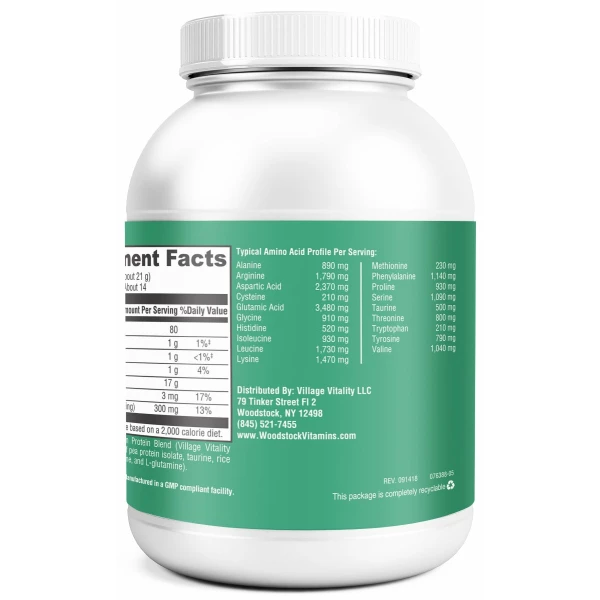
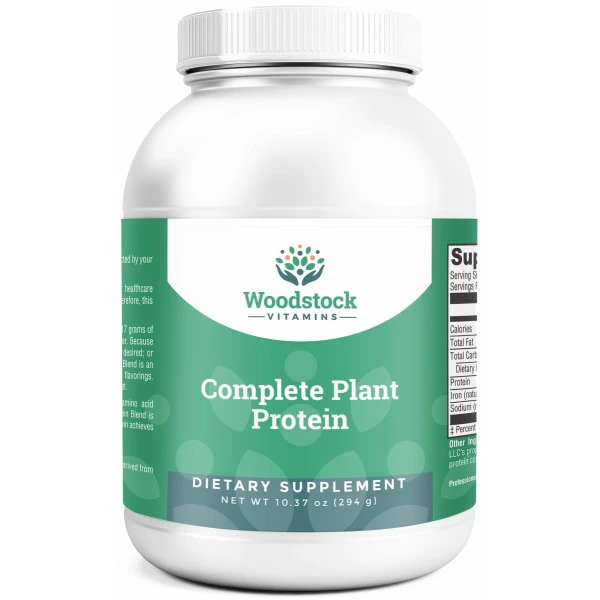
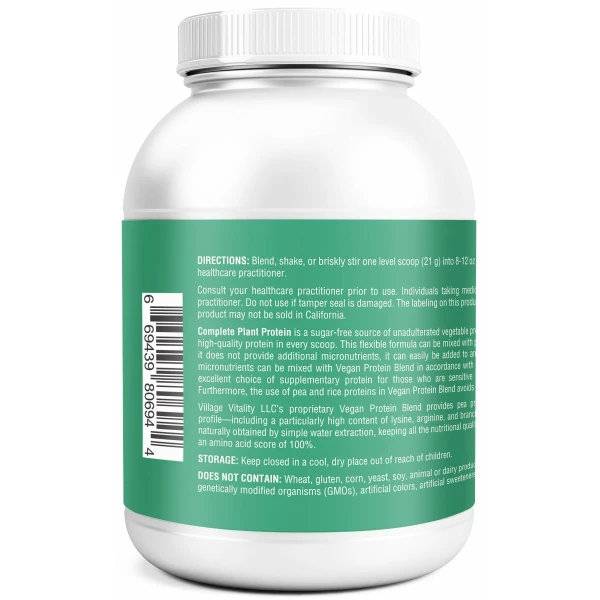
Totally vegan and highly bioavailable, Complete Plant Protein combines pea and rice to create a complete protein of unadulterated, veggie goodness. If you’re looking for a copycat formula, make sure that it, like ours, doesn’t contain sugar.
Learn More: Protein Supplements: Are You Getting Ripped Off?
3. Honorable Mention for Whey-Lovers: Vital Whey
And if you’re an omnivore who just can’t get a-whey from milk protein, that’s okay too. Our top pick for this category is Vital Whey, every day of the week.
Vital Whey is minimally processed, making it one of the rare whey protein supplements that still contains the beneficial immunoglobulins and lactoferrin from its milk source. (And that milk, of course, comes from grass-fed cows.)
Plus, it’s sweetened with monk fruit and comes in chocolate and vanilla flavors.
Protein Supplementation Done Right
So, what did the savvy shopper say about the protein powder that was too highly processed to be digested properly? “Those are some a-mean-o acids!”
Just keep that terrible joke in mind the next time you’re standing in the vitamin aisle. Find the minimally processed protein powder that’s nice to your body (and hopefully the earth, too).
If you need a spotter for the mental weight-lifting we call the research process — hop on a free Counterside Consult. Expert guidance included, protein puns and Kardashian gifs not included.
Have you caught wind of the magical potion from the ocean that’s sweeping the nation, boasting heart, skin, brain, and anti-inflammatory benefits?
It might sound fishy, but unlike other viral vitamins and trending supplements, this one isn’t a red herring. Omega-3 fatty acids — derived from the scaly sealife of the deep blue — have been studied, surveyed, and scrutinized into the ground. The results?
A resounding: This nutrient is essential, has measurable results, and beneficially impacts multiple body systems. You should know that already though — remember our recent blog on why omega-3 supplements are vital for long-term health?
(Catch up here in case you missed it.)
And now, today, we teach you how to fish. Or how to find the right omega-3 supplement, that is. We asked our captain — wellness wizard and Woodstock Vitamins founder, Dr. Neal — for the inside scoop on getting the right dose of omega-3 without wasting money or falling for far-fetched marketing tactics.
Keep reading, and we’ll make ye fishers of high-quality omega-3 supplements in no time.
In This Article
Eat Before You Treat: Omega-3 Food Sources
Okay, so maybe a fish oil supplement isn’t your idea of a special treat, but the principle stands regardless.
When it comes to successful supplementation, we should always focus on building up the foundation of our well-being before bringing in the big fish. The building blocks of that foundation are hidden within your daily habits or the lifestyle domains that are within your control: diet, sleep, exercise, stress management, and lifestyle changes.
AKA: The bottom tier of Dr. Neal’s Wellness Pyramid.
Learn More: The Wellness Pyramid: Your Roadmap to Holistic Health
So before you shell out your cold hard cash on an omega-3 supplement, focus on integrating food sources that are naturally rich in the fatty acids. A quick Google search for “foods rich in omega-3” will produce results that look like this:
- Fish (salmon, mackerel, tuna, herring, sardines)
- Nuts and seeds (chia, flaxseed, walnut)
- Seed oils (soybean, flaxseed, canola)
But don’t just dive headfirst into the seed oils (unless you want #HealthTok to dox you) — in general, we want to focus primarily on fish sources of omega-3 because of their natural EPA and DHA content.
(And if those mysterious acronyms, EPA and DHA, are new to you, don’t worry, we’re diving into the glorious waters of omega-3 contents below.)
Learn More: Debunked: 5 Myths About Omega-3 Supplements
Buying the Best Omega-3 Supplement: 3 Things to Look For
Presuming you paused reading to run to the grocery store for some fish, cooked it up, and have since integrated it as a regular part of your diet — welcome back!
Unfortunately, we’ve got bad news: Even the fishiest of healthy diets still lack optimal levels of omega-3.
But it’s not all doom and gloom. Your brain, body, and mood will still be happier being fueled by foods rich in fatty acids, and omega-3 supplements can fill in the nutritional gap you’re left with.
When it comes to reeling in the top catch of omega-3 supplements there are 3 key things to investigate before purchasing, according to Dr. Neal’s 20+ years of clinical experience:
- Dose
- Gross
- Host
1. Getting the Optimal Omega-3 Dose
We’ll give it to you straight because with omega-3 dosing, it’s sink or swim.
Anything below 2,000mg of omega-3 per day is not going to yield the incredible results you’ve read about in recent studies. (And yes, we’re aware that most supplements are suggesting people hit around 250mg per day.) But it doesn’t stop there — you’re also looking for more than just “omega-3” content in a supplement.
The omega-3 supplements that are worth their price tag will contain equally high doses of the fatty acids known as EPA and DHA, alongside the traditional omega-3 ALA.
So, your daily target dose of EPA and DHA should be around 3,000mg for successful supplementation but don’t forget to factor in your dietary intake, too.
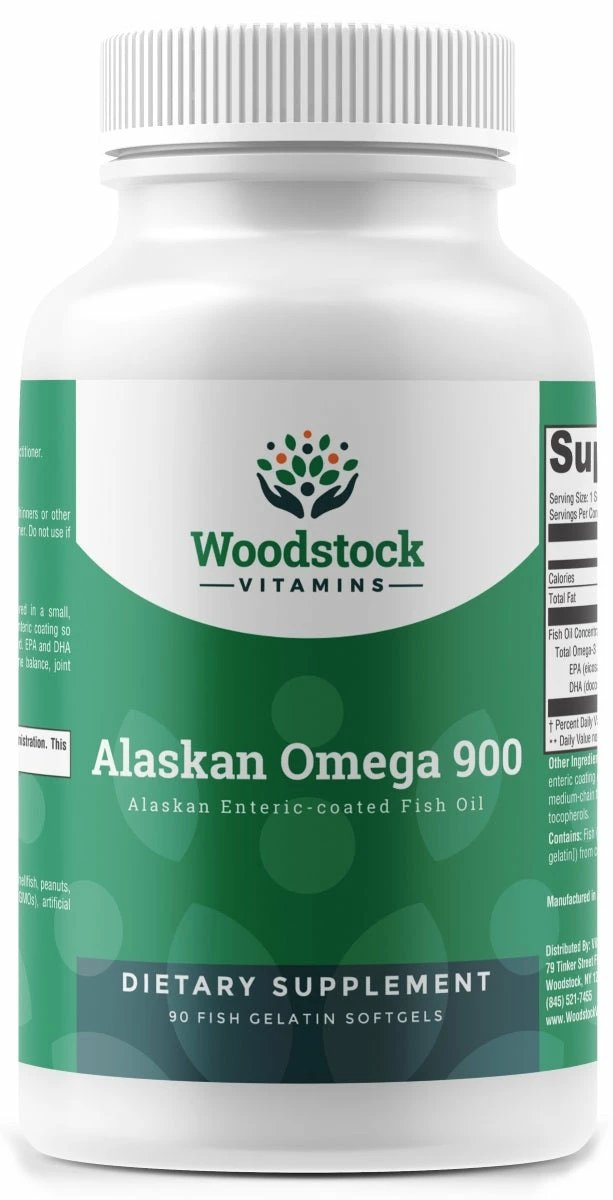
Look for: A supplement that clearly states the amount of EPA and DHA per serving, and has flexible dosing options (ie, 1,000mg per capsule) so you can tailor how much you take each day.
2. Avoiding the Gross Factor
As with anything that comes from the sea, there are a number of murky impurities to look out for. Why? Well, our oceans are filled with our favorite, distinctly human things: plastic and pollution.
Subsequently, fish-based omega-3 supplements can get gross in two core ways — sky-high contaminant content and rancidity.
We all know continued exposure to heavy metals and microplastics isn’t great, but rancidity can be just as devastating to our health, too. When fish oil turns sour, the anti-inflammatory benefits of the supplement are not only negated but inverted, too.
Rancidity makes the supplement pro-inflammatory.
Look for: An omega-3 supplement manufactured in a GMP-compliant facility, third-party tested for contaminants (specifically heavy metals), and refined for extended shelf life.
3. Host with the Most: Manufactures Matter
Rhyming host with dose and gross is a bit of a stretch, but at least it’s easy to remember, right?
When we say host, what we really mean is: Who sourced, processed, and sold this omega-3 supplement? Because the only way you can know for certain that you’re getting a quality supplement — sans rancidity, heavy metals, and negative environmental impact — is by buying from an ultra-transparent manufacturer.
The wellness industry is a bit like the Wild West in that way, regulations are loose and standards are looser.
But there are other fish in the sea manufacturers who hit all the key criteria for creating an omega-3 supplement that works for your wellness, your wallet, and the world, too.
Look for: A transparent manufacturer with supplements sustainably sourced from wild-caught fish for high potency and bioavailability, as well as environmental awareness.
Successful Omega-3 Supplementation Starts Here
So before you snatch up that cheap omega-3 supplement from Whole Foods, remember the three key points you need to investigate to avoid ending up with a different kettle of fish:
- Dose
- Gross
- Host
Now that you’re equipped with the skills of a seasoned fisherfolk, your omega-3 journey should be smooth sailing. Look out for lowered inflammation, improved gut health, and higher cognitive functioning ahead!
And if you need a fishing buddy — or direct guidance on your personal omega-3 supplement strategy — coast on over to a free Counterside Consult with one of our holistic health experts.
When was the last time you scarfed down a (BPA-free) can of (wild-caught) sardines for breakfast?
If it was any time in the last decade, then you can probably skip this blog. Chances are, you’re already getting your recommended intake of the fishy, fatty acid known as omega-3.
But if you’re like us and can’t quite stomach scaly squiggles in the morning, or even if you just struggle to eat two hearty servings of fish per week, the supplement sirens might be calling your name.
Omega-3 supplements have been gaining traction in the wellness world, reaching near-viral status as more and more influencers catch wind of its many, many health benefits. But is it worth the hype, or is it a red herring?
Scroll on to find out, fellow skippers! We asked the big fish, Dr. Neal — Woodstock Vitamins founder and notorious boat-rocker — to share the inside scoop on omega-3 supplements: why they’re getting popular, if they’re worth the price tag, and so on.
In This Article:
- Omega-3 supplements and the First5
- Why are omega-3s so important for health?
- Omega-3 vs. omega-6
- How to do omega-3 supplementation right
Omega-3 Supplements and the First5
No, “Omega-3 Supplements and the First5” isn’t our new band name, but it does give you a glimpse at the direction we’re headed in.
Not that you needed it — if you’ve been swimming around this side of the internet for a while, you already know how we feel about omega-3 fatty acids.
Omega-3s make up 1/5th of the First5 for a few key reasons:
- Most people aren’t getting enough omega-3s from their diet.
- Omega-3s can positively impact multiple body systems.
- The best data and research available support omega-3 supplementation.
All that should be reason enough to hightail it over to your go-to, high-quality supplement manufacturer, but actually, that’s just the hook.
Learn More: 5 Crucial Nutrients (Almost) All of Us Are Lacking
Why Are Omega-3s So Important for Health?
Here’s the line and sinker: Omega-3s play a critical role in your body’s inflammatory response.
So, if you’re not hitting the recommended intake of omega-3s, your body is going to struggle with regulating inflammation. But inflammation isn’t the Big Bad Wolf it’s made out to be (more on that below).
It’s chronic inflammation that we have to look out for, as recent research has linked it to a whole host of unpleasant things, ranging from uncomfortable symptoms to serious health issues:
- Autoimmune diseases and chronic illnesses
- Symptoms of IBS
- Cancer and tumor development
- Type 1 Diabetes
- Increased stroke risk
- Neurodevelopmental disorders (like ADHD)
But the good news is, as we continue to learn more about how chronic inflammation can wear down the body, we’re also learning how regulating inflammation can improve bodily functions.
Omega-3, the anti-inflammatory powerhouse, has been shown to have positive effects on a range of symptoms and body systems:
- Higher cognitive performance
- Improved neurocognitive functioning
- Positive changes in the gut microbiota
- Better processing of emotions in ADHD patients
- Improved symptoms of inflammatory skin disorders (acne, psoriasis, etc.)
- Positive effect on symptoms of autoimmune diseases
- Lowered risk of cardiovascular disease
Omega-3 vs. Omega-6
Despite their gleaming reputation, omega-3s aren’t the only oily fish in the sea, though.
Omega-3s work in tandem with their pro-inflammatory counterpart, omega-6s. The latter, omega-6, is responsible for creating and maintaining inflammation in the body, but before you start quivering in your hip waders, let’s reframe our understanding of inflammation.
Inflammation is an intelligent, purposeful defense mechanism of the body that helps us fight off infections and defend against harmful stimuli.
Omega-6 turns up the heat when a toxin sneaks into our bodies, and omega-3 calms the body to avoid chronic, low-level inflammation.
So, in the inflammatory response process, omega-3 and omega-6 work together in a yin and yang dance, with both nutrients playing pivotal roles.
Learn More: 5 Myths About Omega-3 Supplements
Proper Omega-3 and Omega-6 Ratio
Typically we want to see a 4:1 ratio of omega-6 to omega-3, but unfortunately, most Americans are getting closer to 20:1.
Sound fishy? Well, we can point fingers at the average Western diet of highly processed and nutritionally bankrupt food, which includes a whole lot of omega-6s and not a whole lot of omega-3s.
These fatty acids are processed by the same enzyme system, so both the omega-3s and omega-6s we ingest will be standing in line at the same gate in the body. Following this metaphor, if you have a swarm of 50 Omega-6s crowding the line, the poor little Omega-3s will be twiddling their anti-inflammatory thumbs for ages.
Ideally, we want the Omega-3 and Omega-6 to enter our bodies like a well-oiled zipper. It should be a more synchronized dance of:
Omega-3 | Omega-6 | Omega-3 | Omega-6…and so on.
This balanced influx ensures that both nutrients have a fair shot at doing their jobs effectively.
Omega-3 Supplementation: Why You Need It and How to Do It Right
Maintaining this optimal level of balance between omega-3s and omega-6s through diet alone isn’t an easy feat for most of us modern folks. We’ve got bigger fish to fry — bills to pay, meetings to slouch in, appointments to run to, kids to pick up, etc.
Omega-3 supplements, then, can fill in these nutritional gaps and keep us from developing diseases of deficiencies, when done right.
And doing omega-3 supplementation right means:
- Taking the right dose
- Taking the right form
- Taking supplements from high-quality manufacturers
Omega-3 Supplement Dose
The American Heart Association recommends at least two servings of fatty fish (or the supplement equivalent) per week. That amounts to about 500 milligrams (mg) to 1,000 mg of DHA and EPA per serving, so you’re looking at a recommendation of 1,000 to 2,000 mg per week.
But that’s just the minimum dose needed to see minimum results. You’ll likely want to be hitting the highly studied doses — which are closer to 1,000 to 3,000+ mg per day.
Omega-3 Supplement Form
It’s not just the omega-3s in omega-3 supplements that are helping your heart, skin, tummy, and brain, though. The phrase omega-3 is actually a bit of an umbrella term, encapsulating the two other omega fatty acids that play a critical role in driving down inflammation: EPA and DHA.
Higher doses of EPA and DHA will provide you with better results than supplements that have minimal doses. Point blank.
So, look for omega-3 supplements that provide clear information about the serving size of EPA and DHA per pill. That way, you know exactly how much of these powerhouses you’re getting.
We’re aiming for a dose of 3,000mg of EPA and DHA in a day, but don’t forget to factor in the omega-3 content from your diet as well.
Learn More: Debunking 5 MORE Omega-3 Supplement Myths
Omega-3 Supplement Manufacturers
Besides the omega-3, EPA, and DHA dose factor, there’s one other major component to choosing the right supplement: the gross factor.
(Dose and gross — pretty easy to remember, right? Thanks for that, Dr. Neal.)
Omega-3 supplements are almost always made from fish oil and if you haven’t heard, fish live in the ocean. These humble aquatic creatures are swimming through plastic-infested waters, chowing down on garbage and toxins due to the continued pollution of our planet.
Ick.
The fish used to make your omega-3 supplement, then, can be loaded with heavy metals and microplastics, and the oil created can turn rancid at the drop of a hat.
Both elements can directly negate the benefits of omega-3s, and rancidity in particular flips the switch from anti-inflammatory to pro-inflammatory.
So: Finding an omega-3 supplement manufacturer with meticulously defined, rigorously upheld standards for quality control and proper storage is a make-or-break detail for successful supplementation.
It’s O-Fish-ial, Omega-3 Supplements Are Worth the Hype
Omega-3 supplements aren’t just a big fish in a small, wellness-related pond.
The data, cutting-edge research, and personal experiences of Dr. Neal‘s patients all point to its critical role in maintaining long-term health in the modern age. So don’t leave your heart, brain, gut, and skin health up to salmon else — take your supplementation strategy by the gills!
And if you need a captain to steer you in the right direction, you can chat with a supplement strategist for free with a Counterside Consult. (Fish puns not included.)
If you’re here reading this, then you’re probably ready — or at least almost ready — to take your first steps toward a healthier, happier self.
As you gingerly set foot on this path of wellness, you could be on the precipice of a life-changing process…if you do it right.
Isn’t it a bit terrifying, that even the best of intentions can be rendered totally useless when it comes to our health and well-being?
In our age of digital clutter and despicable marketing tactics, there seems to be an abundance of directions to go in, each one promising total transformation (for just $499.99!).
So what’s an average person to do? Do you start with a heavy metals detox, quit gluten cold turkey, or take up beekeeping to regulate your nervous system? Or do you have your doctor run labs on everything from your thyroid to your big toe?
Spoiler alert — it’s none of that. (At least not yet.)
We asked Dr. Neal, holistic pharmacist of 20 years and wellness wisecracker, for his take on the very first steps. You know, where do we start?
And it should come as no surprise that his answer was a surprise: Transformation starts much closer to home than any of those expensive tests or tantalizing retreats would suggest. Keep reading to learn the essential elements of starting your wellness journey, and some down-to-earth, practical tips to do this adventure right.
In This Article:
- The 5 things everyone needs to do
- The first 5 steps everyone should take
- Where to find support on your wellness journey
Move, Nourish, Rest, Etc: Take Yourself From Junk to Joy
We’d say that these 5 things are what everyone, even that wellness influencer you follow, needs to do, but that’s a bit reductive.
No two people are the same — biologically, emotionally, spiritually, financially, etc. — even if those two people are both launching their wellness practices for the first time. Not all advice will work for everyone, but we trust that you, dear reader, are clever enough to take what works for you and leave the rest.
That being said, these 5 things are pretty rock-solid starting points for most humans embarking on a wellness journey. They’re short, simple, and sweet, and pretty intuitive, too:
- Eat less processed food.
- Eat more fresh, whole foods.
- Incorporate regular movement.
- Get better sleep.
- Take everything in moderation.
That’s not so bad, right? We can do that.
These changes might seem small, but they can add up to a pretty big transformation with a little dedication. In fact, just prioritizing these 5 simple things puts us squarely within the first tier of the Wellness Pyramid.
And if you want to do more now, or down the road when these 5 adjustments have you feeling like You 2.0, there’s always room to grow.
Learn More: Wellness Practices 101
But wait, didn’t we imply that real transformation doesn’t begin in the material reality of veggies and yoga, but rather in the intangible reality of the mind? We did — how astute of you.
Set the Stage for Success: The First Five Steps to Your Wellness Journey
No matter where you are in your wellness journey — from complete beginner to vitality veteran — there are some steps you just can’t skip. Unless you don’t mind wasting your time and money, that is!
When it comes to health and wellness, it’s a work smarter, not harder, kind of situation.
The practices and efforts you adopt to improve your overall well-being should actually work, first of all, and they should also be relatively easy to sustain (literally and financially) long-term, too.
So, for the sake of your health, follow these 5 steps to get started instead of getting swindled:
Step 1: Myth Debunking
It bears repeating that, in this vast ocean of wellness information, it’s easy to get swept away by the seductive sirens singing the praises of miracle supplements and magical pills.
But these fishy marketing tactics target people who just want to feel better, healthier, and happier. They prey on the vulnerability that comes with feeling like crap and the desire to be revitalized.
So, step one of your wellness journey is to cut through the babble and uncover what truly works.
Educate yourself, re-educate yourself, and then educate yourself again, even if you consider yourself already health-literate. New marketing tactics (à la grass-fed) emerge constantly, but new research does too — so, empower yourself with data-backed knowledge, captain.
This is your ship after all.
Step 2: Shift Your Expectations
And now, because we’re continuing this extensive metaphor, it’s time to set sail on uncharted waters.
Whether you’re just starting out or revamping your health game, you’re going to have to shake off those old predispositions and embrace an evidence-based mindset.
(The myth debunking of step one, while often exhausting and a bit horrifying, should lend itself well to this part.)
Because, here’s the thing, most of us are obsessed with quick fixes — ie, we take ibuprofen and our headache is obliterated in 20 minutes. It’s not just that we’re obsessed with immediate gratification though, we’re conditioned to expect it.
So here’s where the major mindset shift comes in: Wellness practices and supplements, which are the key to long-term wellness, just simply don’t work that way.
Rather than being a temporary, albeit instant, Band-Aid, their effect is cumulative. Setting realistic expectations, then, involves some major adjustments to our time frames. Rome wasn’t built in a day, and optimal health won’t be achieved overnight.
It’s Okay to Be Wrong, Too
Now, if you’re revamping your health journey, be prepared to let go of some cherished truths or beloved brands. As we dive into the depths of knowledge, it’s likely that you’ll uncover new insights that challenge your previous choices.
It’s okay to let go and embrace the better options that align with our newfound wisdom. (AKA, the most bioavailable forms of vitamins or bone-building wellness practices that aren’t a bunch of hokey.)
Step 3: Build a New Framework
Armed with information and a no-nonsense attitude, it’s time to say goodbye to arbitrary choices and wave hello to a strategic approach.
Y’know, like the Wellness Pyramid we mentioned above.
After multiple decades of clinical practice, working one-on-one with folks on their health journey, Dr. Neal put this simple, holistic structure together. Why? To cut through the chaos and give individuals the opportunity to reach optimal health.
The Wellness Pyramid is a data-backed, comprehensive approach that’s flexible enough to honor each person’s unique journey. It’s the scaffolding that provides a sturdy framework for health aspirations but still lets you decide how to decorate the walls.
Learn More: The Wellness Pyramid: Your Roadmap to Holistic Health
You don’t have to choose the Wellness Pyramid as your personal structure, though. You can pick what works for you, and we won’t be offended. Promise.
The important part is the picking. Without a strategy, you’re going to run into these unfortunate obstacles:
- Wasted money — on supplements that are more fluff than a jar of Jet Puff.
- Scattered efforts — like hyper-focusing on one area of the body while neglecting others.
- Wasted time — waiting for noticeable change that’s never on its way.
Step 4: Take (Honest) Inventory
Hot girls get real with themselves. And that starts with a super candid, internal conversation about where you are, what you’re doing right, what you’re capable of currently, and what your long-term health goals look like.
But if that sounds horrible, don’t fret. Dr. Neal shared with us the three most common paths that people tread, in his extensive experience of guiding health journeys.
1. The “I’m doing nothing, and I want to be healthier” crew:
If you’re in this camp, consider yourself lucky! You can simply kick-start your transformation by focusing on the foundation of your health: diet, sleep, exercise, stress management, and lifestyle changes.
Optimize these straightforward lifestyle domains and witness your life and health take a turn for the better.
2. The “I’m doing everything, but I want to do it better” squad:
You’re already a health savant and you’ve got your eating, snoozing, etc., pretty much in order, but you’ve hit a plateau.
Take a good look at your lifestyle domains at the pyramid’s base, and fine-tune them to perfection. Then, shift your gaze towards optimizing your supplement game with the First5.
Learn More: 5 Crucial Nutrients (Almost) All of Us Are Lacking
3. The “I have a specific health issue that I need to deal with” gang:
Sometimes, life throws a curveball, and you need to focus on a particular health concern. In such cases, the top of the pyramid may come into play, seeking conventional care tailored to your specific issue.
But let’s not forget the power of prevention. Remember, you can’t green-smoothie away everything, but you can arm yourself with holistic practices to safeguard your well-being.
Step 5: Commit to Making the Important Things Important
Here’s the hardest truth: it all comes down to you, baby. Are you ready to step up and commit to getting it right this time?
You already started having an honest conversation with yourself in the previous step. All we’re doing here is continuing that larger, deeper dialogue.
Do you truly have no time for exercise, or are you making a mountain out of a molehill?
Is breakfast really an impossibility, or are you hitting the snooze button one too many times?
And let’s talk about that meditation practice — are you really too busy to find five minutes of peace, or are you easily swayed by the instant dopamine spikes of social media?
If you admit to falling for those easy distractions or not prioritizing the things that you know will make you feel better, don’t beat yourself up. You’re in good company! Our world is designed to lure us into quick fixes that drain our energy and our wallets.
But your secret weapons here are honesty and commitment.
Honesty will keep you on the path of what works for you, and when paired with commitment, you get to be one of the people who say: “I did this thing, and it worked!”
Because in order to get to the “and it worked!” part, you have to commit to doing the thing that will work — taking the supplement, changing your diet, going to the meditation retreat, optimizing your sleep, and so on.
Start Planning Your Wellness Journey
The best time to revitalize your life and focus on your wellness was (probably) 20 years ago, but, as they say, the second best time is right now.
If you’ve made it this far in this humble, meme-filled blog, then you’re ready to ditch the guesswork, make intelligent choices, and become your best (or at least healthiest) self. The path is clear, the tools are in your hands, and the adventure awaits.
And, of course, your life depends on it. How’s that for motivation?
If you need a trail guide, we’re here, backpacks loaded and walking stick in hand — schedule a free Counterside Consult.