





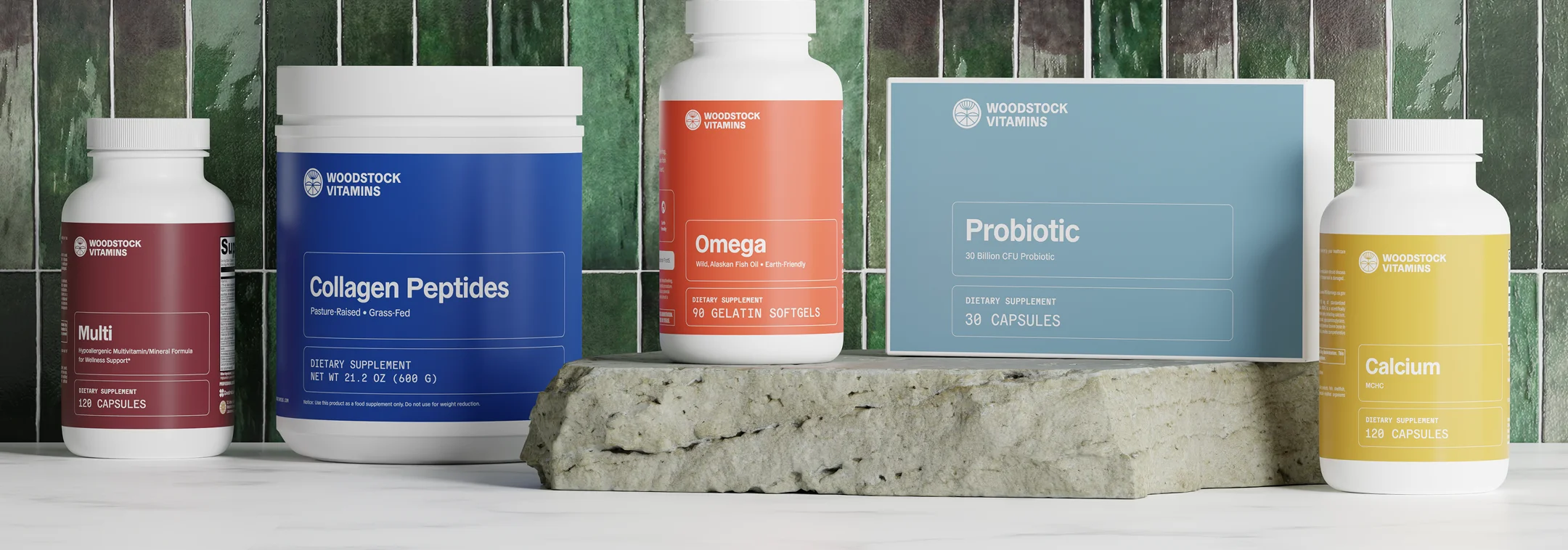

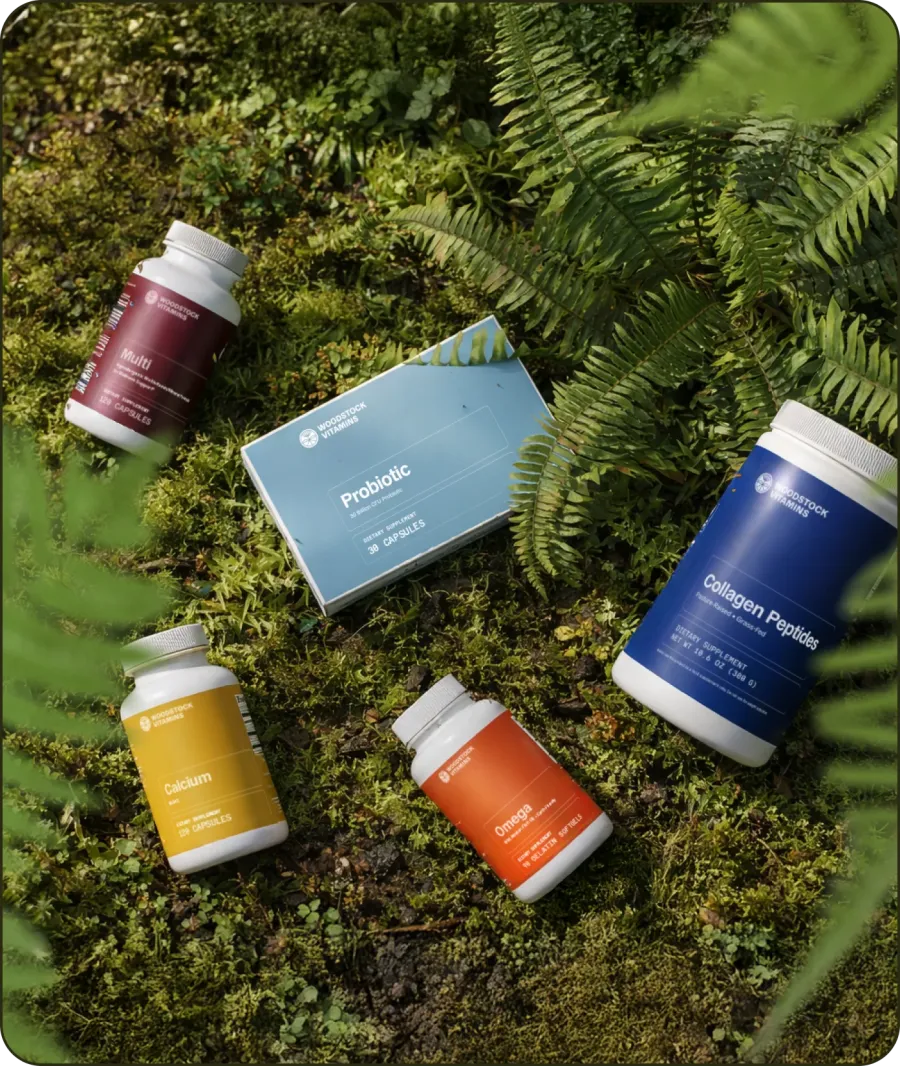
In a perfect world, our bodies would happily feast on a well-balanced diet, absorbing all the essential nutrients they need to function. But, let’s face it, reality often has other plans.
Our chaotic contemporary lifestyles, filled with fast-and-easy, processed foods, can lead to malnourishment even on the best days. Hence, our obsession with the modern-day superheroes we call supplements.
Last week, we talked about Dr. Neal’s concept of thriv-ival. Remember tip #5 for staying well in this whacked-out world?
“Get strategic about your supplements.”
Because, while these simple capsules can fill in the nutritional gaps and save us from diseases of deficiency by providing crucial compounds that are lacking in our candy-forward diets… It’s not as easy to strategically integrate supplements as it may seem!
So, we asked Dr. Neal, holistic pharmacist of 20 years and supplement savant, to break down the nutrients that we humans actually need to thrive. Because, if we’re honest, it’s perilously easy to waste money and time on cheap or ineffective supplements.
Scroll on, wellness warrior, to meet the five nutrients — AKA the vital5 — that will soon become the building blocks of your very own, personally tailored supplement strategy. (And learn why they’re vital, which forms to take, and the doses that make a difference!)
In This Article:
- 3 things to know about supplementation
- How Dr. Neal formulated the vital5
- vital5 nutrients to optimize before anything else
Beware the Supplement Band-Aid: 3 Mindset Shifts
We’ve all been there: caught up in the quick-fix mentality, hoping that a handful of magical pills will magically transform us into Greek gods and goddesses without lifting a finger.
Who could blame us? When you feel like crap, or your health just isn’t where you’d like it to be, you’ll try anything.
But here’s the harsh truth — supplements are not Band-Aids. They can’t plaster over a lifestyle that’s been built on junk food, Netflix binges, and staying up until 3 a.m. staring at cat memes. That just simply isn’t how it works.
(We’re not judging though; we’ve learned this from experience!)
Supplements aren’t the protagonists in your wellness story. They’re the supporting characters and they need to be chosen strategically after you’ve worked on improving the 5 lifestyle domains in your control.

Taking supplements before optimizing your sleep, diet, stress management, etc., is a bit like going to the gym and lifting random weights, hoping to transform into a bodybuilder overnight.
So, let’s set the record straight — if you want to avoid wasting money and supplement your lifestyle strategically, there are three things you have to know:
- Supplements should complement our wellness practices, not replace them.
- They enhance our efforts and have a cumulative effect, not an overnight cure.
- And most importantly, they should be chosen based on real science, not the latest influencer endorsement.
Remember, the wellness industry is like the Wild West, with loose regulations and even looser standards. Knowledge is power, then, and being an informed supplement consumer will save you from drowning in a sea of snake oil and empty promises.
Before popping that pill or gulping down that elixir, ask yourself: Why am I taking this? Is there solid research backing it up? Does it align with my specific needs and goals?
Learn More: The Wellness Pyramid: Your Roadmap to Holistic Health
Dr. Neal’s vital5 — The 5 Nutrients We Need the Most
Once you’ve committed to the lifestyle changes necessary for your, unique wellness journey, it’s time to start supplementing strategically with the nutrients you’re most likely still low on — we call them the vital5.
When Dr. Neal set to formulating this simple set of critical components, it was to answer the question he heard nearly every day in his 20 years of practice: “What supplement should I take?”
The wisecracking wellness wizard realized that most modern folks are inundated with marketing tactics and misinformation — the vital5, then, puts the power back in the hands of the individual by cutting through the chaos.

The three criteria points Dr. Neal chose to delineate the vital nutrients from the not-so-vital ones are:
1. They are difficult to get the right amounts, even in the healthiest diets.
Here’s a truth bomb: it’s cheaper (in dollars AND calories) to use quality supplements than it is to buy all the food necessary to get these nutrients naturally.
We’re not saying skip the kale and munch on pills instead, but let’s be real about it — keeping up with a nutritionally perfect diet isn’t always a piece of cake.
2. They benefit not just one, but several body systems.
These nutrient powerhouses — omega-3s, probiotics, bone support, protein, and multivitamins — are the foundation of health and wellness, affecting everything from our brains and bones to digestion and endocrine systems.
So, when it comes to buying supplements, investing in these five nutrients will give you the most bang for your buck.
3. They have strong evidence to support their benefit
Dr. Neal chose, quite specifically, the nutrients that have the most data-dense background. Each one has been studied, scrutinized, and put through the wringer that is the modern scientific method.
Because, at its core, the philosophy of the vital5 is to help individuals sift through the BS and find what actually works, based on the cold, hard evidence available.
This list of vital nutrients was designed to address the nutritional optimization gap — AKA the chasm between where we are nutritionally, and where our body needs us to be to function properly and thrive.
So keep in mind that it’s not just about taking the right vitamins and minerals. It’s about choosing the right supplement manufacturer, the right form of the vitamin or mineral, and the right dose, too.
Meet the vital5: Nutrients to Optimize Before Anything Else
1. Omega-3
- Form: Alaskan Fish Oil
- Critical Components: Omega-3, EPA, DHA
- Dose: 2,000-3,000mg daily
Omega-3 has been in the spotlight lately, most likely for its unparalleled effect on mental clarity and cognitive functioning. We humans tend to like our brains, and just about anything that makes our brains work a little better.
But it’s not just for that topmost organ — omega-3s play a pivotal role in combatting inflammation, improving joints, boosting eye health, and supporting the heart all thanks to its essential nature as a fatty acid.


You see, most of us are getting a little too much of this fatty acid’s pro-inflammatory counterpart — omega-6s — from our diets, and not enough of the anti-inflammatory agent, omega-3. Inflammation, in the right amounts, helps our bodies fend off illnesses and infections, but it can do more damage than good in excess.
Most Americans over-consume omega-6 fats and under-consume omega-3. We like to see a ratio of 4:1 omega-6 to omega-3, but we’re closer to 20:1.
Dr. Neal Smoller
Using supplementation to balance your omega-3 and omega-6 intake, then, is the key to a healthy inflammatory response all throughout the body.
Learn More: Omega-3 Supplement Buying Guide: 3 Things to Look For
2. Probiotics
- Form: High-survivability formulation
- Critical Components: Combination of acidophilus and Bifidus bacteria strains
- Dose: 15 Billion CFUs per day
Was it Hippocrates or Dr. Oz who said, “All disease begins in the gut,”?
Whoever it was hit the nail on the head – gut health is the gateway to overall health, and probiotics are our digestive system’s greatest allies.
Here’s the gist: Probiotics are microorganisms, but not all microorganisms are probiotics. And, by the same token, not all probiotics you find in the store include the bacterial strains that actually benefit the human body.
Beneficial strains of probiotics can flourish in the gut, populating nooks and crannies with microscopic friends that balance the digestive system.
The normal flora, or the collection of microorganisms that live in and on us, is under constant attack — from stress, diet, medications, and more.
Dr. Neal Smoller
And here’s where the science comes in: Probiotics are not just some mystical potions conjured up by a wandering weirdo. They’re backed by a mountain of research that would make even the most skeptical scientist give a nod of approval.
Plus, probiotics don’t just start and stop at the gut. They boost the immune system, bolster the brain, and can even have an impact on your mood and mental health.
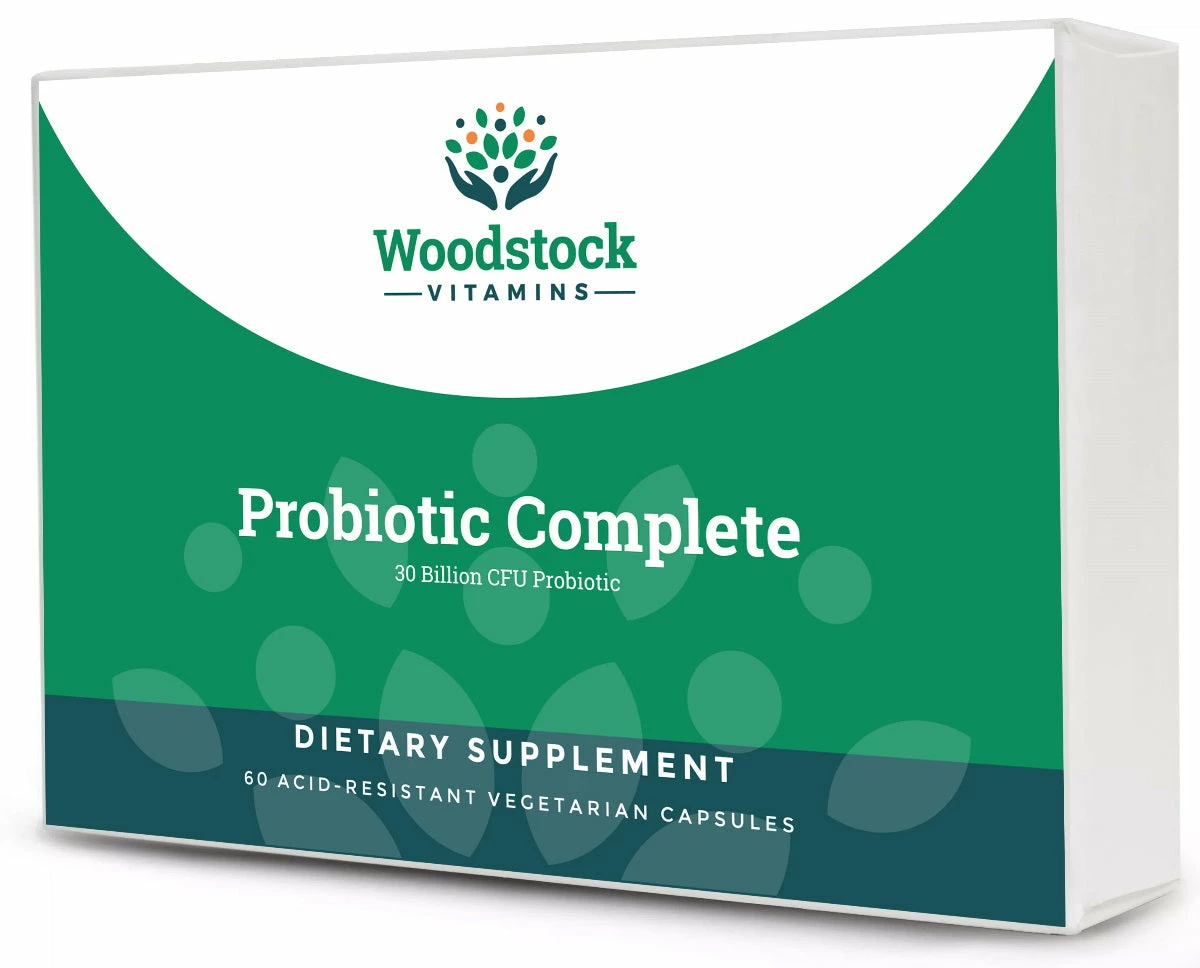
But, just like you wouldn’t trust a self-proclaimed guru peddling miracle cures on a late-night infomercial, you shouldn’t trust any old bacteria claiming to be a probiotic. Make sure you dig deep and find the specific strains proven to have a beneficial effect on humans!
Learn More: Be Proactive: How Can Probiotics Improve Your Health?
3. Bone Support – AKA Calcium and Vitamin D3
- Form: Calcium and Vitamin D
- Critical Components: Calcium hydroxyapatite and cholecalciferol
- Dose: 1,000 to 1,200mg of calcium daily; 1000-2000 IU of Vitamin D daily

Ah, bone health, the foundation upon which we stand tall and strut our stuff.
First up for supporting your ever-important skeletal system, we have sunshine in a bottle — vitamin D. When you bask in the glorious rays of sunlight, they interact with a protein on the skin called 7-dehydrocholesterol (or 7-DHC) and convert it into vitamin D.
It’s like your body’s own little sun-kissed magic trick.
But, you don’t want just any old vitamin D. You want vitamin D3 (cholecalciferol) and you want about 1000-2000 IU (International Units) per day.
Learn More: Vitamin D: Sunshine Supplement for Bones, Blood, and The Blues

Vitamin D levels in America are low, on average, compared to the rest of the world. As we’ve seen with COVID-19, low vitamin D levels increase our risk for respiratory infections.
Dr. Neal Smoller
Vitamin D also helps our bodies absorb calcium, and everyone knows calcium is good for your bones. This mineral maestro creates the building blocks of your skeleton, laying the foundation for strong and healthy bones.
Calcium isn’t just about building bones, though, it’s also essential for various body functions. It helps with muscle contractions, nerve signaling, and even blood clotting.
But here’s the twist: your body can’t produce Calcium on its own. You can either take calcium or you can draw calcium from within your body. And most people aren’t getting enough from diet alone.

Now, you’ll probably hear that you should be taking calcium carbonate or calcium citrate. We disagree. We prefer calcium hydroxyapatite. Why? Because it provides more than just calcium — it includes all the natural nutrients necessary to support the whole bone matrix.
You want to aim for a daily dose of 1,000 to 1,200 milligrams (mg) of calcium hydroxyapatite.
Learn More: Bone Health: Why We Always Recommend Calcium Hydroxyapatite
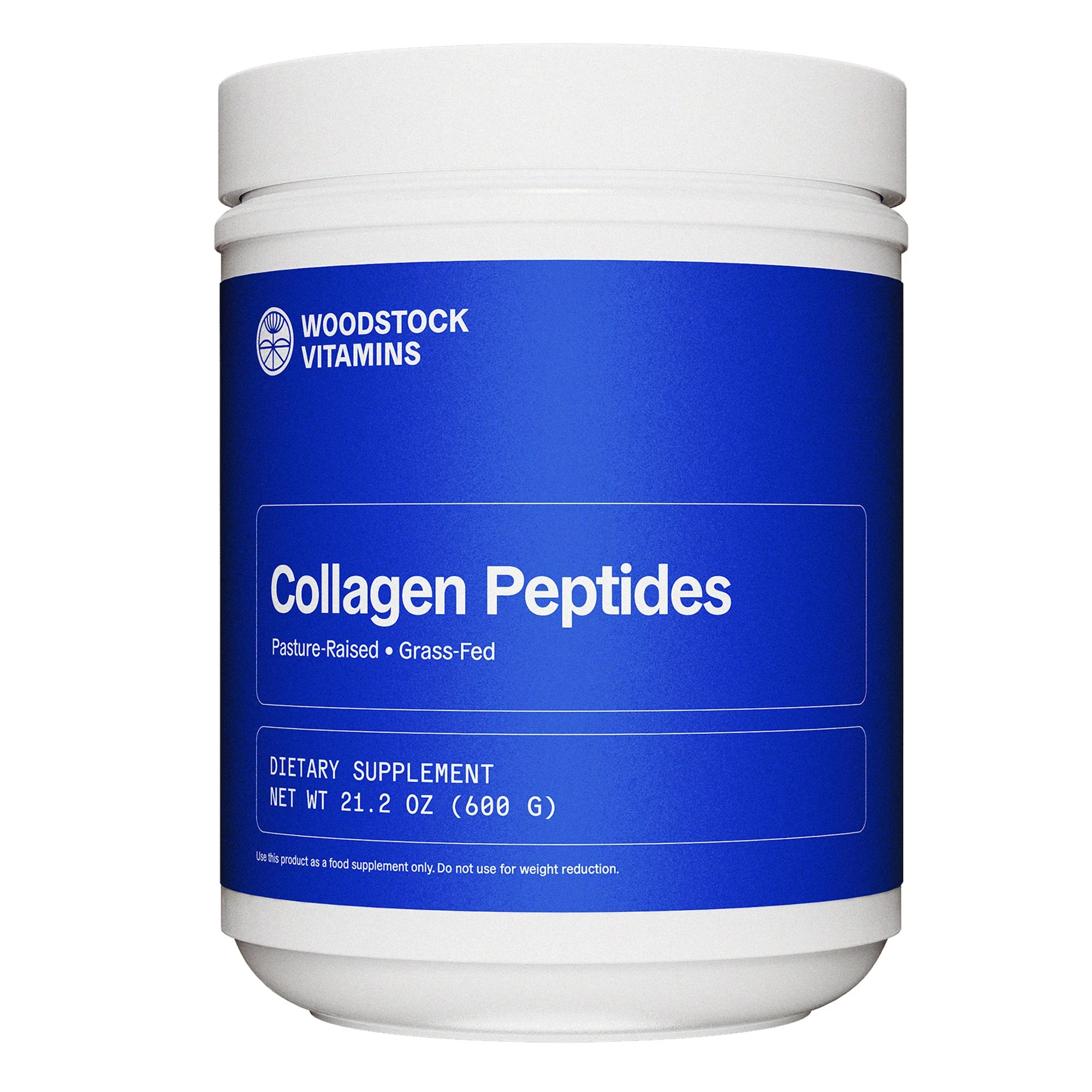
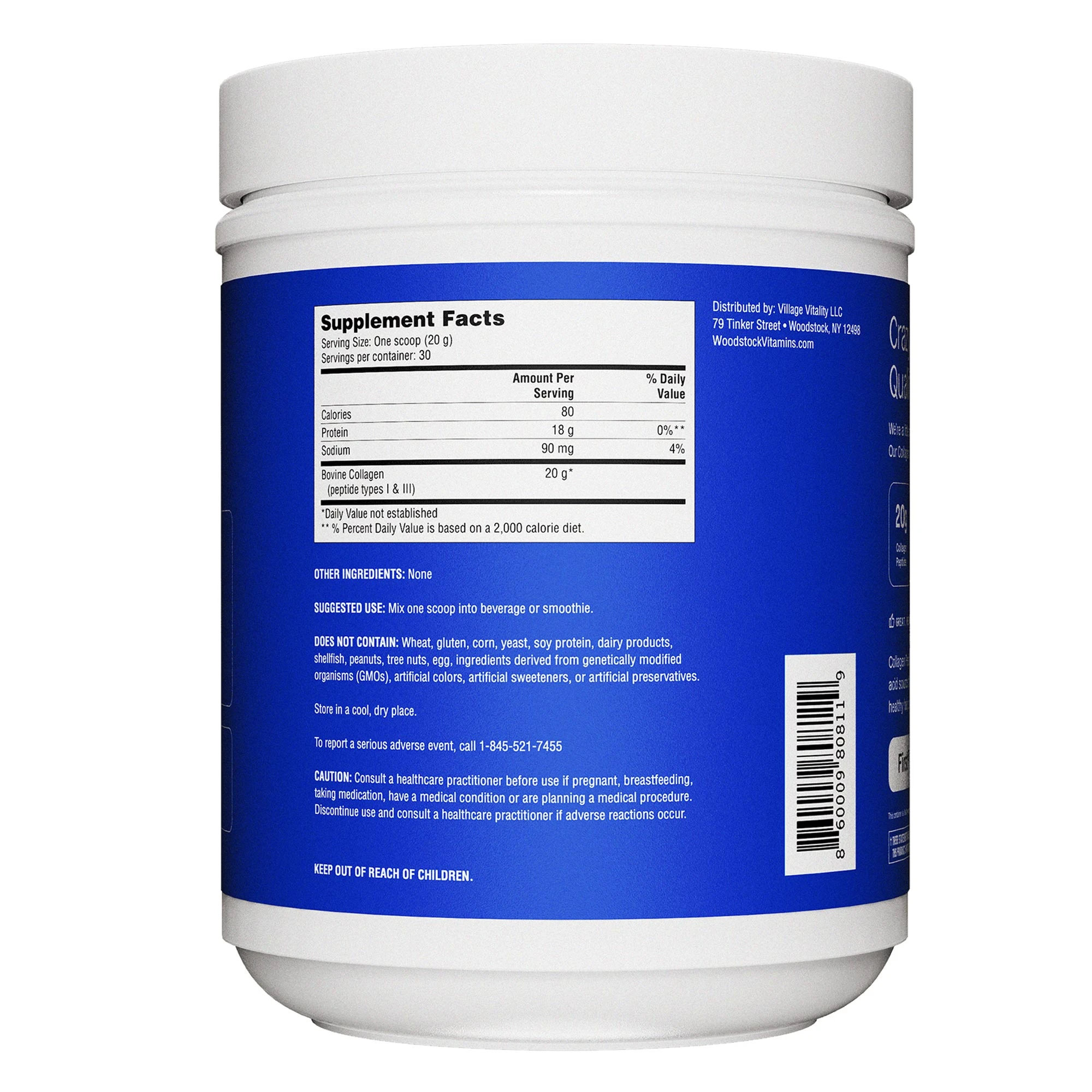
4. Protein, Or More Specifically, Collagen
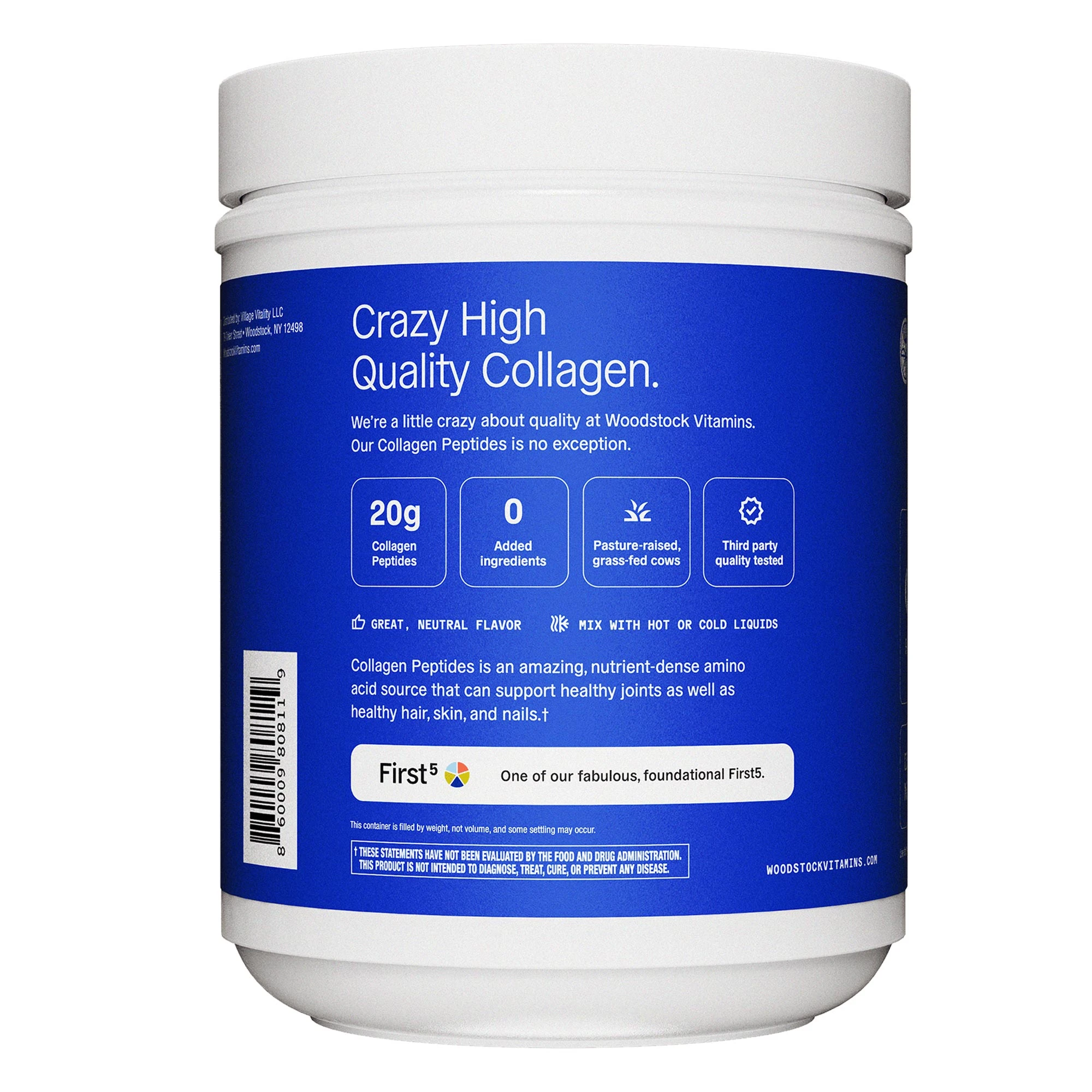
- Form: Collagen peptides
- Critical Components: Grass-fed, bovine source
- Dose: 10 to 20g per day
Let’s flex those muscles and start digging a little deeper into protein!
Protein supplements are like the muscle-building shortcut, providing you with a concentrated dose of amino acids that your body can readily absorb. It’s like giving your muscles a direct line to the gains department.
Now, when it comes to protein supplements, you’ve got options.
First up, we have the classic whey protein, derived from milk. We’ve got plant-based options too, like pea protein, hemp protein, or a blend of various plant sources. They all offer a protein punch that would make Popeye jealous.
But if you, like us, only want the best of the best — then the only real option is collagen protein.
But hey, before you start chugging collagen peptide protein shakes like there’s no tomorrow, remember that balance is key. While supplements can be a fantastic addition to your fitness routine, they shouldn’t overshadow the importance of a well-rounded diet.
If you want that boost, aim for an extra 10 to 20 grams per day of grass-fed collagen peptides.
Learn More: Choosing the Right Protein Supplement: 5 Questions to Ask
5. Multivitamins (and Minerals)
- Form: Full-spectrum of micronutrients
- Critical Components: Combination of vitamins and minerals
- Dose: Varies for different demographics


Our bodies are like finely tuned machines, and to keep them running smoothly, they need a balanced mix of nutrients. But, despite our best intentions, it’s not always easy to get the full spectrum of vitamins and minerals from our diet alone. Life gets busy, taste buds get picky, and sometimes the salad just doesn’t cut it.
Enter multivitamins, the all-in-one solution to fill those nutritional gaps and keep you firing on all cylinders.
Now, you might be thinking, “But do multivitamins actually work?” The short answer is yes. Extensive research has delved into the effectiveness of multivitamins, and while the results can vary depending on individual needs and lifestyles, they generally show positive outcomes.
Learn More: Choose the Best Multivitamin Supplement: Dr. Neal’s Do’s and Don’ts
Here’s where it gets a little confusing. Multivitamins come in all shapes and sizes, and they’re marketed to specific demographics and specific needs. Plus, when it comes to dosages, there’s no one-size-fits-all answer.
Proper dosages can vary depending on age, gender, and more. To determine the right dose for you, consider factors like:
- Your diet
- Lifestyle
- Health concerns or risk factors
And, here’s the most important part: seek guidance from your reliable posse of healthcare experts — physicians, pharmacists, dieticians, or our squad of knowledgeable folks — to pinpoint the ideal dosage tailored to your one-of-a-kind situation.
Learn More: Multivitamin Lineup: Comparing Our Top Multivitamins
Lay the Foundation for a Long, Healthy Life
Finding the right supplements in our cluttered digital world of sales pitches and virtually nonexistent regulations has never been easy. That’s why our whole thing here at Woodstock Vitamins is centered on making it easier.
So, TL;DR: If you’re ready to create a sustainable foundation for your wellness, start with these 5 nutrients. But, remember, the vital5 is just the first — but still very important — step in your supplement strategy.
If you want to lay a solid foundation for overall health that lasts long after you hit your goals, you’ll want to follow a holistic, or whole-body, path.
Either way, we’re here to help make reaching (and maintaining) your long-term health goals easier to manage. Don’t believe us? Hop on a free Counterside Consult for direct, personalized guidance from a real, human specialist.
Cultivating genuine wellness in our age of misinformation and digital clutter is like being stuck in a maze of supplements and snake oil salesmen. Around every corner, a cacophony of options, opinions, protocols, and self-proclaimed experts waits to chime in.
It’s enough to make your head spin!
So, when it comes to health, most people follow one of two paths: Some do a lot of a few things, and others go all-in on one thing. Hitting the sweet spot — doing some of ALL the important things — is a rarity, and yet that’s exactly what we should be aiming for.
Thankfully, after 20 years of clinical practice, Dr. Neal has boiled down his tried-and-true, data-backed approach to holistic health into one, handy little tool: the Wellness Pyramid.
On the journey to genuine, sustainable well-being, the Wellness Pyramid is your compass, your trusty packing list, and your structured roadmap. Say goodbye to the confusion, the long cons, and the conflicting information!
Welcome back, clarity, we’ve missed you.
In This Article:
- Conventional vs. holistic health
- Using the Wellness Pyramid as a roadmap
- Implementing lasting change through gradual improvement
- The three tiers of the Wellness Pyramid
Conventional vs. Holistic Health and Wellness
In the quest for holistic wellness, it seems like there’s a never-ending clash between the “holier-than-thou” purists who reject anything conventional and the skeptics who dismiss the entire wellness industry as a bunch of quacks.
And let’s be real, both sides have a point.
Sure, there are some profit-focused phonies out there in the wellness world, spreading misinformation while hiding behind the lack of regulations. And sure, there are massive gaps in our culture’s medical science because the field is mediated by — often internalized — ideology.
But that doesn’t mean we should throw the baby out with the bathwater! It’s time to break free from this black-and-white mentality of good versus evil. The truth is, you don’t have to pick sides.
There’s a sweet spot, a middle ground where the best of traditional, alternative medicine and modern, conventional care converge to create true holistic health.
A holistic approach isn’t about being anti-medicine; it’s about digging deeper, understanding the root causes, and embracing interdisciplinary practices for whole-person healing. It’s a comprehensive blend of modern science and complementary methods, working together to achieve whole-body wellness.
So let’s drop the judgment, embrace the nuances, and find our way to a healthier, balanced existence. Because in the end, it’s not about choosing sides, it’s about finding what works best for you.
Using the Wellness Pyramid as a Roadmap to True Holistic Wellness
You know what’s worse than a crowded room? A crowded room full of people shouting conflicting health advice at you.
All those voices telling you how to reach optimal health create a whirlwind of confusion that only empowers health influencers and wellness companies, lining their pockets with your lack of industry-insider information.
The worst part? The wellness industry profits off of vulnerable people, or normal people in vulnerable positions. Whether you’re struggling with inflammation, chronic illnesses, or just generally feeling like crap, the self-titled gurus of the wellness industry are there to sell you a new magical pill — supplement or otherwise — that promises to cure all ails.
And if you don’t feel well, then of course you’ll try whatever wizardry is available!
But it’s time to stop blindly following those too-good-to-be-true recommendations from your well-meaning (but maybe not so well-informed) friends and getting lost in the never-ending scroll of HealthTok.
The Wellness Pyramid is Dr. Neal‘s way of giving you back control and helping you make intelligent choices in this tumultuous time. This simple structure puts the power back in your hands by:
- Filtering out the chaos of a for-profit industry.
- Acting as a point of reference for new trends or viral vitamins.
- Organizing your approach to health so it is sustainable and practical.
Make smarter decisions with the Wellness Pyramid as a roadmap. It is your anchor, your framework for achieving whole-being health. It’s like a sturdy scaffolding that helps you build a real plan, rather than jumping from one fleeting trend to another.
It’s a reference point.
Whenever you stumble upon a new recommendation or the latest wellness approach, pause and ask yourself, “Where does this trendy trend, fancy supplement, or fad diet fit into the glorious Wellness Pyramid?”
Let it be your compass, guiding you toward what truly matters and filtering out the noise.
Implement Lasting Change
Holistic wellness means looking at the whole picture of your wellness, not just slapping a band-aid on the symptoms.
(Although there are definitely times when a band-aid is called for!)
You see, true holistic care involves all the variables that affect your health, so you can address the underlying causes of your symptoms and find long-term relief. If you want to implement lasting change, build healthy habits, and create foundational wellness, then you need to approach the variables of your health individually — and holistically.
But you don’t have to change your life overnight! And in fact, a cold-turkey approach will rarely, if ever, lead to sustainable change.
Addressing the variables of your health now, today, even if it’s through minor, incremental improvements, is better than doing nothing. You will eliminate the obstacles that stand in the way of your success one step at a time.
That’s why we follow the Wellness Pyramid. It’s a step-by-step process that allows you to optimize each variable and create an unshakable foundation of wellness.
The Wellness Pyramid
But if you came here looking for a quick fix, this ain’t the blog for you, buddy!
The Wellness Pyramid is, indeed, here to cut through the chaos and give you a solid game plan for achieving true holistic health. But, we won’t sugarcoat it — achieving sustainable wellness is gonna require some tough choices and a little bit of discipline.
In fact, the Wellness Pyramid is the exact opposite of what the marketing teams of health companies would suggest. Which should be a clue that we’re headed in the right direction.
So let’s rebel a little! Make some waves in a polarized world by cultivating a middle path of wellness that embraces the gray area, boosts your self-reliance skills, and empowers you to make smart choices despite the inundation of sales tactics.
Tier 1: Foundational Lifestyle Domains
We’re starting at the very foundation: the lifestyle domains. But, try to refrain from rolling your eyes and thinking, “Oh great, more kale smoothies and yoga poses,” because as unsexy as it can seem, the bedrock of your health is established in the mundane.
That is — sleep, exercise, diet, stress management, and lifestyle changes.
1. Beauty Sleep
Oh, the sweet embrace of slumber. It’s not just a chance to drool on your pillow; it’s an essential component of your well-being. To make it abundantly clear: it’s time to stop ignoring fitful sleep and normalizing chronically restless nights.
Trust us, your overall health will thank you, and you’ll be waking up ready to slay the day, one well-rested step at a time.
But, it’s a lot easier to say “prioritize your shut-eye” than it is to actually get those Zzz’s.
There are plenty of easy-to-follow tips on better rest, but in order to truly improve your sleep, you’ll need to address the underlying issues that can impact sleep.
(Hint: they’re the other lifestyle categories we focus on in the foundational tier!).
2. Nourish Yo’ Self
Let’s dish out some real talk about the oh-so-vital connection between what you put on your plate and how your body feels. Poor diet = poor overall health.
You’ve heard it before, but it’s worth repeating: you are what you eat. It’s cliche, but it’s also true. Your body is like a high-performance machine, and the food you consume is the premium fuel that either powers you up or leaves you sputtering on the side of the road.
This isn’t about depriving yourself or jumping on the latest diet bandwagon. It’s about caring for your body with wholesome, nutrient-dense foods and finding the balance between indulgence and nourishment.
But, it’s not JUST about choosing the right foods. It’s also about fueling up consistently throughout the day to keep your blood sugar from going bonkers.
And, psssst. Did you know that diet can impact your sleep?
3. Move Your Body
We’re talking about getting those buns off the couch and shaking ’em like there’s no tomorrow. Exercise, people!
It’s no secret that regular physical activity can improve your overall health. Just ask the CDC. Or the National Institutes of Health (NIH). The World Health Organization (WHO). Or those experts over at Harvard.
Whether it’s dancing like nobody’s watching, kickboxing your stress away, or mastering the art of parkour (with caution, please), embrace the joy of movement and make your body boogie.
Fun fact: your exercise routine can get you those Zzzs. And, emerging research points to exercise playing a beneficial role in digestion, too.
It’s almost like all these things are connected, right?
4. Zen It Out
Oh, stress, the unwelcome guest who loves to crash the party of our lives. Let’s be real here, though, because stress is no joke. It has a literal, physical impact on your body.
When you’re under stress, your body releases a flood of hormones, like cortisol and adrenaline, that put your system on high alert. Chronic stress, then, essentially means your body is trapped in fight or flight mode — or the sympathetic nervous system — constantly.
Why does this matter? The sympathetic nervous system state (as opposed to the parasympathetic nervous system state) is the body’s intelligent approach to life-threatening danger. If you’re being chased by a tiger, your body will, quite cleverly, boost your heartrate and shut down unnecessary functions — like digestion.
While it might sometimes feel like we’re being chased by the tigers that are our bosses, landlords, children, etc., we’re rarely actually in this kind of crisis.
And, spoiler alert: Too much stress leads to too little sleep.
So finding your zen is the key to better digestion, better sleep, and just generally better vibes. You may not have the power to flick a switch and magically make all your stressors vanish, but you sure as heck can take charge and identify the ones that push your buttons the most.
5. Revamp Your Lifestyle
We like to think of the lifestyle changes component as being related to all the stuff that goes on outside of you.
Because, if we’re really honest, making a few, small lifestyle changes that limit your exposure to inflammatory grossness can sometimes have a bigger impact than other improvements. Lifestyle changes are hyper-personal, though; it’s all about what works for you, specifically.
Make healthy choices — whether that’s quitting smoking, bringing fewer toxins into your home, taking the TV out of your room, or all of the above — that support instead of derailing your progress.
Tier 2: Strategic Supplementation
We’ve aced the diet, nailed the sleep, and kicked stress to the curb. But something still feels off. Welcome to the middle of the pyramid, where we tackle those persistent difficulties like the champs we are — hopefully.
This is all about those supplements, vitamins, and OTC medications that can help bridge the gaps and fill in the missing spaces. But, it is important to remember:
You can’t out-supplement a nutritionally bankrupt diet or sedentary lifestyle.
That’s why we tackle the bottom tier of the pyramid first before introducing additional supplements. The best place to start? If you ask us, it’s the First5.
The First5
The First5 — omega-3s, bone support, protein, probiotics, and multivitamins/minerals — are the rockstar supplements that deserve a special place in everyone’s routine. Consider these bad boys the nutritional building blocks that sometimes slip through the cracks of our diets (and the bottom tier of our pyramid).
The key thing to know about these 5 nutrients are:
- Even the healthiest people are typically missing these nutrients in their diets.
- These 5 nutrients are backed by some of the best modern research around.
- And they impact multiple body systems, so it’s the best bang for your buck.
Once you optimize your intake of these 5 nutrients, your crucial bases are covered, and you’re free to add in whatever trending supplement has caught your eye!
But — and this is important — don’t forget to loop your doctor or healthcare professional into things.
Remember: Not All Supplements are Created Equal.
And actually, there’s one more thing you should know before gleefully purchasing some black seed oil or cheap ashwagandha powder.
The wellness industry, supplements included, is not nearly as regulated as conventional medicines. So, it’s not just about choosing the right supplements, but the right brands.
If the brand doesn’t uphold rigorous testing and manufacturing standards, you could be ingesting any number of contaminants like heavy metals or solvents that weren’t properly washed away between batches.
So, don’t dive in blind: Do. Your. Research.
Tier 3: Calling in the Pros
We’ve reached the tippy top of our Wellness Pyramid. Congratulations, you’ve become a wellness ninja, eliminating the junk, mastering the sleep game, and treating your body like a temple! You’ve got the supplements on lock too, optimizing absorption and dosage like a pro.
Yet, something’s still off.
It’s time to bring in expert reinforcements, trained medical professionals, to unravel the mystery and restore balance to your body.
Now, some folks in the holistic wellness world are vehemently anti-medicine, or at the very least, critical of the medical industry. We’re not here to point fingers, only to point out the simple fact that not all ailments can be handled with simple lifestyle changes and a few supplements.
Sometimes, conventional practices are necessary to survive. Plain and simple.
And, it’s important to remember that your doctor can also test you for a number of health markers that can provide you with critical information about what’s actually going on in your body.
So, don’t try to ride it out or mask your symptoms with a bunch of small changes. Consult the professionals and get to the root cause of the problem before it’s (potentially) too late.
Embrace True Holistic Wellness From Top to Bottom
Here we are at the end of our wild and enlightening quest. But, if you were sad that our time is up, don’t fret! This journey is far from over. It’s a lifelong expedition, filled with twists, turns, and a few detours along the way.
Remember, there’s no one-size-fits-all solution in this game. It’s about finding what works for you, listening to your body’s whispers (or sometimes screams), and dancing to the beat of your own wellness drum.
As you venture forth, remember to be kind to yourself. It’s okay to stumble, to have a slice of cake (or two), or to take a break from your daily grind. Holistic health is about balance, not perfection.
You’ve got this.
And if you need a little help, that’s okay, too. Expand your education by exploring our informative blogs and listening in on our highly entertaining podcasts. Or, get direct, personal guidance from our pros with a free Counterside Consult!
Y’all better be out there embracing the warmth of the sun and the vibrant energy of the season!
Another Hot Girl Summer is here, which means it’s time for adventure, relaxation, and basking in the beauty of nature.
But, as we embark on our summer escapades, we can’t forget how essential it is to prioritize our well-being. Nothing ruins this stunning season quicker than an inopportune sunburn or dehydration spell.
So let’s get holistic! From protecting your skin with natural sunscreen and first aid must-haves to healthy travel tips and hydration, this comprehensive guide is your key to a blissful and rejuvenating summer.
Grab your sun hat and get ready to unlock the secrets to a safe, sun-kissed season from Dr. Neal‘s holistic summer survival kit.
In This Article
- Holistic sunburn treatment
- Choosing the right natural sunscreen
- First aid tips for blisters, cuts, wounds
- Smart travel tips for fearless adventurers
- Hydration, hydration, hydration!
Holistic Sunburn Treatment
So. You fell asleep in the warm rays and woke up looking like a tomato. No judgment, we’ve all been there!
When it comes to holistic summer care for those sunburn woes, though, remember the three A’s:
- Aloe
- Aqua
- Advil
1. Aloe
Is the esteemed aloe really the stellar sunburn salve it’s cracked up to be? Yes, yes it is.
But brace yourselves because we’re about to expose the truth behind those translucent aloe vera gels that parade around like they’re the holy grail of sunburn relief.
Here’s the gloop: many of those sneaky gels are nothing more than aloe-scented tricksters. True aloe gel oxidizes when exposed to air, and is subsequently a glorious shade of brown. When it’s time to purchase aloe, be a savvy shopper and look for gels from reputable sources without unnecessary or toxic fillers.
2. Aqua
Next up is aqua, the elixir of hydration. We’re not talking about mystical potions here, but the good old H2O that can work wonders for your sunburned skin.
Hydration is the secret ingredient that fuels the healing process and helps your body recover from that fiery sunburn. So, my friends, don’t underestimate the power of staying hydrated. Guzzle it down and let your body do its miraculous work.
3. Advil
Is Advil considered holistic? Depends who you ask!
What we know for sure, though, is that sometimes sunburnt folks need immediate relief from the searing pain. Herbal anti-inflammatories are powerful things, but they also tend to have a slow, cumulative effect on the body. So when you’re dealing with a red-hot epidermis, a cup of chamomile tea might not cut it.
Even the crunchiest of crunchy folks need to take an Advil now and again!
How to Choose the Right Natural Sunscreen
So you probably won’t make the mistake of napping in the sunshine again, but what about all the time you spend awake and outdoors?
SPF seems like the obvious answer, but when it comes to choosing the right sunscreen for your holistic summer care kit, things are actually a bit cloudy.
Mass Market vs. Natural Sunscreen
Nope, you can’t just slap any old tube of cream on your skin and call it a day.
Unfortunately for all of us, the wellness industry is a near-lawless land, so we consumers must transform into savvy ingredient detectives.
The first step is to not let the sneaky marketing tricks fool you — just because a product claims to be “natural” doesn’t mean it won’t contain some sketchy stuff that can damage your health and the environment.

Remember that the FDA has done some sleuthing of its own and found that only two ingredients deserve the gold star for being safe and effective for everyday use — zinc oxide and titanium dioxide.
And, further, just because a natural sunscreen says it utilizes those ingredients, doesn’t mean there aren’t a bunch of toxic fillers included, too. So, the next time you’re shopping for sunscreen, don’t be swayed by brilliant branding or bold claims.
Our Choice for Natural Sunscreen
Zinc-based sunscreens are the epitome of natural and effective sun protection — AKA the SPF solution that will have you slaying the summer while keeping your skin protected.
Now, let’s address the elephant in the room. In the past, these sunscreens had a reputation for giving your skin a ghostly white cast, making you resemble our friendly neighborhood ghost, Casper.
But fear not! Modern formulations have pulled off some serious wizardry, incorporating impossibly small zinc compounds that effortlessly blend into your skin. It’s like magic! Or maybe science — it’s a toss-up.
So, if you’ve been hesitant to embrace the natural options in the past, it’s time to dust off those doubts and give them another chance.
The Truth About SPF
Sun Protection Factor (SPF) is like code that reveals how well a sunscreen can shield you from the blazing sun’s UV rays. It’s a handy thing, but let’s separate fact from fiction.
Sorry to burst your sun blister, but a higher SPF doesn’t always mean better.

Don’t fall into the trap of thinking that an SPF 100 will transform you into an indestructible sun warrior. Dermatologists know their stuff, and they generally recommend a minimum SPF of 30 for everyday protection.
But hold on to your beach hat because here’s the plot twist — bottles of SPF 50 sunscreens litter the aisles of nearly every applicable store. So which is better? Should you splurge a little for more comprehensive skin protection?
Here’s the truth: SPF 50 only offers a teeny-tiny bit more protection than SPF 30. The difference is so minuscule that it’s like splitting hairs.
But It’s Not Just the Sun You Have to Worry About
Besides slathering on the right sunscreen and snagging a sunhat, the most important thing to know about holistic summer care is that certain medications and supplements can increase your sensitivity to the sun.
We’re talking about antibiotics, anti-inflammatory drugs, antihistamines, and even those seemingly innocent herbal remedies. They can be sneaky little troublemakers, making your skin more susceptible to sunburn or phototoxic reactions.
If you’re wondering, “How do I stay one step ahead?” Fear not — the FDA has compiled a comprehensive list of sun-sensitivity medications.
Take a peek, know your enemies, and enjoy your sun-soaked escapades without bothersome blisters.
Holistic Summer Care First Aid – Blisters, Cuts, Wounds

Blisters
Speaking of the blisters that can sometimes accompany a sunburn (or a bad shoe choice)… Here’s the golden rule: resist the urge to pop or pick at them!
Blisters are the body’s version of a natural band-aid, cushioning delicate skin from the harsh outside world. So keep those meddling fingers away!
Popping a blister will only serve to make the skin more susceptible to infection because you’re essentially turning it from a burn into a burnt wound.
Same goes for those pesky back-of-the-heel blisters — let them do their thing and heal naturally.
Cuts and Wounds
Most of us think we know how to handle the small cuts and wounds life occasionally gifts us. But really, there’s some myth-busting that needs to be done.
First: Wounds don’t need to “breathe.” It’s time to put that notion to rest, folks.
In reality, leaving wounds uncovered can actually do more harm than good. It’s like leaving the door wide open for sneaky pathogens to waltz right in and wreak havoc.
Bandages also trap heat from the skin, keeping the wound at an ideal temp for killing any pathogens that do sneak in. So, cover your cuts and wounds up with an oil-based topical treatment from your holistic first aid kit and a bandage to create a protective shield.
Secondly: Stop using peroxide to clean your cut or wound every day.
Cleaning wounds frequently is crucial for fast healing, yes, but soap and water should be as crazy as it gets.
Only during the initial cleaning can you swab with peroxide or rubbing alcohol. If you continue to use harsh cleaning options on the tender, newly-formed skin cells, you’ll regret it.
Holistic Summer Care: 4 Tips for Summer Travel
This part is for our fellow adventurers! You know how to combat sunburns and clean a wound now, but nothing can ruin a vacation like the common cold.
1. Mask Up, Superstar
Cold or COVID-19, it doesn’t matter. We’re still in our pandemic chic era, babes, so wearing a mask is non-negotiable, especially when hopping on public transit systems in unfamiliar territories.
N95 is the name of the game because we’re not here for half-hearted protection. Safety first, always!
2. Zinc Lozenges to the Rescue
Whether by car, boat, or plane, traveling gives us unique opportunities to be in very close proximity to the germs of strangers. Ick!
But fear not, because you’re about to meet your new lifelong travel companion — zinc lozenges!
These tiny heroes are not meant for preventative measures, but for the moment you sense those cold symptoms creeping in. Tingle in your throat? Pop a zinc lozenge ASAP, kick those sniffles to the curb, and keep your travel game strong.


3. Carry the COVID Test Torch
It’s time to embrace a new addition to your travel essentials: the trusty COVID test.
Pack those COVID tests and create a little kit of health precautions to ensure your vacay isn’t derailed by unexpected colds or the big C. Be prepared, friends, and let nothing stand in the way of your epic travel adventures.
Learn More: COVID is Over! (And Other Dangerous Thoughts) | Dr. Neal Gets Real
4. Xylitol Nasal Spray
Ah, airports — the land of dry air and recycled breath!
Don’t let that crisp air suck the life out of your precious nasal passages. Meet xylitol nasal spray, the unsung hero of nasal hydration that can give your sinuses a refreshing burst of moisture.

Water, Water, Water: Why is Hydration Important?
Hydration — the eternal quest to keep our bodies happily quenched.
First things first, let’s address the elephant in the room…The current guidelines for daily water intake are kind of made up.
It’s true — the whole “eight cups a day” mantra is more of a ballpark figure than a hard and fast rule. So, it’s time to bid farewell to that arbitrary number and get down to the real deal.
Now, here’s another key to unlocking your hydration needs: forget about relying solely on your body’s thirst mechanism. You see, our marvelous bodies are resilient beings, and even when chronically dehydrated, our thirst mechanisms can play tricks on us and “turn off.”
Sneaky, huh? So, waiting until you feel thirsty may not be the best strategy. Instead, crunch some numbers. Here’s a hydration formula for all you water drinkers out there:
Take your body weight in pounds, cut it in half, and aim to drink that amount of water in ounces.
But hold on, we’re not done yet. You’ll need to account for the water loss activities that actively dehydrate you — like exercise or indulging in a few glasses of the good stuff (yeah, we’re side-eyeing you, alcohol).
Always budget extra water intake for these dehydration culprits.
And here’s a final pro tip for holistic summer care. Avoid hydrating all at once or chugging gallons of water before hitting the sack. Trust us, interrupting your precious sleep for bathroom breaks is a recipe for groggy mornings and disrupted dreams.
Holistic Summer Care for a Sunshiney Season
So, as we venture into the summer, let’s make the most of this gloriously hot season!
By protecting our precious skin, practicing smart travel tips, respecting the power of hydration, and embracing holistic first aid, we’ll be sailing through the sunshine unscathed.
Need more holistic summer care tips, vacay health info, or sun protection how-tos? Schedule a free Counterside Consult today to receive personalized and direct guidance on how to face summer head-on and fully enjoy every moment.
Let’s cut to the chase: We’re all on a mission to level up our health game.
And in our quest for genuine, long-term wellness, dietary supplements have become reliable companions — filling in those pesky nutritional gaps, boosting our vitality, and letting us live pretty cool lives.
But misinformation and marketing tactics reign supreme in our world of digital clutter, even during such a hallowed time as Men’s Health Month. So how can a dude cut through the chaos, avoid the sales pitches, and cultivate a supplement strategy that, you know, actually works?
The first step, believe it or not, is just to keep scrolling!
We asked our resident supplement sage and holistic pharmacist, Dr. Neal, for the low down on taking the right doses of men’s health supplements and compiled his wellness wisdom below.
Because we’ve already shared our intel on which supplements are best for men, but we couldn’t leave you hanging in terms of dosage info, proper nutrient forms, bioavailability, and all that. So get ready to dose like a pro, because the quest for optimal wellness starts right here, right now.
In This Article:
- Why a holistic approach to men’s health is crucial
- Proper supplement dosing
- A breakdown of the best supplements for men’s health
- The recommended form and dose for each supplement
A Blueprint for Optimal Health: The Wellness Pyramid
If we want to actually get somewhere in our never-ending journey toward a healthier and happier existence, we need a roadmap that signals the way. Or at the very least, a few signposts!
Enter: the Wellness Pyramid.
Developed after 20 years of clinical practice, Dr. Neal’s Wellness Pyramid is a blueprint for long-term health that’s as solid as the 6-pack you’ve been working on. It’s not hocus-pocus, anti-medicine, or a shortcut to instant health nirvana.
It’s your outline for lasting change.
We start at the first tier, the lifestyle domains, to build a strong foundation: nourishing foods, restorative sleep, regular exercise, stress management tools, and environmental changes. Because, as much as we hate to say it to our fellow bros, we can’t supplement our way out of a nutritionally bankrupt lifestyle.
So start there, and stay there for as long as it takes.
Then, you can come find this blog again down the road, and meet us at the middle tier of our mighty Wellness Pyramid, where dietary supplements reign supreme! Got it? Okay cool, go do your thing.
Now that you’re back, let’s dive in. The supplement sultans of the middle tier do a number of things for the ecosystem that is your body:
- Fill nutrient gaps
- Provide targeted support
- Defend against diseases of deficiencies
But here’s the thing: none of that happens without strategic implementation.
Supplements aren’t meant to be solo players or magic cure-alls that save us from aging and illnesses. In the right forms and doses, they’re meant to bolster our already healthy — or healthy-ish — lifestyles and protect us from easily preventable diseases.
Learn More: Men’s Health Supplements – The B.S. Free Version
TL;DR: Before you buy that vitamin you saw on TikTok or jump headfirst into the supplement abyss, you’ll need to grasp the importance of dosage, form, and bioavailability.
Getting it Right: Proper Dosage of Men’s Health Supplements
We wish it were as simple as buying the supplement and taking the dang thing every day, but unfortunately, the wellness industry is a lawless land.
So, we’re going to let you in on a secret that most supplement manufacturers would take to their graves: taking the right amount of the right nutrient form is a make-or-break factor of successful supplementation.
Here’s why dosing is so important:
1. You avoid wasting money
Too little or too much of a supplement and you might as well be tossing your hard-earned cash into a wishing well.
By understanding the recommended dosage, you can ensure that you’re investing your money wisely and getting the most out of your supplements.
2. You increase efficacy
Supplements are like your trusty sidekicks, ready to boost specific aspects of your health. But there’s a catch: they need to be taken in the proper amounts to unleash their full potential.
Too little of one nutrient won’t do a thing for your overall health, and too much of another can cause actual harm to your body.
3. You minimize risks
Getting avant-garde with your dosage can make your health journey feel like a roller coaster, complete with stomach-churning loops of unwanted side effects and unexpected interactions with your medication.
So, sticking to the data-backed, verified dose of whatever supplement you choose is going to be pivotal in your ability to not hurl or lose your glasses along the ride.
Let’s Talk About Bioavailability, Baby
Bioavailability is really just a fancy word that is used to refer to how well your body absorbs and integrates a particular supplement. Why is that important?
Well, most of us like spending our money and time on things that work, and we prefer to avoid wasting money and time on things that don’t. When we take this simple truth into the wellness arena, then, bioavailability becomes the central focus.
Because, here’s the thing, not all men’s health supplements are created equal.
So, how can us bros make sure we’re not buying supplements that are essentially flavorless candy? By red-pilling some research, of course.
Learn More: Men’s Health Supplements – The B.S. Free Version
First Things First: Form Matters
Have you ever strolled through a grocery store and noticed how there are usually about 50 billion different kinds of magnesium in the supplement aisles?
It’s not just a branding thing. There really are a bunch of different forms of the nutrient, and each form of magnesium does a different thing in your body. The same goes for most of the supplements you should consider taking — some forms will hit the nail on the head, and others won’t leave a dent.
Spoiler Alert: Dosage Matters Too
It’s not just about optimal dosage, it’s about the provided dosage in the supplements you’re choosing. Avoid wasting money by choosing supplements with low dosages.
That omega-3 supplement you picked up from the discount shelf might seem easier on your wallet, but it’ll cost you more in the long run if you have to take double the pills just to hit the recommended dosage of EPA/DHA.
Manufacturing Standards… Also Matter
Hate to break it to you, but the supplement industry is nowhere near as regulated as conventional pharmaceuticals. No shade to the FDA, but when it comes to supplements, their regulations are loose and their standards are even looser.
We can lead you to the door, but in order to walk through it, you’ll need to track down quality supplements for men that aren’t riddled with gross stuff — like contaminants and heavy metals.
Recommended Doses of Supplements for Men
And now brave adventurers, we enter the perplexing labyrinth of dosing specific supplements! But fear not, for you won’t be wandering aimlessly in this maze.
We’ve already spilled the beans on the top-notch supplements for men’s health, but hold onto your hats because we’re about to dive even deeper. It’s time to unveil the secret treasures of the best forms and doses for each of these highly recommended supplements.
The First5
These essential nutrients impact multiple bodily systems and form the cornerstone of a healthy life. And yet, nearly everyone is lacking in them or straight-up deficient. That’s why these five nutrients are vital — they’re crucial, they make a data-backed difference, and they’ll give you the most bang for your buck.
Learn More: 5 Crucial Nutrients (Almost) All of Us Are Lacking
1. Omega-3 Supplements
Get some “cardioprotective” EPA and DHA in your life! The American Heart Association (AHA) suggests at least two servings of fatty fish per week. That’s around 500 milligrams (mg) to 1,000 mg.
Learn More: Omega-3 Supplements: Are They Worth the Hype?
2. Probiotics
When it comes to choosing the best forms of probiotics, there are a few key considerations.
Our advice? Look for probiotic supplements that contain a diverse range of strains, as different strains offer different benefits.
Typical daily dosage ranges from 1 to 10 billion CFUs for general health maintenance. For specific conditions or therapeutic purposes, higher doses may be recommended, ranging from 10 to 100 billion CFUs per day.
3. Bone Support Supplements
It’s no surprise that we’re talking about calcium and Vitamin D. Or, more specifically, calcium hydroxyapatite and Vitamin D3 (cholecalciferol).
For calcium, you’ll be aiming for a daily dose of 1,000 to 1,200 milligrams (mg). Daily intake for Vitamin D is about 600 to 800 IU (International Units).
Learn More: Breaking the Stereotypes: Men’s Bone Health Matters Too!
4. Protein
Protein plays a crucial role in men’s health, supporting muscle growth, repair, and overall body functions and you’ve got plenty of options.
The best form of protein hands down? Collagen peptides.
Men need about .8 grams of protein per kilogram of body weight or 1.2-2.0 if they’re engaging in regular physical activity…
Collagen recommendations are a little different. The recommended dose for men is between 10 and 20 grams per day — that’s why our collagen peptides powder fits the bill.
Learn More: Protein Supplements: Are You Getting Ripped Off?
5. Multivitamins and Minerals
And lastly, let’s chat about the ultimate multi-taskers of the supplement world: multivitamins.
When it comes to popping those multivitamins and minerals, finding the right dose is key. We’re all unique creatures, so the dosage recommendations can be as varied as our taste in music.
Reach out to a healthcare pro, a registered dietitian, or one of our experts, who can give you the personalized scoop on the ideal dosage for your specific needs.
Learn More: Multivitamin Lineup: Comparing Our Top Multivitamins
Additional Supplements for Men
You’ve conquered the basics, but there’s a whole world of supplements out there waiting to be explored for your ultimate well-being.
Think of the First5 as the main squad, and these guys as backup for specific health issues or wellness goals.
CoQ10 Supplements
This compound conducts your cellular orchestra, ensuring a consistent flow of energy production. But CoQ10 is more than a one-hit wonder.
CoQ10 is also a heartthrob, supporting cardiovascular health and showing love to your ticker. Plus, it can enhance testosterone levels, potentially boosting fertility.


When choosing a CoQ10 supplement, consider ubiquinol and ubiquinone as the primary forms available.
Unlike many of the other supplements available, CoQ10 has no recommended dosage. So, following the instructions on your supplement bottle — or the recommendations of your doctor — is crucial.
Zinc Supplements
Zinc, the unsung hero of supplements for men, keeps things running smoothly without any need for thanks. If you ask us, this multitasking mineral deserves applause.


Zinc actively supports men’s health, including the immune system and reproductive functions. That’s right! Zinc knows how to keep things spicy in the reproductive department aiding in reproductive health and hormone regulation.
Zinc picolinate is considered one of the best forms due to its high bioavailability and efficient absorption.
Men need around 11 mg of zinc daily, but pre-existing conditions may require higher doses. Most supplements provide 15 mg to 50 mg per serving, a little more than recommended.
L-arginine Supplements
This amino acid works wonders in the cardiovascular health department, keeping blood flowing like a boss.
But here’s the fun part: That increased blood flow might just be the key to unlocking a happier love life. Yep, we’re talking about improving erectile dysfunction.
Your best options are L-arginine hydrochloride and L-arginine alpha-ketoglutarate (AAKG), both known for their impressive bioavailability.


Recommended dosages vary based on health goals. For cardiovascular support, take 2-3 grams per day. For specific conditions or athletic performance, higher doses up to 6 grams per day may be recommended.
Supplement doses are small (e.g., our L-arginine supplement has 500 mg per serving) and are meant to complement natural intake. Split the doses throughout the day for optimal results.
Empowering Your Journey to Optimal Health
What it all boils down to is this: You take the blue pill…the story ends, you wake up in your bed and believe that all supplements are created equal and dosage doesn’t matter.
You take the red pill…you stay in Woodstock Land, and Dr. Neal shows you how deep this rabbit hole of optimal health and wellness rebellion goes.
As always, though, the choice is yours.
And if you want to talk it over that choice — to take charge of your health and empower yourself with knowledge or not — schedule a Counterside Consult for the bro-to-bro low down on holistic wellness.
Summer is nearly upon us, but for sufferers of sinus issues, it might as well be allergy season year-round.
Congestion, pressure, pain, swelling, inflammation… For a lot of us, these icky, irritating symptoms are just a regular part of life. Our options are:
- Live with the symptoms of sinus inflammation — runny noses and all.
- Take over-the-counter medications, and then live with the side effects — zombie-level grogginess and all.
But does it have to be like this? Are we doomed to sniffle and sneeze our way through life!?
We took these lamentations to Dr. Neal, Woodstock Vitamins founder and holistic pharmacist of 20 years, as we always do when a pressing health concern pops up.
Here’s the good news: a holistic approach to sinus support that tackles root causes and incorporates lifestyle changes can, well, change your life.
So, if you’ve been sniffing around for natural options to manage sinus issues and get long-term relief, read on! Wellness practices, natural supplements, herbal allies, and more from the Wellness Wizard himself await below.
In This Article:
- What is a holistic approach to sinus issues?
- Lifestyle changes that support sinus health
- Dr. Neal’s favorite supplements for sinuses
- Pro tips for crafting your holistic sinus care plan
What does holistic sinus support entail?
The word “holistic” gets a bad rap these days.
Depending on what circles you run in, you can bump into any number of misconceptions about holistic health: Some people think it’s synonymous with homeopathic (it’s not), or that holistic practitioners are anti-medicine (they’re not).
Others think holistic health is just some newfangled trend for new-age hippies — those people are half right. The hippies have taken hold, but holistic wellness practices and health sciences have been around for ages.
Let’s cut through the clutter, then, and get to the heart of the word holistic.
Holistic = whole picture.
That’s it. That’s the whole deal. Holistic means whole picture, whole person, whole enchilada.
So when you come to us with chronically stuffed-up nasal passages and sinus headaches, we’re not going to offer you a band-aid — metaphorically or literally.
We — or more accurately, Dr. Neal — will look at your whole being to address underlying causes of health issues, rather than just treating the symptoms.
How to Approach Sinus Issues Holistically
One fairly obvious prerequisite to the whole-enchilada approach for sinus issues, then, is getting informed on the causes of congestion and discomfort — namely, allergies, inflammation, and infections.
Learn More: The Comprehensive Guide to Holistic Seasonal Allergy Treatment
Then, by addressing each trigger naturally and holistically, we can banish the short-term sniffles and reach long-term relief. Translation? Fewer sinus infections, less reliance on over-the-counter medications, and a better quality of life overall.
The core tenets of Dr. Neal‘s holistic sinus support protocol are: lifestyle changes, data-backed supplements, and essential oils — all deployed safely and strategically.
Lifestyle Changes for Healing Sinus Issues Holistically
Seasoned readers will recognize these lifestyle changes as being derived from the bottom tier of Dr. Neal’s Wellness Pyramid — AKA, the framework for holistic health.
Built on the foundation of lifestyle domains, the Wellness Pyramid doesn’t glamorize healing journeys. Rather, it acknowledges the fact that genuine wellness is established in the mundane routines of our everyday lives — food, sleep, exercise, stress management.
It might not be the sexiest or most sensational path, but it is the one that leads to sustainable change and long-term well-being. Which is what we’re all looking for, right?
Staying Hydrated
When you feel like you’re drowning in snot, your first thought might not be to drink more water, but it should be!
Staying properly hydrated throughout your entire day can thin out mucus and promote healthy sinus drainage — instead of sticking around in your airways, that slimy sludge will be on its merry way.
Protecting Your Lungs
Smoking, as cool as it may make us look, is really not cool for your lungs.
Cut back on the ‘bac and avoid exposure to secondhand smoke to reduce lung and sinus irritation that worsens symptoms.
(And just to be clear, this is sarcasm. Smoking doesn’t look cool — being able to breathe is what looks cool.)
Getting Enough Sleep
Hate it break it to you, but it’s time to break the late-night doom-scrolling habit.
Your immune system needs a solid 7-9 hours of sleep to do its job properly. Its key tasks are balancing inflammation and fighting off infections — two underlying causes of sinus issues.
Reducing Stress Levels
And speaking of, proper immune system functioning and reduced stress levels go hand-in-hand.
Whatever stress reduction looks like for you, do it. Whether it’s yoga, pranayama, dancing, or connecting with loved ones — prioritize it like your life depends on it, because it does.
Keeping Sinuses Moist
See a pattern forming, yet? Your sinuses need moisture to function like you need coffee in the morning.
The simple solution is to stick a humidifier in your room to prevent your sinuses from drying out overnight. Add a few strategic drops of the essential oils listed below if you want to habit-stack like a pro.
Natural Remedies and Supplements for Holistic Sinus Support
After you’ve moistened your canals — and shuddered over the word moist at least a dozen times — it’s time to climb the next tier of the Wellness Pyramid.
AKA Strategic supplement use.
Our #1 Supplement Choice for Sinus Relief: Allergy Support


Dr. Neal first formulated the now-notorious Allergy Support blend after hearing patients from all walks of life complain about seasonal allergies and sinus woes again and again and again and…again.
These days, it’s the first thing to fly off the shelves when spring hits! And for good reason, too. The comprehensive formula of food and herbal compounds is designed to both prevent and relieve sinus discomfort while boosting your immune system simultaneously.
Allergy Support is our go-to for natural, non-drowsy blends because it acts as a protector and a healer — not just a band-aid.


The active ingredients in the Allergy Support formula are well-known stars in the sinus and allergy realms — like quercetin, stinging nettle, NAC, bromelain, and rutin — but most folks are taking them as isolated compounds.
So we tend to prefer the Allergy Support blend to taking a bazillion different herbs and minerals, but if that’s not your jam — keep scrolling! We’ve got more sidekick supplement recommendations for targeted holistic sinus support below.
Quercetin
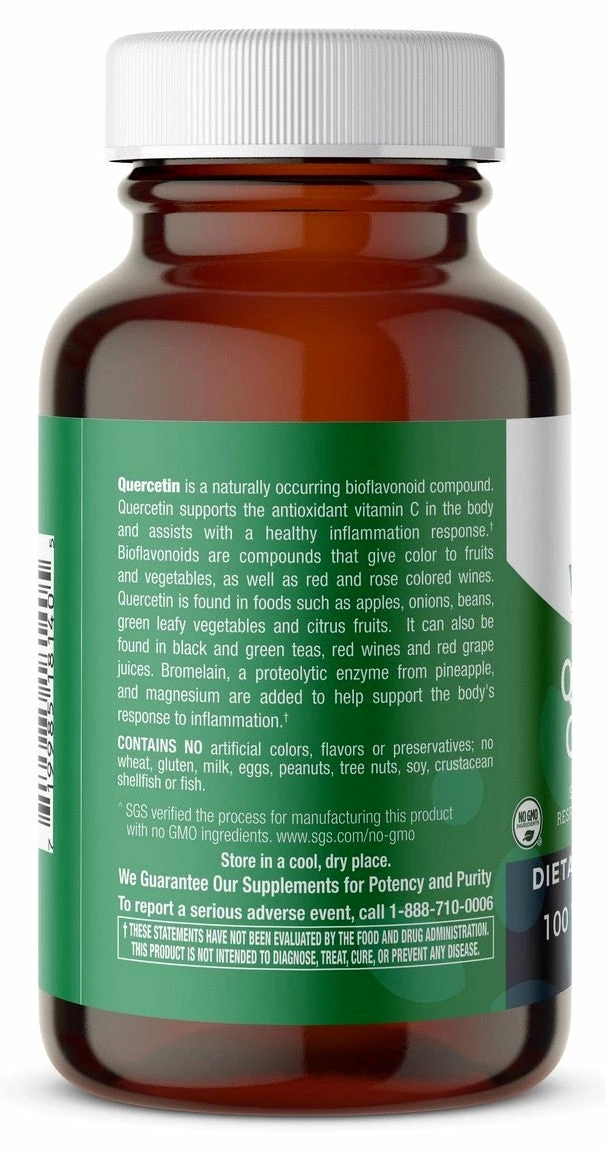

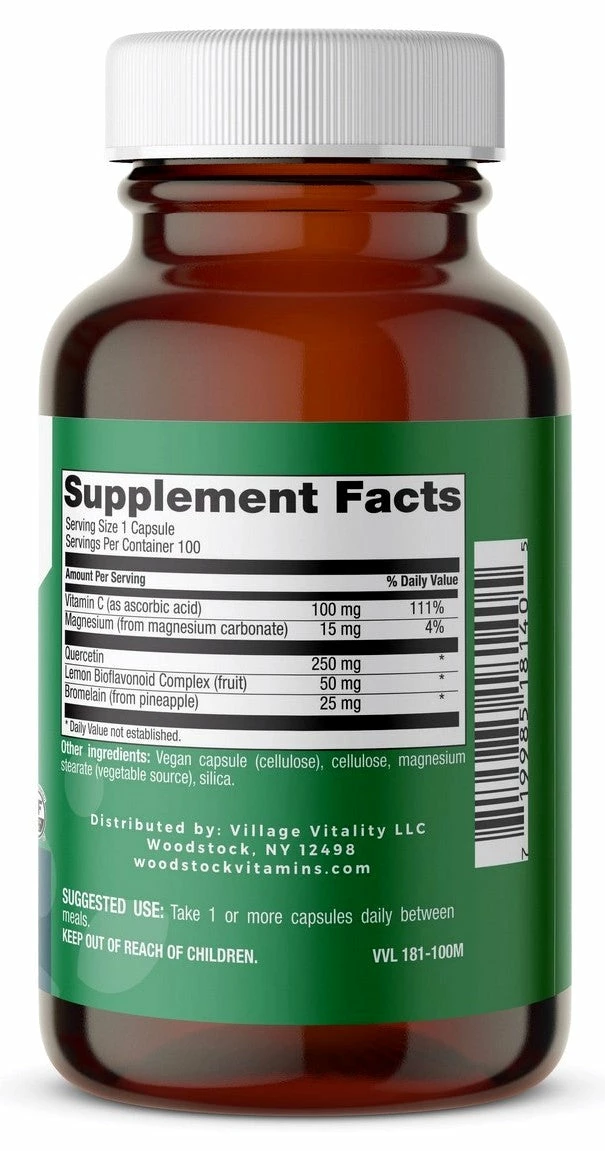
Quercetin, which is often paired with the herbal ally known as stinging nettle, is a powerhouse flavonoid with anti-inflammatory and antioxidant properties.
It’s found in many common fruits and vegetables, too, so you know it’s good. Remember all the bitter, white, stringy bits we’ve discarded from an orange peel over the years? That pithy substance is made of flavonoids!
Aim for a daily dose of 500mg.
N-acetylcysteine (NAC)
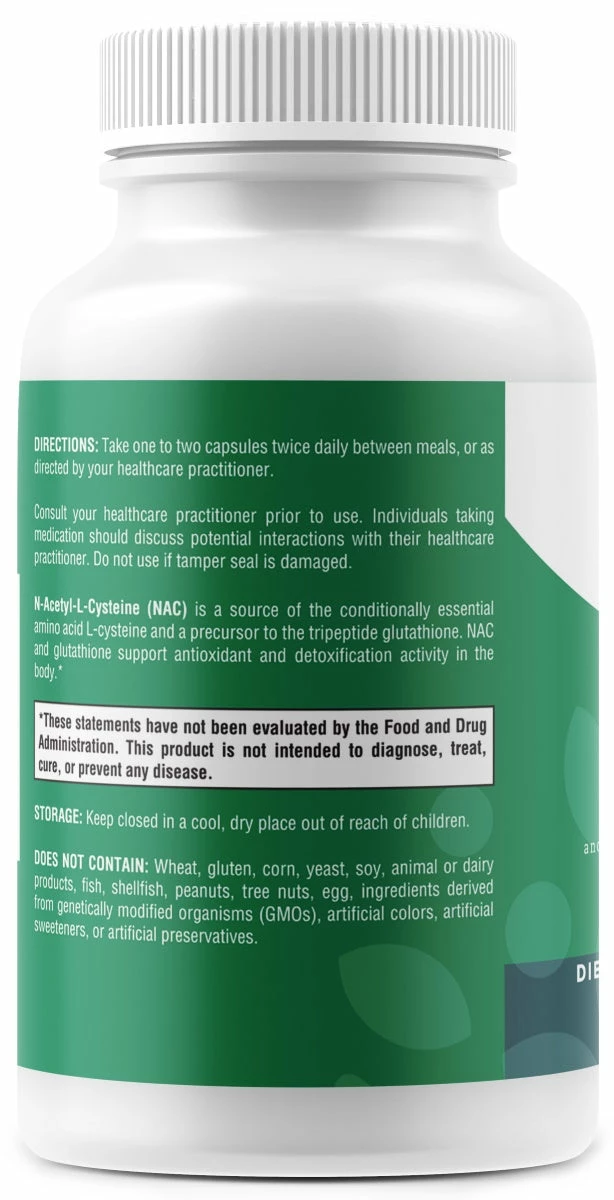
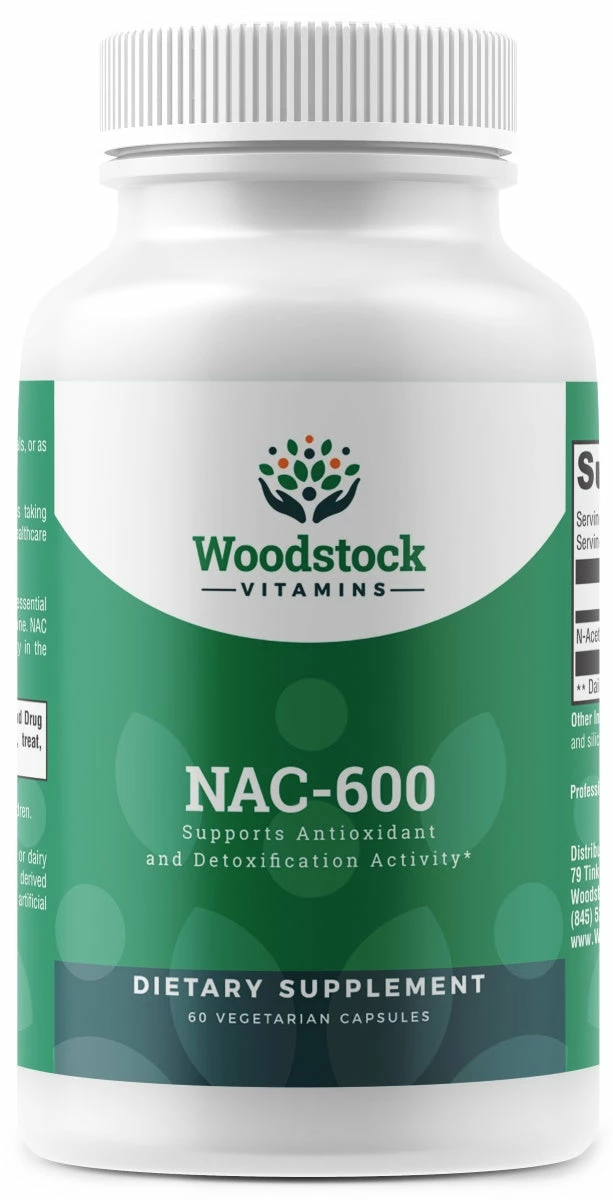
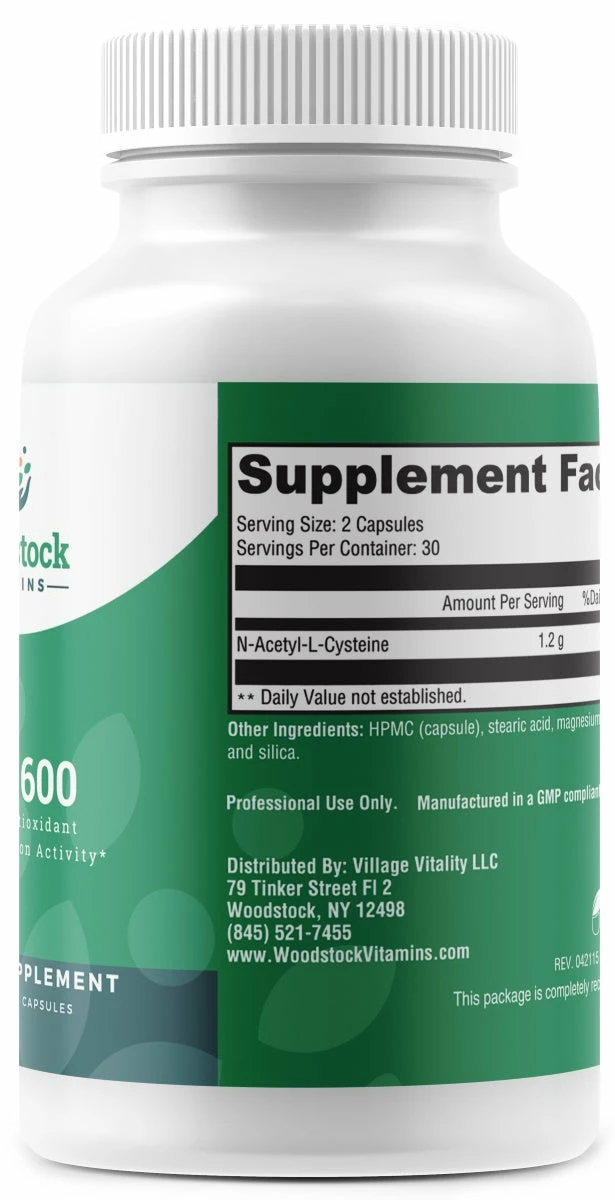
This essential amino acid has mucolytic properties — pretty cool right?!
Okay, we’ll translate: having mucolytic properties means it can break up mucus in the sinuses, lungs, and other nooks and crannies. This demolishing of stagnant mucus will then release a flood of drainage-induced relief.
Aim for a daily dose of 600-1,200mg
Vitamin C


Vitamin C, the OG of immune nutrients, gets its clout from being a powerful antioxidant that can boost multiple bodily symptoms.
It does so by neutralizing free radicals in the body — the little rascals that can overwhelm our organs and lead to oxidative stress.
Aim for a daily dose of 500-1,000mg.
Essential Oils
Humidifier owners — this is your moment.
Dr. Neal’s top three essential oils for reducing sinus pressure, alleviating pain, and breaking up mucus parties are: peppermint, eucalyptus, and tea tree.
Peppermint — The volatile oils from this mint plant have a cooling effect that can alleviate sinus pain and congestion.
Eucalyptus — This oil has anti-inflammatory and decongestant constituents that can calm sinus inflammation and ship off that mucus to Timbuktu.
Tea Tree — Tea tree oil is an antibacterial and anti-fungal force of nature, known for preventing sinus infections and defending the immune system against bacteria.
Add a few drops of these essential oils to your humidifier, or inhale ‘em straight from the bottle. But first, make sure you get your essential oils from a high-quality source, okay?
Pro Tips for Safely Incorporating Holistic Strategies into Your Routine
Yes, it’s true, even natural and holistic healing tools can have dangerous implications if not used properly. So before you dive in – grab your floaties, salute the lifeguard, and test the water:
- Talk to your physician, a healthcare professional, or a naturopathic doctor before starting a new herbal protocol or natural supplement.
- Follow dosage instructions to a T! Do not exceed recommended dosages, no matter how tempting it may be.
- If you experience adverse effects — stop taking the supplement, drop the remedy, and roll on over to your healthcare professional.
- Research and be aware of any potential interactions that these supplements or natural options could have with your current medications.
And, if you want even more nitty-gritty details on holistic sinus support, hop on a free Counterside Consult for direct guidance through your journey to a sniffle-free life.
June is Men’s Health Month, which means that gents, it’s your time to shine!
And shine you will, with a new firm grasp on strategic supplementation — freed from skeevy sales tactics and pigeonholed multivitamins that aren’t worth the convenience.
Men’s health is about more than chugging down supplements or hopping on the latest fad herbal bandwagon, though. It’s about creating an unshakeable foundation of wellness through holistic actions that support your whole being.
But the right supplements can still make all the difference.
So, fellas, let’s skip the magic pills the marketing machines say will boost your virility and cure all ails in one fell swoop. It’s time to take control of your health and conquer the world, one bicep curl at a time.
In This Article:
- Why men’s health is important
- A holistic approach to men’s health
- Lifestyle changes for a healthier self
- The best supplements for men’s health
Why is Men’s Health Important?
Did you know that men are less likely to seek medical care than women?
Despite having a higher risk of developing all sorts of health conditions, from heart disease to gout, and even being more prone to cancer, men can be stubborn when it comes to seeing a doctor.
But here’s the deal — ignoring those little warning signs and brushing off symptoms can lead to serious consequences. Delayed diagnosis, missed opportunities for treatment, and potentially some not-so-fun outcomes, to name a few.
So, it’s time to break the cycle and start prioritizing your health, because your life literally depends on it.
We’re not talking about some magical potion that will make you invincible (we wish!). But we are talking about making the right choices first and then getting the key nutrients and supplements that can give your body a fighting chance.
That, gentlemen, is what we call a holistic approach.
A Holistic Approach to Men’s Health
Because, as great as supplements can be when taken appropriately and strategically, you can’t vitamin your way out of a couch-potato lifestyle or malnourishment.
Didn’t we warn you this blog would be B.S. free?
A holistic approach to men’s health involves taking into account all aspects of a man’s life (physical, mental, and emotional) in order to promote optimal health and virility. We get our framework for holistic well-being — the Wellness Pyramid — from our founder and supplement savant, Dr. Neal.
After 20 years of clinical practice, the loud-mouth, boat-rocking, holistic pharmacist created the Wellness Pyramid to simplify what is typically an arbitrary approach to health and wellness.
Men’s Lifestyle Factors for Good Health – Tier 1 of the Wellness Pyramid
1. Diet
Yep, the rumors are true: what you put on your plate matters. If you genuinely want to improve your virility, live an active life, and establish long-term health — look at your fuel first.
Fill your cart with fruits, vegetables, whole grains, lean proteins, and don’t forget those healthy fats that keep your engine running smoothly.
Now, we’re not saying you can’t indulge in a burger or a slice of pizza every now and then (life’s too short, right?), but it’s all about finding that sweet spot.
So, fuel up with the good stuff, but remember that it’s not about restriction or boring salads. It’s about diversifying your nutrient intake through delicious foods that build a strong foundation for your physical health.
2. Sleep
Sleep is no joke when it comes to men’s health and well-being — that magical restoration process is where virility dreams come true. Our nightly snooze is essentially like pressing the reset button for our bodies and minds.
Without it, we’re risking a one-way ticket to the land of health issues, lowered cognitive function, and just generally bad vibes.
Aim for 7-9 hours of quality sleep every night. Every. Single. Night.
But it’s not just about the quantity of nights you’re sleeping 7-9 hours, it’s about the quality of those snoozes, too. Getting deep, uninterrupted slumber is critical for optimal health physically, emotionally, and mentally.
Learn More: B.S. Free Guide to Holistic Sleep Support
3. Exercise
Now, when we say exercise, we’re not just talking about pumping iron like a Schwarzenegger wannabe (though, hey, if that’s your thing, go for it!).
We’re talking about activities that get your heart pumping and your body sweating. Think brisk walks, cycling adventures, swimming like a champ, or even some good ol’ strength training.
So, strap on those running shoes, hop on that bike, or dive into the pool — just 30 minutes a day, five days a week is enough. Plus you’ll benefit from what we assume is some much-needed sunshine!
Learn More: The Truth About Exercise: Ditch the Myths
4. Stress Management
Let’s talk about the big bad wolf called stress. We all know it’s part of life, but when it starts camping out in your brain for way too long, it can wreak havoc on your health and happiness.
But fear not, because Dr. Neal‘s got some tricks up his sleeves to show that stress who’s boss. Meditation, yoga, breathing exercises — ever heard of ’em? These simple tools are actually secret weapons in your stress-fighting arsenal.
The key is to find what works best for you, stress-slaying comrades, and make stress reduction a regular part of your routine.
5. Lifestyle Changes
Lifestyle changes are simple but serious moves that’ll have a major impact on your health and well-being. So, buckle up — we’re dropping some lifestyle changes that will, in fact, change your life.
- Quit smoking: Your whole body will thank you.
- Reduce alcohol consumption: Toast to moderation and give your liver a break.
- Avoid exposure to environmental toxins: Create a clean and green environment.
- Maintain a healthy weight for you: Ditch diets, embrace nourishing food.
- Stay up-to-date on health screenings: Catch any potential issues before it’s too late.
Men’s Health Supplements: Essential Nutrients – Tier 2
It bears repeating that if you try to skip over tier 1 of the Wellness Pyramid because buying a pill seems easier than taking a daily walk…
You’re going to end up wasting a lot of money.
But! If you’ve optimized the 5 lifestyle domains and you’re ready to advance from that health plateau, tier 2 — strategic supplementation — is the answer for your wellness and your wallet.
Before diving into our top picks for men’s health supplements, let’s just note that we’re all unique creatures with different nutritional needs.
Your age, lifestyle, and overall health play a role in what supplements might work best for you.
The First5
There’s no one-size-fits-all approach, but Dr. Neal has cracked the code on five crucial categories of nutrients that we could all benefit from. Or at least most of us — these 5 nutrients are severely lacking in modern diets, yet they’re key to keeping your body firing on all cylinders.
Meet the First5, the dream team and rock-solid starting point for anyone looking to boost their nutritional intake.
1. Omega-3 Supplements
Buckle up, ’cause we’re about to embark on a fishy adventure! Omega-3s are essential fatty acids that cannot be produced by the body and must be obtained through diet or supplementation.
Why are they so important?
Heart Health. Omega-3s are the knights in shining armor, riding in to lower your triglycerides, kick blood pressure’s butt, and keep those arteries free from nasty plaque buildup. And since guys are at higher risk of heart disease, it’s a no-brainer to give our tickers some love.
Brain Health. But that’s not all, folks! Omega-3s also have a VIP ticket to the brain party. They’re like the brain’s best friend, boosting cognitive function and waving the flag for better memory and attention.
Disease Prevention. And here’s the kicker: omega-3s are critical when it comes to disease prevention. With their anti-inflammatory powers, they swoop in to combat inflammation and fend off chronic diseases like arthritis, diabetes, and even the big C-word, cancer.

How much is enough?
Now, if you’re a seafood aficionado, the American Heart Association (AHA) suggests channeling your inner Poseidon and devouring at least two servings of fatty fish per week.
That’s your ticket to around 500 milligrams (mg) to 1,000 mg of those mighty EPA and DHA omega-3s, the dynamic duo that can shield your heart from harm. But, if you ask Dr. Neal, the cutting-edge research actually points to 2,000mg-3,000mg a day being the optimal dose.
Hence, supplementation! Look for omega-3 supplements that have the dose of EPA and DHA on the label so you know how many capsules to take to hit roughly 2,000mg.
Learn More: Omega-3 Supplement Buying Guide: 3 Things to Look For
2. Probiotics
Let’s talk gut buddies and the wonders of probiotics for your manly health.
Improved digestive health. These tiny warriors restore balance in your gut, kicking bloating, gas, and constipation to the curb like true champions. Say goodbye to belly troubles, friends.
Enhanced immune system function. Probiotics also have your back when it comes to your immune system. They’re like the bodyguards of your body, helping the good bacteria flourish and giving your immune system a high-five.
Potential reduction in inflammation. Now, let’s talk inflammation. Certain probiotic strains have the power to reduce inflammation, giving arthritis and other inflammation-related conditions a run for their money.
Improved mood. But wait, there’s another hidden benefit! Probiotics might just be the secret to a better mood, too.

Just remember, not all probiotics are created equal. Be a discerning consumer and choose a high-quality supplement with strains that have been scientifically studied for their specific health benefits. Don’t settle for second-rate bacteria.
How much is enough?
The recommended dosage of these gut superheroes can vary depending on the supplement and the bacteria strain it packs. Generally, for adults, aim for a range between 1 and 10 billion colony-forming units (CFUs) per day.
But hey, some supplements may kick things up a notch and recommend higher doses. Take our Probiotic Complete, for example. It’s a heavyweight with a whopping 30 billion CFUs.
3. Bone Support
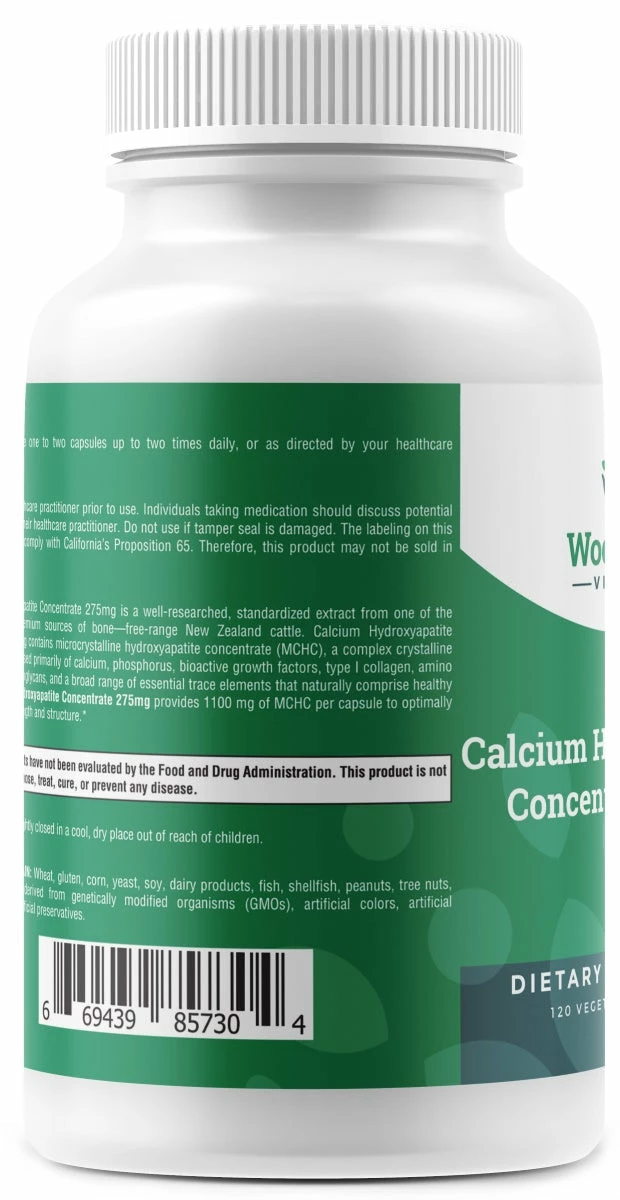
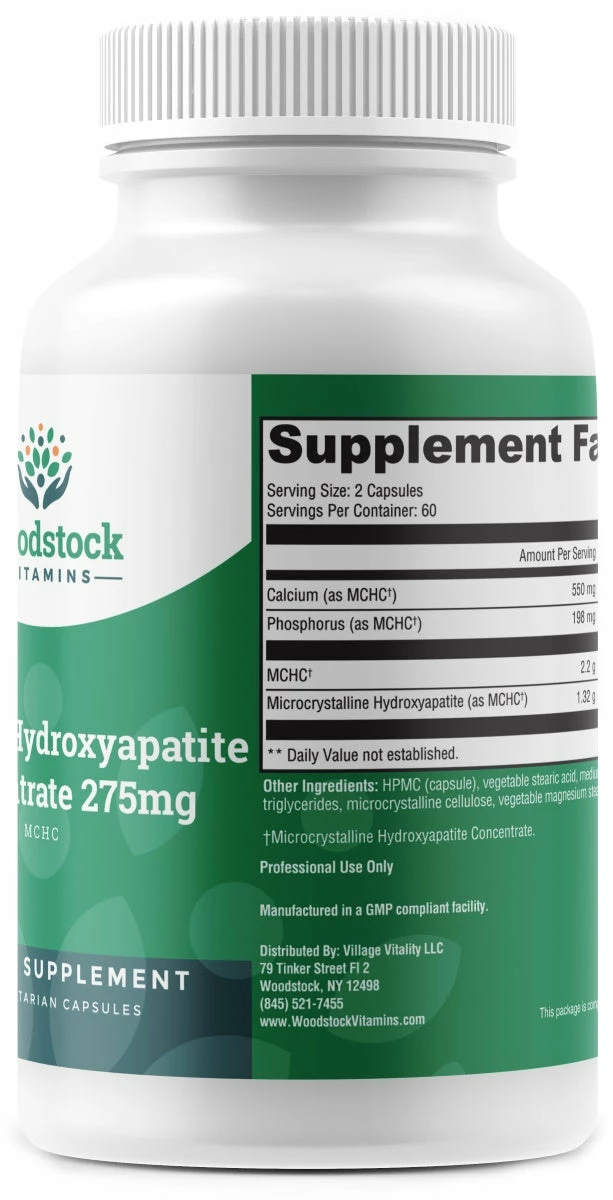
Introducing the dynamic duo of bone support: Calcium hydroxyapatite and the sunshine supplement, Vitamin D. These bad boys are essential for keeping your bones strong and sturdy as you age.
Calcium hydroxyapatite is like the bricklayer, building and maintaining those bone fortresses. Vitamin D, on the other hand, is the master architect, helping your body absorb and utilize calcium like a pro.
Learn More: Vitamin D: Sunshine Supplement for Bones, Blood, and The Blues
But hey, it’s not just about bones. These two superheroes also come with a sidekick squad of health benefits. Think: improved muscle function, a healthier heart, and even a boost to your immune system.

How much is enough?
When it comes to calcium, you’re aiming for a daily dose of 1,000 to 1,200 milligrams (mg). That’s the sweet spot for keeping those bones in tip-top shape.
For Vitamin D — shoot for 600 to 800 IU (International Units) per day.
4. Protein
It’s not just about building those biceps and showing off at the gym, although we won’t judge if that’s your motivation. Protein is the MVP when it comes to repairing tissues, boosting your immune system, and even keeping those hunger pangs at bay.
Now, when it comes to protein supplements, the stereotypical options are:
- Whey protein
- Casein protein
- Soy protein
- Pea protein
- Rice protein
But tbh, collagen peptides steal the spotlight.

Collagen peptides are the real deal, offering high-quality protein with essential amino acids your body needs to function properly. These peptides are crucial for maintaining healthy joints, strong muscles, and even promoting that youthful glow.
Learn More: Why Our Collagen Peptides is Vital
How much is enough?
Aiming for around 10 to 20 grams per day is a good place to start.
5. Multivitamins and Minerals
Unfortunately, our modern Western diet often falls short when it comes to delivering all the essential micronutrients we need to live and thrive.
Micronutrient deficiencies might seem small, pun intended, but they can impact nearly every body system and can lead to a variety of health issues.
Multivitamins are like an insurance policy for your health, then, filling in the gaps left by our not-so-perfect diets. They can help to prevent what Dr. Neal calls those pesky “diseases of deficiency.”

How much is enough?
When it comes to the dosage of multivitamins and minerals, age, gender, and specific health needs all come into play.
But just be sure to not fall for the “men’s multivitamin” marketing schemes — those products are typically more fluff than Jet Puffed marshmallows.
So here’s the game plan: chat with your team of pros. Consult with your trusty team of healthcare experts — doctors, pharmacists, dieticians, our squad — to nail down the perfect dosage for your unique situation.
Additional Men’s Health Supplements
But hey, we’re not saying these First5 are the be-all and end-all of supplements! They’re just the ones you’re most likely to be deficient in, and would most likely benefit from taking.


When it comes to specific health concerns, though, there’s a whole universe of supplements out there. Our three favorites for men’s health and virility, aside from the First5, are:
CoQ10
Coenzyme Q10, or as we cool cats like to call it, CoQ10, is a powerful antioxidant. This supplement revvs up cellular engines, boosts energy production, and tends to the heart, too.
It can also decrease muscle pain and have a positive impact on damaged or aging skin.
But that’s not even the best part: CoQ10 might just be the key nutrient for male fertility. It’s like a cheerleader for testosterone production, giving it a boost and keeping things in the baby-making zone thanks to a “positive influence” on the hormone creation process.
Zinc
Zinc: the unsung hero of men’s health supplements. This little powerhouse does so much more than you’d think.
First off, zinc is the immune system’s BFF — boosting defenses and keeping gross germs at bay. This mineral is also a healer extraordinaire that helps your cuts and scrapes zip up faster than light.
But the real magic of zinc for men? Studies have shown that zinc supplementation may help improve sperm quality and fertility in men with low levels of the mineral. (And it’s linked to improvements in erectile dysfunction!)
L-arginine
The amino acid known as L-arginine is a true superstar when it comes to boosting your blood flow and showing some love to your heart.
You see, L-arginine supports the blood vessels by helping nitric oxide production, which dilates those pipes and gets your circulation pumping.
And when your blood flow is on point, it’s not just your heart that benefits — it can also give a helping hand in the battle against erectile dysfunction.
Putting It All Together: Creating a Holistic Approach to Men’s Health
So let’s take June to get our crap together, okay dudes? It is Men’s Health Month, after all, and health is about more than just taking supplements or going to the doctor when something goes wrong.
It’s about living a healthy, nutritional lifestyle day in and day out. Take control of your health, take care of yourself, and build the foundation for a long, happy life.
And if you need us, we’ve got your back, bro! You can chat all things men’s health supplements for free, anytime, with our Counterside Consults.
It’s a wild world we live in, folks.
Our days are punctuated by meetings, news stories, natural disasters, traffic patterns, and the like. Is it any wonder, then, that most of us are stuck in survival mode?
We eat what’s quick, easy, and available. We sleep less than previous generations. We experience burnout and stress overload more and more often, and in general, the overall well-being of Americans is declining.
Stepping out of this tumultuous cycle isn’t always easy — especially if you’re already struggling with brain fog, inflammation, chronic illnesses, etc. — but it is critical and necessary.
Wellness practices, a central facet of Dr. Neal’s holistic approach to health, allow us to carve out a little space for ourselves amidst this chaos.
How? By establishing supportive routines that organize our wellness efforts and push us out of survival brain.
No one feels their best when they’re just surviving, putting out fires, and being mowed down by the days. Keep reading to learn more about Dr. Neal’s super simple, yet ultra-powerful framework for wellness practices — AKA how to break free and build a foundation for well-being in your life specifically.
In This Article:
- What are wellness practices?
- How do wellness practices fit into the Wellness Pyramid?
- Steps for successfully integrating a wellness practice
- 5 wellness practices for the 5 lifestyle domains
What Are Wellness Practices?
The term “wellness practice” can seem kinda vague at first blush. It’s almost like well-being or self-awareness in that way — we seem to understand these terms intuitively until it comes time to put them into words.
So let’s break down the individual units of the phrase.
Wellness
Most of us already have an instinctual sense of what cultivates physical wellness — sunshine feels good, movement feels rejuvenating, food feels nourishing, water feels restorative.
But emotional and spiritual health factor into your overall wellness, too, even if that seems a little flowery for you.
Modern research has shown the deleterious effects of emotional stress on the physiological body in a myriad of ways, and the antiquated dichotomy of mental vs. physical is rapidly losing steam.
Spiritual health doesn’t necessarily mean praying to the bearded man upstairs either — it just means having something larger than yourself to offer perspective and purpose to your life. That sense of meaningfulness could come from meditation, being a part of a community, caring for others, spending time in nature — the list goes on.
What it boils down to is: When our lives have no sense of meaning and we have no tools for making or finding meaning, everything sucks.
But feeling like your life is meaningful? That’s been linked to lower rates of depression and psychopathology, and the evermore clear connection between life attitudes and wellness continues to be explored.
Practice
And then there’s the practice part of it, which is just as important as defining your personal ideas of physical, emotional, and spiritual wellness.
Actually, it’s probably even more important than that.
Practice implies commitment, routine, and habit-building. Continuous movement in one direction is required, because it’s not really a wellness practice if you only do it once. We hate to say it, but drinking enough water for a single day in your life doesn’t make you a hydration hero.
Don’t panic though — wellness practices can (and should!) evolve and shift to meet your needs at various stages of life.
For some folks, a steady effort at moment-to-moment mindfulness might work better than 5 minutes of sitting meditation a day. For others, taking a gentle walk in the morning might be exactly what the body needs, rather than a high-intensity workout 3 times a week.
However our wellness practices look person to person, the philosophical thread that ties them all together is an ongoing commitment to bettering the health of our whole being.
How Do Wellness Practices Fit into the Wellness Pyramid?
After 20 years of clinical practice, Dr. Neal developed the Wellness Pyramid concept to share with his patients from all walks of life.
This handy, research-backed framework serves as a strategic structure for what is usually a personal — and often arbitrary, no offense — approach to health and well-being.
Because, when it comes to healthy habits and wellness routines, most people do a lot of one thing or a little of a few things. The Wellness Pyramid, however, organizes our endeavors so we can do some of all the things our bodies need.
So we start at the meatiest, most powerful section of the Wellness Pyramid: the bottom tier.
Centered on the core five domains of our lives — diet, sleep, exercise, stress management, and lifestyle changes — optimizing this tier builds a strong foundation for long-term health.
We start at this tier, and we stay at this tier for as long as it takes. Why? Because it’s only when this foundation has been optimized that we can introduce strategic supplement use without wasting a bunch of money.
You can’t supplement your way out of a couch potato lifestyle, people!
Wellness practices live here, primarily, and they exist in this framework as preventative tools for staving off health issues and allowing us to live vibrant, meaningful lives.
When Are Wellness Practices Not the Answer?
The keyword of the last sentence is preventative.
Wellness practices are at their most helpful and effective state when they are adopted early, before the onset of disease or illness.
Take bone health, for example. The most important time to implement bone-building wellness practices is before the age of 30 as that glorious decade is when we reach our peak bone mass.
Does that mean that people over 40 shouldn’t do anything to support their bones because they will have already started losing density? Absolutely not.
But does it mean that people under 30 should be hightailing it over to this blog to learn about weight-bearing exercises for building bone mass? Yes, x1,000.
When it comes to wellness practices, Dr. Neal’s general advice is to start early and stay committed.
You might still be able to experience relief from illness or disease-related symptoms by working to drive down inflammation in your body, but waiting until you are diagnosed is not an effective plan of action.
3 Steps for Crafting a Sustainable Wellness Practices Plan
Humans are not fans of change, even when that change will likely make their lives better, happier, and healthier.
If you quit cold turkey or dive in blind — chances are, your efforts will fall flat after week 2. There’s a reason the internet’s favorite New Year’s joke is about the temporarily crowded gyms!
So give yourself a real shot at success. Create a structured, self-aware approach that you can actually sustain by following these three steps before adopting a wellness practice:
1. Have an honest conversation with yourself.
When it comes to integrating a new habit into your life, it’s important to get really real with yourself. What do you have time for? What have you tried in the past and know won’t work for you?
What calls you? What seems manageable, if not a little fun, too? What really needs healing? What areas of your life would benefit the most from a little TLC?
2. Gather the resources you need to succeed.
Before you go full-throttle with that new pilates routine, paleo diet, or Peloton payment plan, take a breath.
Research health complications you might be at risk for, and risk factors for practices you might adopt. People with hypothyroidism, for example, can struggle disproportionately with cardio exercises. And even something as seemingly gentle and accessible as yoga comes with risks!
3. Balance your approach.
Taking each wellness practice and lifestyle domain at the speed that works for you, your body, and your life is crucial for creating sustainable change.
But at the same time, don’t get stuck on one thing forever.
Optimizing your sleep, for example, can work wonders for your mental well-being, physical health, cognitive functioning, etc., but you can’t snooze away malnourishment or atrophied muscles.
5 Wellness Practices for the 5 Lifestyle Domains
Now it’s time to take that new information you learned about yourself in steps 1-3 and put it into action.
Your specific lifestyle and needs will determine which wellness practices will work for you and how often to engage in them. You might decide to start with introducing one wellness routine for one lifestyle this week, and then build on that momentum by adding another one for another domain the next week.
Or, you might implement one wellness practice for each lifestyle domain, and aim to hit each five practices at least once per week.
Your schedule is up to you, friend. But we can give you some introductory ideas to jumpstart your wellness practices!
Diet
- Incorporate more whole, fresh foods.
- Start cooking from home more often.
- Commit to trying one new recipe (each week, month, quarter, etc.) to diversify your nutrient intake.
- Swap a few of your processed sweets for homemade baked goods or fruits.
- Make a concerted effort to chew your food more thoroughly to support proper digestion.
The central tenet of this diet domain? Everything in moderation.
Exercise
- Take a daily hot girl mental health walk.
- Hop, skip, or jump to trigger lymphatic drainage and bone-mass building.
- Implement an interval schedule for your sit-and-work hours — 50 minutes on, followed by a 10-minute break to stand and move around, for example.
- Diversify your exercise approach! If you only do yoga, try weight lifting and vice versa.
- Introduce your body to something totally new — dancing in your kitchen, joining a rock climbing club, taking a grappling class, etc.
You don’t have to become a bodybuilder or climb Mount Everest to benefit from regular movement and exercise.
Sleep
- Avoid stimulants 1-4 hours before bed, please!
- Add hypoallergenic pillow covers to combat allergies and improve quality of sleep.
- Limit exposure to blue light (from screens) after dark.
- Use a high-quality, comfortable sleep mask to block out artificial light that causes circadian rhythm disruption.
- Avoid eating heavy, greasy, or spicy foods within 3 hours of your bedtime.
When it comes to sleep, there are really only three things you need: a calm mind, a calm body, and a comfortable environment.
Stress Management
- Give meditation or mindfulness practices a try — even 5 minutes a day can yield benefits.
- Test out breath work, tai chi, dream recording, or other, more physical modalities if you’re meditation-averse.
- Schedule time for joy — literally put it in your calendar.
- Schedule a session with a licensed therapist while you’re at it.
- Prioritize connection with others and community building in your social circles and beyond.
Does having more things piled onto your planner sound stressful? Take a different approach! Your zen will be specific to you.
Lifestyle Changes
- Cut back on alcohol, drugs, smoking.
- Reorient your life to support your circadian rhythm — ie, sleeping when you’re tired, waking when you’re rested.
- Remove the TV from your bedroom.
- Reduce the number of toxins you bring into your home by swapping inflammatory or carcinogenic products for effective, natural alternatives.
- Get more sunlight on your skin safely and with sunscreen.
We like to think of this section as the simple stuff you change outside of yourself — limiting your exposure, working with the external milieu, and focusing on the small things you can control.
The Middle Path of Wellness
The axiological truth of all the various frameworks we share here — the Wellness Pyramid, wellness practices, the First5 — is balanced on, well, balance.
Because, here at Woodstock Vitamins, we walk the middle path of wellness. This path is the one that incorporates the best of both natural traditions and rigorously researched modern medicine. The common ground we create between them is standards that are high AF.
Learn More: The Middle Path of Wellness | Dr. Neal Smoller
But walking a middle path in a world of chaos, clutter, and noise is no small feat — you shouldn’t have to do it alone.
The first step is fueled by high-quality education, and the second, by comprehensive support! Talk the walk with one of our holistic wellness experts via a free Counterside Consult today.
National Bone Health Month is behind us, but don’t fret — when the clock strikes June, National Men’s Health Month begins!
To bridge the gap between skeletal strategies and male machinery, we’re shedding light on a topic that often gets overshadowed — men’s bone health. Buckle up, because we’re about to debunk the myth that men are invincible when it comes to their bones.
We have to give credit where it’s due, though: men do have an advantage in the bone density department, thanks to genetics and that mighty hormone called testosterone.
But hold on a second, fellas! That doesn’t mean you get a free pass.
Your bones still need some TLC and proper care. Ignoring bone health can lead to issues down the road, and trust us, you don’t want to play dice with osteoporosis.
Aging, a couch potato lifestyle, junk food diets, and certain medical conditions can all conspire against your bones. It’s time to break the stereotypes and take charge of your bone health before you find yourself on the wrong side of a fracture.
In This Article:
- Holistic bone health – what it is and why it matters
- Wellness practices for men’s bone health
- Bone-building foods and exercises
- Supplements for men’s bone health
Holistic Bone Heath for Men
When it comes to health, as a general concept, focusing on just one piece of the puzzle isn’t going to cut it.
Nothing in the body functions inside a vacuum; all systems communicate and interact in a complicated web of checks and balances.
A holistic — or whole-picture, whole-body, integrative, comprehensive, whatever you want to call it — approach is what’s required of us. Thankfully, our resident wellness wizard and holistic pharmacist, Dr. Neal is always ready with the piping hot tea on whole-person strategies.
And if you ask him, your bones aren’t just there for decoration!
Our skeleton is the backbone (pun intended) of our overall well-being, holding in vital organs and allowing us to do to fun things, like walk, sit, and generally move about.
Healthy bones can protect against injuries, infections, weakness, and pain — basically, when your bones are strong, they harmonize with the rest of your systems, allowing you to live a vibrant and active life.
But, taking care of your frame goes beyond drinking some milk now and again.
A holistic approach to skeletal health involves nourishing those bones with proper nutrition, getting off the couch and moving your joints, making wise lifestyle choices, and even considering supplements to give them that extra boost.
Because bone health is not a solo act. It’s part of the grand symphony that is your body.
Wellness Practices for Bone Health
Now you get the picture — bone health matters, like, a lot. But where’s a dude to start?
Our recommendation: at the bottom tier of the Wellness Pyramid.
These bad boys — diet, sleep, exercise, stress management, lifestyle changes — are the heavy hitters when it comes to bettering your overall well-being. And guess what? They also play a major role in keeping your bones in tip-top shape.
Learn More: The Wellness Pyramid: Your Roadmap to Holistic Health
So, friends, let’s optimize that diet, break a sweat, catch some Z’s, conquer stress, and make lifestyle changes so you can do what you love longer.
Diet
A balanced and nutrient-rich diet is fundamental for bone health. And, when it comes to men’s bone health, diet plays a pivotal role.
Bad diet can be considered the biggest risk factor for men’s bone health.
It’s not just about introducing foods that are good for bone health, it’s about eliminating (or at least limiting) the foods that can deplete bone mass.
Foods for Healthy Bones
- Dairy Products: Milk, yogurt, and cheese are excellent sources of calcium, which is crucial for bone strength.
- Leafy Greens: Spinach, kale, collard greens, and broccoli are packed with calcium, as well as other nutrients like Vitamin K, which plays a role in bone mineralization.
- Fatty Fish: Salmon, sardines, and mackerel are rich in Vitamin D and omega-3 fatty acids, which support calcium absorption and bone health.
- Beans and Legumes: Black beans, chickpeas, lentils, and soybeans are excellent sources of calcium, magnesium, and protein, all of which contribute to bone health.
- Lean Meats: Lean cuts of beef, poultry, and pork provide protein, as well as important minerals like phosphorus and zinc, which support bone health.
- Citrus Fruits: Oranges, grapefruits, and lemons are rich in Vitamin C, which is essential for collagen synthesis, a key component of bone structure.
- Potassium-Rich Foods: Potassium is an essential mineral that contributes to overall bone health by assisting in the neutralization of acids in the body and can be found in sweet potatoes, avocados, bananas, spinach, and more.
Foods for Unhealthy Bones
- Excessive Alcohol: Heavy and chronic alcohol consumption can negatively affect bone health. Alcohol interferes with the body’s ability to absorb calcium, decreases bone formation, and increases the risk of fractures and osteoporosis.
- Caffeine: While moderate caffeine intake is generally considered safe, excessive consumption may interfere with calcium absorption and increase calcium excretion.
- Sugary Beverages: Regular consumption of sugary sodas, energy drinks, and sweetened fruit juices can contribute to reduced bone density over time. These beverages often contain phosphoric acid, which can interfere with calcium absorption and increase the risk of bone loss.
- High-Sodium Foods: Consuming a diet high in sodium, often found in processed and packaged foods, can lead to increased calcium excretion through urine.
Exercise
If you missed our month of bone health topics in May because you thought men were immune to bone deterioration…First off, you’re not alone, and secondly, exercise plays a crucial role in promoting bone health.
Focus on both weight-bearing and muscle-strengthening exercises to help improve bone density, strength, and overall bone health.
Weight-bearing Exercises: These activities involve working against gravity and putting stress on the bones, which helps stimulate bone growth.
Examples include:
- Walking
- Running and jogging
- Dancing
- Even climbing stairs
Muscle-strengthening Exercises: Incorporating resistance exercises into your routine helps strengthen muscles, which, in turn, supports bone health.
Focus on exercises that target major muscle groups, such as:
- Weightlifting
- Yoga and pilates
- Bodyweight exercises (pushups, squats, planks, etc.)
When it comes to exercise for bone health, consistency is your secret sauce. We’re talking about a killer combo of consistent weight-bearing, strength training, and balance exercises that will have your bones dancing with joy.
Here’s the game plan: aim for at least 150 minutes of moderate-intensity aerobic activity per week. Break it down, and that’s 30 minutes of activity, 5 days per week.
That’s right, we’re not asking for superhuman feats here. Just a solid commitment to getting that heart rate up and those bones grooving.
Supplements for Bone Health
Once the groundwork is laid, it’s time to pop up a tier on the Wellness Pyramid. Because even the best diet can need a little backup, and that’s where supplementation struts onto the scene.
But hey, don’t go wild in the vitamin aisle just yet. As Dr. Neal says: keep it smart, simple, and strategic.
Vitamin D
Vitamin D is the superhero of men’s bone health, swooping in to help your body absorb calcium and maintain that precious bone density.
But there is a catch: Getting enough Vitamin D from sunlight and food alone can be tricky — there are about a billion of us in the world who are critically lacking in the sunshine vitamin.
So in comes a high-quality Vitamin D supplement sidekick, saving the day for those of us who spend more time indoors than a hermit crab. While sunlight and supplements are the primary sources of Vitamin D, there are some sneaky foods that can contribute to your intake — fish, egg yolks, and mushrooms to name a few.
But when it comes to supplements, Vitamin D3 (cholecalciferol) is the real deal. It’s the same form of the vitamin that your skin produces when it soaks up those glorious rays. So, why settle for anything less?
The National Institute of Health (NIH) recommends a daily intake of 600 IU of vitamin D for men.
And hey, if you’re over 70 and still kicking like a champ, up that dose to 800 IU.
Collagen
Collagen is like the scaffolding that keeps everything in place, ensuring our bones stay strong and mighty.
It’s naturally produced in our bodies, but as we gracefully age (or not-so-gracefully, depending on how you see it), its production starts to hit the brakes. It’s like the collagen cafe decides to close up shop mid-meal. Rude, right?
Speaking of, when it comes to collagen-rich foods, you better brace yourself because we’re talking about bone broth, connective tissues, skin, and tendons.
Not exactly the most mouthwatering items on the menu — who would want to chow down on a rubber band? Pass!
But, in case you haven’t been on social media in the last 5 years and don’t know this: collagen supplements do, in fact, exist. These bad boys are typically derived from animal sources like bovine or marine collagen, and they come in various forms like powders, capsules, or liquids.
Learn more: The Truth About Collagen, Gelatin, and Bone Broth
When it comes to daily recommendations, find the sweet spot for you between 15 and 20 grams of collagen, and, please, we’re begging you, always get collagen peptides.
Magnesium
And then there’s magnesium, the OG of bone health and all-around superstar supplement. This mineral plays a crucial role in keeping well, basically your entire body in fighting shape, including those sturdy bones.
When it comes to magnesium-rich foods, we’ve got a whole buffet of options to choose from. Green leafy vegetables, nuts and seeds, whole grains, legumes, and even some fish can give you a magnesium boost.
Here’s the kicker: despite the abundance of magnesium-packed foods out there, it’s shockingly common for daily intake levels to fall short. In fact, almost half of Americans are deficient.
For adult men, the recommended dietary allowance (RDA) of magnesium is around 400-420 milligrams per day. But, you may ask, what kind of magnesium is best? The supplement shop aisles are littered with magnesium citrates, magnesium chlorides, magnesium oxides…the list goes on.
If you’re looking to tackle a magnesium deficiency head-on or support your skeleton, magnesium glycinate is our go-to choice.
Learn More: Understanding The Different Types of Magnesium Supplements
Vitamin K
Shout-out to Vitamin K! It’s not as famous as its buddies calcium and Vitamin D, but it is a key player in the bone health game. It’s like the secret sauce that keeps our bones strong and mighty.
You see, Vitamin K is a master at calcium metabolism and bone mineralization. It works its magic by activating a bone-building protein called osteocalcin, which binds calcium to the bone matrix.
Plus, it teams up with Vitamin D to promote the formation of those bone-building proteins. We see you, dynamic duo.
The best part? You can actually get a good chunk of your daily Vitamin K through your diet alone.
Foods like leafy green vegetables, broccoli, Brussels sprouts, and even fermented foods like sauerkraut can give you a nice dose of Vitamin K. But some folks like to play it safe and make sure they’re covering all their bases. That’s where K supplementation comes into play.
If you want to prevent any potential Vitamin K deficiencies and give your bones an extra boost, we recommend adding an additional 45-90 mg via a Vitamin K2 supplement.
Vitamin C
Vitamin C, or ascorbic acid, as it likes to be called, is a whiz at collagen synthesis, and doubles as an antioxidant that protects your bone cells from damage.
But wait, there’s more! Vitamin C is not just a two-trick pony. It’s also a crackerjack to the calcium absorption process, making sure those precious minerals find their way to where they need to be.
You can find this vitamin-packed hero in a wide variety of fruits and vegetables. Citrus fruits, berries, bell peppers — just to name a few. It’s like a colorful rainbow of bone-loving goodness!
But let’s face it, we don’t always eat like perfect little angels.
If you want to make sure you’re reaching those recommended daily levels, you can always grab a trusty Vitamin C supplement to reach the NIH recommendation of 90 mg per day for adult men.
Potassium
Now, you might associate potassium with its role in maintaining a healthy heart and blood pressure, but guess what? It’s also a key player in keeping those bones strong and sturdy.
Potassium works behind the scenes to preserve calcium in your bones. It’s like the undercover agent neutralizing acid in the body, making sure your calcium doesn’t go rogue.
You can get potassium from your diet if you’re munching on bananas, avocados, spinach, sweet potatoes, legumes, and whole grains regularly. But men may not consume enough of these nutrient-rich foods in their diet.
The National Institutes of Health (NIH) recommends a daily intake of around 3,000 to 3,400 mg of potassium.
But here’s the plot twist — potassium supplements are typically much lower than these recommendations. Why? Well, excessive levels of potassium in the blood can have some serious health implications, so supplements play it safe with lower doses.
And Yes, Men Need Calcium Too
Yeah, yeah, we already know calcium always takes center stage when it comes to bone health.
The National Institutes of Health (NIH) knows what’s up and recommends that us guys aim for around 1000 mg of calcium per day. And hey, if you’re a seasoned veteran over 70, they bump it up a notch to 1200 mg.
But studies show that many men don’t hit recommended levels through diet alone.
So when your diet falls short, supplements can be your trusty sidekick, ensuring you meet your daily calcium needs.
If you have to pick one calcium supplement — and you do, tbh — pick calcium hydroxyapatite.
Calcium hydroxyapatite is the crème de la crème of OTC options. It’s the same form of calcium that exists naturally in our bones and is highly, highly absorbable. And fellas, here’s the cool part — you don’t have to go ham like women do.
You may only need one 300 mg tablet per day to supplement, while the ladies often go for three.
Learn More: Why We Always Recommend Calcium Hydroxyapatite
Bone Up Your Bone Health
So fellas, it’s time to give your bones the affection they deserve — just because you may have been blessed with better bone density thanks to genetics doesn’t mean you’re immune to bone issues.
TL;DR:
Do this for healthy bones:
- Fuel up with a balanced and nutrient-packed diet that includes calcium- and vitamin-rich foods like dairy products, fish, and leafy greens.
- Boost your Vitamin D intake through sunlight exposure or consider popping some supplements to help your body absorb that calcium goodness.
- Get moving with weight-bearing exercises and resistance training.
And, don’t do this:
- Eat a truckload of processed and convenience foods. They’re usually low in the essential nutrients, including calcium, that your bones crave.
- Continue your excessive consumption of alcohol and tobacco. They can do a number on your bones, weakening them and making them more prone to issues.
- Keep up the excessive sodium intake. Too much of it messes with the calcium balance and can lead to calcium loss from those precious bones of yours.
By staying true to these guidelines and embracing a holistic approach to bone health, you’ll be on the path to rock-solid bones and overall kickass well-being.
But hey, if you need some direct guidance, we’ve got your back! Reach out for a free Counterside Consult, where we’ll give you the inside scoop. Consider us your wingmen on the journey to bone greatness.