




This is it, friends!

2026 is the year that we all finally start getting enough sleep to truly thrive. That means treating ourselves to 8 hours (minimum) of deep, uninterrupted, dream-filled snoozing. 

It’s not impossible, we promise! In fact, if you’ve been paying attention, then you know we’ve already shared the low-down on sleeping like a log. Like these wellness practices to reset your circadian rhythm and Dr. Neal’s s-tier approach to making new habits stick

But even with all the natural, free tools available, we still need a boost sometimes. Or the opposite of a boost, actually — sometimes we need the help of supplements and herbs to wind down, turn off our brains, and get tf back to sleep

And no, melatonin and valerian aren’t the only science-backed options for naturally upgrading your sleep! Read on, fellow sleepyhead, to learn about 5 super underrated supplements for snooze support that’ll have you sawing logs in no time. 

In This Article:

1. Magnesium Supplements for Deeper Sleep

Magnesium is first up on the list because, despite its growing popularity, most people still don’t seem to understand the importance of this mineral. 

As a naturally occurring nutrient, magnesium plays a multifaceted role in sleep regulation and overall health. It not only influences the activity of the hypothalamic-pituitary-adrenal (HPA) axis, the centerpiece of the body’s stress response, but also the GABA receptors responsible for quieting the nervous system. 

Magnesium is also a cofactor in the synthesis of melatonin. We all know how important melatonin (in the body, not in supplement form) is for sleep. And if that wasn’t enough, your body actually requires magnesium for muscle relaxation to occur.

Without it, calcium buildup in muscles can lead to mineral imbalance. This can, in turn, lead to chronic muscle contraction, AKA tension, aches, and cramps

If constant aches aren’t enough to aggravate your symptoms of depression or anxiety, don’t worry. A magnesium deficiency will definitely do the trick. Thankfully, modern medical research is addressing this relationship between mental health and magnesium levels, with studies showing exciting results. 

Magnesium deficiency goes hand-in-hand with poorer sleep quality, so it should come as no surprise that boosting your magnesium intake can improve sleep quality — when done right. 

Chelated forms of magnesium have a higher absorption rate in the body, leaving less mineral residue in the gut and targeting deficiencies more efficiently. For sleep support, relaxation, and anxiety relief, look for magnesium chelates like magnesium malate, taurate, or glycinate. (Bonus points if you find a magnesium bisglycinate supplement, a form bound to not one but two amino acids.) 

Learn More: Understanding The Different Types of Magnesium Supplements

2. L-Theanine Sleep Benefits

Now, l-theanine, on the other hand, is about as popular as neem oil. The diehards understand its importance, but most folks don’t pick it up off the shelf. 

But this non-protein amino acid actually has a remarkable impact on sleep quality. This stems from its ability to cross the blood-brain barrier and modulate neurotransmitters. Like magnesium, l-theanine interacts with GABA but also serotonin and dopamine as well. By raising the levels of the neurochemicals, l-theanine can promote relaxation without a sedative effect. 

And, as a result of l-theanine ingestion, we experience increased alpha brain waves, or the pattern of brain activity we associate with meditative states. 

On top of its ability to shift the brain into a more relaxed space, l-theanine can also help sharpen focus and cognitive functions. Which isn’t as important for this sleep-centered blog… But it is nice to know your days will improve alongside your nights if you boost your l-theanine levels. 

And it makes sense, then, that l-theanine also has observed anxiolytic properties. (That’s a fancy way of saying that it helps alleviate symptoms of anxiety.) Magnesium and l-theanine together make a TKO combo for people who suffer from anxious restlessness or anxiety-related sleep disturbances. 

But it doesn’t stop there! Even for non-anxious humans (of which we assume there are still at least a few, somewhere out there), l-theanine can be used to improve sleep latency and efficiency. (AKA, how fast you fall asleep and how deep your sleep is.)

To boil it all down (pun intended): This humble amino acid, found naturally in the leaves of green, black, and white tea, has no right to be so dang helpful for sleep and brain function. And yet it is. 

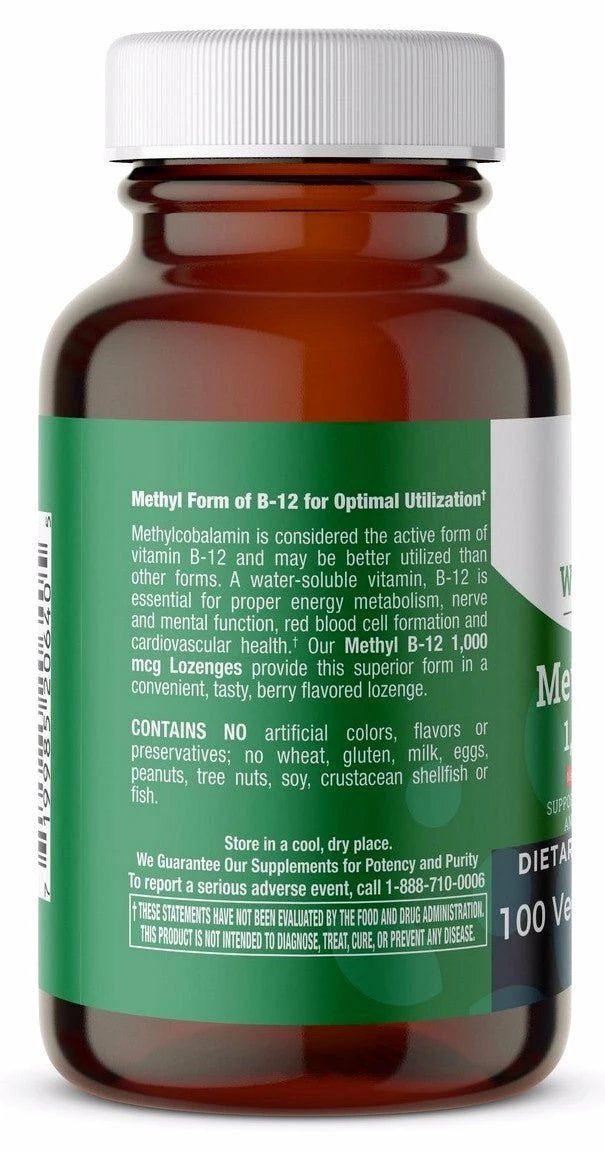
3. Sleep Better with B-12

Perhaps the most unlikely hero of all, B-12, makes number 3 on the list of underrated sleep supplements for a few key reasons. 

While it’s typically known for its energy-boosting properties, B-12 can also support proper cycles of resting and wakefulness. After all, snoozing and cruising are two sides to the same energy production coin. B-12 is integral in maintaining the balance between both states. 

Vitamin B-12 contributes to the synthesis of serotonin, therefore bettering sleep patterns, albeit indirectly. Because serotonin isn’t just the “happy hormone” we know it as — it also plays a crucial part in circadian rhythm maintenance by telling our brains when it’s time to be energetic and when it’s time to relax. 

Plus, B-12 is necessary for melatonin production. So ensuring adequate levels of the vitamin is a foundational step toward deeper sleep. 

Unfortunately, there’s a huge chunk of us soon-to-be snoozers who aren’t getting nearly enough Vitamin B-12 from our diets alone. Vegans and vegetarians are especially susceptible to B-12 deficiencies as the vitamin can only be synthesized by microorganisms. 

So B-12 supplements are on the rise as more and more modern folks struggle with fatigue during the day and restlessness at night. The complex nutrient can help with both, according to recent studies on B-12 supplementation.

One clinical trial, in particular, showed high-dose Vitamin B-12 supplements to have a therapeutic effect on circadian rhythm sleep disorders, while another has linked B vitamins to fewer nocturnal leg cramps

The field of research is continuing to expand and uncover the intricacies of how B-12 can impact sleep quality but its overall importance for whole-body wellness is a long-settled debate. 

4. Ashwagandha for Herbal Sleep Support

For a long while, the conversation on sleep support herbs started and ended with CBD and valerian. 

Which makes sense, because both plants have a demonstrated ability to knock us out. But there are scores — fields, even, if you will — of other medicinal herbs with potent relaxation properties. 

And thank goodness for that! While the efficacy of both herbs has been proven, each has drawbacks that are important to consider. What CBD lacks in accessibility it makes up for in expense, and valerian’s powerful effects can be a little too powerful.

Valerian-induced sedation and sleepiness can last up to 12 hours after consuming, making for a groggy morning if not timed properly. 

Ashwagandha, unlike its more popular counterparts, is pretty easy to get ahold of and even easier to enjoy. Plus, as a staple of traditional Ayurvedic herbal practices, this particular herb has been used by us humans for literally thousands of years.

Thankfully, modern medical research is finally catching up to what Ayurvedic practitioners have known for, like we said, literally thousands of years. Clinical trials have shown ashwagandha to have beneficial effects on everything from anxiety and energy levels to stress management and memory

With anxiolytic, adaptogenic, antioxidant, and anti-inflammatory properties, ashwagandha is most commonly used as a nerve tonic to support overall well-being. In the sleep arena, this herb stands out for the additional neuroprotective and cardioprotective effects it provides while driving down cortisol levels

Need more? Alongside the reduced cortisol levels associated with ashwagandha supplementation comes a greater resiliency to stress, fewer insomniac nights, and better sleep efficiency.

5. Passionflower: Our Favorite Sleep Tincture

If you think you have a passion for flowers then there’s no way you haven’t heard of passionflower, right? 

As dorky as that joke was, we stand by the fact passionflower deserves more hype than it gets. A climbing vine native to the southeastern U.S., passionflower was used as a relaxant by indigenous people for centuries before being cultivated by European colonizers. 

By the 16th century, passionflower gardens grew widely and with a passionate fury. And yet, its story is similar to ashwagandha’s in that contemporary research has only recently come full circle to confirm its potency as a sleep aid. Scientific studies on the herb have shown it to have a beneficial impact on trouble falling asleep, sleep quality, and anxiety with no adverse effects reported. 

It’s even been explored — with positive results — as a treatment for headaches, depression, and epilepsy.

Additional research on passionflower is underway, but scientists currently believe that its relaxing and sedating effect is due in part to the plant’s ability to affect GABA levels in the brain, like magnesium and l-theanine. 

Passionflower is one of the crowning jewels in our proprietary tincture known as Zzzzz. Working side by side with other herbal relaxation powerhouses like milky oats, hops, and skullcap, our Zzzzz tincture always flies off the shelf this time of year when sleep is more important than ever. 

By providing a gentle, holistic alternative to OTC sedatives, passionflower can help target long-term, root causes of sleep issues while also helping you get back to sleep right now. What’s not to love? (Besides our soon-to-be-updated tincture labels, of course.)

Now Go Catch Some Data-Backed Zzzzz’s

Don’t get us wrong — the Zzzzz’s you catch don’t have to be from our particular tincture. As long as you’re trading your hard-earned cash for scientifically verified natural sleep aids from reputable sources, you’re clear in our book.

But if you need a personal Sandman, definitely give us a call.

Our Counterside Consults are open and our holistic supplement experts are standing by to help you through the sleepless nights. (Just make sure you wait to call us until the next morning because we’ll be out like lights thanks to our personal Zzzzz tincture stocks. Bet.)

We’ve already said our piece about New Year’s resolutions — how and why exactly we think they stink. But, if we’re being honest, there is one pact we think every wellness seeker should make with themselves this year. 

And that is: To stop wasting money on vitamins and supplements. 

Does that mean we think you should stop buying supplements altogether? Not quite. Although Dr. Neal is constantly encouraging folks to take fewer — hence why he makes a great holistic health advocate and a terrible supplement salesman

We just mean that, in the year of our lord 2026, there’s no reason for you or your friends to overspend on underwhelming supplements made with cheap, ineffective ingredients. 

Because the 14 mega corporations who own the vast majority of supplement brands might be clever with their million-dollar marketing schemes, but we can be cleverer! Or, at the very least, we can be more discerning of the skeevy sales tactics that inundate the natural health industry.

So before you new-year-new-you yourself into an overflowing supplement cabinet and an empty wallet, read through these 4 steps to buying supplements in 2026. Fresh from Dr. Neal’s boat-rocking, middle-path-walking desk. 

In This Article:

1. Do the Foundational Work First

The easiest way to avoid wasting money on supplements is to simply not need them in the first place. Pretty straightforward, right?

We’re being a little reductive here, considering that even the healthiest American eaters can still suffer from deficiencies thanks to rapidly declining food quality. But the point stands — you’re less likely to go bankrupt on unnecessary supplements if you focus on the basics first.

The basics of health are, of course, the lifestyle domains that make up the foundation of your well-being. Diet, exercise, sleep, stress management, and environmental changes.

Packaged in this simple, accessible concept we call the Wellness Pyramid, these mundane areas of everyday existence play a major role in your overall health and quality of life. If we ignore these basic building blocks, we can incur deficiencies, chronic inflammation, higher risk of disease, mental health difficulties, and more.

Because, as we oft say around these parts, you can out-supplement a Cheeto-based diet. Or, another one of our favorites, you can’t omega-3 your way through a sedentary lifestyle.

Start your supplementation journey a little closer to home by first clearing out the toxins, limiting beliefs, and unhelpful habits from your mental and physical spaces. Then focus on integrating more joy, gentle movement, nutritious food, and restorative rest into your life.

Summary

Learn More: The Wellness Pyramid — Your Roadmap to Holistic Health

2. Create a Strategy

It should go without saying… But we better not catch you buying vitamins and supplements willy-nilly in 2024!

Instead of buying based on hype, wield your hard-earned cash as an extension of your intelligence and buy supplements that make sense for your personal supplement strategy. Because supplements and vitamins, like their pharmaceutical counterparts, interact with your body, your other supplements, and your food in different ways.

And, if we buy into the hoopla around a particular vitamin or herb without doing our research, we can end up with overlapping nutrients, canceled-out compounds, and money down the drain.

Every supplement strategy is unique, but every good supplement strategy is rooted in science.

Start building your supplement strategy with the vitamins and nutrients that most people are deficient in, according to clinical research. The 5 most common nutrient deficiencies we can tackle first are also known as Dr. Neal’s First5.

Omega-3, probiotics, protein, bone support, and multivitamins.

After optimizing your intake of these 5 elements through diet and supplementation, check in with yourself before adding in more. You might just find, for example, that getting adequate amounts of probiotics and protein makes your gut issues and brain fog nonexistent.

No sea moss needed.

Keep moving forward by adding additional high-quality, data-backed supplements into your routine to target specific health concerns or conditions. Then, the next time you see a so-called miracle cure on TikTok, you can decide if and how it fits into your science-based supplement strategy.

Summary

Learn More: Why You Need a Supplement Strategy — Plus 3 Steps to Get Started

3. Find Your Brands

It’s true that supplements and vitamins have never been more accessible than they are in 2026. But this is a blessing and a curse.

Why? Well, because slick branding and clever marketing speak reign supreme in the world of supplement sales. Which is due, in part, to the fact the wellness industry has even looser regulations than that of traditional pharmaceuticals.

Plus, the natural health market was already worth over 15.5 billion dollars in 2024.

There’s quite a lot of money to be made off unwitting consumers who turn to supplements in hopes of simply feeling better and healthier. Is it totally unfair that wellness seekers have to get an unaccredited degree in supplement speak just to avoid buying cheap crap?

It is.

But it’s also empowering to use your influence as a consumer to support ethical brands

While it might take a little longer than shopping directly from your Instagram ads, it pays in the long run to buy from companies that prioritize safety and efficacy, environmental sustainability, and transparency. Thankfully, most supplement companies with rigorous standards will be upfront about these values.

Because it can be quite expensive and laborious to have strict quality control from source to shelf, and it’s not legally required. So in 2026, look for the supplement brands that don’t take the easy outs.

They’ll be the ones using data-backed, bioavailable ingredients from sustainable and traceable sources. And if they’re really great, they’ll have actual humans you can talk to about your supplements just a phone call away

Summary

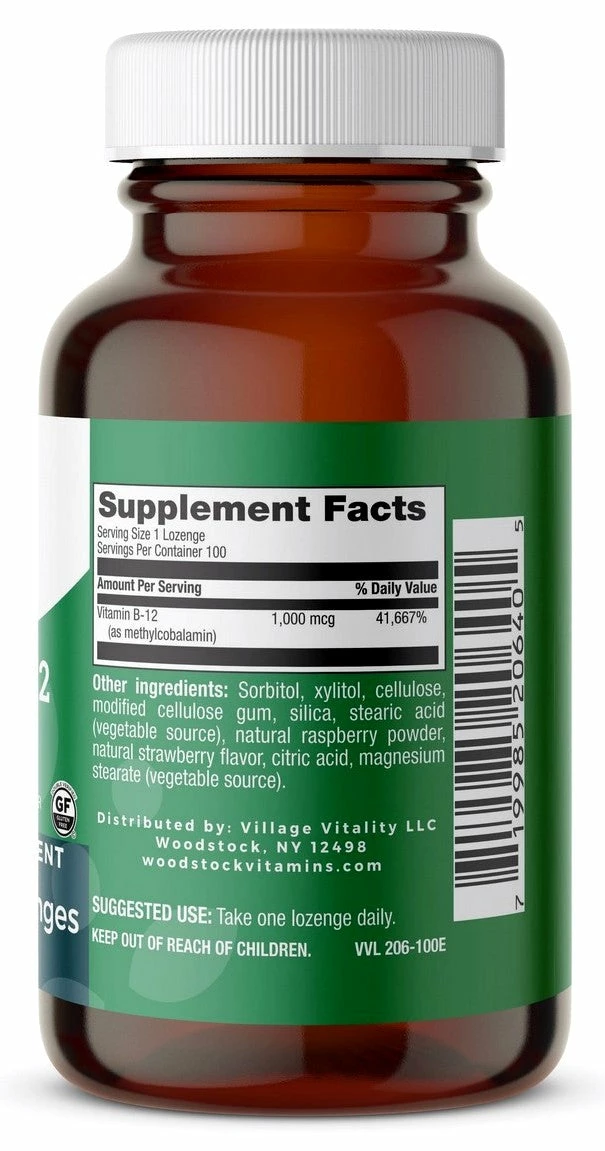
4. Get Comfortable with the Supplement Facts Panel

One of the most important things to understand before buying vitamins and supplements is that the front label is, like influencer campaigns and viral videos, part of a meticulous marketing scheme.

You might think that the front of a vitamin bottle is legally required to be based on reality, but that’s not really the case. If we want the cold hard facts about what a supplement is and does, we’ll have to venture to the dark side of the bottle. 

The Supplement Facts Panel. Or SFP, for short. 

The SFP can be an overwhelming place to be, what with those tiny fonts and 13-letter-long vitamin names. Who wants to clog up the Whole Foods aisle reading through every unpronounceable ingredient in their Women’s Daily Multi? Not us. 

But we, unlike the front label of vitamin bottles, are grounded in reality, and we know that there could be trickery afoot if there’s money to be made. 

So 2026 is going to be the year of overcoming our fear of the dreaded SFP and getting educated on vitamin forms — which ones work, which ones are crap, and which ones could actually be detrimental to our health.

Here are a few key things to look for on the SFP before buying:

Summary

Or, Call an Expert

Above all, we want you to have autonomy over your health. That starts with knowing what you’re putting into your body — be it supplements, food, or medications — and why.

But if you skimmed this blog and felt the panic start to creep in, let’s take a deep breath together. The world of supplements and whole-person health can be overwhelming and wrought with misinformation. Thankfully, you don’t have to navigate it alone!

If you want to ignore all that blabber about bioavailable nutrients and, instead, just ask Dr. Neal to translate the SFP of your favorite vitamin into English, we can do that too. Our supplement experts are always available via our always-free Counterside Consults.

Here at Woodstock Vitamins, Dr. Neal’s supplement strategy concept serves as our guiding philosophy — and not just because the wellness wisecracker is our founder! This strategic approach is key for wellness seekers who don’t want to waste time or money on their health journey.

The First5, a humble yet essential quintet of nutrients, is a crucial facet of the supplement strategy.

Micronutrients are one of the First5, but what are they? Micronutrients are nutrients (duh) that benefit multiple body systems. They’re often missing from even the best diets and have the best science to support their importance.  

To meet our unique micronutrient needs, we recommend multivitamins.

Multivitamins are supplement products with a collection of micronutrients. Think: vitamins, minerals, and trace minerals packaged up in convenient capsules, tablets, powders, gummies, and more.

Most people think of multivitamins as one-a-day tablets that kinda stink a little. Unlike other retailers, we’re not married to that idea (in fact, the relationship is estranged). We often recommend any combination of supplement products — even multiple capsules a day — that provide these needed micronutrients.

Today, we’re looking at the three top choices for multivitamins, comparing them, and sharing our recommendations for success with these important supplements.

In This Article:

Why Do I Need A Multivitamin?

Let’s say you want to be super awesome and make yourself as healthy as possible. So you pop your gummy vitamin, and now you’re invincible.

We get a few yuks out of this, but honestly… Many people truly believe a multivitamin will imbue them with special powers.

For a deep discussion around the usefulness of multivitamins, choosing multivitamins, and all the dirty tricks the industry plays, we highly recommend Dr. Neal’s recent podcast 3-episode series on the subject:

After you’ve listened to those episodes, gotten the facts, and decided whether or not a multivitamin is vital for you, come back to this blog! And then scroll on to see our top picks and how they compare to one another.

The Woodstock Vitamins Top 3 Multivitamin Options

Our top 3 multivitamins are:

1. Coenzyme Multi

Coenzyme Multi is formulated to contain the most absorbable forms of each nutrient in common sense dosages.  

Modern multivitamins often use the cheapest, “super-synthetic” versions. Doses are honestly ridiculous, oftentimes in the thousands of percent of RDA.

Coenzyme Multi really shines compared to other multivitamins especially when it comes to the B-vitamins, which are found in their activated ‘coenzyme forms’ and the minerals, found in chelated forms.

The one downside: Vitamin D3 is from lanolin, so Coenzyme Multi is not suitable for vegans.  

Coenzyme Multi is available as a capsule, powder, and chewable tablet for kids (that doesn’t taste bad at all!).

Learn More: Choose the Best Multivitamin Supplement: Dr. Neal’s Do’s and Don’ts

Sidenote: Should I Take an Iron Free Multivitamin?

We formulate two versions of Coenzyme Multi: Coenzyme Multi and Coenzyme Multi No Iron. If someone must be SUPER careful about iron intake, Coenzyme Multi No Iron is for them.  Otherwise, the difference between the two is minimal (there is only 2.5mg of iron in 2 capsules of Coenzyme Multi).

2. Vital Greens and Reds

Vital Greens and Reds is a vegan-friendly mix of vitamins and food powders that’s minimally processed to guarantee the integrity of the nutrients.

This multivitamin blend is a powder, so it’s mixed in a smoothie, shake, or just plain water and drank.

This product is great for people specifically looking to up their ‘servings’ of greens and reds temporarily as they implement dietary changes or for folks looking to go from an A to an A+ in antioxidant-rich fruit and vegetable intake.

Learn More: 4 Steps to Buying the Right Supplements in 2026

Whole Food by Nutriplex Formulas

If you listened to Neal’s podcast episode about Whole Food Multivitamins, you’ll know that he is VERY selective about the brands he promotes, especially ones claiming to be “whole food.”

Nutriplex Formulas Whole Food is a collection of whole food ingredients formulated to supply those needed micronutrients from their natural food source.

Foods in general have a lower vitamin count than “isolate” (read: traditional) supplements do, but that’s not necessarily a bad thing.  It does explain the big dose in the suggested use section of the label; this is no one-a-day, but instead a 2-4 tablet-a-day product.

Also, because it’s food ingredients, micronutrient content is NOT measured.  You won’t see Vitamin A, B, C, or any of the vitamin alphabet measured or placed on the label.  

The Nutriplex Formula philosophy is that those crazy high numbers we all chase don’t matter, but eating and being exposed to healthy foods does.

Putting our Multivitamins Head to Head

Let’s compare each of the three multivitamins by putting each head to head against the other!

Coenzyme Multi vs Vital Greens and Reds

Coenzyme Multi provides a standardized dosage of absorbable micronutrients, whereas Vital Greens and Reds provides a combination of food powder and fiber blends — no specific counts of any micronutrient except for A and C.

So, Coenzyme Multi provides a comprehensive micronutrient mix, in defined amountsVital Greens and Reds is more about the unique, properly processed foods and the combinations than it is about the specific micronutrients and their quantities.

Vital Greens and Reds focuses on powerful antioxidants and even fiber, whereas Coenzyme Multi will have none of those ingredients.

Coenzyme Multi vs Whole Food

In theory, Whole Food by Nutriplex Formulas will have a similar mix of micronutrients as Coenzyme Multi will.

With Coenzyme Multi, you’re 100% certain of what you are getting and how much. With Whole Food, you’re certain you’re getting micronutrient-rich, properly processed foods, but there isn’t a specific (read: guaranteed) amounts of micronutrients.

The Whole Food supplement requires 4-6 tablets a day for a proper serving, whereas Coenzyme Multi can achieve those results with 2 easy-to-swallow capsules.

Whole Food vs Vital Greens and Reds

Whole Food is available in tablet or powder form, whereas Vital Greens and Reds comes as a powder only.

The former provides more variety of micronutrients, and more closely resembles the mix found in conventional multivitamins.  Vital Greens and Reds leans more towards fibers and antioxidant-rich foods, along with water-soluble vitamins like A, C, and E.

Whole Food will have small amounts of vitamins and minerals (and that’s not a bad thing!), while Vital Greens and Reds will have higher concentrations of the good nutrition it provides.

Choosing the Best Multivitamin For You

Now that we’ve talked about the pros and cons of each, and compared them against each other, let’s decide on the best one for you.

Looking for a true whole food product?  If your philosophy is real whole food, then look no further than Whole Food.

Looking for a great addition to a shake or smoothie? Want to skip the multivitamin pill and just bump up your smoothie game while getting healthy micronutrients?  Vital Greens and Reds is your choice.

Looking for the best, comprehensive, and easy-to-take option? We love Coenzyme Multi as the best daily multivitamin that guarantees absorbable and reasonable doses of micronutrients. 

Looking for a great supplement for vegans?  Vital Greens and Reds is the best vegan-friendly option.

Which Multivitamin is Best for Me?

If you’re a fan of quality supplements done right, then look no further than Woodstock Vitamins.

If you’re serious about micronutrient supplementation and want it to be as vital as Dr. Neal believes it should be, we have lots of great options.

In particular, Coenzyme Multi is a real winner, and it’s our top recommendation for multivitamins.

But, if you’re looking for non-conventional micronutrient supplementation, Whole Food by Nutriplex Formulas or Vital Greens and Reds by Woodstock Vitamins are excellent choices as well, each with their own unique advantages.

Remember, true holistic care involves supplementing healthy choices with best-in-class supplements. Strive for your 5-10 servings of fruits and veggies a day, and then use a high-quality multivitamin to guarantee daily micronutrient goals are met.

Learn More: Multivitamins for Brain Health: 3 Things to Know Before Buying

New year, same Woodstock.

Isn’t that a relief? While the myriad of wellness brands make haste on their Q1 marketing campaigns, we’re focusing on continuing to do what we do best.

That is: Providing science-backed wellness education that simplifies strategic supplementation. And while you might not be able to say that whole sentence five times fast, the keywords themselves are pretty easy:

Simple. Strategic. Supplements.

A core facet of simple and strategic supplementation is building a strong foundation before you start taking anything. So if you missed our last blog on Dr. Neal’s non-negotiable nutrients, that’s okay! Start here, with these 5 lifestyle adjustments that can make an enormous impact on your overall well-being.

By the end, you’ll have a rock-solid framework for whole-person health in 2026. Then, and only then, can you supplement the 5 nutrients everyone needs feeling totally confident in your ability to avoid wasting money on well-branded bunk.

In This Article:

Why Start with Lifestyle Adjustments to Support Your Wellness Goals?

We’ll keep this bit brief because, if you’ve read any of our other boat-rocking blogs, then you already know the core sentiment.

Which is, of course, that you can’t out-supplement a nutritionally bankrupt diet. Or a totally sedentary lifestyle. Or a stress-ridden day-to-day life that leaves you completely depleted.

Even the 5 incredibly powerful nutrients that Dr. Neal recommends for everyone work best when they’re supported by foundational wellness factors. Like diet, sleep, exercise, stress management, and lifestyle changes.

À la the Wellness Pyramid.

These five areas of life create the bedrock of your well-being. And, just like the First5 nutrients, these factors work in tandem with one another. Your sleep impacts your ability to manage stress; your nutrient intake impacts your digestion; your digestion impacts your energy and sleep cycles.

So don’t shirk one area in favor of another! Instead, try to make time and space in your life for a little of everything on the list. Walk the middle path. Focus on moderation. Aim for consistency, not perfection.

5 Lifestyle Adjustments to Support Your Wellness Goals

1. Prioritize Sleep Quality and Duration

First up is sleep!

You probably already know that sleep is essential for recovery, focus, mental well-being, and overall health. But the importance of your sleep quality and duration cannot be understated. (Especially in our fast-paced, productivity-centered culture.)

You should be aiming for between 7 and 9 hours of sleep each night, but the amount of sleep you get is only the tip of the iceberg. 

Sleep quality is incredibly important as well, and can be affected by a whole variety of underlying issues — many of which we’ll cover later in this blog.

One easy thing you can do is establish a consistent bedtime and stick to it! If you make a few small changes to cultivate a calming evening routine, like removing electronics and heavy foods that can disrupt your circadian rhythm… Your sleep quality will improve in no time. And if you need more sleep-focused tips, we’ve got a whole list right here.

Learn More: 5 Things to Do (Not Take) for Better Sleep

2. Exercise

It’s no secret that exercise can improve both physical and mental health. But most people think that means they need to hit the gym 6x a week or become a Tabata devotee. Want to know the open secret? Even something simple, like a daily walk, can make a significant impact. 

In fact, high-intensity training has been linked to things like inflammation, immune dysfunction, oxidative stress, muscle damage, and more. So if you’re just starting your exercise journey, fret not!

Instead, start with a manageable goal that’s confirmed by science to support physicall wellness and mental health. 30 minutes of moderate movement, 5x a week. (Think: Walking, stretching, yoga, bodyweight exercises, etc.)

Then, build from there! The ideal goal is 30 minutes of exercise per day, but like we said, consitency is key. It’s much better for your health to commit to a short, simple routine than to be on-again-off-again with a rigorous, demanding one. 

So whatever activity you decide on, stick to it if you want to see results! Regular exercise can help improve a whole host of things, like your sleep quality and digestion. Remember what we said about everything being connected?

Learn More: The Truth About Exercise: Ditch the Myths

3. Diet and Nutrition

Despite the fact that all of these lifestyle adjustments are incredibly important, nutrition seems to be the most disputed.

And while you might be tired of cliches like, “you are what you eat,” they’re closer to the truth than many would like to admit. Your body is like an amazingly complex organic machine, and the food you eat determines the quality of fuel you’re putting in the tank. 

To make it as simple as possible, we’ll put it like this: poor diet leads to poor overall health. No ifs, ands, or bots. Before you reach for your pitchforks, though, we’re not at all recommending depriving yourself or searching for the latest diet fad.

We recommend, as always, balance! Which looks like caring for your body with wholesome, nutritious foods, while still leaving space for a little indulgence. Everything in moderation, including moderation.  

Because it’s not just about choosing the right foods, either. Your body requires not only high-quality fuel, but consistent fuel. So, make sure you eat regularly throughout the day — it’ll help keep your blood sugar in-line. 

Plus (and you might see a pattern forming here), did you know that diet can also affect your sleep?

Learn More: Mastering Holistic Nutrition: Dr. Neal’s Top 5 Diet Guidelines

4. Manage Stress

While stress has become a bit of a buzzword lately, we’d like to cut to the core of it: Under stress, your body releases a flood of hormones, like cortisol and adrenaline, putting your system on high alert.

Early in our evolution, this function of the body was hugely beneficial. In this state, known as the sympathetic nervous system, your body shuts down unnecessary functions to save energy for what it thinks is most important.

In our modern world, though, sometimes the body struggles to prioritize the right functions. If you’re being chased by a bear, for example, you’d be grateful to have all that pesky digestive energy redirected to your heart and lungs. In a stressful situation at work (that might last for days or weeks!) it’ll probably be a bit less helpful. 

Chronic stress, then, basically means that your body is trapped in the sympathetic nervous system state — AKA fight or flight — constantly.

So, addressing and managing your stress is your path to better digestion, sleep, moods, and a whole lot more. While you may not be able to just flip a magic switch and make all your stress disappear, you can definitely identify what’s pushing your buttons the most — and hopefully, do something about it. (Like meditation, mindfulness practices, or breathwork.)

And, spoiler alert: Too much stress also leads to too little sleep. Oh, how the connectedness continues!

Learn More: Meditation vs Mindfulness — Common Misconceptions

5. Finally, Lifestyle Changes

Now, you may be saying: “You’ve already talked my ear off about what I need to change! What else could you possibly want from me?”

Well, first of all — it’s not for us, it’s for you! And as always, take what you like and leave the rest. Incorporating some of these tips consistently will do a lot more for you than using all of them for a week or two. 

And secondly, while we’ve already discussed habits that address what goes on inside your body (digestion, sleep, recovery, etc.), we like to think of the lifestyle changes component as being related to all the stuff that goes on outside of your body.

Because, honestly, making a few, small changes that limit your exposure to toxins and inflammatory compounds can sometimes have the biggest impact. Lifestyle changes can be very personal, though, so remember it’s all about what does work for you, not necessarily what should. 

All that to say, basically, that none of these tips or supplements will work their best without being supported by healthy choices. Whether that’s drinking more water, bringing fewer toxins into your home, taking the TV out of your bedroom, or all of the above — these small changes can be the difference between supporting or derailing your progress.

Learn More: Environment: How It Impacts Your Health and What to Do About It

That’s Life(style Adjustments)!

We’ve said it once and we’ll say it again (and again, and again…), optimal health requires balance.

If you combine good info with good habits and good supplements, you’ll make it a lot farther than if your supplements, habits, and lifestyle are all working at cross purposes.

So, while it may be slower and less fun than raiding the health-food store for all the latest and greatest miracle cures, adjusting the way you live and what you prioritize will make more of a difference in how you feel. Plus, with a little help from our team of supplement experts lead by the notorious loudmouth, Dr. Neal, strategic supplementation gets a whole lot simpler.

This year, keep doing the difficult but necessary work of finding and fixing the little gaps in your wellness foundation that are keeping you from being and feeling your best. New year, new you — same (awesome!) Woodstock. 

Time is running out! With 2026 right around the corner, we don’t have much time to fashion brand-new, perfectly optimized versions of ourselves before the clock strikes midnight.

Or at least that’s what the marketing machines want us to think. This year, we’re taking a different approach.

Rather than focusing on resolutions or rebrands, we’re honing in on the concept of redemption. Because, despite it being a profitable holiday, it is true that every new year comes with a chance to refresh and refocus on health.

And if we want to redeem ourselves for our perhaps slightly less-than-optimal choices from 2025, we need to start with a strong wellness foundation. Those small gaps in habits or nutrition can lead to bigger challenges over time but that’s why we’re here to help you figure out what exactly has been missing from your toolkit.

Scroll on — this guide will introduce you to the 5 essential nutrients that you absolutely need to thrive. Plus, all the info you need to make strategic supplement choices.

In This Article:

First: Here’s Why Foundational Wellness Matters

Before we dive into the non-negotiable nutrients your body needs (and likely isn’t getting enough of)… What is this concept of foundational wellness? Why does it matter?

Well, hardcore fans of Dr. Neal will know that any conversation about genuine, long-term health starts with the Wellness Pyramid. Foundational health refers to the nutritional habits and wellness practices you’ve developed that help you feel your best. (Or not feel your best, as the case may be!)

The Wellness Pyramid takes these lifestyle arenas and formats them into an easily digestible image.

Things like proper nutrition, deep sleep, and regular movement help provide you with energy, while stress management and environmental changes can cultivate resilience.

So while the nutrients below are absolutely crucial, supplements are meant to supplement a healthy life. Without a strong wellness foundation for your efforts, it becomes much harder to achieve and maintain your goals. All this is to say: Start at the base of your Wellness Pyramid, then work your way up.

By filling the gaps in your wellness foundation now, you’ll set the stage for successful supplementation and lasting health improvements!

Learn More: The Season of Second Chances: Redeeming Your Health Journey

5 Essential Nutrients to Build Your Wellness Foundation

Of all the myriad nutrients available to us via food and supplementation, only 5 stand out from the crowd. But what is it about these particular nutrients that makes them so vital for our well-being?

We’re glad you asked! In order to make the list of Dr. Neal’s non-negotiable nutrients, a particular compound has to meet this strict set of criteria:

After 20+ years of clinical experience, Dr. Neal found only 5 that fulfill these critical standards:

1. Omega-3

Let’s start out with a fan-favorite, nothing fishy here!

Omega-3s seem to stay in the supplement spotlight — likely due to their unparalleled effects on mental clarity, cognitive function, depression, and more. If you’re anything like us, you love your brain (or try to!) and will do just about anything to it work a bit better.

But it’s not all about the brain. Omega-3s also play an important role in fighting inflammation, improving gut health, lessening autoimmune symptoms, and lowering the risk of cardiovascular disease. This is all thanks to its nature as a fatty acid.

Without getting too far into the science, this fatty acid appears both as an anti-inflammatory agent (omega-3), and a pro-inflammatory agent (omega-6). Inflammation, in just the right amounts, helps our bodies fend off illnesses and infections — but like most things, too much can cause damage.

Most of us get a little too much omega-6, and not quite enough omega-3, so we struggle to keep our inflammation levels balanced and healthy.

Our Recommendations for Omega-3

While you can definitely address the imbalance of omega-3 and omega-6 through diet and other lifestyle changes (and we’d never discourage you from that!), it can be difficult to reach the recommended daily dose without supplementation.

We recommend you add an omega-3 supplement to your routine to help stabilize your omega-3 and omega-6 intake. This, along with the other vital nutrients, holds the key to a healthy inflammatory response all throughout the body.

Learn More: Omega-3 Supplement Buying Guide: 3 Things to Look For

2. Probiotics

We always say (and the science backs us up!) that gut health is the gateway to overall health. That makes probiotics some of our greatest allies — both for digestive health and whole-body wellness!

Here’s how it works: Strains of microscopic organisms can flourish in the gut, populating nooks and crannies with positive bacteria that help balance the digestive system. Plus, probiotics don’t just work in your gut! Beneficial bacteria can help boost the immune system and can even have an impact on your mood and mental health.

“The normal flora, or the collection of microorganisms that live in and on us, is under constant attack — from stress, diet, medications, and more.”

-Dr. Neal Smoller

Our Recommendations for Probiotics

But — when it comes to probiotics, there is a bit of a catch. Not all the probiotics you see on store shelves include the right probiotic strains in the right amounts. Make sure you dive into Dr. Neal’s expert tips for finding the specific strains proven to make a real, beneficial impact!

Learn More: Best Probiotics for Gut Health — 4 Strains Backed by Science

3. Bone Support – AKA Calcium and Vitamin D3

Bone health isn’t all that important, really — as long as you don’t need to stand, walk, or anything else! But seriously, we don’t think we’re being dramatic when we say that bone health is the foundation upon which everything else relies.

We all learned in elementary school that bones are all about calcium.

But here’s the thing. Your body can’t produce calcium on its own. It relies on either calcium from external sources (diet, supplements), or it draws calcium from within the body itself. And most people aren’t getting enough calcium from diet alone to avoid calcium leaching from their bones!

Before you panic though, vitamin D is here to save the day. In addition to its myriad of other health benefits (including mood, brain function, and immune support), vitamin D also helps our bodies absorb calcium. So, taking a well-chosen calcium supplement in tandem with our recommended vitamin D can help you get the most out of both.

“You’ll probably hear that you should be taking calcium carbonate or calcium citrate. I disagree. I prefer calcium hydroxyapatite. Why? Because it provides more than just calcium — it includes all the natural nutrients necessary to support the whole bone matrix.”

-Dr. Neal Smoller

Our Recommendations for Bone Support

For optimal results (as always!), you need not only the right form of vitamin but the right dose. For bone support specifically, we recommend a daily dose of 1,000 to 1,200 milligrams of calcium hydroxyapatite, plus about 1000-2000 IU (International Units) of vitamin D3 (cholecalciferol) daily. 

Learn More: Bone Health: Why We Always Recommend Calcium Hydroxyapatite

4. Protein, Or More Specifically, Collagen

Protein is essential for muscle repair, energy, and staying full longer. Protein supplements, then, are like a muscle-building shortcut, providing a concentrated dose of amino acids that your body can readily absorb. Plus, it can be difficult to find time in your busy life to ensure you’re hitting your protein goals — but a protein supplement makes it a cinch!

When it comes to protein supplements, there are lots of options. Most fall into one of these three categories:

All of the above can offer a significant protein boost, but if you want the best of the best, the only option is collagen

And, because collagen makes up roughly 1/3rd of the protein in our bodies, the benefits of supplementing it extend far beyond the typical powder. Collagen has been shown to help rebuild and fortify the gut lining, and, in turn, improve nutrient absorption!

Our Recommendations for Protein

Before you start chugging collagen peptide protein shakes — remember that balance is key!

While supplements can be a fantastic addition to your fitness routine, they shouldn’t overshadow the importance of a well-rounded diet. For the ideal protein boost, you should add an extra 10 to 20 grams per day of grass-fed collagen peptides to an already well-rounded diet.

Learn More: 5 Benefits of Collagen for Gut Health

5. Multivitamins

Think of your body like a finely tuned machine — if only for this section. In order for your machine-body to stay running smoothly and fulfilling its various tasks, it needs to consume a range of nutrients in a finely balanced fashion. Just like how your car needs oil, transmission fluid, etc. Makes sense, right?

Getting the right amounts of each compound in the vitamin and mineral spectrum, however, isn’t as simple as filling up the tank at the closest Circle K.

Multivitamins, to stretch this metaphor within an inch of its life, act as an insurance policy. By filling the inevitable gaps in nutrition that come with a standard diet, multivitamins can help you avoid serious issues down the road like diseases of deficiencies.

Results can vary depending on individual needs and lifestyles, of course, but the science shows that a well-chosen multivitamin can make a real difference. Especially on crucial aspects of our wellness foundation, like our brain health.

Our Recommendations for Multivitamins

Multivitamins come in all shapes and sizes, but don’t be fooled by the slick branding you’ll see on supplement shelves. The whole “one-a-day for women,” “men’s multis,” “multivitamins for people who like the East Coast,” thing is almost entirely marketing.

Instead of focusing on the demographic-specific multivitamin that fits you best, look for high-quality options that are dosed intelligently for (almost) any modern human. Cough, cough — like Dr. Neal’s Coenzyme Multi formula.

Learn More: Choose the Best Multivitamin Supplement: Dr. Neal’s Do’s and Don’ts

Putting It All Together: Your 2026 Wellness Foundation

Whether you’re strengthening your wellness foundation or building it for the first time, all this info can feel a little daunting.

But don’t worry! The key to success is gradual, sustainable change. With science on your side, and our expert help when you need it, you’ll be well on your way. 

Plus, the first step is easy: just take a good, honest look at your current routines. Identify things that you’re doing well, as well as areas that might need improvement. By taking a look at what essential nutrients are already part of your lifestyle, as well as which ones you might be missing out on, you can pave the way for a healthier, happier life! 

And, you can totally start small to avoid feeling overwhelmed. Even adding one nutrient or lifestyle habit at a time is an amazing step. Remember, it’s all about consistency over perfection! So, with Woodstock in your corner, take the first step today, and commit to filling the gaps in your foundation. Your future self will thank you.

Plus, once you get a handle on your essential nutrients, keep an eye out for our follow-up blog about addressing the gaps in your lifestyle — holistic-health style!