






Wait — May isn’t over quite yet!
June is looming on the horizon and with it the promise of vacations and vitamin D boosts, but we’re still firmly in Women’s Health Month for another few days. While we’d need the whole year, at least, to really do the topic justice, we’re going to use the time we have to talk about herbs for women’s health.
Didn’t we already talk about a few popular plants for ladies this month? We sure did, but you might have noticed that two big ones were missing from that blog. If you didn’t, don’t worry, we’re not maca-ing you for forgetting about these two heavy hitters: Maca root and cranberry.
These particular herbs deserved their own post — there’s just too much pertinent information to share about them to cran it in somewhere else.
And before you close this tab: We’ll check the plant puns here so you can read on, fellow supporters of women’s health, and learn more about using these two herbs properly unencumbered by our bad jokes.
In This Article
Cranberry Supplements for Women: Are They Worth the Hype?
Fortunately for women all across the country, cranberry supplements and products have become widely accessible. Unfortunately for those same women… they now can’t buy an innocent bottle of cranberry juice without alerting all cashiers and passersby to the fact they might have a UTI.

Cranberry has found its way to the supplement aisles of every major health foods store in the last year, labeled and sold as an herb for urinary tract health. This is all fine and good, but it’s important to remember that cranberry is also a plant and a food, so the lines can get blurry.
Should you drink the juice? Every day? Or should you eat cranberries like they’re going out of style?
How do you compare and contrast the dozens of near-identical cranberry supplements lining the shelves? And what the heck is d-mannose?
There’s a lot of confusion around the role of the cranberry and how it can help stop a UTI in its tracts. (Sorry, we promised a pun-free experience, please disregard.)
So let’s break it down! There are two important ingredients in cranberry that you need to know: proanthocyanidins and d-mannose.
Understanding Proanthocyanidins (PACs) in Cranberry Supplements
We perceive cranberries as red. The chemical compounds that contribute to the red color we see in cranberries are called proanthocyanidins, or PACs for short.
PACs belong to the flavanol family and were first studied for their role as plant pigments. The PACs in cranberries are special, though, as they have a different structure than the ones we see in other colorful fruits. This difference in structure is likely what gives cranberry its anti-adhesion properties, which play a key role in its UTI support functions.
By preventing the adhesion of gross bacteria in the urinary tract, the PACs in cranberry can help keep things like E. Coli from taking root on cell walls.
Understanding D-Mannose in Cranberry Supplements
D-mannose, on the other hand, is a monosaccharide, or sugar, found in the cranberry plant. This cousin of glucose is found in many other fruits and even the human body, so there’s no need to be frightened by the S-word in this context.
While we typically associate sugar with detrimental health effects, d-mannose and its ability to support UTIs has been studied extensively in recent years. Turns out, it can not only help with acute infections, but also with recurrent or chronic UTIs, too.
How? D-mannose, like the PACs, prevents the adhesion of harmful bacteria to the surface of the urinary bladder.
Picking the Right Cranberry Supplements for UTIs
Knowing the names of these two compounds in cranberry makes choosing the right supplement, juice, fruit, or powder much more simple. It automatically eliminates most of the cranberry food, powder, and juice products available as these forms won’t have information on the PACs and d-mannose content in them.
So we turn to supplements, and more specifically, the cranberry supplements that clearly list the doses of these two things. Like our formulation!


Can you still eat cranberries and drink the juice to expand your palate and get more diverse nutrient sources? Absolutely!
But if you’re suffering from acute or chronic UTIs, a comprehensive supplement with PACs and d-mannose that can flush out the icky stuff is the way to go. For major infections that need major doses, Dr. Neal recommends pure d-mannose powder down the hatch.
Everything You Need to Know About Maca Root

Maca root, while relatively unheard of up until recent years, has now become the catch-all recommendation for everything women’s health (besides UTIs): hormones, menopause, fertility, etc.
Like cranberry supplements, the marketing of maca root products has lead to a lot of misinformation in the natural health industry. Which is particularly unfortunate, given what a helpful and potent herb maca root is.
Maca root is typically represented as a totally safe, totally natural option for uplifting everything from libido and fertility to heart and brain function. While the herb has been shown to act as a “toner of hormonal processes,” balancing hormones and relieving menopause symptoms, we have to be careful to not paint with broad strokes.
Why? Because much like how every body is different, every phenotype of maca root is different, too.
There are 10+ different phenotypes of the maca plant and the particular kind of phenotype you ingest will dictate the response your body has. Some phenotypes have strong male-hormone expression and some have stronger female-hormone expression.
But what all the maca supplements you can find these days will have in common is a complete lack of information on the particular phenotype used in each formulation.
Finding the Right Maca Root Supplement
It’s for that reason, and others, that herb-literate practitioners like Dr. Neal don’t recommend one particular maca root supplement for all people. (But for those who are dying to know, his favorite brand is Femmenessence.)
If you want to experience the benefits of this potent plant, you’ll have to play it safe. The dosage, phenotype, duration, and frequency of maca supplementation are all things that should be individualized for your specific needs with the help of a supplement expert or medical professional.
So if you supplement cabinet is overflowing with various types of maca-matcha powders and miracle pills, it might be time to do some spring cleaning.
Ready to Take the Next Step?
Whether you’re rushing to stock up on d-mannose powder or pondering the potential benefits of maca powder, our team of science-focused supplement strategists are here to help.
Because, though we do our best to condense complex ideas into scrollable blogs, women’s health is a complicated topic with no one-size-fits-all approach available. So let’s chat about what you — and your body, health, history, goals — need to thrive, from supplements to wellness practices and everything in between.
We firmly believe that men and women are equal in every arena. But is equal always a synonym for exactly the same?
No, it’s not!
There are many key differences between men and women, especially when we venture into the realm of health and wellness. One example that’s particularly pertinent during Bone Health Month: Modern women are at significantly higher risk for bone density loss and osteoporosis than men.
So, ladies, let’s give future archaeologists something to talk about! By bolstering skeletal health with wellness practices and data-backed supplements that slow the bone loss process, we can ensure our bones are studied by generations to come.
And, you know, enjoy the freedom of full, pain-free mobility while we’re still alive, too.
In This Article:
- A holistic approach to women’s bone health
- Wellness practices for women’s bone health
- Bone-building foods and exercises
- Supplements for women’s bone health
Why Does a Holistic Approach to Women’s Bone Health Matter?
We’ve said it before, and we’ll say it again: Wellness doesn’t work in a vacuum.
So why does a holistic, or whole-picture, approach to women’s bone health matter? Well, the human body is an incredibly complex organism, and to address any one part without acknowledging the whole is not only a disservice to the elegant machinery of our organs but an incredibly ineffective way to get to the root of the problem!
Thankfully, the wise-cracking wellness wunderkind, Dr. Neal, is always ready with a health-related truth-bomb. Like: Your bones are only as strong as the rest of your body, and vice-versa.
When everything is working in harmony, healthy bones can increase immunity, help avoid infection and injury, and reduce overall pain and inflammation. Sounds great! And it is, of course — but it’s easy to forget that the reverse is true.
A healthy skeleton in an unhealthy body can’t stay a healthy skeleton forever…
Of course, we would never imply your body is unhealthy — even the fact that you’re reading this blog means you’re a step or two ahead of most!
All we mean is that, as with all holistic health, it’s impossible to make real, meaningful steps toward wellness without looking at the whole picture.
So let’s set the skeletal scene: a beautiful, windswept vista filled with good nutritional choices, consistent weight-bearing exercise, wholesome lifestyle choices, and some science-backed supplements to fill the gaps.
Well, we might be stretching our metaphors a bit here, but you get the picture! It takes more than just a calcium supplement (although we do recommend one) to stave off bone density loss and skeletal aging, and for real, sustainable results, we’ll need to address some foundational factors.
Wellness Practices for Women’s Bone Health
Real Woodstock Vitamins fans will know where we’re going with this one — cue, the Wellness Pyramid!
We hope you’re not sick of hearing about Dr. Neal’s science-based framework for simplifying an incredibly complicated topic — personal health and wellness — because we’ll never get sick of talking about it. And not just because our immune systems are ultra strong from following the Wellness Pyramid path!
Dr. Neal’s Wellness Pyramid breaks down and prioritizes the factors you need to address for true holistic wellness. The biggest section of the pyramid, the foundation, is made up of the five lifestyle domains that majorly impact our wellness: diet, exercise, sleep, stress management, and lifestyle changes.
These mundane areas of life can make or break our overall sense of health and well-being, so ignoring them is not an option when it comes to bone health.
But while the Wellness Pyramid is straightforward and simple by design, there are a few things to keep in mind when using it as a compass:
- This holistic, or whole-picture, approach does not seek to replace modern medical care — it works in conjunction with it.
- Your health is built upon the dozens, or hundreds, of day-to-day decisions you make, which means there are countless opportunities for reflection and improvement.
- Even the most powerful supplements in the world can’t overcome debilitating lifestyle factors, hence why this section is smaller and comes after the lifestyle domains.
That said, let’s get into some specifics! Two of the lifestyle domains stand out for their ability to positively impact bone health when prioritized: diet and exercise.
Foods for Healthy Bones
While it’s increasingly difficult (okay, practically impossible) to fulfill your daily calcium requirement from diet only, that doesn’t mean you have carte blanche to skip the leafy greens.
Aside from the obvious — à la eating calcium-rich food is good for your bones — many of our recommended bone-building snacks also contain other nutrients that are beneficial not only for the bones but for other bodily systems as well.
- Dairy
- Leafy greens
- Fatty fish
- Beans and legumes
- Lean meats
- Citrus fruits
- Potassium-rich foods like tree fruits
Foods for Unhealthy Bones
- Excessive alcohol
- Excessive caffeine
- Sugary beverages
- High-sodium foods
Learn More: Mastering Holistic Nutrition: Dr. Neal’s Top 5 Diet Guidelines
Exercise Guidelines for Women’s Bone Health
Another truth bomb: There is no supplement in the world that can counteract a sedentary lifestyle. Exercise is absolutely essential for bone health and longevity, as it is for almost every other bodily system.
To maintain bone density and mobility throughout the aging process, women should focus on weight-bearing exercises that stress and strengthen skeletons and muscle-strengthening routines that support surrounding structures.
Before you run out to grab that new Peloton or Pilates membership, remember that all you really need for these bone-protecting exercises are just two things — your body and a little bit of time.
Weight-Bearing Exercises
- Walking
- Running and jogging
- Dancing
- Stair climbing
Muscle-Strengthening Exercises
- Yoga
- Bodyweight exercises like lunges, push-ups, squats
And no, you don’t need to go full bore on bodybuilding, either. Women should aim for at least 150 minutes of moderate-intensity aerobic activity per week — which is 30 minutes of activity per day, 5 days a week.
Learn More: The Truth About Exercise: Ditch the Myths
Supplements for Women’s Bone Health
It’s after — and only after! — you’ve restructured your life to prioritize these diet and exercise changes that you can buy supplements without wasting your hard-earned cash. Supplements, after all, are meant to supplement a healthy lifestyle, not save you single-handedly from unhealthy habits.
(Although we really wish they did that. Like, really, really.)
Aside from our top-dog bone-boosting supplement, calcium hydroxyapatite, there are 3 other key nutrients that can help preserve the integrity of your bones when these deficiencies are addressed. Let’s meet them!
Learn More: Bone Health: Why We Always Recommend Calcium Hydroxyapatite
1. Vitamin D | As D3, or Cholecalciferol
Did you know vitamin D isn’t really a vitamin?
This fat-soluble compound is actually a hormone that affects our health from head to toe. In particular, its impact on women’s bone health can’t be understated, primarily due to its ability to boost calcium absorption, prevent falls and fractures, help maintain bone density, and more.
And if that’s not enough reason to start taking a Vitamin D supplement, here’s another: 95% of Americans are deficient!
Learn More: Vitamin D: Sunshine Supplement for Bones, Blood, and The Blues
2. Magnesium | In Chelated Mineral Forms, Like Magnesium Glycinate

This humble mineral is only needed in small quantities but does some big things in the body. As a cofactor of vitamin D synthesis, which in turn affects calcium utilization, adding magnesium is critical for getting the most out of your other bone support supplements.
Wellness seekers with adequate magnesium levels typically have higher bone mineral density. Plus, supplement use has been shown to have a positive effect on bone turnover (as well as about a million other body processes, including mental health.)
Learn More: Magnesium Deep Dive: Doses, Deficiencies, and Dupes
3. Collagen Peptides | A Protein Source Rich in Amino Acids
Collagen is often referred to as the “glue” that holds our bones together but as we age, our bodies produce less and less.
Thankfully, collagen supplements aren’t hard to come by these days! And a high-quality collagen peptides powder, while a little harder to find, can help slow this natural decline and improve bone mineral density which, in turn, reduces the risk of weak bones and joint pain.
As a truly holistic, or whole-body, tool collagen can support skin, muscle, and gut health as well. What’s not to love?
Learn More: Why Our Collagen Peptides is Vital
Bone Up or Bug Off: Women’s Bone Health Matters
Maybe one day they’ll invent a single, magical pill that will make our bones invincible. Probably not, but maybe!
In the meantime, we’ll stick to the tried and true methods that are backed by both science and common sense — wellness practices and clinically verified supplements. And if your bones need a little more boost, give us a call!
Our supplement experts and holistic health advocates are only ever a (free!) Counterside Consult away.
Gender and wellness can be pretty divisive topics. But you should know by now that we’re not ones to shy away from controversy, especially not during Women’s Health Month!
Our whole jam is breaking down complicated topics accurately, equitably, and with your best interests in mind. And when it comes to being in the world, the workplace, and the space station — we believe women and men are entirely equal.
When it comes to wellness, however, it’s important to remember that equal doesn’t always mean exactly the same.
While the vast majority of Dr. Neal’s holistic health advice is pretty dang genderless — the Wellness Pyramid, for example, is the same for everyone — there are some symptoms and concerns that are unique to the female experience. Like PMS, menopause, uterine health, etc.
But of all the many cures and capsules being sold to women for these health factors, which ones work? And which ones are bunk? Read on to learn about three herbal allies for women’s health that actually have the data to back up their hype and can, in fact, spice up your life.
In This Article:
- Lifestyle changes for women’s health
- 3 heavy hitter herbs for women’s health
- Plus 2 more bonus herbs
But First: The Wellness Pyramid for Women
Wait, can’t you just scroll past this section to the science-supported herbs we have listed below? You can, and we won’t stop you!
But we’d be remiss not to mention that herbs, like supplements, work best when they’re supplementing and supporting a generally healthy lifestyle. So before we hand over our hard-earned cash… We should make sure we’re getting the most bang for our buck by creating a strong foundation for health first.
Where do we start? With wellness practices in the mundane areas of life: Diet, sleep, exercise, stress management, and environmental changes.

This section might look familiar to hardcore holistic health hotties! But it’s not by accident that the Wellness Pyramid shows up in so many of our blogs.
The foundational building blocks of long-term health just don’t change that often! Plus, sustainable wellness is about establishing supportive routines that organize our wellness efforts and push us out of ‘survive’ mode and into ‘thrive’ mode.
And we can’t do that without a simple framework for health that makes this messy topic manageable.
Learn More: Wellness Practices 101
3 Popular Herbs for Women’s Health
Speaking of making things manageable… We could rattle off a list of a dozen or more herbs we could recommend for women’s health.
But there’s already enough misinformation and marketing speak out there to keep you confused about which plants actually have an effect on women’s health.
So let’s keep it short, sweet, and to the point!
But remember: Not just any herb can make it onto our list.
These particular plants all have a long history of usage for holistic health and scientific backing via modern studies. Plus, they can help with multiple systems and symptoms, and they’re pretty accessible, too.
1. Chaste Tree Berry (AKA Vitex)

First up: Chaste tree! This shrub, known for its violet flowers and berries, has been used in traditional women’s wellness practices for hundreds and hundreds of years.
Many of our women-centered products contain extracts from this plant, and for good reason. Commonly used to support healthy and regular menstrual cycles, soothe PMS symptoms, and support and balance hormone production, this hardy fruit offers a wealth of health benefits.
Both the fruits and leaves of the chaste tree are medicinal and contain flavonoids, iridoids, progestins, and essential oils.
This blend of beneficial compounds can help balance menstrual cycles and ease menstrual pain. All while also supporting a healthy endocrine system. Plus, the chaste tree has been used in a variety of cultures to help treat common women’s health concerns like menstrual pain, PMS, menopause, and more.
Chaste tree berries can also stimulate progesterone production and help normalize estrogen and progesterone levels, believe it or not!
And, in European herbalism and medicine, chaste tree extracts are used both to treat uterine fibroid cysts and to help boost breast milk supply for new mothers.


Keep in Mind:
While chaste tree has no known serious side effects, it can cause mild nausea, stomach issues, or rash. Chaste tree is not recommended while pregnant, or for patients who may have some specific hormone-related issues.
Please talk with your healthcare provider before beginning any herbal supplementation routine! Or set up a free Counterside Consult to get the inside scoop.
2. Black Cohosh

Black cohosh, while less popular than vitex or chaste berry, has also been used for hundreds of years. More than one Native American tribe turned to the flowering plant to relieve menstrual cramps and menopausal symptoms. (Think: like hot flashes, mood swings, irritability, and even sleep difficulties.)
These days, it’s known in many European countries as a well-established herbal remedy for the same issues and has been for over 40 years now.
In fact, clinical research has shown black cohosh to be more effective at preventing hot flashes than Prozac! And some studies showed as much as a 20% reduction in hot flashes and sleep disturbance symptoms (also known as vasomotor symptoms) among menopausal women while taking the herbal supplement.
Some researchers have raised concerns about the phytoestrogens in black cohosh interacting with breast cancer treatment.
However, a recent study actually supported the opposite hypothesis. Their work demonstrated that black cohosh might actually help protect against the development of breast cancer.
Keep in Mind:


We do need to say, though, that more research is necessary to confirm these findings. Many researchers caution against using black cohosh for more than 6 months at a time due to the limited scope of the current studies.
And despite this seemingly overwhelmingly positive fanfare, it’s still important to discuss your herbal supplementation plans with your healthcare provider. Getting the right dose of black cohosh for your specific health needs is crucial for success with this herb. So talk with one of our experts via a free Counterside Consult before you buy!
3. Stinging Nettles

Nettles may seem an unlikely hero in this list since they’re not typically recommended for women’s health specifically, but they have a lot of benefits for women if you look a little closer.
Nettle has been used as a natural remedy for its healing properties for over 2000 years, and the chemical compounds in stinging nettle offer a wide variety of female-focused health benefits.
As one of the most nutrient-dense herbs available in America, stinging nettles contain micronutrients that many women are deficient in, like iron and folate.
Because of its astringent characteristics, nettle can also relieve unpleasant premenstrual symptoms such as cramping and bloating, as well as reduce blood flow during menstruation. And, at the same time, stinging nettles can ease the menopause transition, lowering the intensity of the hormonal shift in the body.
When acting as a coagulant, stinging nettle can also help prevent excessive bleeding, while increasing milk production and making breastfeeding more comfortable.


Want even more reason to love this prickly little plant?
Nettles is also particularly helpful for women getting flattened by seasonal allergies this time of year, due to its anti-inflammatory and antihistamine (and antioxidant, anti-proliferative, analgesic, anti-infectious, hypotensive, antiulcer — you get the picture, this herb is a powerhouse!) properties.
Bonus Plants: 2 More Herbs for Women’s Health
Make friends with these 3 herbs and you’ll be well on your way to hormonal wellness! But without these 2 honorable mention herbs, your plant-based holistic health toolkit will be a little boring, and definitely missing something.
So let’s give a little love to the aptly named cramp bark and the herb it’s often paired with, red raspberry leaf.
Cramp Bark
While cramp bark is widely used for all types of muscular discomfort, it is also often used for women’s health specifically due to its ability to support healthy inflammatory responses and soothe uterine cramping and discomfort.
Traditionally used by midwives for both pregnancy and postpartum support in addition to soothing PMS symptoms, this handy herb might just end up being a woman’s best friend.
Red Raspberry Leaf
Not to be confused with the plant’s delicious berries, red raspberry leaf has a long and storied track record of use in holistic treatment. Praised for its regulatory effect on hormones, particularly for women, red raspberry leaf is also known for its ability to support uterine health.
Other benefits: PMS symptom and nausea relief, boosted milk production in lactating patients, and induction of labor.
Essential Herbs for Women’s Health
As with all things wellness, women’s health can be a bit like the Wild West. That’s why we’re here, to help lead your wellness wagon to the promised land! Minus the pushy sales tactics or fabricated fakery that mask the murmurs of your internal compass.
Instead, we look to a small collection of powerful, long-established herbs and a handful of sustainable lifestyle adjustments (thanks, Wellness Pyramid) to guide our journeys. But if you want to skip straight to shopping, we don’t blame you!
Explore our collection of pharmacist-crafted, highly targeted herbal formulas for all-around menstrual support like Fem-Cycle and PMS Support. You’ll probably recognize the herbs from this list on the supplement facts panels, too.
And, as always, if you’ve got any questions, concerns, or ideas along the way, we’d love to hear from you — whether via a consult, review, comment, or chat. We do what we do for you, so let us know how we can do better!
It’s May! Which means it’s officially Women’s Health Month and we know the question on everyone’s minds.
That is: How can we encapsulate such a complex and complicated topic as women’s health into one short, albeit gloriously warm, month?
It gets even more intricate when we consider the fact that medical science is constantly evolving, as is the abundance of misinformation and marketing schemes that, unfortunately, come with the topic.
How can women live genuinely healthy lives in a world that’s always selling miracle cures and snake oil?
By going back to basics! Read on to learn about the most common nutritional deficiencies women are facing in America today. And how addressing them can unlock a new level of holistic health for all women.
In This Article:
- Viewing women’s health through nutrition
- 5 common nutritional deficiencies women face
- Benefits of addressing nutritional deficiencies for women’s health
Women’s Health: Why Take a Nutritient-Focused Approach?
Before we get into the nitty-gritty details of the nutrients missing from our modern diets, we’d be remiss not to mention why this kind of approach is crucial.
While the medical and health science field has expanded rapidly in recent years, it’s not without its faults. Even something as logic-oriented as science is mediated by ideology, and as a result, women’s health remains largely misunderstood.
Take the 2008 discovery on women’s sleep needs that’s only just now hitting the mainstream, for example.
For decades, the general recommendation for adults has been to get around 8 hours of sleep per night for optimal daily functioning. As researchers at Duke University revealed, it turns out that women need closer to 9-10 hours every night to feel their best.
Or the fact that we’ve only just realized that substances — like caffeine, nicotine, alcohol, and even some medications — affect women differently depending on where they are in their menstrual cycle.
The key takeaway: Many of our deeply ingrained ideas of what is healthy are based on men’s bodies, hormone cycles, and metabolic needs.
So instead of accepting what we hear at face value — be it about preemptive Botox, daily sleep guidelines, or a new diet trend — let’s do our own research. And let’s cut through the chaos by focusing on the things that every human needs to survive, let alone thrive.
Nutrients.
5 Nutrients for Women’s Health
There are five nutrients in particular that we’re all missing, men and women alike. And yes, that includes even the most self-righteous healthy eater you know!
Why? Because nutritional quality and consistency have taken a nosedive in recent years.
Dr. Neal categorized these nutrients into the First5 to make strategic supplementation simple despite the inundation of false information and clever marketing speak on the internet. Rather than working backward from sales-centered details to find out what’s true about supplements, we work forward from what we know to be true about the current nutritional status of Americans.
Besides the fact these five nutrients are missing from our diets, the First5 are vital because:
- They impact the health and functioning of more than one bodily system.
- They have mounds of clinical research to back up their benefits.
It might seem like pretty simple criteria, but of all the thousands of supplements available on the market, Dr. Neal only found five that meet these requirements.
1. Omega-3
Omega-3s are touted for their anti-inflammatory properties and the positive effects on brain, heart, joint, and mental health we see as a result. And… this is one nutrient-turned-supplement that does actually live up to the hype.
Without enough omega-3 from our diets, we’re risking everything from dry, scaly skin and joint pain to worsened symptoms of depression and increased risk for Alzheimer’s Disease. On the flip side, getting higher doses of omega-3s comes with a whole host of benefits: Reduced risk for depression and cardiovascular disease, improved neurocognitive functioning and symptoms of autoimmune diseases, etc.


For women, the benefits of omega-3 don’t stop there. Recent studies have shown the fatty acids to be beneficial for menstrual symptoms and menopause, as well as fertility and increased probability of conception.
Learn More: Omega-3 Supplement Buying Guide: 3 Things to Look For
2. Probiotics
Probiotics have found their way to the top tier of trending supplements in recent years, too. Is this because roughly two-thirds of Americans report having one or more digestive issues?
Probably! And because contemporary clinical research has revealed the gut microbiome to be crucial in overall health. It should come as no surprise, but the benefits of data-backed probiotic strains (reduced symptoms of IBS and anxiety, positive changes in skin health and neurocognition, etc.) far outweigh the consequences associated with gut imbalance:
- Alzheimer’s Disease
- Cardiovascular risk factors, like hypertension, heart failure, and chronic kidney disease
- Onset and progression of depression
- Increased risk for cognitive dysfunction
- Symptoms of anxiety and other mental disorders
- Increase in cancer-promoting bacteria
- Contributing factors to the development of obesity
- Skin disorders like acne, dandruff, and skin cancer
However, it might be surprising to learn that the vaginal microbiome is of critical importance for women’s health as well! Made up of bacteria, fungi, and other microscopic life forms, maintaining a balanced vaginal microbiome is key for reducing the risk of cervical cancer and even regulating the immune system.
Learn More: Be Proactive: How Can Probiotics Improve Your Health?
3. Bone Support
When we say bone support, what we’re talking about is three ultra-important compounds that contribute to the health and longevity of your bones.
Vitamin D, calcium, and magnesium.
Our bones naturally degrade as we age, but we can slow this process and maintain mobility by avoiding these three nutrient deficiencies that expedite the bone loss process. And there’s more good news: You’ll likely be addressing more than one symptom or potential risk factor by boning up on these bone-support nutrients.
- Risks of vitamin D deficiency: Increased symptoms of major depressive disorder and anxiety, osteopenia, osteomalacia, bone demineralization, muscle atrophy, and more.
- Risks of calcium deficiency: Reduced bone strength, several types of cancer, including in bone marrow, increased joint pain, pregnancy complications, and more.
- Risks of magnesium deficiency: Development and progression of osteoarthritis, chronic pain, depression, dementia, osteoporosis, increased risk of bone fracture, and more.

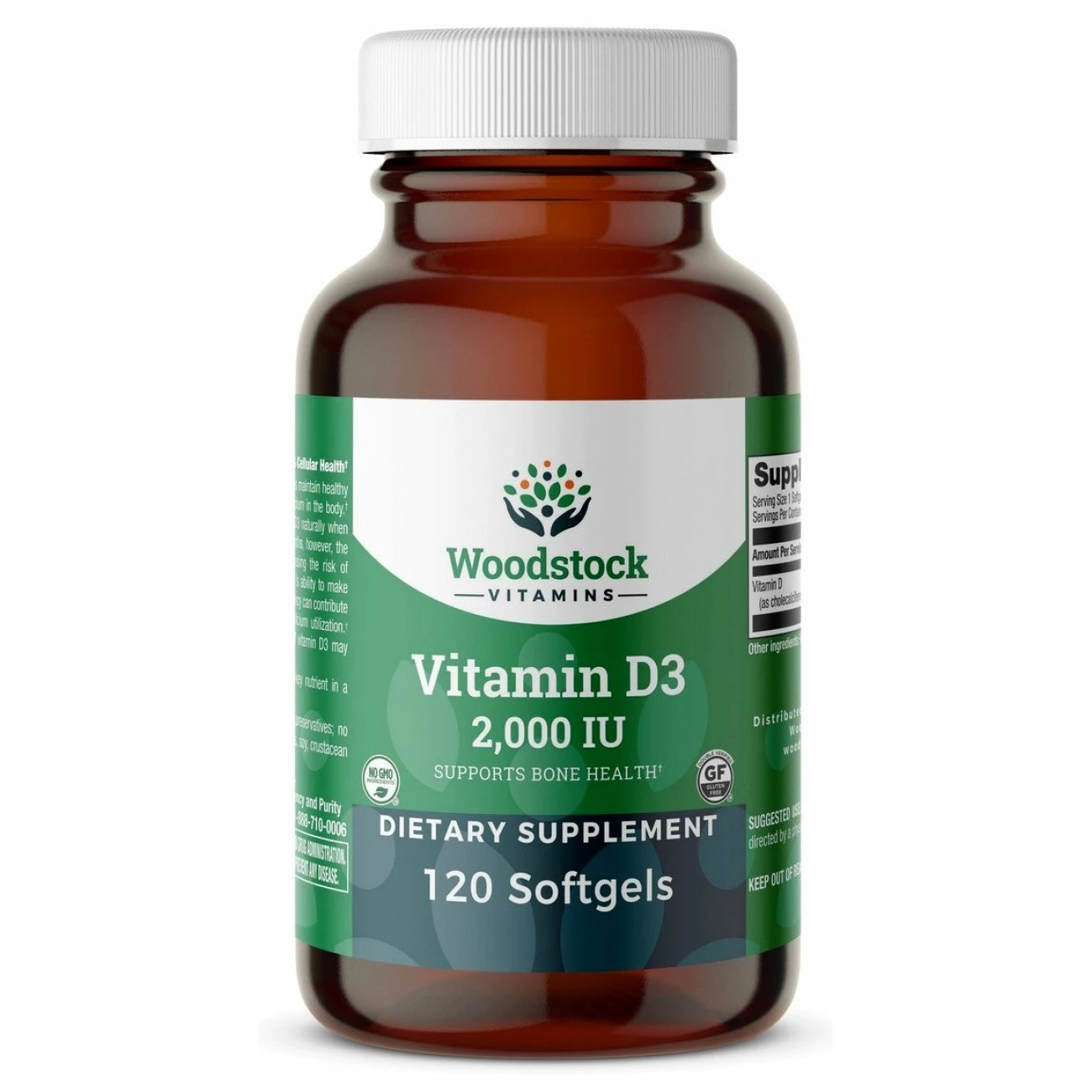

While everyone should care about their bone health, women should care twice as much. And twice as fast — women lose bone density at a faster rate and at an earlier age than their male counterparts.
Learn More: Bone-Afide Bone Building Wellness Practices
4. Protein
And then there’s protein. As one of the core macronutrients that make up a healthy diet, the importance of protein isn’t lost on most people.


Yet, even the 95th percentile of protein eaters aren’t hitting the upper limits of adequate intake. To translate: Most Americans are just barely getting enough protein day-to-day, and many of us aren’t even doing that.
The amino acids we get from high-quality protein sources, like collagen peptides, are responsible for breaking down food, growing and repairing body tissue, providing energy, and much more.
Without them, we’re playing dice with things like major depressive disorder, insomnia, cognitive impairment, increased susceptibility to infectious disease, and muscle wasting.
On the other hand, consistent protein intake is associated with lean mass and muscular endurance in women, as well as driving down the severity of menstrual pain. Sure, collagen is also linked to improved skin and hair health as well, but what matters most is that women are able to live active, fulfilling lives.
Right?
Learn More: Choosing the Right Protein Supplement: 5 Questions to Ask
5. Multivitamins
At the other end of the spectrum, we have micronutrients.
Small but mighty, the vitamins, minerals, and compounds that make up a multivitamin are imperative to overall health. But, despite what you may have heard, multivitamins aren’t magical one-a-day capsules that can replace food-based micronutrients.
What actually happens when you take a multivitamin is you reduce your risk for diseases of deficiencies. Multivitamins can, indeed, bolster brain, nervous system, and immune wellness by filling the gaps in our diets and preventing deficiencies. But it’s these deficiencies that, when left unchecked, can develop into chronic or long-term diseases.


Multivitamins are especially integral for women’s health as many have an increased risk of micronutrient deficiencies. Young women in particular have different bodily requirements for micronutrients, like iron and b12, during their childbearing years.
Learn More: Multivitamins for Brain Health: 3 Things to Know Before Buying
Women’s Health Month is Just Getting Started
It would take years to cover all the intricacies of women’s health — in fact, it has taken years! And the science continues to develop and improve as we learn more about women’s bodies and unique health needs.
So stay tuned, okay? We have more women-centered topics coming up this month, and we’ll be the first to let you know of any truly groundbreaking studies on women’s health.
But if you’re itching for more information and just can’t wait until the next blog comes out, give us a call. Our supplement strategists and holistic health experts are only a phone call away — schedule your Counterside Consult today.
Sneezes, sniffles, and snot — oh my! The spring season is upon us and so are the allergies that come with it.
We’ve already talked about Dr. Neal’s top supplements for seasonal allergies. And how to combat mucus-filled throats with wellness practices. But you know what else you have to keep an eye out for? Pollen, allergens, and airborne irritants that can pester your peepers.
When temperatures start to rise, so do eyedrops sales. But not all of these droppers of liquid relief are the outstanding ocular offerings they’re made out to be. Many unethical brands actually turn a blind eye to proper manufacturing practices.
As a result, scores of ineffective and even dangerous eyedrops have made it onto the market. What’s a watery-eyed wellness seeker to do?
Luckily, our resident Wellness Wizard and visionary holistic health advocate, Dr. Neal, has shared his industry-insider perspective on keeping your eye on the prize. Don’t wait and see! Scroll on to learn why buying the right eyedrops is so important and what to look for in the products you choose.
In This Article:
- Why the quality of your eyedrops matters
- Avoiding eyedrops from natural health or supplement brands
- What to look for in your eyedrops
Eyedrops Quality: Why You Should Care
Whether your eyes trend towards red and dry or weepy and whiney, we’re willing to bet you’ve partaken in a drop or two throughout your life. And who could blame you?!
Itchy, irritated eyes can make day-to-day tasks feel like Herculean efforts, especially during windy and pollen-heavy seasons like this one. But our eyes, as powerful as they are, are incredibly intricate organs.
Corneas, for example, have nearly 800 nerve endings per square inch, making them particularly sensitive to damage. The tear film, which covers our eyes in a balanced combination of water, mucin, and lipids, is also susceptible to disruptions that can affect our eyes’ ability to stay moist and free of debris.
That’s the first reason why you really should — nay, must — give a crap about the stuff you put in your eyes. They’re extremely delicate.
That, and the fact the natural health industry isn’t all it’s cracked up to be.
Loose regulations and even looser standards are the hallmarks of the wellness sphere, and hundreds of companies stand to profit from this lack of consistent oversight. In fact, the claims you see on the labels of supplement products, including eyedrops, aren’t based on science — they’re purely optics.
Learn More: Staying Well During Allergy Season
Eyedrops from Natural Health Brands
While normally we’re all about empowering the individual to take their health and wellness education into their own hands… We don’t see eye-to-eye with most brands when it comes to eyedrops.
Especially considering that most natural health brands can’t even make simple supplements without using sleight of hand and sleazy schemes to sell their products. Think we’re being unfair? Let’s take a moment to remember all the many turmeric supplements that are loaded with lead chromate to give them that delightfully golden hue.
Or the other heavy metals that make their way into supplements! Like arsenic, which was found hiding in 5% of supplement products surveyed in a recent study.
Eyedrop Recalls of 2023
Conversations about the dangers of poorly manufactured and untested eyedrops have become increasingly prevalent as more brands get caught cutting corners. In 2023 alone, several eyedrop products were recalled for giving more than consumers bargained for:
- Dr. Berne’s MSM Drops 5% Solution
- LightEyez MSM Eye Drops — Eye Repair
- EzriCare Artificial Tears
The FDA pulled the first two from shelves last year because they could contain bacterial or fungal contamination. Or both. That very same FDA warned that consumers with signs of an eye infection seek medical care as contaminated eyedrops could “result in minor to serious vision-threatening infection which could possibly progress to a life-threatening infection.”
The third product to get recalled was once known for its irritation relief… But is now known for its drug-resistant bacterium.
After receiving reports of permanent vision loss, the CDC issued a warning to consumers. This warning stated that 55 patients in 12 different states tested positive for a strain of Pseudomonas aeruginosa that had not been detected in the country before. Which, if you didn’t know, is an ultra-rare form of meningitis.
And yes, this outbreak via eyedrops was linked to one confirmed death. So it’s not just your eye health on the line, it’s your life, too.
What to Look for in Your Eyedrops
If any of those eyedrop brands have found their way into your supplement cabinet… Run, don’t walk, to the garbage bin. (And by that, we mean to dispose of them safely, following Dr. Neal’s guidelines.)
But these news stories aren’t meant to scare you into sleeping with one eye open. They’re intended to bolster your discerning eye and help you see through the marketing materials on the front label of your favorite eyedrops.
Looking past these optical illusions, there are three things to look for in eyedrops before buying:
- They’re sterile — And there’s some verification of sterility that you can trust. Remember, the aforementioned brands seemed quite sterile to consumers at first glance, too.
- They’re osmotic — Which means they don’t cause water to move in and out of the eye.
- They’re tested — For heavy metals in particular, as well as other contaminants of the bacterial and fungal nature.
However, in your research, you’ll find it’s easier for a camel to go through the eye of a needle than for a well-meaning dry-eye sufferer to locate a brand with data-backed, peer-reviewed studies to verify the efficacy and safety of their eyedrops.
So what does Dr. Neal recommend for those of us who don’t have loads of free time to deep dive every eyedrop manufacturer on the market? Choose prescription-based eyedrops.
Now, don’t get us wrong, the pharmaceutical industry isn’t without its issues.
But it does have significantly more oversight from the powers that be, and that is critical for finding eyedrops that won’t kill you.
Many prescription eyedrops have been made available to consumers over the counter — those are your best bet for safe and soothing ocular options. It’s really not worth the risk to cheap out on eyedrops, as you’ve now seen with your own two eyes.
We Can See Clearly Now
TL;DR: Don’t buy eyedrops from supplement companies, because supplement companies can barely make supplements, let alone effective formulas for eye relief.
Instead, spend your cold hard cash on eyedrops that have been vetted for sterility — namely those prescription formulas that are now available OTC at many pharmacies and rug stores.
And if this boat-rocking, eye-opening information on the dangers of eyedrops has you in tears, give us a call. Our supplement strategists and holistic wellness experts are available to chat about your unique eyeballs and specific health concerns via Counterside Consult at any time.
Or at least almost any time — we need some good shut-eye every once in a while, too.