






The last time we came on this blog to shake up the conversation around stress and stress management, we made a grievous error.
In our rush to share holistic strategies for dealing with the stress of the modern world, we made a blanket statement about March being the most depressing month of the year.
That was before we hit April.
March has its maladies, what with the constant oscillations between spring and winter that make it impossible to dress appropriately, but that’s nothing compared to the stone-cold reality we’re smacked with as the calendar changes. Suddenly, summer is on the horizon, but our perfectly toned beach bods and sanguine states of mind are nowhere in sight.
And the gap between who we are and who we’d like to be is just one aspect of our contemporary human experience that causes stress. Should we even discuss the fact all our flops and flaws are immortalized on the internet for eternity?
We shouldn’t — you’re likely all too aware of this already. Instead, what we should talk about is how to overcome some of the most common barriers to stress management practices.
Because we can share Dr. Neal’s science-backed strategies for managing stress til we’re blue in the face, but it’s not very helpful if the troll in your brain keeps you from actually practicing them.
In This Article:
- Deprogramming over-productivity
- Finding community for stress management
- Self-insulation and why it’s crucial
Overcoming the Barriers to Stress Management Practices
Stress doesn’t get as much buzz as it used to now that things like depression and anxiety are top of mind. (Pun intended)
But the silent killer we call stress is still affecting every one of us — disrupting sleep, impacting nutrient intake, exacerbating inflammation, and generally making our lives worse. We can’t flip the “unprecedented times” switch to off or stop worldwide inequality overnight, so what can we do?
We can work with what is within our control: ourselves!
With the help of Dr. Neal’s clinical psychologist friend, Dr. Lawrence Dresdale, we can start to acknowledge and work with the mental barriers our human brains have erected to protect us from the scariest thing in the world.
Change.
(Psst — prefer to listen? Get the good word on stress management practices straight from Dr. Neal and Dr. Dresdale in this podcast episode.)
1. Finding, Nay, Making the Time
Our world moves fast — really fast.
Things are changing all the time and because change is one of the most difficult things to grapple with as a human, we’ve cultivated a few coping mechanisms to keep up with the pace of our culture. Like over-productivity.
We stay busy, busier than ever actually, and it gives us a sense of control. We’re not being pulled by the tides of constant, stress-inducing efficiency and profitability — we’re steering the ship!
But here’s the hardest pill to swallow when it comes to making time for stress management practices: Whether you’re working 80 hours a week or sleeping 18 hours a day, you’re avoiding the hard work of confronting stress.
Because our culture values work to a detrimental degree, it might be harder to see the toll it takes on your mental well-being. That’s why one of the most common things Dr. Neal hears about wellness practices is, “I don’t have time for that.”
While it might not be manageable for many to reduce their workload — we are living through an economic crisis after all — it is for some. What holds us back from taking more time for stress management practices and self-care, besides material reality, is the preconceived notion that resting is lazy and bad but working is admirable and good.
The first step to creating time for and prioritizing stress management practices like meditation and breath work isn’t telling your boss to go eat rocks, though.
It’s to notice how these patterns show up for you and respond to them with self-compassion.
You’re working against two very persuasive and pervasive things: The brain’s fear of change and our culture’s obsession with work.
It’s hard to go against the grain, but making time for joy and mindfulness is a rebellious act.
Start By:
Noticing, and then taking action. Even something small, like committing to a 15-minute walking meditation a few times a week, can make a big difference.
Learn More: Stress Management Part 1: A Holistic Framework for Living with Stress
2. Finding, Nay, Making Community
Being a mindfulness rebel in a stress-addicted world can be a lonely endeavor. That’s why many people, even those rare birds with loads of free time, quit before they start.
Not only is it difficult to find like-minded folks with regular stress management practices, but you might even get some weird looks if you suggest the importance of self-care at the next office party.
Because, what we lack in community care and external support, we make up for with a false sense of urgency about our endless hours of work. There’s always something more pressing, more vital to do than caring for your mental well-being.
That means making community should be the next step in your stress-reduction journey.
We’re social creatures by default — hence the age-old adage, “Monkey see, monkey do.” Plus, contemporary longitudinal research has shown that our social spheres impact our perception of the world in significant ways.
A scientific review from 2022 examined the clinical findings of recent studies on how social interconnectedness affects mental well-being. The researchers found that feelings of loneliness were related to “adverse outcomes” like higher risks for depression and generalized anxiety disorder as well as lower levels of physical activity.
Start by:
Acknowledging that the act of making community will be unique to you and your circumstances. It could look like getting your spouse on board with you reducing your working hours, or it could be as simple as finding a weekly vinyasa yoga class to take.
The important thing to remember is we’re stronger together than we are alone — metaphorically and literally, as science now agrees.
Learn More: Holistic Mental Health: Wellness Practices for Depression, Anxiety, and More
3. Finding, Nay, Making Time for Solitude
Here’s where it gets even trickier.
We must cultivate a sense of community to combat feelings of loneliness and encourage regular practice of stress management techniques. Yet we can’t run to any of our typical outlets — especially not social media. Because we have to, at the same time, carve out space for reflection and rejuvenation away from the buzz of the physical and digital world.
Why? Well, part of the reason we’re dealing with so much stress is because we are plugged TF in.
Since the advent of the 24-hour news cycle in the 80s, our daily lives have been colored by constant exposure and desensitization to the horrors happening around the globe. Couple that with dopamine-dumping social media and normalized device addiction, and we have a perfect recipe for unceasing stress.
And who benefits from this? Is it the companies that, quite literally, turn a profit off your unwavering dedication to all things screens?
We only know one thing: It surely isn’t you! Research from all across the world has pointed to a concerning correlation between increased social media usage and increased risk for depression and other mental health symptoms.
And it’s not just social media — blue light exposure, the hallmark of online experiences, has been shown to increase stress hormones after just one hour.
So here we have yet another cultural connotation to examine and unweave if we want to experience a tangible reduction in stress.
Start By:
Letting yourself get bored. It’s not a crime! And it’s not a punishment, either. Boredom can actually be conducive in the sense that it may motivate and catalyze a desire for change.
Spend quality time with yourself — away from others and away from screens — to reconnect and remember what it means to be human, regardless of how eye-wateringly boring it may feel at first.
Learn More: Meditation vs Mindfulness — Common Misconceptions
For Fast-Acting Relief, Try Slowing Down
Did we rip that silly stress-related joke title straight from the interweb? Yes, we sure did, but it still stands.
We all need to slow down, take a breath, and prioritize the stress management practices that keep us from losing our minds. But this work, while simple, is anything but easy.
So if you need a partner in your slow-speed chase after a less stressful life, give us a call. You might have 99 problems, but not one of them is having no one to talk to — our holistic health experts and wellness strategists are always available via our always-free Counterside Consults.
Take that, Seasonal Affective Disorder! Another winter of gloom and slush has come to pass and we survived.
So big were our mid-January promises to move, romp, and bask in the sunshine as soon as spring came, but if you’re anything like us, your nose is doing more running this season than anything else.
Seasonal allergies are in full swing and we’ve already shared our top supplements for the sniffles in 2026 — catch up here if you missed it. But is there anything we can do to abate the sneezes and snot besides taking a metric ton of stinging nettles every day?
We’re so glad you asked because the answer is a resounding yes. Read on to learn the whole-picture approach Dr. Neal takes to combatting seasonal allergies through lifestyle changes. AKA how you can fortify your home and body against the pollen-packed winds of spring for free. Or at least mostly free.
In This Article:
- Why a whole-picture approach is crucial
- Changes in the home to alleviate seasonal allergies
- Wellness practices for seasonal allergies
A Holistic, or Whole-Picture, Approach to Seasonal Allergies
When it comes to defending your immune system from the toxins of the wider world, things can get overwhelming — and fast. There are microplastics in our bloodstreams, hormone disruptors in our water, and now, there’s pollen in our air, too.
But don’t batten down the hatches and swear off smelling the roses just yet!
While we can’t change the world into a place that supports genuine health and well-being overnight, we can work with the environments that are within our control. Like our homes and our bodies — which you probably already know if you’ve read Dr. Neal’s industry-insider perspective on how our external environs impact our health.
We take a similar approach to seasonal allergies as we do the pollutants of our milieu:
- Stay Educated: And up-to-date on the toxic compounds you should avoid bringing into your home and putting in your body, but don’t get your information from TikTok alone.
- Do Your Best: To support internal wellness so your body is strong and capable of processing the things we are exposed to in the world.
- Try Not to Freak Out: Because we have to keep living our lives, and the stress of constantly monitoring your toxin exposure isn’t great for your health, either.
For seasonal allergies, understanding the role histamine plays is crucial for making educated decisions to alleviate allergy symptoms. Doing our best (and not freaking out!) looks like making intelligent choices in our homes and health routines that can drive down histamine levels and support a healthy immune response.
That’s how we avoid missing important parts of the whole picture and stop wasting money on band-aid-esque cures that only offer temporary relief from seasonal allergy symptoms. All in one fell swoop.
Learn More: Eyedrops for Seasonal Allergies: What to Know Before You Buy
Lifestyle Changes for Seasonal Allergies: Home is Where the Heart Is
Your home might protect you from social interactions and the rain, but its walls and windows aren’t impermeable. In fact, indoor air quality can sometimes be worse than that of the outdoors due to the amount of dust, debris, and dander that gets trapped in your darling abode.
The obvious answer to this conundrum is to clean, but be careful how you’re cleaning your home. Using harsh chemical sprays that may affect your cognition or dish soaps that cause ruptures in your gut lining might be satisfying in the moment, but they’ll do more harm than good in the long run.
Avoid any cleaning products that will add to the burden your body has to carry this spring if you want to experience true freedom from seasonal allergy symptoms.
1. Start in the Bedroom
One of the most annoying ways seasonal allergies affect our day-to-day lives is by ruining our sleep schedules. Coughing, sneezing, and having difficulty breathing can keep us up at night, which can, in turn, weaken our immune systems.
Reduce exposure to environmental allergens and toxins in your bedroom to reclaim your sleep and sense of well-being:
- Add a hypoallergenic cover to your mattress to avoid breathing in the dead skin and allergens that get trapped in it night after night.
- Sleep with your windows closed to minimize nighttime exposure to irritants.
- Change clothes and take a shower before you go to sleep to prevent daytime allergens from crawling into bed with you.
Learn More: Guide to Spring Ebook: Say Goodbye to Springtime Woes
2. Clean Up Your Act
Use non-toxic products to keep the surfaces in your home clean and dust-free during allergy season, but don’t start and stop at the counters.
Address the other surfaces in your home that could be contributing to your body’s overreaction to irritants. Think: nooks, crannies, carpets, hard-to-reach crevices, windowsills, doorframes, pets, and pet-dominated areas.
Think those last two are a joke? They’re not! Regularly brushing, bathing, and grooming your pet can help reduce the number of irritating airborne compounds in your home this spring. So put some spa days on the calendar for your furry friends, why don’t ya? They probably deserve it.
3. Improve Air Flow, It’s Lung Overdue
Getting the dog hair out of your air conditioner will make a world of difference when you’re stuck indoors on beautiful, high-pollen count days. You can also take it a step further, if your health and wellness budget allows it, by upgrading your in-home ventilation.
Try adding a reputable, third-party-tested air filter in the rooms you spend the most time in to improve both air flow and ventilation. But if you’re one of the 12.1 million Americans spending more than 50% of your income on rent, then let’s talk cheap houseplants.
A few, new leafy friends probably won’t reduce airborne allergens with the same efficiency and speed as a Bluetooth-compatible air-purifying space machine. However, some plants have a remarkable ability to filter out harmful compounds like mold spores. And if that pothos from the grocery store is good enough for NASA, it’s good enough for your apartment.
Wellness Practices for Seasonal Allergies: The Body Keeps the Score
Let’s recap: Improving air quality, brushing your cats regularly, and making your bedroom into an allergen-free sanctuary will work wonders on your sneezes and sniffles. But of course, there’s still more that can be done before you jump to science-backed supplements for seasonal allergies!
Before we get into the wellness practices you can do to keep your immune system in tip-top shape, we have to look at one of the areas of our daily lives where our homes and bodies converge: stress management.
1. De-Stress Your Mess
Don’t get us wrong, stress can wreak havoc on your quality of life all year long. It’s non-discriminatory in that way.
But particularly during peak allergy seasons, stress is like gasoline to your already burning fire of seasonal allergy symptoms and inflammation. And it’s not just because stress can disrupt your sleep, promote the growth of cancer cells, or impact your mental health.
Stress, according to recent clinical trials and research, has a direct influence on seasonal allergies. Like, literally: Perceived stress has been shown to be positively correlated with flare-ups of allergy symptoms.
If ever there was a time to limit stress-inducing media and beef up your mindfulness or meditation practices, it’s now.
Learn More: Stress Management Part 1: A Holistic Framework for Living with Stress
2. Drink Up, Baby
The relationship between moisture and seasonal allergies, however, isn’t so cut and dry.
While you want your home to be below 50% humidity during high-pollen seasons because allergens love to stick to moist surfaces, it’s the opposite for your body. Staying hydrated with high-quality, mineral-rich water can help keep your mucus membranes flushed, flourishing, and doing fine at their jobs.
Whereas a dehydrated respiratory system can be more susceptible to itching, irritation, and icky stuff. So resist the impulse to crack open a cold one this spring and, instead, go ham on the H2O.
Dr. Neal’s hydration equation goes like this: Take your body weight in pounds, cut it in half, and aim to drink that amount of water in ounces. Make sure to add an extra glass of water for every dehydrating activity you partake in too, like exercise or consuming caffeine.
3. Go Deeper
If you want to move stagnant mucus deep in the corners of your skull — and experience the bliss of relief that movement brings — you’ll have to kick your hydration up a notch. How?
With a netti pot.
This controversial device can cleanse and rehydrate the innermost passageways of our sinuses, clearing built-up junk and giving us a fresh start. When followed by yogic positions that also encourage the movement of trapped mucus, like downward dog, a regular neti pot routine could just save your life this spring.
But don’t forget: You need to have the proper temperature and salt-to-water ratio of the liquid you pour through your nose if you want to avoid agitating your sinuses further. There are like, a bazillion YouTube videos available on how to do a neti pot flush correctly, so don’t dive in blind!
Seasons Change, So Should You
To boil it all down: Seasonal allergies suck, but they don’t have to ruin all the fun this spring.
Once you’ve locked into your seasonally appropriate wellness practices and are living with the cycles of life rather than against them, you too can bloom.
Plus, you can circle back to our highly recommended supplements for seasonal allergies to help stop stubborn symptoms in their tracks. Or chat with one of our supplement strategists to find the formula that will work best for you and your sniffles specifically — our Counterside Consults are always open and always free.
Did you leave the stove on? Is your door locked? Have your keys, phone, or wallet up and walked away in the last 3 minutes since you’ve seen them?
We talked about science-supported supplements for depression a couple of weeks ago, much to the chagrin of black-and-white thinkers, but we’d be remiss not to share a little love for our Nervous Nellies, too.
(Editor’s Note: This blog was, in fact, written by a fellow Nervous Nellie.)
Anxiety has almost surpassed depression as far as its prevalence on the internet goes. Yet most of us who struggle with it know little about its causes and complications in the body. Contrary to popular belief, it’s not as simple as just being born with a brain that panics at the thought of asking for more ketchup.
And it’s not as complex as being incurably, irrevocably anxious. While you might have grown quite comfortable hosting the fear and unease that hallmark anxiety in your body, they aren’t intrinsic personality traits. They can, in fact, be addressed through a myriad of holistic, or whole-person, interventions.
But don’t start sweating bullets, you bundle of nerves, you. We’ll take this slow! By starting with the importance of addressing lifestyle changes before we dive into nutritional deficiencies that could be exacerbating your symptoms of anxiety.
In This Article:
- Acknowledging lifestyle factors that influence anxiety
- Omega-3 and its role in anxiety experiences
- Probiotics and the gut-brain connection
- Vitamin D as a mental health nutrient
But First, Coffee: Lifestyle Changes to Address for Anxiety
While we’d all benefit from a miracle cure for a racing mind with no side effects… We’re not holding our breath.
Why?
Because you build the foundation of your health on mundane blocks — there’s no way around that.
Unless you want to go against the grain of validated, peer-reviewed scientific studies, of course! Studies, like this one or that one, show how inadequate nutrient intake increases anxiety. AND how adequate sleep decreases it, respectively.
Or, if you need another example, there’s this particularly fascinating review. This review casually mentions that endocrine disruptors from our environment are associated with anxiety disorders due to their estrogenic effect on the hippocampus and amygdala.

Even something as simple as proper hydration can affect whether or not we heighten our symptoms of anxiety.
So before we go full boar on the supplements that modern clinical research says can improve symptoms of anxiety… We have to acknowledge how our day-to-day choices can increase or decrease the likelihood that we’ll experience anxiety. (Luckily for all of us, Dr. Neal already spilled the beans on data-backed wellness practices for mental health.)
From there, we can bolster our health and support a balanced emotional experience by addressing nutritional deficiencies with supplements. Because, as we always say, you can out-Xanax chronic dehydration, lack of sleep, a sedentary lifestyle, or a nutritionally bankrupt diet.
Supplements for Anxiety — Meet 3 of the Vital5
When Dr. Neal developed the Vital5, it was to address one particular question that anxious wellness seekers asked him on a near-constant basis:
“What supplement should I take?”
Reverberating throughout his skull and haunting his dreams, this question pushed our resident Wellness Wizard to simplify what is an enormously complicated thing — strategic supplementation. Using only industry-leading data from verified clinical research and scientific studies, Dr. Neal created this category of 5 vital supplements that just about everyone needs because:
- They have the largest bodies of research to support their use
- It’s almost impossible to get enough of them, even with the healthiest diets
- These nutrients affect not one but multiple bodily systems
While this category may one day be called the Vital6, Vital3, or Vital10, depending on how the science of nutrition evolves, these 5 compounds currently stand as your best bet for reaching a new level of wellness via supplementation.

And, because we’re talking about a few of these key players yet again in this anxiety-centered blog, you can bet your boots they pull their weight in the mental health arena, too.
1. Omega-3 Supplements for Anxiety
Let’s take a trip way back in 2011! When 68 medical students agreed to participate in a randomized controlled trial exploring the benefits of omega-3 supplementation on anxiety.
By this point, researchers had already known that low levels of omega-3 paired with higher levels of omega-6 linked to inflammation and depression. However, this study illuminated the inverse relationship between omegas and anxiety.
Even among these reportedly healthy medical students, omega-3 supplementation resulted in a 20% reduction in anxiety symptoms.


This is just one of what is now hundreds of clinical trials that have examined the efficacy of omega-3 for anxiety symptoms. If you need another more recent and robust example, though, spend some time with this meta-analysis! In it are 19 trials with a total of 2240 participants from 11 different countries.
The results? Unequivocal. (Or as unequivocal as modern science can be.) Omega-3 supplements? Labeled with the highly esteemed sentiment: Might be effective in treating anxiety in clinical settings.
Learn More: Omega-3 Supplements: Are They Worth the Hype?
2. Probiotics for Gut-Brain Health
The gut-brain axis has become a bit of a buzzword (buzzphrase?) in recent years, and for good reason. Modern examinations of the relationship between the digestive system and cognitive function have revealed the fact that we Westerners don’t know jack crap about how the body works.
One notable discovery that encouraged an influx of controlled trials and cultural tribulations showed that 95% of serotonin, the so-called happiness chemical, is produced in the gut. So much for the mind-body dichotomy we founded our entire society on!
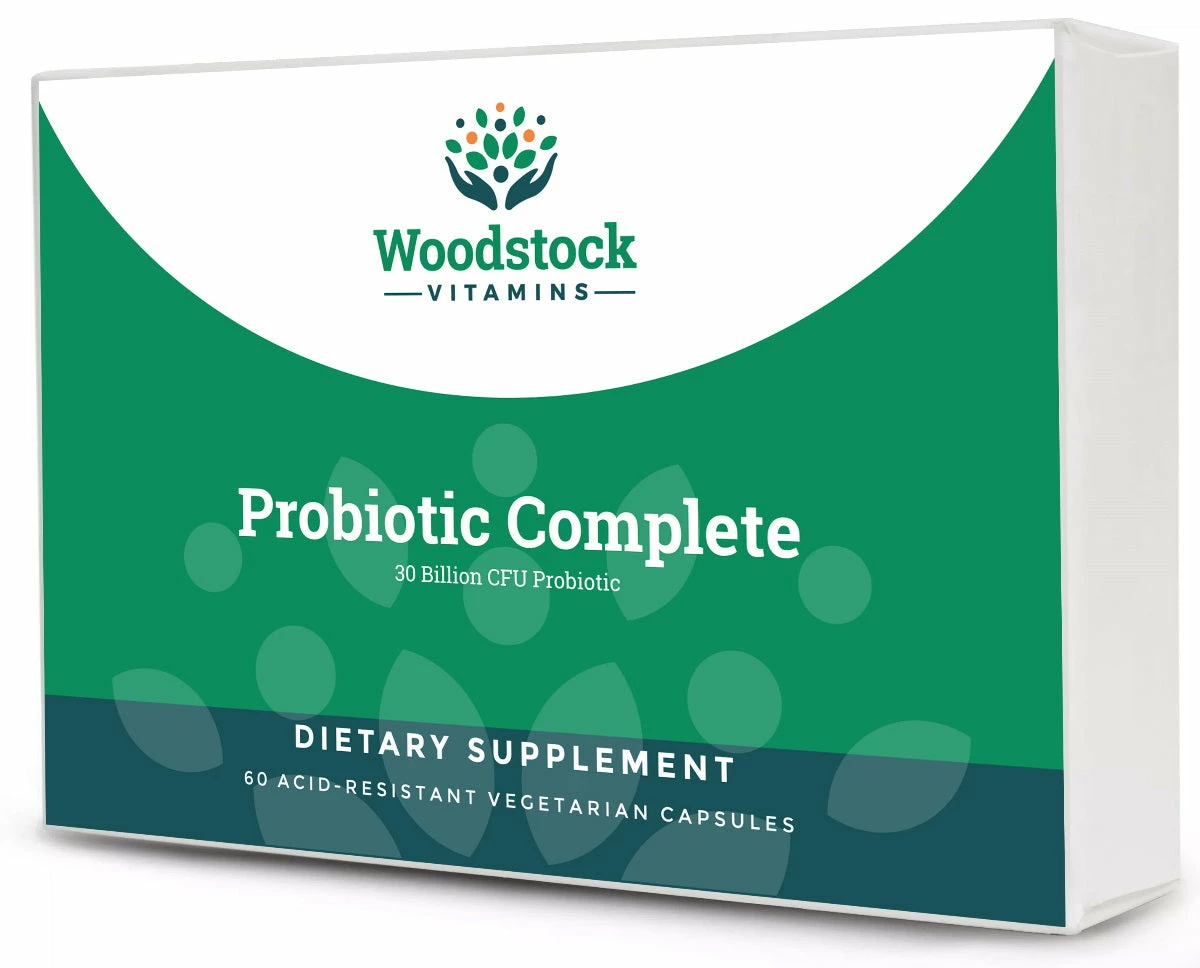
Companies quickly used this as a marketing tactic for probiotic supplements, which are capsulized versions of the friendly bacteria we have growing in the canals of our GI tracts. But where does the clinical research stand?
One month-long study from 2017 took a collection of healthy volunteers — sans diagnosed mental health symptoms — and gave half of them Diazepam and the other half a probiotic supplement.
The reduced cortisol levels and improved psychological conditions of the group that took probiotics showed the supplement has a similar degree of influence on anxiety as Diazepam, a common anti-anxiety medication with a laundry list of side effects, depression and fatigue included.
Because probiotics can positively impact the health of gut microbiota and, in turn, balance two driving factors of mental illness — dysbiosis and inflammation — they’re shaping up to be a promising option for addressing anxiety.

Learn More: The Gut-Brain Connection: 3 Holistic Tips for Optimal Health
3. Vitamin D Supplements for Anxiety
We know what you’re thinking, and yes, vitamin D is typically included in the bone support category of the Vital5. But know this: the scope of the sunshine supplement’s sway over your health goes far beyond the skeletal system!
Hence why it was already featured in this previous blog on supplements for depression. It bears repeating that vitamin D plays a critical part in neurocognitive functioning and that the vast majority of Americans aren’t getting nearly enough of it.
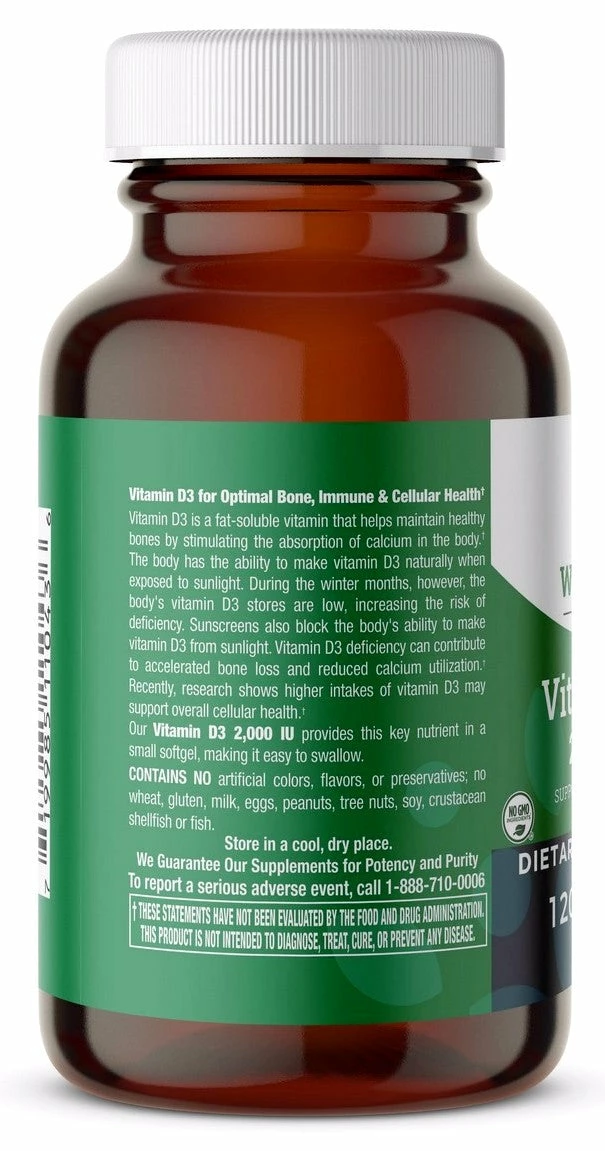
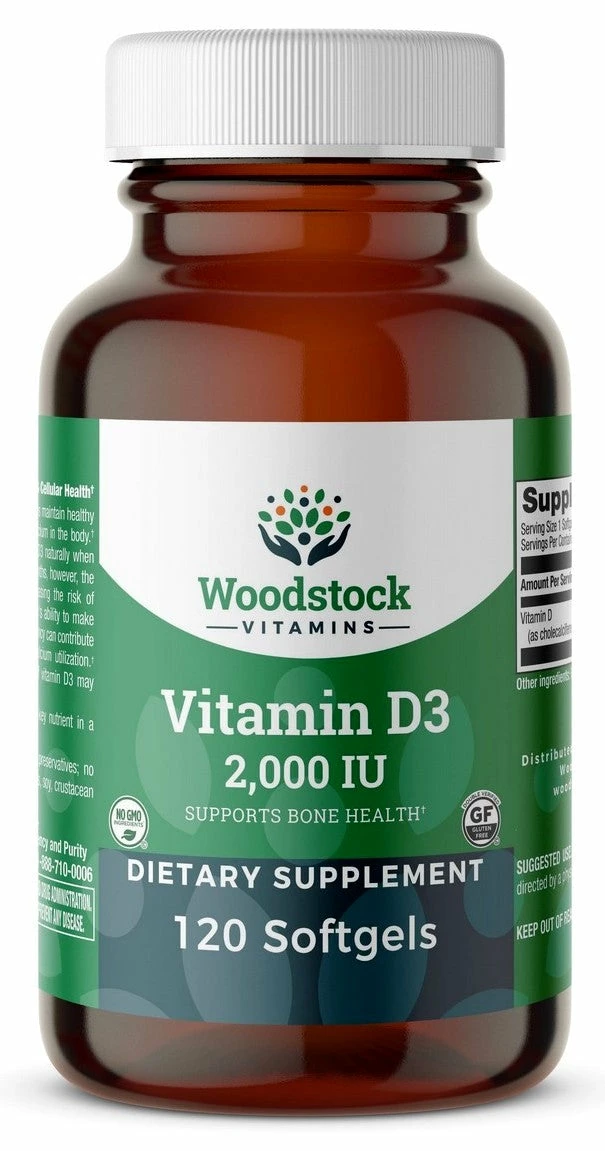
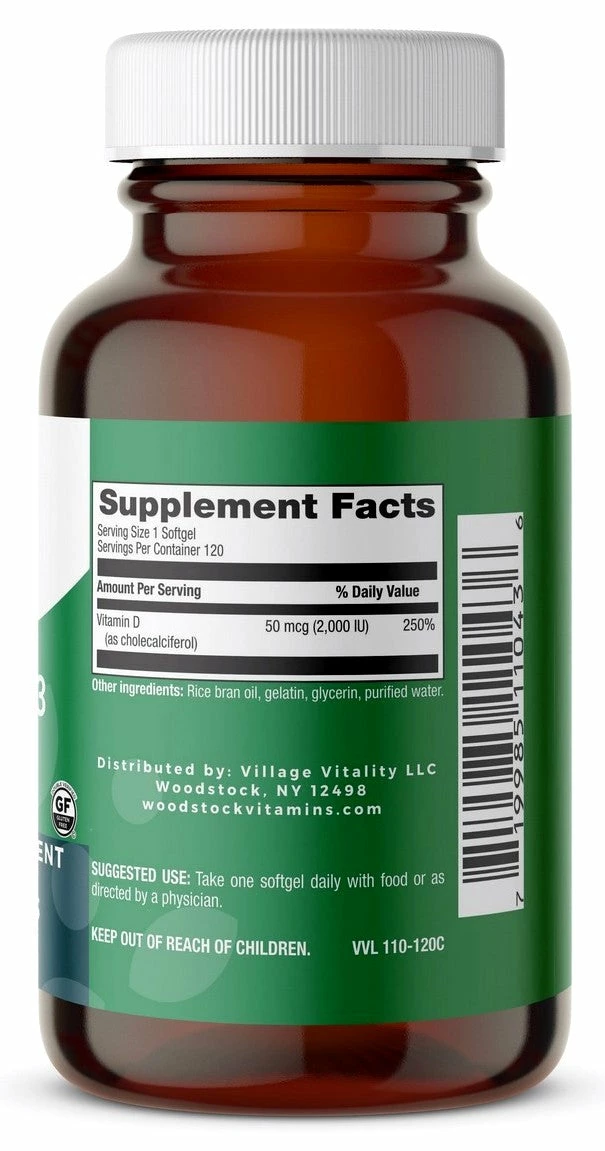
As in 95% of us are deficient in vitamin D. Which is especially gross considering vitamin D deficiency can manifest in a multitude of unpleasant or else downright unbearable symptoms — anxiety is just one of many.
For example, a recent study with over 2,000 healthy participants observed a connection between vitamin D deficiency and a reduction in brain volume. However, a fringe benefit of these findings on neurodegeneration is that they may offer a more complete picture of why low vitamin D levels have also been traditionally associated with increased symptoms of anxiety.
So it’s starting to look like there’s a two-way street running between vitamin D and mental health symptoms. Scientific evidence has shown that vitamin D has antioxidant, anti-inflammatory, and neuroprotective properties, meaning it “may act in a similar manner to classic antidepressants.”
Plus vitamin D inhibits inflammatory cytokines that can have negative effects on neurotransmitter systems and have been linked to anxiety spikes. Is this why clinical trials are showing the beneficial effects of vitamin D on anxiety levels at an ever-increasing frequency?
Maybe! All we know is we’re not going to get caught out as one of the 95% of Yankees with vitamin D deficiency any time soon.
Stop Blaming Your Brain, It’s Doing Its Best
Moral of the anxiety-ridden story: There’s a lot going on below the surface of your symptoms.
Nutritional deficiencies, crappy sleep, lack of exercise, environmental toxins, and more can all play a role in creating or exacerbating anxiety. While the latter lifestyle changes take effort and patience to reap the rewards, at least we can address nutritional deficiencies simply and efficiently with high-quality supplements!
Plus, if the thought of a phone call doesn’t make you want to keel over, you can chat with one of our supplement experts for free anytime via Counterside Consult.
Just don’t forget that professional mental health care and pharmaceutical interventions are also integral facets of a whole-picture approach, okay? Because frankly, we anxious Americans need all the help we can get.
We made it through yet another winter slog, but we’re not quite safely in summer yet… So you know what that means!
It’s allergy season.
If they haven’t already invaded your sinus canals, just know that the sniffles, sneezes, and slime are well on their way. With the longer days of spring comes an influx of pollen, allergens, and irritants in the air so there’s no better time to fortify your defenses than right now.
Except for yesterday, of course!
Get up to speed on 2026’s best supplements for seasonal allergies before the mucus takes over your brain, and learn a little about what seasonal allergies actually are below. All that and more awaits, fellow sniffles sufferer, straight from Dr. Neal‘s science-backed holistic toolbox.
In This Article:
- What are seasonal allergies?
- The First5 supplements for seasonal allergies
- Dr. Neal’s 2 favorite supplements for seasonal allergies
What are Seasonal Allergies?
Seasonal allergy symptoms come in a variety of flavors, each one uniquely uncomfortable and unappealing like:
- Sore throat
- Sneezing
- Itchy eyes
- Runny nose
- Coughing
These symptoms are the bane of many American’s existence — they threaten to ruin the spring season for around 60 million people in the U.S. alone.
Sometimes referred to as hay fever or allergic rhinitis, seasonal allergies are caused by pollen, mold, and other pollutants that get kicked up into the air by the spring winds. When these irritants enter our delicate sinuses, our bodies go haywire.
The symptoms we experience are, essentially, the body’s overreaction to foreign particles sneaking in. Histamine, a compound found in tissues and stored in mast cells, is the main character in this dramatic response.
Dr. Neal likens this relationship between histamine and allergies to that of a balloon filled with glitter and a needle. When a particle like pollen invades the body, it pops the mast cell like a balloon and poof! Histamine is released and spreads, sticking like glitter to every nook and cranny.
Avoiding histamine exposure can reduce the burden your body has to carry this spring and tamper your immune system’s reaction to allergens.
But you can’t live in a battered-up, pollen-free home forever — one of these glorious days, you’re going to want to open up the windows and bask in the sunshine.
That’s where supplements come in. We humans are far from perfect creatures and we can’t be expected to not roll around in the grass or admire a flower every once in a while.
So instead of living in a bubble, we turn to data-backed supplements that can drive down histamine levels and soothe seasonal allergy symptoms.
Learn More: The Comprehensive Guide to Holistic Seasonal Allergy Treatment
The First5 Supplements for Seasonal Allergies
You should know by now that we don’t throw supplement suggestions around willy-nilly in these parts. In fact, Dr. Neal is constantly trying to get wellness seekers to take fewer supplements — it’s what makes him a great holistic health advocate and a terrible supplement salesman.
Instead of recommending every nutrient and herb under the sun, Dr. Neal highlights just 5 crucial compounds needed for optimal wellness called the First5.
The 5 nutrients on this highly exclusive list got their spots by meeting three points of key criteria:
- They’re missing from our diets, even the healthiest ones
- They have a huge impact on not one, but multiple body functions
- They have loads of scientific data to back up their benefits
The most strategic route to whole-body health is getting adequate levels of these 5 things — omega-3, probiotics, bone support compounds, protein, and multivitamins. But, for seasonal allergies in particular, two of the First5 supplements stand out.
Learn More: 5 Crucial Nutrients (Almost) All of Us Are Lacking
Vitamin D Supplements for Seasonal Allergies
Do we talk about vitamin D and its importance all the time on this blog? Yes. Is it entirely warranted due to the fact vitamin D plays an integral role in overall health? Also yes.
Vitamin D affects multiple bodily systems — it wouldn’t be part of the First5 if it didn’t! — influencing everything from cognition and mental well-being to bone strength and heart health. So it should come as no surprise that this humble nutrient also impacts your immune system and its ability to cope with allergens.
Recent clinical research has shown a relationship between low vitamin D levels and allergic rhinitis, and that vitamin D may play a part in decreasing the severity of allergy symptoms by:
- Affecting immune cells
- Decreasing inflammation
- Improving lung function
- Supporting regulation of predisposing infections
While the field of research around vitamin D is still expanding, there’s a good chance you’re not getting enough via your diet and lifestyle. In fact, 95% of Americans aren’t meeting recommended levels of vitamin D, according to the National Health and Nutrition Examination Surveys.
So, if you’re struggling with seasonal allergy symptoms, odds are you need a little more of the sunshine supplement in your life.
Learn More: Vitamin D: Sunshine Supplement for Bones, Blood, and The Blues
Probiotics for Seasonal Allergies
Thanks to advancements in medical science, we now know that our gut health, like vitamin D, also affects our overall health in a major way. Does the phrase gut-brain axis ring a bell?
Leading-edge holistic wellness advocates are pushing to redub this complex bodily relationship as the gut-brain-immune axis as we learn more about the consequences of poor gut health on the immune system.


Contrary to popular belief, over 70% of your immune system is located in the canals and caverns of your gut. This means that most of the cells responsible for defending against illness and balancing inflammation are working to support your entire body from their station in your intestines.
Probiotics can help improve the health of your gut microbiome by flooding it with beneficial bacteria, which in turn helps to create a more viable space for these immune cells to function properly.
The beneficial effects of probiotics on diseases related to immune system issues, like IBS, infant colic, and some forms of cancer, has been demonstrated in clinical settings. And same goes for the role probiotics play in addressing seasonal allergy symptoms — a meta-analysis that investigated 22 different trials has shown that probiotics can both:
- Significantly reduce nasal symptoms during peak allergy seasons
- Significantly improve immunological and quality of life parameters
Excuse our outdated internet slang but it must be said: Probiotics FTW.
Learn More: Be Proactive: How Can Probiotics Improve Your Health?
2 More Supplements for Seasonal Allergies and Symptoms
Once you’ve adopted a strategic supplement routine — á la the First5 — and are paying special attention to your vitamin D levels and probiotic intake, it’s time to turn it up a notch with supplements like Allergy Support and Bronchial Syrup for stubborn allergy symptoms.
But before you dive in, remember that part of your strategy should focus on how you take your supplements, not just which supplements you take. So:
- Start Early: Ideally, you’ll start taking your seasonal allergy supplements before the pollen season begins.
- Stay Consistent: Exposure to allergens is near-constant during peak seasons, and your supplementation should be, too.
- Focus on Quality: Some natural antihistamines, like nettle and quercetin, can contain heavy metals or other contaminants that do more harm than good, so always buy from a reputable source with rigorous quality standards.
It’s not always easy, but you’ll get a lot further in your journey toward relief from seasonal allergy symptoms if you follow these guidelines. And really, who wants to feel like a stuffed-up zombie with a concrete brain all spring?
1. Allergy Support — Dr. Neal’s Formula for Seasonal Allergy Symptoms
When we’re looking for heavy-hitting, all-natural seasonal allergy support, we always turn to Allergy Support — for obvious reasons, and for some not-so-obvious ones, too.


Allergy Support is Dr. Neal’s science-based, clinically formulated blend for combatting seasonal allergies. By using meticulously tested and crafted natural ingredients, like nettle and bromelain, Allergy Support works to heal the root cause of symptoms while providing fast-acting relief, too.
Besides the fact it works as more than a band-aid, we love Allergy Support because it:
- Combines food-based nutrients and data-backed herbal ingredients
- Offers multifaceted support with bioflavonoids, antioxidants, and enzymes
- Supports recovery from seasonal and environmental allergies
But be warned — when the sun starts staying out longer, our Allergy Support bottles start flying off the shelves. As one of the supplements that sells out most quickly and most often, Allergy Support isn’t just our top choice, it’s everyone else’s too.
2. Bronchial Syrup — Cooling Blend for Coughs and Chest Congestion
While slightly less well-known than Allergy Support, Bronchial Syrup is far from being a sidekick.
Formulated specifically for the cough and chest symptoms that make seasonal allergies such a huge pain, the Woodstock Vitamins team often refers to this herbal blend as our kitchen sink tincture. As in, we throw everything and the kitchen sink at your chest congestion and throat tickles.
With a refined blend of both cooling and moisturizing herbs, Bronchial Syrup provides much-needed relief from lung and throat irritation due to seasonal and environmental allergies. Powerhouse compounds from plants like wild cherry bark, osha, and horehound do the heavy lifting while soothing herbs like slippery elm and licorice work to gently rehydrate your respiratory system.
On top of that, Bronchial Syrup stands out from the crowd of OTC cough medications by:
- Having 100% label transparency — what you see is what you get
- Delivering properly extracted herbs, free from solvents like hexane
- Providing the correct doses of all the herbs included
Because you deserve a natural option for kicking that cough to the curb that’s, you know, actually natural.
Easy, Peasy, Lemon-Sneezy
There’s a joke making the rounds on the internet that says seasonal allergies are just the Earth’s way of reminding us humans that we don’t really belong here.
We disagree.
Seasonal allergies are snot something to be taken lightly, what with the myriad of unpleasant symptoms they bring, but we can work with this aspect of being human instead of against it. How? By turning to scientifically verified supplements and wellness practices when the sniffles mucus want to give up entirely!
And if you need an expert to offer personalized guidance for surviving allergy season, well, you know where to find us. Our Counterside Consults are always open, always free, and always over the phone so there’s no risk of sneezing on a stranger.