






If you ask holistic health advocate and notorious boat-rocker, Dr. Neal, the last two weeks of the year should be a national holiday.
Instead of jam-packing our already jam-packed festivities with overwrought productivity and additional stress, we should do absolutely nothing. Except maybe have a Lord of the Rings marathon or snuggle up to a good book. Midday naps are okay, too.
But don’t get us wrong! We’re not saying you should just rest until January 1st and then jumpstart your life as a new, shiny person.
In fact, we’re pretty anti-resolutions around these parts. New Year’s promises and proclamations usually fall flat by February, leaving us guilt-ridden and feeling gluttonous. Is there a way to side-step this annual angst? We asked Dr. Neal, and his clinical psychologist friend Dr. Lawrence Dresdale, for the psychological low-down on setting goals that stick.
The answer? Setting a New Year’s vision, instead.
Read on to learn more from both practicing experts — why resolutions suck, how to create sustainable change, and a 5-point plan for actually accomplishing your vision for 2024.
In This Article:
- 3 reasons New Year’s resolutions are damaging
- Why and how to set a New Year’s vision
- Establishing your 5 steps to accomplish your 2024 vision
Why We Hate New Year’s Resolutions
A quick disclaimer: We’re not against people setting goals, pushing to new heights, or continuing to evolve. That stuff is great!
It’s not a bad idea to make a commitment to ourselves for positive change, but we have to do it in a way that’s realistic and actually works instead of being like, ‘Okay, I’m gonna be a completely different human being right now.’
Dr. Lawrence Dresdale
But the reality is that our modern framework for creating change doesn’t…really work. That’s why your gym is empty by Valentine’s Day and why your summer bod hasn’t magically arrived by June. Not only does the New Year’s resolution approach leave a lot to be desired, but it goes against human nature in ways that can actually be damaging.
1. Because Humans Stink at Long-Term Change
While it might sting to hear, understanding how the evolution of the human brain didn’t prioritize big-picture and long-term thinking can be really freeing.
You see, in our early years, we were busy making quick, moment-to-moment decisions to survive. Like, “Should I throw a spear at this sabertooth tiger or should I run?” Not, “Should I buy a bunker for the impending climate apocalypse or should I keep investing in my Roth IRA?”
The former kind of decisions yielded immediate consequences or benefits, and so our brains adapted their wiring for this short feedback loop of action and reaction. When a decision, change, or development is positioned far in the future and requires consistent effort without instant results, we hate it.
It doesn’t work for our brains because our brains simply don’t work like that. So no, you’re not lazy or lacking ambition — it’s biological. Freeing, right?
2. Because The Marketing Machine Benefits from It
But as the contemporary American escapes one trap, they’re caught in another! Modern marketing tactics use every psychological trick in the book — including this one on short-term results vs. long-term change — to influence millions of people for one goal and one goal only.
Profit.
Even incredibly intelligent or relatively discerning people can fall for marketing schemes when they leverage the deeply entrenched patterns of our fallible and fragile human brains. Because even if you know, logically, that major goals take time to accomplish, the emotional part of the brain says, “Yeah, but I still want it right now.”
That’s why, as the Christmas ornaments are tucked back in their snug little boxes, millions of dollars are made on weight loss pills, detox programs, repentant supplements, fitness courses, et cetera.
Scores of smug influencers and so-called wellness companies line their pockets by promising us results so instant our lizard brains can’t resist.
3. Because It’s Just Not Natural
Every section of the calendar has its respective sales schtick in the wellness industry. Spring is time for allergy support supplements, summer for sunscreen and glowing skin, fall for cough and cold herbs. New Year’s sales and services are driven by this narrative, too, despite the fact we could just as easily begin our lives anew today as the first day of our human-created year.
But that wouldn’t be very helpful for the companies who need to keep profits up after the gift-buying frenzy of December, now would it?
What came first — our desire to get ‘back on the rails’ after the holiday season, or the marketing engine that sells magical products that we absolutely need if we want to feel better about ourselves after ‘indulging’?
Dr. Neal Smoller
This kind of fabricated urgency created by companies and influencers is inspiring at first, but it doesn’t lend well to longstanding change. After your credit card has been swiped, the buzz starts to dwindle because this kind of external motivation is like our own fickle whims: short-lived.
Set a New Year’s Vision Instead: Getting Started
So when we set goals based on momentary motivation from external (and typically profit-driven) sources, we’re actually setting ourselves up for failure. Then, as these new habits and hobbies inevitably fall off, we label ourselves as just that: Failures.
Maybe you disagree, but we don’t think we need any more reasons to lack self-trust or feel like capital-l Losers. We have enough already.
That’s why Dr. Neal‘s psychology-backed structure for creating a New Year’s vision is such a welcome relief. Rather than prioritizing outcomes or getting attached to expectations, a New Year’s vision allows us to work towards our ideal selves slowly, sustainably, and safely. But it does require a mindset shift to integrate something so contradictory to our current paradigm.
Keep these 3 things in mind before you dive into creating your perfectly personalized New Year’s vision:
1. You’ll Need to Get to the Heart of the Matter
It’s time to find what really, truly, genuinely moves you. If you’re trying to lose weight in 2024, then “because I want to look hot,” isn’t going to be the motivational mantra that gets you through the months of hard work with no results.
“I want to live long enough to watch my grandchildren grow,” on the other hand, is the kind of deep-rooted, galvanizing truth that can drive change.
2. You’ll Have to Adjust Your Expectations
When you first begin working towards a goal or building a new behavior, you’re going to have to give maximum effort for minimum return. There won’t be any dopamine-boosting animations to reward you for the small accomplishments — unless your only goal is to master Spanish on Duolingo, that is.
The good news is that, if you stick with it, you’ll eventually reach a point in the learning curve where you’re putting in less effort and seeing more results. And, if you go into this evolution of self expecting hard work, you won’t be as disappointed when you’re actually doing the hard work.
3. You’ll Have to Track Your Progress
Sometimes, when July rolls around, we’ve abandoned our New Year’s resolutions not because we’re unmotivated or complacent, but because we simply forgot about them.
All this is to say that, well, we don’t remember sh*t. Especially good sh*t, like making small, incremental changes that propel us ever further toward our objectives. That’s a big part of why long-term change is really difficult — day to day, it often feels like we’re making no progress at all.
So keep a journal, okay? Or at least a note on your phone. Review your days, weeks, or months, and actually write down the positive steps you’ve taken.
Create a New Year’s Vision You Can Actually Accomplish
Okay, enough with the lofty dreams of perfect physiques and uninterrupted mindfulness. It’s time to get into the nitty-gritty of creating a New Year’s vision that works for you, specifically.
Following Dr. Neal’s framework, we’re going to ask ourselves two imperative questions to lay the groundwork for the New Year’s vision:
- What is it I want to do/be/accomplish by the end of this year?
- What are the 5 actions I must take consistently to do/be/accomplish that?
Because, first, we have to establish the long-term goal, even if our brains hate it. But directly after that, — by defining the 5 actions we need to take daily, weekly, or monthly to reach our vision — we effectively reduce that long-term goal into 5 short-term ones.
These 5 actions should be measurable and tangible if we want to work with human psychology instead of against it. They should also be objective, or as objective as we can get, so you can say without a shred of doubt, “If I do these 5 things, I will have reached my vision.”
Set yourself up for success with these objective objectives by, like we done said already, getting to the heart of your goal, establishing realistic expectations, and tracking your progress.
Continuing with our weight loss example, that looks something like:
- Swapping “I want to lose weight,” for “I want to lose 15 pounds over the next year.”
- Defining your motivating factor, ie, wanting to watch your grandchildren grow up.
- Delineating the 5 tangible actions that, if done, will result in your vision.
- Writing down each time you accomplish one of those 5 actions.
- Continuously reflecting on your daily, weekly, or monthly progress.
And here’s one final pro tip that you might not have been aware of — you don’t have to do this alone. As long as it’s not during the last two weeks of the year, you can give our team of holistic health experts a call any time you need personalized advice for this journey.
Our Counterside Consults, believe it or not, are always free.
Well, folks, we made it through the candy holiday and the pie holiday in one piece! Last up on the 2023 docket is the candy, pie, and cookies holiday we like to call Christmas.
Is it any wonder digestive supplements and detox teas fly off the shelves during this festive time of year? From enzymes to probiotics, gut health has been top of mind as we stuff our gourds with delicious eats.
But alongside the data-backed GI supplements (like digestive enzymes), we see a lot of debunked B.S. (like detox teas) getting hype, too. In the spotlight today is one member of the latter group, a controversial practice that has steadily gained popularity since 2012.
Intermittent fasting.
Is it really the hope-inducing, weight-management miracle cure it’s touted to be? Or is it a hoax? We took our nuanced inquiries to Dr. Neal, holistic health genius and notorious loudmouth, for the inside scoop on this diet trend.
Scroll on for the truth about intermittent fasting: what it is, why some people love it, and why Dr. Neal never recommends it.
In This Article:
- What is intermittent fasting?
- Why is intermittent fasting controversial?
- The risks of intermittent fasting
- What to do instead of intermittent fasting
What is Intermittent Fasting?
Intermittent fasting is a diet that says, “The best way to lose weight is to just not eat sometimes.”
Dr. Neal Smoller
While intermittent fasting (IF) has only recently popped off, humans have actually revered the practice of abstaining from food and drink for centuries.
But rather than using fasting to overcome illness, induce prophetic visions, or prepare for religious rites, modern humans have started using intermittent fasting to lose weight. Besides perspective and end goal, the core differences between ancient people’s fasting habits and contemporary IF are the duration and execution.
In practice, intermittent fasting refers to the prolonging of the natural fasting period throughout the day.
And yes, we do have a naturally occurring fasting session that happens every day — it’s the 8 hours that we’re (hopefully) in deep sleep. Intermittent fasting extends this period of food-less time by a few hours on each end. Most people who practice intermittent fasting pick an eating window and stick to it, only ingesting food from 7 AM to 7 PM, for example.
Unlike the Atkins Keto diet, this particular fad is about when you eat, not what you eat.
The hype around IF has risen to a fever pitch in recent years as more people struggle to maintain a healthy weight and a happy gut microbiome.
Intermittent fasting, according to its proponents, allows individuals to experience the advantages of fasting (like weight, inflammation, and disease risk reduction), without the body getting wise to our tricks. By following an eating schedule that breaks the extended fasting period for a few hours, the body is unable to adapt to the fasting and slow metabolism.
Why is Intermittent Fasting Controversial?
Fasting – not intermittent fasting – has been shown to improve markers of disease like weight, blood sugar, oxidizing compounds, and more. The data around fasting, though, is mostly in animals. I take this with a grain of calorie-restricted salt, because animal results may be VERY different from human results. In animals, for example, the Keto diet worsens cholesterol.
Dr. Neal Smoller
Before we dive into the truth about intermittent fasting, let’s get one thing clear: If it works for you, keep it up.
While Dr. Neal doesn’t recommend IF to anyone who is interested in maintaining healthy blood sugar levels and energy production, that doesn’t mean it has no benefits whatsoever. In fact, one aspect of intermittent fasting that aligns with Dr. Neal’s whole-body approach to digestion is not eating right before bed.
As long as you have the go-ahead from a medical professional or nutrition specialist, you can skip the rest of this blog and get back to doing what feels right for your body specifically.
That being said, if you’re trying to lose weight, support your metabolism, increase nutrient intake, or just generally get healthier, intermittent fasting might not be the way to go.
Our beef with this diet trend can be organized into four distinct categories:
1. It Doesn’t Account for Food Type or Quality
Some fans of intermittent fasting say you should, generally, “eat healthier” when practicing IF, but the guidelines around what is considered healthy are vague at best. Education is extremely important when it comes to nutrition, so we can’t overlook this obvious oversight. If your food lacks nutrients, then eating less of it less frequently might be doing more damage to your body than the alternative.
Learn More: Mastering Holistic Nutrition: Dr. Neal’s Top 5 Diet Guidelines
2. It Doesn’t Address the Body’s Ability to Rapidly Adapt
While intermittent fasting can fool your body into thinking you’re starving, this isn’t actually a positive thing to experience regularly. Some studies have shown an increase in the stress hormone, cortisol, as a result of fasting. This cortisol would be really handy if we were actually starving and needed motivation to hunt down food, but that’s not the case with IF.
3. It’s Based on Restriction, Not Nutrition
Anyone who’s attempted the Paleo diet can attest to the difficulties of restricted eating. As a result of these physical and emotional difficulties, humans often ricochet to the other extreme — binging or overeating — as a way to soothe themselves after the turmoil of fasting.
Dr. Neal recommends taking everything in moderation, including moderation, to implement change that’s simple and sustainable, not torturous and temporary.
4. It Ignores the Importance of Blood-Glucose Levels
Last but certainly not least: Intermittent fasting wreaks havoc on blood sugar.
This is extraordinarily important to understand because in order to actually feel our best and live our healthiest lives, we have to give our blood sugar our full attention. Optimal blood sugar levels are maintained through small, frequent meals that are balanced with all three macronutrients (protein, fat, and carbs), making it the exact opposite approach to intermittent fasting.
What to Do Instead of Intermittent Fasting?
To boil it all down: Intermittent fasting isn’t going to kill you (probably), but it isn’t going to make you a superhuman, either. And it might have some seriously negative side effects, depending on your unique physiology.
Can’t the same be said for almost all diets and eating trends? Yes, definitely.
But if we sift through the misinformation and marketing tactics that inundate the online wellness sphere, there is scientific evidence that supports one particular way of eating. That is, of course, eating to fuel your fire.
Eating to fuel your fire addresses all four of our issues with intermittent fasting in one fell swoop.
By eating small, nutrient-dense meals that contain proteins, fats, and carbs frequently, we can maintain healthy blood sugar levels without sending the body into a shock response. And then, with our blood sugar taken care of, we get to experience all the benefits of balanced blood-glucose levels.
Like proper brain functioning, mitigated stress response, lowered symptoms of depression, boosted cardiovascular health, and more.
Having frequent healthy snacks and filling meals can help us stay satiated, too, therefore side-stepping the risk of binging and hunger-related stress responses.
Is Dr. Neal really saying you should eat more frequently to support weight management and overall health? Yes, he is, because the clinical data says the same thing.
And so does his occasional cohost on the podcast, Mark DeCicco, who lost over 200 pounds using the eat to fuel your fire approach. Don’t believe us? Deep-dive the calories episode right here.
IF It Works, Great — IF Not, That’s Okay
Intermittent fasting is a trend that doesn’t seem to be going away any time soon. But that’s okay! Now that you’re equipped with a scientific framework for food habits and blood sugar maintenance, you can make choices that make sense for you, personally.
Need a little more guidance on your eating hours and fasting window? Let’s chat! Our Counterside Consults are always free and always open for direct, personalized advice on all things wellness.
Have you noticed a subtle theme to our recent blog posts?
In preparation for the adventurous eats of the holiday season, we’ve been knee-deep in tummy trouble topics. Chewing on everything from digestive enzyme myths to probiotic strain research, the Woodstock Vitamins blog has been a veritable smorgasbord of gut health information.
But we’re going a little off-menu today because, well, we have to eat crow.
After publishing our recent review of Dr. Neal’s top three digestive support supplements, we realized there was one more nutrient that should have made the cut.
This supplement has become the apple of the wellness industry’s eye, being touted for its data-backed benefits on hair, skin, and nails. And yet, the most remarkable of its effects gets about as much love as the green bean casserole at Christmastime.
So if you’re hungry for insider info on why collagen supplements are the best thing for gut health since sliced bread, read on! Dr. Neal has spilled the beans — sharing his expert knowledge on how collagen peptides can support digestive health, repair intestinal damage, soothe gut inflammation, and more down below.
In This Article:
What is Collagen?
You probably already know that protein is one of the core building blocks of your body, but were you aware roughly 1/3rd of that protein is collagen?
Collagen protein molecules are made up of essential amino acids, or organic compounds that humans need to function properly. While our bodies naturally use the fibrous structure of collagen to build connective tissue in cartilage, bones, and skin, we can’t actually create all the amino acids we need to thrive.
That, plus, we produce less and less collagen as our flesh sacks start to age, hence the sagging skin and sore joints. As a result, we have to eat a healthy diet, rich in collagen and amino acids — no ifs, ands, or buts.
Foods like organ meats, skin-on chicken, bone broth, and some fish are excellent sources of collagen, but (okay there’s one but), most of us aren’t getting enough of these nutrient-dense foods in our everyday diets.
Learn More: 3 Digestion Support Supplements for Surviving the Holiday Season
Can Collagen Supplements Help Gut Health?
It makes sense, then, that collagen supplements have become wildly popular amongst wellness fanatics and fitness buffs alike.
Collagen peptides powders are typically sourced from the connective tissue of meat sources and are revered for their positive effects on skin, hair, and nails. But (oops, there’s another one) one of the amino acids in collagen — glycine — is also a major component of the gut lining.
In fact, a huge portion of your gut lining is made from collagen.
So the next time you spot an airbrushed influencer holding a jug of perfectly branded peptides, remember to look beneath the surface to see the protein for what it really is: A scientifically verified and holistic, or whole-body, supplement that goes beyond the skin to affect multiple bodily systems, including the gut.
After all, it’s one of Dr. Neal’s Vital5 nutrients for a reason!
Learn More: 5 Crucial Nutrients (Almost) All of Us Are Lacking
5 Ways Collagen Can Boost Gut Health
Whether you’re upping your sardine intake or taking an ethically sourced collagen supplement, you can expect to experience a number of gut health benefits alongside your radiant skin and shiny hair.
Just make sure you’re getting enough collagen consistently and for long enough to allow your body to begin these 5 repair and rebuild processes.
1. Intestinal Barrier Strengthening
If you ask us, one of the most exciting advantages of this unique protein is its ability to strengthen your intestinal barriers. In Layman’s terms, we’re talking leaky gut.
Leaky gut, or intestinal permeability, is a phrase used to refer to the process of degradation that can occur in the walls that line your internal organs. These barriers are typically only one cell thick, and things like stress, inflammatory foods, caffeine, and alcohol can bust through those walls like the Kool-Aid man no problem.
When food particles and toxins leak from these ruptures or holes in the gut, they enter the bloodstream and tissues to wreak havoc.
Thankfully the amino acids in collagen, like the poor set designer on those Kool-Aid commercials, can help rebuild and fortify the lining of our gastrointestinal tract. One of the key amino acids in collagen, glutamine, is especially crucial to maintaining the impermeability of intestinal cells according to recent research.
Learn More: How Protein Supplements Are Processed (Within an Inch of Their Lives)
2. Amino Acids Soothe Gut Inflammation
Glutamine isn’t alone in its ability to help heal the gut, either. Glycine, the other, previously mentioned micronutrient in collagen, also exerts anti-inflammatory effects despite not being an essential amino acid.
Plus, its amenable amino amigo, lysine, can contribute to the reduction of gut inflammation and is being studied as a treatment option for people with Crohn’s Disease and IBS. And if that wasn’t enough for you, the threonine amino acid found in collagen also combats inflammation. Who would have thought?
Recent studies have found that an inflamed gut may actually increase the amount of threonine required for regular GI functions, too. So for folks suffering from inflammatory bowel diseases or inflammation-related symptoms like loose bowel movements, amino acids are shaping up to be a viable option for relief.
Learn More: The Gut-Brain Connection: 3 Holistic Tips for Optimal Health
3. Enhances Nutrient Absorption
One of the lesser-known side effects of lowered gut inflammation and strengthened intestinal barriers is enhanced nutrient absorption.
Which might not seem as cool and sexy as inflammation reduction, but it’s still pretty important. Especially if you’re buying your own groceries in 2024 — no one wants a bite to go to waste.
Working to repair our leaky guts, then, is critical if we want the good stuff from our food to actually be absorbed by our bodies. Otherwise, they escape through the damaged gut lining and our $400 Whole Foods trip goes right down the drain.
By patching in the holes found in the intestinal barrier, feeding gut flora, and increasing impermeability, the amino acids found in collagen can, basically, help you get the most bang for your buck.
Learn More: Mastering Holistic Nutrition: Dr. Neal’s Top 5 Diet Guidelines
4. Supports a Healthy Gut Microbiome
Did we really say that this protein powder can feed the microorganisms living in the canals and caverns of your digestive tract? Yes, we did, because it can.
Intestinal microbes and amino acid proteins have a tight relationship. The latter provides nutrition for the former, and as a result, we have fueled up gut bacteria and general digestive homeostasis.
But an imbalance in amino acid intake can lead to an imbalance in the gut flora, which is often a root cause of GI diseases like IBD and IBS. And, at the same time, it can decrease nutrient absorption, as the microorganisms help facilitate the process of assimilation in the gut.
Upping your amino acid intake through collagen-rich foods and sustainably sourced supplements can support the mutual relationship between the creatures of your GI microbiome and these proteins. So well, in fact, that recent studies have shown collagen to have an anti-obesity effect on the gut microbiome, too.
Learn More: Best Probiotics for Gut Health — 4 Strains Backed by Science
5. Improves Digestion
So let’s recap! Collagen can not only help repair and prevent leaky gut, but also reduce intestinal inflammation, boost nutrient absorption, and protect the health of your gut microbiome.
Is it any wonder that increasing your collagen intake can improve your overall digestion, then?
As this protein moves through the rivers and valleys of your gastrointestinal tract, it works to break down other proteins and carbs, on top of the previously mentioned beneficial functions. That’s why collagen is a truly holistic, or whole-being, tool: By targeting the root cause of gut discomfort like bloating, gas, abdominal pain, and diarrhea, it acts as more than just a band-aid for the symptoms.
And yet, it’s still great for symptom relief, too. So don’t walk to your nearest collagen dealer — run.
Collagen for Gut Health — Made Simple
Actually, wait! Before you speed on over to Natural Grocers to grab the biggest jug of collagen peptides you can find, make sure you know what quality markers to look for. Not all collagen supplements are ethically sourced, sustainably made, and rigorously tested for heavy metals.
Ours is, of course, but that’s beside the point.
Want to learn more? Click around to explore our growing collection of collagen-related wellness topics or hop on a free Counterside Consult to have all your peptide inquiries answered by one of our supplement experts. No weird bird gifs included.
If you’re even mildly interested in health — and not living under a rock — then there’s a good chance you’ve already heard the phrase gut-brain connection.
It’s become a bit of a buzzword in the wellness spheres and beyond, wielded to justify everything from straight apple cider vinegar shots to intermittent fasting. Especially this time of year, when the food and family time that hallmark the holidays have us hyper-focused on our guts and mental health.
But does this connection between the gut and brain actually impact our everyday lives? They say go with your gut, yet sifting through the science and sidestepping the misinformation… Is enough to make anyone’s stomach churn.
So we took our humble inquiry to Dr. Neal, our resident wellness wizard and holistic, or whole-body, health expert. Read on for the straightforward scoop about how the two-way street between your brain and gut influences your life.
And our holiday gift to you! Three wellness practices and three supplements to boost the health of your gut-brain axis.
In This Article:
- What is the gut-brain connection
- Why a holistic approach to the gut-brain axis is crucial
- 3 simple practices for gut and brain health
- 3 supplements for gut and brain health
What is the Gut-Brain Connection?
The gut-brain connection: It’s why you get butterflies in your stomach before asking for more ketchup and why the mental anguish of heartbreak can feel like a sucker punch.
Is it really that simple? Yes and no.
Yes, because the brain communicates with the whole body via the nervous system, and the footpath between the brain and your GI tract is especially well-traveled. Connected directly by the vagus nerve, your brain and gut send more messages to each other than two preteens with unlimited texting.
In fact, more nerve cells and neurons, or brain cells, live in your stomach than anywhere else in the body. There are about 100 million neurons in your brain and over 500 million in your gut. Plus, a huge chunk of the neurotransmitters we consider to be the turnkeys of mental health, like serotonin and GABA, are produced in the gut.
Hence the new nickname for the stomach: the second brain.
And no, it’s not that simple, because us Westerners have been taught to view the body as a series of isolated mechanisms working independently on their individual jobs.
The belief in the mind-body dichotomy is waning as research continues to disprove the theory, thankfully. But it’s still difficult to remember that your gut (and what you put in it) influences your mind and experience of life. And vice versa!
That’s why integrating a simple, holistic understanding of the gut and brain connection is crucial for genuine, long-term health.
A Holistic Approach to the Gut-Brain Connection
In this context, a holistic approach simply means that we use a scientific framework to view all the parts of our bodies and lives as interconnected.
Because, of course, the gut-brain axis is emblematic of the whole: Nothing in the body happens inside a vacuum.
In your daily life, this interconnectedness can be seen in how a bad night’s sleep can affect your mental clarity or how a good workout can turn your whole life around. In the two-way street of the gut-brain axis, it shows up in a number of ways that impact your experience of life. Here are just 10 simple, science-based examples:
- Thinking of food or eating can trigger the release of digestive juices in the stomach
- Gut irritation can send distress signals to the brain via the vagus nerve resulting in mood changes
- Patients with depression have an altered gut microbiome
- Consistent meditation practice can positively influence gut health
- People with IBS or Crohn’s have reduced vagal tone and vagal nerve function
- Gut issues early in life can result in long-term stress regulation difficulties
- Mindfulness practices can improve both cognitive impairment and gut health
- Eating probiotic foods can help to alleviate symptoms of depression and boost mood
- Disruptions in circadian rhythm — or sleep schedule/quality — increase leaky gut
- Alterations in the gut microbiome can influence stress-related behaviors
So you really do get nauseous before a big presentation, and no, it’s not all in your head.
3 Wellness Tips to Improve the Health of Your Gut-Brain Axis
The best thing — or 5 things — you can focus on to improve the health of your gut and brain axis live at the bottom of Dr. Neal’s Wellness Pyramid. They’re the unsexy, yet completely non-negotiable, parts of life that create a strong foundation for health.
Diet, sleep, exercise, stress management, and lifestyle changes.
All 5 of these focal points influence and impact both your gut and brain health — because everything works together, remember?
But before you overcommit to revamping your whole life, try these three simple practices to target your gut and brain health. The positive effects of consistent self-care will reverberate out through the other areas of your wellness and you might even find yourself more motivated to make other, bigger changes.
1. Up Your Nutrient Intake
Is it any surprise that a varied, nutrient-dense diet is pivotal to gut and brain health?
You don’t have to go full paleo though — start by swapping pre-packaged foods for fresh, local eats when and where you can. Enjoy meals and snacks balanced with all three macronutrients (carbs, fat, protein) to give your body the fuel it needs to hit movement goals, get great sleep, and regulate your mood.
Learn More: Mastering Holistic Nutrition: Dr. Neal’s Top 5 Diet Guidelines
2. Vagal Nerve and Mindfulness Exercises
You’re not being chased through the wilderness by a rabid tiger, so why is your nervous system acting like you are?
Target your mental health directly — or reverse engineer optimal gut health — by doing mindfulness exercises that pull your body out of fight or flight regularly. Because no one can effectively digest their food or live their best life in a state of constant stress.
You can focus specifically on the vagal nerve and nervous system with practices like humming, singing, and breathing, or opt for the good, old-fashioned, sitting-on-a-mat meditation.
3. Eating with Awareness
Tie these two wellness practices together with the best of both worlds, mindful eating!
Eating with awareness might sound like a highfalutin idea, but in practice, it’s pretty simple: Turn your screens off, sit your butt in a chair, and chew each forkful to an applesauce consistency. No more scarfing down beige bites on the way to work — we said it was simple, not easy.
Try attaching a mindfulness practice to your eating routine. Doing so will not only calm your nervous system and promote proper digestion but also structure your awareness exercises to make long-term change less complicated.
3 Supplements to Target the Gut-Brain Connection
Supplements, if done right, can fill nutrient gaps and help us reach wellness goals when we’re less than perfect with our eating and self-care habits.
But the if done right part is critical.
Doing supplements right means taking the right forms and doses of the right nutrients from the right brands. So while we recommend the three supplements below to strengthen gut and brain health, make sure you do your research!
Only buy from ethical suppliers with transparent practices and, of course, consult your go-to medical practitioner or supplement expert before diving in.
Learn More: Multivitamins for Brain Health: 3 Things to Know Before Buying
1. Probiotics, Obviously
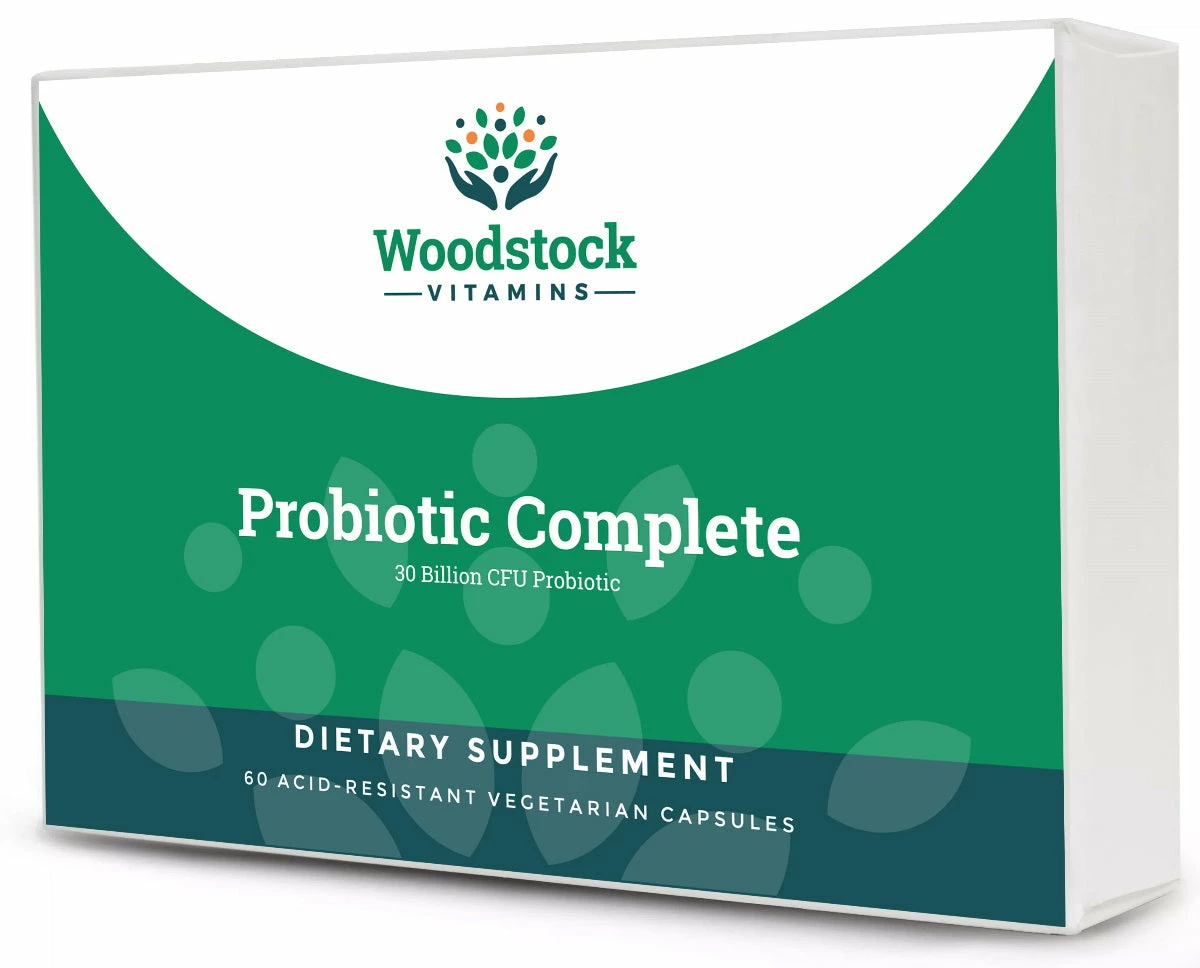
Probiotics are one of Dr. Neal’s First5 — or the five nutrients almost everyone needs and almost everyone benefits from.
By flooding the canals and caverns of your digestive tract with beneficial bacteria, high-quality probiotic supplements can improve digestion and symptoms of inflammatory diseases like chronic diarrhea, IBS, and more. And, because the gut and brain are connected as we now know, they can in turn have a positive effect on mood and mental health.
Look for supplements that have the first and last names of the probiotic strains included, and make sure they’re one of the top four strains for gut health.

Learn More: Be Proactive: How Can Probiotics Improve Your Health?
2. Alaskan Omega-3
Another First5, omega-3 fatty acids have gained much-deserved popularity in recent years thanks to their heart and brain health benefits.
But did you know this humble nutrient can also modulate the gut microbiome? Omega-3 can help maintain intestinal walls, lower inflammation, and soothe chronic diseases in the gut according to recent research.
It’s no wonder, then, that omega-3 is also being explored as a holistic option for alleviating symptoms of mental health issues. Just make sure you’re getting an omega-3 supplement that is ethically sourced and manufactured to prevent rancidity.


Learn More: Omega-3 Supplements: Are They Worth the Hype?
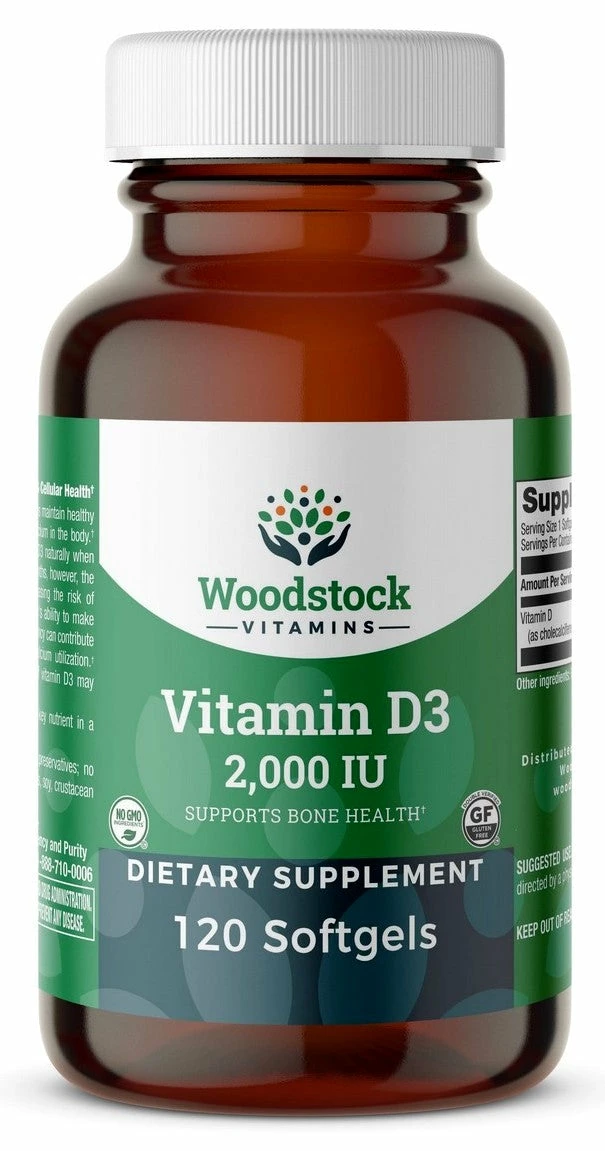
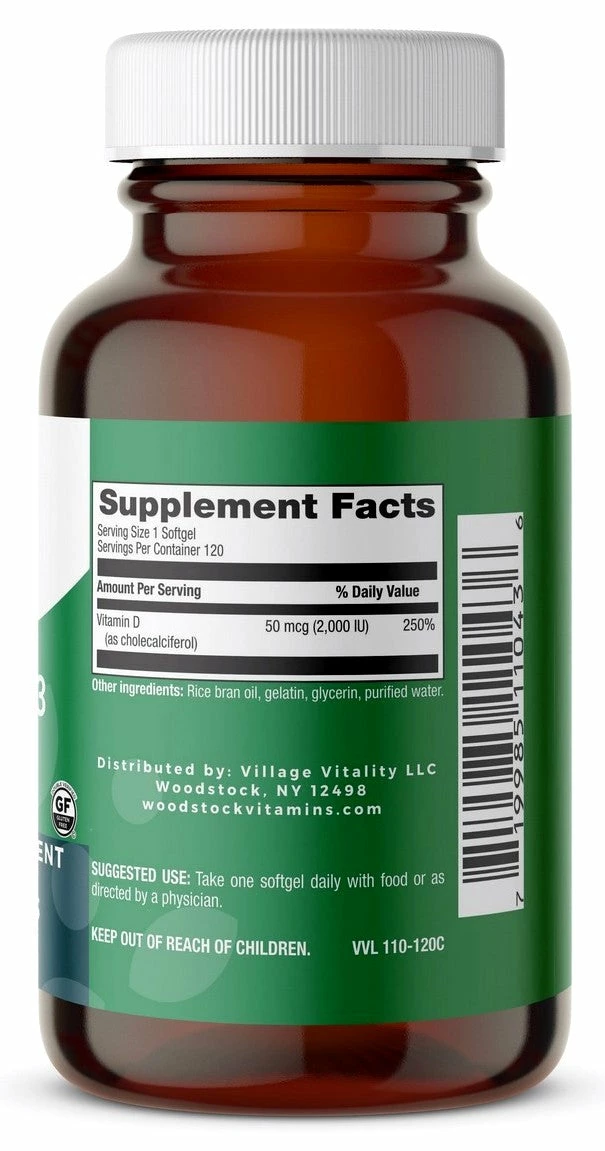
3. Vitamin D
With so many brain-boosting and gut-healing supplements to choose from, Vitamin D might seem like an odd pick for #3 on this list.
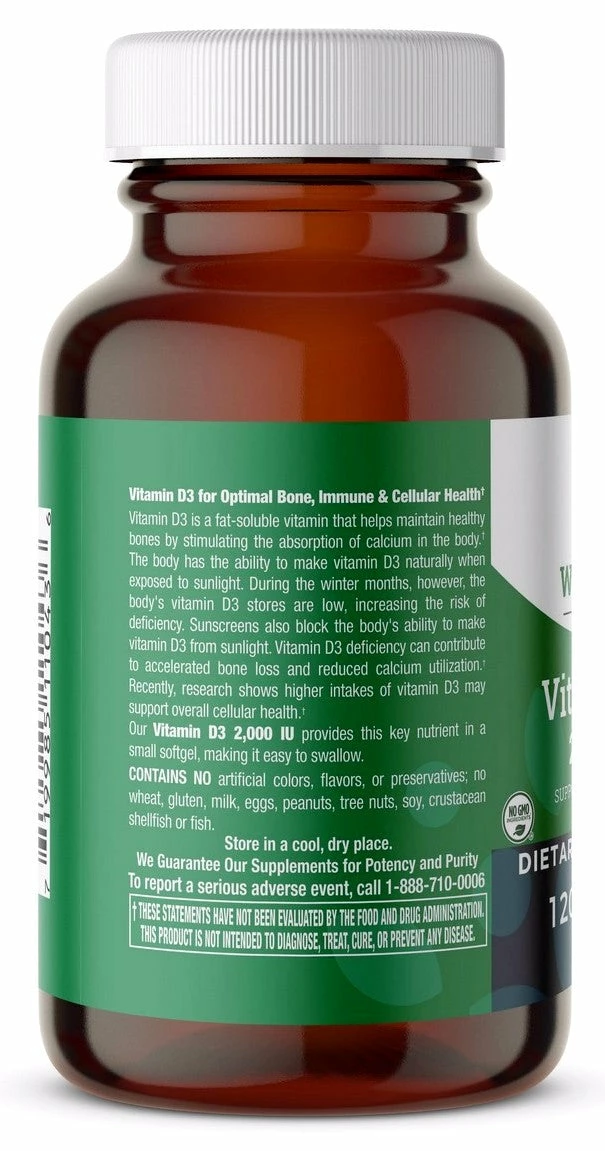
However, the importance of Vitamin D for gut and brain health becomes immediately clear once you know that it plays a major role in preventing and treating leaky gut. By maintaining GI barrier integrity, Vitamin D can help combat chronic inflammation — a common cause of mental health issues and IBS — and the subsequent immune responses that wreak havoc on our health.
And that’s not even mentioning the bone-building and immune system benefits of the vitamin, either. Vitamin D is also a First5, so its impact on multiple bodily systems is a given.
Learn More: Vitamin D: Sunshine Supplement for Bones, Blood, and The Blues
You’ve Got Guts, Kid
The next time you’re confronted with all the hype and hoopla about the gut-brain connection, just remember that this axis of health is more than a catchy phrase. It’s a fundamental component of our physical and emotional wellness.
So whatever small, positive steps you’re able to take, be it savoring a nutrient-dense meal, supplementing with probiotics, or slipping in a quick meditation session, will have a big impact overall.
And if you want more personalized, direct guidance on wellness practices and supplements for your gut and brain connection specifically, give us a ring! Our Counterside Consults are always open, always free, and we promise not to get on any of your nerves. Except your vagus nerve.