






If ever there were a poster child for bad eating habits, it would be the modern American.
We take our plastic-wrapped foods to-go, swallowing quick eats while driving to work without so much as a third chew. Is it any wonder that the vast majority of us here in the land of the free report stomach issues and digestive woes?
We mean no shade — we’re guilty of indulging in the fast pace of contemporary cuisine here and there, too. Even Dr. Neal is a self-proclaimed M&M addict!
Thankfully, we also have more access to medical technology, health education, and dietary support than ever before, too. For those moments when our munching is less than perfect, we turn to supplements for help digesting and integrating nutrients.
Like digestive enzymes.
Scroll on to get the inside scoop on these increasingly popular GI supplements — if and how they work, when to take them, and which digestive enzymes are best.
In This Article:
- How digestive enzymes work in the body
- Who should take digestive enzymes
- What kind of digestive enzymes are best
- Choosing the right brand of digestive enzymes
1. What Are Digestive Enzymes?
Let’s break it down. Pun intended.
Digestive enzymes are specialized proteins that our bodies naturally produce to help digest, or break down, macronutrients.
Macronutrients (carbs, fat, and protein) arrive in our stomachs in big chunks — really big chunks if you’re not chewing properly. At different points in the gastrointestinal tract, your organs and cells will secrete digestive enzymes to chop up these macronutrients into smaller, more absorbable pieces.
The role of digestive enzymes in the body is to, essentially, speed up the chemical reactions of assimilating food in the gut, liver, pancreas, and even the mouth via saliva. In doing so, these humble proteins make sure that the nutrients in our food actually reach our bloodstream.
So yeah, they’re pretty freaking important.
2. Do Digestive Enzyme Supplements Actually Work?
Digestive enzyme compounds don’t just exist in the canals and caverns of our human GI tracts.
They’re found in other animals and fungi too — and even in plants like mangos, papaya, and avocados. Once extracted from plant, animal, or fungal sources, these proteins can be put into convenient little capsules. And voila, you have a digestive enzyme supplement!
While corner-cutting manufacturers have given digestive enzymes a bad rap in some circles, the science still stands behind strategic supplementation of high-quality options.
Here’s a small slice of the recent research that has linked digestive enzyme supplementation to improved symptoms of GI issues:
- Enzyme supplementation can play a pivotal role in malabsorption and digestive disorders
- Digestive enzyme complexes prove helpful for common GI complaints like abdominal pain
- Enzymes and probiotics work synergistically to drive down indigestion, abdominal pain, flatulence
- Low-dose enzyme complexes offer relief from bloating, loss of apatite, diarrhea, and more
The beneficial effects of digestive enzymes don’t start and stop in the gut; they can influence how people eat and live, too. Though the field of research is still expanding, digestive enzyme supplementation is being explored as a viable option for gluten sensitivities to mitigate symptoms of exposure.
And here’s where it gets really interesting. Scientists are also seeing enzyme supplementation lead to measurable improvements in the emotional regulation of patients with Autism Spectrum Disorder — probably thanks to the illustrious gut-brain connection.
Learn More: The Gut-Brain Connection: 3 Holistic Tips for Optimal Health
3. Should I Take Digestive Enzymes?
In spite of the overwhelming evidence that supports taking digestive enzymes, the public is undecided — or at least divided — on these supplements. And for good reason, too.
Digestive enzymes act as a band-aid for underlying gut issues. By replacing the proteins our bodies should naturally produce, enzyme supplements can keep our digestion movin’ and groovin’, but they don’t address the root causes of GI distress.
Translation: Digestive enzyme supplements are really helpful, even crucial, for some people and a huge waste of money for others.
There is no evidence that shows taking digestive enzymes will give a normal, healthy person super-human digestion or maximize nutrient uptake.
Dr. Neal Smoller
So how do you figure out if you, personally, should take enzymes or not? By taking a good look in the (bathroom) mirror, of course.
If you regularly experience symptoms of malabsorption like bloating, gas, cramping, diarrhea, abdominal pain, nausea, weight loss, or vomiting, then it’s likely your body isn’t producing enough digestive enzymes on its own.
Congrats! This means you make a great candidate for digestive enzyme supplementation.
But these recurrent symptoms point to a major issue: Malnutrition.
Digestive enzymes can help prevent the effects of malnutrition from spreading to your brain and nervous system, but remember they’re more aid than cure. These supplements won’t address the lack of naturally produced enzymes, which could be caused by a thyroid issue, cystic fibrosis, diabetes, or even pancreatic cancer.
To boil it all down:
- DO take digestive enzymes if you experience discomfort after eating
- DON’T waste money on enzymes to “optimize” healthy digestion
- DO talk to a medical professional about your digestive issues to locate root causes
Learn More: 3 Digestion Support Supplements for Surviving the Holiday Season
4. What Kind of Digestive Enzymes Should I Take?
There’s another thing you should know before you go ham on the digestive enzyme supplements. Not all enzymatic proteins help with digesting all foods!
In fact, each specific enzyme has a highly specialized job. Lipase, for example, shines at breaking down lipids whereas bromelain does its best work on proteins. This information is crucial for successful supplementation — if you already went ham on the ham, you don’t want a lipase-only supplement.
To determine which enzymes your body needs, you first need to figure out which foods your body is struggling to digest. Start by keeping a symptom tracker on your phone or in a journal so the patterns between your munchies and maladies can become clear.

From there, you can use the nifty chart above to determine which enzymes will offer you the most relief from your GI discomfort. Check for those ingredients on the Supplement Facts Panel of your digestive enzymes and boom! You’re already 5 steps ahead of the average, willy-nilly supplement taker.
Generally speaking, though, most of us want a comprehensive blend of enzyme proteins in our supplement.
Because, if we’re eating well, then we’re getting a combination of fats, proteins, and carbs all the time. By choosing an enzyme formula that supports the digestion of all these macronutrients, we can rest assured that every bite will get broken down.
Learn More: Why You Need a Supplement Strategy — Plus 3 Steps to Get Started
5. Which Digestive Enzymes are Best?
So now you know what ingredients to look for, but what about the brand of digestive enzyme supplements? Are they all the same? Does it matter who you buy from?
It matters, but only if you prefer to avoid wasting your time and money on cheap, ineffective supplements.
If you don’t want your hard-earned cash to line the pockets of charlatans who profit off the lack of regulations in the supplement industry, you’ll have to be a savvy shopper. In this context, that means buying based on dose, potency, and survivability.
Dose
The dose side of things is pretty easy to manage. By using your newfound knowledge of enzyme proteins, you can quickly confirm if a particular supplement has the forms you need to get an effective dose.
If you’re a snack-a-saurus eating way too many carbs, don’t fool yourself by getting a protein-heavy digestive enzyme. If you are lactose intolerant, it doesn’t make much sense to get a comprehensive enzyme that has a low dose of lactase.
Dr. Neal Smoller
Potency
Avoid digestive enzymes that only list the weight of each protein. This is a Supplement Facts Panel sleight-of-hand that unethical manufacturers will use to make money off uneducated consumers.
Instead, go for supplements that list the activity level of the enzyme proteins. The activity level is used to measure the potency or strength of the enzyme — the weight is used to measure the fluff.


Survivability
If you’ve found good stuff without the fluff, that’s great! But make sure the digestive enzyme supplement you choose is formulated to last.
Most prescription enzymes are wrapped in enteric coating to protect the lifespan of the proteins. Over-the-counter enzymes? Not so much.
Enzymes without enteric coating will continue to lose potency as the proteins degrade in their unprotected shell. Look for enteric-coated digestive enzyme supplements without phthalates or parabens if you want the best for your body and your wallet.
Learn More: 4 Steps to Buying the Right Supplements in 2024
Enlightened Enzyme Supplementation
You can break open that digestive enzyme supplement with confidence, now that we’ve broken down the maestros of breaking down food into bite-sized pieces.
And maybe even do a little break dancing, once you’re freed from the nerve-wracking symptoms of poor digestion!
But if you need a holistic health pro to help guide your long-term journey toward gastrointestinal wellness, give us a call. Our Counterside Consults are always free, and we probably won’t make you break up with your favorite foods.
While the pace of our modern world reaches unforeseen speeds, Thanksgiving still draws ever nearer, offering us a little moment of rest and restoration on the horizon.
During this feast-filled season, it’s important to remember that like a well-prepared holiday meal, your supplement routine also deserves a thoughtful strategy. After all, with just one day to express all your gratitude for the year, you wouldn’t just dive headfirst into the cranberry sauce, right?
No! Your carefully curated plate will contain a proportionate blend of meats, treats, and delectable eats to maximize the gorging experience. Your supplement strategy should be equally meticulous, varied, and strategic.
But with the smorgasbord of marketing tactics and misinformed hype surrounding supplements, a calculated approach isn’t as easy as pumpkin pie.
Thankfully, we have Dr. Neal — holistic pharmacist and supplement savant — to talk turkey about the vitamins, minerals, and nutrients your body needs to truly thrive. And here’s a spoiler alert: The answer isn’t just taking more supplements.
In fact, Dr. Neal wants you to take fewer supplements! It’s what makes him a great health advocate and a terrible supplement salesman. Read on to learn how and why to form a supplement strategy that works for your wellness and your wallet.
In This Article:
- 3 reasons modern shoppers need a supplement strategy
- Lifestyle factors to optimize first
- 3 steps for launching your supplement strategy
3 Reasons You Need a Supplement Strategy ASAP
If there’s one thing we’re not thankful for this year, it’s the overwhelming digital clutter that makes learning about and achieving holistic health nearly impossible.
But don’t get us wrong, we’re not Luddites. In fact, we have “contemporary science and medical technology advancements” at the top of our gratitude lists!
Our beef is with the lack of meaningful regulations in both the holistic and allopathic health spheres.
The wellness industry alone was worth 15.5 billion dollars in 2024 — pair that financial incentive with virtually nonexistent industry standards, and you’ve got a recipe for highly profitable snake oil.
Well-branded bunk sits on the same shelves as scientifically verified supplements that can actually help address nutritional gaps and support whole-body wellness. So modern consumers and wellness seekers have to be extraordinarily discerning when it comes to choosing supplements if they want to avoid:
- Wasting money
- Damaging their health
- Hurting the planet
An evidence-based supplement strategy can combat these potential negatives in a few key ways:
- By doing your own research, you can sidestep the industry’s attempt to profit off your confusion. In turn, you’ll avoid wasting money and your desire to feel healthier will no longer be a sales point, but a strength.
- On top of protecting your wallet, supplement research and strategy can help you protect your health by weeding out the low-quality supplements that can actually do more harm — with harmful additives, rancid ingredients, and heavy metals content — than good.
- Instead of getting swept up in unsustainable supplement trends and so-called miracle pills, you can preserve the integrity of your body and the planet by choosing clinically backed, ethically sourced supplements, vitamins, and herbs.
Gone are the days of buying supplements based on your neighbor’s recommendation or yesterday’s trending TikTok. After all, if you haven’t got your health, then you haven’t got anything.
Learn More: 4 Steps to Buying the Right Supplements in 2026
A Caveat: Lifestyle Factors Come Before Supplementation
Before we get into the nitty-gritty of launching a successful supplement strategy, we’d be remiss not to mention our guiding principle and framework for whole-person health.
The Wellness Pyramid.
Formulated by Dr. Neal after 20+ years of educating the public on holistic, or whole-being, wellness, this handy little visualization tool makes this complicated topic simple. Simple doesn’t mean easy in this context, but it does mean uncomplicated, straightforward, and transparent.
The foundation of your wellness — and the Wellness Pyramid, of course — is built with the most mundane, unsexy, and yet extraordinarily important aspects of life. That is: diet, sleep, exercise, stress management, and lifestyle changes.
If we want to actually experience the benefits of supplementation, we have to get these ducks in a row first. You can’t out-supplement a nutritionally bankrupt diet or totally sedentary lifestyle, as we always say!
So if you’re looking for a fool-proof, data-backed way to improve your health and prevent disease start with holistic nutrition, deep sleep, consistent movement, stress reduction, and lifestyle adaptations. It’s only once you’ve optimized those areas of your life that you’ll truly get the advantages of supplements.
Learn More: The Wellness Pyramid: Your Roadmap to Holistic Health
3 Steps for Creating Your Supplement Strategy
Now that you’ve spent, presumably, a few weeks or months getting the 5 lifestyle domains ironed out and are ready to tackle strategic supplementation — welcome back!
Supplements, when done right, can help fill the inevitable gaps in our nutrition and bolster our health against the stressors of our modern lives. Without them, we’d be eating a whole lot of sea creatures to meet the recommended daily omega-3 intake, and who wants to live in a world like that?
The key point in that last paragraph is the when done right part, because, as we’ve just learned, not all supplements are created equal. And, more importantly, not all supplements are right for all people, of all walks of life.
In order to create a supplement strategy that won’t break the bank or break down your health, start with these three simple steps:
1. Find Your “Why”
And no, your “why” isn’t just “general health.”
The reason why you take a supplement should be set in stone long before you choose which brand to buy from or how long to take it. (Those steps come later.) Whether it’s to address a common nutrient deficiency — à la the First5 — or to conquer a particular health concern, the core goals of your supplementation process need to be defined.
Without a clear picture of what you’re hoping to accomplish, it’s easy to fall prey to panacea pills that over-promise and under-deliver. Or, as Dr. Neal says, it’s easy to become a hope-ium addict.
Instead, start with explicit goals and areas of focus.
For Example:
If you struggle with brain fog and focus issues, your goal would be to improve neurological health and cognition. You’d start with the 5 lifestyle domains that impact your brain health in serious ways and improve the quality of your diet, sleep, exercise, stress management, and environmental factors.
Then, you’d address the most likely deficiencies affecting your brain health: omega-3, protein, multivitamins/minerals, and probiotics. From there, you can offer your brain an additional boost with natural nootropics like lion’s mane, NAC, or adrenal support supplements.
Learn More: No More Resolutions: Set a Vision for the New Year
2. Figure Out Your “What”
What’s up? What’s cooking?
The what part of your journey will involve a lot of questions and personal veins of inquiry. It’s in this stage of the supplement strategy journey that you start figuring out what’s what and what’s worthless. That is, what brands are worth buying from, what forms of vitamins and minerals are most bioavailable, and what supplements should be prioritized.
Because, unfortunately, it’s not enough to just buy the first vitamin D you see at the grocery store if your doctor tells you you’re low in it. If you want vitamins that are what they say they are, you’ll need to research the sources, forms, and science of each specific, branded supplement.
For Example:
If you’re planning to purchase an omega-3 supplement or one-a-day multivitamin to support your brain health and alleviate brain fog, there are several “what’s” you’ll need to delineate before handing over your cold hard cash.
From what (hopefully ethical and sustainable) source is the omega-3 fish oil derived? What forms of B vitamins are included in the multi? What health conditions of yours (like the MTFHR gene, maybe?) could be affecting your ability to absorb or convert these nutrients?
Learn More: Multivitamins for Brain Health: 3 Things to Know Before Buying
3. Define Your “When”
Supplements, for all their unsung glory, aren’t band-aids or instant fixes.
In fact, most supplements work by offering a cumulative effect to the body — one that is often subtle, and always a little slow. Before adding any supplement, new or old, to your strategic routine, it’s critical to set very clear, very realistic expectations on the timeline.
Just because a particular supplement is backed by science, touted by professionals, or selling like hotcakes doesn’t mean it won’t take time to have a palpable effect. Instead of giving up after a month or adding in a new supplement because you aren’t seeing tangible results — be patient.
Pick a date 3 months or 6 months from when you started a supplement. Define your “when” and if you don’t see results at the end of that data-backed timeframe, then you can freak out.
For Example:
After setting your goals, completing research on health conditions, and becoming an expert in bioavailability, you’re finally ready to actually purchase your omega-3 supplement. But how long should you take it? Is it a forever kind of thing?
Call a supplement strategist — like one of our experts — to establish a timeline that makes sense based on your unique set of life circumstances! The best way to launch your supplement strategy is with the help of an experienced pro who has, essentially, four white horses for the journey.
Want to ring us up right now? As you wish.
Which is longer — your Thanksgiving grocery list or the nights you’ve spent awake, anxiously awaiting the digestive repercussions of unfettered feasting?
If it’s the latter, don’t worry, because you’re not alone! In fact, roughly 2 out of every 3 Americans struggle with some kind of stomach issue, which means this time of year is equal parts merry-making and gut-churning.
For wellness-seekers with stomach discomfort or digestive imbalance, the obvious answer is probiotic supplements. But how much can probiotics really help with gut health? Are all probiotics created equally? Why are there so many different strains, and with such strange names?
We brought these inquiries to our go-to gut health expert, Dr. Neal, for the inside scoop on probiotic supplements. Scroll on, fellow tummy ache survivor, to learn which probiotic strains are best for gut health according to the latest scientific research.
In This Article:
- The importance of choosing specific strains
- How to avoid useless probiotic supplements
- 4 best strains for gut health
Why Choose Specific Probiotic Strains?
If you’ve missed our recent probiotic-related topics, then you might be a little shocked to learn that the nooks and crannies of your GI tract are filled to the brim with microorganisms like yeasts and bacteria.
It’s one of the weirder parts of being human, especially when you know how drastically the health of these tiny creatures can affect your overall well-being.
Once you get over the strangeness of hosting millions of creepy crawlies in your stomach, probiotic supplements and foods don’t seem so odd. It actually makes sense that probiotics can support our gut health by filling our internal organs with loads of good bacteria — the more CFUs the merrier, right?
Wrong.
Well, it’s kind of right.
We do want more CFUs of clinically verified, highly beneficial probiotic strains, but we don’t want just any strain from any source. So the real issue with these kinds of health products lies in the fact that the natural wellness industry is like the Wild West.
Lazy standards and even lazier regulations are the hallmarks of the supplement sphere. As a result, health-conscious consumers have to be extraordinarily discerning when it comes to buying vitamins — especially probiotics.
Even a well-branded probiotic can, upon further examination, turn out to be nothing more than highly profitable bunk.
Unethical supplement manufacturers can pull the wool over our probiotic-seeking eyes in a few key ways:
- By using cheap, ineffective strains without any scientific backing
- By sharing unclear information about which exact strains are included in their formulas
- Or by creating beefed-up formulas that lose almost all potency during the production and shipping process
But it is possible to avoid wasting money on a probiotic supplement that’s more placebo than panacea! To do so, your two central focuses should be on the precise strain names and the number of live CFUs, or the potency of the capsules when they reach you.
Before coughing over your cold, hard cash, do your research. Make sure you can identify the probiotic strains by first AND last name, and check those strains against the research you’ve done for your specific health concern.
Learn More: Be Proactive: How Can Probiotics Improve Your Health?
Potency Pro-Tip Don’t buy probiotic supplements that require refrigeration unless you can verify a chain of cold storage from the supplier and all the way through the manufacturing, shipping, supplying, and selling process.
Otherwise, there’s a good chance your probiotic supplement has had some warm days in the box truck or the back of the grocery store.
4 Best Probiotic Strains for Gut Health
Probiotics have gained popularity recently because of the myriad of benefits they can offer the average person. From immune system support to UTI prevention, probiotics impact not one but multiple bodily functions.
But not every strain helps every little thing!
We’re shining a spotlight on these 4 probiotic strains because they have been shown to support GI health specifically by the latest scientific data. But a functional GI tract can, in turn, bolster the immune system, mental well-being, and brain health. So almost everyone will benefit from these 4 strains, but you might want to add on other, well-researched strains if you’re targeting a different body system.
1. Lactobacillus Acidophilus La-14
First created in 1900, Lactobacillus Acidophilus, or L. acidophilus for short (ish), is a species of bacteria with some of the most comprehensive scientific backing around. This species and its positive effect on things like lactose intolerance, cancer prevention, digestion, and immune system regulation have been studied for over 100 years — believe it or not!
A few key benefits of L. acidophilus strains:
- Improves gastrointestinal diseases
- Anti-diarrhea effects
- Reduces gut inflammation
- Supports proper digestion and assimilation
La-14 is a proprietary formulation of a Lactobacillus Acidophilus strain that comes with a whole host of secondary perks due to its ability to survive throughout the GI tract. Like protecting and toning the liver, which can support functional digestion of fats, and improving the health of the vaginal microbiome.
Learn More: Why You Need a Supplement Strategy — Plus 3 Steps to Get Started
2. Bifidobacterium Longum Bl-05
Bifidobacterium Longum snuck into modern history just one year before L. acidophilus — in 1899, this bacterial species was isolated from the feces of infants. While its origins might make you shudder, the data-backed benefits of this particular species are more than enough justification.
Considered by many to be the ultimate gut-healing powerhouse of all probiotic strains, B. longum has been linked to:
- Balanced gut microbiota
- Improved symptoms of inflammatory bowel diseases like ulcerative colitis
- Strengthened gut lining and intestinal barrier function
- Increased protection against infection
B. longum probiotic strains can help break down foods and absorb nutrients, so these positive effects of supplementation should come as no surprise. The trademarked form of B. longum known as Bl-05 is often used in leading-edge probiotic supplements because of its excellent tolerance of low pH environments and bile salts.
This unique feature allows the Bl-05 bacteria to survive longer in the GI tract and, therefore, spend more time fighting inflammation.

Learn More: The Gut-Brain Connection: 3 Holistic Tips for Optimal Health
3. Lactobacillus Plantarum Lp-115
Not to be confused with its cousin, L. acidophilus, Lactobacillus Plantarum is a lactic acid bacteria found in traditionally fermented foods like kimchi, sauerkraut, and yogurt. As a fermentation aid, L. plantarum stands out for being one of the hardiest strains of probiotics as it can withstand a wide variety of temperatures, unlike other species.
Thanks in part to its high rate of survival and bioavailability, L. plantarum delivers positive effects on overall well-being and:
- General gut health
- Obesity and diabetes
- Inflammatory bowel diseases
- Intestinal barrier fortification
- Colon cancer prevention and treatment
Some key features of Lactobacillus Plantarum Lp-115 that make L-115, specifically, an ideal option for supplementation are its resistance to acid and bile and its ability to adhere to intestinal surfaces. These attributes drive proper absorption and may be why L-115 has shown such promising results on the gut-immune health axis.
Learn More: 3 Digestion Support Supplements for Surviving the Holiday Season
4. Bifidobacterium Lactis HN019
Last, but certainly not least, is the research-dense gut support strain, Bifidobacterium Lactis HN019. Most often praised for its demonstrated ability to improve gut motility, B. Lactis is often found in common foods like cheese, buttermilk, and yogurt.
Gut motility, if you’re unfamiliar with the term, refers to the movement of food compounds through the GI tract — from mouth to colon. This digestive process plays an integral role in overall gut health and nutrient assimilation, so it should come as no surprise that the patented strain from this species, Bifidobacterium Lactis HN019, is widely used for gut motility.
A few other advantages of using B. Lactis HN019 in particular are:
- A healthy gut lining
- Reduced diarrhea
- Proper bowel function
- Improved symptoms of upper and lower gastrointestinal issues
- Modulated immune system response
- Treatment support for oral health disorders
You’re a Probiotics Professional Now, Pal
The adventurous eats of Thanksgiving don’t pose a threat to those stocked up with the 4 strains that have the biggest impact on gut health! Start your strategic probiotic supplement schedule today to start building up the beneficial bacteria in your GI tract and find relief from common digestive issues.
And if you want to nerd out about these 4 probiotic strains and their unique benefits for gut health, give us a call. Our supplement experts are available for direct guidance all day, (almost) every day via Counterside Consult.
Just don’t call us on Turkey Day, please — we’ll be busy gorging.
If you haven’t already been graced with a blanket of snow, let us be the first to tell you! Holiday season is officially here.
And with it, the myriad of unique stressors that family time, feasts, and unfettered socialization have to offer! Which means — if we’re hoping to survive this year’s inundation of Christmas music and Hallmark movies — now is the time to work on boosting three key areas of health.
Mental well-being, digestion, and immune system functioning.
Because nothing can squelch your appetite for holiday fun like a bout of anxiety or anxiety-producing bathroom breaks. (Besides COVID, that is.)
Stay healthy during this holiday season with wellness strategies from our favorite holistic health advocate, Dr. Neal. His top tips are waiting for you below like an early present under the tree. From immune-strengthening lifestyle tips and mindfulness practices to supplements for digestion, there’s a little something for everyone — even the grinches.
In This Article:
- Foundational health via the Wellness Pyramid
- Mindfulness for the holiday season
- Supplement tips for ultimate winter wellness
The Wellness Pyramid for Holiday Health and Well-Being
There’s a lot up in the air during the holidays, and not just the snow or your travel plans. When the department stores start playing Mariah Carey, our commitments to healthy eating, regular exercise, and decent sleep schedules go right out the window.
But don’t blame yourself!
Being removed from our daily routines can be majorly disruptive to health habits and wellness practices. Who wants to do their fascial maneuvers at the airport or take their fish oil with Thanksgiving dinner? Not us.
And, by the same token, overcommitting to unsustainable routines during the holiday season is exhausting at best. Is there a way, then, to enjoy the holidays with a modified approach to health? One that allows room for fun and celebration without throwing the baby out with the eggnog?
Yes, yes there is.
Dr. Neal formulated the Wellness Pyramid after 20+ years of guiding folks to their own, unique states of whole-body health. It’s a structure or framework for optimal wellness that, by design, can be adapted to fit the needs of each individual.
So we can take this handy blueprint for whole-person health and use it to inform our decisions during the holidays in order to enjoy our celebrations without sacrificing long-term wellness.
The Foundational Tier | Lifestyle Domain Tips for Holiday Health
1. Diet
If you missed our recent deep dive into holistic nutrition, then you’re probably worried we’re going to tell you to cut out soy or go full paleo before Thanksgiving. While you might find black-and-white answers lacking all possible nuance on other so-called health channels, that is definitely not going to be the case here.
We’re humans, and we need human solutions to our human problems.
So when it comes to changing your diet this holiday season, just simply don’t! Don’t spend your merry days restricting your eating or counting calories. Instead, concentrate on diversifying your eating so you can improve your nutrient intake during this food-oriented time of year.
Translation? Eat as much pie as you want, but eat all your mashed potatoes, cranberry sauce, and Brussels sprouts, too.
Learn More: Mastering Holistic Nutrition: Dr. Neal’s Top 5 Diet Guidelines
2. Sleep
Don’t get us wrong — we love late-night board games and early-morning walks just as much as the next person who’s at their parents’ house for the holidays. But should you sacrifice your much-needed slumber in order to enjoy these things?
No, probably not.
Sleep is important for emotional health and mental well-being, as well as about a bazillion other processes related to your physical health. From digesting food to repairing muscles, sleep is crucial for whole-picture wellness year-round.
Try: Scheduling activities for after dawn and before dusk. Bonus points if you skip that last glass of wine before bed and avoid circadian rhythm disruptors like blue lights from screens.
Learn More: Sleep Better: B.S. Free Guide to Holistic Sleep Support
3. Exercise
It might not be possible for you to maintain your 2-hour, high-intensity workout schedule while you’re traveling or celebrating the holidays at home.
And you know what? That is totally okay!
Not only has modern research shown that the optimal amount of exercise is somewhere closer to 30 minutes a day, but your gym will still be there waiting for you when Christmas is over. For the next few weeks, just focus on getting half an hour of movement per day to support your immune system, digestion, and mental health.
That could look like doing some gentle stretching in the morning, taking a walk with your family (or away from them!), or having a 30-minute dance party with your favorite siblings.
Learn More: The Truth About Exercise: Ditch the Myths
4. Stress Management
Prioritizing your diet, sleep, and exercise during the holiday season is one of the best things you can do for your ability to handle stress and combat burnout.
(Don’t believe us? Try skipping a meal or staying up late and see how calm you feel during one of your uncle’s political diatribes.)
But for many people, just hitting these basics isn’t enough to alleviate the stress of the holiday season. If that’s the case, we recommend making an active effort towards some kind of mindfulness practice.
Before you cringe and close this tab, though, remember that scientific research has linked mindfulness practices to better stress management, reduced anxiety, and improved depression in clinical settings!
Plus, if sitting on a mat for 5 minutes of silent meditation isn’t your jam, there are other ways to incorporate mindfulness into your life. Do what works for you, whether that’s walking meditation, moment-to-moment mindfulness, or focused breathing.
Learn More: No More Resolutions: Set a Vision for the New Year
5. Lifestyle Changes
When we refer to lifestyle changes in this Wellness Pyramid context, we’re talking about the changes we make to things outside of ourselves — environmental adaptations, if you will.
During the rest of the year, those changes typically look like going alcohol-free or taking the TV out of your bedroom. During the holidays, however, our options for boosting immunity via lifestyle changes are pretty limited, especially if we’re visiting other people’s homes.
So, for the 2025 holiday season, the top lifestyle change we recommend to protect your health and the health of your family members is: Wear. A. Mask.
You hate to hear it, we hate to say it, but there is still a pandemic happening, folks. At the very least, if you find yourself in trains, planes, or automobiles this holiday season, don your mask while in transit.
Learn More: Environment: How It Impacts Your Health and What to Do About It
The Middle Tier | Strategic Supplementation for Holiday Health
Keeping the 5 lifestyle domains at the center of your awareness will help protect your sleep and digestion, and in turn, support your mental health and immunity as well.
Supplements, on the other hand, can bridge the inevitable gaps in our wellness practices during the holiday season. And the rest of the year, too, if they’re done right!
Doing supplements right usually means conducting our own research and buying from quality sources but there are a few tips we have from Dr. Neal for successful supplementation during the holiday season specifically:
1. Don’t Skip Your Daily Supplements
While you might make compromises on your diet or date-night schedule this season, don’t be wishy-washy with your wellness products. Instead, avoid getting lost in the shuffle of gift-buying and ice-skating by using your daily supplement regimen to anchor your sense of self.
Don’t have a day-to-day supplement strategy for preventing nutritional deficiencies and maintaining optimal health? We recommend starting with the First5. AKA, the 5 nutrients almost all of us need, but aren’t getting.
Learn More: 5 Crucial Nutrients (Almost) All of Us Are Lacking
2. Add Digestion Support Supplements to Your Regimen
Tummy troubles can keep us up at night and stuck to the porcelain throne when we’d rather be out enjoying the season. If you have a sensitive stomach — and some adventurous eats on the horizon — incorporate digestion support supplements into your routine.
Our number go-to supplement for gut health and digestive wellness is, of course, probiotics. But there are a few very close runner-ups that can aid in breaking down food and assimilating nutrients, too! Like Betaine HCL, digestive enzymes, and collagen peptides.
Learn More: 4 Digestion Support Supplements for Surviving the Holiday Season
3. Support Sleep and Stress Management with Herbs and Minerals
If it’s not your stomach keeping you awake, it could be the stress of making small talk with distant relatives or going back to your home town. This time of year, it’s critical to bolster your sleep hygiene and mindfulness practices with supportive herbs and supplements.
Our favorite herbs for relaxing the muscles, promoting deep sleep, and restoring balance to the nervous system are valerian and CBD. But don’t forget essential minerals that build the foundation for healthy stress management and restorative sleep, like magnesium!
Learn More: Sleep Supplements: 5 Lesser-Known Sleep Aids
The Top Tier | Professional Medical Care for Holiday Health
Our most sincere holiday wish for you is that you don’t need to seek professional medical attention to cope with your annoying family members or recover from the cold they passed onto you.
But if you do need direct support for holiday health — from managing stress with supplements to maintaining immunity through wellness practices — give us a call. Our holistic health experts are ready and standing by with personalized guidance every day but Christmas.
We talk a lot about the importance of a varied, nutrient-dense diet here in this corner of the holistic wellness world.
But if we’re being totally honest — and we always are — comfort food will forever have a pizza of our hearts. It’s butter we acknowledge it now and taco about it rather than pretend otherwise.
So we offered holistic health advocate and self-proclaimed big-mouth, Dr. Neal, a penne for his thoughts on the matter. What do we modern humans in this precarious pickle do? Especially with a feast festival looming!
Do we forsake our favorite treats or forgo all food research in favor of delicious ignorance?
Turns out, it’s a little of both and a little of neither. Instead of going full paleo or calling the latest food science fake news, we walk the middle path — taking everything in moderation, including moderation.
So for those delightfully human moments that call for gorging on delectable, deep-fried eats, we turn to supplements. Scroll on, fellow foodie, to get the low down on 3 popular supplements for digestive health so you can have your cake and eat it, too.
In This Article:
1. Probiotics: Protecting Your Gut Health Year-Round
Thanksgiving is so close, we can practically smell the platters of sweet pies and savory bites being set on the table. As we gear up for this day of sumptuous eating, there’s no better time for starting a probiotic regimen than right now.
Except for yesterday, that is!
Learn More: Be Proactive: How Can Probiotics Improve Your Health?
Probiotics — AKA strains of bacteria that support the natural flora of your digestive tract — are a core facet of overall gut health. These little capsules filled with billions of beneficial microorganisms are so important, in fact, they’re part of the First5 for a few key reasons:
- They’re crucial for the healthy functioning of multiple bodily systems.
- They have some of the best science and data available supporting supplementation.
- Almost none of us are getting enough through our diets.
Plus, our guts are exposed to a myriad of external stressors every day — inflammatory foods, emotional distress, environmental toxins, etc. Probiotic supplements, when done right, can soothe a dysregulated gut and support healthy digestive functioning.
So really, we should have started taking our probiotics a long time ago, but today is the second-best day to launch a new supplement strategy.
If you’re nervous about reintroducing uncommon foods or trying new things this Thanksgiving, try a complete probiotic supplement to strengthen your digestive tract in advance.
2. Digestive Enzymes for Digestion Support
If you’re googling digestive enzymes in a pre-Thanksgiving panic, you’ll probably see a wide range of options and conflicting information. Some sites and suppliers call them all bunk. Others claim that enzymes are miracle cure-alls for gut health, zapping heartburn and eliminating flatulence in one fell swoop.
Here’s the truth: Digestive enzymes exist in your body already. They, like their supplement counterparts, can help your gut break down some proteins, carbohydrates, and fats.
By properly assimilating these macronutrients, enzymes can help alleviate common gut issues related to improper digestion.
Like malabsorption or lactose intolerance.
But enzyme supplements are distinctly not a panacea — they’re best when taken at specific times with clear, data-backed expectations in mind.
“Digestive enzyme supplements are replacing things our body doesn’t make enough of. They are not fixing any underlying problems; digestive enzymes are a temporary addition for digestion of the current meal or snack.”
Dr. Neal Smoller
When taken with a meal, a high-quality and naturally derived enzyme supplement can help your gut dissolve food and absorb nutrients properly. So, if your contribution to the Thanksgiving spread is a family-size pack of digestive enzymes, make sure you’ve done your research.
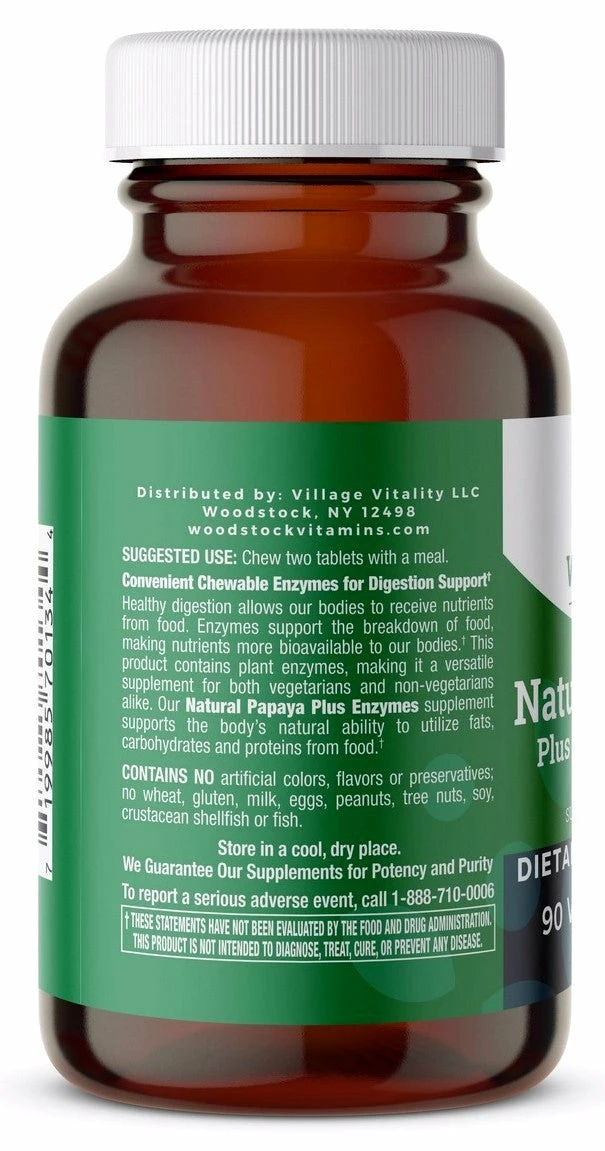
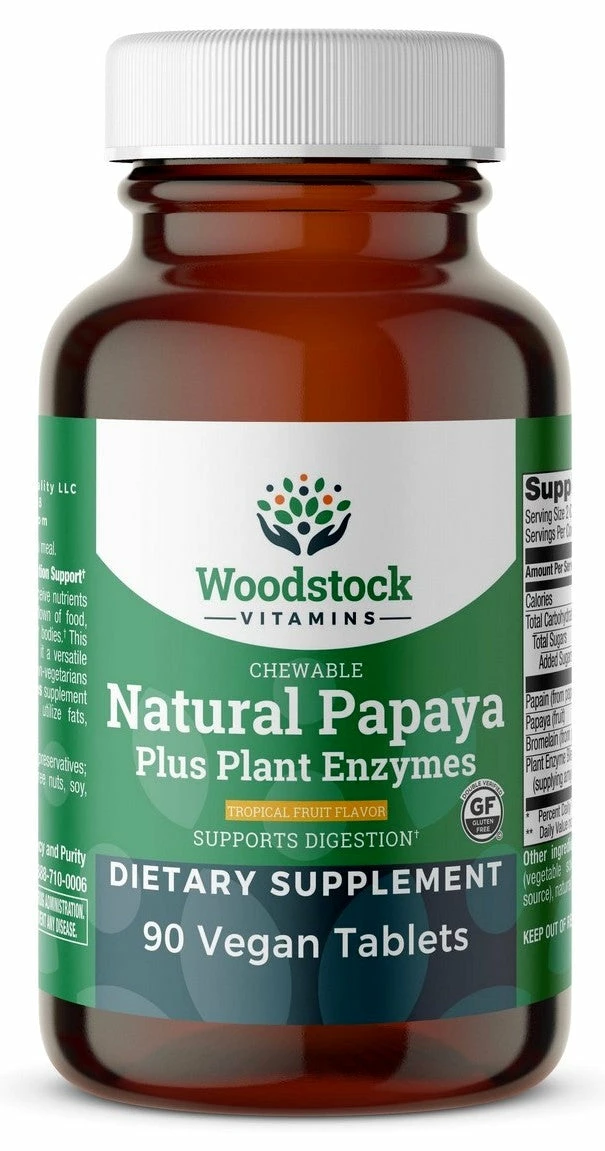
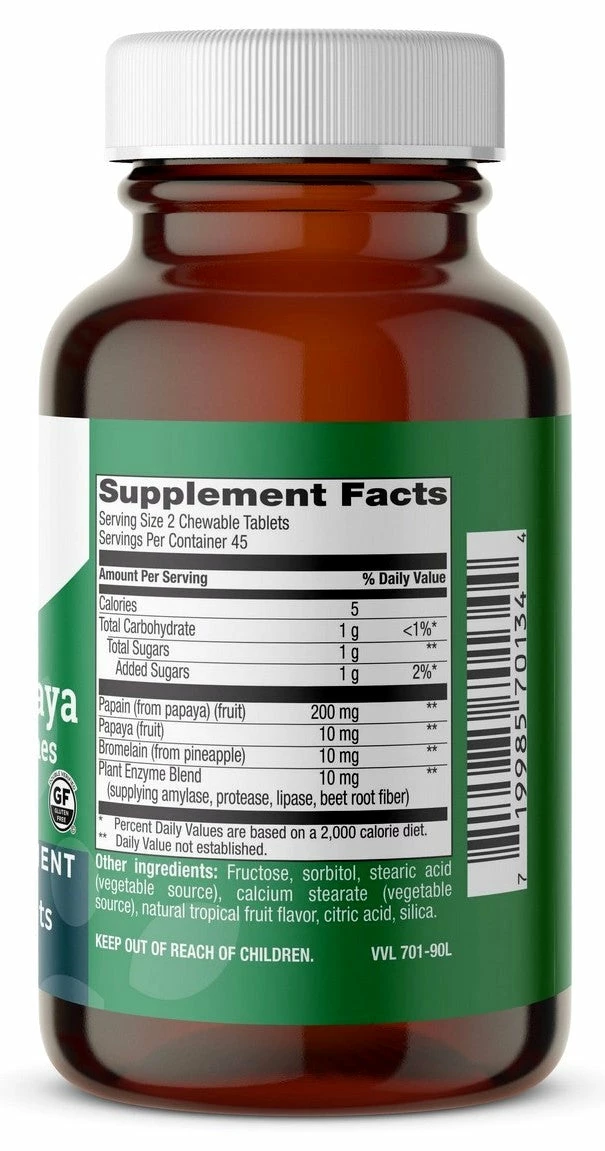
Look for an enzyme supplement that comes from natural sources like bromelain from pineapple or papain from papaya — or opt for a comprehensive blend of food-based enzymes to target as many proteins, carbs, and lipids as possible.
Learn More: Digestive Enzymes Demystified: 5 Things to Know Before Taking
3. HCL Supplements: Support Healthy Stomach Acid Levels
We all know that high levels of stomach acids can cause a whole host of unpleasant symptoms, like heartburn and acid reflux. But did you know that low stomach acid can be equally detrimental to your overall gut health?
HCL supplementation has been rising in popularity for this very reason.
Autoimmune diseases, chronic stress, drinking, and nutritionally bankrupt eating habits can all contribute to low acid levels. (Who among us isn’t guilty of at least one of those things?!) In turn, the subsequent decline in stomach acid production can end up causing nutrient loss, digestive issues like diarrhea, exacerbated food sensitivities, and more.
Hence, our supplement superhero, HCL.


HCL is the fun little acronym we use in the supplement world to refer to hydrochloric acid. You might also see it on vitamin labels as betaine or betaine HCL — the capsuled version of our naturally produced hydrochloric acid.
When taken strategically to combat low stomach acid, HCL supplements can support the gut’s natural digestion processes and boost nutrient absorption. They have a similar end result to enzymes, but a totally different function.
You can jumpstart your digestion with HCL supplements but don’t forget that these humble capsules are powerful tools. Find a competent healthcare professional before supplementing and invite them to your family’s Thanksgiving celebration.
Learn More: Staying Healthy During the Holidays: Holistic Wellness Guide
Can’t Stomach It? Call Us
We know — this was nacho typical blog on holistic nutrition and digestion supplements. We didn’t tell you to ban grains from your house or take a shot of straight apple cider vinegar every day.
What can we say? Food is one of the berry best parts of being human. (And the science behind ACV is…not grape.)
Eat well today and on Thanksgiving, knowing you’ve got industry-insider info on digestion support supplements under your belt. And if you can’t stomach the thought of diving into your meal without more direct guidance, give us a call.
You can chat all things gut health with one of our supplement experts via Counterside Consult any time — always free and always pun-free.
Thanksgiving is right around the corner, so if ever there was a time to radically change your diet…Now is not it.
We repeat: Now is not the time to drastically alter your diet and eating habits.
If you were expecting this blog to be a diatribe on all the foods you should be cutting out, this might come as a surprise. For seasoned readers, the fact we walk the middle path of wellness in the realm of food won’t be shocking.
Dr. Neal — our founder and resident wellness wizard — has a balanced approach to holistic nutrition, based on both the reality of the clinical data available and that of human nature. Does that mean you shouldn’t stop eating gluten? Not necessarily.
It just means that removing a major part of your diet, limiting your nutrient intake, or changing your gut microbiome just before the biggest feast of the year might not be sustainable or healthy.
Instead, you can learn how to enjoy your food consciously and be a discerning shopper by building a strong foundation of nutritional education. Sound appetizing? Scroll on, fellow wellness seeker.
In This Article:
- How diet factors into overall health and well-being
- Dr. Neal’s dietary Jenga analogy
- Eating to fuel your fire
- Improving food quality
The Wellness Pyramid: Diet’s Role in Holistic Health
Fad diets, falsified facts, and fanatical fasting have been the central focus of the wellness world for some time now, and for good reason, too. The diet and nutrition arena of holistic health is where we can see some of the most profound changes in our quality of life.
That, and the fact that the natural health landscape is a trillion-dollar industry — there’s a lot of money to be made on food marketing and fear-mongering.
So let’s cut through the chaos of misinformation and establish a scientific framework for diet via our favorite nifty tool: Dr. Neal’s Wellness Pyramid.
Diet, an integral part of a healthy lifestyle, finds its home at the base of the pyramid.
A nutrient-dense, diverse, filling, and fulfilling diet is foundational to overall wellness. Full stop. And yet, it’s only 1/5th of the 5 lifestyle domains that make up the pyramid’s largest section.
Why?
Because, as much as we hate to say it, even the best diets can have some unsavory side effects if not approached correctly. It doesn’t matter if you drink bone broth every day if your bone broth research is keeping you up at night.
It doesn’t matter if your fridge is filled with local meats and fermented treats if your mental health suffers from the stress of food sourcing.
We have a distinctly perfectionist — or else, defeatist — attitude towards diet here in America, and it’s worth reminding that it’s never really black-and-white. Exercise, sleep, stress management, and external lifestyle changes are still crucial parts of our wellness routines alongside diet.
To boil it all down: Take your diet seriously, but don’t go so bananas that you forget to care for yourself in other ways, too.
Dietary Jenga: Understanding What’s Actually Important in Holistic Nutrition
To avoid putting all your wellness eggs in the diet basket, Dr. Neal formulated another exceedingly nifty concept for approaching nutrition.
(Thanks for that, Dr. Neal!)
The concept, if you missed the title of this section and this episode of the podcast, is called dietary Jenga. We know what you’re thinking though, and no, this isn’t the perfect time to educate your family on food quality via a friendly game of Jenga.
Dietary Jenga is a visualization tool and road map for navigating the overwhelming concept of nutrition. If you’ve played the game IRL before, then you know that the fun of Jenga lies in making risky moves — pulling out structural blocks from the tower’s base with fearless finesse.
In dietary Jenga, we don’t actually want to threaten the strength of the tower, as it represents our health and our lives literally depend on it.
Instead, we start at the bottom — like in the Wellness Pyramid — staying at Levels 1 and 2 for as long as it takes. This allows us to construct a robust, well-built foundation for food, eating, and fueling our fires.
Level 1: Education & Re-Education on Holistic Nutrition
General information, definitions around what’s healthy and what’s not.
Remember all that conflicting information on healthy eating we mentioned? Sifting through it to find grains of scientific truth is no small feat. That’s why education — and yes, re-education for the health experts, too — is the first level of dietary Jenga.
We have to learn the basics. We can’t take our black belt test if we don’t know how to do a roundhouse.
Dr. Neal Smoller
The best part about this level of the sustenance game doesn’t have to be complicated. We can get into organic vs. non-organic, GMOs, grass-fed, and all that jazz down the road, but this part of the journey is easy as pie.
Here in Level 1, the basics to focus on are:
- Healthy Food: Is rich in at least 1 of the 3 crucial and nutrient-dense macros — proteins, healthy fats, and complex carbs.
- Healthy Meals: Look like a balanced blend of all 3 macronutrients — 50% complex carbs, 35% protein, and 15% healthy fat.
- Healthy Snacks: Are, essentially, a small meal — they should also be a combination of proteins, healthy fats, and complex cards.
Don’t be fooled by the simplicity of these healthy foods and meals, though. Eating well is, indeed, very straightforward, but as Dr. Neal always says: It’s simple, not easy.
Level 2: Eating to Fuel Your Fire
Overcoming timing and lifestyle challenges to healthy, regular eating.
So healthy snacks are small meals, healthy meals are big snacks, and healthy food has something to offer macronutrient-wise. Not so hard, right?
The next hurdle is timing your meals and snacks for optimal energy levels, brain functioning, and metabolism. A truly healthy day of eating typically follows this kind of pattern: Small, frequent meals with snacks every few hours.
And yes, we know, nobody has time for that.
The hardest work is the work around our behaviors. At some point, we have to put our foot down and stop the “go-go-go” mentality we’ve built. We need to slow down, or at least adopt new behaviors that help us do what’s most important, best caring for our own health.
Dr. Neal Smoller
In our fast-paced world of constant productivity and instant gratification, stepping back to prepare and enjoy your meals (and snacks!) every day is actually pretty radical. That’s why we recommend staying in Level 1 and Level 2 for as long as you need.
It’s no easy thing to rewire your enculturated, psychological connection to food. And yet, shifting your view to see food as vital fuel for a happy life instead of a nuisance is…not really negotiable.
Here’s a protip: Don’t go to bed at night without planning your meals and snacks for the next day. By doing so, you can address the biggest obstacle for most of us in nutrition success: our busy lifestyle.
Dr. Neal Smoller
And, to soften the blow of Level 2 a little more, here’s a list of our favorite healthy and easy snacks. Swap fruits, veggies, and dairy options for your preference, and don’t forget to chew your food.
- Nuts and Fruit(s) — add a square of dark chocolate, too!
- Peppers with Guacamole
- Greek yogurt and berries
- Apple slices with nut butter
- Celery and nut butter (A classic!)
- Cottage cheese with flax and berries
- Kale chips and nuts
- Hummus with veggies for dipping
- Mozzarella stick with fruit or veggie (Like cherry tomatoes!)
- Black beans with veggies
Learn More: The Truth About Intermittent Fasting
Level 3: Varying Your Diet
Getting into the nitty-gritty of holistic nutrition, food diversity, and portions.
Since you’ve, presumably, spent several weeks or months focusing on the first two levels and are now revisiting this blog, ready for the next step, welcome back! Level 3 is where we start diving into the best way to eat our healthy foods throughout our healthy days.
Remember, the bottom building blocks are the most important part of the Jenga tower because they keep it from being a heap of blocks.
Dr. Neal Smoller
For our goal-oriented friends and number lovers, this is the stage where you get to go buck-wild on your portions, calorie tracking, and macro targets. Our core focus, here, is to diversify our nutrient intake so thoroughly that we can actually just throw away our multivitamins.
But don’t get us wrong — this level isn’t an excuse to veer into perfectionism.
Rather than micromanaging the numbers associated with your food, Level 3 is about creating an awareness of your calorie and nutrient needs. And then working towards fulfilling those needs with clearly defined goals that drive you toward a diverse, delicious diet of nutritious food.
Start by introducing new foods and spices into your regular rotation of meals and snacks:
- Expand your palate with nutrient-dense spices like cinnamon, turmeric, ginger, cardamom, garlic, rosemary, parsley, thyme.
- Expose your body to new, healthy proteins with varied nutrients, like sardines, eggs, organ meats, lentils, quinoa, pumpkin seeds.
- Experiment with new fruits and veggies to fill your daily intake recommendations, like blueberries, strawberries, kiwi, grapefruit, spinach, turnip greens, Brussels sprouts, asparagus.
Keep in mind that these are general guidelines — if you already eat a bunch of grapefruit and cardamom, try branching out into even more rare foods like goji berries and kefir.
And here are those numbers we were chatting about at the beginning of Level 3 — no we didn’t forget about them. The digits you should be paying attention to aren’t just on the scale:
Dietary Protein
- General Daily Recommendation: 0.8-1.2 grams of protein per kg of body weight
- Dr. Neal’s Recommendation: 1 gram of protein per kg of weight per day.
Fluid
- General Daily Recommendation: 8 glasses, or 64 ounces of water per day.
- Dr. Neal’s Recommendation: Half your body weight in ounces per day, accounting for dehydrating activities with an additional 8 ounces each.
Dietary Fiber
- General Daily Recommendation: 21-38 grams of dietary fiber daily.
- Dr. Neal’s Recommendation: 30 grams per day.
Saturated Fat
- General Daily Recommendation: 5-10% of your daily calorie intake.
- Dr. Neal’s Recommendation: As close to 0% as possible.
Calories
- General Daily Recommendation: 2,000 calories a day for women and 2,500 for men
- Dr. Neal’s Recommendation: Use a calculator like this one because calorie needs are age, gender, height, weight, and activity-level dependent.
Level 4: Quality Control
Prioritizing higher quality foods from ethical and reputable sources.
Some people feel that we stress too much about the quality of food and that most of the information out there is really just marketing to sell higher-cost stuff to rich people.
I’m sure there’s a bit of that happening, but we also know the food supply chain is as American as ever. Meaning it’s optimized for profit, not our well-being.
Dr. Neal Smoller
But before anyone panics, let’s simmer down, take a deep breath, and review our previous agreement to not be crazy perfectionists about our food.
We can, with a nuanced approach, begin to improve the quality of our foods without going as nutty as a fruitcake. There’s already a big jump from gas station chicken to grocery store poultry — to steal one of Dr. Neal’s favorite quips — so if you’re not shopping at Circle K, you’re already doing great.
The kernel of truth to keep at the front of your mind on Level 4 is: progress is progress no matter how small.
So let’s break down the steps toward higher quality food intake into bite-size pieces:
Produce, Etc.
- Good: Fresh, healthy, seasonal food.
- Better: Organic, fresh, healthy, seasonal food.
- Best: Locally-grown, fresh, healthy, seasonal food.
Try your best to avoid additional exposure to pesticides, herbicides, and fungicides in your produce to lower your body’s toxin burden.
Meat, Eggs, Etc.
- Good: Non-gas station sources.
- Better: Organic, antibiotic-free sources.
- Best: Free-range, grass-fed, or pasture-raised sources.
Try your best to avoid farmed fish, unethical manufacturers, and sources that use antibiotics and hormones in their animals.
Level 5: Geeking Out
Understanding the minutiae of optimal eating and nutrient intake.
If you’ve made it this far into the world’s silliest analogy for holistic nutrition — dietary Jenga — then congratulations! Your tower is probably dang close to indestructible.
After you’ve mastered Levels 1-4 of the actually not-so-silly food reframe, you’ll be set with the information and structure you need to set attainable goals for achieving nutritional success.
If you’re here, at Level 5, and you’re ready to have your cake and eat it too, give us a call!
There’s an endless buffet of nutritional minutiae that we can dive into fork-first. Chat with one of our holistic nutrition experts via our free Counterside Consults when you’re hungry for more information on the finer details of food.