






By now, you probably already know that spring is…a mixed bag.
On one hand, the air grows sweeter and warmer with each passing day. On the other, bugs and pests are emerging, allergens are swirling, and pesky, poisonous plants are, like the wildflowers, in bloom.
From bug sprays to histamine-blocking herbs, we’ve been sharing our favorite tidbits for springtime wellness from our founder and famously-nuanced holistic pharmacist, Dr. Neal Smoller.
But if your head is pounding, your nose is running, and there’s a sneezing fit waiting to strike, it might be time to bring in the heavy artillery.
Get equipped to face the adventures of the season with our comprehensive, Guide to Spring ebook — AKA your free, holistic toolkit for battling seasonal allergies, pests, poison ivy, and ticks naturally and strategically.
In This Article:
- Why is seasonal awareness an important part of wellness routines?
- Common springtime health challenges
- Seasonal allergies
- Pest control
- Poison ivy, ticks, & Lyme disease

Why is Seasonal Awareness an Important Part of Wellness Routines?
It’s easy to get lost in the endless drone of meetings, appointments, traffic patterns, and responsibilities that make up our daily lives.
So easy, in fact, many of us hardly notice the change in weather. Until hay fever or head congestion from Hades forces us to reckon with the cycling seasons, that is.
The shift from winter to spring can hit especially hard, as sniffle-prone folks know, but being aware of all seasonal transitions is crucial for maintaining year-round health. When the weather and environment turn over for a new season, our bodies must adapt to new stressors.
If you’re caught unprepared, you’ll be a day late and a tissue box — or calamine lotion bottle — short.
Learn More: Holistic Guide to the Dog Days of Summer
Springtime Challenges
Lack of seasonal awareness doesn’t just translate to head colds and bug bites, though.
The worst part is, in our humble opinions, the fact our bleariness and blocked noses prevent us from enjoying all that spring has to offer, especially after such a staggeringly long winter.
This ebook, formulated from our whole-picture framework for health, gives a little agency back to the individual, arming us all with natural options for combatting springtime bothers like:
Seasonal Allergies
Learn the root cause of seasonal allergy symptoms, the role of histamine in the body, how to avoid histamine overload, and powerhouse herbs for symptom prevention and management.
Plus, you get the inside scoop on our favorite products for allergies and lifestyle tips that can change the game faster than you can say holistic treatment for seasonal allergy symptom relief.
Pest Control
Banish the creepy crawlies from your home, and keep them from getting a bite out of you when you’re enjoying the great outdoors. Dr. Neal details the essential oils for pest control that actually work.
Can you still use DEET-based bug sprays? Sure, but we’re willing to bet our natural alternatives smell better!
Poison Ivy
Leaves of three, let it be… But if your curiosity gets the best of you, don’t fret. This ebook spills the details on the 3 best natural remedies for poison ivy rash.
Also included: Plant identification and herbal preparation guidelines, so you can romp around the woods with not-so-reckless abandon.
Ticks & Lyme Disease
Are ticks the bloodsucking scourges of your nightmares? Fear them no more, and without having to sort through the maze of misinformation about Lyme disease.
We believe all people should be able to identify ticks, minimize their risk of tick-borne illness, and what to do if they get a tick bite. Now, with the free Guide to Spring, we can!
Strategies to Reclaim Your Love of Spring
This isn’t your run-of-the-mill ebook on natural alternatives for wellness, filled with floral aromatics and flowery promises.
While we mean no disrespect to the crunchy folks of the world, we can’t help but bring a little rebellious, Woodstock spirit to the conversation. For 20 years, Dr. Neal has practiced as a holistic pharmacist, offering patients nuanced, strategic guidance that draws from the best of both worlds.
Talk about rocking the boat, right?!
So, as with all Woodstock Vitamins things, you can expect an all-encompassing approach that blends both traditional, herbal remedies and cutting-edge research with:
1. Actionable Advice
- Direct strategies to implement for supporting your seasonal and year-round wellness
- Printable lists of the best herbs and essential oils for pest management
- Simple lifestyle adjustments for minimizing allergen exposure
- Customizable recipes for DIY bug spray, colloidal oatmeal baths, all-natural poison ivy relief spray, and more

2. Holistic Education
- The root causes of seasonal allergy symptoms
- Whole-picture attack plan that defends against allergies on all fronts
- Herbal and natural remedies that support whole-body health and can provide relief for springtime irritants
- The science of histamine, how poison ivy spreads, and tick-borne infection
3. A Pharmacist’s Unique Point-of-View
- Timing guidelines, or when to use natural options for the best results
- When to opt for immediate relief from over-the-counter options
- When going to the doctor is your only option
- Debunking common myths and marketing tactics for poison ivy and Lyme disease
Ready to feel like a spring chicken again?
Or, we can put a spring back in your step together — hop on a Counterside Consult for direct, personal guidance to cut through the clutter of wellness information. And, don’t worry, we promise our seasonal puns are reserved strictly for blog posts!
Hello there, fellow supplement enthusiasts!
Today we’re tackling an issue that has plagued humanity since the dawn of time (or, you know, since the invention of supplements): to toss or not to toss expired vitamins.
That is the question! It’s a dilemma that we’ve all faced. You come across a bottle of lord-knows-what that expired three years ago, and you’re left wondering if it’s still okay to put in your body.
Do you risk it and hope for the best? Do you toss it and waste your hard-earned money?
Fear not, dear readers. With Dr. Neal and his 20+ years of clinical experience guiding the way, we’re going to navigate the murky waters of supplement expiration dates. Keep reading for the ins and outs of legalities, potencies, and standards — or lack thereof — in the supplement industry.
In This Article:
- Are supplement expiration dates essential or just a myth?
- Potency decline vs. expiration dates
- Supplement quality markers vs. expiration dates
Are Supplement Expiration Dates Essential or Just a Myth?
Counter question: Did you know that supplement manufacturers aren’t legally required to put an expiration date on the bottle?
All they have to do is slap on a manufacturing date and call it a day.
Accurate supplement expiration dates require tedious and expensive tests to be determined, so most manufacturers simply don’t. They’ve got bills to pay and brand accounts to curate — can we blame them?
That doesn’t mean expiration dates are meaningless, though, despite the lack of meaningful regulation around supplement production quality.
When it comes down to it, the answer is nuanced. Expired vitamins and supplements won’t turn you into a radioactive spider, probably, but it’s not the best idea to take them after their expiration date.
Why? Because supplements do, in fact, lose potency over time.
The Battle of Potency Decline vs. Expiration Dates
If there’s one thing to know about vitamin expiration dates, it’s that they are actually a guideline for potency.
Most supplements will start to lose potency over time — even more rapidly if they’re stored improperly. So if a supplement label claims to contain 250mg of magnesium, it is legally required to contain 100% of that claim until the expiration date.
To complicate things further, some companies will put more of the respective compound in their formulas just for good measure. That’s right: the regulations don’t swing both ways. If a supplement contains 99% potency, it’s considered expired, but if it contains 105%, it’s good to go.
And if you’re thinking that this sounds like it could be troubling for those with sensitivities to certain vitamins and whole-food compounds, you’re absolutely right.
In comparison to the pharmaceutical industry, supplement regulations are loose at best. If you want supplements that are what they say they are and do what they say they do, the burden of quality vetting rests on your shoulders.
(Now’s probably a good time for a bone-building supplement if you’re going to be carrying all that weight, right?)
Can Supplement Quality Markers be More Useful than Expiration Dates?
So the supplement industry is like the Wild West, wrought with weak standards, warring opinions, and weaponized trends.
We’re all just cowboys out here, trying to find the best supplements for our trusty steeds — AKA our bodies — without breaking the bank. Throw in all this nonsense about expiration dates vs. manufacturer dates, and it quickly becomes a confusing landscape of hype and misinformation.
So, let’s cut through the overwhelm: The true measure of a supplement’s effectiveness, safety, and potency lies in its overall quality.
A supplement or vitamin’s overall quality encompasses a wide range of factors, from sourcing to ingredient purity. In fact, if you focus solely on the expiration date, you’ll be missing a lot of important considerations in your decision-making process.
Cheap, low-quality supplements might last longer on your shelf but can contain fillers, additives, or ineffective forms of vitamins that our bodies struggle to absorb.
Conversely, a supplement with a shorter lifespan might be a knock-out for quality and provide better, more tangible benefits.
When it comes to choosing the right supplements for you, then, you should look at expiration dates as just one piece of the puzzle. For ultimate confidence in your supplement purchasing, you should look at the whole picture, including ingredient purity, third-party testing, and manufacturing standards.
Learn More: Supplement Spring Cleaning in 4 Simple Steps
The Woodstock Standard
We don’t like to toot our own horn very often, but when it comes to sharing the 20+ years of boots-on-the-ground experience and research prowess of our founder, Dr. Neal…
Toot-freaking-toot.
Our Supplement Quality Standard, AKA the Woodstock bible, was developed by Dr. Neal after decades of working one-on-one with patients as a holistic pharmacist. The four components — science, compliance, virtues, and value — aren’t just fancy buzzwords, they’re the backbone of our mission.
That’s why, when it comes to evaluating our supplement formulas, for example, we use third-party testing to ensure a blue-ribbon type of quality.
Then, because the voraciously curious Dr. Neal is rarely satisfied with just a blue ribbon, we test it again ourselves.
So your vitamin vetting doesn’t have to be all doom, gloom, and endless research! We’re here to bring a little sunshine and some rebellious Woodstock spirit to the supplement game.
How? By providing direct, actionable advice for all the wellness-inclined folk of the world — via our Counterside Consults, for example. Jump-start your wellness practices there, and ask Dr. Neal all the lingering questions you may have about supplement expiration dates, quality markers, and the like.
Attention all vitamin hoarders!
It’s that time of the year again when the birds chirp, flowers bloom, and your collection of allergy-busting supplements starts to resemble a hoarder’s stash. Get ready to face the music, because spring has finally arrived and it’s high time to declutter your supplement cabinet.
Don’t worry, though, because you’re not alone
It’s easy to get carried away when buying vitamins and supplements; we all tend to think that each new purchase will be the one that magically fixes our problems. But if we’re honest with ourselves — and we always are here in Woodstock World — half the time we forget what these supplements are supposed to do.
The other half of the time, we forget that they exist altogether.
Hanging on to musty minerals and expired supplements is pretty gross, but it doesn’t have to be. We asked our founder and resident medical myth-buster, Dr. Neal Smoller, the best way to deep clean supplement cabinets, strategize wellness practices, and hit the ground running this spring.
Luckily for all of us, he went full Marie Kondo. Read on to learn how to properly read vitamin labels and play the supplement game to perfection this season.
In This Article:
- Understanding vitamin and supplement labels
- Supplement expiration dates
- Will expired supplements and vitamins hurt you?
- 4 steps for deep cleaning your supplement cabinet
Understanding Vitamin and Supplement Labels
Ah, yes, the thrilling world of vitamin and supplement labels!
Who doesn’t love deciphering tiny font sizes and arcane ingredient lists, all while trying to decide if the product is even worth the price of admission? It’s like a puzzle where the stakes are your health and wallet – what’s not to like?
Except for the deceptive practices and marketing tactics of the health and wellness industry, that is.
The first step to strategizing your supplement approach is to, believe it or not, understand what your supplements do and how to use them properly. It shouldn’t be a difficult process, but with loose regulations and even looser industry ethics, it gets complicated.
Listen: Multivitamins: Whole Food? More Like Whole Fraud | Wellness Upside Down Podcast Ep. 17
Supplement Expiration Dates: Myth or Must-have?
Do we really need expiration dates on their vitamins and supplements anyway? It’s not like those pills go bad or anything, right?
Wrong.
Vitamins, like foods and memes, can pass their prime in the blink of an eye. Mold and muck aside, though, there’s another reason why expiration dates should be respected and, dare we say, even appreciated.
Expiration dates are not actually required to be on a supplement bottle or even determined by a manufacturer. If that seems a little nuts, it’s because it is. Legally, the manufacturer is only obligated to provide a manufacture date to the consumer, and there’s a big difference.
In order to nail down an expiration date, a supplement manufacturer would have hoop after hoop of tedious and expensive testing to jump through. With no pressing legalities requiring this costly performance, most chose to opt out.
Basically, if a manufacturer goes through the trouble of determining an expiration date, you’ll want to alley-oop that sucker into the trash when the day comes.
(Except, don’t actually do that, listen to this episode of the Wellness Upside Down podcast for safe medical disposal practices instead.)
Potency Decline vs. Expirations
Boiled down, though, supplement expiration dates are simply a measure of potency. In fact, many manufacturers will arbitrarily assign an expiration date as a result of a cost-benefit analysis.
So, even with expiration dates, it’s not all black and white. Isn’t that just fantastic?
A supplement legally expires when it no longer contains at least 100% of the labeled claim. So, if a supplement says it has 3mg of Melatonin, then it needs to have 3mg of Melatonin right through the expiration date.
This expiration date is actually very strict. Technically, if a product has 99% potency, then it is expired. We can all rest easy knowing that our supplements are legally required to contain at least 100% of what they claim.
To complicate things further, however, companies often put in more than 100% of the labeled claim since it can have more, just not less.
Does that mean it’s bad to take expired supplements? Or is it just pointless?
Will Expired Supplements and Vitamins Hurt You?
Short answer: No. Expired products will not spontaneously morph into something harmful.
When a supplement product decays, it just becomes less effective. It’s that simple — your supplements won’t turn into some kind of mutant monster and attack you in the middle of the night.
With that said, there are other variables to consider. Expiration dates are a measure of potency over time, as we now know, but supplement storage can play into the lifespan of your vitamins as well.
- Storage conditions – Can you guarantee that your medicine cabinet is in a controlled temperature and not in humidity exceeding 40%? Temperature and humidity are the two main things that break down drugs and pharmaceuticals.
- Storage container – Have you moved your supplements into another container? While this is okay, try avoiding having them sit there for more than two weeks or so.
Since expiration date tests are run in ideal storage conditions under controlled temperatures, it’s important to take that into consideration when reading them.
4 Steps for Deep Cleaning Your Supplement Cabinet
We all know the horrors of precariously stacked, mismatched Tupperware collections, but the real danger lurks in our supplement cabinets.
If you’re tired of peeking behind the door and being bombarded by a sea of expired bottles and half-empty containers, it’s time to implement a supplement strategy.
Because, just like a good skincare routine or a workout plan, your supplement routine deserves some TLC, too. Take these 4 easy steps to hear, and you’ll have a beautifully organized cabinet to call home about.
1. Let Go.
It hurts, we know. Especially when you’ve spent cold hard cash on valuable vitamins. Was it all for naught?
It was not — pun intended. The first step is letting go, decluttering your space, and making room for the simplified strategy you’re just about to implement.
2. Create a Supplement Strategy.
If you want to play the game, you’ve got to have a game plan.
According to our whole-picture health approach, built by Dr. Neal after 20 years as a practicing pharmacist, there are 3 tiers to supplements. Organized by priority and evidence, they are:
- First5 – the 5 nutrients most people are low in and almost everyone would benefit from (omega-3, probiotics, bone support, protein, and multivitamins).
- Supplements that you need (allergies, reflux, or any other supplement that would prevent a personal or real health issue).
- Supplements that you want – things that you heard were good.
3. Weed Out the Flops.
Don’t just add all the vitamins you learn about on TikTok or Goop to your cart! Do your research and weed out the suspect supplements.
Even the best, most carefully curated branding can’t compete with genuine quality and effectiveness.
Listen: Supplement Strategy | Wellness Upside Down Podcast Ep. 4
4. Launch Your Strategy, Commit, and Get Support.
Vitamins and supplements work best when we actually take them. Follow through with the momentum created from your deep cleaning, and commit fully to your supplement strategy.
But first, get in touch with a professional to review your supplement plan.
A Need for a New Standard
Essentially, the supplement industry is the Wild West when it comes to regulating quality. As consumers, we’re left to navigate the misinformation and hype on our own.
It’s confusing, overwhelming, and time-consuming.
It might even feel downright impossible to know if you’ve made the right choice when it comes to stocking — or cleaning out — your supplement cabinet. In order to unlock the real power of supplements, we need tools that break through the double smokescreen of sloppy regulations and slick marketing.
Learn More: The Supplement Quality Standard
So let’s build a supplement strategy for you, together, based on evidence instead of hype! Schedule a free Counterside Consult for all the one-on-one guidance you need to welcome a healthier, more organized you this season.
Spring and summer are genuinely magical seasons full of endless possibilities…for allergies and discomfort, that is. Some days, all the fresh air and sunshine in the world can’t outweigh the sneezing fits and itchy bug bites.
But what’s more exciting than staying indoors all day to avoid the pollen and pests, right? At least you’ll have plenty of tissues and anti-itch cream to keep you company!
Or, maybe, just maybe, there’s a better way.
Whether you’re hoping to soak up the sun, break a sweat, or simply take in the sights, it’s essential to prepare for the pesky nuisances the new season brings. From seasonal allergies to mosquitos, poison ivy to ticks, these unwelcome guests can quickly spoil the fun.
Here’s your chance to get equipped with holistic remedies for treating bug bites and natural methods for pest management — ones that actually work — so you can get back to enjoying all the great outdoors has to offer.
In This Article:
- Natural pest management methods for at-home and on-the-go
- Using essential oils for pest control
- DIY bug-repellent spray recipe
- Holistic remedies for treating itchiness from poisonous plants
Natural Methods for Pest Management and Bug Repellent
No one wants to waste the warmer days in an endless battle against the bugs and pollen, we get that.
But before you whip out your arsenal of DEET-based insect repellants and antihistamines, why not try taking a walk on the wild side? The wildly natural side, of course.
Learn More: Essential Oils for Pest Control | Dr. Neal Smoller
Although DEET-based insect repellants are effective — and harmless, if used appropriately — we prefer to steer clear of such products when natural methods for pest management are just as viable and smell better, too.
Using Essential Oils Properly for Natural Pest Management
Let’s keep it real, though. Despite what you may have heard on TikTok, not every essential oil works for repelling bugs, preventing bites, and keeping your home pest-free.
So we asked Dr. Neal — Woodstock Vitamins founder, holistic pharmacist, and resident Wellness Wizard — for his advice on using essential oils effectively and strategically. When it comes to repelling pests with essential oils, Dr. Neal likes to use them in two ways:
- As bug sprays to be used on the body and clothes
- As treatments for the home and surrounding areas
Because nothing says, “home sweet home,” quite like a cotton ball soaked in fragrant essential oils that also keeps the creepy-crawlies away!
(Just be sure to replace those cotton balls and clean your diffusers regularly, or else your home might start to smell like a moldy old attic instead.)
Essential Oils and Their Target Critters
Using essential oils to repel pests is like killing two birds, or fleas, with one stone — they not only brighten your day and soothe your soul but also repel pesky bugs when used properly.
Keyword: properly.


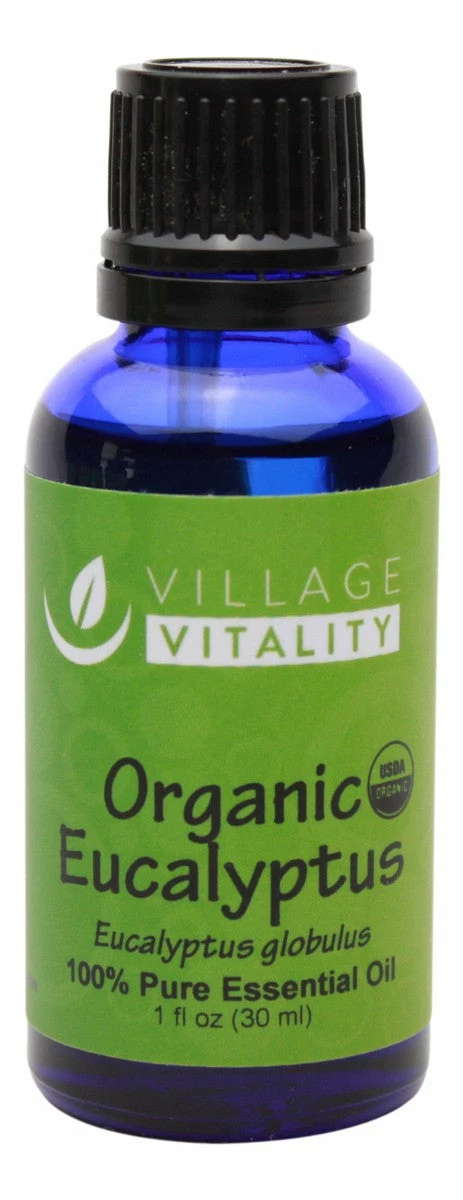
Let’s look at the essential oils that can be used to target specific pests. Just remember, if you utilize these aromatics strategically, the bugs will flee and you’ll smell fantastic!
- Geranium: mosquitoes and ticks (safe for pets)
- Cedarwood: mosquitoes and ticks (safe for pets)
- Peppermint: ticks, ants, spiders, and mice (not safe for pets)
- Citronella: mosquitoes and ticks (safe for pets)
- Eucalyptus: mosquitoes and ticks (not safe for pets)
- Lavender: mosquitoes, ticks, and fleas (safe for pets)
Other Natural Ingredients for Pest Control
Some other essential oils that are less potent and can be found in natural insect repellents include rosemary, basil, thyme, and 2-undecanone, which is an essential oil extracted from tomato plants.
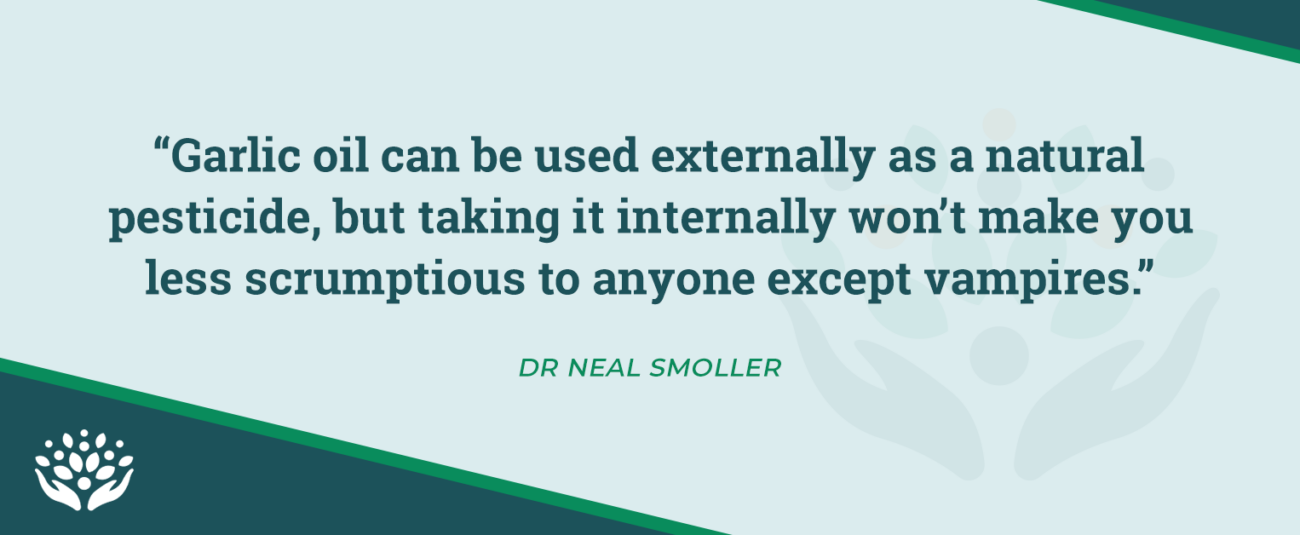
Garlic oil
Garlic oil possesses insecticidal properties, so a diluted solution can be applied directly onto plants to deter bugs.
Soybean oil
Although not classified as an essential oil, soybean oil is often incorporated in natural insect sprays as an ingredient in essential oil blends. Soybean oil does not directly repel insects, but it helps to extend the effectiveness of essential oils.
Creating Your Essential Oil Blends and Homemade Bug Repellent Spray
This spray is so easy to make, use, and become obsessed with, you’ll be wondering why you haven’t been doing this your whole life. Even with its simplicity though, there is a general guideline for ingredient proportions in homemade essential oil bug sprays.
The formula typically involves diluting 5-40 drops of essential oil in approximately 1-2 ounces of carrier oil, witch hazel, or water. The greater number of essential oil drops used, the more potent the resulting product.
For a more diluted experience, especially for skin application or use on kids or pets, fewer drops should be used.
Homemade Bug Repellent Essential Oil Spray
- 4 teaspoons of Britanna Rose Geranium Witch Hazel or similar diluting agent like almond, jojoba, or grapeseed oil
- 15-40 drops total of one or more essential oils
- Water
- 2 oz Spray Bottle
Application:
Combine ingredients in a 2 oz spray bottle. To ensure proper mixing, shake natural insect repellents vigorously for 10-20 seconds before use.
Reapply every 45-60 minutes for optimal protection.
Application Safety Tips:
- Wear long clothing when possible, and only apply to exposed skin or clothing
- Avoid saturating the area being sprayed
- Avoid applying to broken skin, mucosal membranes, or sensitive areas like the face
- Wash your hands after application to avoid ingesting the repellent
- When coming inside, wash your hands and covered areas, shower, change clothes, and wash treated clothes together.
If you need something even quicker and easier, try our Bug Shield essential oil blend — a formulation of common repellent essential oils, all ready to roll — or Bug Away by Platte Cove Essentials. The latter is made near our brick-and-mortar shop and is an effective solution for repelling various bloodsuckers, including mosquitoes, black flies, ticks, ants, and mayflies.
Holistic Remedies for Treating Itchiness from Poison Plants
It’s true that wildflowers, herbal plants, and greenery of all kinds can cause rashes and attract pests to your yard. But, because plants can be thoughtful like that, they also offer healing remedies for the bites, bumps, and rashes that the natural world gifts to us.
Jewelweed: A Natural Soother for Poison Ivy Rash
Jewelweed, which is often found near poison ivy, can soothe poison ivy rash. Pretty convenient, right? To make a healing paste, blend freshly-picked jewelweed stems and leaves in a food processor and apply to the affected area or use as a compress. For jewelweed ice cubes, boil the plant and strain the liquid into ice cube trays. Rub the cubes on the rash to reduce swelling and irritation.
(Psst – if that rash is spreading faster than your food processor can blend, use our Oak and Ivy Spray!)
Colloidal Oatmeal Baths for Relieving Widespread Poison Ivy Rash and Severe Itching
To relieve widespread poison ivy rash and severe itching, take a full body bath with 2-3 cups of colloidal oatmeal powder added to lukewarm water. Avoid hot water, which can irritate and dry the skin. Soak for 10-15 minutes, and repeat twice a day.
Note: colloidal oatmeal is different from regular oatmeal!
Allergy Support for Fighting Inflammation Internally

Your skin can absorb a lot, but when it comes to repeated exposure to pollen, poisonous plants, or irritating allergens, internal support is a critical component for combatting symptoms.
We might be a bit biased, but Allergy Support is our favorite option for springtime sniffles and icky-itchiness. This natural formulation provides comprehensive support for immune imbalances by combining bioflavonoids, micronutrients, proteolytic enzymes, and herbs.
DHQvital™, a highly absorbable ingredient from larch tree extract, inhibits oxidation and is bolstered by stinging nettles, quercetin, bromelain, and more. This herbal supplement is designed to tackle indoor and outdoor allergies with a non-drowsy formula and address an overactive or distressed histamine response often triggered by environmental factors.
Plus, the HPMC capsules ensure quick dissolution and maximum absorption, while added vitamin C provides professional-grade relief for nasal, sinus, and lung issues caused by allergies.
So how could we not love it? Allergy Support offers all-around, whole-body support for seasonal and environmental allergies.
Learn More: The Comprehensive Guide to Holistic Seasonal Allergy Treatment
Natural Pest Management FTW
If you need a helping hand to guide you through your bug-induced springtime blues, give us a shout! Schedule a free Counterside Consult with the esteemed Dr. Neal, a practicing pharmacist of 20 years and bug enemy #1.
Who doesn’t love spring? Maybe those with seasonal allergies that flair up with a vengeance as temperatures begin to rise…
While this season was meant for enjoying longer days and warmer weather, tons of folks are tormented by itchy eyes and runny noses. If that’s you, you probably have a stockpile of allergy medication – and their zombie-making side effects – ready to roll.
But does it have to be this way?!
We asked our founder Dr. Neal, a holistic pharmacist of 20 years and high-spirited health hacker, for simple solutions to help you breathe a sigh of relief without the groggy aftermath.
Keep reading to learn the root cause of your seasonal allergies so you can return to basking in all that spring has to offer.
In This Article:
- What are seasonal allergies? What causes them?
- The best way to combat seasonal allergy symptoms
- Proactive steps for seasonal allergy symptoms
- How Allergy Support does it best
What Are Allergies, and What Causes Them Anyway?
Seasonal allergy symptoms are, ultimately, your immune system reacting to a false alarm. This false alarm occurs when your body deems certain allergens, like pollen, as germs or foreign bodies. Allergens trigger common allergy symptoms, like when your nose gets to running and your throat turns dry.
When that happens, you can blame your buddy histamine.
Histamine: a compound found in the tissue of the human body and stored in mast cells.
Put frankly, histamine is a critical part of our immune system and inflammatory responses. When foreign invaders, a la allergens, interact with a mast cell, the mast cell breaks open – like a balloon filled with glitter, the histamine is released and spreads everywhere.
Generally, allergies are more common in children, but they can affect anyone no matter their age, gender, race, or socioeconomic status. They can also come back after being in remission for many years.
Allergens that trigger a histamine response are almost everywhere and they do pose health risks, especially for those with asthma or compromised immune systems. With that said, it’s crucial to take a proactive approach when dealing with seasonal allergies.
Learn More: The Comprehensive Guide to Holistic Seasonal Allergy Treatment
The Best Way to Combat Season Allergy Symptoms
Seasonal allergy symptoms can range from mild to severe, but even the slightest sniffles can be a source of suffering for many. The best way to combat seasonal allergies is to have a total, holistic solution for fighting back.

According to our whole-picture philosophy, established by Dr. Neal, there are two core ways to accomplish this.
1. Reduce Your Exposure to Allergens
Though it’s impossible to avoid all allergens all the time, there are plenty of ways to limit them.
To start, keep your windows and doors closed at night, and avoid outside activities in the early morning when pollen counts reach their highest. It can also help to get your hands on an air purifier or install a high-efficiency particulate (HEPA) air filter in your AC for easy breathing.
2. Be Proactive In Your Allergy Symptom Conquest
Allergens run rampant from spring to fall, which means taking control of your immune system should be both a proactive and a consistent effort.
Ideally, you’ll start taking your allergy support and immune-strengthening supplements before the chaos of allergy season arrives. Boosting your immune system can decrease the chances of histamine release and lessen allergy symptoms in turn.
Many over-the-counter seasonal allergy medications do an okay job of lessening symptoms. However, most of these OTCs are only antihistamines, so they only attack part of the problem. It’s true – dealing with dry eyes and a runny nose could be worse without over-the-counter medicine. But, it could definitely be better, too.
If only there were some kind of supplement that could act as an antihistamine, relieve congestion, and strengthen multiple body systems… Oh wait, there is! Allergy Support.
Allergy Support for Seasonal Allergies


This supplement is our OG, go-to option for sneeze season. This natural, non-drowsy formulation can be used to both prevent allergy symptoms and boost your immune system at the same time.
Essentially, Allergy Support acts as a protector and healer, rather than a band-aid.
But you don’t have to just take our word for it. This all-around solution to combating, reducing, and relieving allergy symptoms consists of active ingredients that speak for themselves.
- Quercetin is a flavonoid that has antioxidant and anti-inflammatory properties and can help stabilize mast cells, which release histamine in response to allergens, thus reducing the allergic response.
- Stinging nettle is a medicinal herb that has anti-inflammatory properties and can reduce the severity of allergy symptoms such as sneezing and nasal congestion.
- Bromelain is an enzyme found in pineapple that has anti-inflammatory properties and can reduce swelling and inflammation in the nasal passages.
- Rutin is a flavonoid that has antioxidant and anti-inflammatory properties and can act as a mild antihistamine.
- Dihydroquercetin is a bioactive flavonoid that is highly absorbable and has antioxidant and anti-inflammatory properties.
Allergy Support Does It Better – Here’s How
Formulation
Unlike traditional antihistamines, Allergy Support contains a comprehensive range of ingredients designed to bolster and invigorate your immune system. This translates to more significant healing and relief long-term, as the powerful herbs and meticulously chosen compounds affect the root cause of allergies.


The active ingredient quercetin, for example, helps stabilize mast cells and reduces the chance of histamine release. Remember that balloon-filled-with-glitter analogy? Instead of cleaning up the aftermath, Allergy Support helps to prevent the balloon from popping in the first place.
These ingredients work synergistically to provide multifaceted support for individuals with immune imbalances by reducing inflammation, balancing mast cells, and acting as mild antihistamines. The result: a stronger natural defense system for your body.
Effectiveness
There’s a reason why Allergy Support so quickly became a fan-favorite for seasonal allergies – and it’s not just because it’s free from common allergens like gluten, soy, and dairy, though that does help.
Each and every one of our proprietary, pharmacist-developed formulations are specifically manufactured for easy absorption and Allergy Support is no exception.

By optimizing compounds and their respective doses with 100% transparency, Dr. Neal crafts supplements that say what they do and do what they say. Allergy Support, in particular, is the optimal choice for women and men looking to improve their indoor and outdoor allergy responses while supporting overall wellness at the same time.
Nip Seasonal Allergies in the Bud
Moral of the story: don’t just reduce allergy symptoms, prevent them!
Once equipped with a strategic, holistic supplement plan for allergy season, you’ll breathe better and sleep deeper knowing you’re naturally boosting your defense system and getting rid of those pesky symptoms at once.
A closing disclaimer: Supplements can be super helpful in managing allergy symptoms, but they don’t have to be your only method of treatment.
If you’re suffering from sniffles and need your zest for life back – let’s talk! Schedule a free Counterside Consult for direct guidance on navigating the turbulent tides of allergy season.
After another seemingly endless winter, spring has arrived in all its glory! But with the long, luminous days, comes the onslaught of high winds, pollen clouds, and dust mites galore.
Hello, seasonal allergies, welcome back.
While some are gearing up for the myriad of adventures the new season brings, others are stocking up on Benadryl and battening down the hatches.
If you’re in the latter camp, don’t shutter your windows just yet. Effective, holistic seasonal allergy treatment — without the groggy-eyed, zombified state OTC options are known for — is possible with just a little bit of strategy and supplement support.
In This Article:
- What are seasonal allergies?
- What is holistic seasonal allergy treatment?
- 3 major components of true holistic seasonal allergy treatment
- Our favorite supplements for seasonal allergies
- Treating seasonal allergy symptoms
What Are Seasonal Allergies?
Seasonal allergies are basically the Earth’s way of reminding us that spring isn’t all sunshine and rainbows. Also known as allergic rhinitis or hay fever, symptoms of seasonal allergies vary:
- Sneezing
- Coughing
- Itchy eyes
- Sore throat
- Runny nose
The culprits? Pollen, mold, and other irritating pollutants just under our noses. The symptoms we experience are, in a nutshell, responses caused by our immune system’s overreaction to these common allergens.
These allergies are, rightfully, the bane of many people’s existences — over 60 million in the U.S. alone, to be precise. Sufferers typically experience an uptick in symptoms during the seasons when trees and plants are pollinating. That is, spring, summer, and fall which are arguably the best times of the year.
Seasonal allergy sufferers aren’t doomed to navigate these seasons between sneezes and sniffles though. With a little bit of holistic knowledge and a well-stocked supplement cabinet, you’ll be out smelling the roses in no time.
What is Holistic Seasonal Allergy Treatment?
To start, holistic treatment for seasonal allergies is not anti-medicine, despite what you may have heard.
The word holistic has weird connotations in our day and age. Most associate the term with homeopathy, Goop, or snake oil salesmen but at its root, it basically means whole-picture thinking.
Our approach to seasonal allergy supplements is considered holistic because it takes into account the whole picture of your life. These guidelines, set in place by Woodstock Vitamins founder and pharmacist of 20 years, Dr. Neal Smoller, address not only your immune system but also environmental toxins and symptom management too.
If you suffer from seasonal allergies, then you already know that they can make even the most mundane tasks seem like a Herculean effort. So, we asked Dr. Neal to break down his holistic allergy treatment strategy into the simplest and most effective path possible — scroll on to get the scoop.
3 Major Components of True Holistic Allergy Treatment
1. Environmental controls (bedroom and houses)
The truth is, you probably won’t get allergies if you never step foot outside. But that’s not very practical for most humans, is it?
Instead, it’s important to start with the environment you can control — your home.
Your home, lovely as it is, traps a shocking amount of dust, dander, and debris in its nooks and crannies. Combat exposure to environmental irritants by making a few simple lifestyle changes like: adding hypoallergenic covers to your pillows and mattresses, improving household ventilation and air circulation, and going full spring-cleaning mode on your carpets and furniture.
For nighttime allergy sufferers, if you’re interested in actually sleeping well again you should implement that first step as soon as possible.
2. Blocking Histamine
Histamine, if you’re unfamiliar, is an organic compound and a crucial component of both our immune systems and inflammatory responses.
When exposed to pollen and other allergens, however, histamine can go a little haywire. It overreacts for some people, causing a flush of histamine throughout the body, and needs to be mitigated for most allergy sufferers.
To block histamine, most people have two options:
- Grab an over-the-counter antihistamine like Benadryl that can induce drowsiness and yucky feelings.
- Opt for a popular herbal option, like stinging nettle, and run the risk of getting contaminated plant matter due to the lack of quality regulations for the supplement industry. Or the wrong dose. Or a capsule with nothing in it.
Which is not to dissuade you from natural options, actually. Nettles, and the other plant pigment it’s often paired with, quercetin, can be highly effective options for histamine-blocking, but only if the manufacturer meets rigorous quality standards.
3. Timing and Consistency
If you’re reading this before your seasonal allergies have made you feel really miserable — jumpstart your holistic treatment strategy right now. Like, right this minute.
Starting your immune support and histamine-blocking supplements before the apex of pollination can be a make-or-break factor in your holistic seasonal allergy treatment.
For serious sufferers in particular, the timing component is crucial. For sufferers of every scale, however, consistency is key to finally getting relief from your seasonal allergy symptoms. Set a schedule for your supplement support strategy, and stick to it like your quality of life depends on it.
After all, it does.
Listen: Supplement Strategy | Wellness Upside Down Podcast Ep. 4
Our Favorite Supplements for Seasonal Allergies
When it comes to supplements, we at Woodstock Vitamins will always start with the Vital 5. Why?
The Vital 5 were designed by Dr. Neal after two decades of people constantly asking him, “What supplement should I take?” These 5 essential supplements impact multiple body systems, are backed by the best science, and almost all of us are lacking in them.
When it comes to seasonal allergies, the probiotics and Vitamin D included in the Vital 5 support the immune system, giving it the fuel it needs to stay balanced during allergy season. Start there!
Woodstock Vitamins Allergy Support Capsules
For additional allergy support during high-pollen seasons, we made an immune-boosting, non-drowsy, comprehensive formula that ticks all the boxes.
Meet Allergy Support.
Why we love it:
- Capsules for maximum absorption and quick dissolving
- Sophisticated blend of allergy-support herbs
- Optimal doses of nettles and quercetin
- Meticulously processed for pristine purity
Neal selected this formula specifically because it’s a comprehensive option to address the root cause of allergies — not just a symptom band-aid.
Learn More: Allergy Support: The Ultimate Solution for Seasonal Allergies
Treating Seasonal Allergy Symptoms Holistically
Prevention is pivotal when it comes to seasonal allergies, but let’s face it, nobody’s perfect. When the wheezing and sneezing strikes, symptom management is your next best bet for relief.
One of our favorite, albeit unsightly, options for clearing out those canals is a Neti pot. Used once a day throughout allergy seasons, Neti pots can be a highly effective, healthy option for symptom relief.
Finish your Neti pot routine with a post-flush yoga flow to drain the deep reaches of your sinuses. Pair this practice with the heavy hitters below if you’re fed up with being stuffed up.
We’ve spent nearly 15 years identifying the best products to support allergy symptoms, and we’ve simplified it to three options (one for each symptom):
1. Sinus Blaster

When it comes to a stuffed up nose, there’s nothing more natural than sniffing some garlic, cayenne, or horseradish!
Sinus Blaster is our top-selling nasal congestion support supplement. When taken by mouth (please don’t put it up your nose!), it works aromatically to tickle those nasal passages and keep them clear.
Why we love Sinus Blaster:
- Targeted blend of natural aromatics — food and herb — for deep decongestion
- Supports and strengthens the immune system
- Derived almost entirely from whole-plant sources
- Tested for contamination, heavy metals, pesticides, and other harmful chemicals
- The hair-of-the-dog flavor will make you want to recover faster so you can stop taking it!
Learn More: Breathe Easy with Sinus Blaster: Herbal Sinus Relief Solution
2. Bronchial Syrup
A cough is almost guaranteed for allergy sufferers. There are what seems like a million cough support options available, from OTC pharmacy items to every “natural” option under the sun.
We’ve selected this unique formula that throws everything (and the kitchen sink) at the problem. We call it Bronchial Syrup.
Unlike other formulas, this one’s made to kick butt. Proper doses, well-crafted herbs, in a sophisticated formula.
Why we love Bronchial Syrup:
- Refined blend of cooling and moisturizing herbs for lung and throat relief
- Properly extracted herbs that are free of creepy solvents like hexane and acetone
- 100% label transparency — what you see is what you get!
- Proper doses of powerhouse herbs: slippery elm, wild cherry bark, and more!
3. Xlear
A non-Woodstock Vitamins product rounds out our top picks. Xlear Sinus Care Spray.
This looks like a conventional saline nasal spray at first pass, but it has a secret weapon: xylitol from birch bark.
The xylitol AND saline help moisturize and clear the nose. The xylitol naturally prevents mucous and other gross stuff from sticking to surfaces — including your nasal passages.


Why we love Xlear Nasal Spray:
- Contains xylitol to prevent mucous from sticking to surfaces
- Xylitol is a sweet-tasting compound, which is what gives Xlear its relatively pleasant post-nasal drip
- Addition of ultra-soothing aloe vera gives more immediate relief for congestion
- Capsicum, a natural antihistamine, clears sinuses and nasal passages
- Alleviates headaches caused by sinus pressure and congestion
Spring Has Sprung But Seasonal Allergies Don’t Have To Ruin Your Fun
What’s our Holistic Care Plan for managing allergies? Simple:
- Minimize exposure to allergens, and do the work in the house to keep dust, dander, and pollen to a minimum
- Start using allergy support products now (assuming you’re reading this during allergy season!). Get a head start on cleaning up the histamine and stay consistent for best results. We recommend Allergy Support for all the science AND success.
- Stock up on some symptom-busting supplements. Sinus Blaster, Bronchial Syrup, and Xlear are our top recommendations.
Take control of your health, kick the cough to the curb, and enjoy all this season has to offer with strategic, holistic allergy treatments. And if you need someone in your corner to help fight back against the snivels — hop on a Counterside Consult for expert, one-on-one guidance for allergy relief.