






So. You had one too many hot dogs at the end-of-summer barbecue and now your tummy hurts.
While we do hope you’re not currently stuck on your aunt’s toilet as you’re reading this, we hope most of all that you know you’re not alone.
In fact, nearly 70 million people in America struggle with digestive issues — that’s roughly 20% of the population — so you’re in good company!
And with over-processed foods lining the grocery aisles and the stress of the daily grind turning our stomachs into knots, is it any wonder good gut health is hard to come by these days?
That’s why Dr. Neal — holistic practitioner of 20+ years and well-known wellness loudmouth — has emphasized the importance of the gastrointestinal tract in his health frameworks.
Central to this quest for a happy gut are the microbial powerhouses we call probiotics. These supplements have gained popularity in recent years for their role in maintaining digestive balance, but how much do we really know about probiotics outside of TikTok?
Read on, fellow tummy ache survivor, to uncover the truth about probiotics for GI health — and how they’re really helpful for so much more than that.
In This Article
- How a probiotic supplement can support holistic health
- Probiotics for general gut health and inflammatory diseases
- Probiotic supplements for immune support
- How a probiotic supplement can influence the gut-brain connection
- Probiotics for urinary tract health
How Do Probiotics Support Holistic Health?
If you didn’t know it already, your insides are crawling with live bacteria (and yeasts) that live cozy little lives in your organs.
But before you get the heebie-jeebies — not all bacteria are bad.
In fact, the bacteria in your gut work overtime for your overall health, helping you digest foods, synthesize vitamins, get the nutrients you need, and keep “bad” bacteria in check. When you have the right balance of good and bad gut bacteria floating around, that’s the elusive “optimal gut health” state you’ve heard about in movies.
Learn More: The Four Pillars of Great Gut Health | Dr. Neal Smoller
You can think of probiotics, then, as the “good” bacteria your stomach needs to stay healthy.
While we always recommend a food-first approach to getting the nutrients (and bacteria) your body requires, it’s not so straightforward when it comes to probiotics. Most of us are getting very little beneficial, bioavailable probiotics from our diets.
(Sorry kombucha lovers, but it’s true.)
That’s why Dr. Neal made probiotics part of his Vital5 — the quintessential quintet of nutrients we need to thrive but don’t quite get enough of in the modern age.
Learn More: 5 Crucial Nutrients (Almost) All of Us Are Lacking

A probiotic supplement can help you get good germs in your gullet, but they really shine when implemented alongside gut-friendly wellness practices and eating habits.
What Makes a Probiotic Supplement a Holistic Option?
The word holistic is a bit like the word bacteria — we contemporary, science-fearing humans have a lot of strange ideas about what it means. We often mix up holistic with terms like homeopathic, and it paints a pretty confusing picture.
A holistic approach to health is, simply, one that looks at the whole body or the whole being for root causes and long-term healing. We don’t just slap temporary band-aids on chronic symptoms around these parts — we dig deep.
Probiotics are considered holistic because, while they’re (rightfully) touted for their gut health benefits, they actually affect multiple bodily systems and our overall quality of life.
Don’t believe us? Keep reading.
Probiotics for General Gut Health
“Some people see a clear need for probiotics because their guts are a hot mess.”
Dr. Neal Smoller
Before we dive into the specifics of how probiotics can benefit everything from the immune system to inflammatory diseases, let’s get one thing straight.
Even if you don’t have obvious symptoms of a gut issue, you probably still need probiotic support.
Why?
Because, as Dr. Neal so subtly phrases it, our guts are constantly under attack. An endless stream of stressors, toxins, and medications pairs with rapidly declining food quality and inconsistent nutrient intake to create a perfect, gut-degrading storm.
As a result, our bodies fight a never-ending battle, striving to maintain homeostasis in an environment that’s directly antithetical to health and well-being.
Issues like widespread gut dysfunction and malnutrition are so pervasive that they’re almost impossible to see. Warning signs of bad gut health tend to be normalized and laughed off, and a lot of people don’t deal with their tummy troubles until it’s seriously impacting their lives.
So, to boil it all down, take a probiotic if you:
- Have occasional stomach issues
- Have a chronic stomach condition
- Want to optimize your gut health
- Live in the modern world
And skip probiotics if you:
- Have perfect gut health, flawless eating habits, and zero exposure to stress or disruptive environmental factors
Learn More: 3 Tips for Buying the Right Probiotic Supplement
Taking a Probiotic Supplement for Your Immune System
Plus, as we’ve alluded, the benefits of probiotics go far beyond the tummy
Nothing in the body exists or functions independently, so it should come as no surprise that, actually, 70-80% of your immune system is located in your gut. Functionally, that means that the cells responsible for helping your body fight sickness and balance inflammation — the core roles of the immune system — are doing their job from within your GI tract.
So while you might say, “I take probiotics for gut health,” there is no real separation between gut health and immune health.
Taking probiotics can support both the GI and the immune system’s adaptive functions by creating a viable home for those immune cells in the gut microbiome. It’s a two-for-one, folks — what’s not love?
Probiotics for Support with Inflammatory Diseases
Ever wonder why so many gut-based issues are discovered to be symptoms of inflammatory or autoimmune diseases? Well, that inextricable link between our immune systems and our gut microbiomes has its downsides, too.
The microscopic life inside your gut can impact both your immune system’s ability to function and to discriminate between the self and foreign invaders. Understanding this context is the first step to understanding how poor gut health can play a role in autoimmunity and inflammatory disease development.
But it’s not all doom and gloom! As we now know, we can target the immune system and gut microbiome in one fell swoop with a comprehensive blend of probiotic strains.
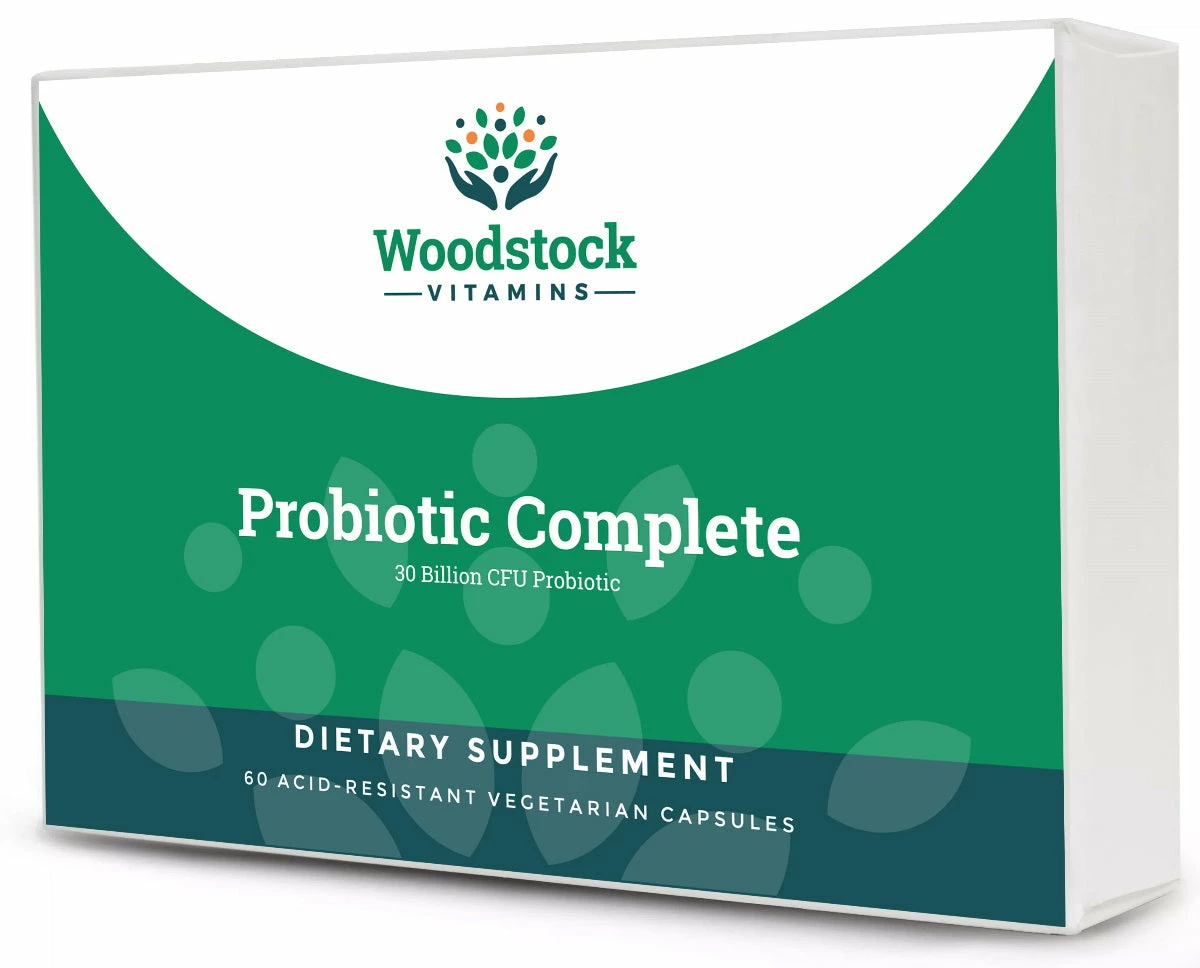

Some of the most common symptoms of inflammatory gut diseases that probiotics can help combat are:
- Constipation
- Diarrhea
- Antibiotic-induced diarrhea
Learn More: Probiotics Unmasked: Dispelling 4 Common Misconceptions About Probiotics
How a Probiotic Supplement Influences the Gut-Brain Connection
Yep, it’s true! Your gut health can even influence your nervous system, and subsequently, your mental health.
Serotonin, the neurotransmitter that’s been nicknamed the “happy chemical”, has been at the forefront of conversations on mental illness for a hot minute now. But how many of us knew that serotonin is produced in the gut before we heard it from Dr. Neal?
That major gap in public health education gets elucidated every time we discuss mental health and the gut-brain connection.
Scads of recent research links poor gut health, or gut dysbiosis, to anxiety and depression and the field of study continues to grow.
Turns out, instead of probiotics being a two-for-one, they’re really a five-or-six-for-one type of data-backed supplement.
Probiotics for Urinary Support
Scratch that.
Probiotics can also help support proper urinary functioning and health, so we’re getting pretty close to just calling these microbial strains a panacea.
When the good bacteria encapsulated in your probiotic supplement is introduced to to your gut microbiome, it roves about your intestines leaving a trail of positive effects in its wake. When properly formulated, these beneficial strains can survive long enough to reach your urinary tract system and improve the microbiome there, too.
Translation? UTIs have met their match.
Being Proactive with Probiotics
TL;DR — Probiotics are totally worth the gut-health hype they get, but don’t pigeonhole them! The benefits of a comprehensive probiotic show up in the whole body, not just the stomach.
By the same token, if you’re currently struggling with tummy troubles, a probiotic supplement that contains highly studied strains might be what gets you back to the family barbeque. Chat with an expert first to avoid wasting time and money — our Counterside Consults are always open and always free.
We modern humans spend our days wading through a sea of advertisements.
With glowing signs and quippy catchphrases littering nearly every corner of available public space, sifting through the clutter to find what actually works is no small feat.
Is it any wonder, then, that brand loyalty has become the leading currency, outweighing even the most tried and true marketing tactics?
We’re guilty of it, too. Here at Woodstock Vitamins, Dr. Neal holds our supplements to meticulous standards, so a lot of hyped-up viral vitamins don’t make it onto our (virtual) shelves.
The ones that do, however, are a cut above industry standards.
In the spotlight today is one of our all-time favorite supplement brands. This company meets all our quality markers for purity, transparency, and product testing, which is pretty freaking rare.
Read on, fellow supplement enthusiast, to be introduced to Ortho Molecular Products, the supplement manufacturer that’s elevating the wellness world through their commitment to evidence-based formulas that truly make a difference.
In This Article:
Meet Ortho Molecular Products
For over 30 years, Ortho Molecular Products (OMP) has been developing some of the highest-quality supplement formulas on the market.
This simple fact already sets OMP apart from the crowd, as a vast majority of supplement companies are actually just well-branded, sales-focused facades that outsource their product development and testing.
(It really is the Wild West out here in the wellness industry, people.)
The OMP team manages to stay on the vanguard of holistic, long-term health by forging exclusive partnerships with healthcare professionals and providers. That means they have a direct line to the doctors and practitioners who are working with real patients in real life while developing their nutritional formulas.
Chances are, if you’ve already heard of Ortho Molecular Products, it was from one of the 45,000+ practitioners who share or sell their supplements.
But their approach isn’t singularly focused, it’s multi-faceted. Instead of throwing out the baby with the bathwater, OMP also integrates the data from thousands of years of historical, traditional use of ingredients, too.
The folks over at Ortho Molecular Products choose their raw ingredient selection carefully and painstakingly, but we think the coolest part of their philosophy is that their formulas are propelled by the latest research into ever-greater iterations.
That, and the fact they’re ultra-transparent. While some supplement companies sneak in filler ingredients and flavorings, OMP has nothing to hide.
Why We Love Ortho Molecular Products
Getting the seal of approval from Dr. Neal, supplement savant and notorious wellness wisecracker, is no walk in the park.
Dr. Neal is the guy who singlehandedly developed the Supplement Quality Standard to address the lack of wellness industry regulations — so he isn’t easily impressed. And yet, over 20+ years of clinical practice, he’s recommended Ortho Molecular Products to countless patients from all walks of life.
There are three key facets of the OMP approach that put their products head and shoulders above the Amazon best-sellers:
- High-level transparency
- Commitment to science
- Rigorous product and facility testing
1. Transparency
Over the last several decades, OMP has earned a reputation as a trusted provider of dietary supplements among healthcare professionals and well-educated wellness seekers.
They’ve done so through a dedication to radical transparency about their ingredients, formulas, and facilities.
Because Ortho Molecular Products develops and creates their supplements instead of drop-shipping third-party products, every part of the manufacturing process is under constant scrutiny. This level of quality control is almost unheard of and allows OMP to provide an abundance of information to the consumer.
From their product labels — which all include clear, reliable information on the ingredients, forms, and doses — to laboratory testing results, OMP brings unparalleled transparency to the sales process.
You know, so you can actually trust and understand what you’re putting into your body.
2. Commitment to Science
Alongside the label and testing transparency is an equally radical commitment to science and consumer education. While most companies obscure information with vague, influencer-speak buzzwords like “natural” and “superfood”, OMP gets right to the heart of it.
Take their SBI Protect Powder, for example. This widely-renowned immunoglobulin (IgG) formula is one of our favorite products to recommend for immune health and gut repair.
When you buy it, you don’t just get a purified, dairy-free source of IgGs to improve your gastrointestinal tract. You also get a multi-page PDF that encapsulates the latest research to prove the efficacy of IgGs for GI and immune support — with cited sources.

If you’re the type of person who’s serious about only putting high-quality stuff in your body, that last sentence probably made your jaw drop just like ours did.
Learn More: Gut Health: Dr. Neal’s Secret Weapon – SBI Protect
3. Rigorous Testing
Remember that farm-to-table type of manufacturing process we mentioned, over which OMP has complete oversight?
It’s a huge quality differentiator for a reason. By maintaining total control of their products from initial formulation to final laboratory analysis, Ortho Molecular Products is one of the few brands that can truly guarantee quality for its customers through rigorous testing.
And OMP tests everything.
The efficacy of their formulas? Tested. The clinically-backed nutrient forms that reach their warehouse as raw ingredients from carefully chosen sources? Tested. The laboratory setting in which their formulas are developed for safe consumer use? Tested, third-party tested, GMP-certified, and FDA-audited.
C-OMP-rehensive Wellness with Ortho Molecular Products
Sharing a beloved brand is the 21st-century equivalent of baring your soul to another; we don’t take it lightly.
But when it comes to Ortho Molecular Products, we’re not afraid to say we love them, trust them, and are proud to carry their cutting-edge supplements here at Woodstock Vitamins.
Wanna chat more about the best supplement brands with a certified expert? Hop on a free Counterside Consult any time, any place. (How’s that for a final ad to wrap up this anti-ad, unsponsored ad blog?)
Did you know that fish-based omega-3 supplements can help you see underwater? Or that their heart-healthy benefits are enough to prevent cardiac arrest with no other lifestyle changes?
Or how about this one: Too much of an omega-3 supplement can make you develop scales and gills like the aquatic creatures from which it’s sourced.
None of that is true, obviously. But isn’t it alarmingly easy to publish misinformation on the web without a second thought?
In the murky waters of the online wellness world, flashy sales tactics and red herrings reign supreme. Supplement enthusiasts are lured in with promises of total transformation for just $29.99, and there’s nary a life vest or buoy in sight.
It’s enough to make even the most health-forward person surrender to the tide!
Thankfully, we have holistic health expert and supplement strategist Dr. Neal to help us fish or cut bait when it comes to omega-3 supplements. (You know, the wellness shark who’s known for rocking the boat and pulling the mask off malevolent marketing schemes.)
So, drop your anchor and read on, sailor! You’ll come out of these waters with 5 newly debunked myths about omega-3 supplements.
In This Article:
- 5 common omega-3 myths debunked
- The optimal daily dose of omega-3
- How to find the best omega-3 supplements available
Myth 1: Omega-3 Supplements Don’t Work
This first myth is a doozy to debunk.
You’re most likely to hear, “Omega-3 supplements don’t work,” from a conventional doctor, but it’s not their fault. Supplements aren’t nearly as regulated as the pharmaceutical industry, and as a result, a lot of baloney science and crappy products reach the mainstream.
Healthcare professionals, then, are at the forefront of the battle against wellness misinformation. And subsequently, the baby gets thrown out with the bathwater.
Fret not. Regardless of what you’ve heard or who you’ve heard it from, omega-3 supplements and their benefits are backed by some of the best modern research available:
- Higher cognitive performance
- Boosted neurocognitive functioning
- Positive effects on the gut microbiota
- Better emotional processing in ADHD patients
- Improved symptoms of inflammatory skin disorders (acne, psoriasis, etc.)
- Positive changes in symptoms of autoimmune diseases
- Lowered risk of cardiovascular disease
Learn More: Omega-3 Supplements: Are They Worth the Hype?
Myth 2: You Can Get All The Omega-3 You Need From Your Diet
If you’ve been hanging around the Woodstock wellness world for a little while, you’ll know that we’re diet-first, supplements-second kind of folks.
Why?
After 20+ years of clinical experience, holistic pharmacist Dr. Neal developed the Wellness Pyramid as a blueprint for optimal health. The bottom tier of this pyramid — AKA, the crucial foundation upon which you can actually build optimal health — is made up of the 5 lifestyle domains.
Diet, sleep, exercise, stress management, and lifestyle changes.

So you should always start your wellness journey there, in the mundanity of the lifestyle domains, optimizing your sleep, eats, and so on. But there’s a reason the second tier — strategic supplementation — exists.
Omega-3 is a vital nutrient that affects multiple bodily systems, but getting enough of it from your diet is dang near impossible.
Even the healthiest, most fish-forward eating habits won’t yield enough of the anti-inflammatory omega-3 to both counteract our intake of pro-inflammatory compounds and give us those benefits so highly touted by science.
Does that mean you should give up on eating foods rich in omega-3 entirely? Absolutely not! Your body needs a diverse range of nutrient sources to thrive.
Does it mean that you should start taking an omega-3 supplement to complement your dietary intake and ensure you hit the recommended daily dose? Yes. Yes, it does.
Myth 3: You Should Take 1,000mg of Omega-3 Daily
Here’s a two-for-one debunking extravaganza for you: Low-dose omega-3 supplements are not effective, and 1,000mg of omega-3 has not been shown to offer benefits in clinical trials.
As much as we hate to say that any supplement is total bunk or a waste of money, we will when we need to, and right now, we need to.
Low-dose omega-3 supplements, while cheaper upfront cost more in the long run when you realize how much you need to take every day.
The doses of omega-3 compounds ALA, EPA, and DHA that have been shown to have the incredible heart, brain, skin, and inflammation benefits you’re looking for are closer to 3,000mg per day.
Dr. Neal’s recommendation? Try to hit at least 2,000mg of omega-3 compounds APA, ELA, and DHA daily. Otherwise, you’ll be left with a false sense of accomplishment and your cold hard cash lining the pockets of a supplement snake oil salesman.
Sure, you can still take your 300mg omega-3 supplement if you want, just know you’ll be taking a lot of those capsules to reach the recommended daily intake that will actually make a difference.
Learn More: Omega-3 Supplement Buying Guide: 3 Things to Look For
Myth 4: 1,000mg on the Label Means You Get 1,000mg Per Dose
If you fell for this myth, don’t beat yourself up. You just made the simple mistake of thinking you could believe the well-branded claims on a supplement label without further research.
We’ve all been there!
Supplement labels, unfortunately, are neither fish nor fowl. Even though the bottle says there’s 1,000mg of omega-3 per dose, that doesn’t mean you’re actually getting 1,000mg of pure omega-3.


Unethical supplement manufacturers have an ocean’s worth of sneaky tricks and almost-illegal tactics for making their products seem almost magical. That’s why our whole deal here at Woodstock Vitamins is being ultra-transparent to turn the tides.
So, when choosing an omega-3 supplement, look for the ones that clearly delineate how much of what kind of omega-3 compounds are included.
1,000mg of omega-3 ALA, for example, isn’t worth the price tag.
On the other hand, a comprehensive formula that amounts to roughly 1,000mg of ALA, EPA, and DHA combined is pretty perfect.
(Just don’t forget to look for fishy additives and unnecessary filler ingredients before buying a new omega-3 supplement, too.)
Myth 5: Flaxseed is a Good Source of Omega-3
This one is going to hurt for our vegan friends…
Flaxseed has gained popularity recently for being a so-called great source of beneficial omega-3s, but here’s the deal: it’s not.
It is, however, a great source of fiber! Flaxseed can also support joint and cardiovascular health, so the humble seed is not without its merit. It’s just doesn’t really make a great omega-3 supplement.
You see, flaxseed, like the cheap omega-3 supplements used as an example above, only contains the omega-3 compound ALA. It’s got none of the really good stuff — EPA and DHA — that can offer the myriad of benefits studied in recent years.
Flaxseed oil, unlike fish oils, also contains phytoestrogens, a naturally occurring estrogen in the form of plant compounds called lignans.
Lignans act like and function as estrogen in the body, which is great in some cases and not so great in others. Considering that quite a few people are struggling with estrogen dominance — whether they’re aware of it yet or not — it seems wise to eat phytoestrogens in moderation and monitor your intake.
And, of course, get a different omega-3 supplement. Our favorite option for plant-based friends is this bioenergetic formula by Whole Earth & Sea: Marine DHA.
Learn More: Debunking 5 MORE Omega-3 Supplement Myths
Omega-3 Supplementation Done Right
TL;DR: If you want to reel in the benefits of omega-3s — skip the flaxseed supplements, scrutinize your vitamin labels, focus on the science-backed doses, and ignore the skeptics.
Not too bad, right? It’s just like shooting fish in a barrel!
But, if you want direct, personalized guidance from an omega-3 expert, sail on over to our Counterside Consults. Always free, and always pun-free.
There are a lot of preconceived notions about us Americans out there — we love baseball, hot dogs, and the 4th of July. We’re individualistic workaholics with a penchant for fast food and controlling our own destinies.
And, of course, we’re protein-crazed carnivores, gobbling up excessive amounts of red meat like it’s going out of style.
Look a little closer at that last stereotype and you’ll realize that…it’s not really true. Most Americans are barely hitting the threshold of daily protein requirements and older generations in the U.S. aren’t even doing that.
Time to step up your game, grandma!
Why? Well, if you want your brain and bod to function properly, then getting enough protein — from your food and/or supplements — is crucial. Hence why holistic health hero and wellness wisecracker, Dr. Neal, included it in his highly acclaimed First5.
But don’t just buy the biggest jug of protein powder with the biggest bodybuilder on it!
Unless you, unlike most Americans, are cool with wasting time and money. Read on to learn 5 questions to ask before buying a protein supplement to avoid being swindled by slick sales tactics and meddlesome misinformation.
In This Article:
- What kind of protein powder is right for you
- What form of protein supplement is best
- How much protein you need per day
- How many servings of a protein supplement to take
- Protein yield formula to avoid getting ripped off
1. What Kind of Protein Supplement is Best for Me?
First step: Figure out what it is that you need from a protein supplement. That will determine which of these two paths you’ll take.
Protein Supplements
Protein supplements in the form of powders, bars, and even cookies deliver a concentrated dose of protein compounds and amino acids. They’re designed to provide an extra boost of protein to support things like muscle growth and repair and cognitive functioning.
Meal Replacement Shakes
Yes, there is a difference!
Meal replacement shakes offer a complete meal in a convenient, drinkable form. Packed with additional food compounds (and often vitamins, too) these shakes are a quick and convenient option for when you’re in a hurry or looking to cut calories.
Which is best?
Both protein supplements and meal replacement shakes have their roles to play, depending on your needs and goals.
In an ideal world, you’d get the bulk of your nutrients in the most beneficial and bioavailable form — directly from food sources. But we don’t really live in an ideal world, do we? The best option ultimately depends on personal preferences, dietary restrictions, and fitness goals, then.
Are you just looking to fill in some gaps? A protein supplement is the way to go. If you need protein and calories in the quickest, easiest medium, then you may want a meal replacement shake.
2. Which Form of Protein Do I Need?
And then there’s the age-old dichotomy: Plant versus animal protein sources.
On the veggie side, we have:
- Rice
- Bean
- Pea
- Hemp
On the meat side, we have:
Which is best?
Sorry Ron Swanson, but the answer is decidedly not black-and-white! The truth is, there’s no real winner here. Or they’re both winners, depending on how you look at it.
Both animal and plant-based protein supplements have their benefits and their drawbacks. Each can provide scoops of beneficial, digestible protein compounds (when sourced from a reputable manufacturer) and… Both are highly processed and come with a laundry list of potential contaminants.
So really, it’s up to you and your personal preferences. Whichever team you bat for, just make sure you’re getting a minimally processed, high-quality version of your preferred protein.
Our Recommendations:
- Top Choice Overall: Collagen Peptides
- Best Plant-Based Option: Complete Plant Protein
- For Whey Lovers: Vital Whey
Learn More: How Protein Supplements Are Processed (Within an Inch of Their Lives)
3. How Much Protein Do I Need Per Day?
There’s a lot of conflicting information out there about how much protein you need per day. Despite what you may have read, though, there’s no one-size-fits-all number for daily protein intake.
In fact, protein requirements are highly individualized.
After 20 years of clinical practice, working with folks from all walks of life, Dr. Neal created this simple formula for determining your personalized daily dose of protein:
- Your Weight in Pounds / 2.2 = Your Weight in Kilograms
Boom! That’s it.
Your weight in kilograms is the magic number of protein grams you should be aiming for each day.
But before you start scooping, don’t forget to factor in how much you’re already getting from your diet — there is a small chance you get enough protein from foods and don’t actually need a protein supplement.
4. How Many Servings of This Protein Supplement Do I Need?
Don’t put away your calculators just yet! We’ve got a little more mathing to do.
Before you hit “Add to Cart”, you should know the protein yield of the supplement you’re choosing. Protein yield, in case you missed this handy blog on the subject, refers to the actual amount of protein you’re getting per serving.
(And knowing how many servings you need to take to hit your protein target will keep you from wasting money on cheap supplements that cost more in the long run. Handy, right?)
As Dr. Neal always says, the lower the yield number, the more fluff you’ll be getting in each scoop.
- Protein Yield = Amount of Protein in a Serving / Size of a Serving
Here’s an example from the Woodstock Vitamins collection: Our collagen peptides protein supplement offers 18g of protein per 20g serving. The protein yield, then, sits nicely at about 90%.
Learn More: Protein Supplements: Are You Getting Ripped Off?
5. Is This Protein Supplement Overpriced?
And if you really want to make sure you’re not getting ripped off, we have one last calculation: Cost per gram.
Ideally, you’ll be paying about 10 cents or less per serving of your protein supplement. Anything more than that is either a little pricey or a total rip-off.
- Cost Per Gram = Cost of the protein supplement / Grams of protein in the supplement
Let’s continue with our collagen peptides example, since we’re always proud to walk the walk, too. Our 30-day supply of minimally processed, rigorously tested collagen peptides comes with 300g of protein in total.
Calculate that out at the current price, and the cost per gram of our collagen is $.0783.


Pro-Tips for Protein
Now that you know how to shop strategically and avoid getting swindled, go and make our country proud! By being one of the few Americans hitting their daily protein intake target, that is.
Just don’t forget that you can’t out-supplement malnutrition — you still need to eat diverse, nutrient-dense foods, too.
And if you’re an overachiever like us, you can keep these three protein pro-tips in your back pocket to really get the most bang for your buck and your body:
- Check the ingredients for stuff like unnecessary fillers, undigestible vitamins, and endocrine-disrupting colorings or flavorings.
- Avoid contaminants like heavy metals and synthetic hormones by buying from an ultra-transparent manufacturer with meticulous standards for product testing.
- Consult a pro like one of our supplement experts (shoutout to our free Counterside Consults) for direct guidance on your protein journey.
Trying to avoid your medical practitioner? Don’t bother with apples, it’s 30 minutes a day that keeps the doctor away!
That’s right friends — today, we’re talking about the golden rule of holistic exercise. While half an hour of movement per day might not keep the doctor away forever, it will help keep your bod in fighting shape for the long run.
As the inundation of fitness-related digital clutter on the web will tell you, exercise is a major component of holistic health and wellness. Before you can get the benefits of regular movement, though, you’ll need to go a few rounds with the overabundance of exercise information available…
But don’t throw in the towel! You’ve got the holistic health heavy-hitter, Dr. Neal, in the ring with you, serving sucker punches to the exercise myths and cutting through the chaos.
So, grab your water bottle and get ready to square off.
In This Article:
- How exercise impacts the body
- What you definitely DON’T need to exercise
- The three things you DO need for a holistic exercise regimen
Why Does Exercise Matter in a Holistic Approach to Health?
When we talk about fitness, most of us are picturing sculpted physiques and perfectly Instagrammable moments, but exercise isn’t just about fitting into your favorite pair of jeans.
It’s actually a critical building block for the foundation of your health that can affect multiple body systems and your overall quality of life. (That’s why it’s one of the 5 ultra-important lifestyle domains that make up the bottom tier of the Wellness Pyramid.)
It should come as no surprise, then, that exercise has been linked to, like, a bazillion different health benefits:
- Improved sleep
- Reduction in chronic inflammation
- Longer lifespans and delayed onset of disease
- Strengthened emotional resilience and stress management
- Positive effects on gut microbiota and digestion
- Lowered risk of heart attack
- Management of mental health conditions
- Improved immune system regulation
See how the widespread effects of regular, moderate exercise go way beyond physical appearance? That’s because nothing in the body happens inside a vacuum — all systems interact with and impact one another.
So exercise isn’t crucial because the marketing machines of the wellness world have told you this Pilates routine or that Peloton payment plan will make your dreams come true.
Exercise, or movement, is crucial because your entire body needs it to truly thrive.
But while you’re moving and grooving, don’t forget that the lines of communication and interaction in your body aren’t one-way streets. That means that, unfortunately, you can’t out-exercise a nutritionally bankrupt diet or sleepless lifestyle.
So don’t pull any punches. Keep the other 4 areas of the bottom tier in mind — diet, sleep, stress management, and lifestyle changes — to make your battle for ultimate health truly holistic.
No, You Don’t Need Expensive Equipment
We know. It’s hard to believe that, in our world of flashy advertisements, high-tech equipment, and pricey gym memberships, you don’t actually need all the bells and whistles to effectively exercise.
Exercise is a natural and intuitive process that can be accomplished with the most incredible piece of equipment you already possess: your own body.
Don’t get us wrong though, that doesn’t mean you can’t go to spin class with your friends or join a rock-climbing club. It just means you don’t have to wait until you find the perfect trainer, CrossFit program, or workout buddy to start getting regular movement.
In fact, as long as you’ve got one of these flesh sacks, you can start today. Right now, even!
The Key Ingredients for a Sustainable Exercise Plan
There are only two other things you need for an effective exercise plan besides your body. The essential components of a holistic fitness regimen are:
- 30 minutes
- No barriers
- And your body
Why is 30 Minutes of Exercise Per Day Recommended?
Want tea fresh from the vanguard of health research? More isn’t always better when it comes to exercise.
In fact, high-exercise training has been linked to immune dysfunction, inflammation, oxidative stress, muscle damage, and increased risk of illness. 30 minutes of moderate movement, on the other hand, comes highly recommended for physical wellness and mental health from the latest science.
So don’t come out swinging with a daily, 2-hour weight-lifting plan. Instead, find what makes your heart skip a beat (in a good way), and dedicate half an hour per day to the art of moving your body.
That could look like:
- A 30-minute yoga flow
- Body-only strength training
- Brisk walks or gentle jogs
- Weight-bearing exercises
- A solo dance party in your kitchen
Why Remove Alllllll the Barriers to Exercise Entry?
There’s a reason we chose those 5 examples above — you don’t need a thing for them. (Except for your body and maybe a YouTube video for your yoga flow, but that’s beside the point.)
Barriers to entry are, basically, anything that holds us back from getting up and getting moving. Removing them means we’re making exercise as easy as pie — an effortless effort that we’ll grow to appreciate and look forward to, instead of dreading and avoiding.
Here are a few common barriers to exercise and our recommendations for tackling them:
- “I really don’t wanna drive to the gym.” Cool, fine. Don’t go to the gym.
- “I can’t afford the right workout gear and gadgets.” No prob, you don’t need them.
- “I have physical limitations.” That’s okay, moving what you can is more than enough.
Why Choose Body-Based Exercises?
It should be pretty clear by now, but we’ll spell it out one last time: Your body is all you need to exercise effectively.
You have muscles that can be engaged, joints that can be mobilized, and a cardiovascular system that can be challenged — all without the need for external equipment. Plus, focusing on body-based movement makes it, like, a thousand times easier to hit our daily target of 30 minutes in the simplest way possible.
Think: Push-ups, squats, lunges, planks, walks, dancing, yoga, all the fun stuff you can do from home that we already mentioned above.
Flourish in Feeling Healthy and Fit
Remember, your fitness journey is unique to you. Embrace the full symphony of wellness, listen to your body’s needs, and make 30 minutes of movement a non-negotiable part of your daily routine.
You’ve got this!
And if you need a spotter, give us a shout via our free Counterside Consults. (We’ll answer all your holistic exercise questions, and you can tell Dr. Neal how great he looks in these gifs, too!)
Being a modern human is glamorous, isn’t it? Day to day, we juggle full-time work, family responsibilities, and (hopefully) social lives, all while desperately trying to grasp that elusive thing called “good health.”
Suffice it to say, we’re spread a little thin.
As a result, most of us don’t have the time or energy for wellness-related research and strategy. We end up listening to health influencers and self-proclaimed TikTok doctors because that information is accessible and entertaining as heck.
And then, once you’re ensnared by the sales loops of the wellness industry, it’s hard to get out.
Thankfully, we have Dr. Neal — holistic health hero and notorious loudmouth — to turn to when times get tough. With 20+ years of clinical practice under his belt, he’s always ready to drop some truth bombs on us and today is no different.
The wallet-friendly, industry-insider secret we’ll be revealing in the coming paragraphs might just make you think twice about buying a cheap protein supplement — and not just because of how they’re (over)processed. There is a little math involved, but don’t worry, it’s nothing you can’t do on your phone during your lunch break.
In This Article:
- What exactly does protein yield mean?
- How to calculate daily protein needs
- Getting the most bang for your buck
- What else to consider when buying protein supplements
What is Protein Yield and Why Should You Care?
Let’s get one thing straight before we dive into the protein yield formula: You probably need a protein supplement.
Why? First, our bodies only produce a handful of the amino acids we desperately need to thrive, so we have to outsource the rest from protein-rich food and supplements.
Secondly, protein and the amino acid compounds it contains play a vital role in multiple body systems — including skin and muscle repair, brain functioning, and mental health. (Many of the brain’s neurotransmitters are actually made from amino acids which is pretty neat, right?)
And thirdly, most Americans are just barely hitting the threshold of recommended daily intake for protein.
Learn More: 5 Crucial Nutrients (Almost) All of Us Are Lacking
So, you need a protein supplement, but you don’t want to waste money or time on overprocessed and over-hyped crap. (Or at least we’re assuming you don’t… If you do, feel free to just close this blog.)
Hence, Dr. Neal’s boat-rocking, money-saving protein yield formula.
Why Should You Care About Protein Yield?
Whether you’re considering a plant-based protein supplement or animal-based choices like whey or collagen (our top rec btw), protein yield should be on your radar.
If it’s not, your protein supplementation process will be more like the infamous cinnamon challenge than anything else. (Remember that viral trend where people tried to swallow spoonfuls of dry cinnamon and ended up regretting it? Gross.)
You shouldn’t have to take scoop after scoop to hit your recommended daily intake, but because many protein supplements are overprocessed and spiked with isolated, undigestible amino acids, a lot of people do.
Which leads to regret, albeit not cinnamon-flavored.
So, protein yield refers to the amount of protein you’re actually getting, and knowing this formula will keep you from wasting time and money on a low-quality supplement.
Learn More: Choosing the Right Protein Supplement: 5 Questions to Ask
How Much Protein Do You Actually Need?
Before you dive into the magical equations that will reveal the truth about your protein supplement, you should know how much protein you actually need.
Thankfully, unless you’re training for the Olympics, your daily protein recommendations are pretty straightforward.
First, open your calculator app. Take your weight in pounds (yes, those occasionally irksome numbers you see when you step on the scale) and divide it by 2.2.
- Protein Intake Formula: Your weight in pounds / 2.2 = Your weight in kilograms
Voila! Your weight in kilograms is what you should be aiming for in grams of protein per day. Simple, right?
Determining Protein Yield
Once you know how much protein you need per day, your next step on this mathematical journey is choosing the right protein supplement for you. (Again, we recommend collagen peptides to get the most bang for your buck and your body, but that’s just our highly informed opinion.)
Above all, remember that it’s not about the size of the bottle, it’s about the yield.
- Protein Yield = Amount of Protein in a Serving / Size of a Serving
For the first part of this money-saving adventure, take the amount of protein in one serving of your supplement, and divide it by the size of the serving.
The lower the number, the more fluff per scoop.
Dr. Neal Smoller
Our collagen peptides supplement contains 18g of protein per 20g serving. Not to brag, but that evens out to 9/10, or roughly 90% protein yield. (And for our vegan friends, the Complete Plant Protein blend has an almost record-breaking yield for plant-based options: 76%!)
Any-whey, onto the next step: Determining the cost per gram.
- Cost Per Gram = Cost of the Protein Supplement / Grams of Protein in the Supplement
Ideally, you be hitting 10 cents or less per gram. Otherwise, you’re paying too much — plain and simple. Here’s how our two favorite protein supplement options stack up (because we always try to walk the walk, too):
- Collagen Peptides: 18g per serving, 20 servings per bottle = $0.06 per gram
- Complete Plant Protein: 17g per serving, 14 servings per bottle = $0.08 per gram
What Else Should You Consider When Buying a Protein Supplement?
Unfortunately, protein yield isn’t the only thing you need to worry about with supplements and powders. The wellness industry is like the Wild West in that way, with few regulations and even fewer standards.
Keep these 7 tips in mind before you go handing over your hard-earned cash for a subpar supplement:
- Sustainability: Why? The industrialized refinement process, and all the ick that comes with it, can wreak havoc on the plants and animals of our planet.
- Processing: Buy minimally processed protein supplements to get the best absorption and avoid nutritionally bankrupt bunk.
- Fillers: Watch out for artificial coloring and sweeteners that can turn your smoothie into a neon rainbow of endocrine disruption.
- Contaminants: Heavy metals? Synthetic hormones? No thanks. Buy from companies that prioritize rigorous testing and source from well-loved animals. (Or plants!)
- Sodium: Especially if you’re watching your sodium intake, keep an eye on the salt levels in your protein supplement.
- Caffeine: This ingredient might be popular, but it isn’t for everyone. Try getting energized without the caffeine crash.
- Steroids and Testosterone: Yeah, seriously. Choose products from reputable brands that adhere to strict manufacturing standards to avoid unethical add-ins like these.
Put the Pro in Protein
If you’ve been hanging around this corner of the wellness world for a while, you probably already know that collagen peptides are our go-to for protein supplements. But hey, we get it — maybe you want to explore other options and shake things up a bit.
At least now you’re armed with the life-changing knowledge of protein yield, so you won’t get ripped off if you decide to venture into uncharted supplement territory!
Whether you go the collagen route or decide to branch out, we’re here to help. Hop on a free Counterside Consult any time you have supplement-related questions that need personalized answers from experts.