






The Omega-Mood Connection

Most “mood support” supplements are built around the same shortcut: something that spikes fast, wears off faster, and leaves you needing the next thing. That’s a stimulant strategy, not a foundation strategy. It’s also not where the strongest research on nutrition and mood actually points. It points to omega-3 — and more specifically, to one fatty acid inside it: EPA.
Two Fats, One Job — and They’re Not Interchangeable
Fish oil gets sold as a single ingredient, but it’s really two: EPA (eicosapentaenoic acid) and DHA (docosahexaenoic acid). Both matter, and they don’t do the same thing.
DHA is structural. It’s a major building block of brain tissue itself. It’s essentially the physical architecture.
EPA plays a different role. It’s the fatty acid most closely tied to the body’s normal mood-regulation processes, and it’s the one most consistently studied for that purpose. When you see “omega-3 and mood” in the research, you’re almost always looking at EPA specifically, not omega-3 as a category.
This is why a generic fish oil label — “1000mg omega-3 fatty acids” — tells you less than it seems to. Two products with the same total number can have very different EPA content. If mood support is why you’re looking at omega-3 in the first place, EPA is the number to check.
What the Research Actually Shows
Omega-3 fatty acids, and EPA in particular, help support brain health and normal mood regulation. That’s the honest, defensible version of the claim, and it’s a meaningful one. EPA is involved in the signaling pathways your brain relies on to keep mood steady day to day, and it’s one of the more consistently studied nutrients in this space.
What the research doesn’t show is a switch-flip effect. This isn’t a nutrient that produces a noticeable shift after one dose, and any framing that suggests otherwise — a fast fix, a mood “boost,” a guaranteed lift — isn’t how nutrition works, and it isn’t how we talk about it.
It’s also worth being precise about what this content is and isn’t. This is about everyday stress and the normal ups and downs of mood — not a clinical mental health condition. If you’re navigating something that feels bigger than the ordinary friction of a hard week, that’s a conversation for a doctor or mental health professional, not a supplement label.
Realistic Expectations
Here’s the part most supplement marketing skips: benefits like this compound over time. They don’t arrive on a schedule. EPA doesn’t work by hitting your system once. It works by being present, consistently, as part of what your brain has to work with every day. That’s a longer game than most people expect when they pick up a bottle, and it’s the honest one.
This is also why we don’t sell EPA on its own as the answer to a hard season. Nutrition is one input among several — sleep, movement, connection, and stress load all matter here too. What EPA can do is make sure a basic nutritional gap isn’t working against you while you handle the rest.
Why EPA Is in the First5
Omega is one of the First5 for a simple reason: EPA and DHA are broadly under-consumed, even by people eating reasonably well, and they support more than one system — brain, heart, joints — not just one. That’s the bar every First5 nutrient has to clear. Mood support isn’t the only reason Omega is foundational, but for a lot of people, it’s the one that resonates first.
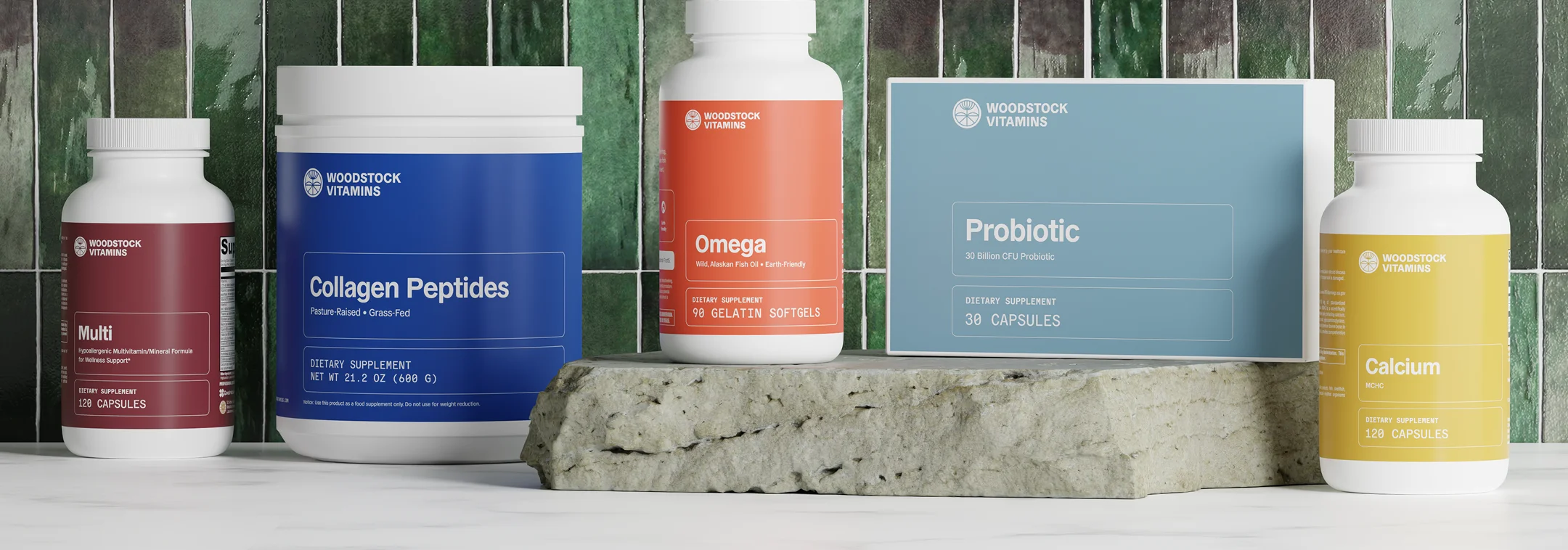
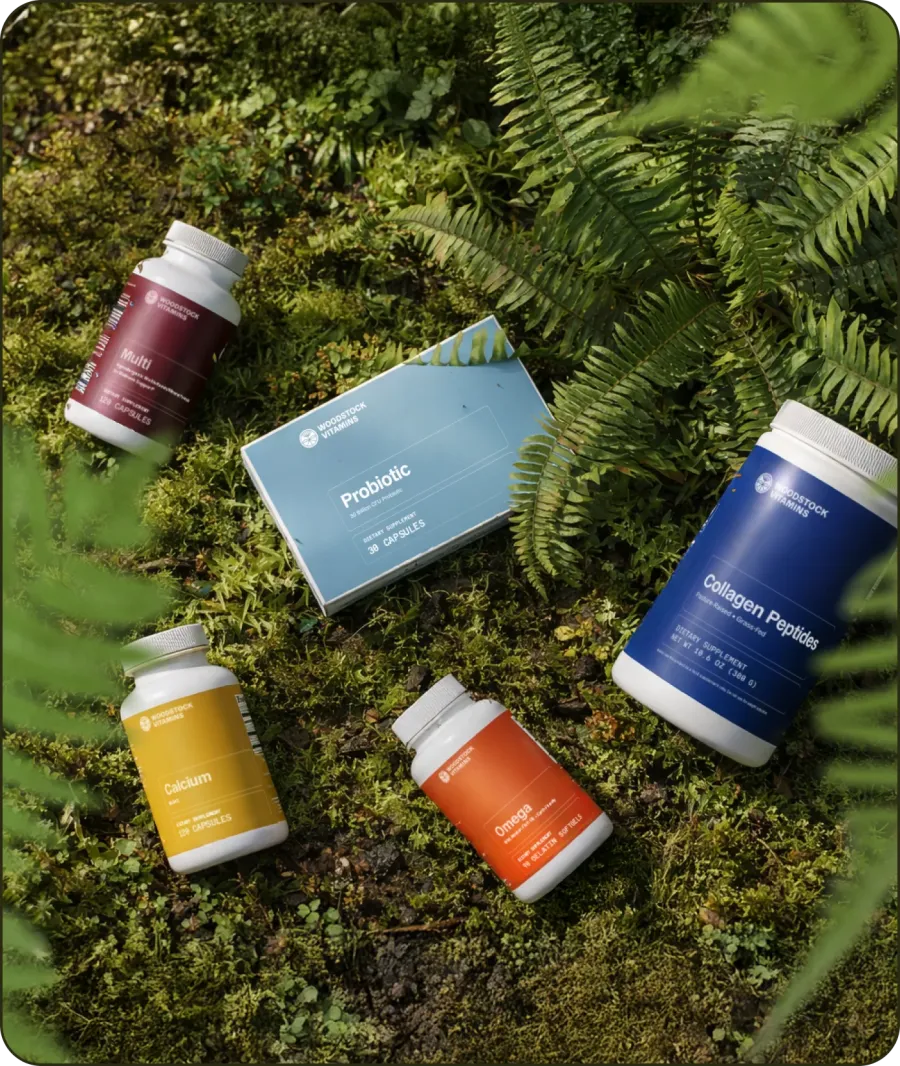
The gut plays a role here too. The gut-brain connection is a real and active area of research, which is part of why Probiotic sits alongside Omega in our Stress & Mood foundation — different mechanism, same underlying idea: you can’t build steady mood support on top of nutritional gaps.
Where to Start
You don’t need to figure out your entire supplement picture to act on this. Start with the foundation: take the quiz to see where Omega fits into yours, or go deeper on the Omega Pillar to understand the sourcing and formulation decisions behind ours.
You don't need more products. You need a clear place to start.
You don't need to rush. You don't need to figure it out alone. Two minutes with the quiz and you'll know exactly where your foundation has gaps — and what to do about it.