






Buying Vitamins & Supplements — What Actually Matters

Buying supplements has become a national sport. Thousands of people stand in the supplement aisle or scroll online and scan every bottle that promises miraculous results overnight. They add to cart, try it out, and after a few weeks, feel let down by the lack of results.
From the outside, one bottle of fish oil looks about as trustworthy as the next, but it isn’t. The supplement category has limited oversight, unchecked marketing claims, and enormous variation in quality within the exact same product type. Two bottles of the same nutrient, sitting next to each other on the same shelf, can be built to completely different standards — and nothing on the label will tell you that at a glance.
That’s the problem this guide solves. Not by telling you which brand to trust, but by giving you the actual questions to ask before anything goes in your cart or your body.
We evaluate every product we sell against four dimensions: Science, Compliance, Virtue, and Value, the main components of our Supplement Quality Standard (SQS). You don’t need to work here to use this framework. Here’s how to run it yourself, on anything.
Science: Is this backed by evidence, or just a study citation?
A lot of labels lean on the word “studied” like it settles the question. The real questions are about what was studied, at what dose, and whether that has anything to do with what’s actually in the bottle. When it comes to science, different studies point to different conclusions. We’re not asking you to be an expert in supplement science, but there are a few things to check for to ensure you’re reading evidence for a supplement’s efficacy that makes sense.
Check for:
- The dose on the label matches doses used in published research — not a fraction of it
- The ingredient itself (not just the broader category) has evidence behind it — “omega-3” isn’t specific enough; you want EPA and DHA amounts called out
- The product isn’t relying on a single small study to justify a big claim
- Claims describe what a nutrient does in the body — not what it does to a diagnosed condition. If a claim requires naming a disease to make sense, that’s a sign to look elsewhere
Red flag: A “proprietary blend” with no individual ingredient amounts listed. If a brand won’t tell you how much of something is actually in there, assume it’s less than you’d want.
Compliance: Is this made the way it says it’s made?
This is the part most people skip entirely, because it isn’t visible on the label. It’s visible in what the brand is willing to show you. Compliance ensures that the supplement was made in a safe, clean, and certified facility and that it’s tested for quality and effectiveness. Many brands skip this step, and without explicit mention of where they manufacture their supplement and how it’s made, you could be ingesting something that’s incredibly unsafe. Here are a few things to check for before you buy.
Check for:
- Manufactured in a cGMP-compliant facility (this should be stated, not implied)
- Third-party tested for potency and contaminants — and the brand can point to how, not just claim it
- Label accuracy — what’s on the label matches what’s in the capsule, in the amounts stated
- Sourcing is traceable. If you ask where an ingredient comes from, there’s a real answer
Red flag: Vague language like “pure” or “natural” standing in for actual testing information. Neither word has a regulatory definition in this category. They describe nothing. Ask what a brand actually tests for instead of what it calls itself.
Virtue: What does a brand do when nobody is watching?
Quality isn’t only about what’s in the formula. It’s the decisions a brand makes when a shortcut wouldn’t have shown up anywhere a customer could see it. It matters where a brand gets its ingredients and whether they were ethically sourced. If they’re using animal ingredients, were they fished or farmed in a way that benefits people and the planet? Most brands don’t want to reveal the dark underbelly of their sourcing and ingredients. But you can do your due diligence by checking for some key components.
Check for:
- Ethical sourcing that holds up under a specific question, not a general claim
- Ingredient amounts that reflect what the research supports — not what’s cheapest to include
- No filler ingredients added just to bulk out a capsule
- A brand that will tell you what it turned down, not just what it sells
Red flag: A brand whose entire quality pitch is a single word on the front of the bottle — “clean,” “premium,” “pure” — with nothing underneath it. Real virtue is specific. It survives a follow-up question.
Value: Is the price connected to anything real?
Value isn’t the lowest number on the shelf. An underdosed product isn’t a bargain — it’s a product that doesn’t do the job, priced to look like it does. Value is about being honest. Does the price of the supplement match the quality, or is it overpriced and overrated? You should be able to check for a few things to ensure that you’re being charged a fair rate for a supplement and not getting ripped off in the process.
Check for:
- The dose is high enough to matter and move the needle
- The price reflects the ingredient quality and testing — not just the packaging
- There’s no unnecessary ingredient inflation — a longer label isn’t a better one
- You’re not paying extra for a claim that has no science behind it
Red flag: A “22-in-1” formula priced like a specialty product. More ingredients at fractional doses usually means less of what actually matters, spread thinner.
Run the Checklist Before You Buy
Remember the four components of the Supplement Quality Standard: science, compliance. Virtue and value. In that order. A product that’s all bark and no bite on any one of these four components isn’t a deal — it’s a decision you’ll probably regret in three months, when the bottle’s still two-thirds full, and nothing’s changed.
This isn’t a checklist you run once and forget. It’s how we think about every product before it ever reaches our shelves, and it’s worth thinking the same way before anything reaches yours.
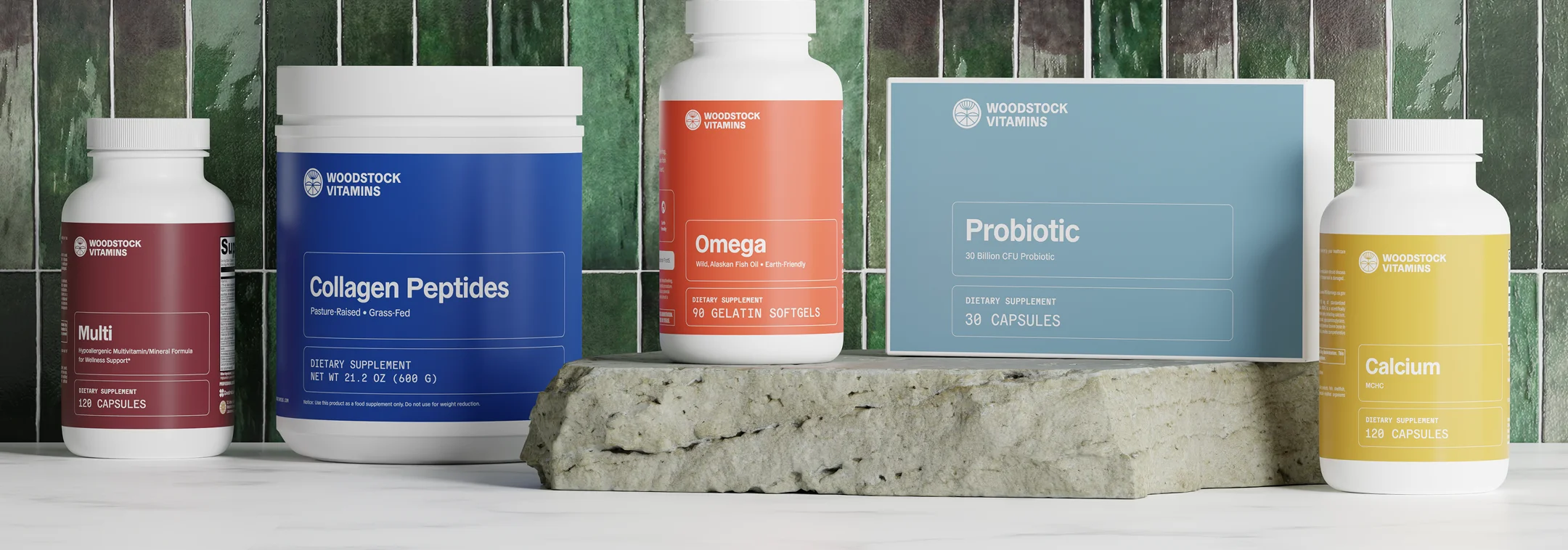
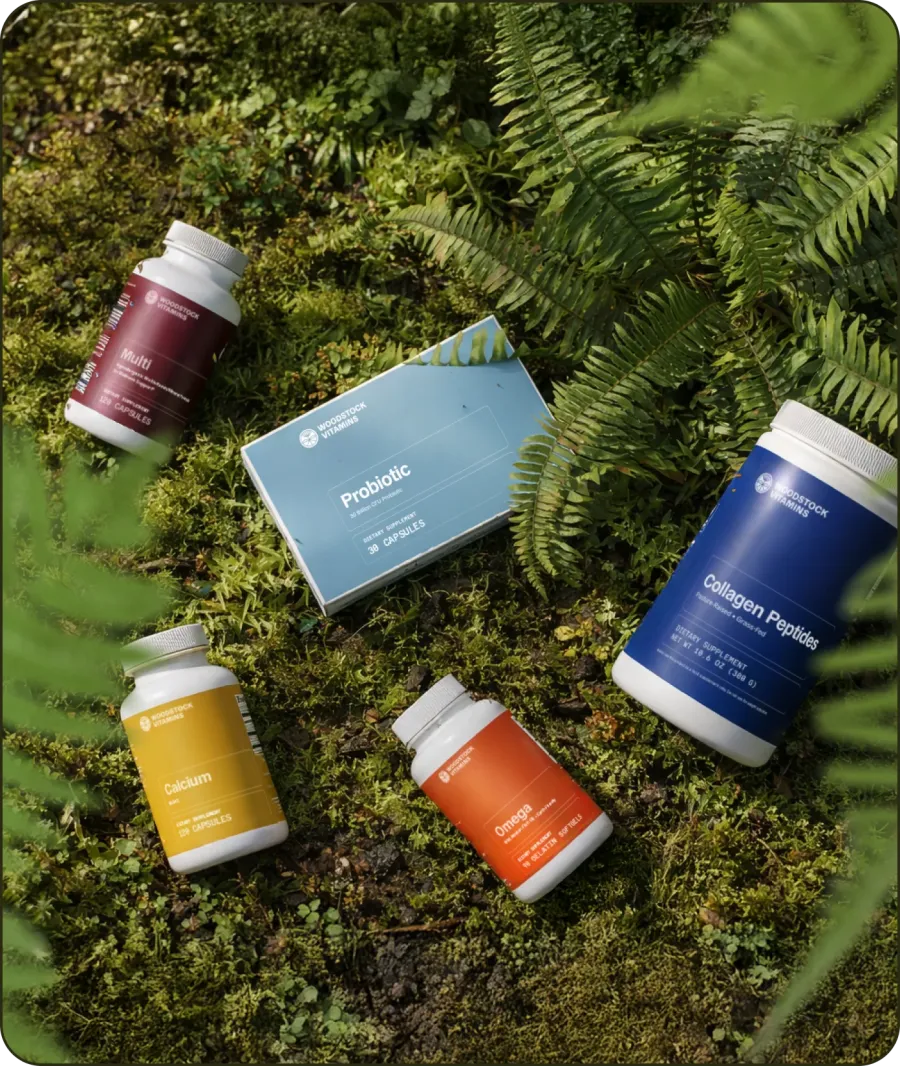
If you’d rather skip the aisle-by-aisle audit and start from a foundation that’s already been through this process, that’s what the First5 is for. All of the First5 are run through the SQS to ensure you’re getting simpler, more effective supplements that are sustainably sourced and a good value. But not every part of the First5 might be right for you. Get your own personalized supplement recommendations by finding your foundation here.
You don't need more products. You need a clear place to start.
You don't need to rush. You don't need to figure it out alone. Two minutes with the quiz and you'll know exactly where your foundation has gaps — and what to do about it.